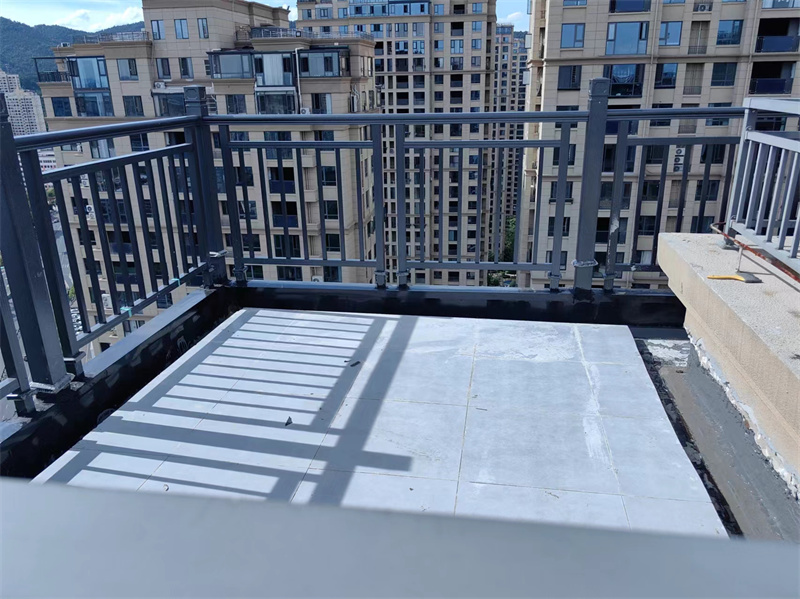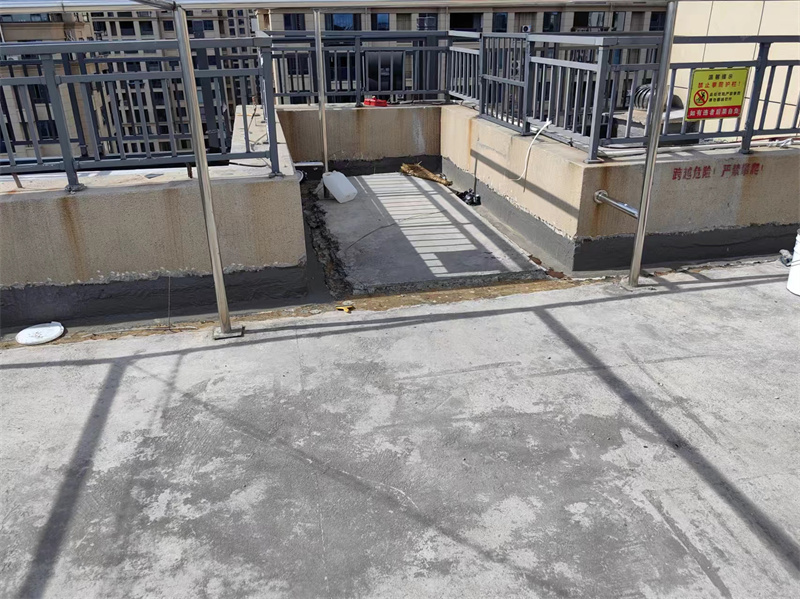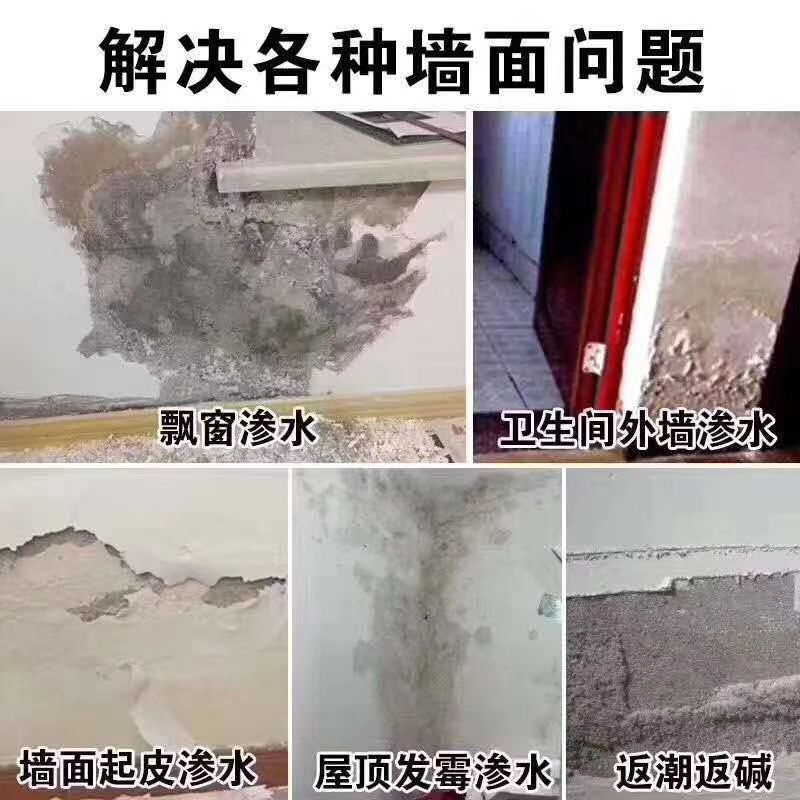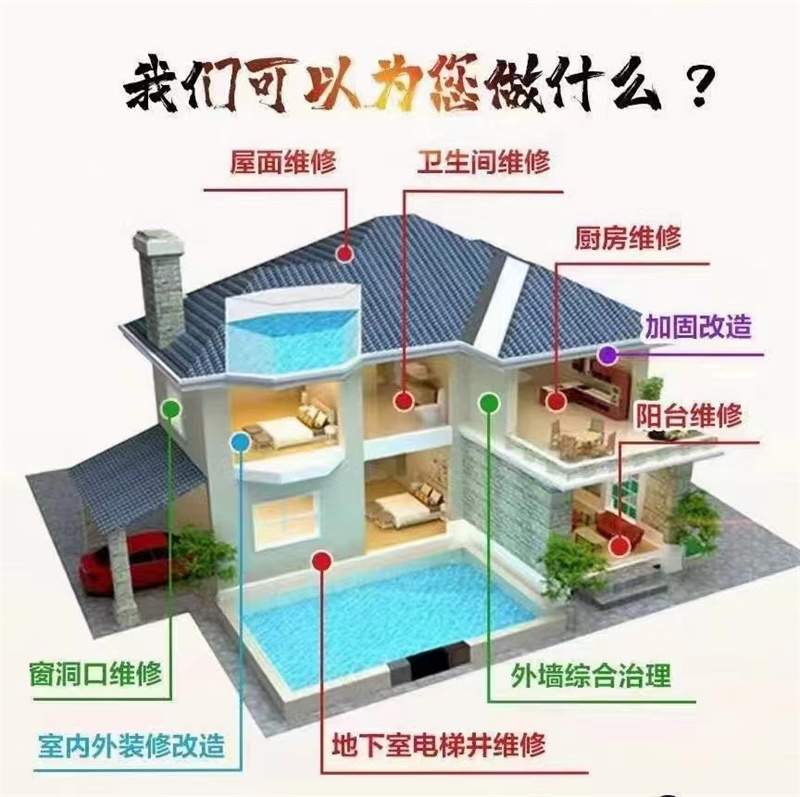









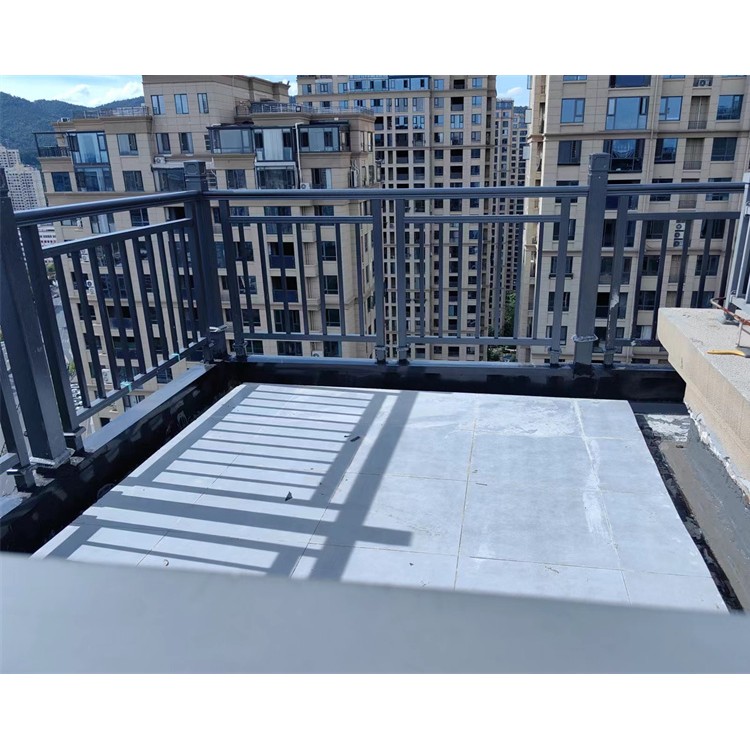
Kitchen waterproofing is a crucial aspect of construction engineering, primarily aimed at preventing the penetration of external moisture such as rain and snow into the building, thereby safeguarding the structure, interior facilities, and residents' property.
The Importance of Kitchen Waterproofing
Protecting Property: Kitchen waterproofing directly confronts the erosion from natural elements such as rain and snow, with its effectiveness directly related to the safety and protection of residents' property.
Enhance Living Comfort: Effective roof waterproofing prevents moisture intrusion, keeping indoor air dry and preventing issues like mold and mildew, thereby enhancing living comfort.
Ensure structural stability of buildings: Moisture is the archenemy of construction materials. Inadequate waterproofing can lead to erosion of load-bearing structures like walls and columns, potentially causing cracks and deformation, affecting the long-term stability and safety of the building structure.
Energy-saving and environmental protection: Preventing roof leakage reduces energy loss, enhances the thermal insulation of buildings, and simultaneously avoids rainwater from entering the groundwater system, reducing water waste and pollution.
Section II: Key Approaches to Kitchen Waterproofing
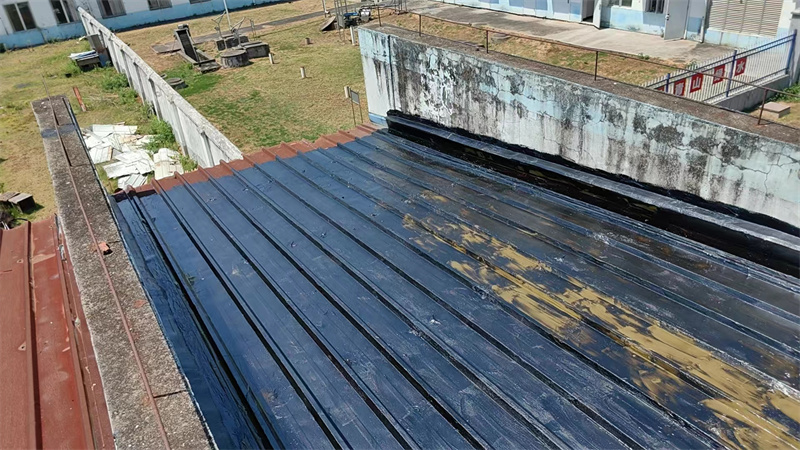
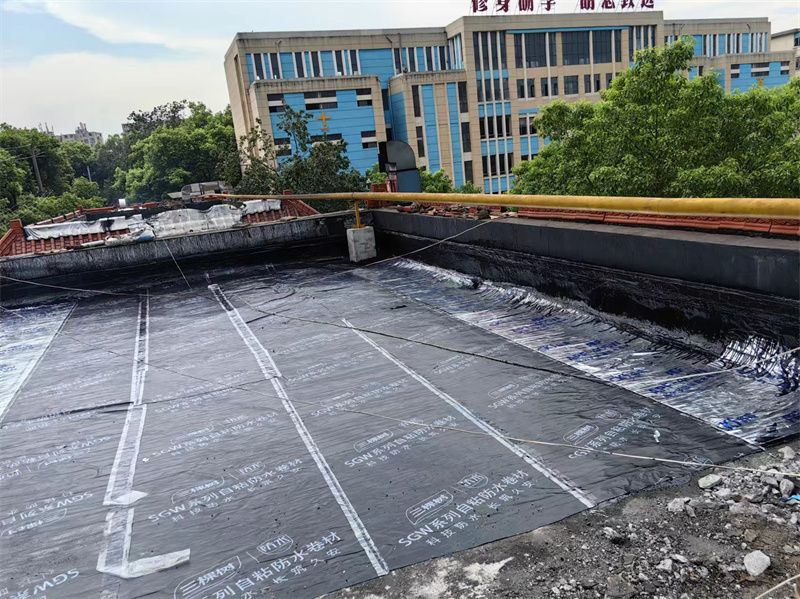
Rolled Roofing Waterproofing
Definition: A roofing system that utilizes various construction techniques to bond different types of adhesive materials to a roll, fixed on the roof surface, for the purpose of waterproofing.
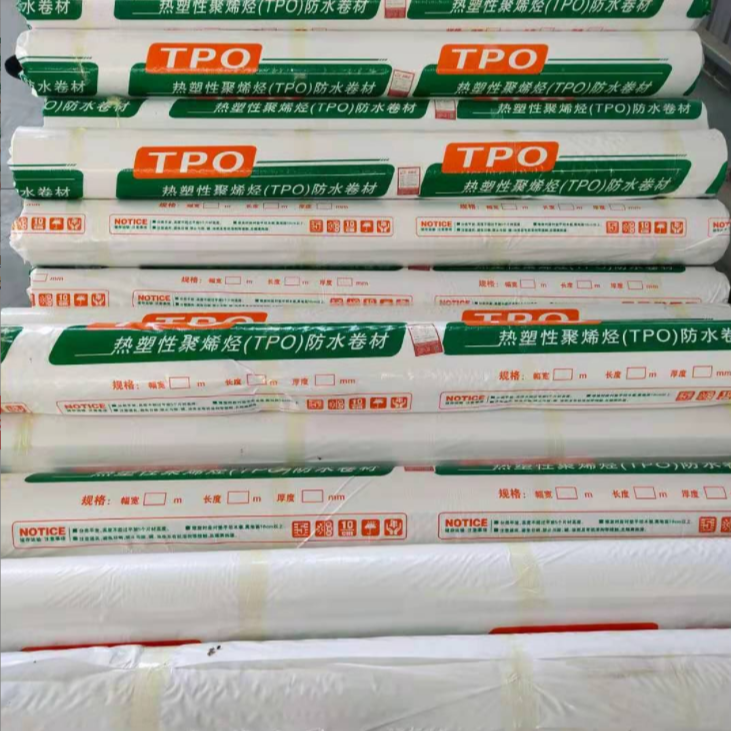
Materials: Including traditional asphalt waterproof membranes, high polymer modified asphalt waterproof membranes, and synthetic polymer waterproof membranes, etc.
Construction Steps: Substrate preparation (cleaning, washing, drying) → Leveling layer construction (cement mortar leveling) → Membrane laying (pay attention to direction, interface treatment) → Protective layer construction (adding insulation layer, cement mortar protective layer, etc.).
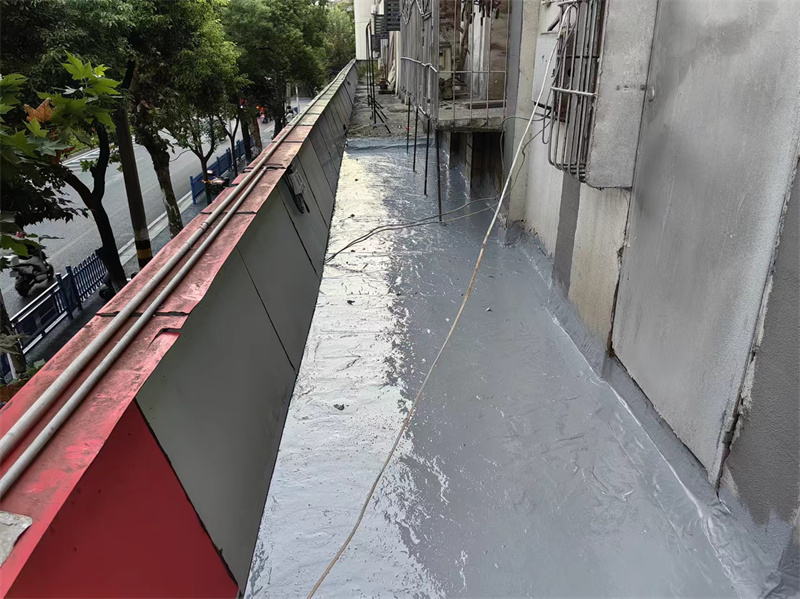
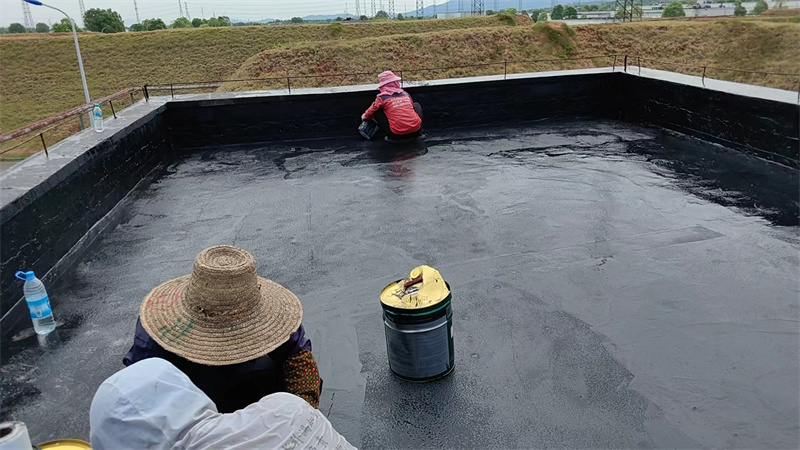
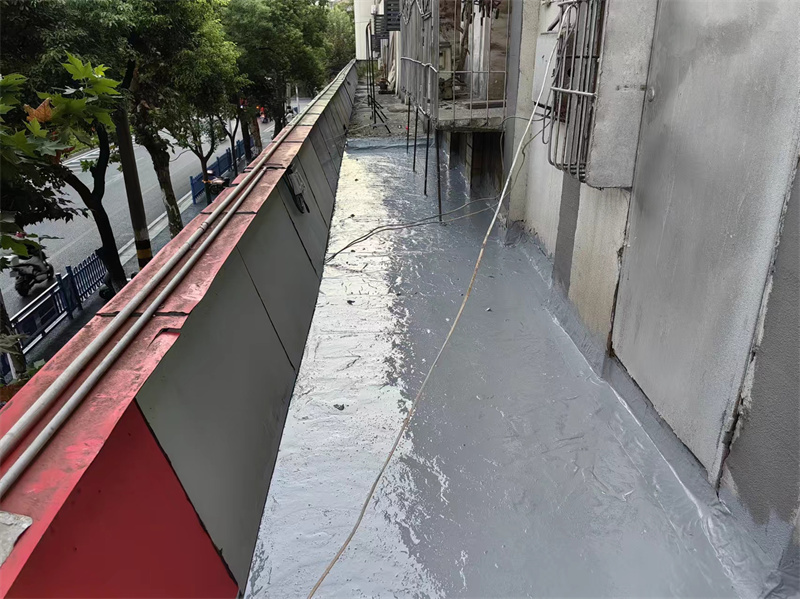
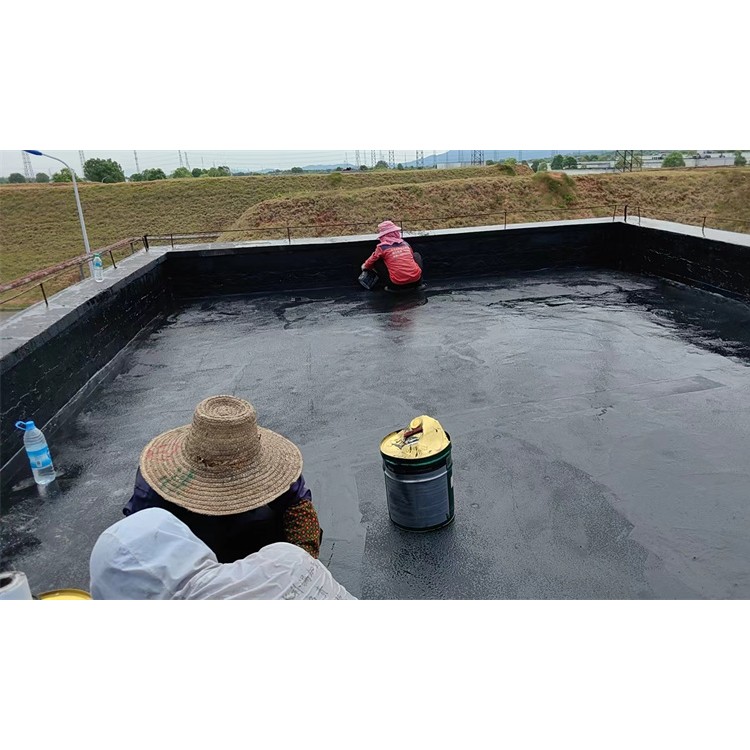
Coating Waterproof Roofing
Definition: A waterproofing roofing system that involves applying a waterproof coating to the subgrade of the roof, which, after curing, forms a cohesive film with a certain thickness and elasticity, thereby achieving the purpose of waterproofing.
Construction Steps: Base treatment (inspect the quality and dryness of the leveling layer) → Waterproof coating application (apply multiple coats to achieve the designed thickness, ensuring evenness) → Head treatment (apply multiple coats of waterproof coating for dense sealing or use sealing material to press and seal the edges) → Protective layer construction (select different protective layer materials as needed).
Rigid Waterproof Roofing
Definition: A roof waterproofing layer made by pouring concrete, which achieves waterproofing by adding admixtures to make the concrete fine and dense.
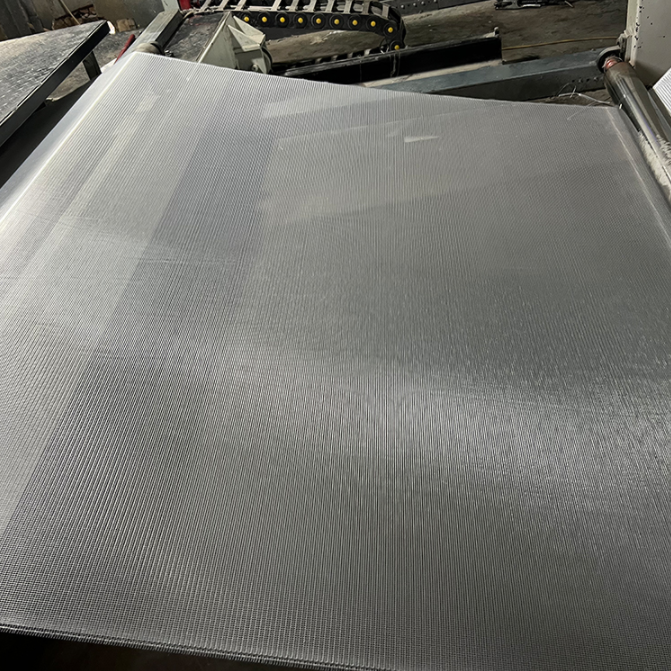
Construction Steps: Level and compact the subgrade → Lay an isolation layer (such as dry fine sand, plastic film) → Configure the steel mesh (as per design requirements) → Pour concrete (pay attention to pouring sequence and vibration compaction) → Curing and finishing treatment.
III. Selection of Kitchen Waterproof Materials
Rubber Waterproof Film: Features excellent weather and corrosion resistance, suitable for various roofing types.
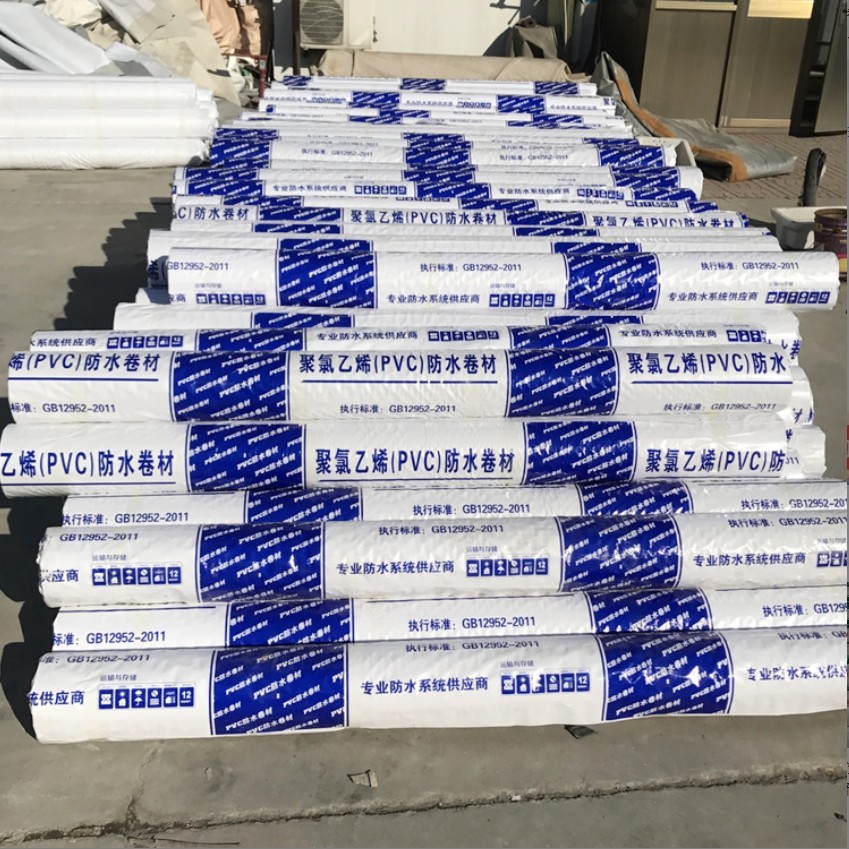
PVC Waterproof Film: High elasticity, corrosion resistance, and weather resistance, with excellent puncture resistance and chemical resistance.
HDPE Waterproof Film: Made of high-density polyethylene, it boasts excellent chemical resistance, UV resistance, impact resistance, and aging resistance.
Liquid Polyurethane Waterproof Coating: Single-component polyurethane water-based paint with strong adhesion and excellent weather resistance, suitable for various types of roofs.
Asphalt waterproofing materials: Economical and practical, with excellent waterproofing properties and weather resistance.
Polymer Waterproof Coating: Composed of polymer resins and fillers, the resulting waterproof layer is robust and durable.
4. Cautionary Notes
Substrate Preparation: Ensure the substrate is level, dry, and free of defects; this is the foundation for the quality of the waterproofing layer.
Material Selection: Choose appropriate waterproofing materials based on the type of roof, environmental conditions, and usage requirements.
Construction Quality: Strictly adhere to construction specifications and design requirements to ensure the integrity and effectiveness of the waterproofing layer.
Post-Maintenance: Regularly inspect and maintain the waterproofing layer, promptly repair any damaged or aging areas, and extend the lifespan of the waterproofing layer.