













I. Principle of High-Frequency Inductive Heating
Inductive heating utilizes the induced current (eddy current loss) generated in conductors under the influence of a high-frequency magnetic field, as well as the magnetic field within the conductor (hysteresis loss) to cause the conductor to heat up internally. Three, the composition of an inductive heating system
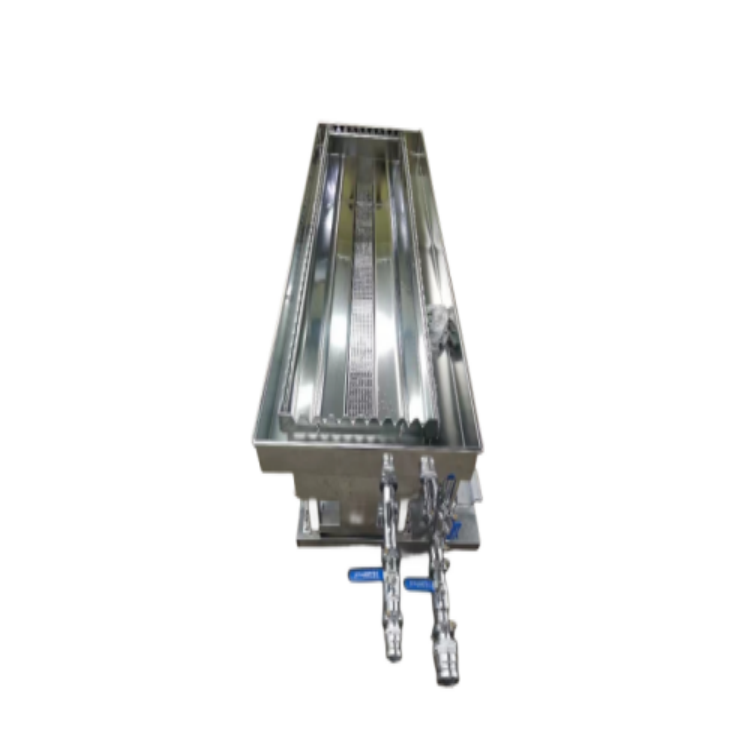
The induction heating system consists of a high-frequency power supply (high-frequency generator), wire, transformer, and inductor. Its operation steps are as follows: ① The high-frequency power supply converts the standard power supply (220V/50Hz) into a high-voltage, high-frequency, low-current output. (The frequency is determined by the heating object; for packaging materials, the frequency should generally be around 480kHz.) ② The transformer converts the high-voltage, high-frequency, low-current into low-voltage, high-frequency, and high-current. ③ The inductor, after passing through the low-voltage, high-frequency, and high-current, forms a strong high-frequency magnetic field around it. Generally, the greater the current, the higher the magnetic field strength.
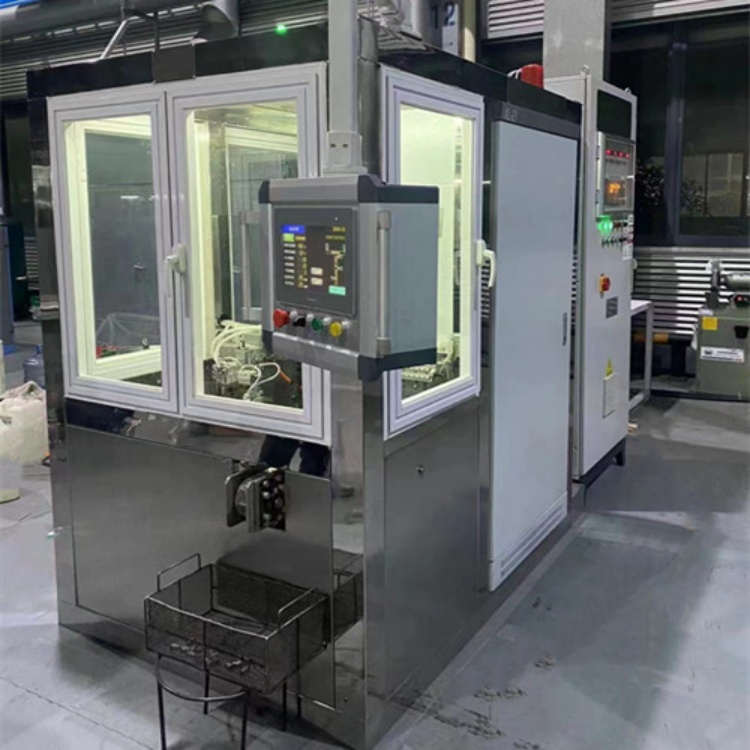
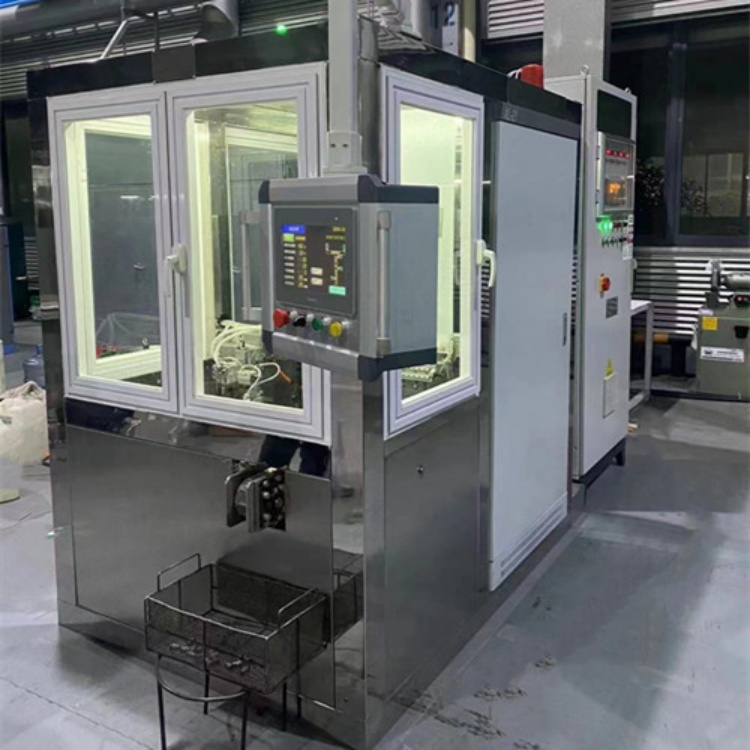
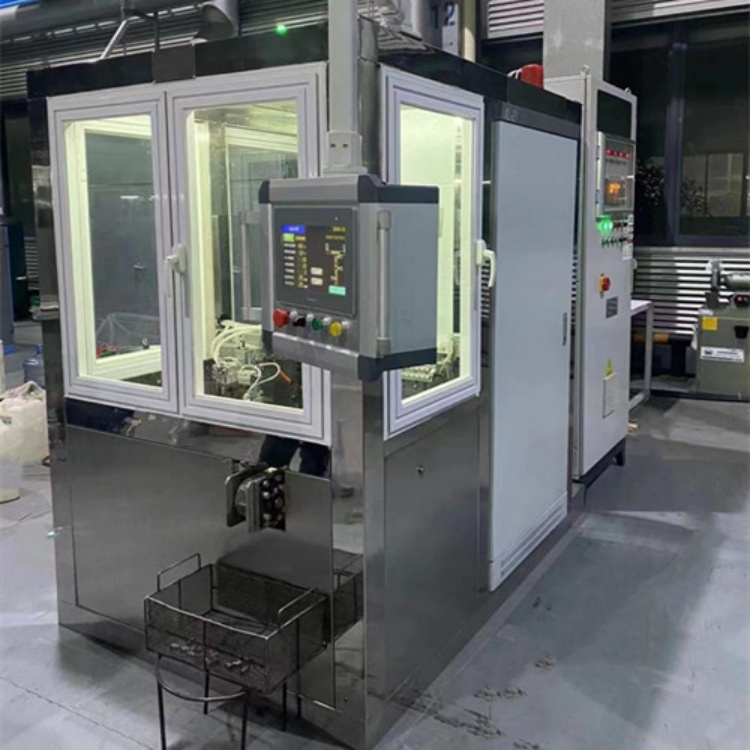
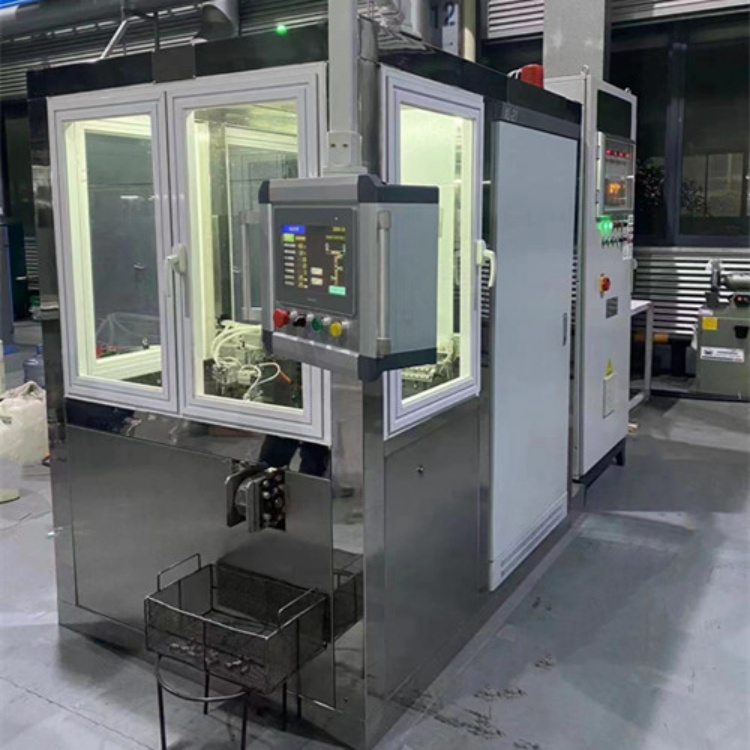
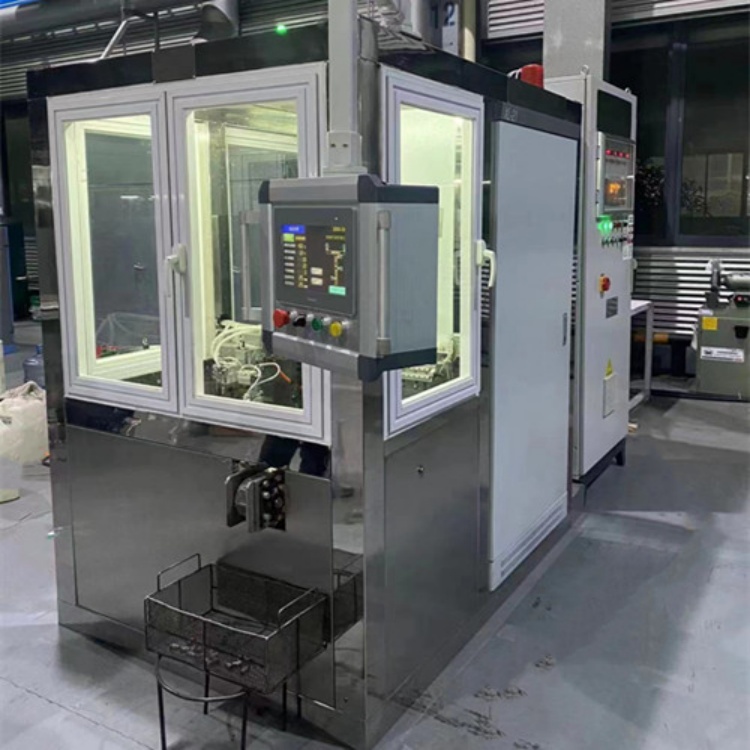
All-transistor high-frequency induction heating equipment | Current Status of High-Frequency Induction Heating Equipment
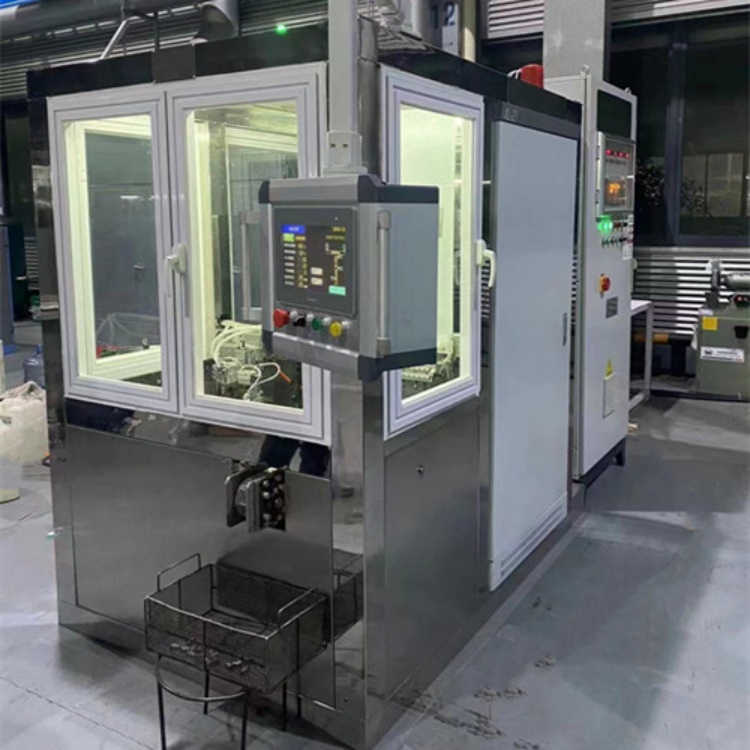
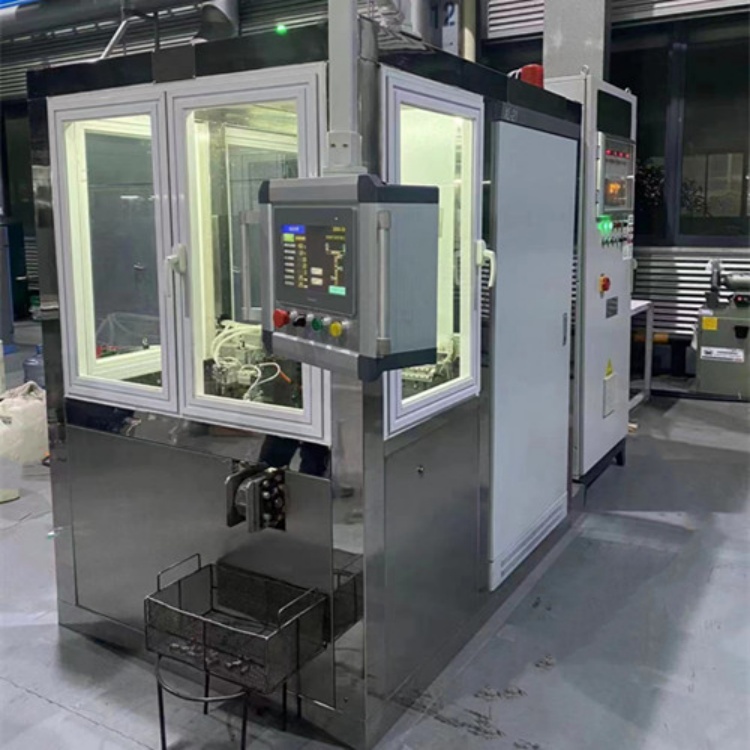
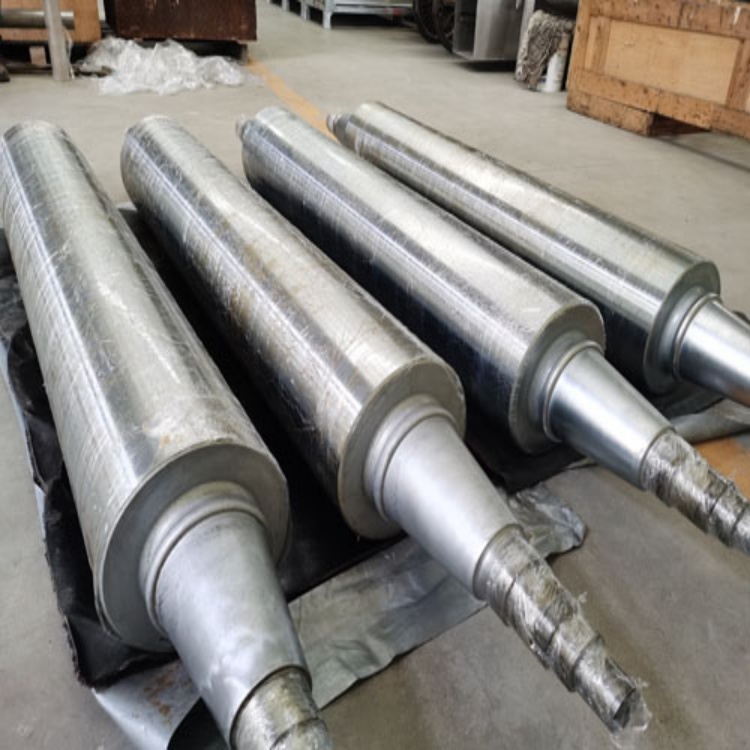
High-frequency induction heating equipment has been widely applied in our province, with equipment frequency ranges from 20 to 450 kHz and high-frequency power up to 400 kW. The high-frequency induction heating equipment in our province is mainly used in metal heat treatment, quenching, through-heating, melting, brazing, straight seam steel pipe welding, vacuum device degassing heating, semiconductor material refining, plastic hot-molding, baking, and purification, etc. Currently, the high-frequency induction heating equipment used in our province are all based on high-power vacuum tubes (cathode ray tubes) as the core to form a single-stage self-oscillating oscillator, converting high-voltage DC power into high-frequency AC power. The electron tube anode conversion efficiency is generally around 75%, and the overall equipment efficiency is generally below 50%, with significant consumption of water and electricity. Since the mid-1970s, a series of improvements have been made to high-frequency equipment, such as:
(1) Replace the old-style pure tungsten filament tubes with energy-saving molybdenum tungsten filament tubes, such as using FV-911 instead of FV-433, FV-431, FV-89F tubes, etc.; (2) Use high-voltage silicon rectifier stacks instead of mercury-filled thyratron rectifiers.
(3) Utilizing high-power bidirectional silicon-controlled rectifiers combined with microcomputer voltage regulation to replace the original thyristor voltage regulation;
(4) Adjust the oscillating circuit according to individual process conditions and select a reasonable oscillation frequency. After a series of modifications, the overall electrical efficiency of our frequency equipment has been somewhat improved, demonstrating some energy-saving effects. However, since the power-hungry oscillating tube has not been replaced, the energy-saving effect is not particularly significant.