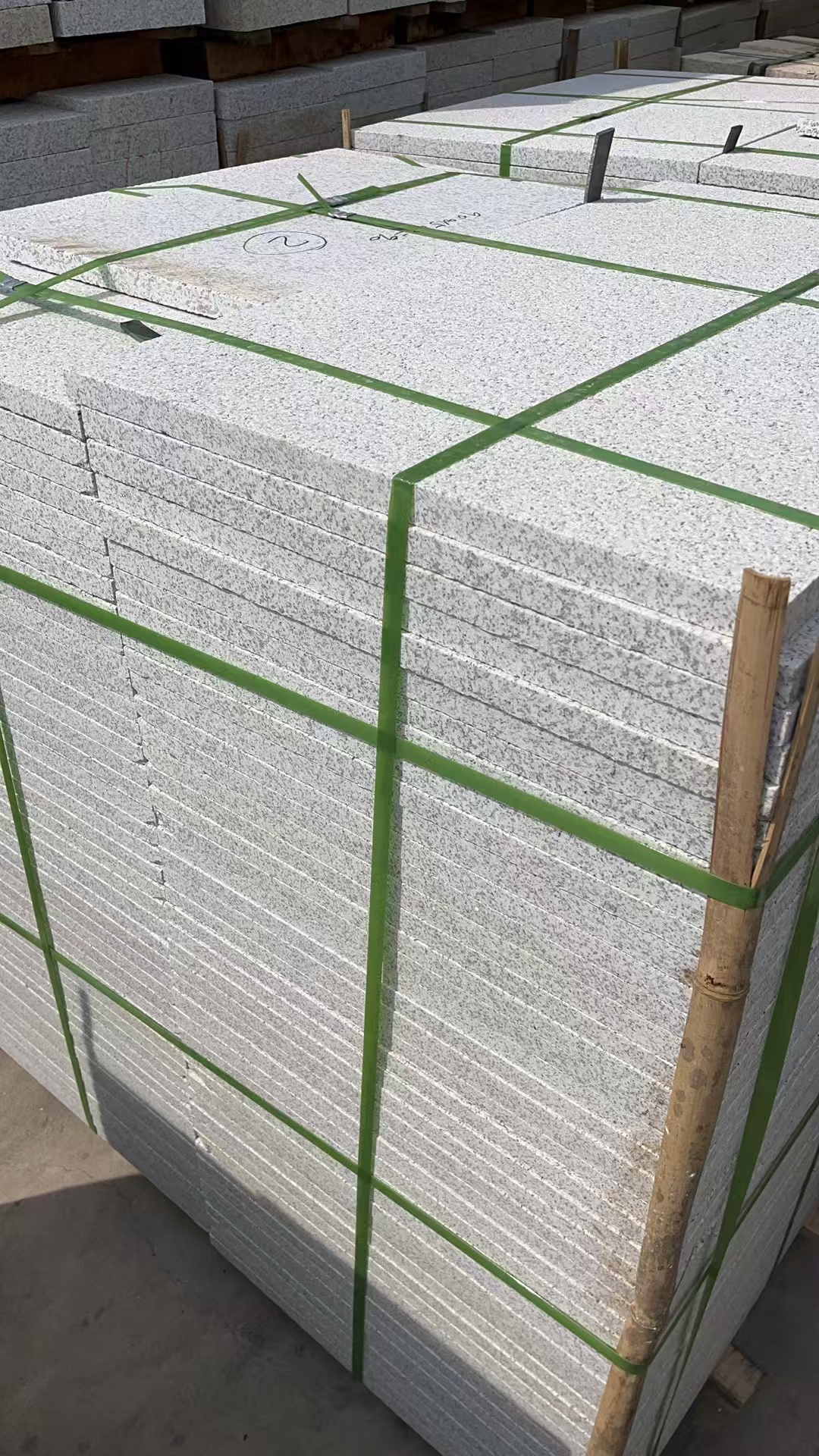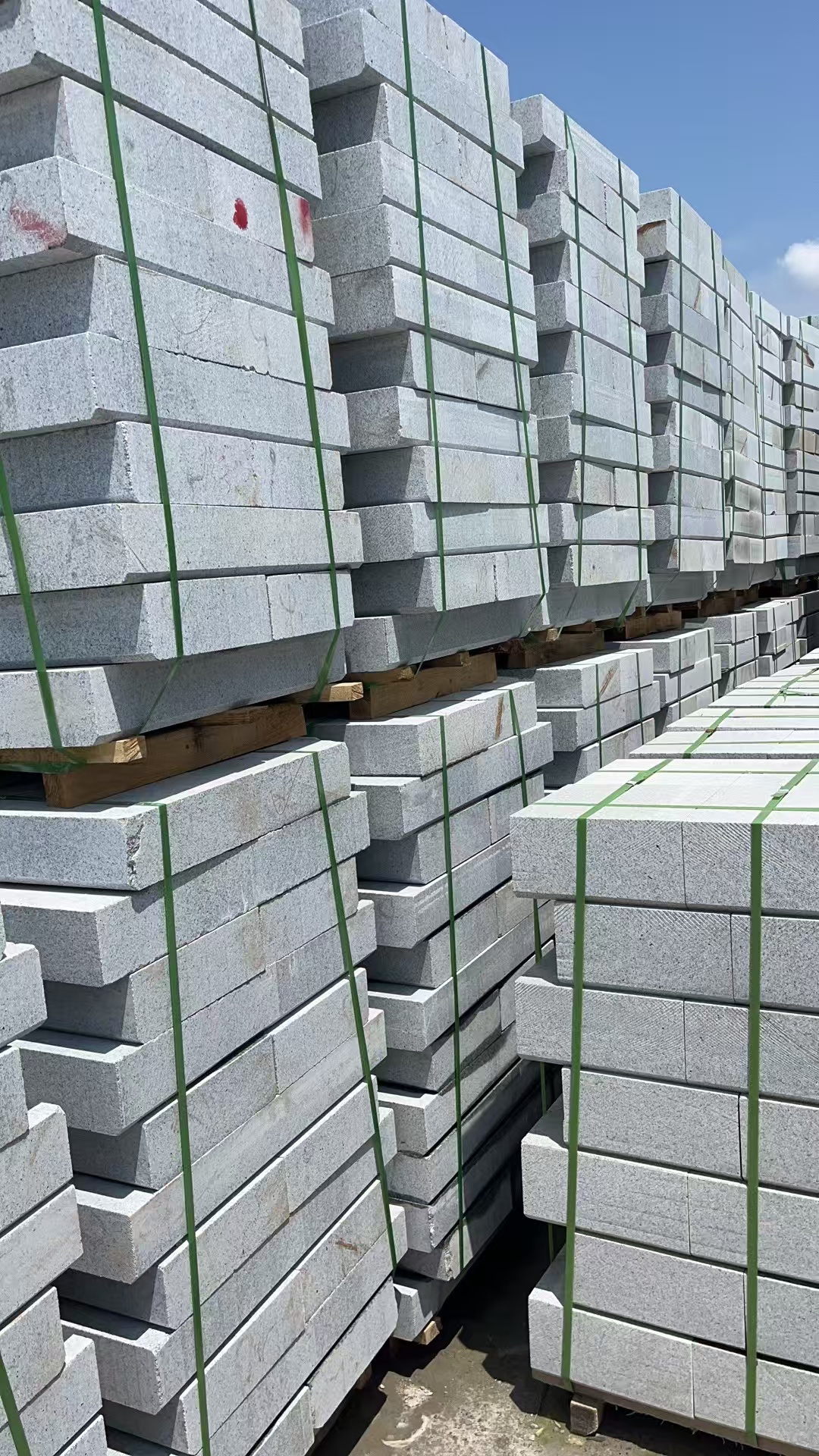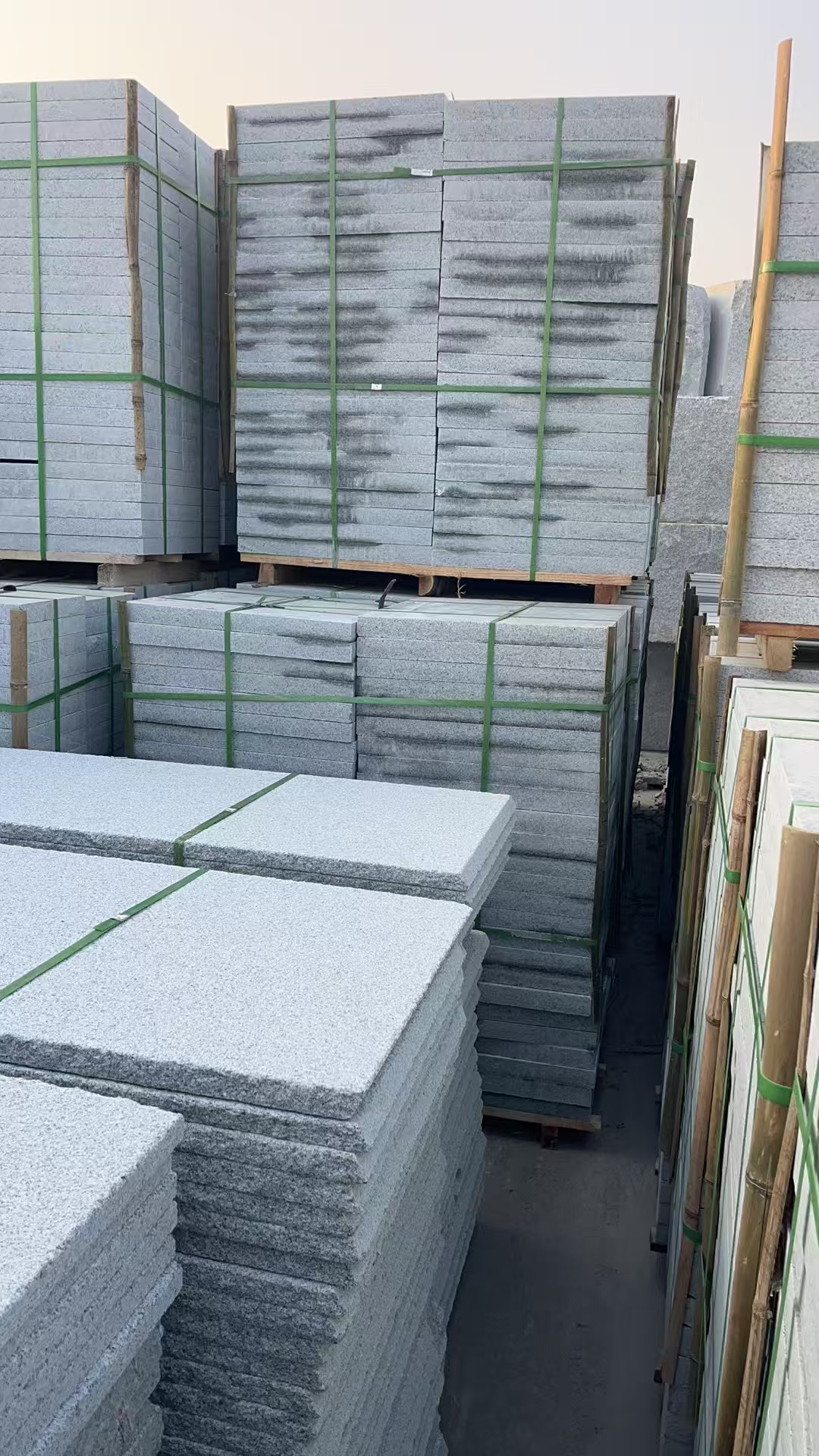







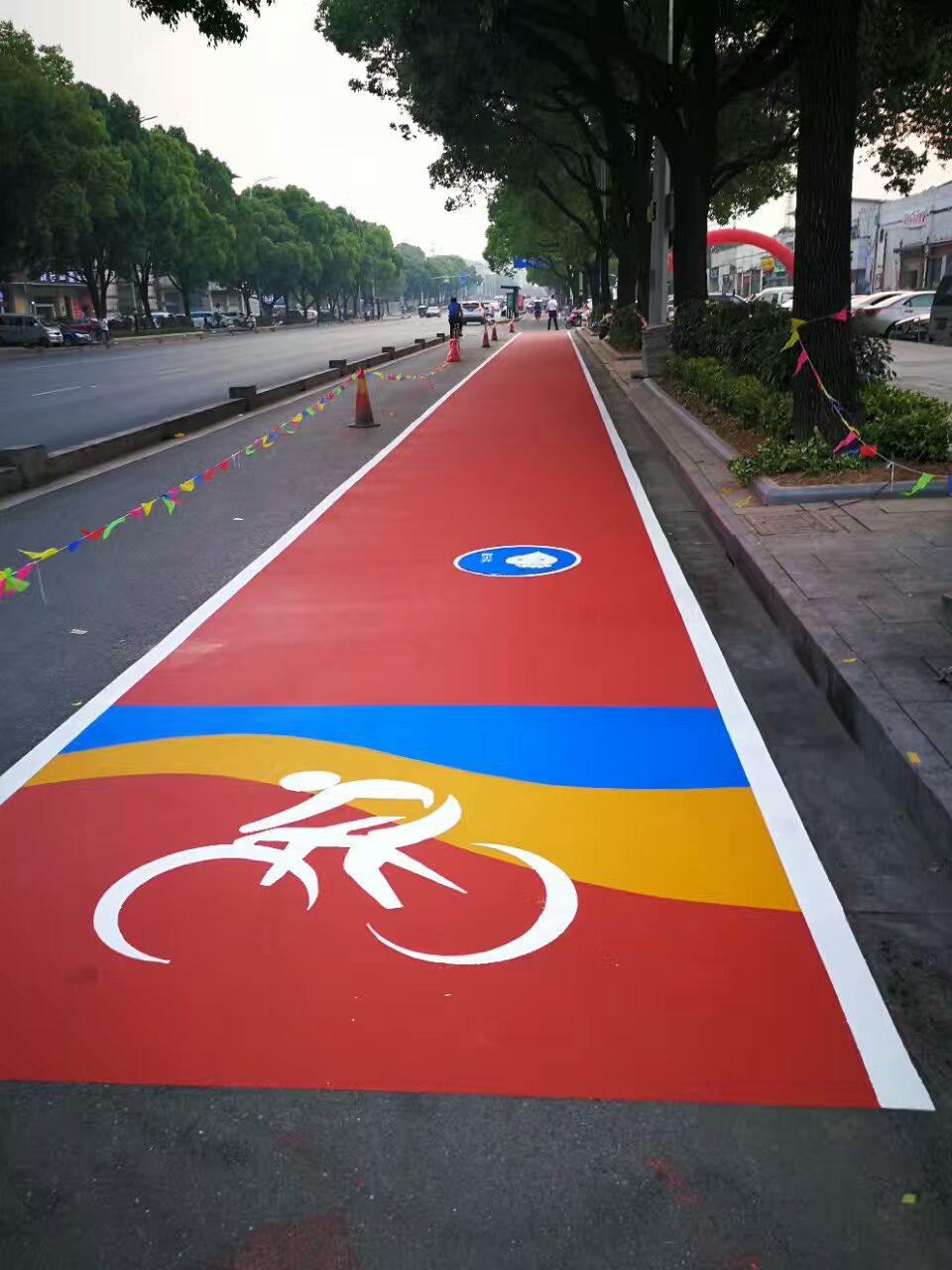
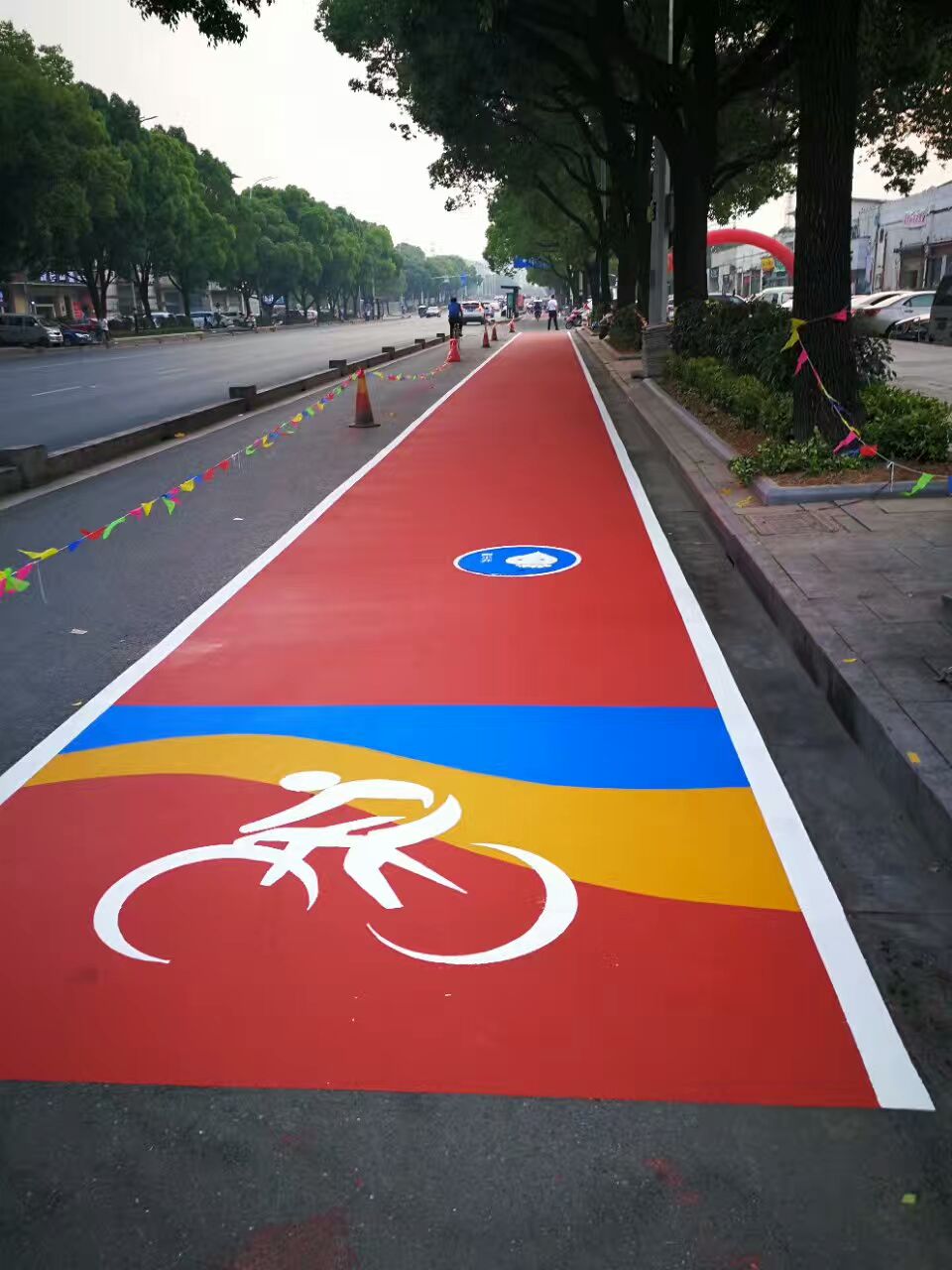
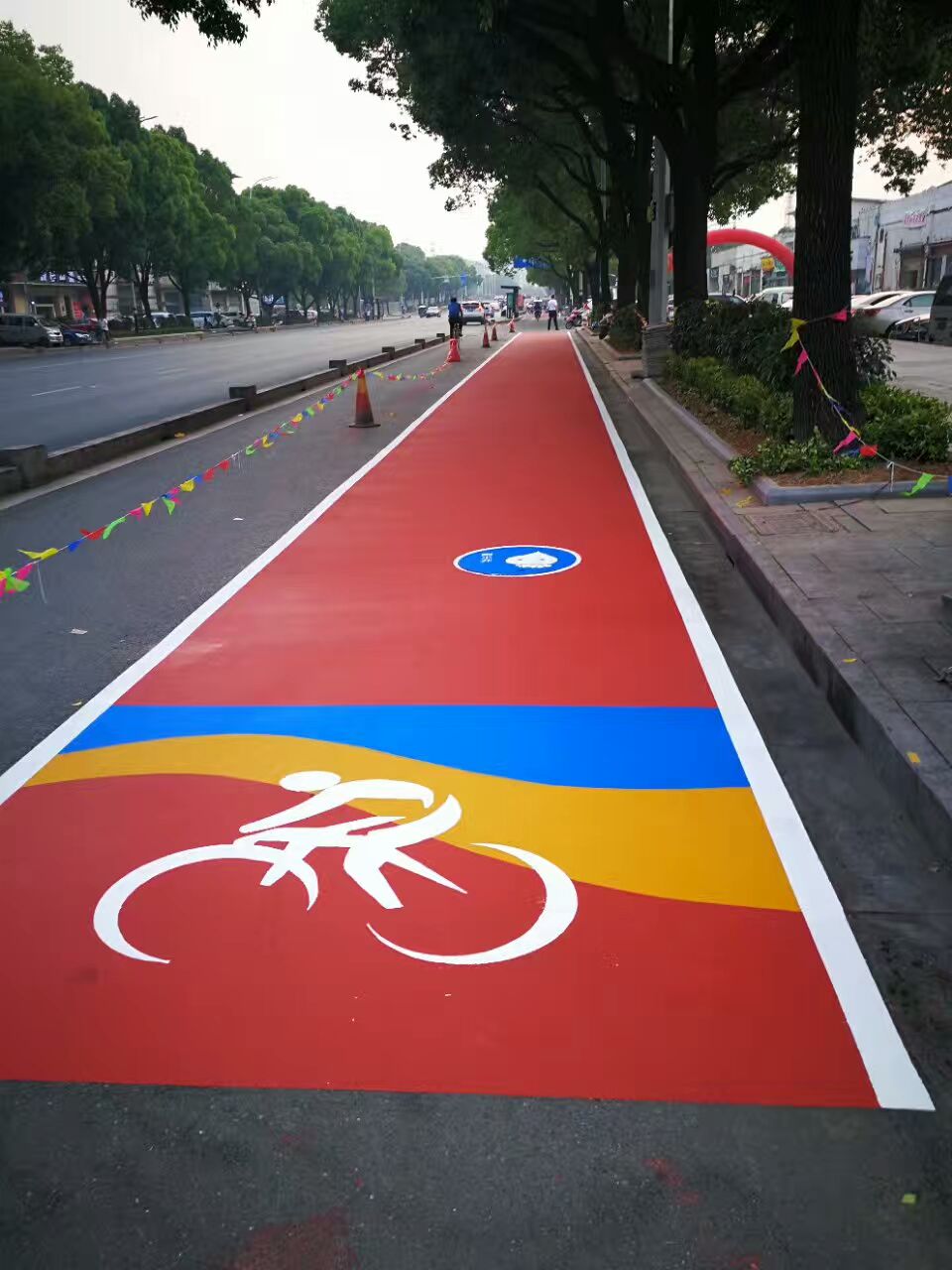
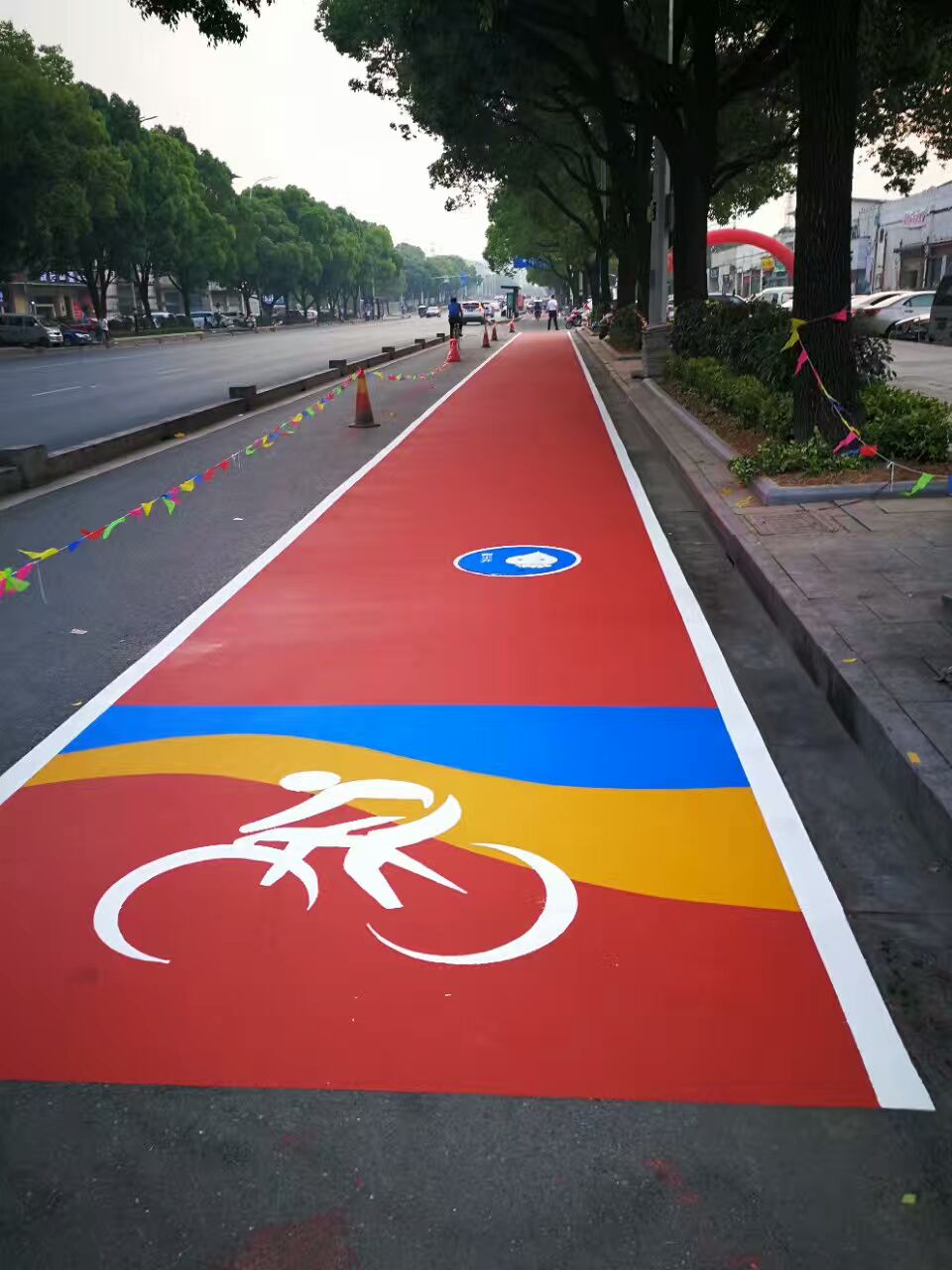
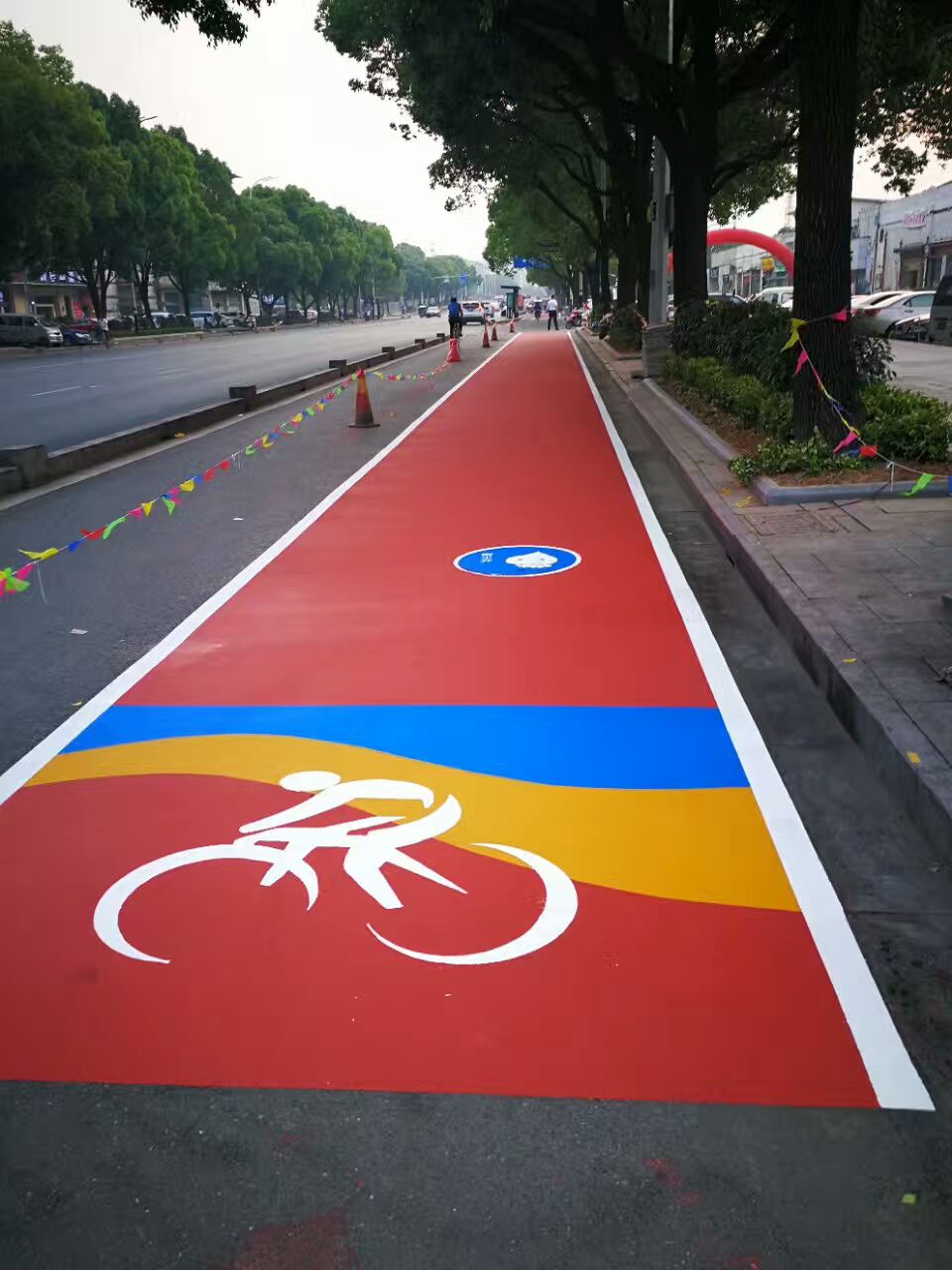
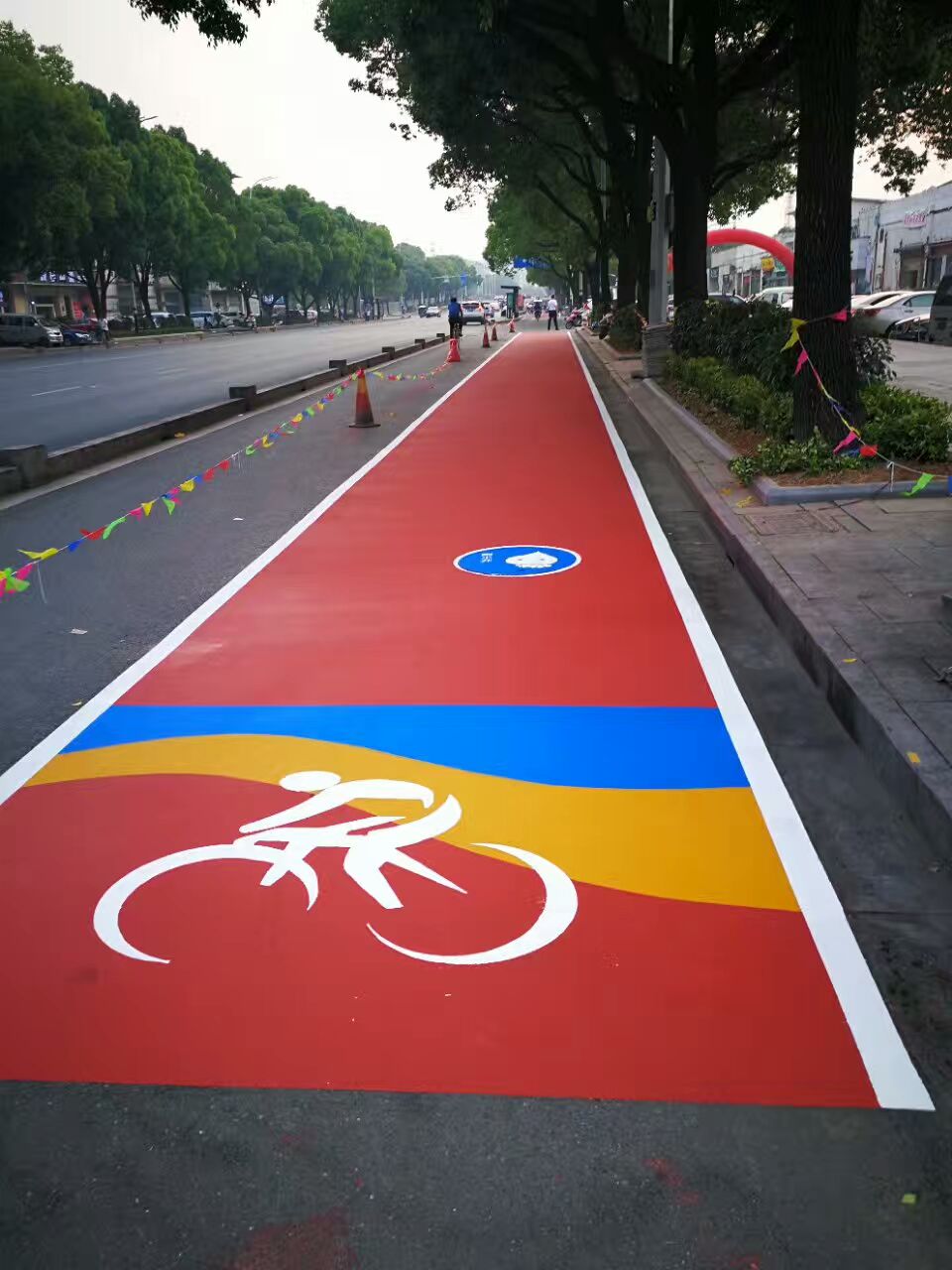
Porous pavement offers strong practicality, benefiting the benign development of human living environments; it also plays a significant role in rainwater management, utilization, and water pollution control. It is a "Key Promoted Project of Scientific and Technological Achievements in National Construction," widely used in pedestrian walkways, bike lanes, light rail tracks, public squares, outdoor parking lots, as well as park alleys and scenic roads.

2 Sponge City --- Retention
Capture rainwater, respecting the natural terrain and topography to allow for natural dispersal of rainfall. With artificial construction having altered the natural landscape, water accumulates in one place in a short time, leading to internal flooding. Therefore, it is necessary to store rainfall for regulating and peak-shaving purposes. Currently, there are no fixed standards or requirements for the water storage phase in sponge cities. The underground storage methods are diverse, with two common overall forms: plastic module storage and underground reservoirs.

3 Sponge City --- Retention
Its primary function is to delay the runoff of rainwater formed in a short period. For instance, by adjusting the micro-topography, it allows rainwater to slowly accumulate in one place, trading time for space. Through the process of "retention," it can delay the peak formation of runoff. The specific forms can be summarized into three: rainwater gardens, ecological retention basins, infiltration pools, and artificial wetlands.

4 Sponge City — Clean
Soil infiltration, through vegetation, green spaces, and water bodies, all contribute to water purification. Therefore, it should be collected, purified, and then reused in urban areas. Rainwater purification systems are set up differently based on regional environments, which can generally be categorized into three types: residential area rainwater collection and purification, industrial area rainwater collection and purification, and public municipal area rainwater collection and purification. Different rainwater purification stages can be set according to these three regional environments. Currently, the familiar purification process is divided into three stages: soil filtration purification, artificial wetland purification, and biological treatment.

5 Sponge City --- Utilizing
After soil filtration, artificial wetland purification, and multi-layer biological treatment, the rainwater should be utilized as much as possible, regardless of water-rich or water-scarce regions. Strengthening the utilization of rainwater resources is crucial. Not only can it alleviate flood disasters, but the collected water resources can also be utilized, such as using purified rainwater from parking lots for car washing. We should nourish water through infiltration, retain it in place through storage, and then use it locally through purification.

6 Sponge City --- Drainage
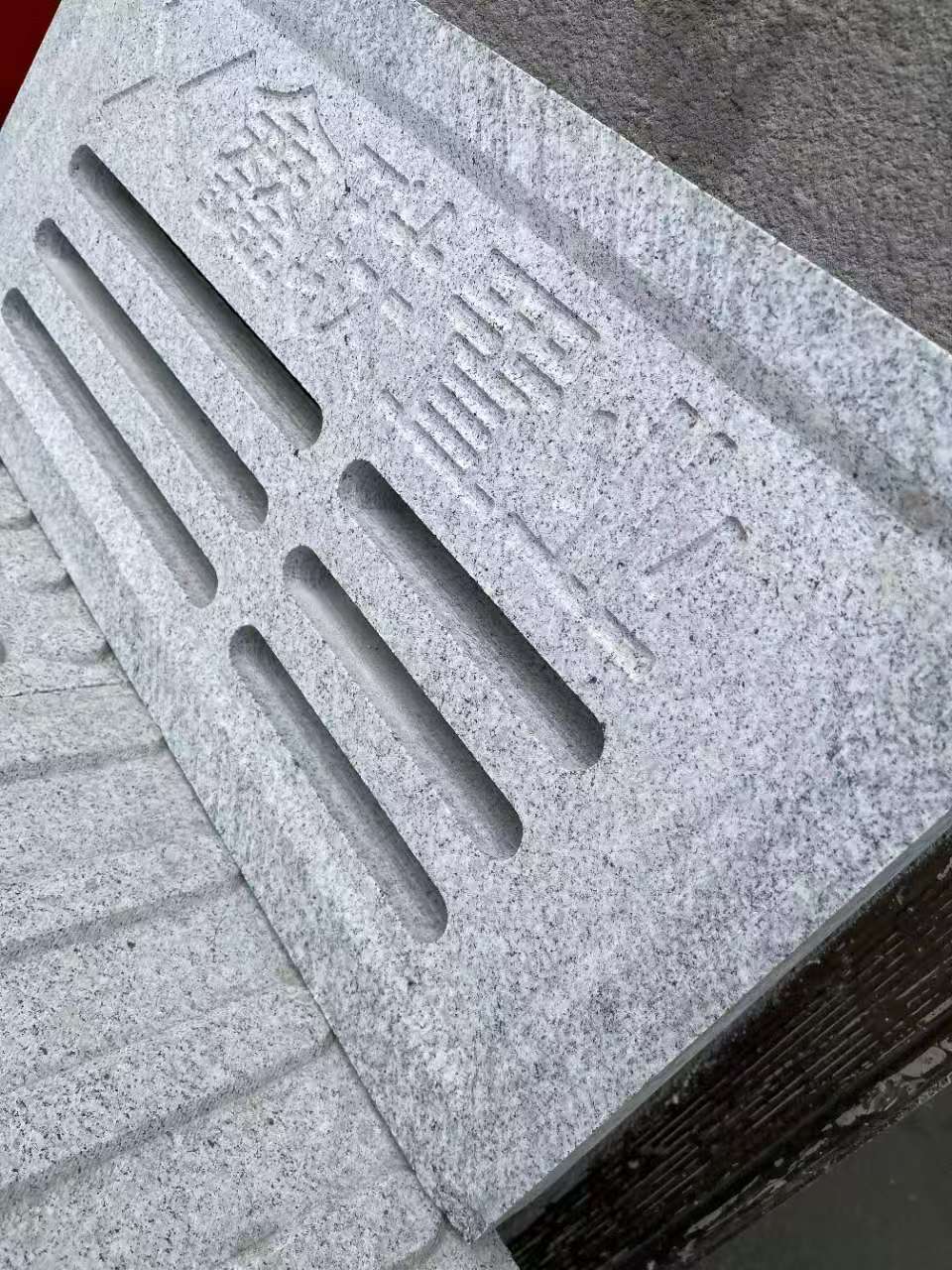
By combining urban vertical structures with engineering facilities, integrating drainage and flood prevention systems with natural waterways, and combining surface drainage with underground stormwater channels, general discharge and excess rainfall are achieved, preventing internal flooding and other disasters. Some cities experience internal flooding due to excessive rainfall. This necessitates taking artificial measures to discharge the rainwater.