






In recent urban development, the theme of "Green City, Green Home" has been proposed, and now "City, Making Life Better" has been introduced, allowing us to proudly present a brand new urban concept to the world.
Porous paving surface material
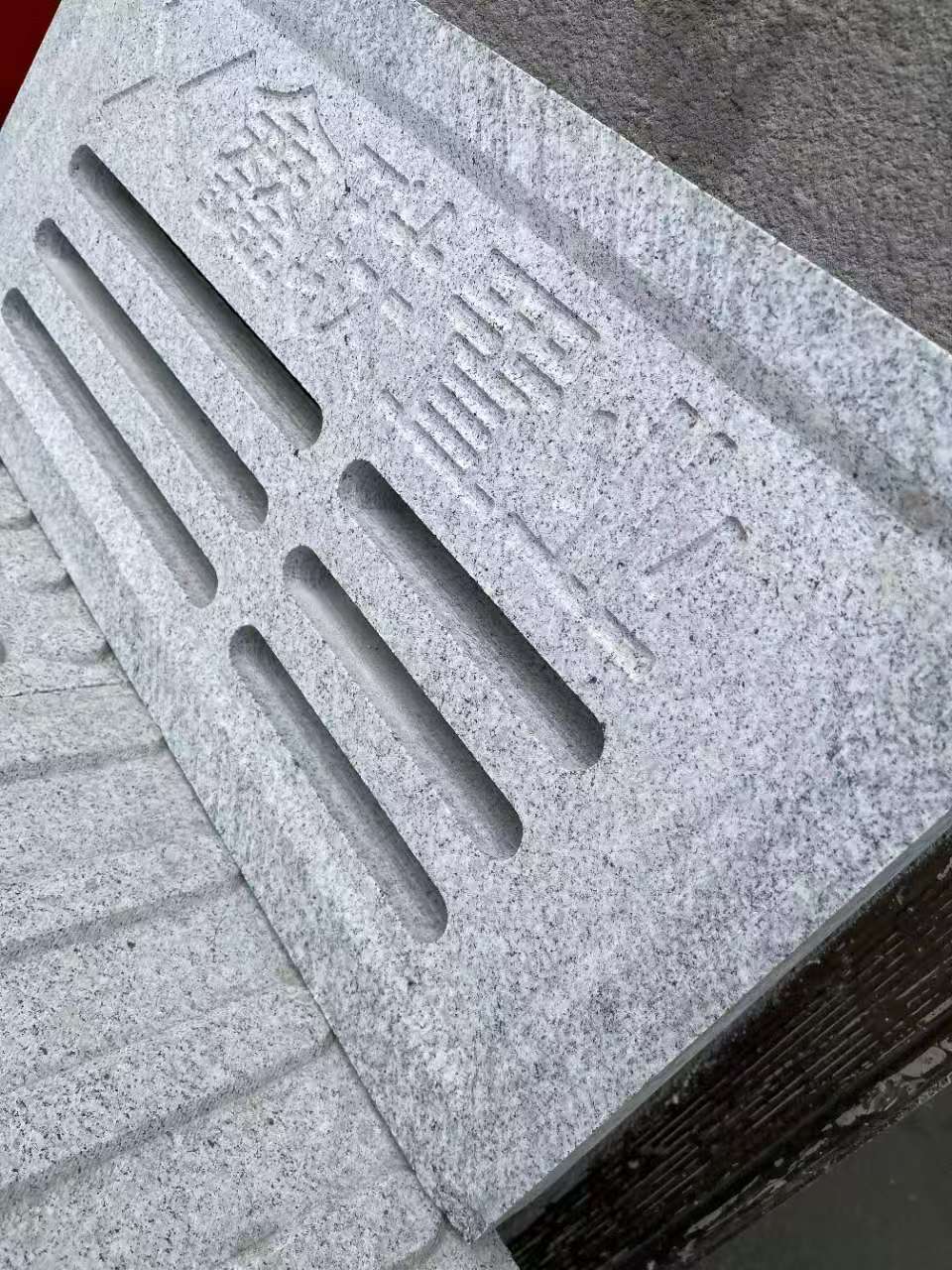
Integrated Permeable Paving Surface
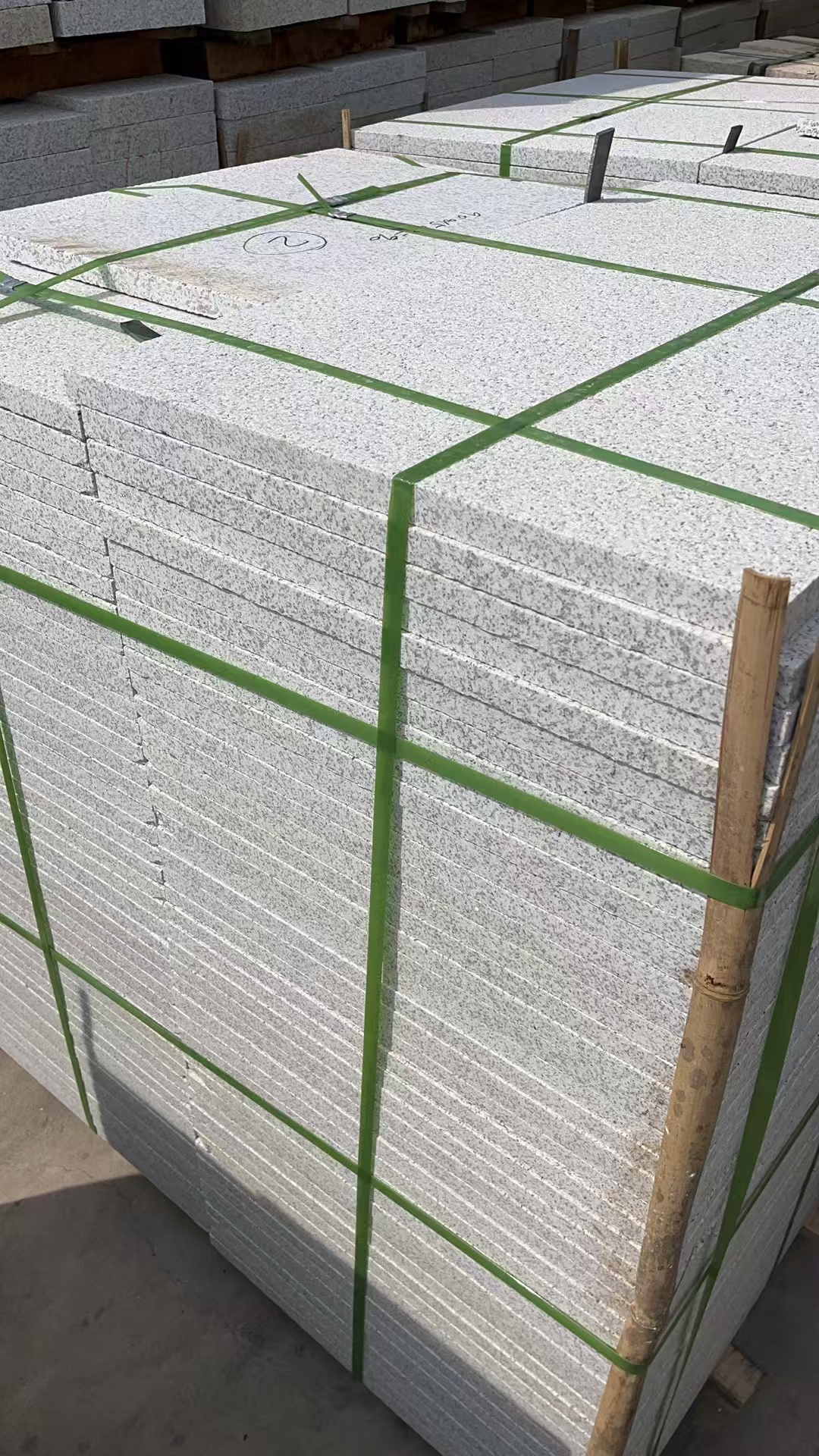
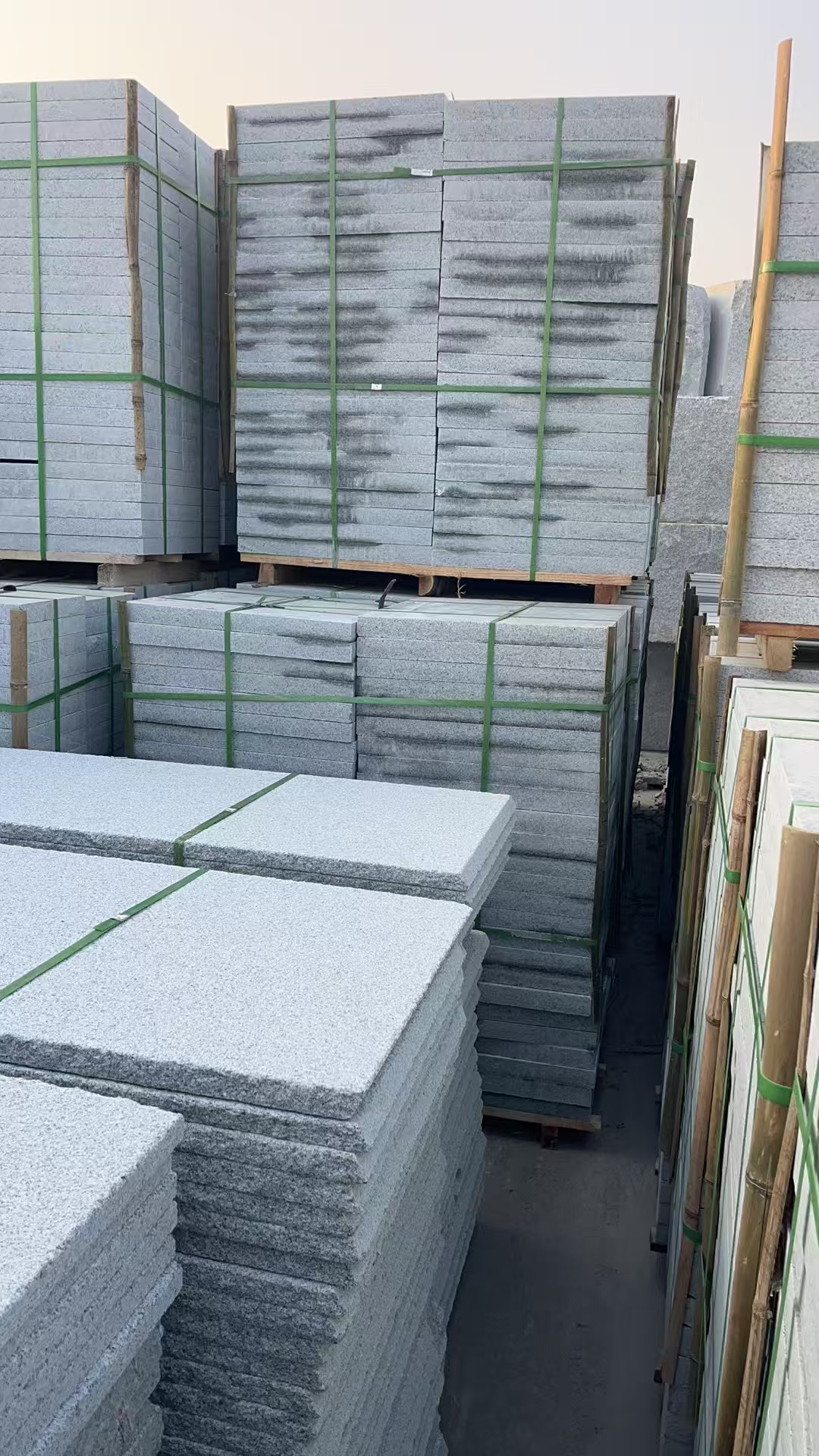
By grading the materials, the surface layer is designed to have a porous structure that is interconnected, providing pathways for rainwater infiltration and sub-layer water storage and evaporation. However, due to the porous nature, it reduces the bonding strength of the aggregates, thereby lowering the road strength and durability. Consequently, additives are commonly used to enhance the strength of the surface layer's binding material.
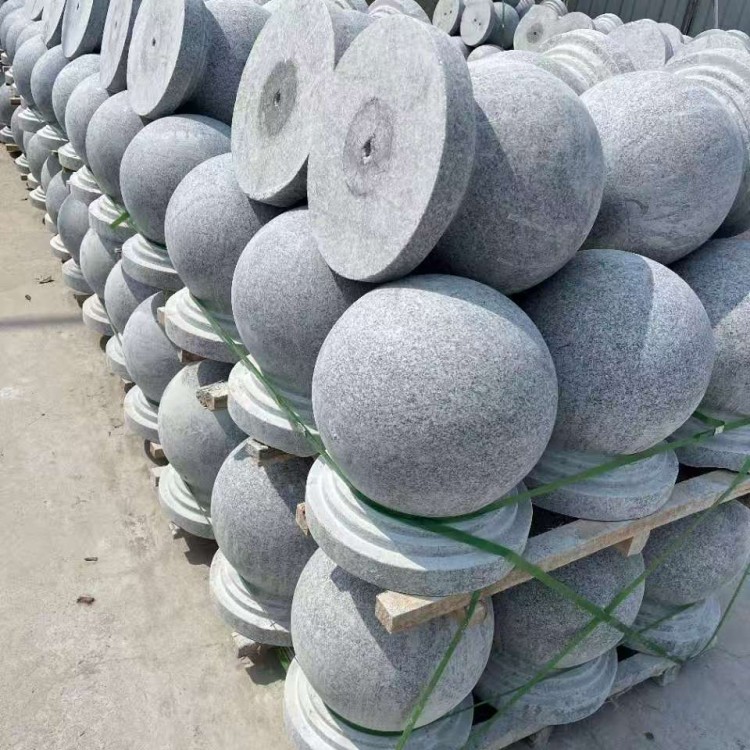
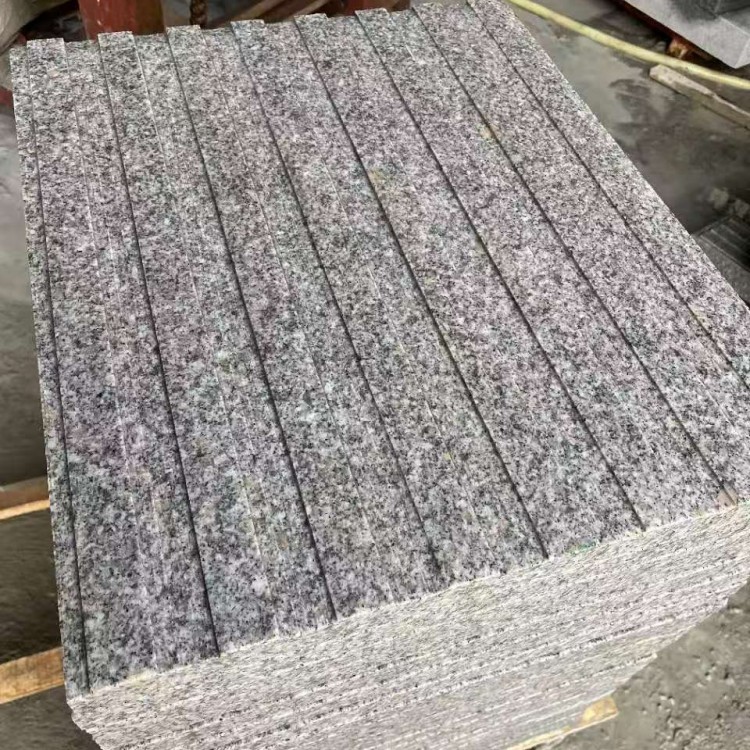
(2) Permeable Paving Surface in Block Form
Porous paving base material
Sub-base materials for permeable paving should, in addition to having adequate strength, possess good permeability. Therefore, well-graded gravel with good permeability is generally used. When using well-graded crushed stone for the sub-base, the diameter of the larger particles should be less than 0.7 times the sub-base thickness and cannot exceed 53mm. Moreover, for engineering applications, the sub-base materials are typically chosen from commonly used aggregates in engineering, such as continuous graded crushed stone with particle sizes between 5~25mm, and a porosity of 46%.
According to variations in base thickness, overflow, and drainage methods, pervious pavement can be categorized into the following structures:
(1) Permeable subbase with lower water retention capacity
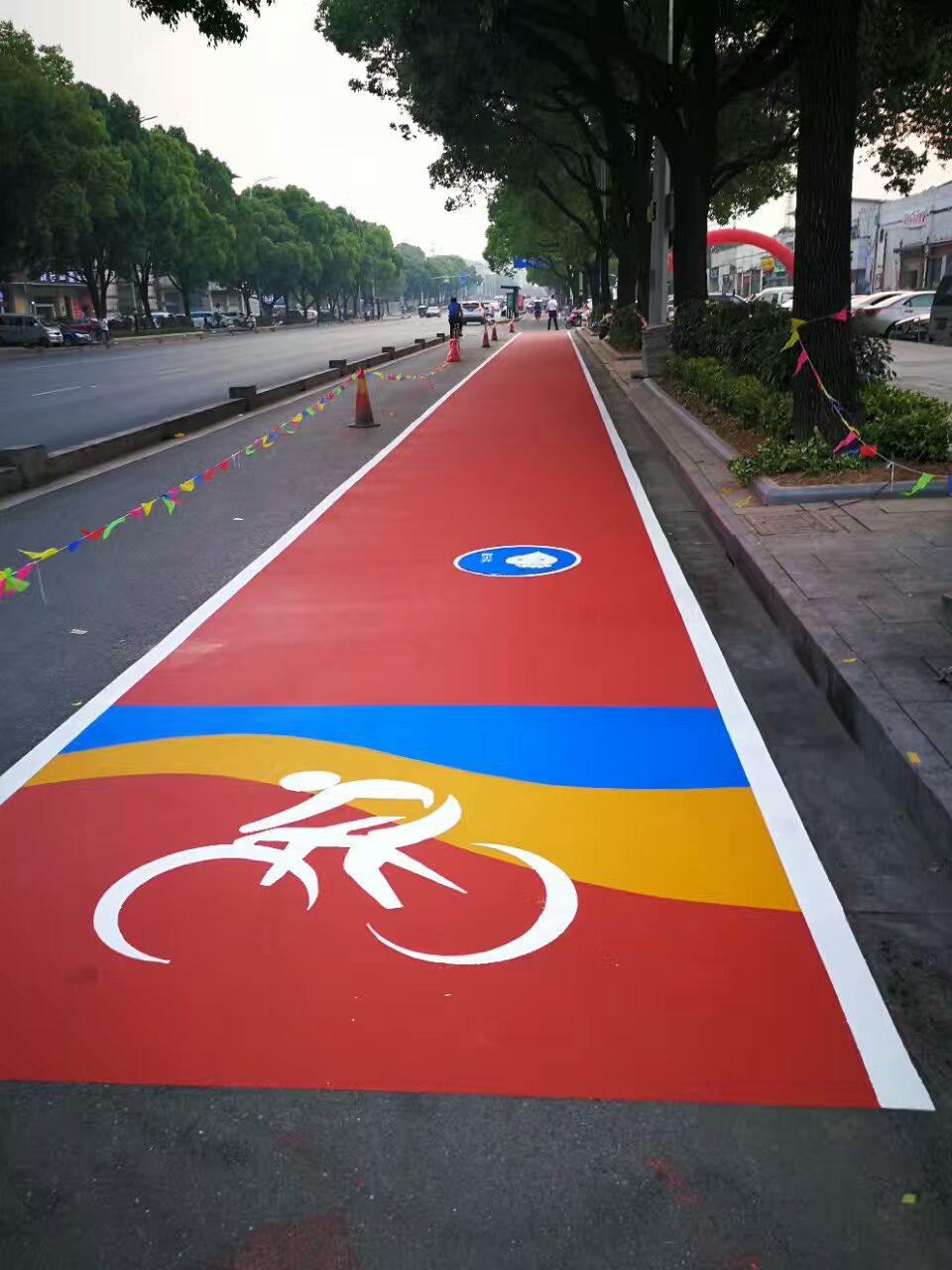
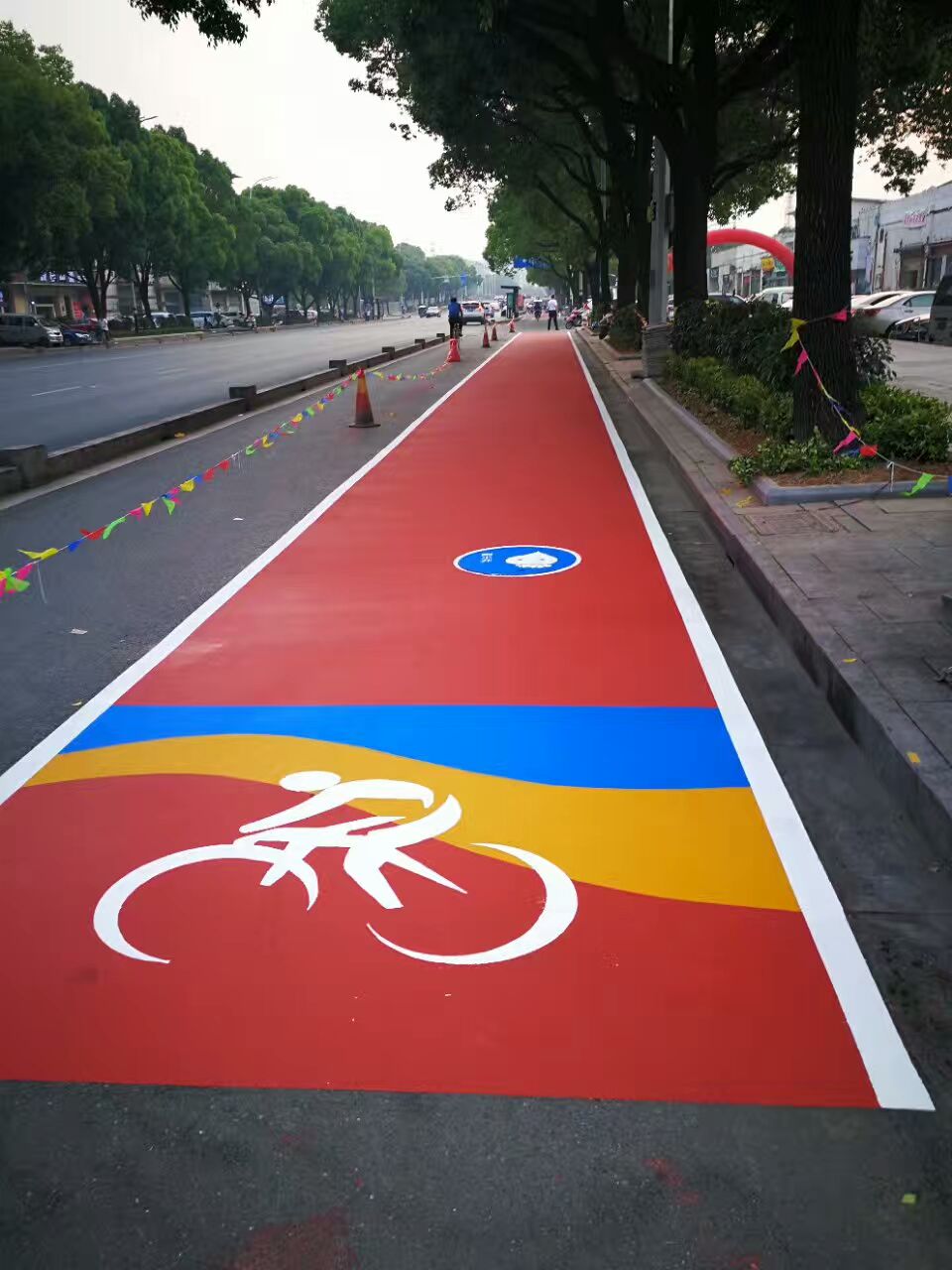
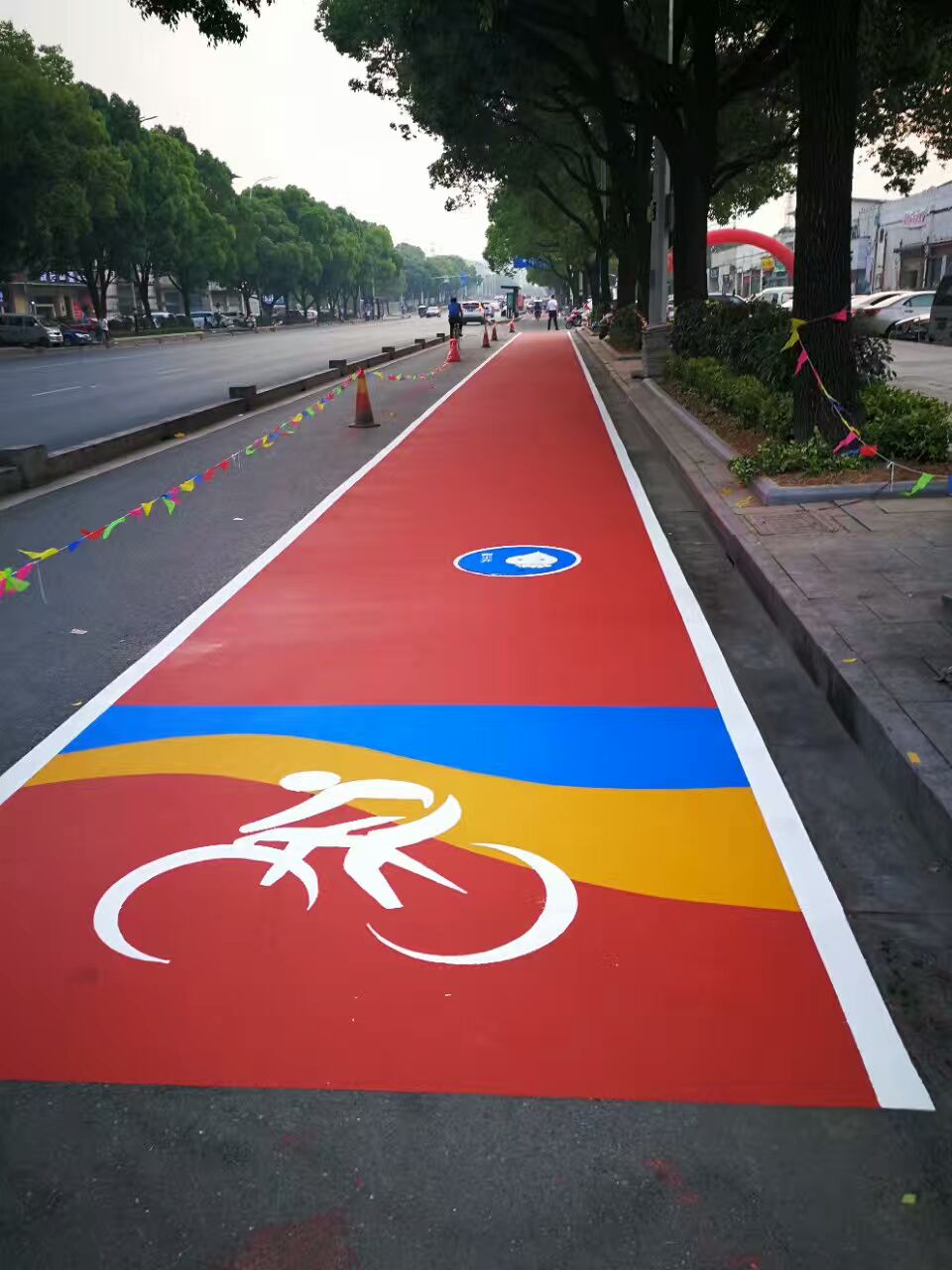
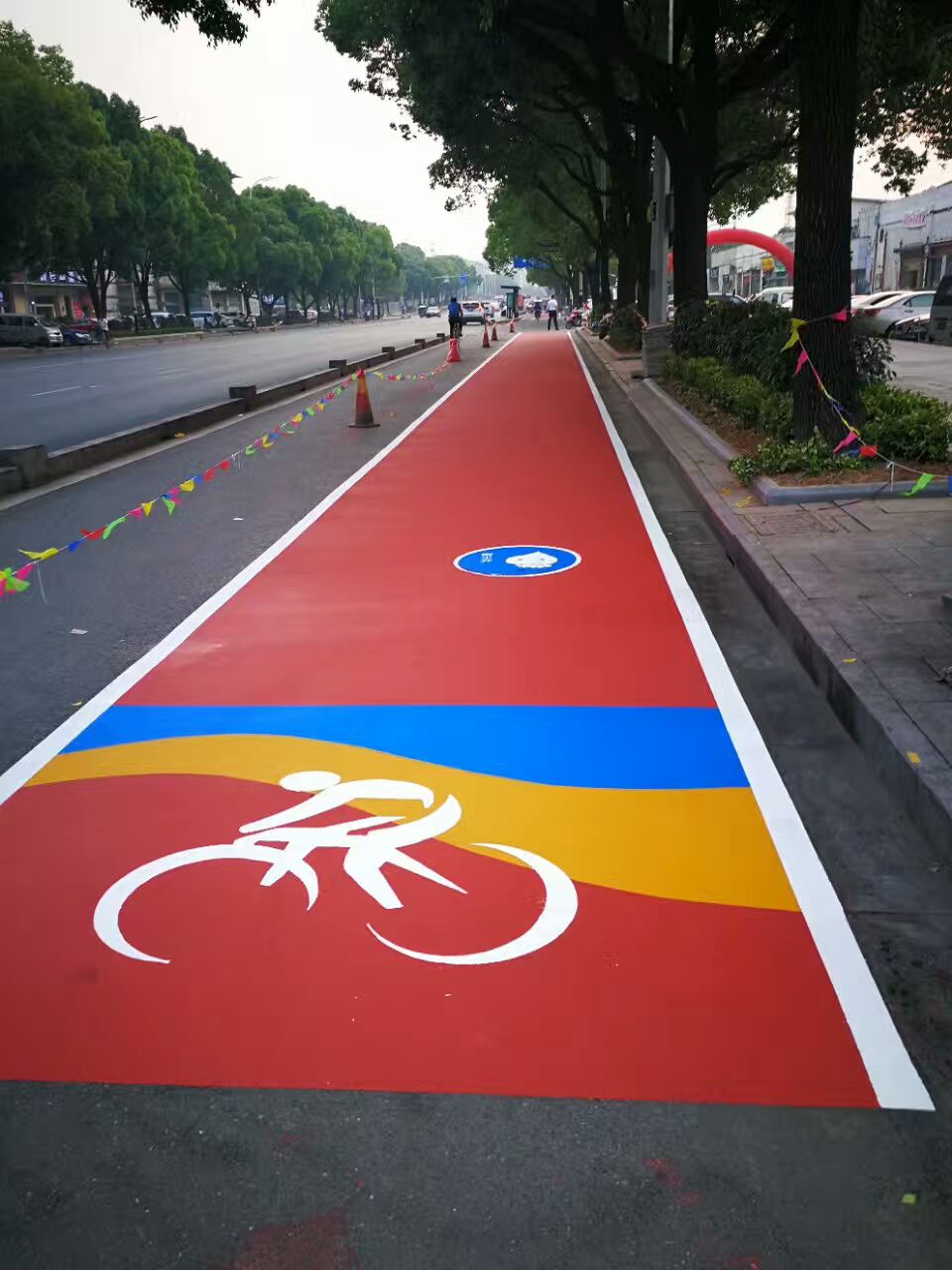
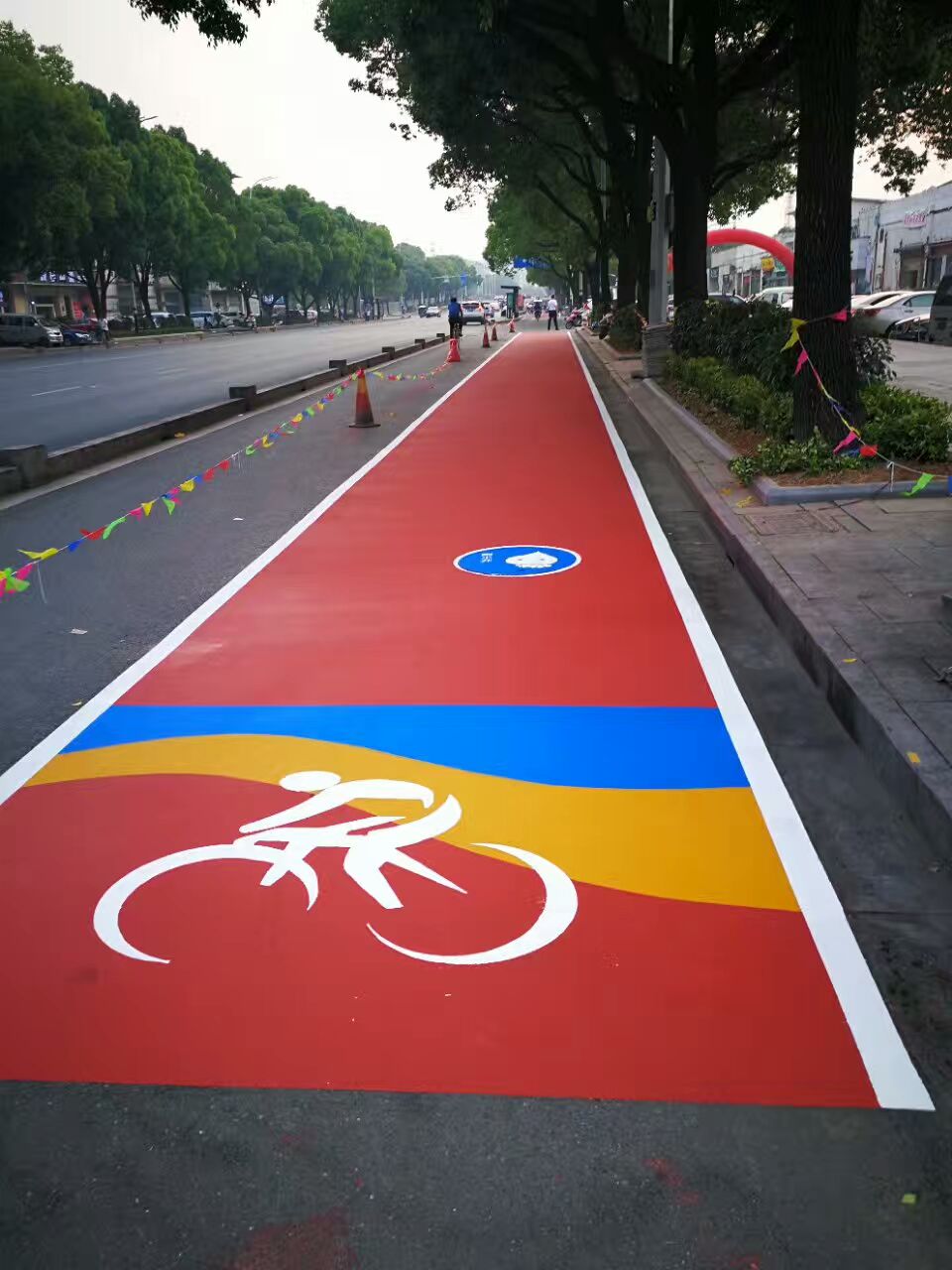
This type of subgrade primarily consists of a leveling layer and a permeable subgrade. The permeable subgrade has a high void ratio but is not very thick, making it highly permeable. It is suitable for areas with low precipitation, strong subgrade permeability, and high bearing capacity. It is mainly used in places such as sidewalks, bike lanes, squares, parking lots, and pedestrian streets.
(2) Permeable subgrade with high water retention capacity
Generally composed of a leveling layer, a water-retaining base layer, and geotextile, the water-retaining layer is thick with a low porosity. When heavy rainfall occurs and cannot be drained promptly, some rainwater is stored in the base layer to prevent waterlogging on the road surface. This base layer is suitable for areas with heavy rainfall, allowing for both water retention and drainage. Below the water-retaining layer is the geotextile, which serves to maintain the bearing capacity of the cushion layer.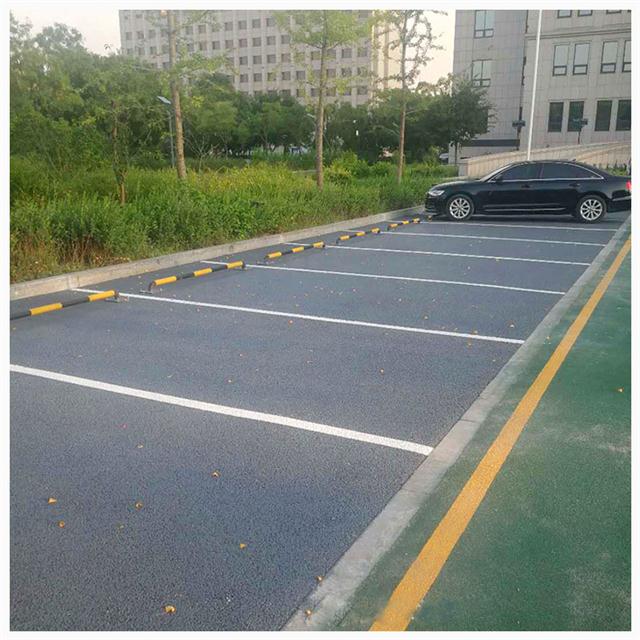
As urbanization accelerates, the issue of urban ecological degradation becomes increasingly severe. Porous paving, with its突出的ecological benefits, effectively resolves this contradiction, allowing cities to achieve better overall benefits and meet the objectives of ecological urbanization. With the continuous deepening of sponge city construction efforts, we believe that we will witness the increasing application of permeable concrete paving in urban development.
WeChat Official Account

Scan to follow Official Account