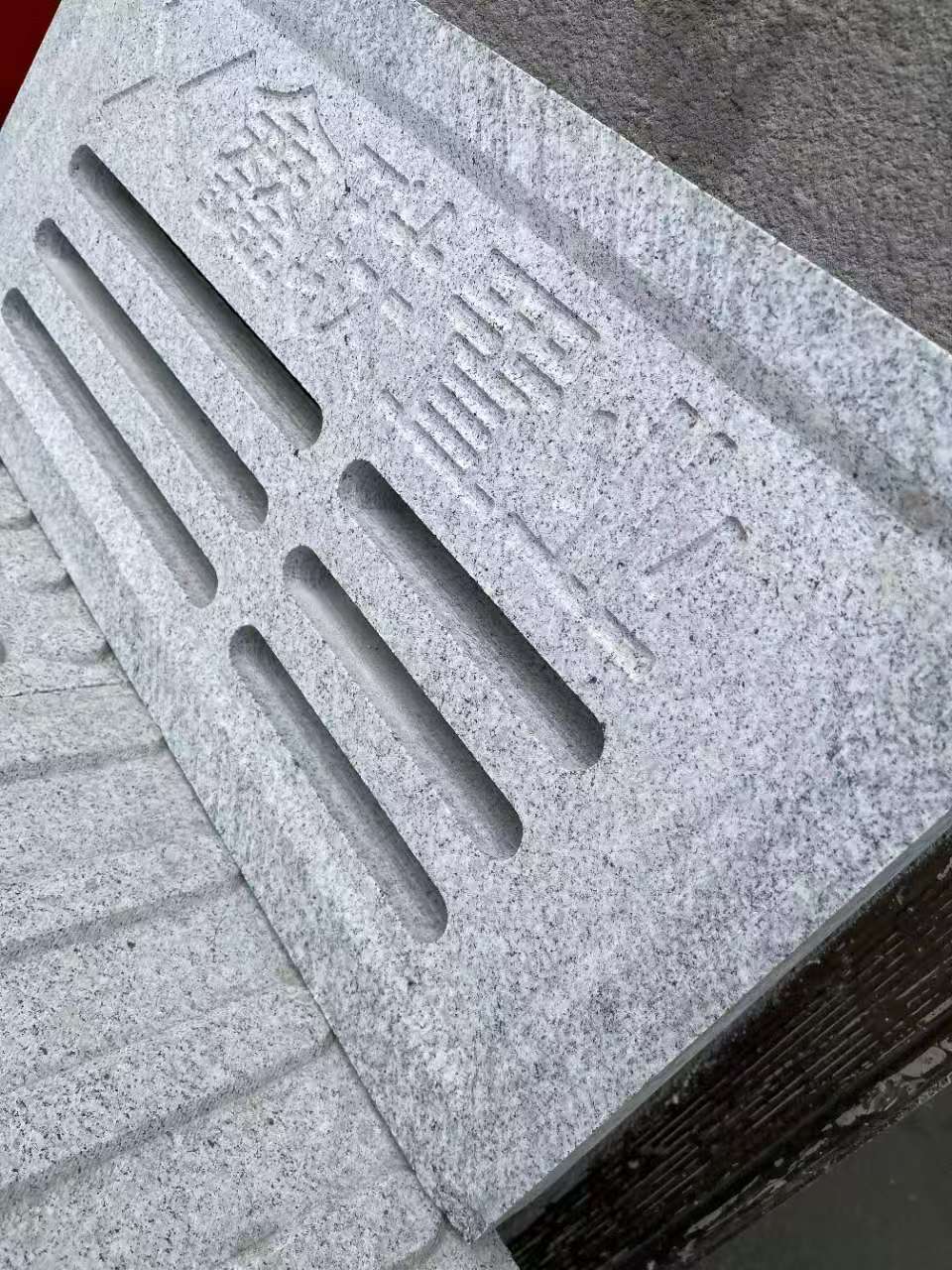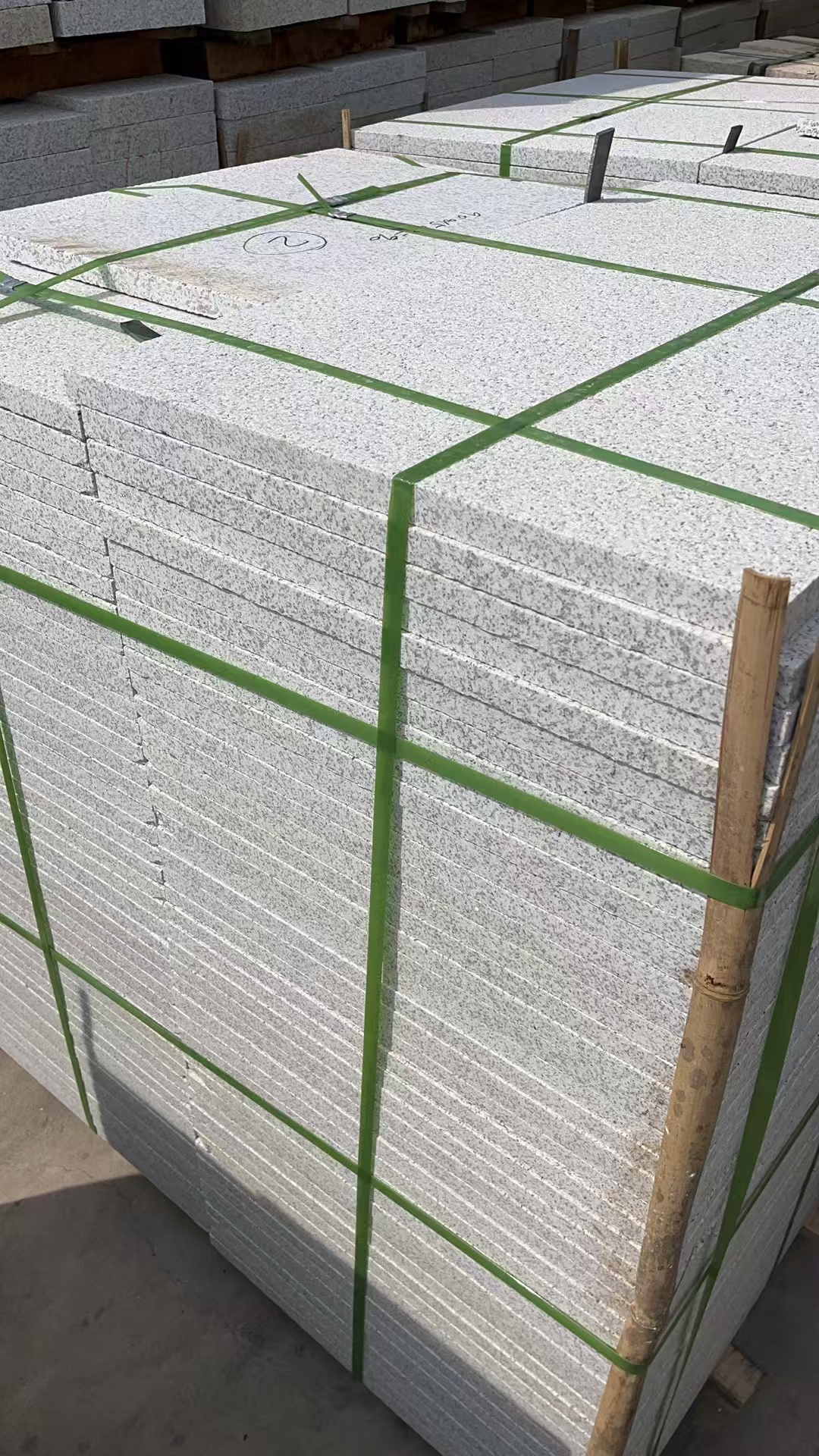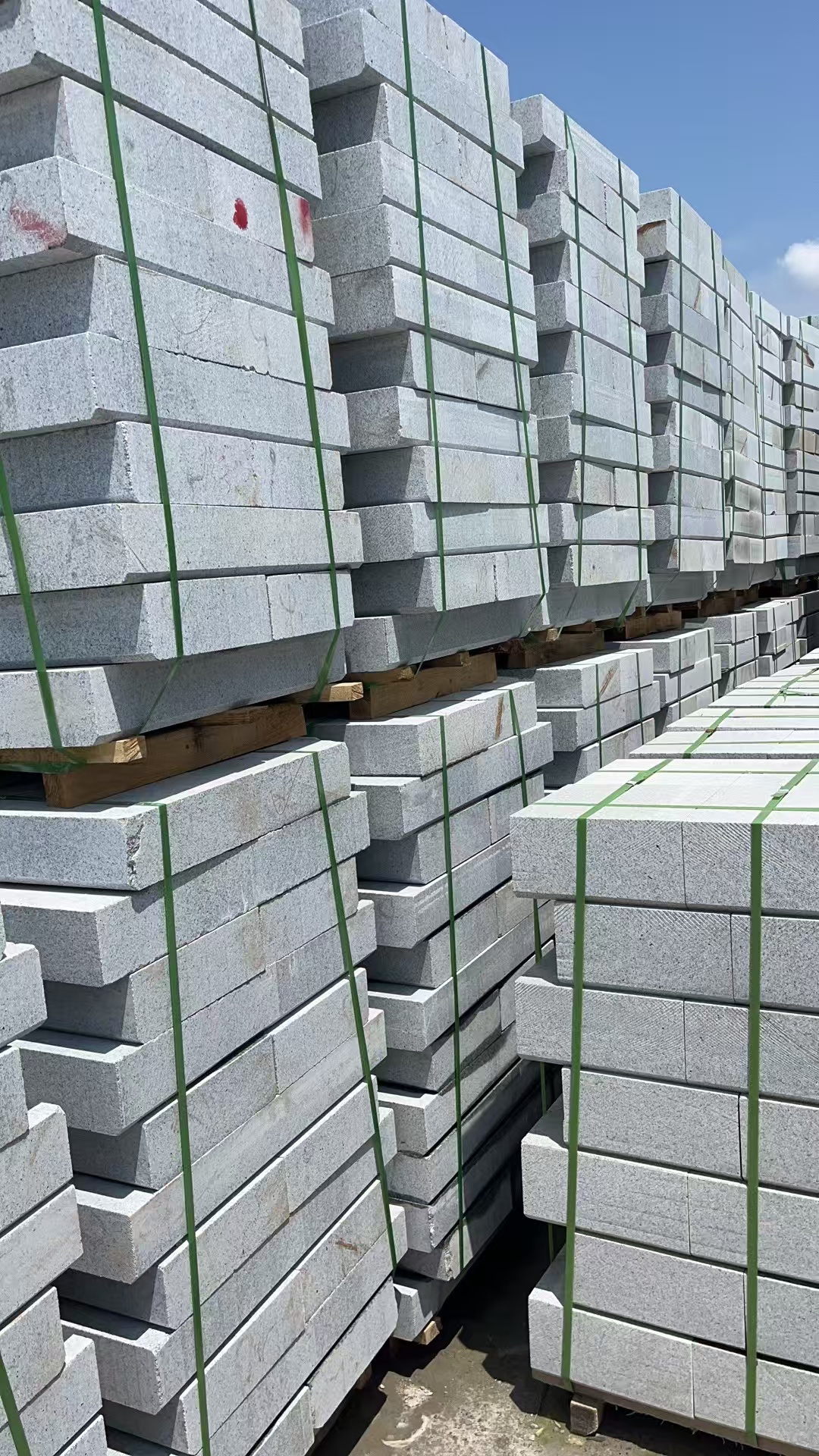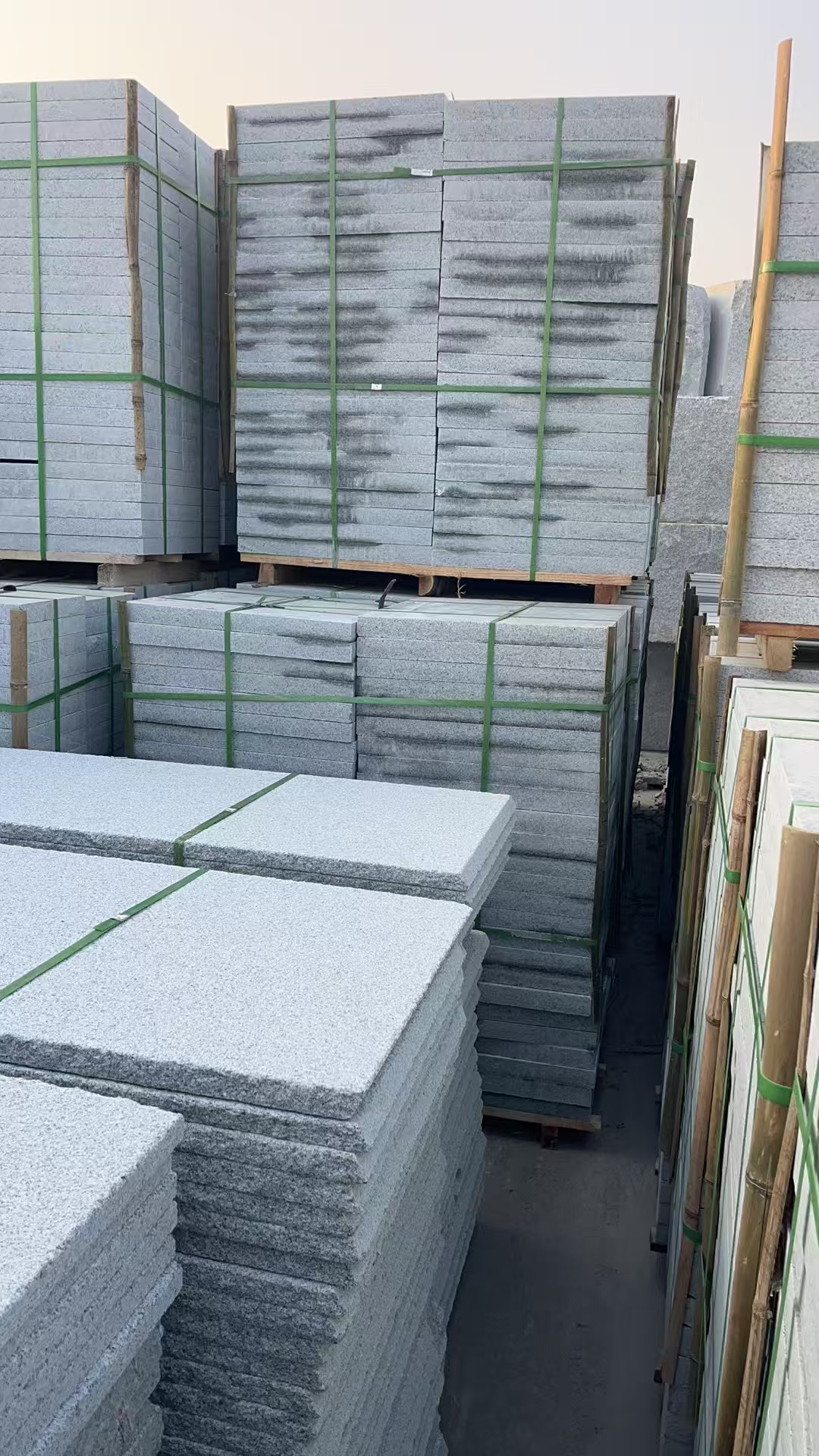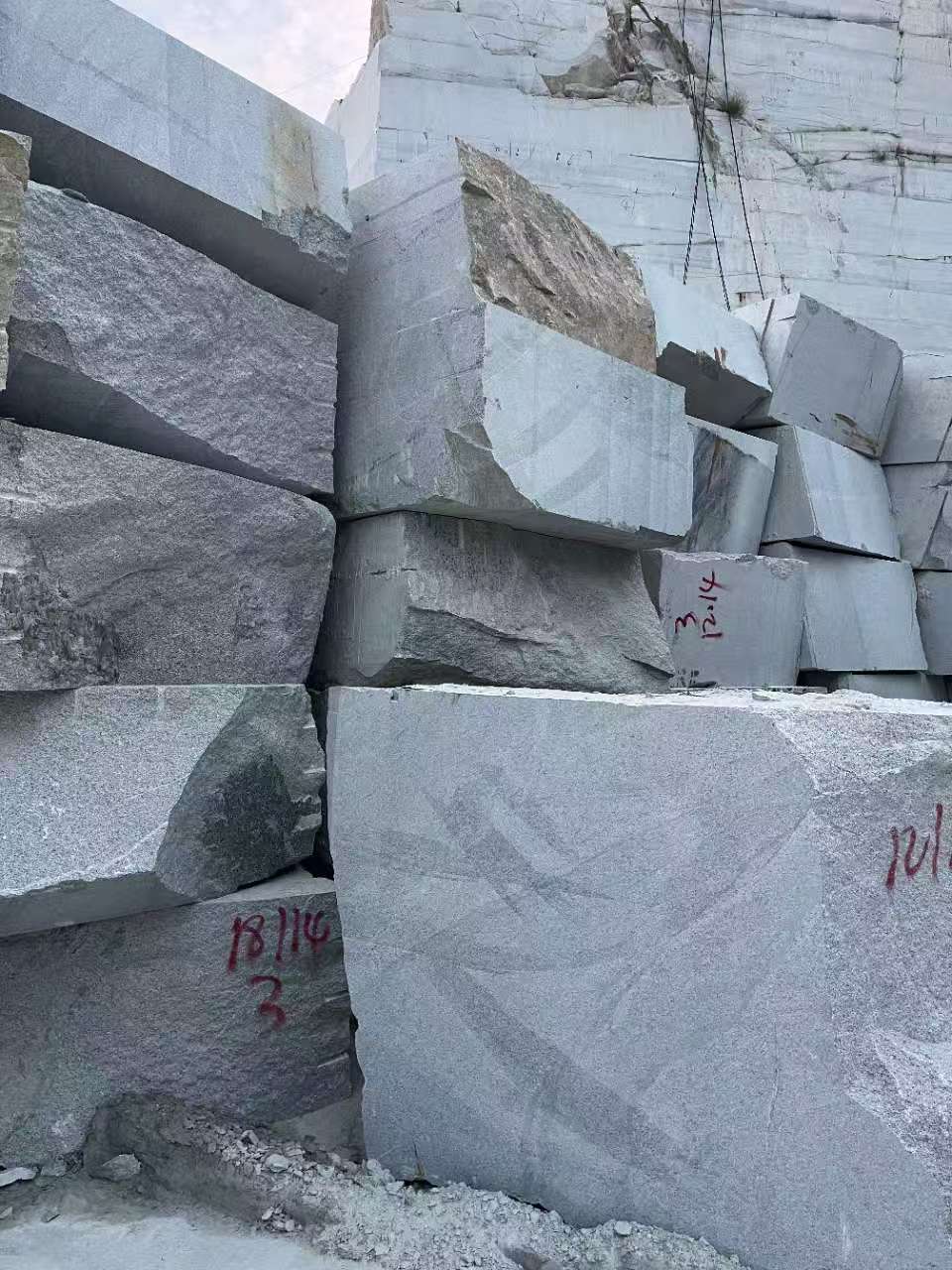







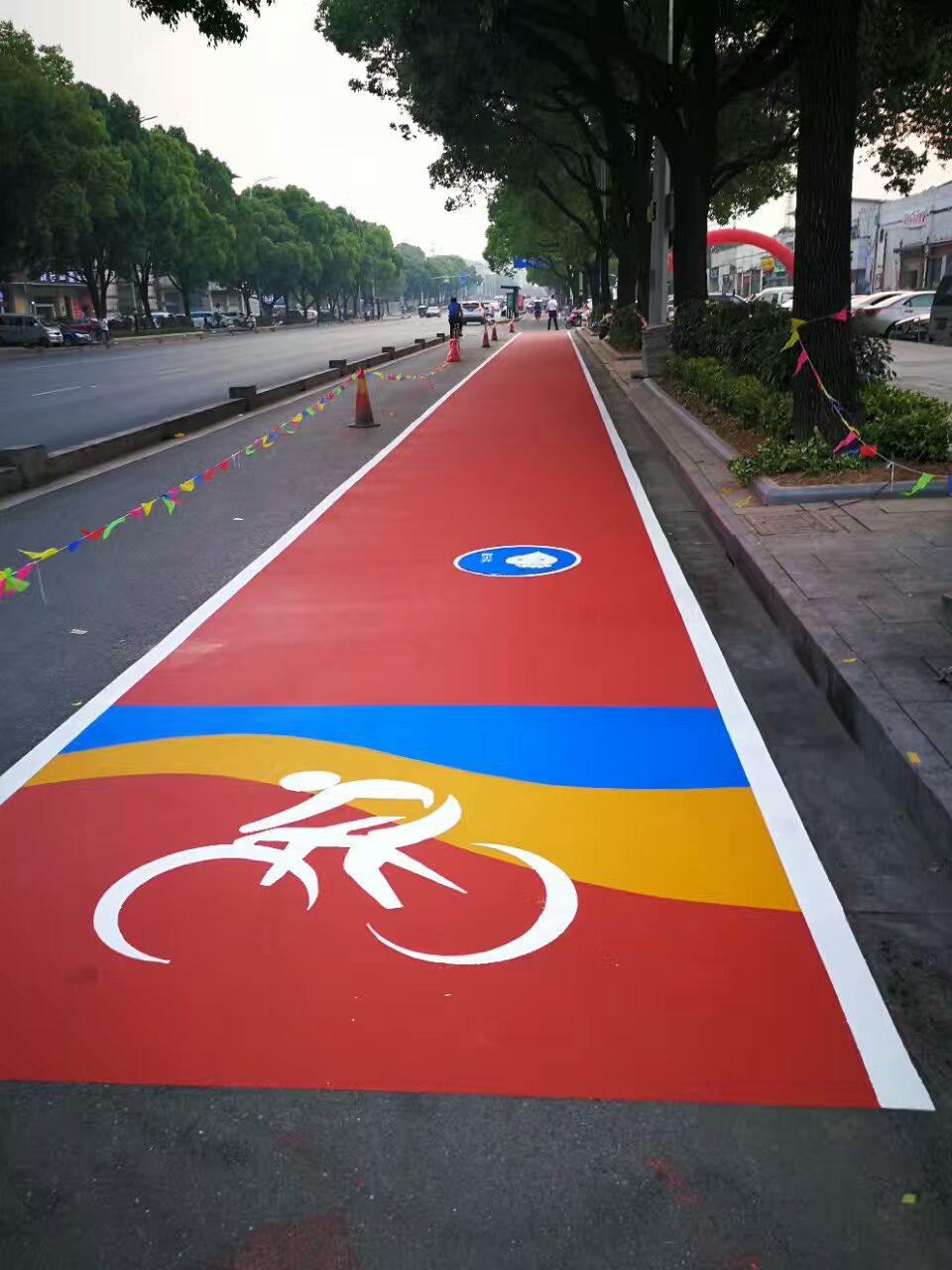
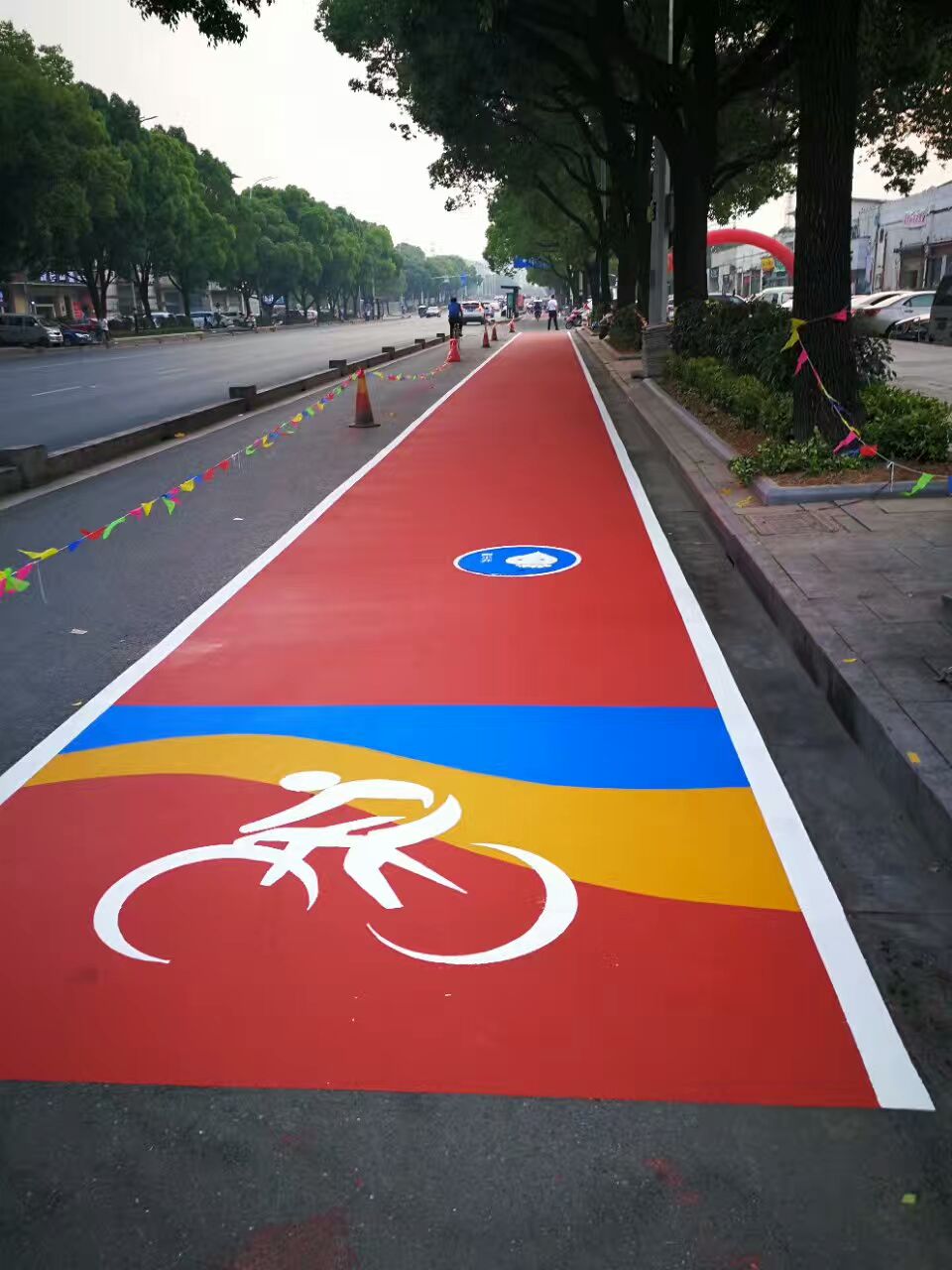
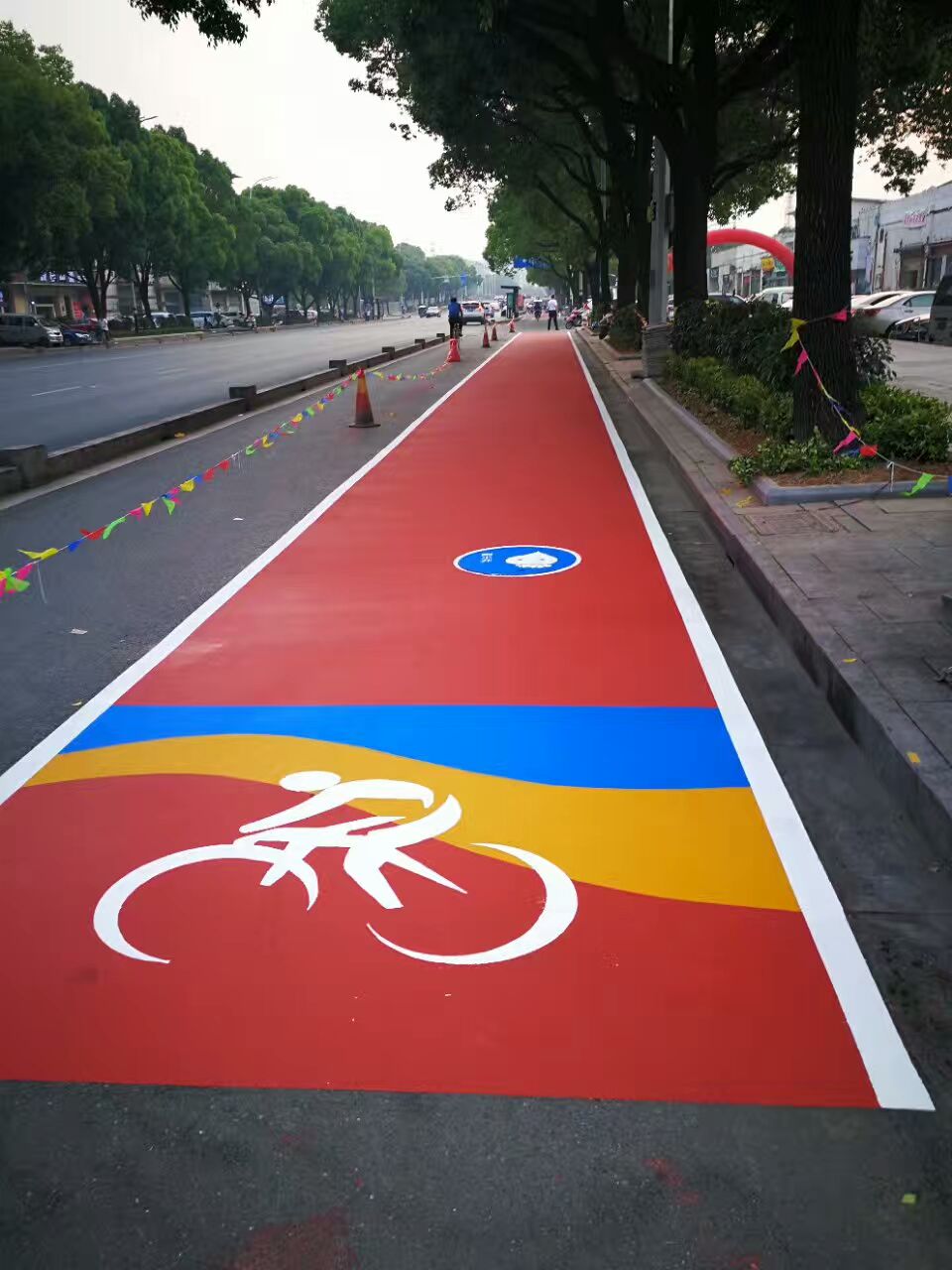
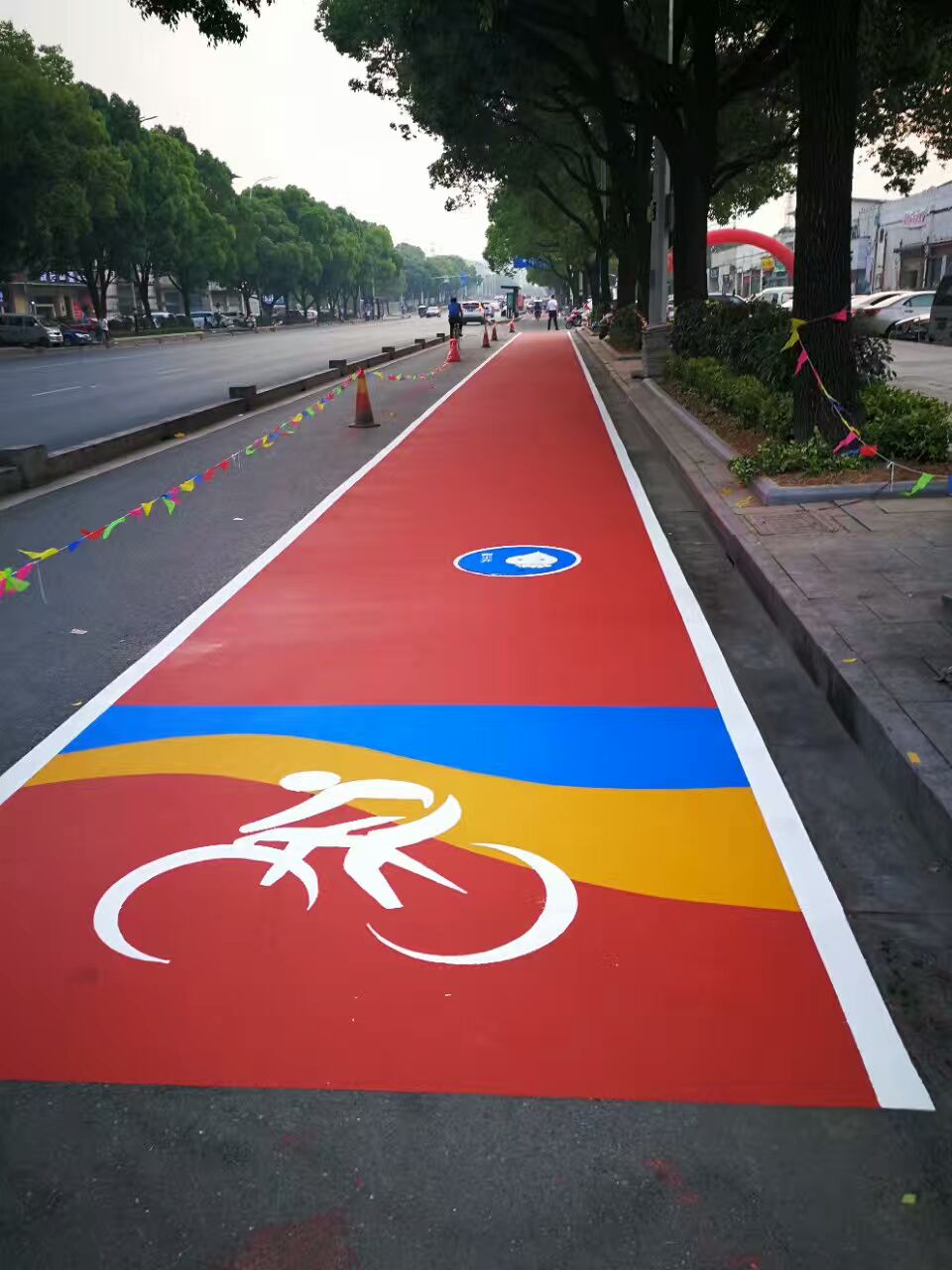
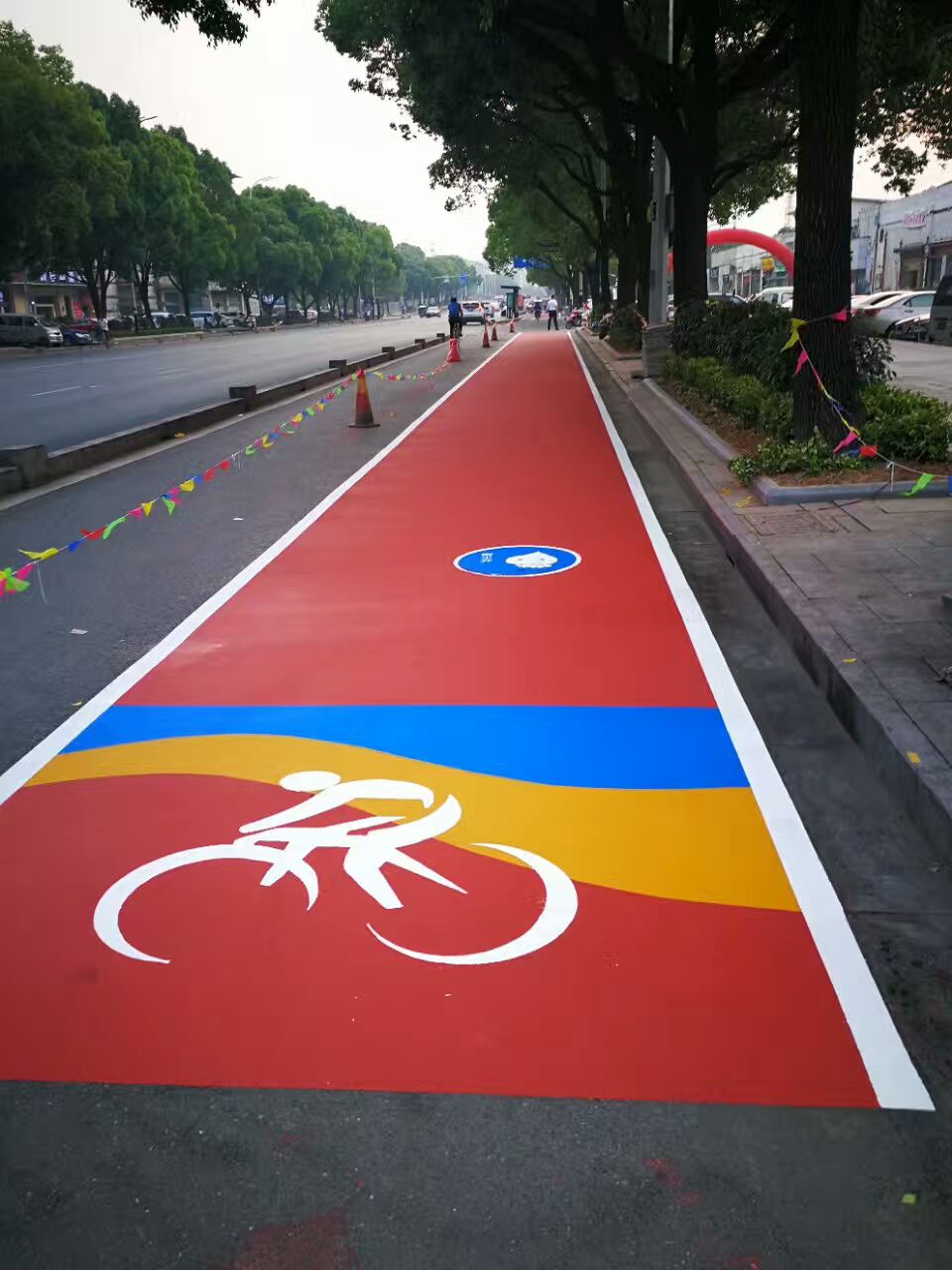
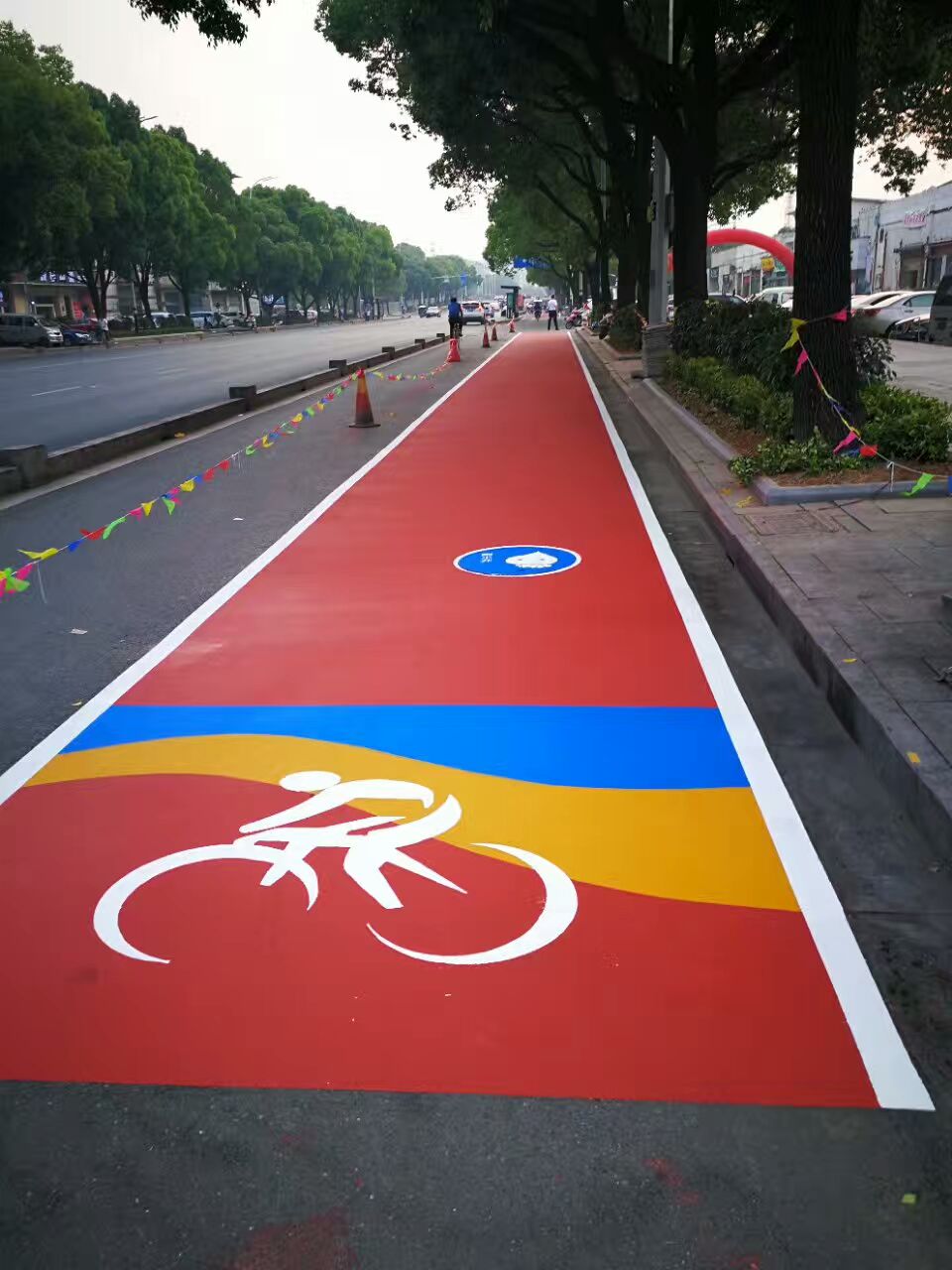
Porous paving allows rainwater to quickly permeate into the ground, effectively replenishing groundwater, alleviating the urban heat island effect, and protecting the city's natural water systems from damage, making it highly valuable environmentally. Additionally, it resolves the issue of common road surfaces accumulating water, enhancing walking safety and comfort, and is of great significance in improving the living environment.
Prevent road surface flooding during rain and road glare at night; no black ice formation on roads in winter; keep the road surface dry during rain.
Enhanced vehicle and pedestrian comfort and safety. (Black ice is a nearly invisible thin layer of ice formed by frost and fog, dangerous.)
Maximize the use of rain and snowfall, which can directly replenish groundwater or collect precipitation for recycling. Increase the surface humidity to supplement the increasingly depleted groundwater resources in urban areas, and utilize the permeable subgrade to "store" moisture.
"Water Feature"; enhances the living conditions for urban surface vegetation and soil microorganisms, and adjusts the ecological balance.
Large voids can absorb urban pollutant dust, reducing dust pollution.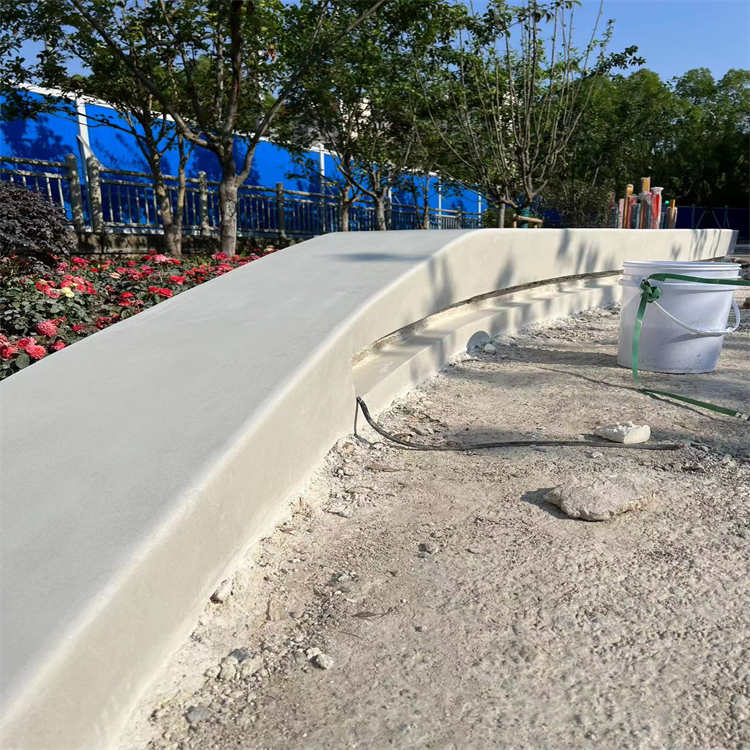 Eases the burden on road drainage systems during the rainy season, significantly reducing the pollution of urban water bodies from heavy rainfall.
Porous concrete flooring is widely used for sidewalks, non-motorized paths, and paved areas in urban, garden, park, and tourist attractions; colored porous tree basins; roads with steep gradients; ground paving and hardening in sports venues, outdoor parking lots, swimming facilities, commercial squares, business office buildings, hotels, cultural facilities, industrial and workshop areas, outdoor sports facilities (badminton halls, basketball courts, etc.).
WeChat Official Account

Scan to follow Official Account