















Fiberglass Reinforced Plastic (FRP) Sand-Lined Pipe (Continuous Wrapping Process)
Product Introduction
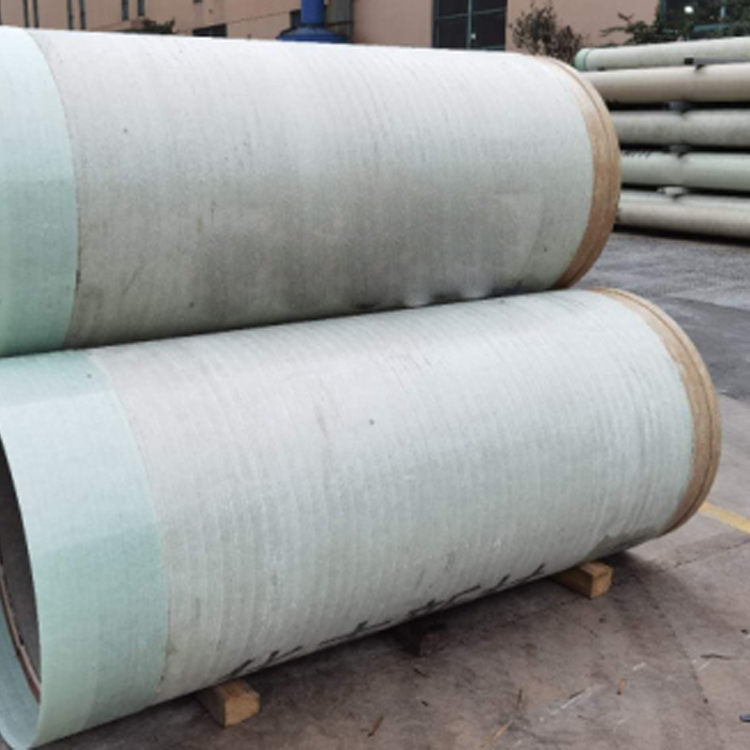
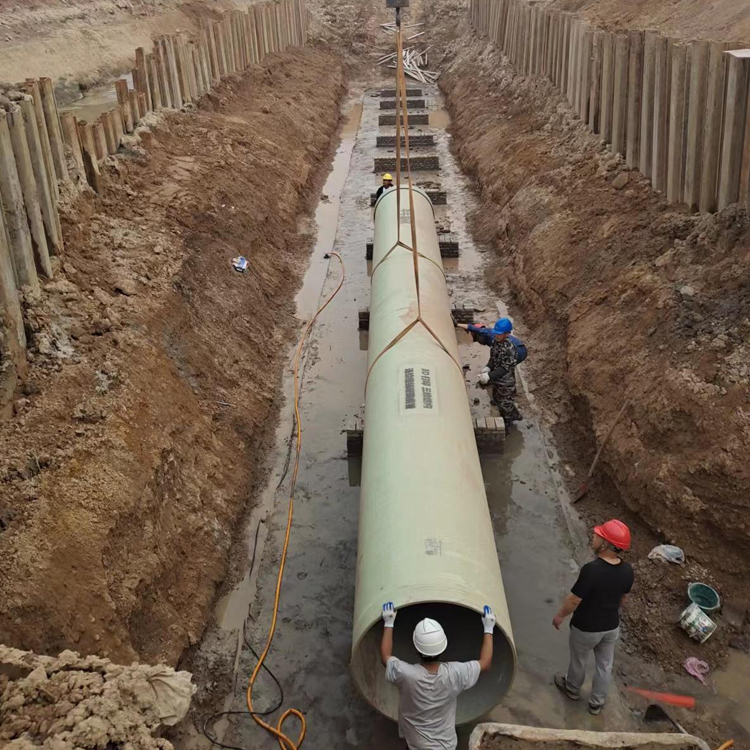
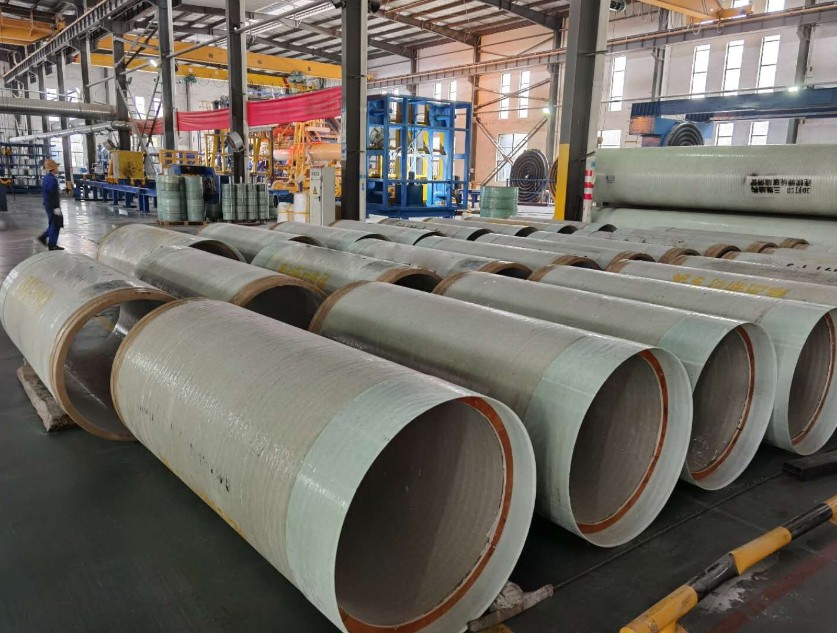
Fiberglass Reinforced Plastic (FRP) Slatting Pipes (manufactured by continuous winding process), a novel composite material pipe with a three-dimensional reinforcing structure, is produced using 3D printing technology and continuous molding process. These continuous winding FRP slatting pipes combine the hydraulic and corrosion-resistant properties of plastic pipes with the mechanical properties of metal pipes, and are widely used in fluid transportation fields such as municipal water supply and drainage, marine engineering, and petrochemical engineering.
Product Model and Specifications
Nominal Diameter (mm): 300-4000
Pressure Class PN (MPa): ≤3.2
Stiffness grade SN (n/㎡): 2500, 5000, 7500, 10000
Pipe section length l (m): 3, 6, 9, 10, 12, 18.
(Notes: The above specifications are standard, but also customizable according to customer requirements)
Product Technical Specifications
Equipment Features
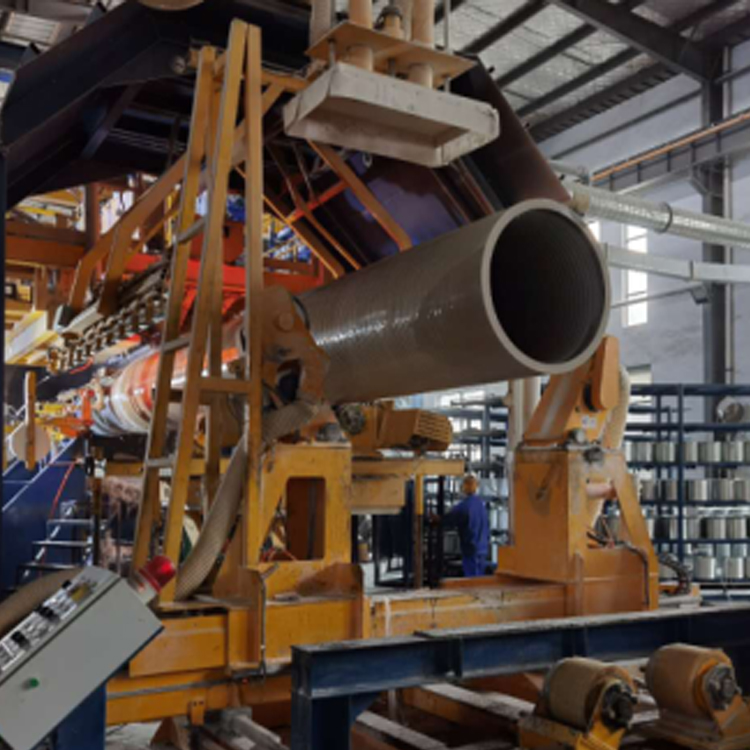
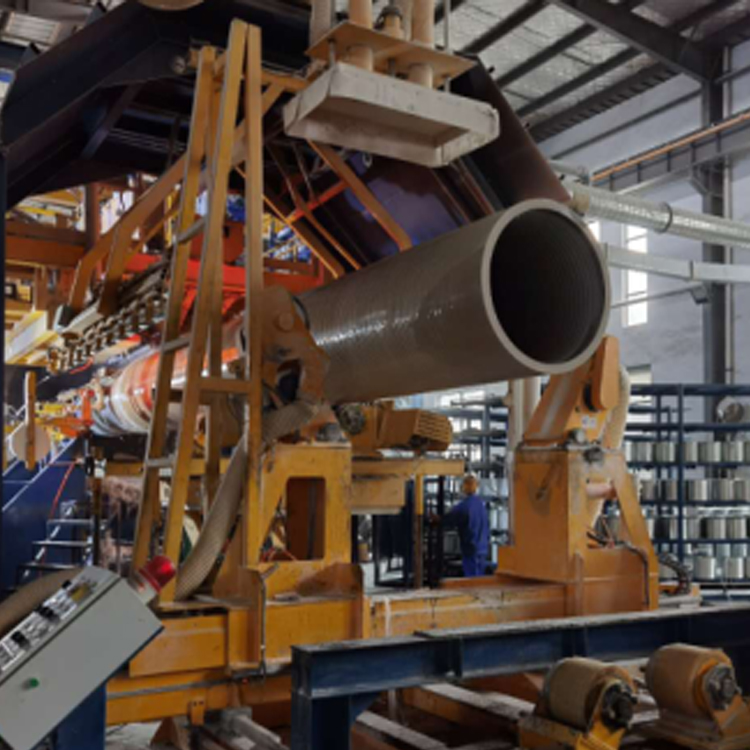
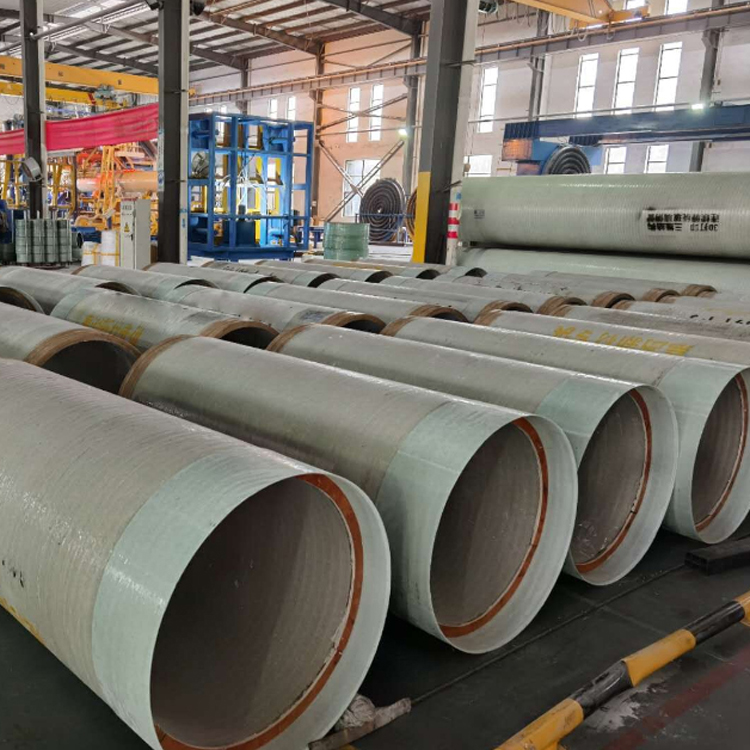
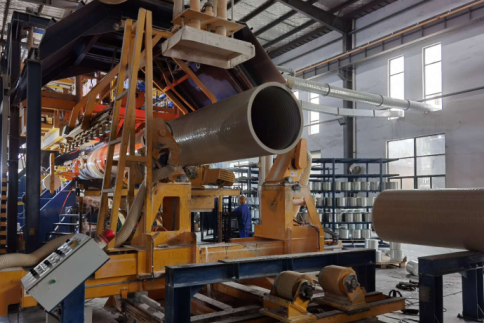
Hua Feng New Materials owns 6 international-standard production lines.Horizontal third-generation continuous winding process glass fiber reinforced plastic (GFRP) pipe production lineWith modern technologies such as sensors, information networks, automation, and artificial intelligence, it boasts highly integrated and highly信息化 features, enabling remote control of production sites, in line with the country's promoted intelligent manufacturing requirements.
Process Features
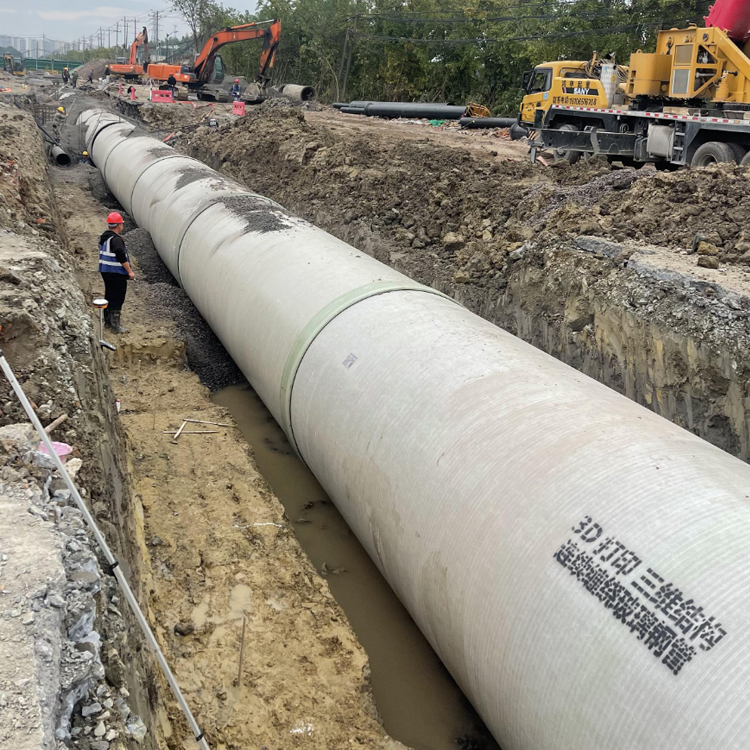
Continuous winding glass fiber-reinforced sand pipe utilizes 3D printing technology (additive manufacturing) to achieve continuous and rapid shaping of the pipe through layer-by-layer stacking.
Structural Features
A continuously wound glass fiber-reinforced sand-filled pipe features a three-dimensional reinforced wall structure, utilizing both hoop-wound continuous fibers and three-dimensionally distributed chopped fibers for reinforcement. The chopped fibers connect the wall into a single entity, overcoming the limitations of laminate structures.
Performance Features
Continuously wound glass fiber reinforced sand-filled pipes offer the hydraulic and corrosion-resistant properties of plastic piping materials, combined with the mechanical strength of metallic piping materials.
1. Basic Features
Lightweight and high-strength
(2) Excellent hydraulic properties
(3) Corrosion-resistant
2. Core Features
Three-dimensional enhanced wall structure improves the flexibility and bending strength of the pipe material.
(1) The continuously wound glass fiber reinforced plastic sand-filled pipe has strong resistance to radial deformation. When subjected to significant radial deformation under external pressure, the pipe wall structure is less likely to be damaged.
(2) Continuously wound fiberglass-reinforced sand pipe exhibits high bending strength, capable of withstanding high combined stresses from both internal and external pressures.
Product Connection Method
Flexible Connector
Flexible joints are the primary connection method for continuously wound glass fiber reinforced sand pipe, utilizing a sleeve joint with a full rubber sealing ring.
2. Rigid connection
Rigid connections are auxiliary joining methods for continuously wound glass fiber reinforced plastic sand-filled pipes, primarily including flange connections and straight-end butt joints.
Product Specifications
Product Application Fields
Municipal Engineering: Water Supply Pipes (original water pipes, replenishment pipes, potable water pipes); Drainage Pipes (rainwater pipes, sewage pipes)
Petroleum Engineering: Pipes for conveying various corrosive media.
Marine Engineering: Seawater Desalination Projects, Subsea Pipeline Projects
Agricultural and forestry irrigation, as well as other fluid conveyance fields.