







Our company is an integrated enterprise covering research and development, production, and sales!
We have our own R&D team!
We have our own production facility (about 20,000 sq. m.), production equipment, and metrological inspection equipment!
We have our own quality management team and after-sales service team!
Our pressure sensors are primarily manufactured based on the piezoresistive principle.
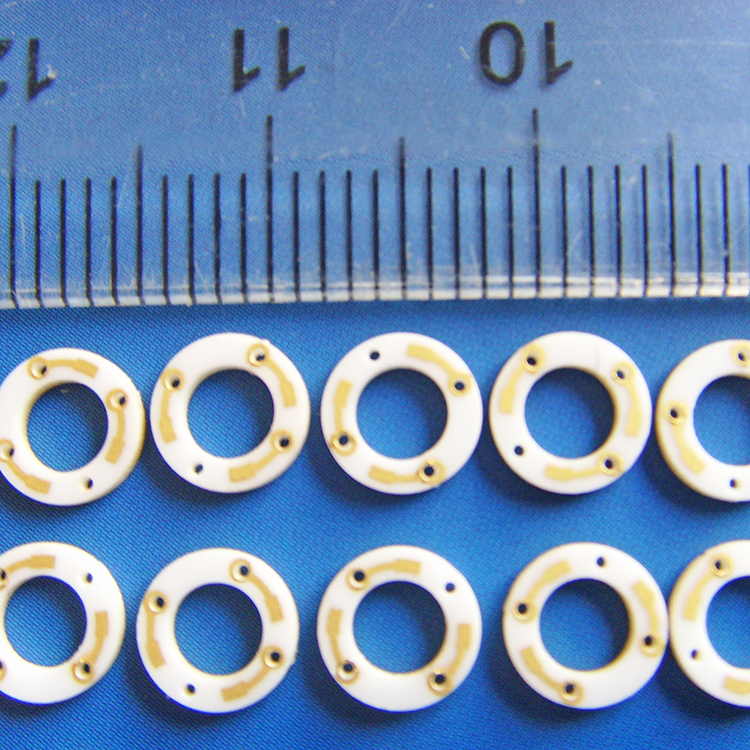
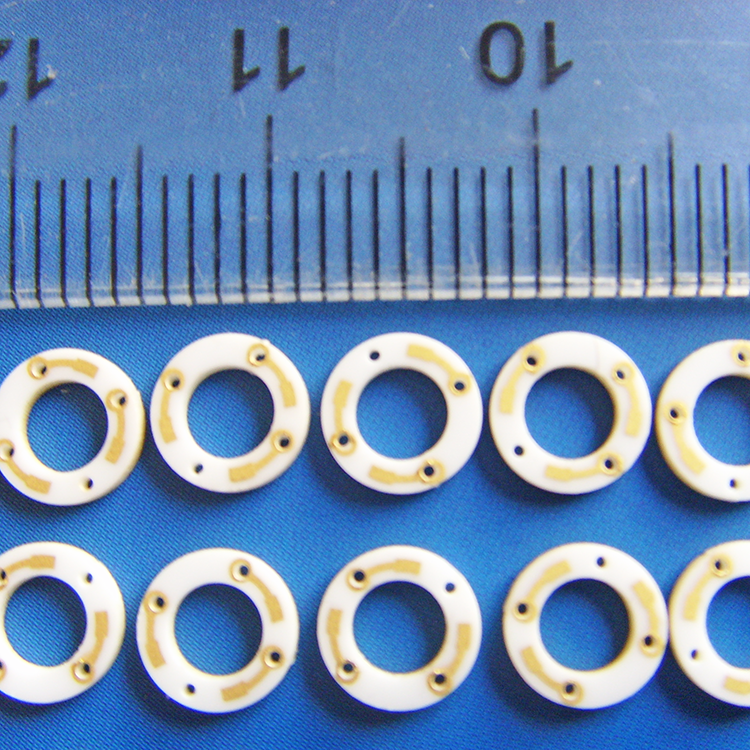
In terms of sensor substrates, we offer diffused silicon, ceramic, single crystal silicon, strain gauges, sputtered films, sapphire, and more.
From sensor types, we have industrial pressure transmitters, automotive air conditioning compressor pressure sensors, explosion-proof pressure sensors, high-temperature melt pressure sensors, differential pressure transmitter, level sensors, shield machine soil pressure grouting pressure sensors, and sensor cores, etc.
Measurement range from -100KPa to 600MPa, with various pressure units available: MPa, bar, KPa, mbar, psi, etc.
From the sensor installation perspective, we offer diaphragm pressure sensors, threaded pressure sensors, clamp pressure sensors, flange-mounted pressure sensors, and quick connect pressure sensors.
Sensor signal outputs are diverse, including models with "m" numbers, as well as standard types like 4-20mA, 0-10V, 0-5V, 0.5-4.5V, and also digital outputs such as RS485, HART, IIC, CANBUS, etc.
Sensors are available in wireless and wired types. Wireless sensors offer outputs such as LoRa, NB-IoT, WiFi, and ZigBee.
PS: We specialize in fluid pressure sensing and control—such as for liquids, gases, oils, water, and high-temperature melts—but we do not handle solid force measurement and weighing. Of course, we do have supplier channels that can assist you with that need!!
Pressure Sensor/Transmitter Working Principle
Our pressure sensors are primarily based on the piezoresistive principle! (Others include piezoelectric, electromagnetic, capacitive, and Hall, which are not elaborated here.)
The piezoresistive effect is used to describe the change in resistance of a material under mechanical stress. Unlike the piezoelectric effect, the piezoresistive effect only produces changes in impedance and does not generate charge. Most metals and semiconductor materials have been found to exhibit piezoresistive effects. Since silicon is the main material for today's integrated circuits, the application of piezoresistive elements made from silicon becomes highly significant. The change in resistance is not only due to geometric deformation related to stress but also to the material's intrinsic resistance related to stress, which makes its degree factor several hundred times greater than that of metals.
Potentiometric pressure sensors are typically connected to a Wheatstone bridge via wires. Normally, the sensitive core is not subjected to any external pressure, and the bridge remains in a balanced state (referred to as zero point). When the sensor is subjected to pressure, the chip's resistance changes, causing the bridge to lose balance. By applying a constant current or voltage power supply to the bridge, it will output a voltage signal corresponding to the pressure. This way, the resistance change of the sensor is converted into a pressure signal by the bridge. The bridge detects the resistance value change, amplifies it, then converts it into a corresponding current signal through voltage and current conversion. This current signal is compensated through a non-linear correction loop, resulting in a 4-20mA standard output signal that linearly corresponds to the input voltage.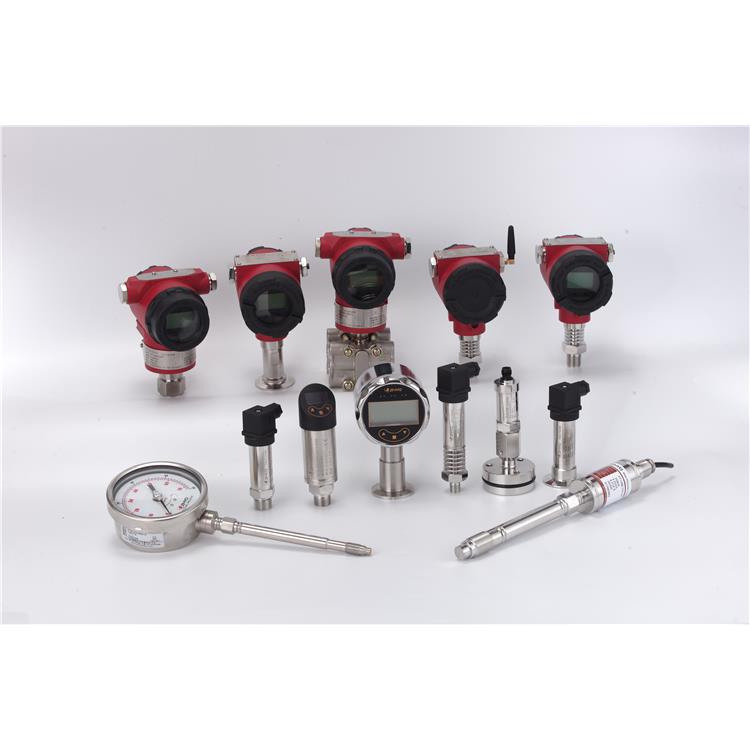
WeChat Official Account

Scan to follow Official Account