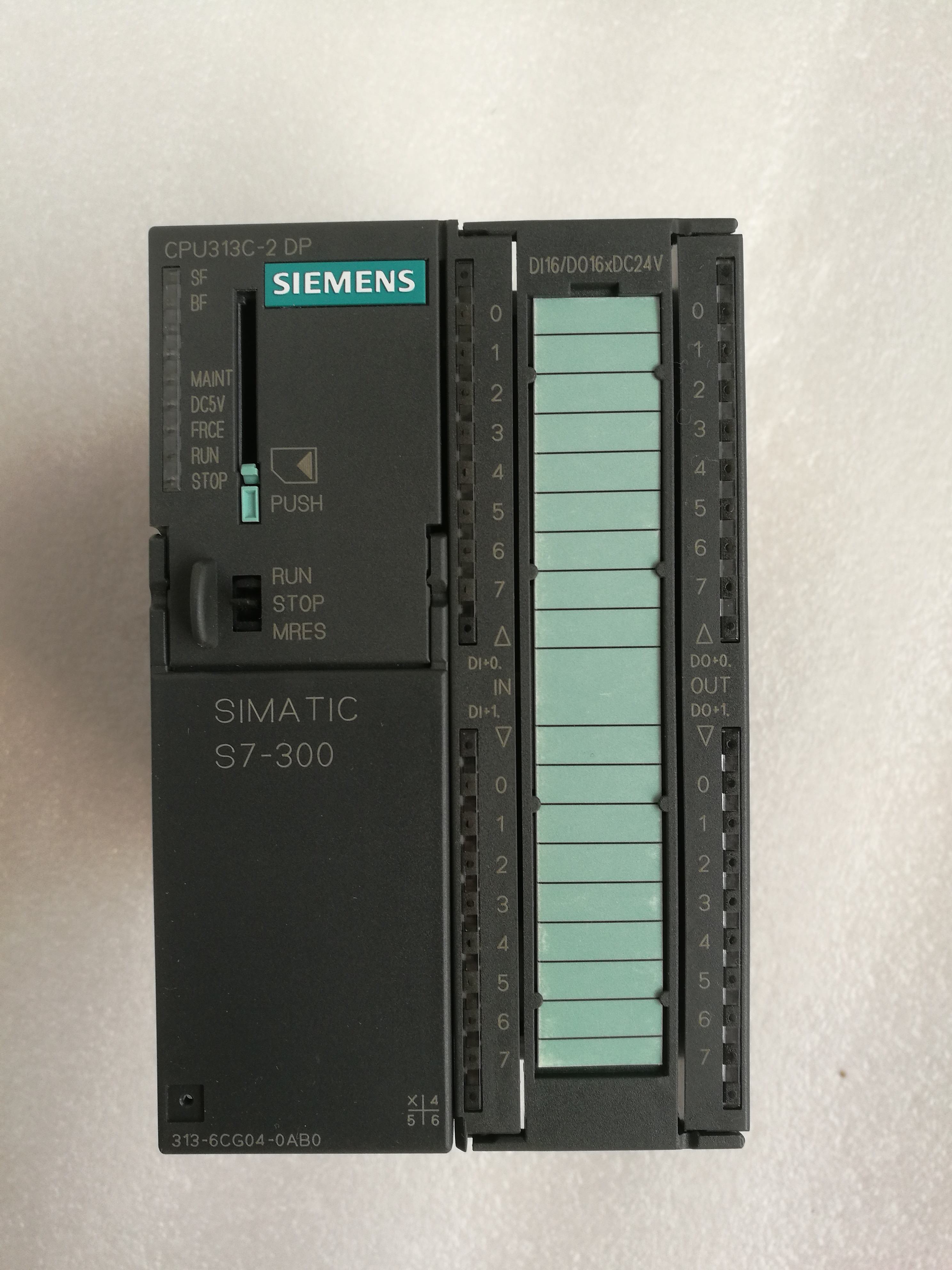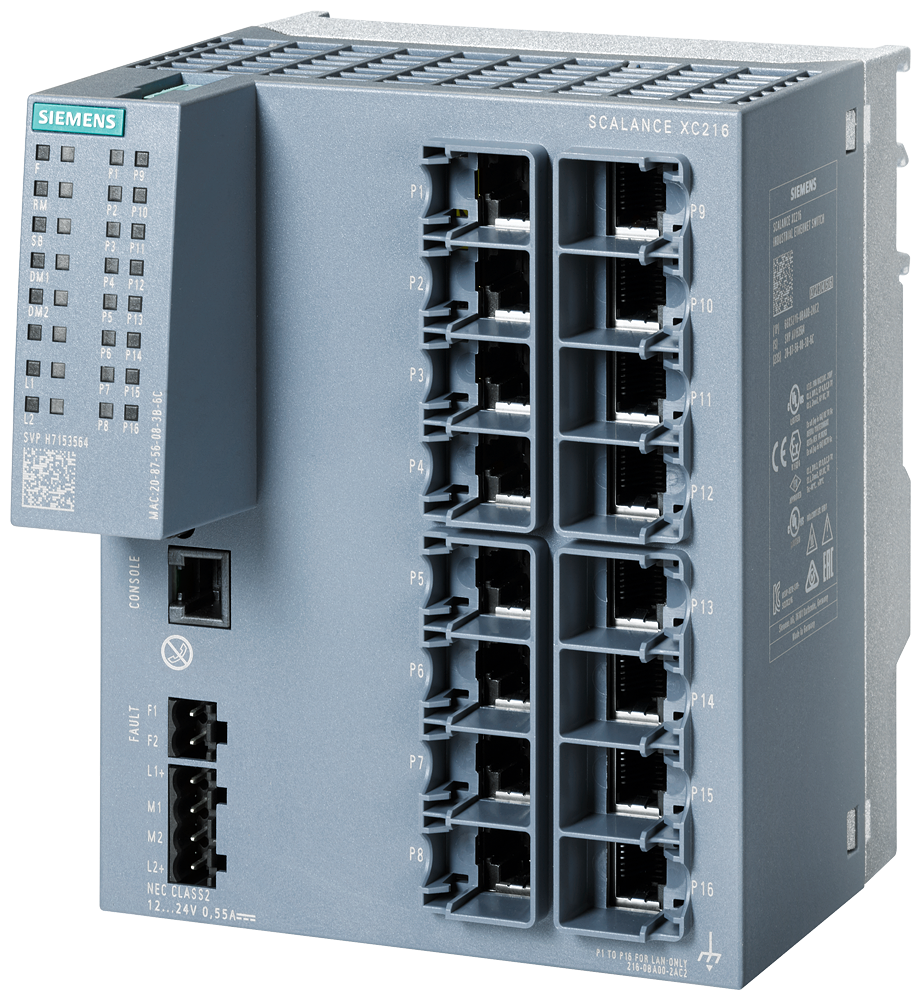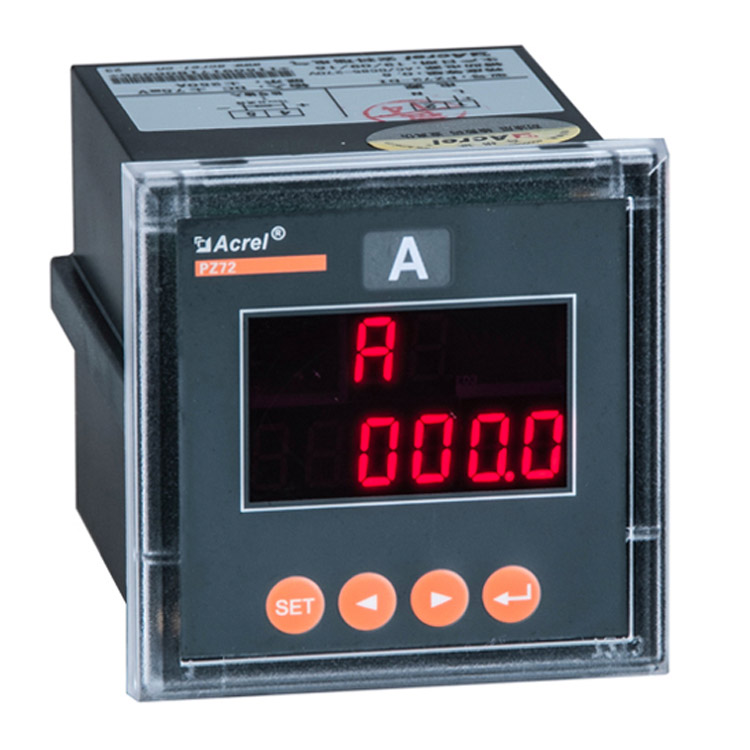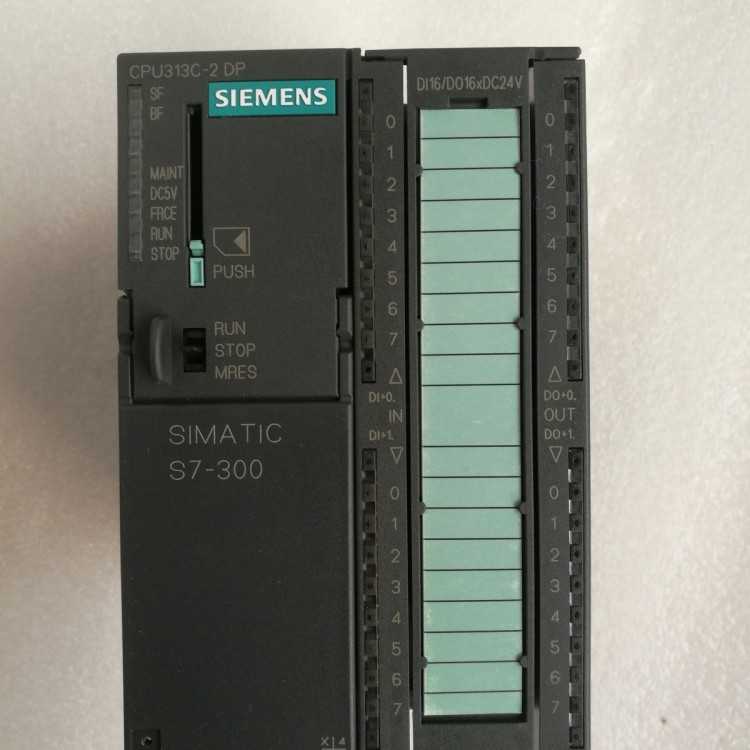
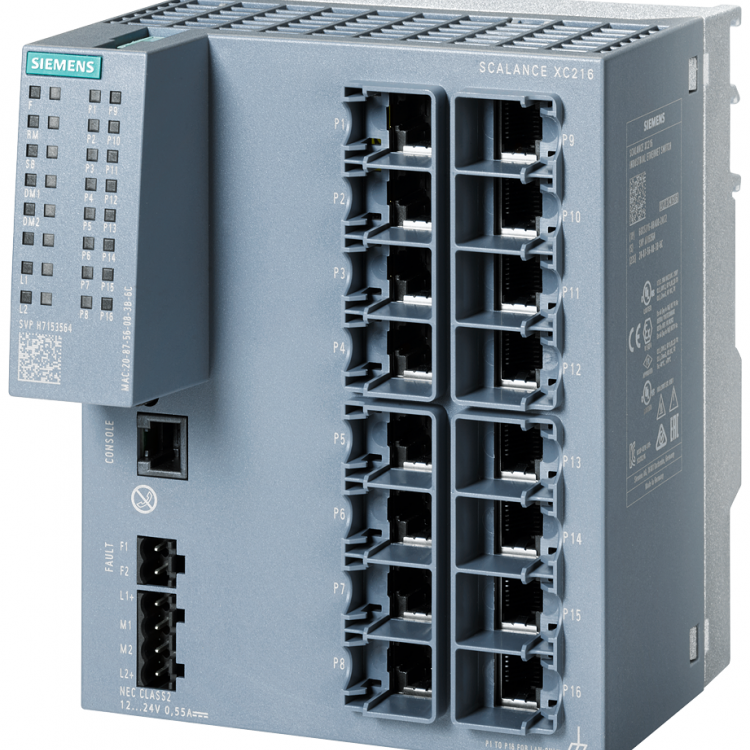








Siemens modules do not require a large number of active components and wired electronic components, reducing wiring. Simultaneously, system maintenance is straightforward and quick. The Siemens modules are designed with a series of reliability methods, such as redundant design, power interruption protection, fault diagnosis, and information protection and recovery.
Siemens EDI Module Features:
1. The system does not require salt addition with no brine recirculation and zero water discharge, featuring a simple structure.
2. The intelligent rectifier power supply maximizes the performance of modular technology, ensuring safety and reliability.
3. High-concentration water resin technology enhances ion migration speed, with a low system energy consumption.
4. Freshwater resin separation technology ensures non-conductive ion migration, resulting in high-quality effluent.
5. Mature backflow technology minimizes the impact of upstream fluctuations, ensuring stable water quality.
6. Large channel divider and resin treatment technology with strong anti-pollution capabilities.
7. Extensive on-site experience optimizes pipeline layout techniques for ease of use and maintenance.
8. The advanced sealing technique and excellent film properties extend the service life.
9. Standardized process specifications reduce equipment maintenance and personnel training costs.
Siemens modules come in various types, including unit operation modules (heat exchangers, distillation columns, compressors, etc.), calculation method modules (accelerated convergence algorithms, simplified algorithms, etc.), and physical-chemical property modules (vapor-liquid phase equilibrium calculations, enthalpy calculations, etc.). Main Products: Siemens servo drives, Siemens CNC servo systems, Siemens DC speed controllers, Siemens AC inverters, Siemens DC transmission units, Siemens HMI touchscreens, Siemens SITOP series DC power supplies, Siemens programmable controllers, Siemens PLC modules, etc.
Basic Content of Siemens PLC Module Control System Design:
1. Determine the system's operation and control methods: PLCs can form various control systems, such as single-machine control systems and centralized control systems. When designing the application system, it is essential to determine the system's composition form.
2. Select user input devices (buttons, operational switches, limit switches, sensors, etc.), output devices (relays, contactors, signal lights, etc. actuating elements), and control objects driven by the output devices (motors, solenoid valves, etc.). These devices are general electrical components, and the methods for selecting them are covered in other courses.
3. PLC Selection: PLC is a core component of the control system, and the correct selection of PLC plays a crucial role in ensuring the technical and economic indicators of the entire control system. The PLC selection should include model selection, capacity selection, I/O module selection, and power module selection.
4. Allocate I/O points, draw I/O connection diagrams, and design a console (cabinet) if necessary.
5. Design Control Program: The control program is the software that governs the entire system's operation, a crucial element for ensuring the system's normal, safe, and reliable performance. Therefore, the programs of the control system should be debugged repeatedly until they meet the required standards.
6. Prepare technical documents for the control system, including manuals, electrical schematics, list of electrical components, I/O connection diagrams, I/O allocation tables, and control software.
"Customer-centric and quality-driven from the start, we firmly believe that through our relentless efforts, we can offer you exceptional products and services, earning your trust and support. Our entire team eagerly anticipates collaborating with you, as we join hands to forge a brilliant tomorrow."
WeChat Official Account

Scan to follow Official Account