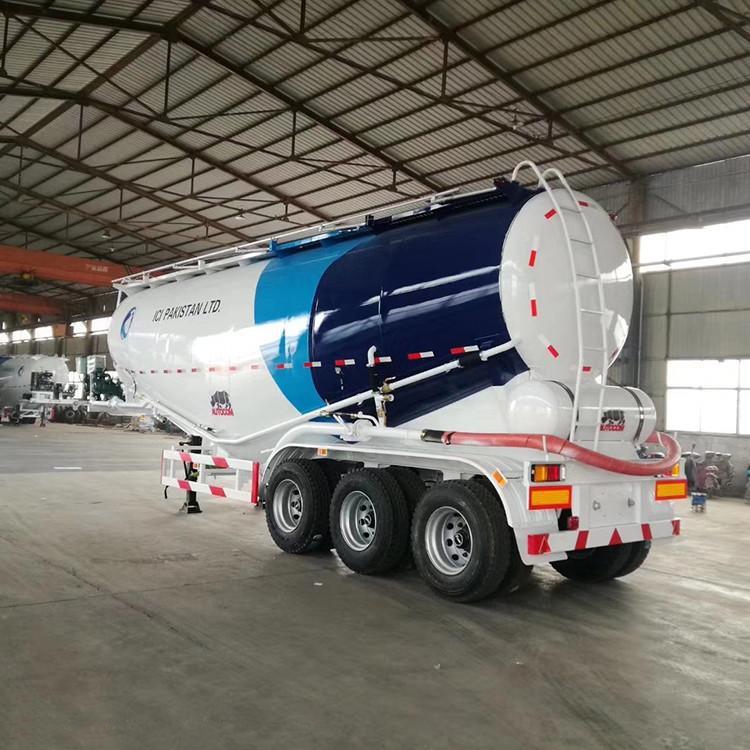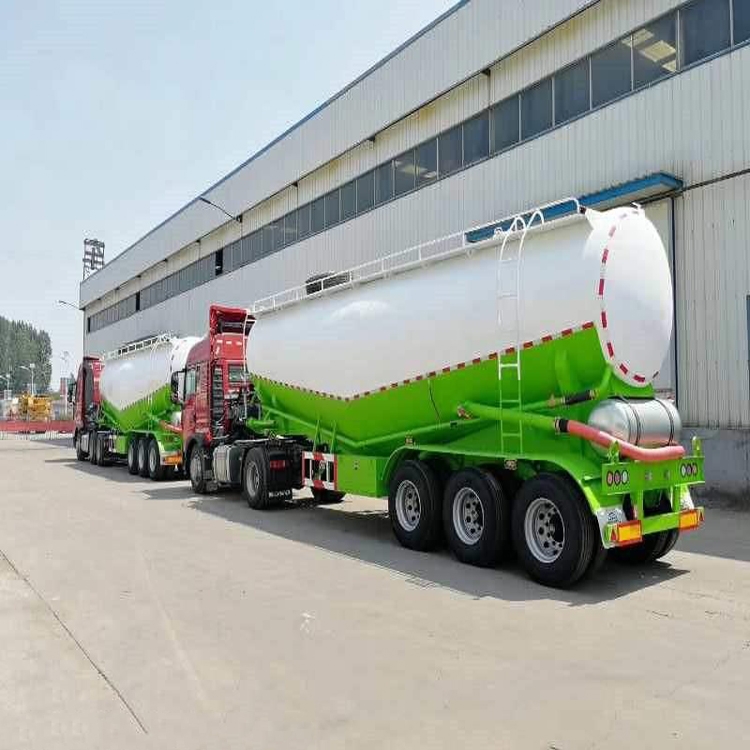

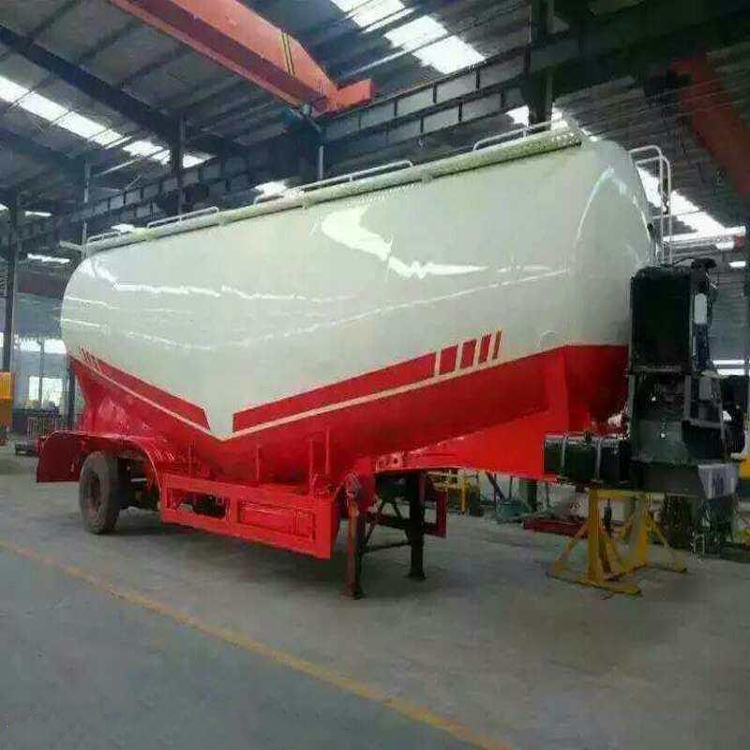


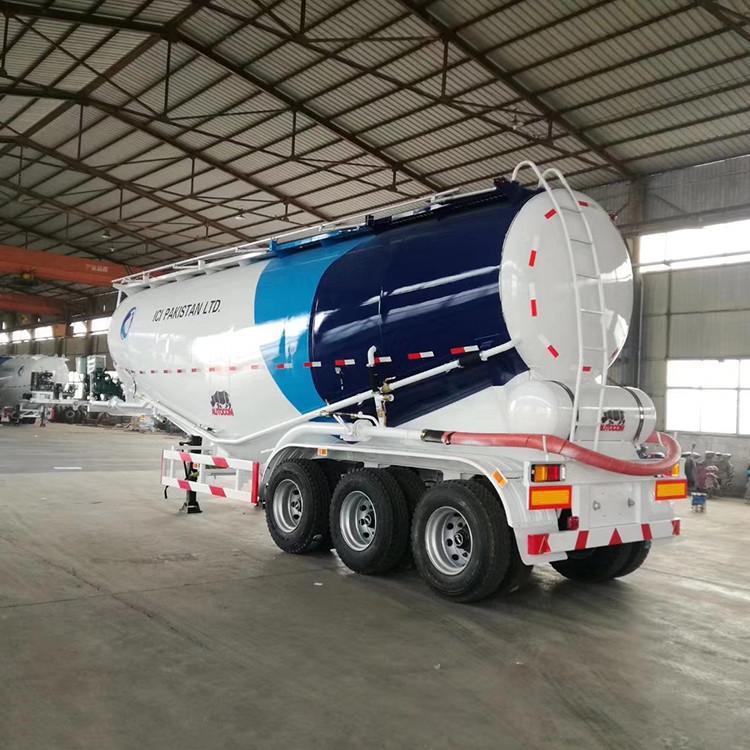


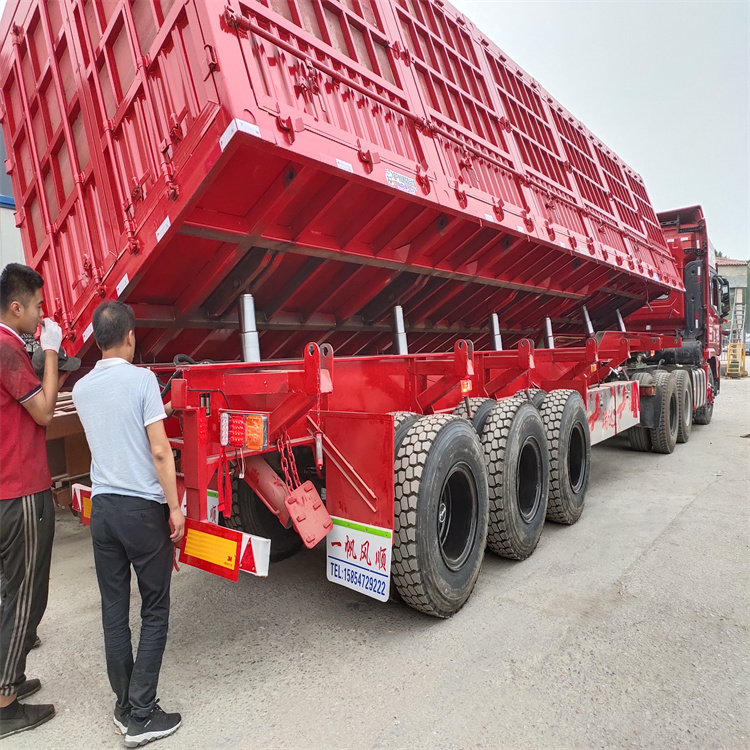





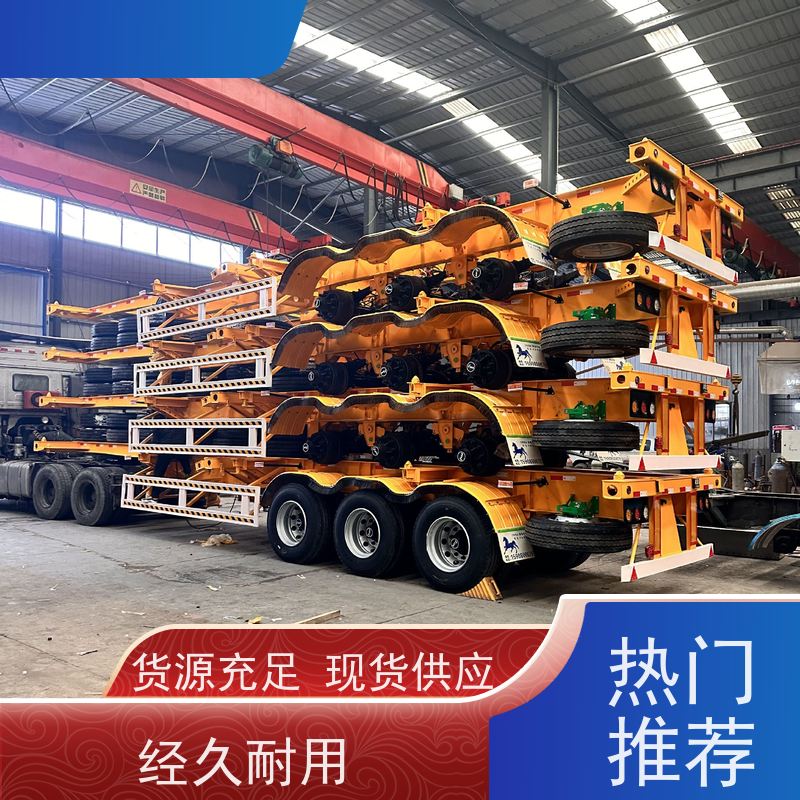
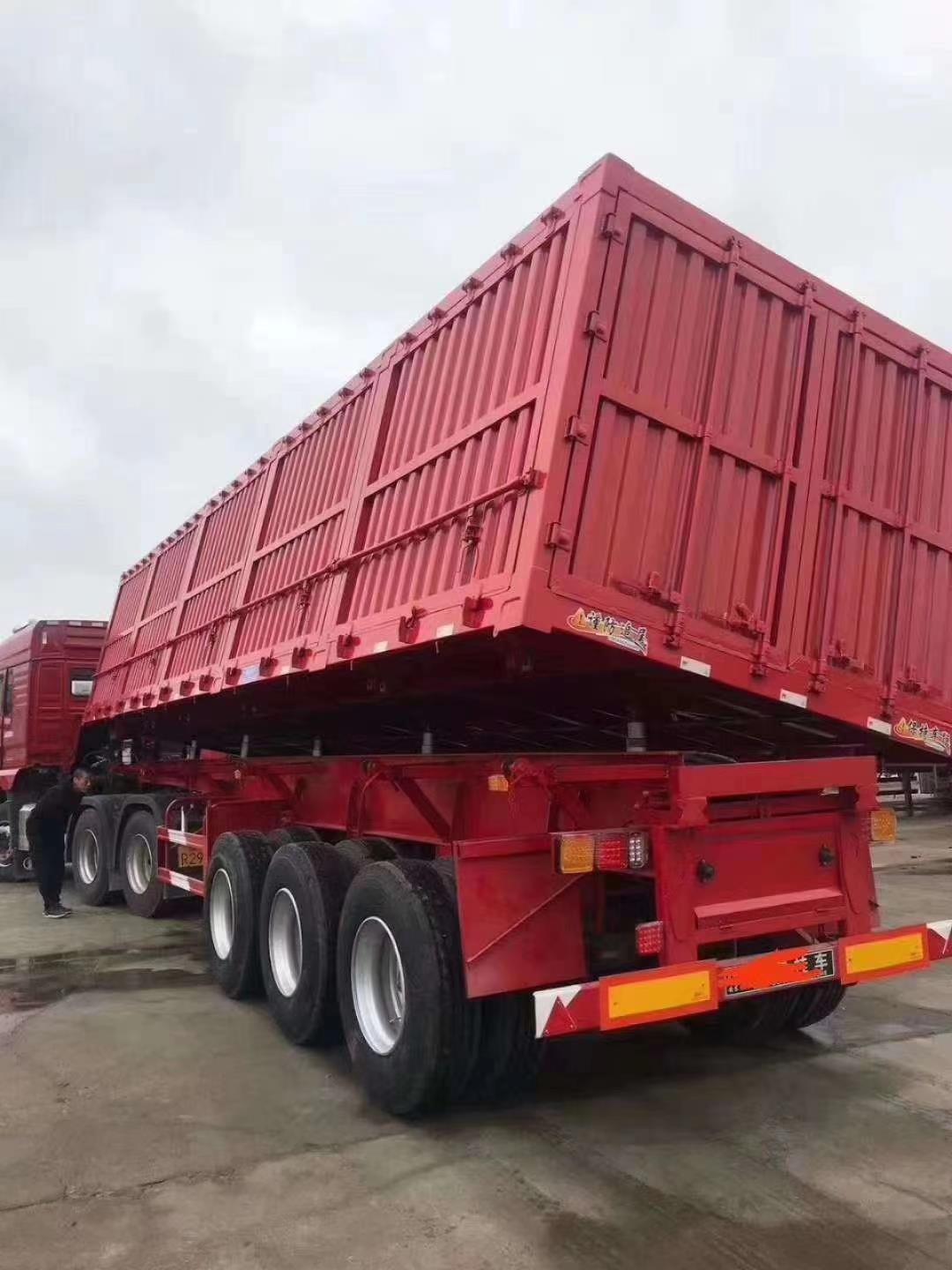
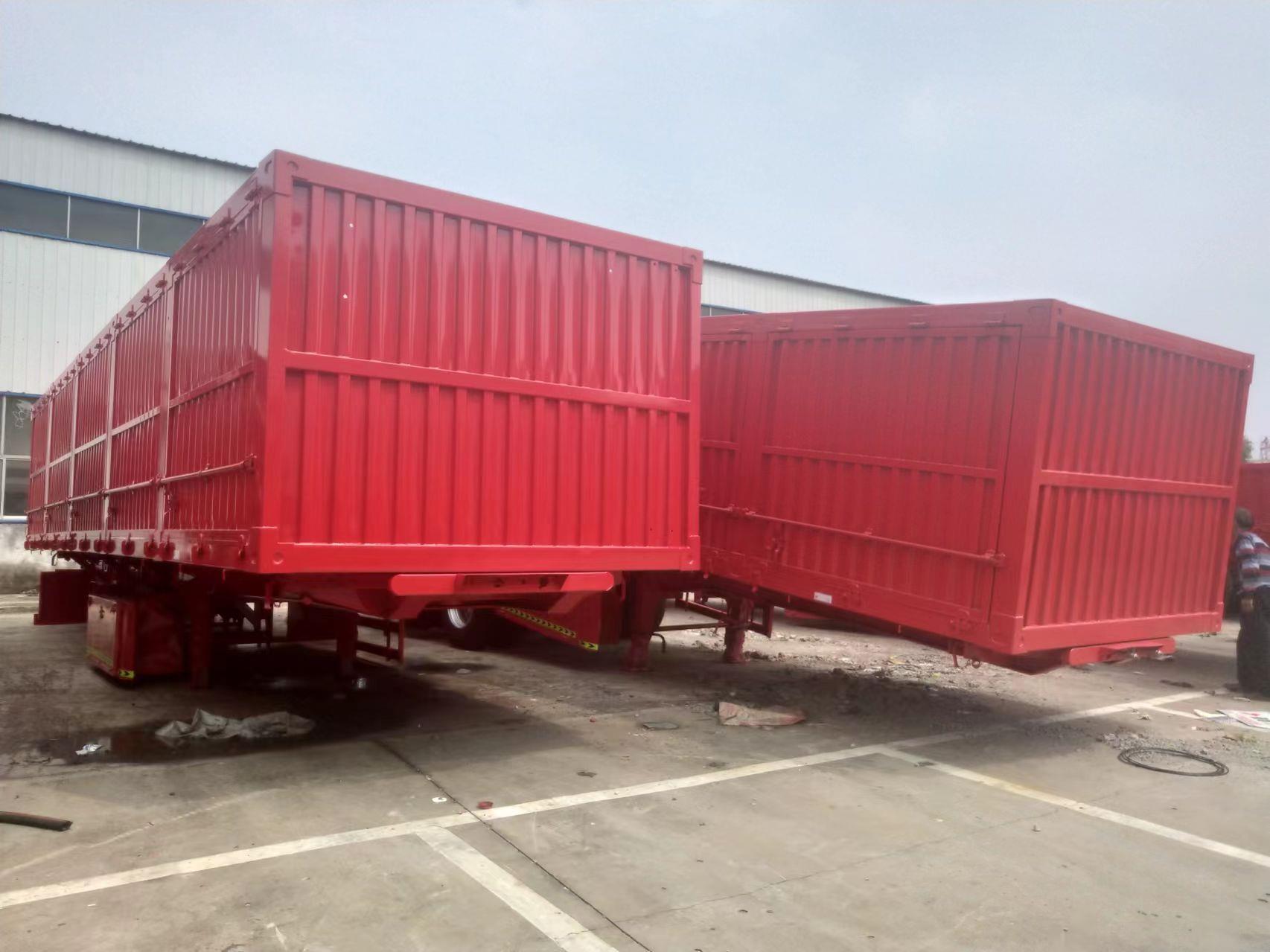
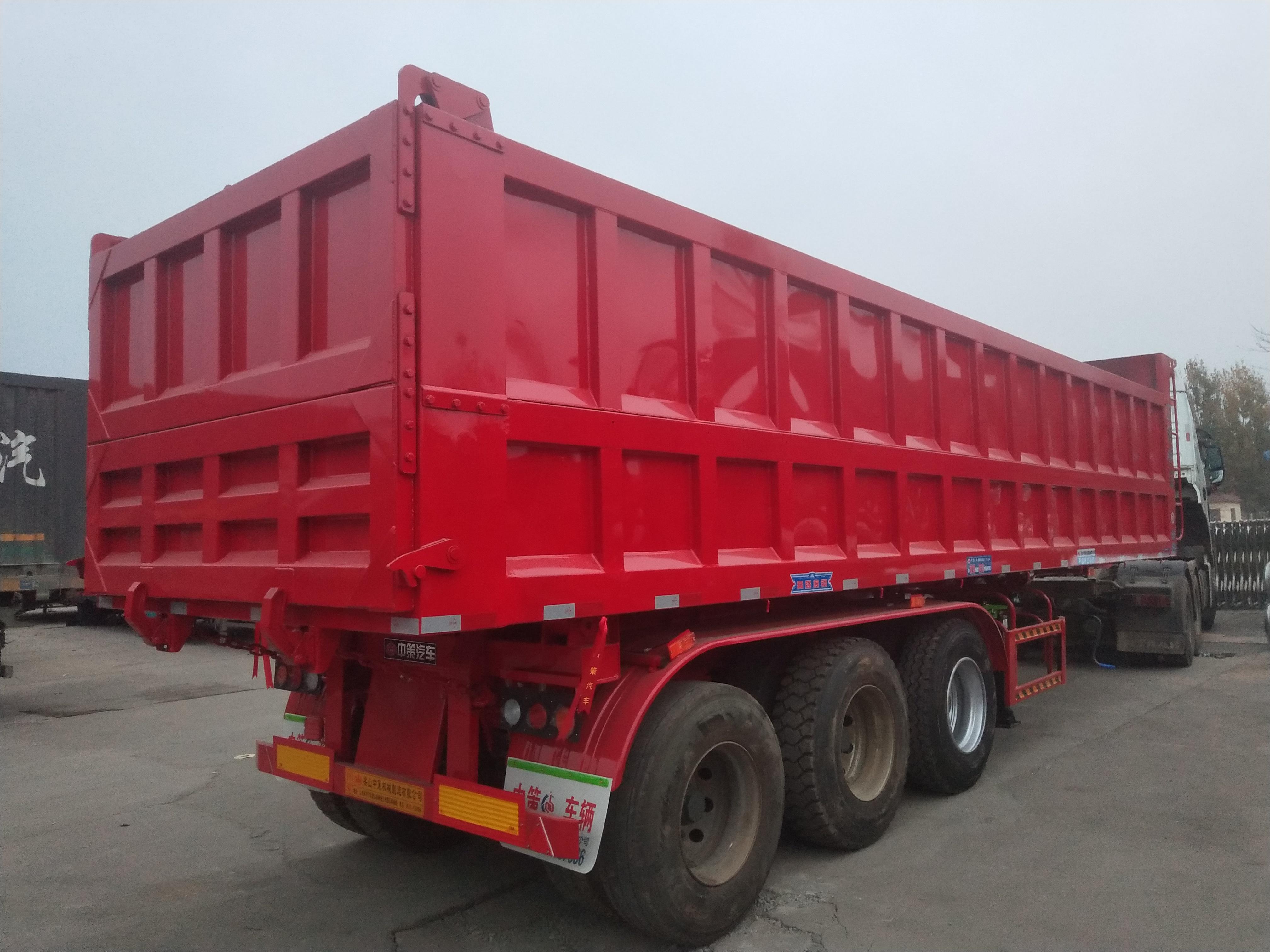
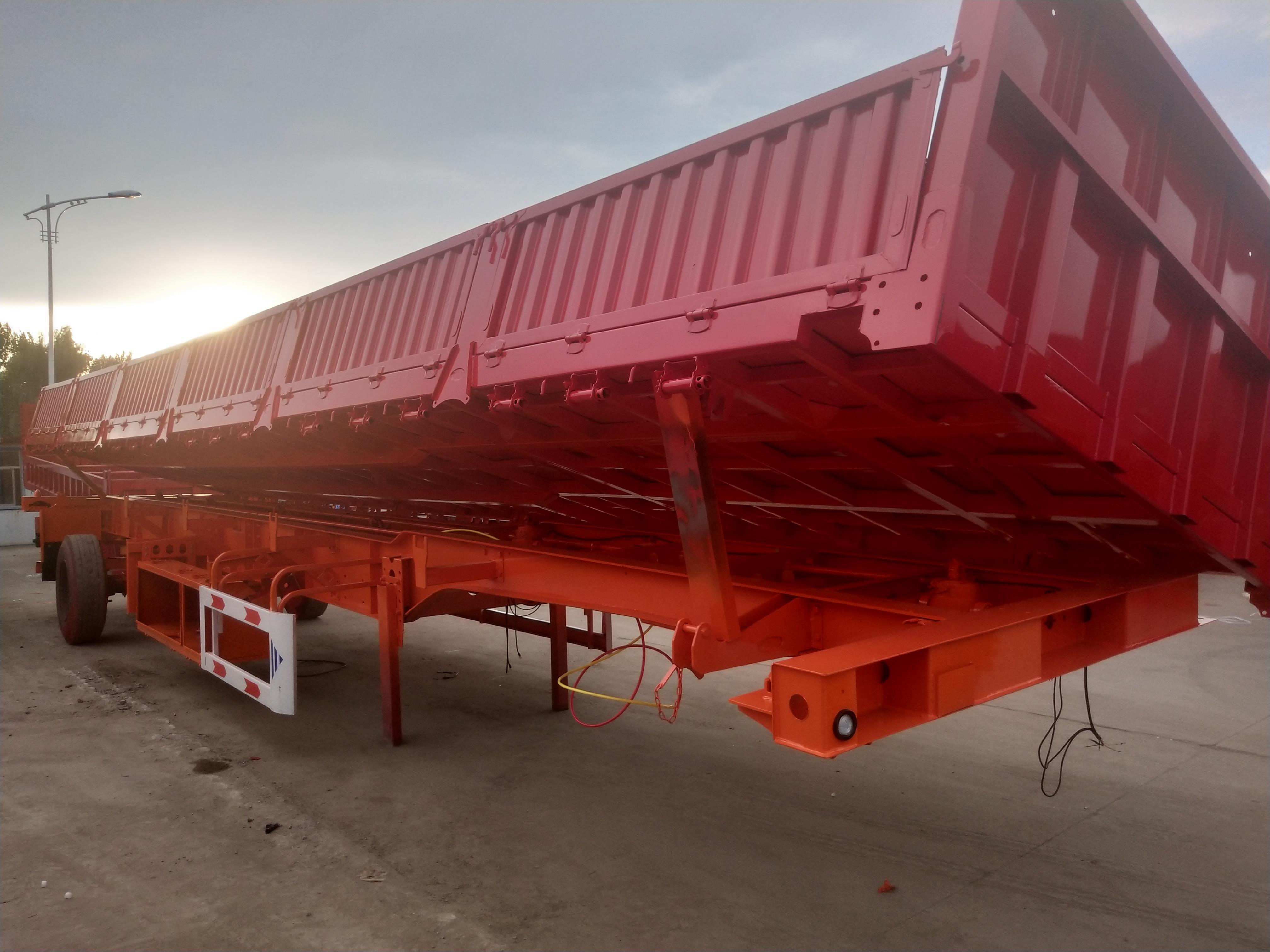
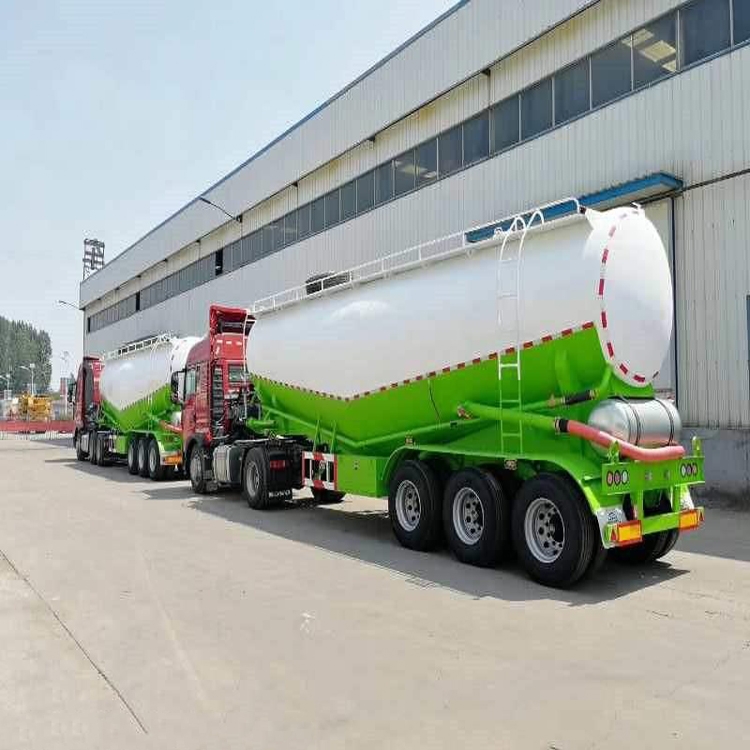
35-ton bulk cement tanker unloads by introducing compressed air into the tank from the bottom, which is then divided into fine streams through the permeable layer of the cement fluidization device, uniformly filling the cement to form air-cement mixture. Under the pressure difference between the inside and outside of the container, the cement is discharged through the unloading pipe. The pneumatic unloading method offers advantages such as fast unloading, reduced dust飞扬, and the ability to unload at any height and distance using flexible long unloading pipes, and it can be operated outdoors in bad weather. Shandong Liangshan Pufite Special Manufacturing Co., Ltd. has been producing light and small bulk cement tankers, 10-cubic bulk cement tanker trucks, 20-cubic semi-trailer bulk cement tankers, and 30-cubic bulk cement tankers for a long time. We offer bulk materials and bulk cement. 1. The tanker series includes oil tankers, concrete mixers, powder and granular material tankers, bulk cement tankers, water supply trucks, etc. 2. The tank bodies are manufactured using advanced processing techniques and 3D design. The chassis is equipped with specialized chassis from various manufacturers, featuring advanced technology and reliable performance. These are cargo trucks with tank containers. Advantages: High loading and unloading transportation efficiency, product quality protection, transportation safety, reduced labor intensity, improved loading and unloading conditions, material savings, and labor savings.
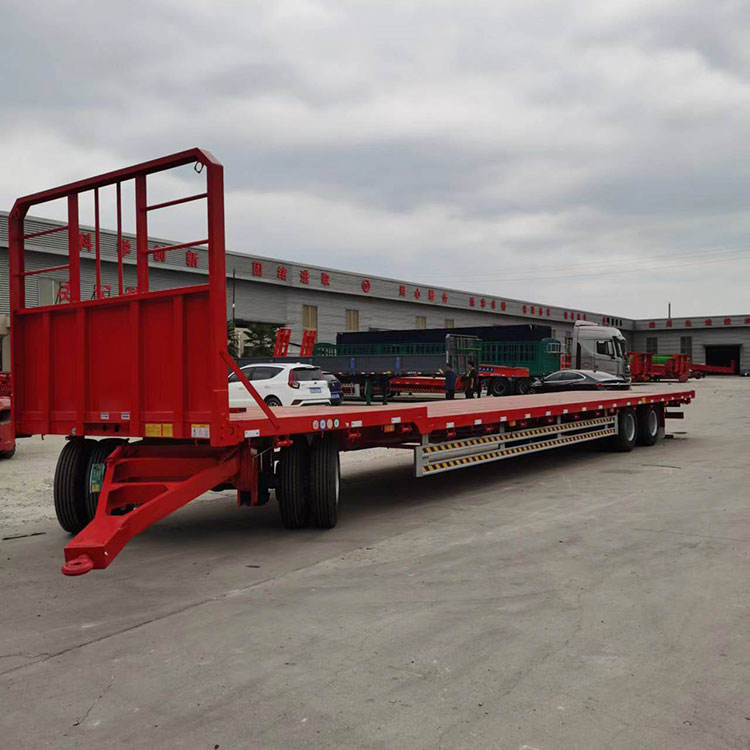
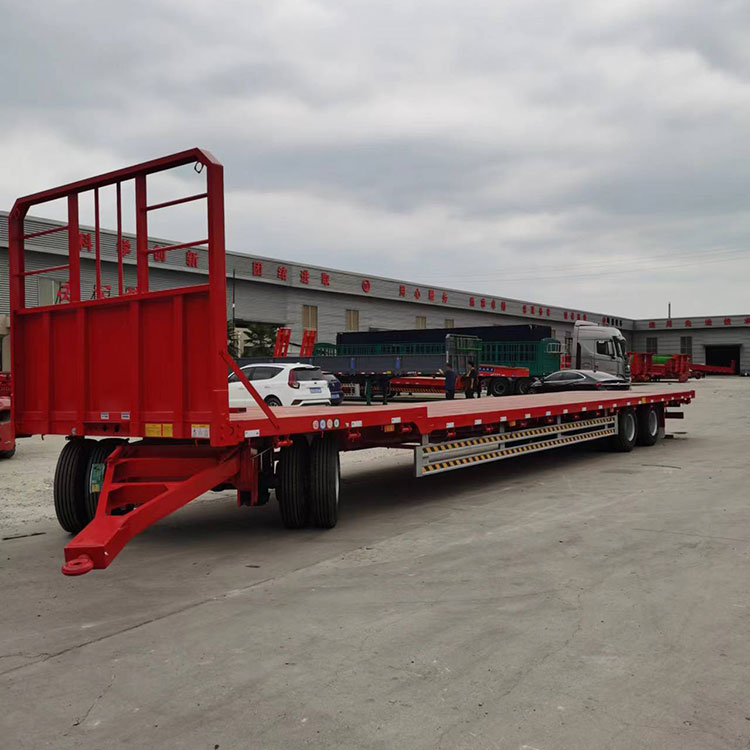
Lower transportation costs. Tanker trucks: transport fuels, lubricants, alkalis, and water. Semi-trailers with tank bodies are designed with a tank structure for cargo. Mainly used for transporting liquid food and beverages. Powder tanker trucks: transport and install standard tanks of 20, 30, 38, 40, 48, 56, 70, 73, 75 cubic meters, as well as non-standard tanks of 80, 85, 90, 95, 100, 110, and 120 cubic meters, supplied by cement companies. Prevents goods from moving forward and backward. Limiting frames are standard steel pipe structures, with the hook fitting on adjacent holes of a porous plate; optional plate-type limiting frame. The chassis fixation method involves securing the goods vehicle's chassis to the carrier's chassis. High rigidity, toughness, and load-bearing capacity without deformation. The series of flatbed semi-trailer chassis are all of through-beam structure, with the longitudinal beams in straight or goose-neck designs. Web heights range from 400 to 500 mm, with the longitudinal beams焊接 using automatic submerged arc welding and the chassis treated with shot blasting.
Traffic violations are acts that breach traffic management regulations. Such violations may cause inconvenience to society, groups, enterprises, schools, and other organizations, introducing numerous uncertainties into social management. Any vehicle or pedestrian that violates traffic regulations, as well as any agency, group, enterprise, school, or individual that, without official approval, arbitrarily occupies roads for street vending, parking vehicles, stacking goods, constructing sheds or houses, or engaging in market trading and other activities that obstruct traffic, are considered traffic violations.
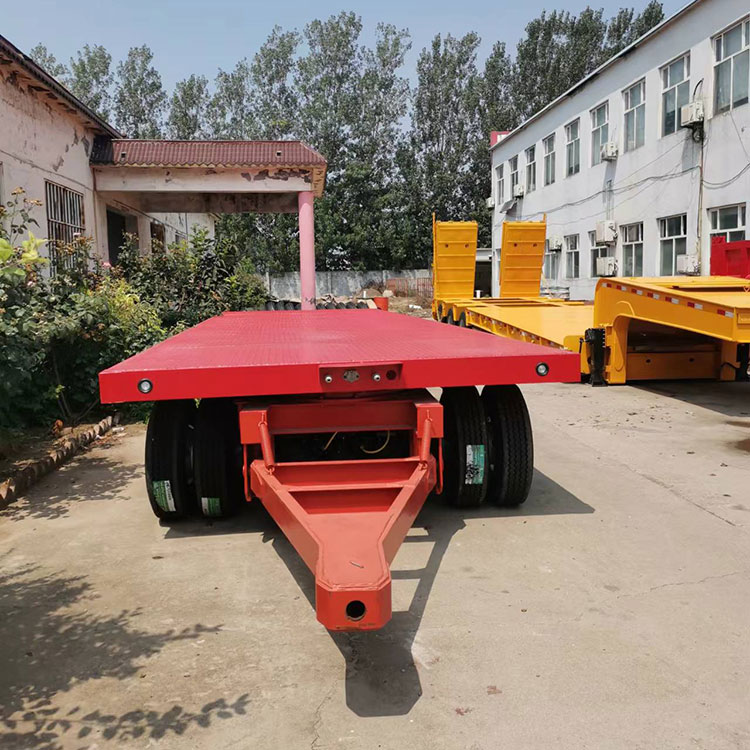
The meaning of a semi-trailer: A semi-trailer is a trailer with axles placed behind the vehicle's center of gravity (when the vehicle is evenly loaded) and equipped with coupling devices that can transfer horizontal and vertical forces to the tractor. Semi-trailers are typically three-axle units, and they come in various types such as 11-meter flatbed semi-trailers, 13-meter flatbeds, lowboy semi-trailers, and many more. It is a heavy-duty transport vehicle connected to the semi-trailer head through a pintle hook.
The semi-trailer's features: Compared to "monobody" vehicles, semi-trailers can significantly enhance the comprehensive economic benefits of road transportation. Transportation efficiency can be increased by 30-50%, costs reduced by 30-40%, and fuel consumption decreased by 20-30%. More importantly, the use of semi-trailers can also promote the organization form of China's logistics to a certain extent.
The use of semi-trailers: Semi-trailers are primarily used for transporting large, non-disassemblable goods, such as excavators, etc. The fence-type trailers are more suitable for transporting perishable goods like vegetables and fruits. Enclosed trailers are better for carrying loose goods and valuable, moisture-sensitive items.
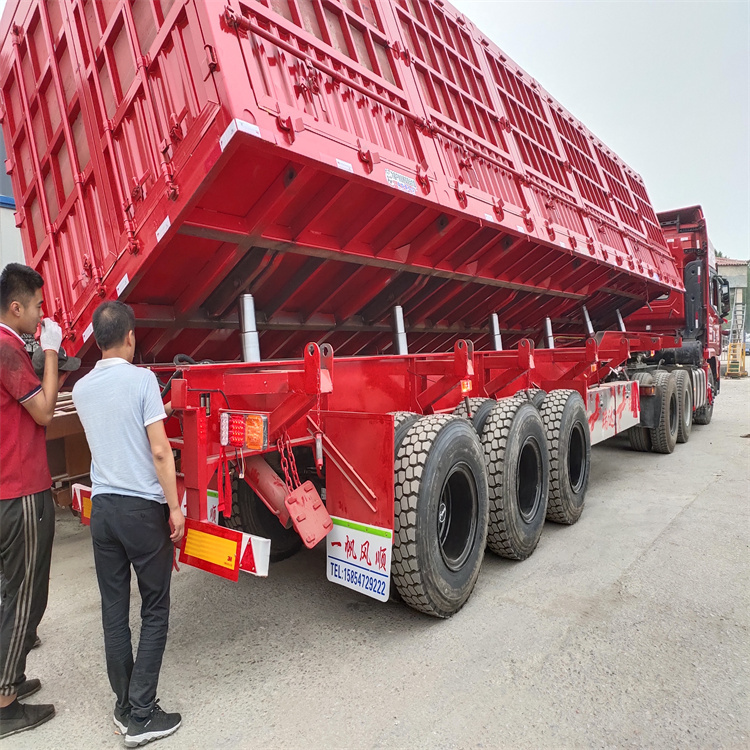
China Heavy Duty Truck Group Liangshan Pufete Trailer Manufacturing Co., Ltd. is an authorized production enterprise approved by the National Development and Reform Commission, and its products are listed in the Automotive Product Announcement. The company's main products include semi-trailers, full trailers, lowbed semi-trailers, light semi-trailers, enclosed semi-trailers, bulk cement tankers, powder-grain material semi-trailers, 17.5m lowbed semi-trailers, side dump semi-trailers, semi-trailer prices, container transport semi-trailers, etc. The company also represents a range of traction trucks such as Jiefang J6, J5, Huanwei, Aowei, Xindawei, Ouman, Howo, and more. The standard tanker semi-trailer is priced at 115,000-125,000 yuan FOB factory.
In China, almost all bulk cement transporters are horizontal tanks, while vertical tanks are a rarity. In recent years, as China's tanker industry strides into international expansion, the introduction of new products has also become a trend in the industry. Over the past two years, with the gradual standardization of road management, bulk cement transporters have also been developing in multiple directions. As a player in the bulk cement tanker industry, Shandong Liangshan Zhongtai PuFeiTe Special Vehicle Co., Ltd. has been diligently researching product upgrades and expansions, actively participating in international competition. In the past two years, in response to the demands of the Southeast Asian and European markets, the company has produced a horizontal bulk cement tanker transporter with a capacity of 25 cubic meters and a 3-axle horizontal semi-trailer tanker with a capacity of 35 cubic meters (referred to as horizontal bulk cement tankers). After numerous experiments and optimizations, the company has finally gained recognition and trust, achieving sales both domestically and internationally.
Tanker semi-trailers are primarily used for large oil transportation, with capacities typically ranging around 40 to 60 cubic meters. They usually come in two types: two-axle semi-trailers and three-axle semi-trailers. The rectangular tank bodies of tanker semi-trailers are made of Q235A steel plates, featuring multiple reinforced wave barriers inside the tank. The lower end of the barriers has through-holes to mitigate the impact of oil during vehicle movement and enhance tank strength. The combination filling port is located at the top of the tank, with a self-locking small cover on the large lid. A breather valve is installed on the top side of the large lid to maintain consistent atmospheric pressure inside and outside the tank; equipped with a static grounding wire. The oil-pumping system is powered by a take-off unit from the transmission side, which has restricted the development of the tanker industry, making exported products less competitive in international markets, especially in regions with strict emission requirements. Where only price reduction and improved cost-performance can gain a foothold. The Hongqiao District tanker semi-trailers offer optimized services with self-priming and self-discharging capabilities; equipped with two oil suction hoses, featuring quick connectors, with a suction range of 6 meters. Includes two fire extinguishers and special tools. Tanker semi-trailers are divided into two parts: the tank body and the frame or structure supporting the tank.
Faults and Repair Methods: 1. Braking not responsive or slow? Causes: Excessive gap between the brake shoe friction pads and the brake drum; over-worn brake shoe friction pads due to improper adjustment of the gap; cracked brake shoe friction pad; damaged gas chamber, replace the gas chamber; air leakage in the gas braking system causing pressure drop, inspect for leaks and repair or replace parts; malfunctioning emergency relay valve, replace it. 2. Unable to release the brake, slow release of the brake system? Causes: Low system pressure; increase the gas braking system pressure to the specified value; damaged return spring of the brake; pipe blockage, inspect and clear; malfunctioning emergency relay valve or quick release valve, inspect and replace; incorrect stroke of the brake gas chamber push rod, realign. 3. Tire wobble? Causes: Wheel nuts loose, tighten; axle bearing seizure or damage, replace the bearing; axle bend, correct or replace the axle; bearing clearance too large, properly tighten the bearing locking nut. Research on the lightweight issue of tank trucks in our country is just beginning. The majority of domestic tank trucks are made of ordinary low-carbon steel plates. Steel tanks are very heavy, increasing fuel consumption and significantly raising transportation costs and causing environmental pollution and damage. Aluminum alloy is not only lightweight but also has excellent corrosion resistance, as well as good conductivity and heat conductivity, among other advantages.
China Heavy Duty Truck Group Liangshan Branch offers a long-term supply of: 38-cubic, 40-cubic, 48-cubic, 56-cubic, 70-cubic, 73-cubic, 75-cubic, 80-cubic, 85-cubic, 90-cubic, 100-cubic, and 110-cubic bulk cement tankers, powder and granular material tankers, and other models.
New Bulk Cement Semi-Trailer, Standard Parameters and Configuration Diagram of 40-ton Powder Material Tanker, Customized Light Bulk Cement Tanker