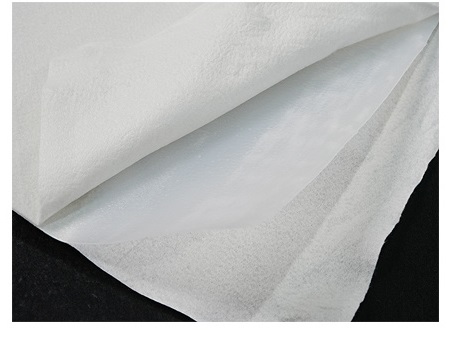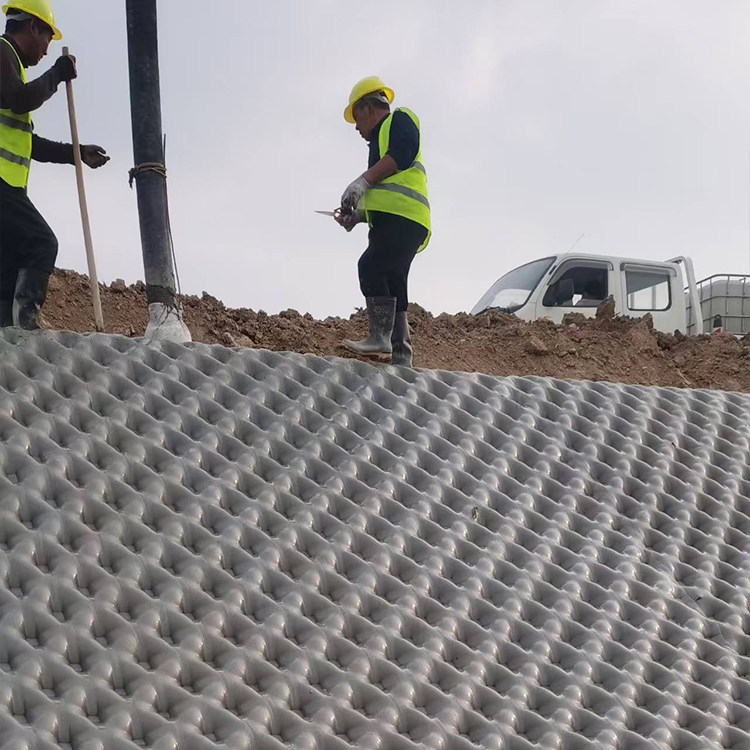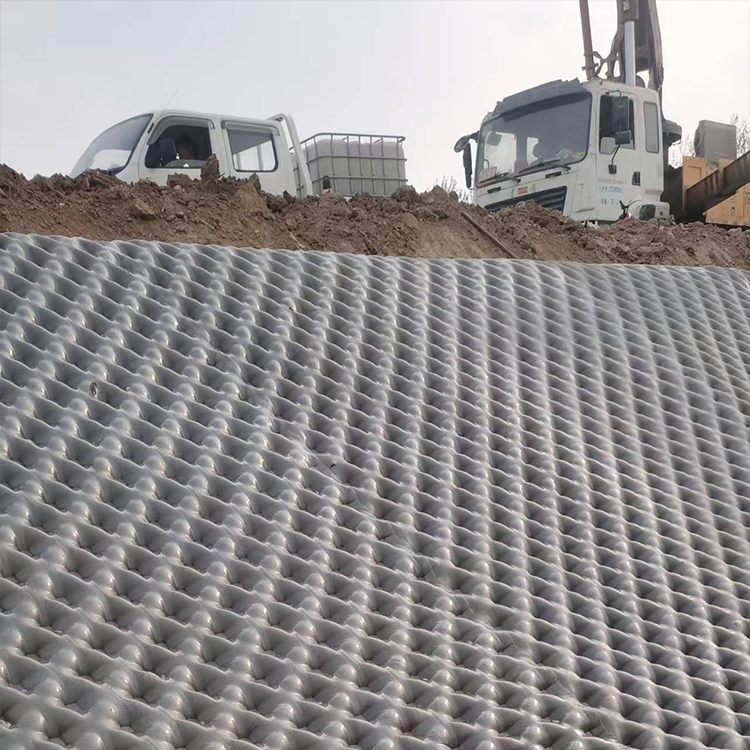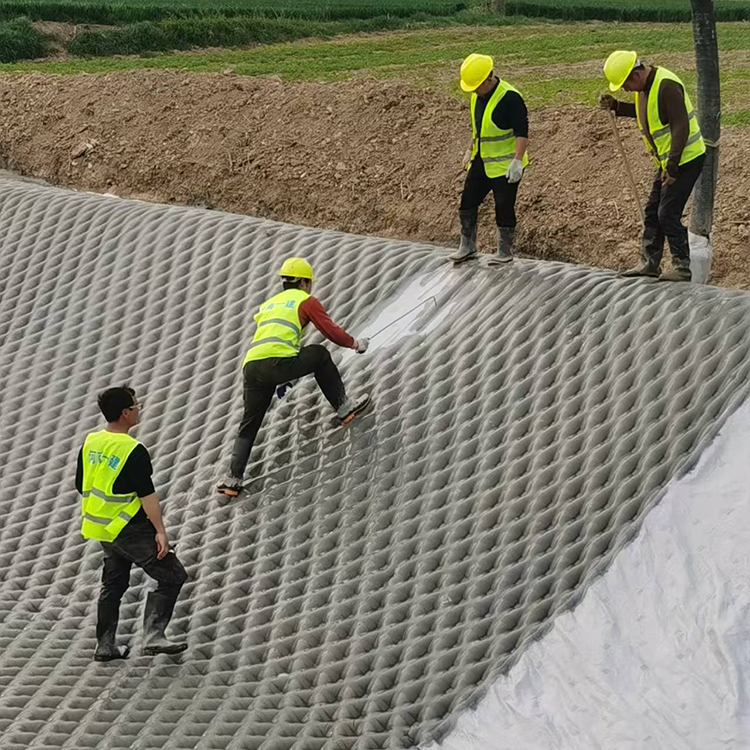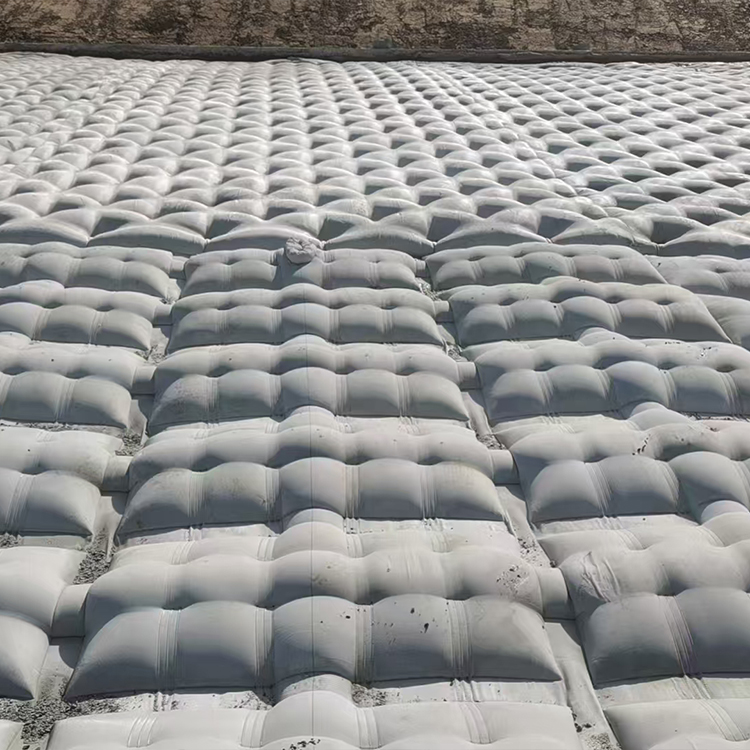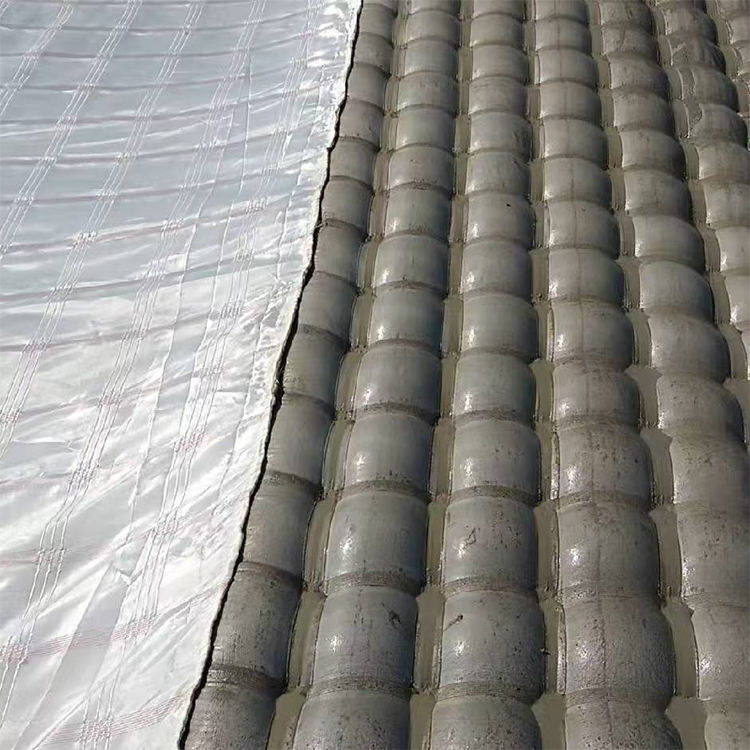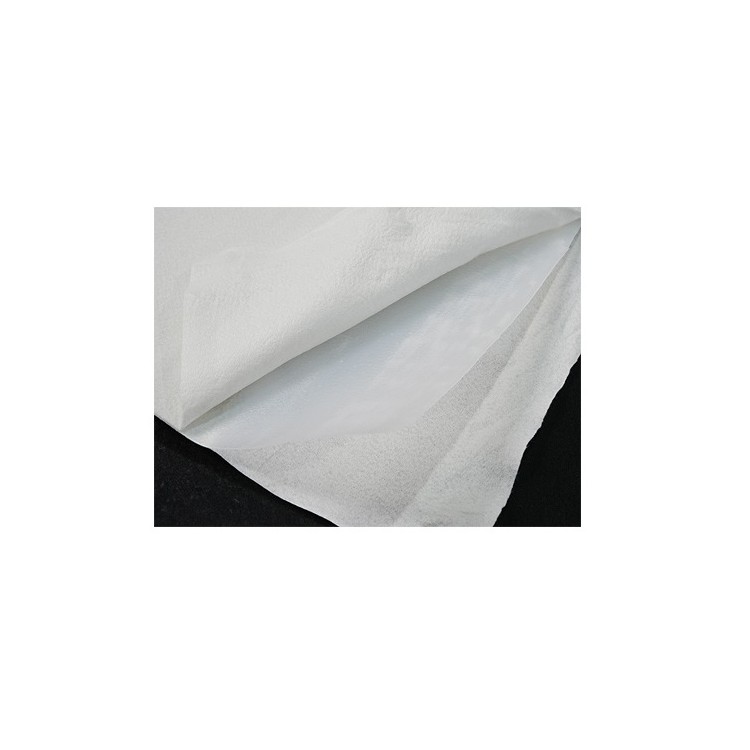

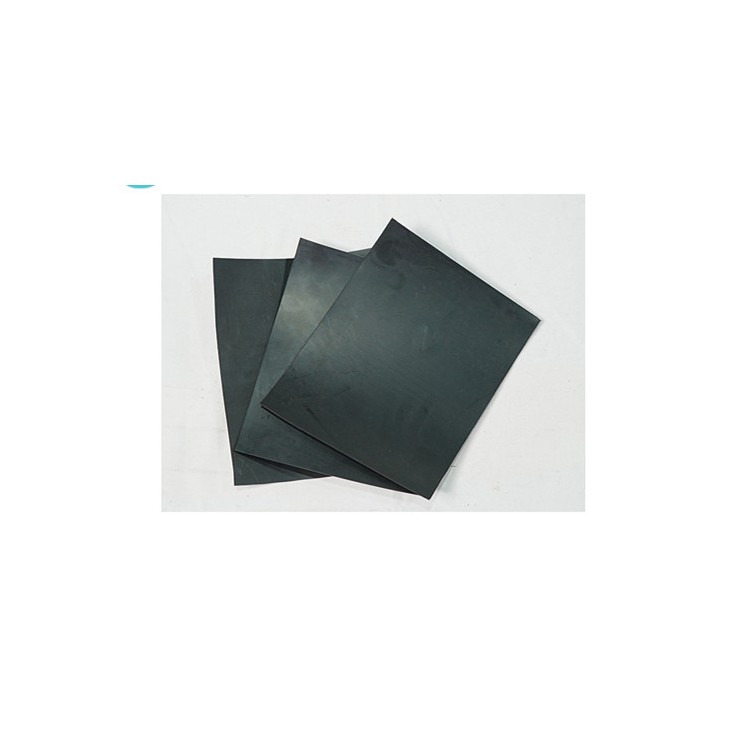
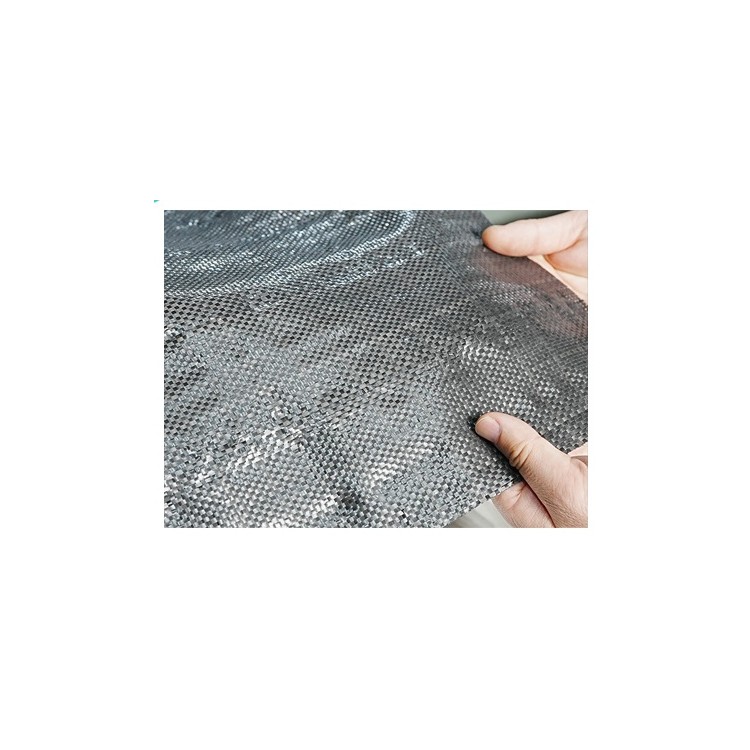


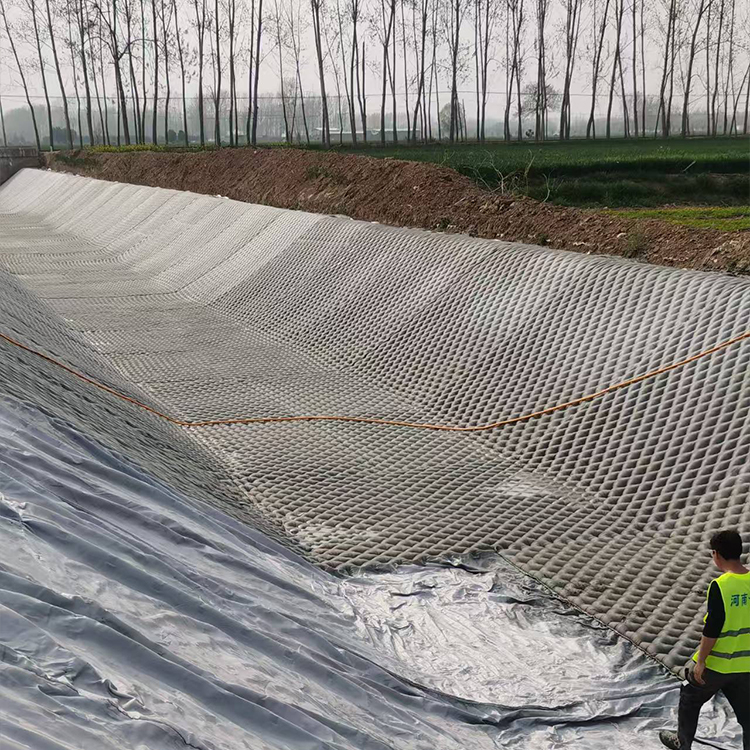
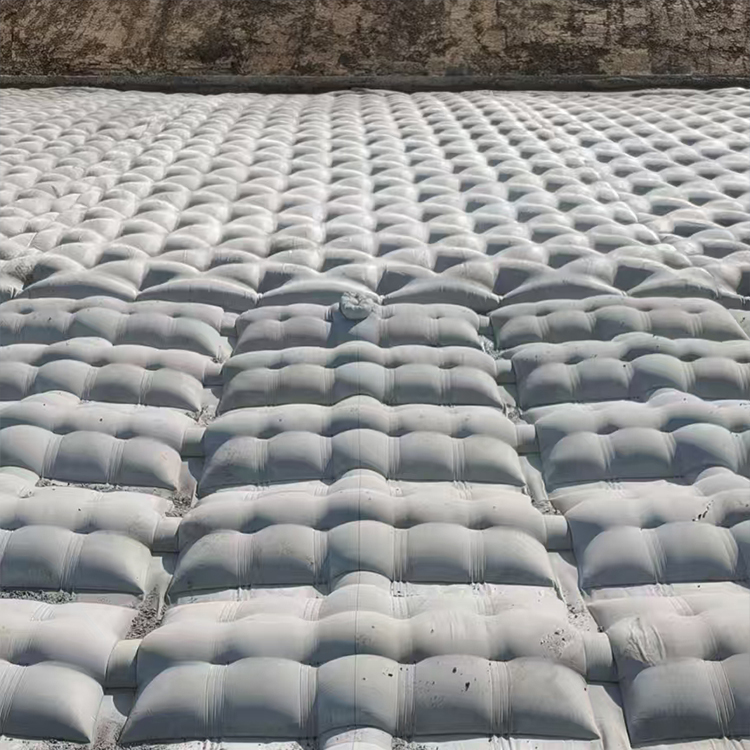
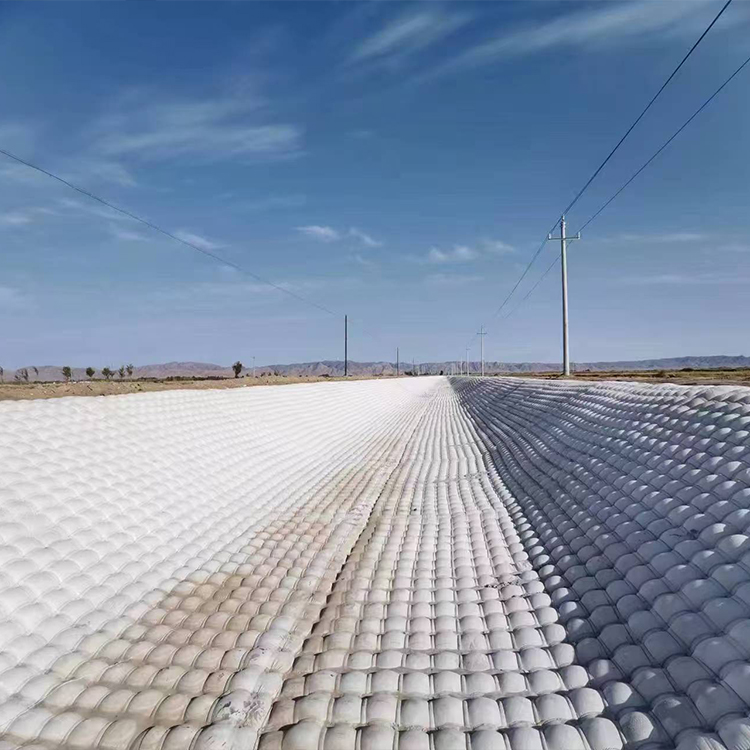
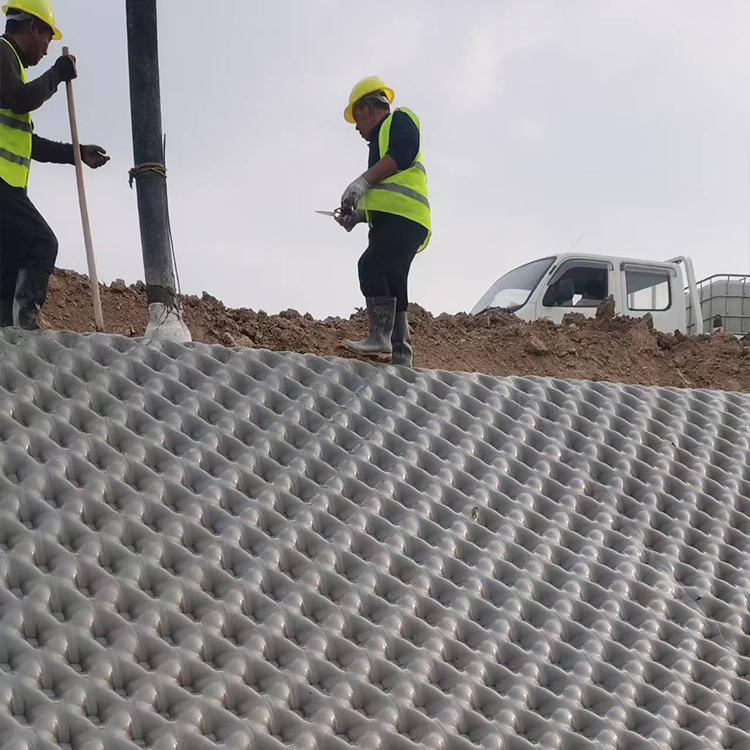







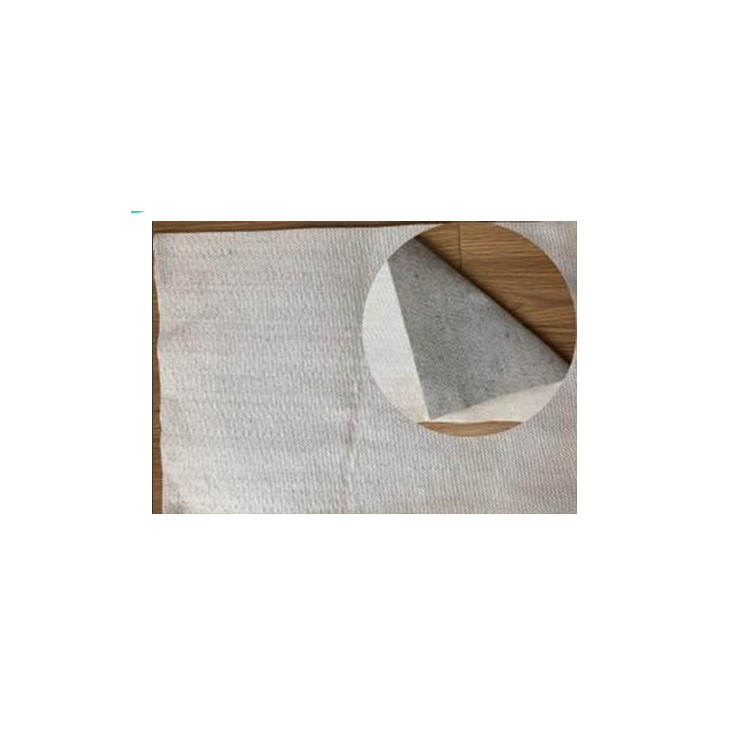
Composite geomembrane, made by laminating plastic film as the impermeable base material with nonwoven fabric, primarily relies on the impermeability of the plastic film. Currently, the plastic films commonly used for impermeable applications both domestically and internationally are polyvinyl chloride (PVC) and polyethylene (PE). These are high molecular weight flexible materials with low density and high extensibility, excellent in adapting to deformation. They are resistant to corrosion, withstand low temperatures, and have good anti-freezing properties. Their main mechanism is to block the leakage pathways in soil dams with the impermeable nature of the plastic film, supporting water pressure and adapting to dam deformation due to their high tensile strength and elongation. Nonwoven fabric, also a high molecular weight short fiber chemical material, formed by needle punching or thermal bonding, boasts high tensile strength and extensibility. When combined with the plastic film, it not only enhances the tensile strength and puncture resistance of the film but also, due to its rough surface, increases the friction coefficient at the contact surface, which is beneficial to the stability of the composite geomembrane and protective layer. Moreover, they exhibit good resistance to bacterial and chemical侵蚀, fear no erosion from acids, alkalis, or salts.
Main Application
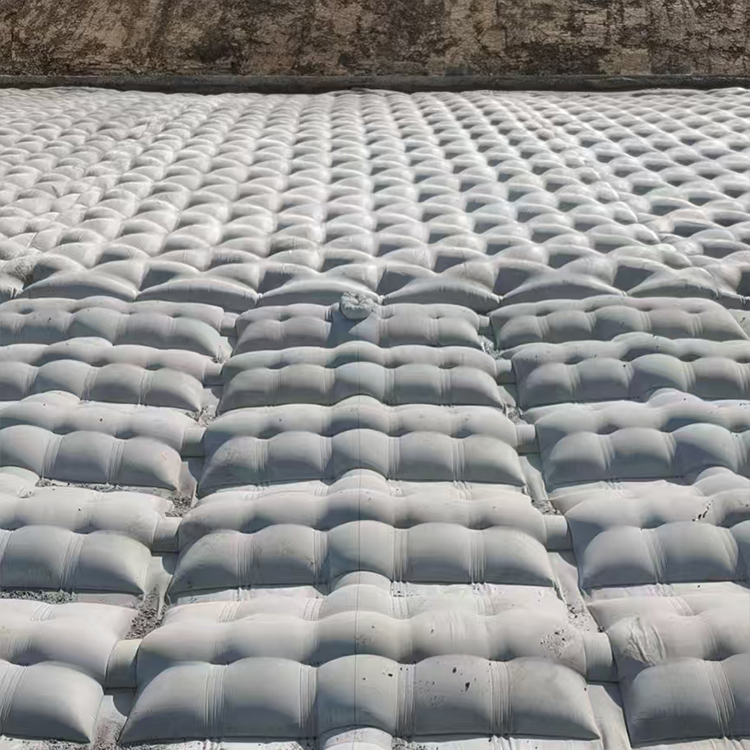
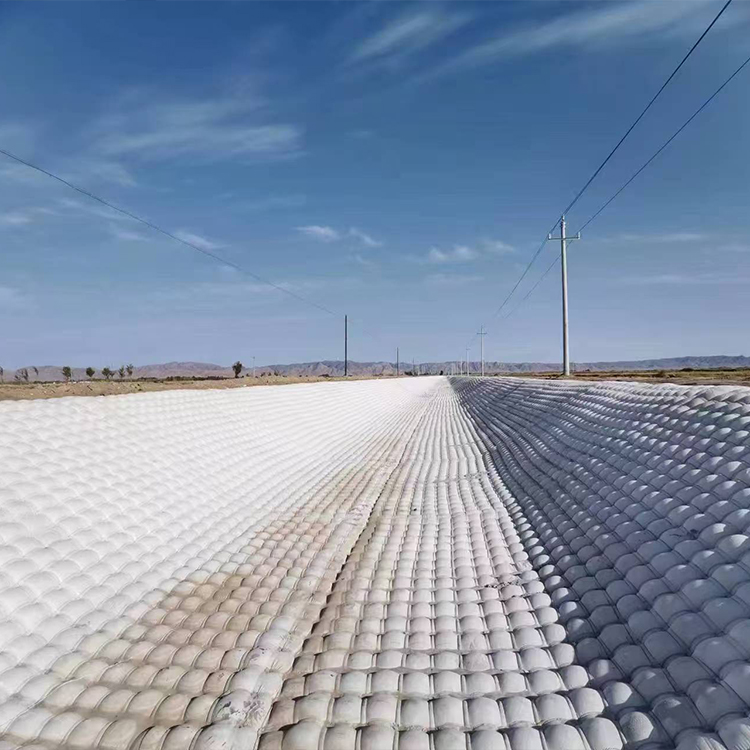
Applicable to river embankments, hydraulic tunnels, canal reservoir seepage prevention, metallurgical and chemical anti-pollution, construction, transportation, environmental protection, and other engineering projects.
PE Film Thickness Range:0.20mm-0.8mm
Product Specifications:Width: 4-6m, Gram Weight: 300g/m² - 2000g/m²
Product Categories:One fabric, one film; two fabrics, one film.
Nonwoven composite geomembrane technical specifications: (In compliance with GB/T17642-2008)