










Product Introduction
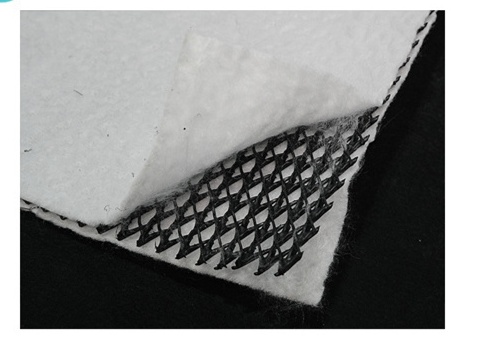
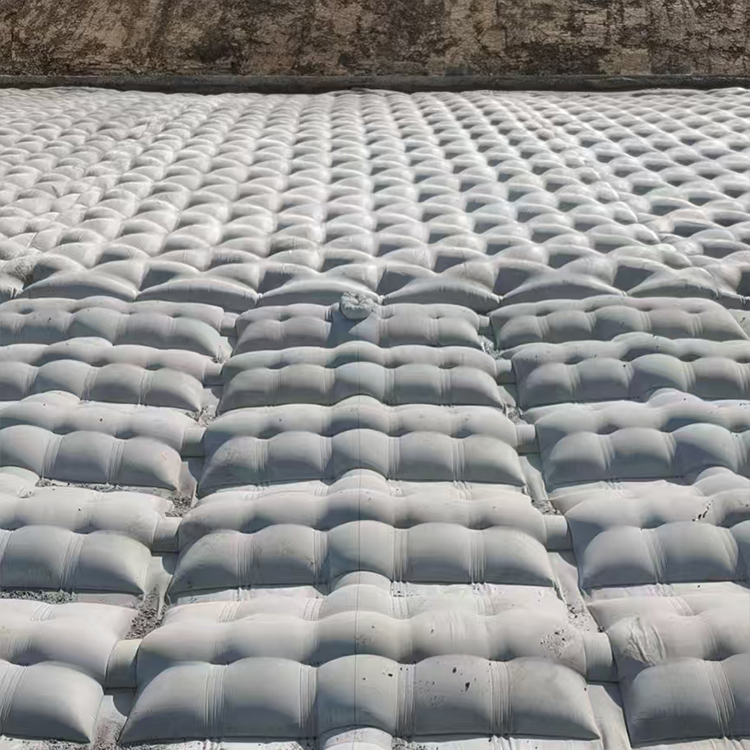
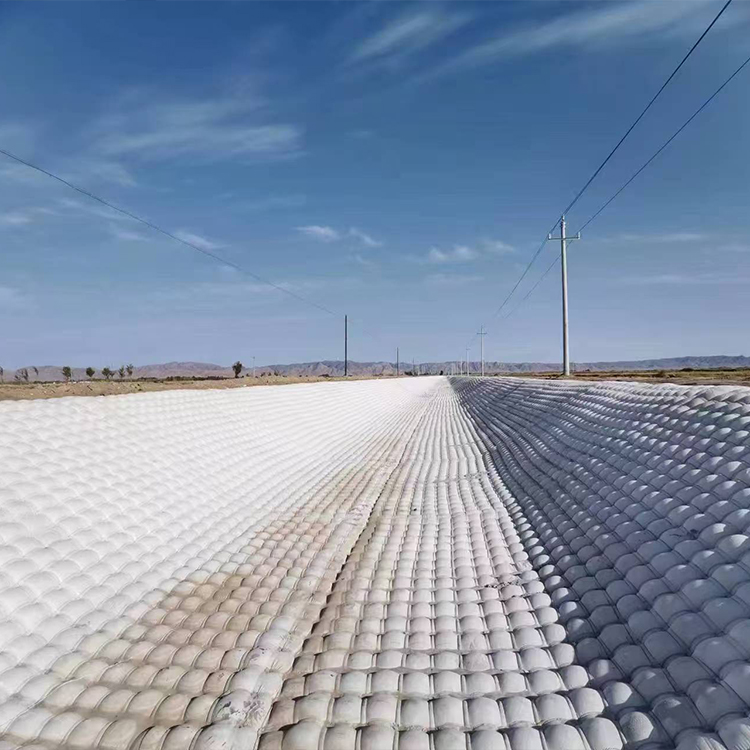
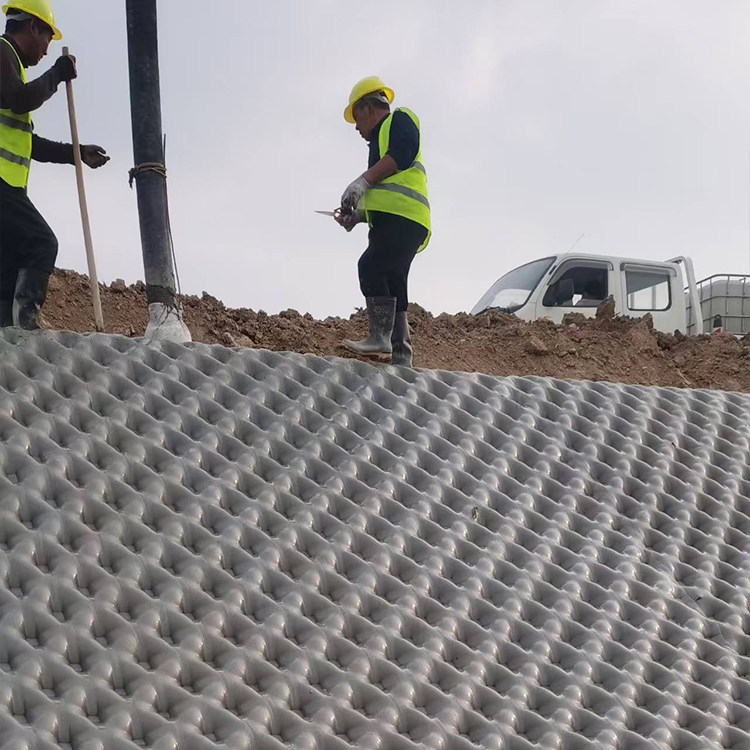
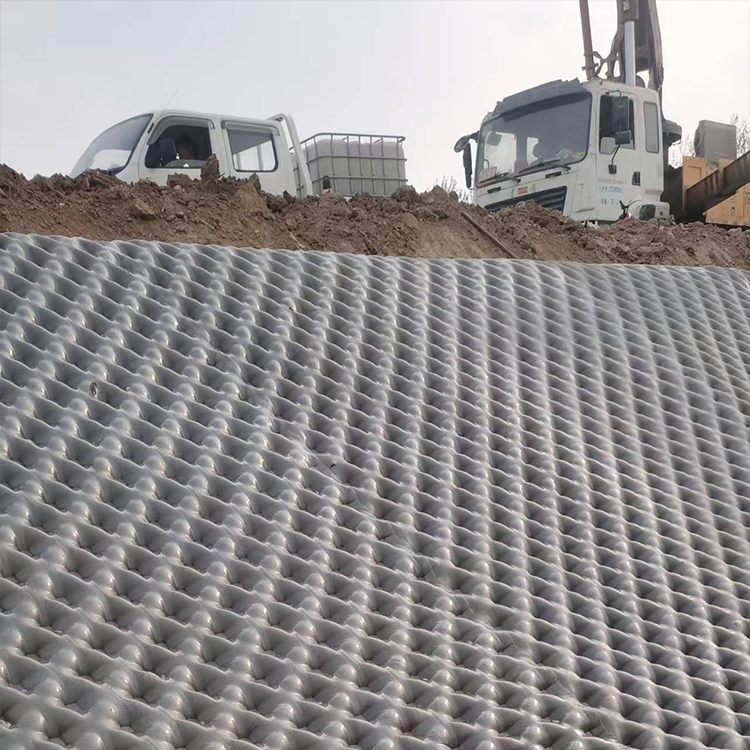
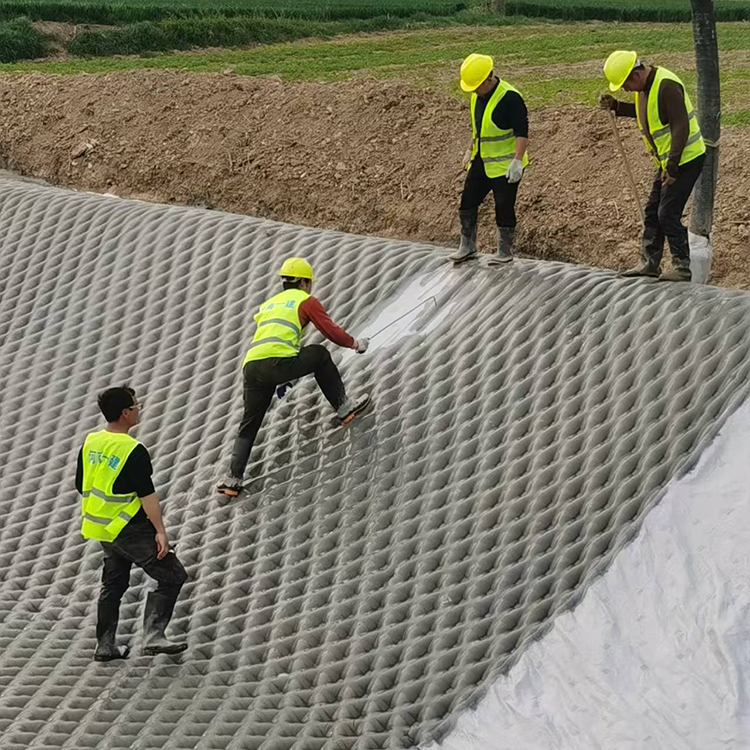
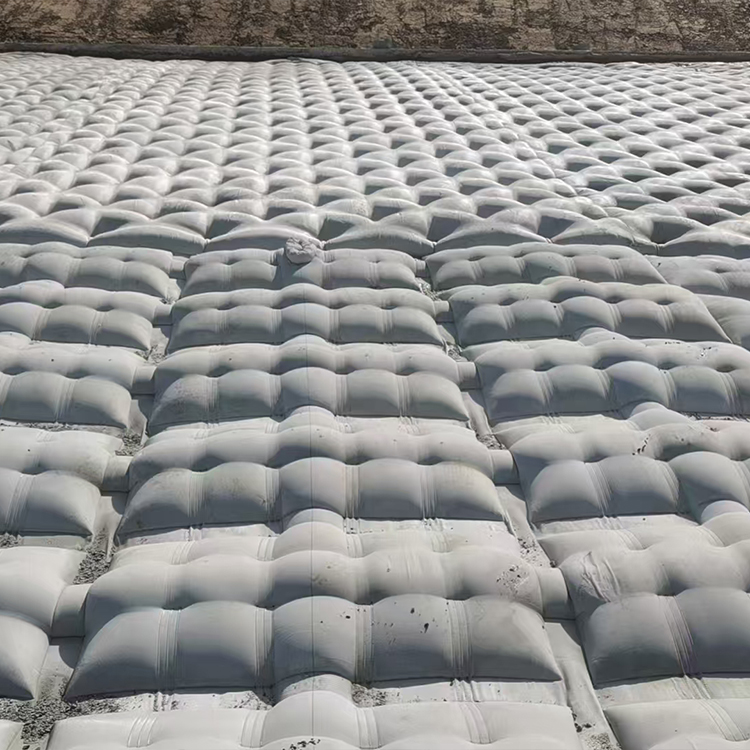
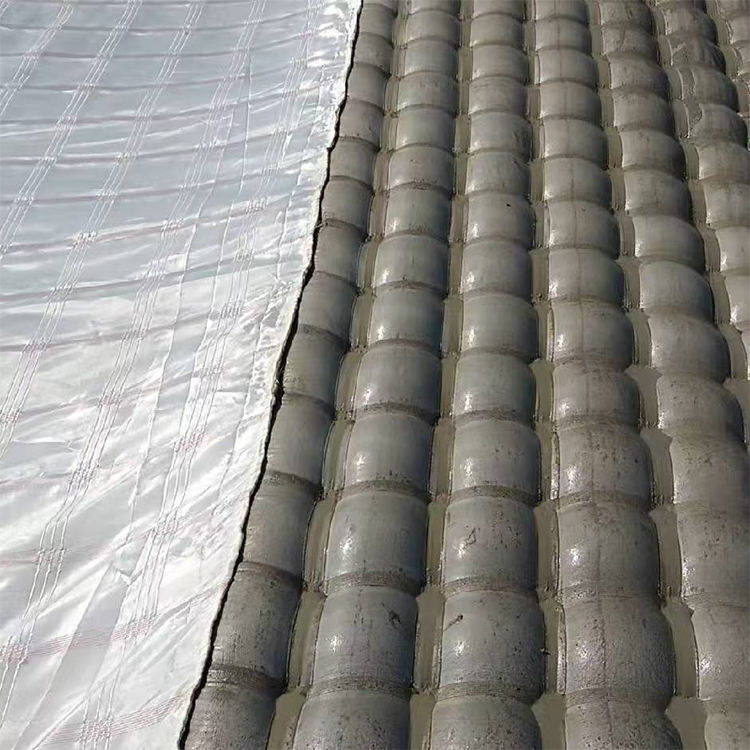
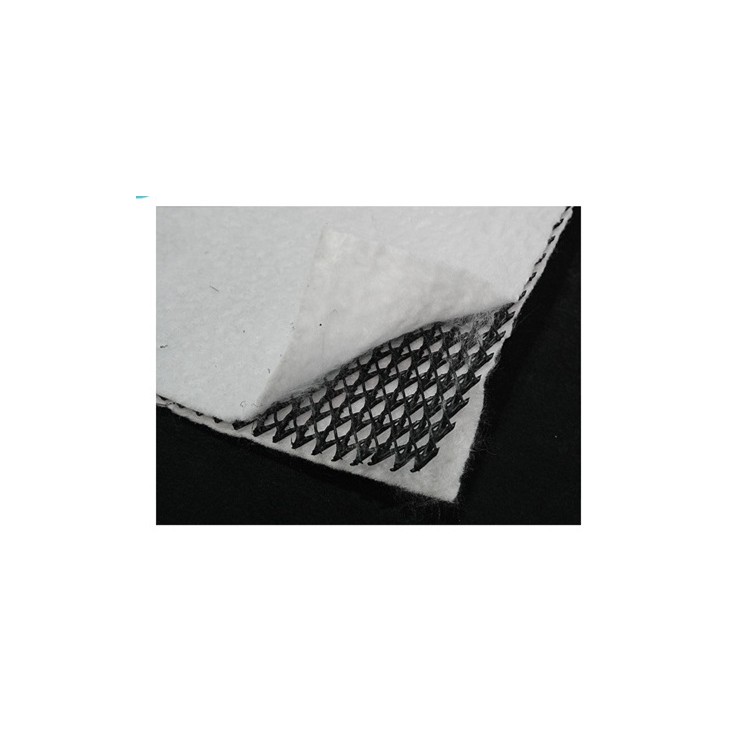
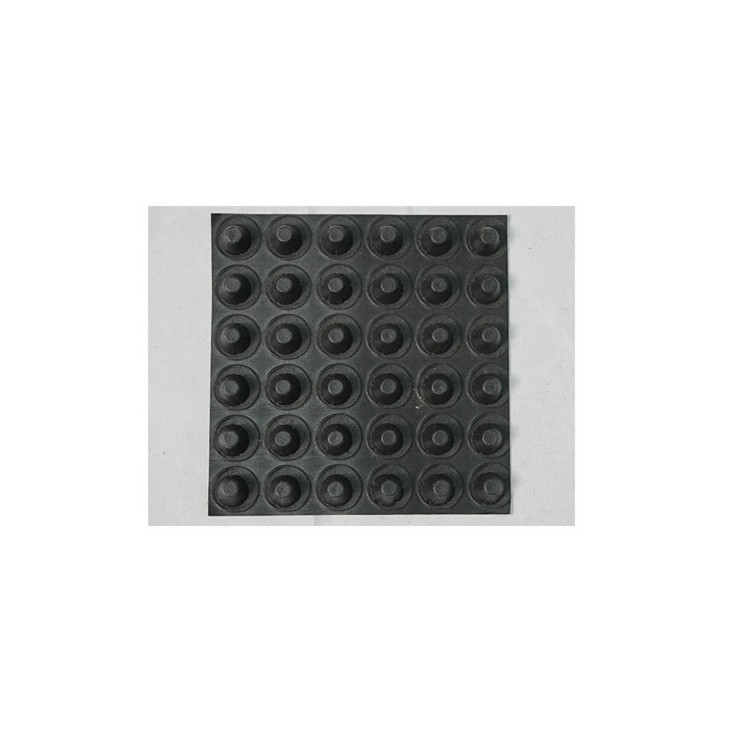
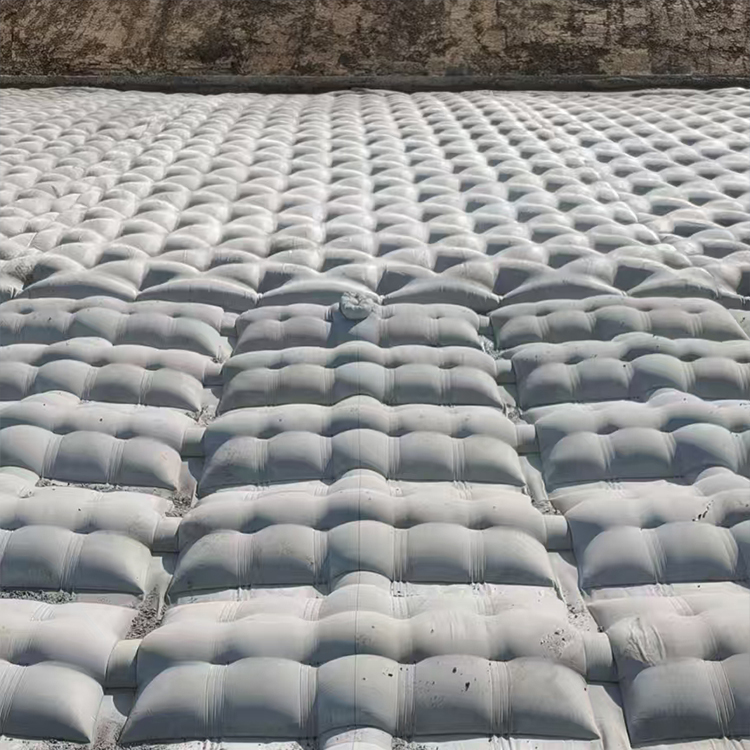
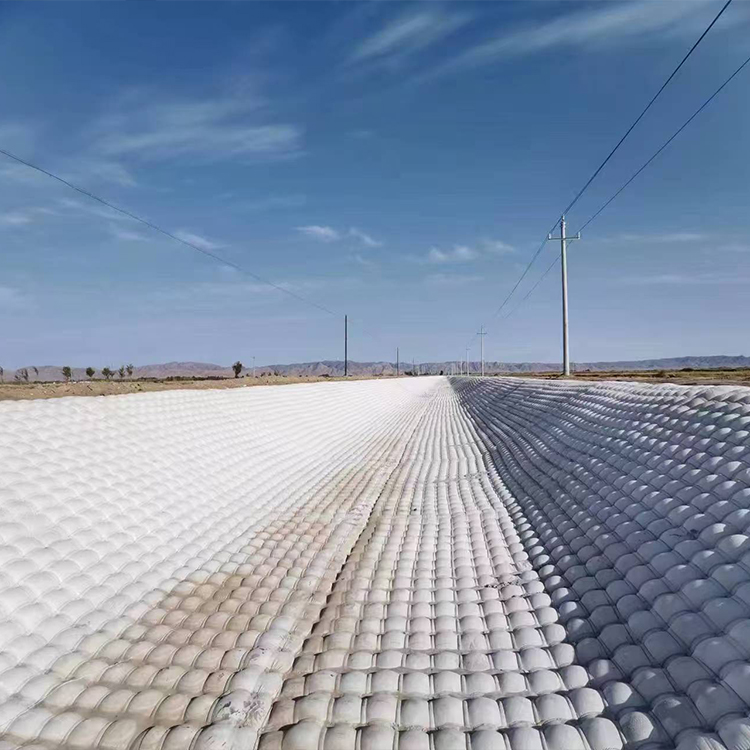
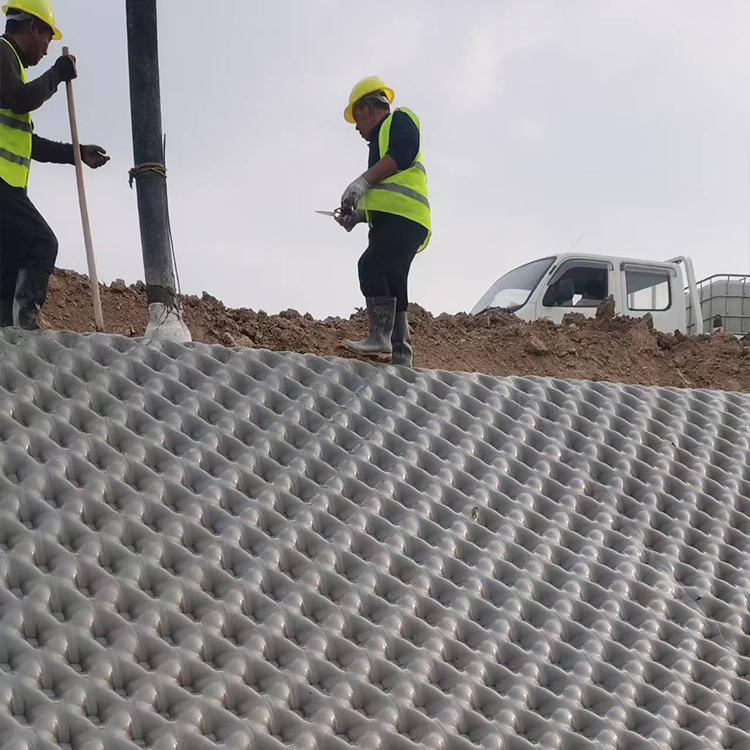
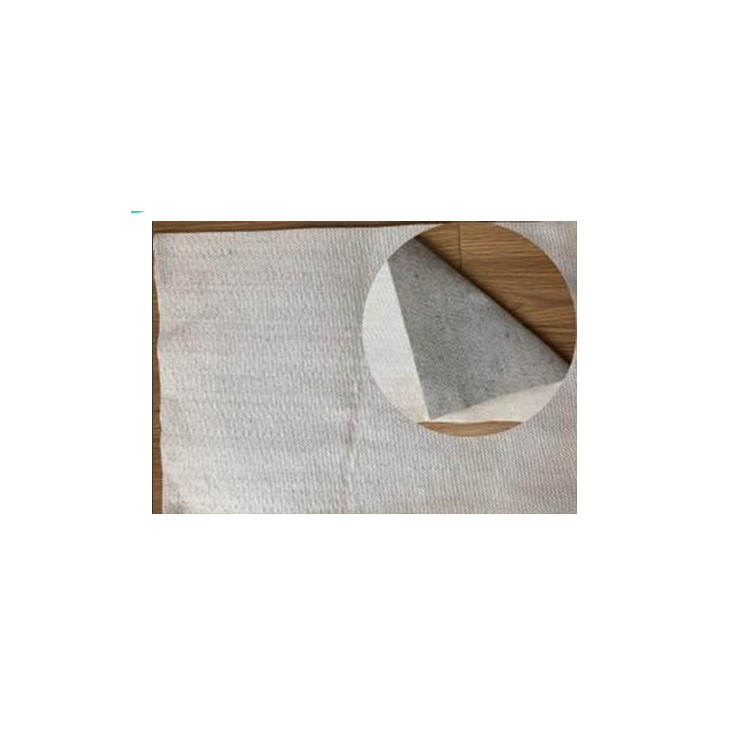
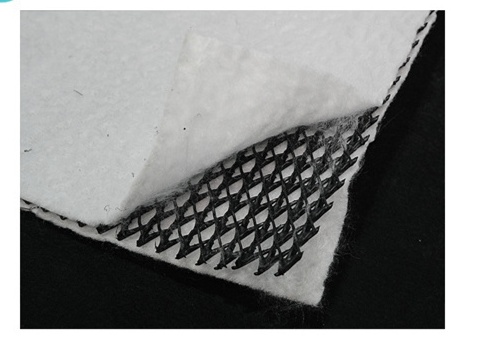
Composite Drainage Mesh (also known as Three-Dimensional Composite Drainage Mesh, Drainage Grid, Drainage Geogrid) is a new type of geosynthetic drainage material. Made from high-density polyethylene (HDPE) and processed through a special extrusion molding technique, it features a three-layered special structure. The central rib has high rigidity, arranged longitudinally to form drainage channels, while the intersecting ribs above and below act as supports to prevent the geotextile from being embedded in the drainage channels, maintaining excellent drainage performance even under high loads. The double-sided adhesive soil-wicking geotextile used in conjunction with it provides comprehensive performance of "filtering backflow -- draining --透气-- protecting," making it the ideal drainage material currently available.
Product Application
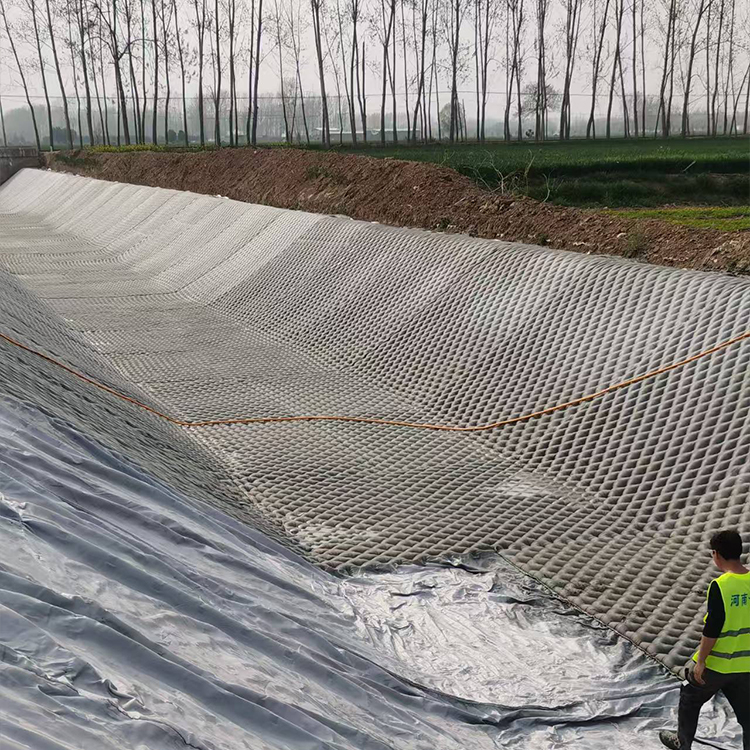
Effectively used in drainage projects for railways, highways, tunnels, municipal engineering, reservoirs, slopes, etc.
Product Features
Excellent drainage (equivalent to one meter of gravel).
High tensile strength.
Reduce the chance of geotextile embedding into the core, ensuring long-term stable drainage.
Long-term withstand high-pressure loads (capable of withstanding approximately 3,000kN of compressive load).
Corrosion-resistant, acid and alkali-resistant, with a long service life.
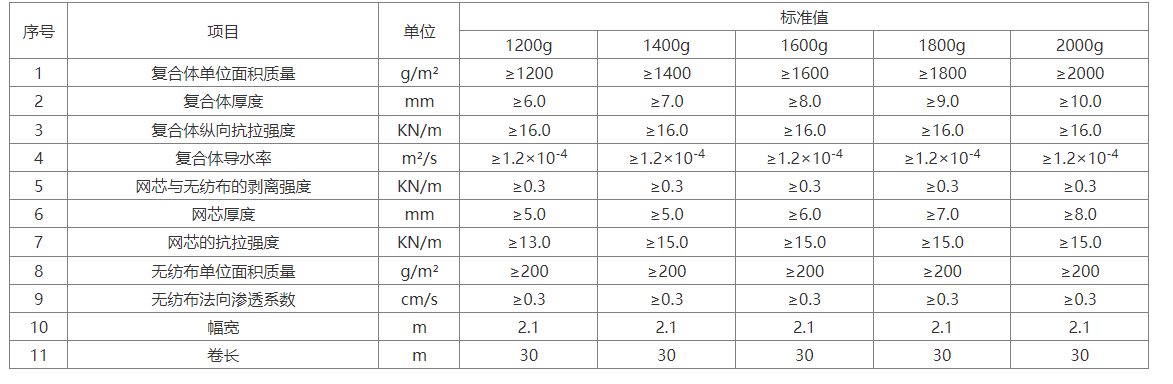
Technical Parameters and Physical Indices of 3D Composite Drainage Mesh
Geotextile composite drainage net for landfill applications
In landfill sites, geotextile composite drainage nets can be used for:
Groundwater Drainage Layer
Leak Detection Layer
Leachate collection and drainage layer
◎Gas Collection and Drainage Layer for Site Closure
Leachate collection and leakage detection layer for landfill sites
To prevent leakage in the lining system and ensure the safety of the landfill, the leachate drainage system must have reliable drainage performance, discharging the leachate collected by the lining system, ensuring that the saturated water head of the lining leachate is less than the thickness of the drainage layer. Traditional natural drainage materials such as sand and gravel are used for leachate collection and drainage in landfills, which can occupy a large amount of landfill space. For slope leachate drainage, it is difficult to stack sand and gravel. The use of geotextile composite drainage nets is basically不受the slope gradient limitation. The gravel as the leachate collection and drainage layer can damage the impermeable geotextile membrane. Statistics show that the placement of gravel on the geotextile membrane is a major cause of membrane damage, accounting for over 70% of total damage.
The three-dimensional geotextile composite drainage net features a three-dimensional spatial stereoscopic drainage structure. Made with high-permeability geotextile composites, it maintains long-term drainage performance under high loads. It is used for the main leachate collection and drainage layer (LCRS), enabling timely discharge of leachate from the impermeable membrane, ensuring water head is less than the thickness of the geotextile drainage material, thereby reducing leakage in the geomembrane due to excessive water head.
Landfill gas and surface water drainage layers at the landfill closure
The purpose of the landfill capping system is to limit precipitation infiltration into the buried waste, minimizing the production of leachate that could contaminate water sources. In the capping system, the surface water drainage layer's function is to discharge water that infiltrates the cover soil, preventing accumulation on the impermeable layer. Accumulated water on the capping impermeable layer can generate excessive pore water stress, potentially causing the vegetation-covered soil layer to slide and damaging the capping slope. Traditionally, sand and gravel are used as the surface water drainage layer, but for steep slopes, it is difficult to stack the sand and gravel layer. The use of geotextile composite drainage nets can be suitable for steeper capping slopes and can also increase the landfill capacity. The three-dimensional geotextile composite drainage net has high drainage performance, allowing for timely discharge of surface seepage, ensuring the stability of the capping slope. The gas drainage layer of the landfill capping system may have insufficient exhaust capacity or lack a flat gas drainage layer, leading to excessive gas pressure on the impermeable layer, which could damage the capping system. The gas drainage layer of the capping system can use geotextile composite drainage nets with high drainage performance. The use of high-drainage three-dimensional geotextile composite drainage nets, or a combination of geotextile composite drainage nets with sand and gravel, can form the gas drainage layer of the landfill capping system. Using geotextile composite drainage nets as both the surface water and gas drainage layers in the landfill capping system is suitable for steep slopes, with their high drainage performance ensuring timely discharge of seepage and gases, thus maintaining slope stability.
Landfill or ponded water groundwater drainage
High groundwater levels in the landfill area or reservoir could damage the impermeable liner. A groundwater drainage layer is required to discharge rising groundwater, ensuring the liner remains undamaged.
The embankment of a landfill or reservoir dam may be damaged due to excessive water pressure, potentially causing destruction to the slope or dam, as well as the slope's impermeable layer. Utilizing geotextile composite drainage nets as the groundwater drainage layer can quickly expel rising groundwater, preventing excessive groundwater pressure from damaging the impermeable lining. Geotextile composite drainage nets have high tensile strength and serve to reinforce the foundation. These nets are used for the seepage control and drainage of slopes or dams, collecting and discharging the mountainous seepage of the slope, effectively eliminating lateral pressure on the impermeable layer, and reducing or eliminating potential damage caused by water pressure.
Railway system drainage
Railway embankments may be damaged by water from both underground and the surface. Excessive groundwater levels can erode the embankment, compromising the railway structure and reducing its load-bearing capacity. If rainfall or snowmelt from the surface cannot be drained promptly, it can contaminate ballast, causing washout and mud heave, leading to adverse effects such as track deformation.
A composite drainage mesh layer is installed beneath the subgrade or ballast to exclude rising groundwater or surface seepage. The geotextile composite drainage mesh has high strength and stiffness, effectively reinforcing the embankment or ballast base and enhancing its bearing capacity. It is used for railway system drainage, effectively eliminating frost heave. When used in conjunction with sand and gravel, the geotextile composite drainage mesh can form an effective railway drainage system, rapidly draining railway groundwater or surface seepage.
Roadway and pavement drainage
Free water within the pavement structure is a significant cause or accelerator of pavement damage. The dynamic water pressure generated under high-speed driving tires from road积水 directly washes away the internal mixture, with the dynamic water pressure increasing geometrically with the increase in speed. Free water within or near the pavement will shorten the lifespan of the road. If free water penetrates through the pavement and into the subgrade, regardless of the thickness of the pavement, the road will crack apart due to the loss of support.
Install an internal road surface drainage system to quickly排出water trapped within the road structure to the outside of the road and subgrade, thereby improving the road's performance and extending its service life. Roads with an effective drainage system have a design lifespan up to 2-3 times longer than those without drainage. Utilizing geotextile composite drainage nets effectively addresses road drainage issues. Directly and continuously laying geotextile composite drainage nets in the road system not only achieves excellent drainage results but also significantly reduces the thickness of the subgrade or base course, enhancing load-bearing capacity and eliminating uneven settlement.
Tunnel and retaining wall structural drainage
Tunnels or retaining wall abutments may suffer structural damage due to excessive water pressure. Insufficient drainage performance of tunnel linings or the absence of a drainage layer can lead to the failure of the waterproofing layer under high water pressure, causing leaks. By installing a drainage layer on top of the waterproofing layer, the seepage from the mountain can be collected and discharged first, alleviating the water pressure on the waterproofing liner, and achieving the purpose of preventing leaks.
Retaining walls may collapse due to excessive water pressure caused by the inability to timely drain moisture behind the platform. The solution is to set up a flat drainage layer behind the retaining wall platform to promptly discharge the moisture.
Utilizing double-rib or three-dimensional geotextile composite drainage nets as the drainage layer for tunnel or retaining wall backfill planes, these thin materials offer exceptional drainage capabilities, are easy to install, and their superiority far surpasses traditional sand and gravel materials.
Roads with a well-designed drainage system have a lifespan up to 2 to 3 times longer than those without drainage. The use of geotextile composite drainage nets effectively addresses road drainage issues. Directly and continuously laying geotextile composite drainage nets in the road system not only achieves excellent drainage results but also significantly reduces the thickness of subgrade or sub-subgrade, enhancing load-bearing capacity, and eliminating uneven settlement that stone materials cannot match.