










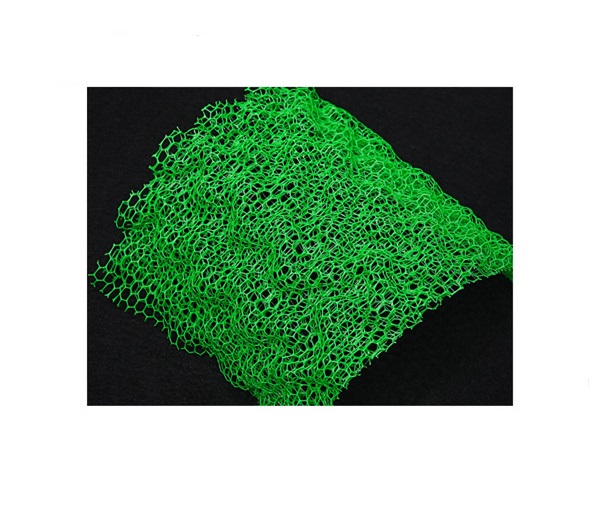
Product Introduction
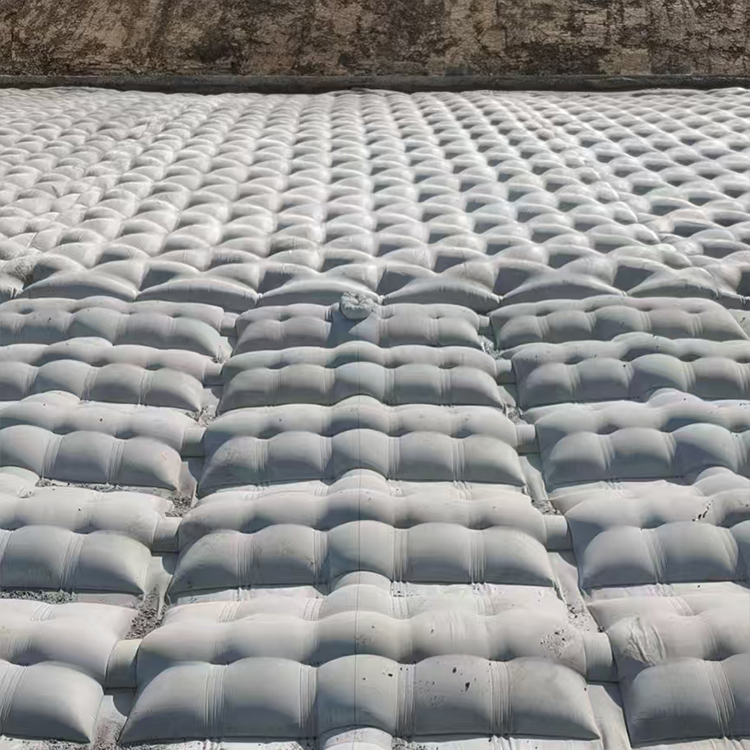
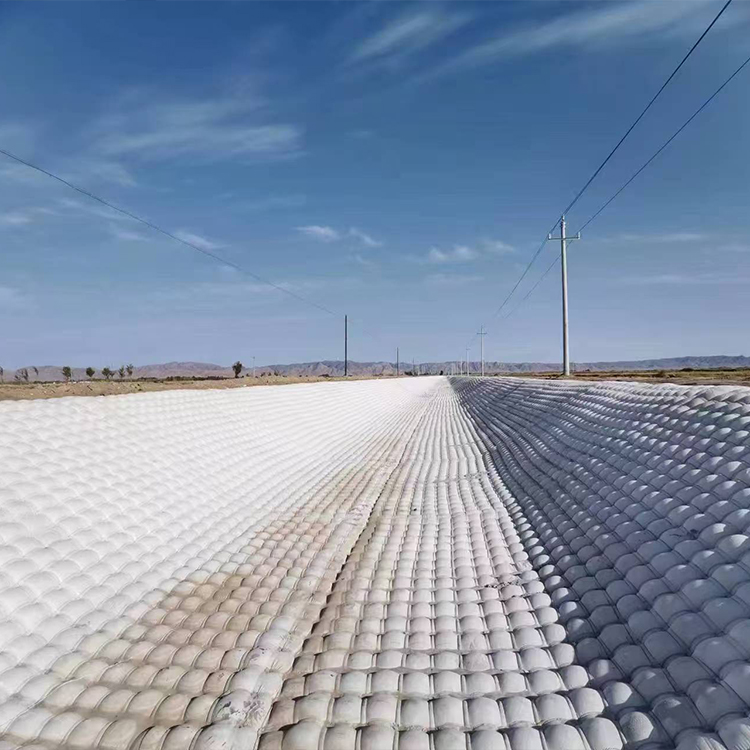
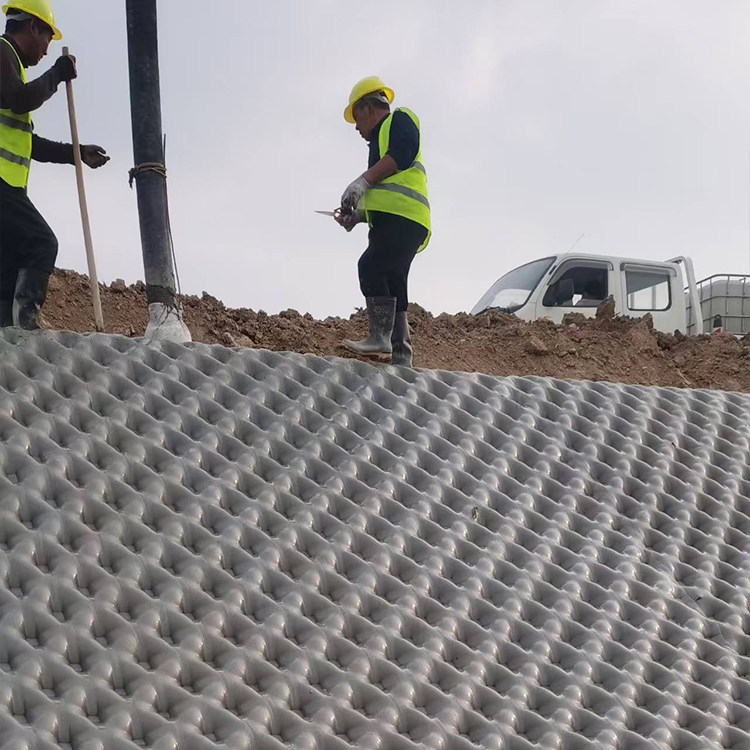
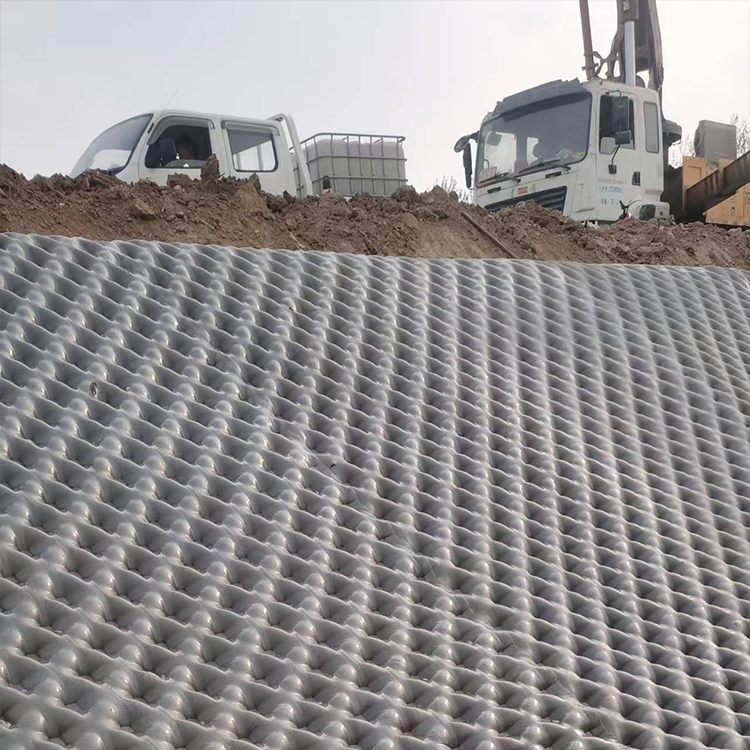
It is a new type of civil engineering material, categorized under the new materials technology field in the national high-tech product catalog, being a reinforcing material that is repeated in various materials.
Product Features
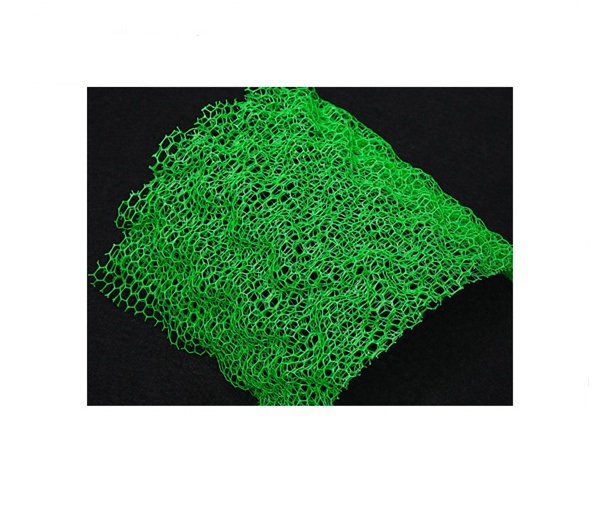
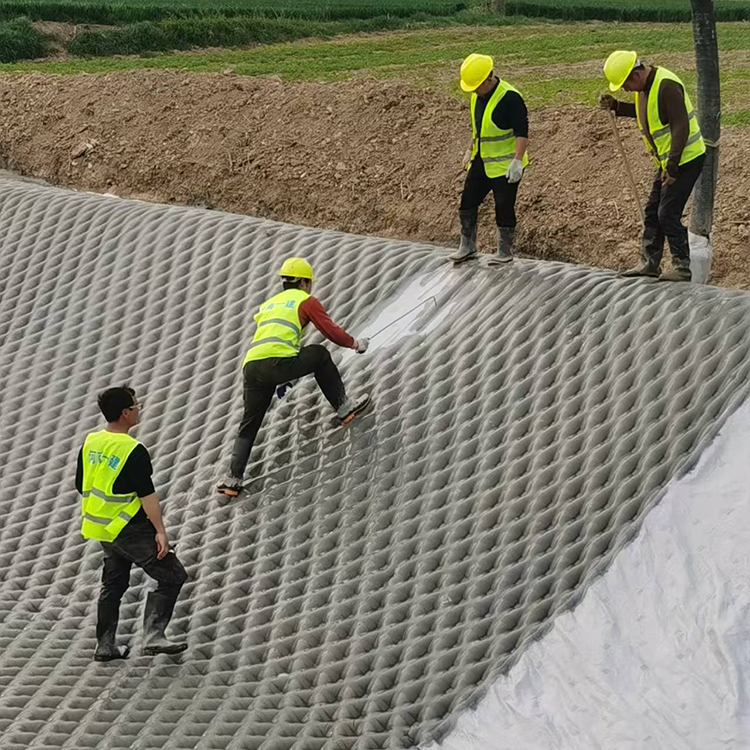
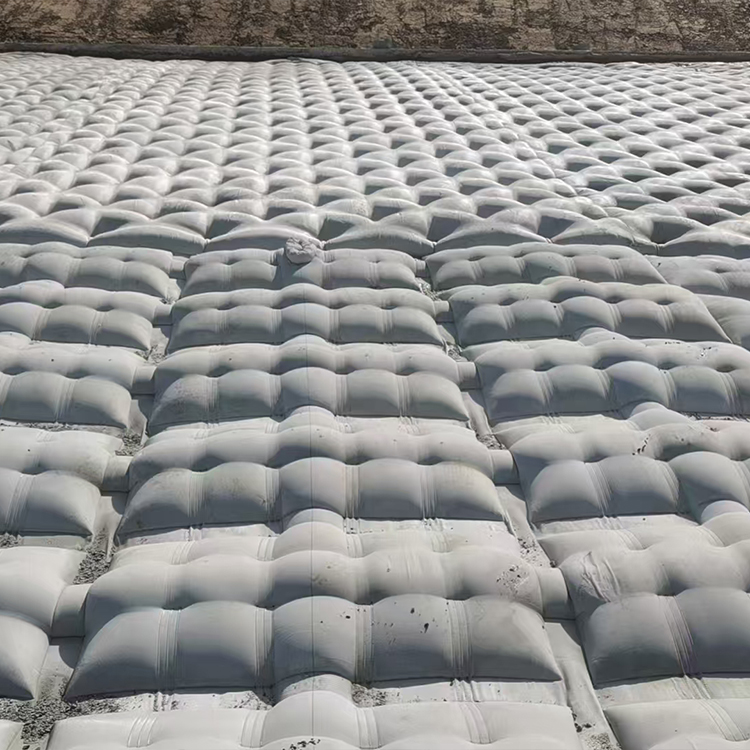
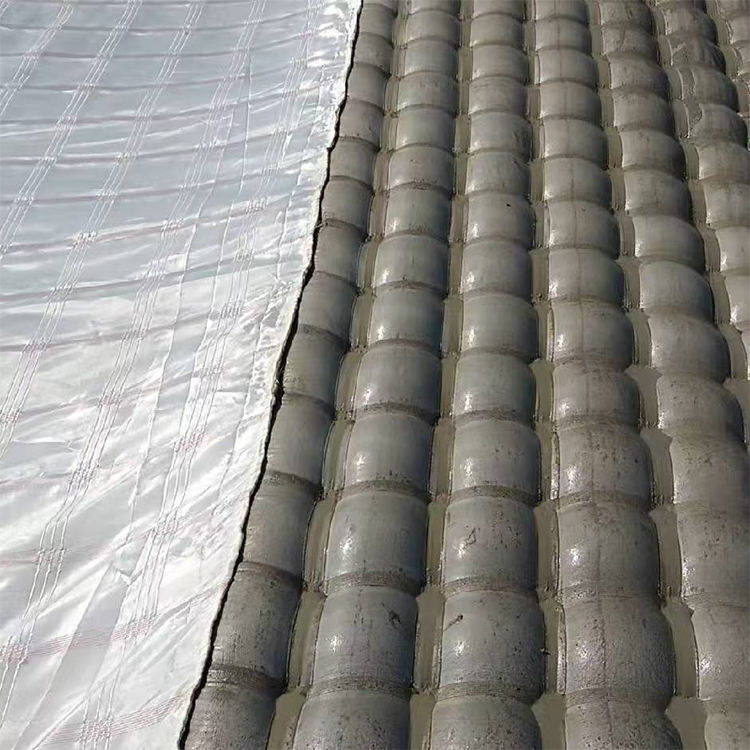
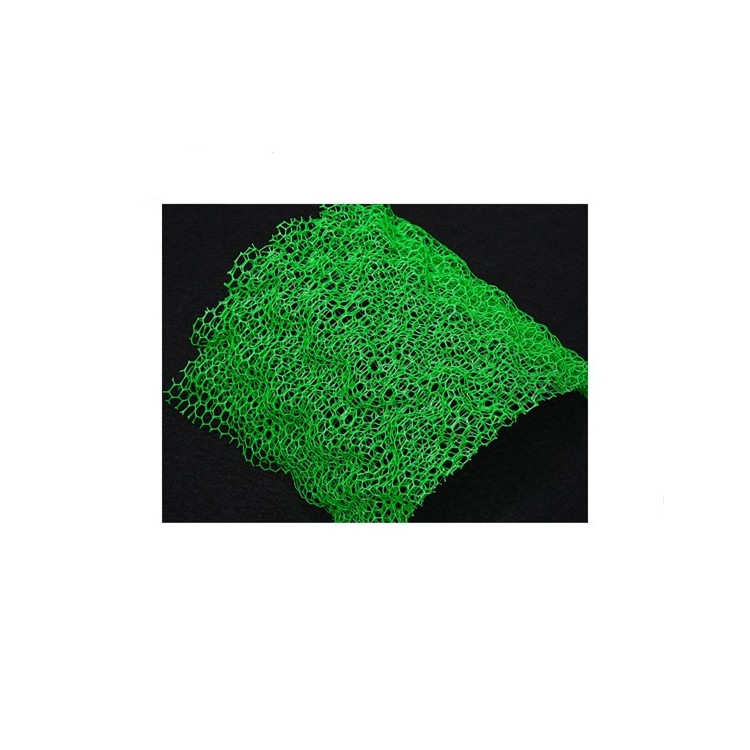
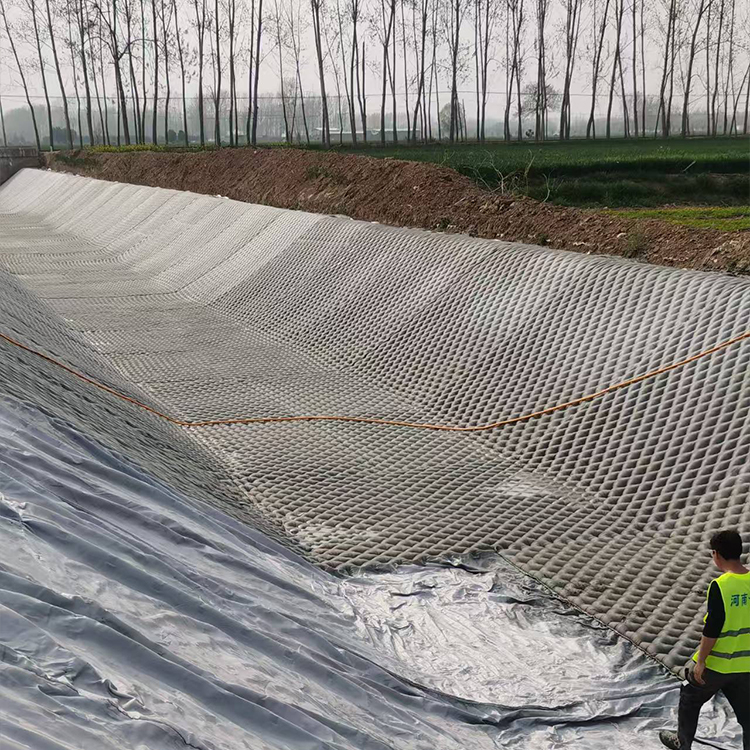
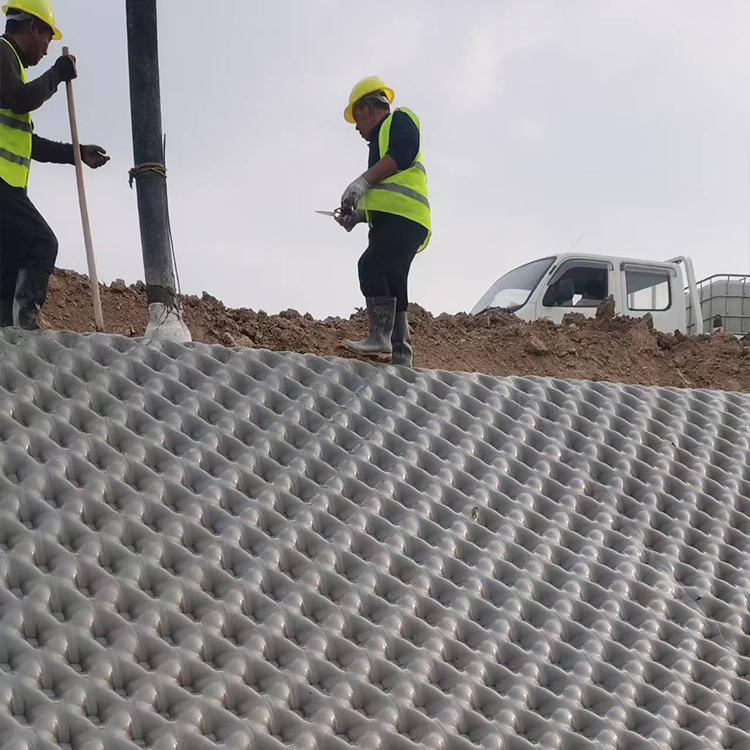
A three-dimensional net pad resembling a loofah network, used for soil stabilization by planting grass. It is loose and flexible, retaining 90% space to fill with soil, sand, and fine gravel. Plant roots can penetrate through it, growing comfortably, neatly, and evenly. The mature turf binds the net pad, turf, and soil surface firmly together. As the plant roots can extend 30-40cm below the surface, they form a robust green composite protective layer.
Product Features
Before the turf has grown, it can protect the land surface from erosion by wind and rain.
Maintains grass seeds evenly distributed across the slope, preventing loss due to wind and rain erosion.
Black netting can absorb a large amount of heat, increase soil moisture, promote seed germination, and extend the growth period of plants.
Due to the rough surface, countless eddies are generated on the surface of the net pad by wind and water flow, thereby creating a dissipative effect, prompting the carried materials to settle in the net pad.
The composite protective layer formed after the plant grows can withstand the scouring from high water levels and strong flow rates (can endure 3-4 m/s within 2 days, and 5-6 m/s within 4-5 hours).
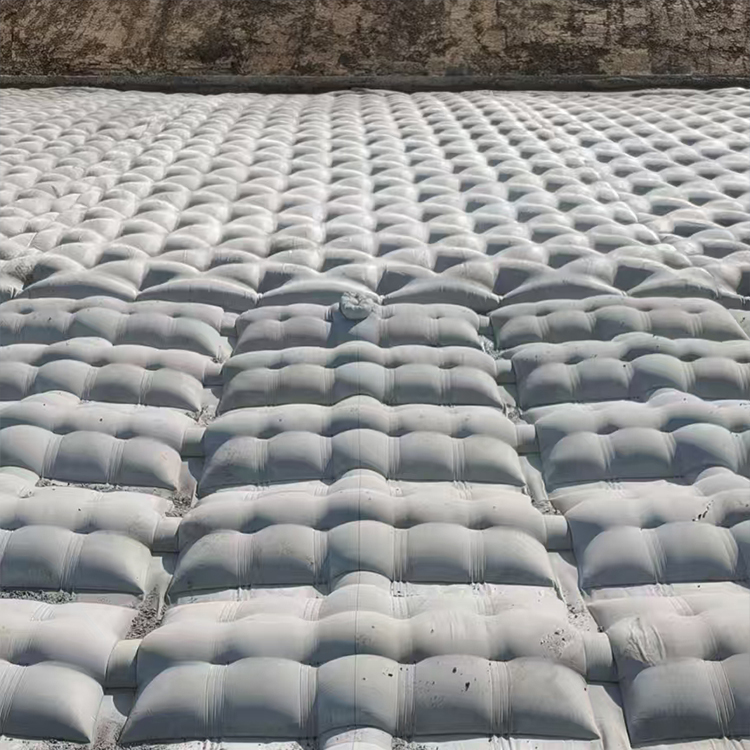
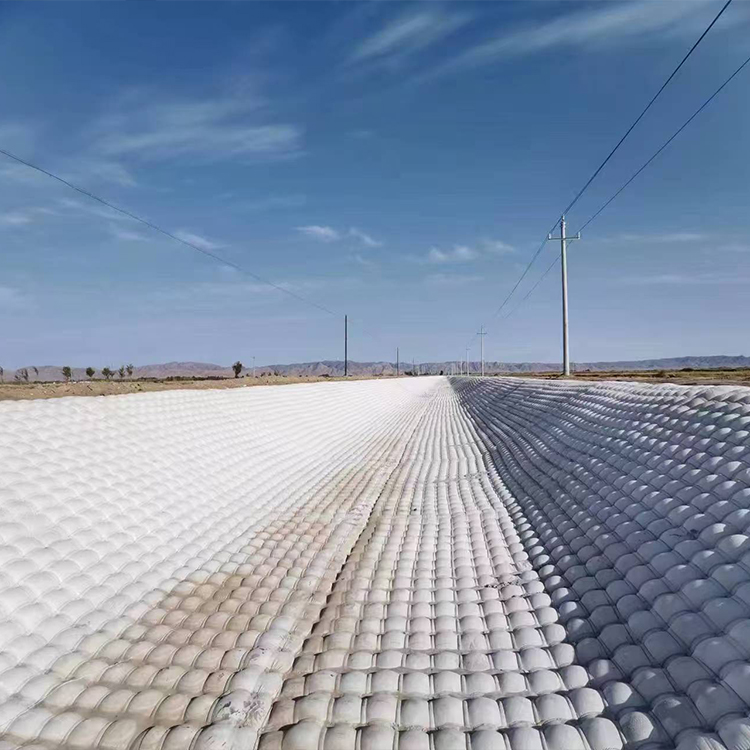
Alternative to concrete, asphalt, and rubble for slope protection, used for road, railway, river, embankment, and hillside slope protection.
Upon laying on sandy land surfaces, it prevents sand dune movement, enhances surface roughness, increases surface sediment, alters surface physical and chemical properties, and improves the local ecological environment.
Product specifications and performance parameters of Vegetation Net