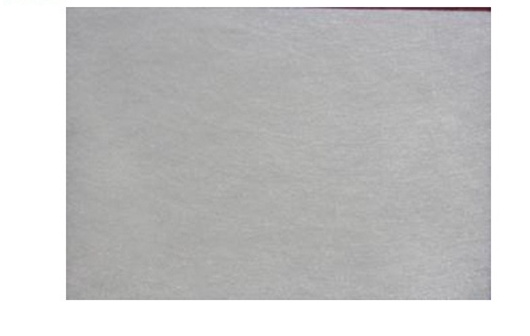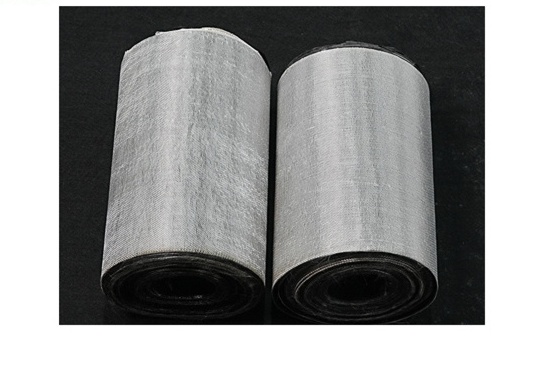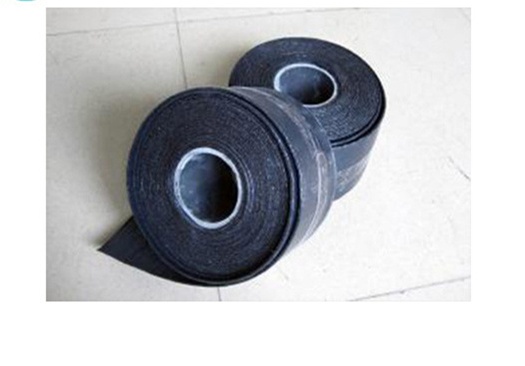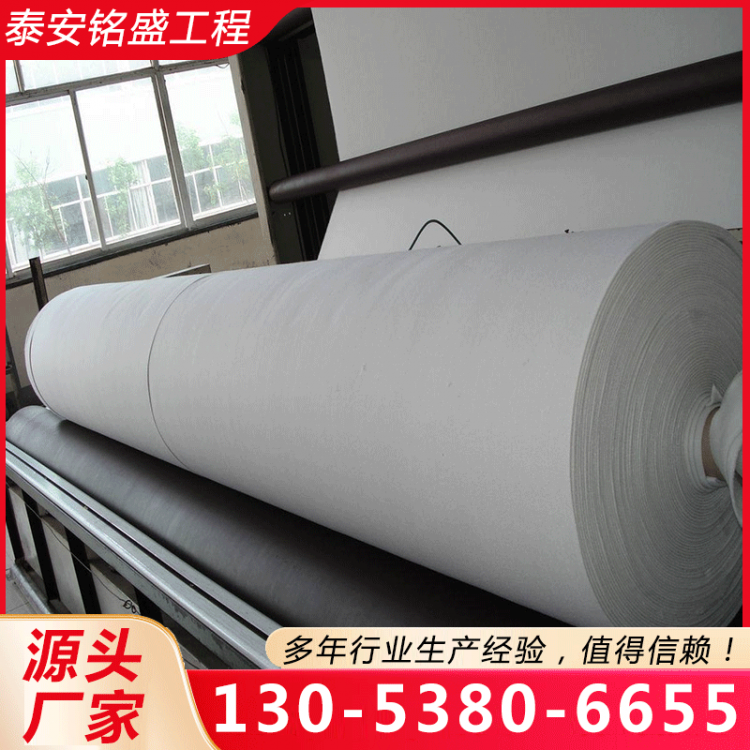







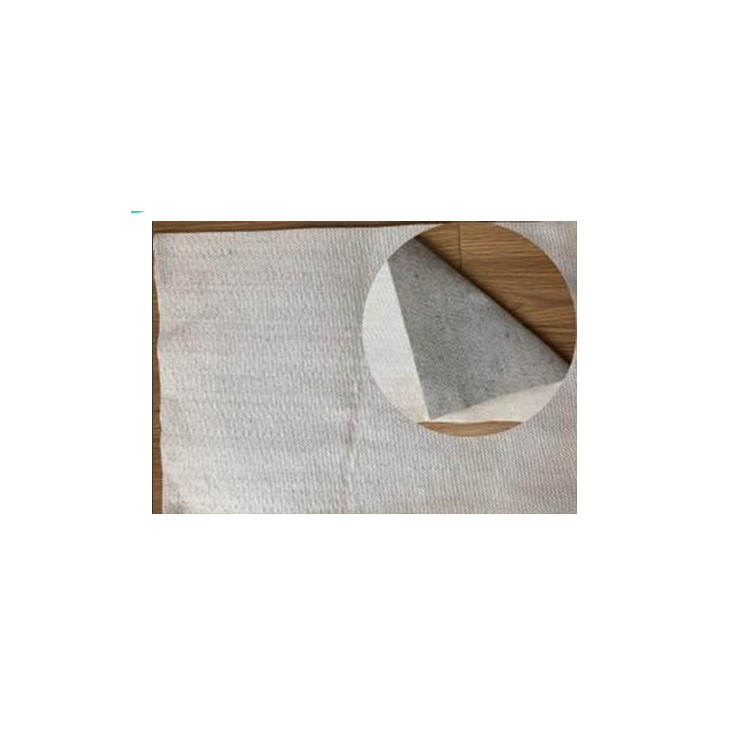
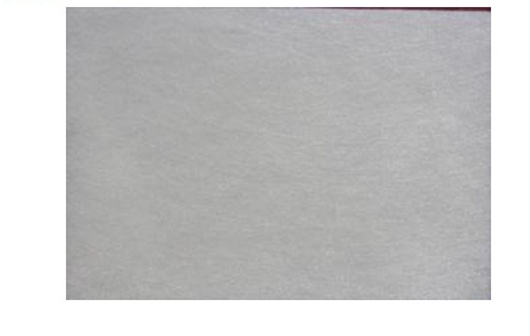
Our polyester glass fiber fabric is manufactured using advanced wet process technology, primarily from glass fiber and polyester fiber. Both glass fiber and polyester fiber are widely used as waterproof and reinforcing materials globally. The polyester glass fiber fabric combines the superior characteristics of both fibers: the strength, heat resistance, aging resistance, and water resistance of glass fiber (GF), and the flexibility of polyester (PET), resulting in a new material that combines rigidity and flexibility. This material overcomes the individual shortcomings of brittleness and poor heat resistance.
Polyester Glass Fiber Fabric Instructions:
Installing polyester fiberglass fabric is very convenient following the procedures below.
Clean the surface where polyester glass fiber cloth is to be laid: remove dirt, gravel, and dust to ensure asphalt bonding effect.
When the base road surface has significant cracks (over 6mm), potholes, or damage, it should be repaired and leveled.
The bonding oil layer must be hot asphalt; emulsified asphalt is not permitted, as it reduces the bonding effect of the polyester glass fiber cloth.
The temperature for adhesive asphalt is 163-204°C.
The asphalt must be spread over the polyester glass fiber fabric before the asphalt loses its fluidity; otherwise, the fabric will be difficult to penetrate with asphalt, reducing the waterproof performance of the polyester glass fiber fabric.
The installation environment temperature for the polyester glass fiber cloth must be above 4℃.
To achieve good results, attention should also be paid to the following aspects when laying polyester glass fiber cloth:
Polyester glass fiber cloth must be installed and constructed on hot asphalt. We recommend the following asphalts: AC-20; PG64-22; AR8000+; or asphalt with a penetration grade of 60-80. For construction during extreme summer heat, a higher viscosity asphalt is recommended. The following asphalts are suitable for summer construction: AC-30; PG67-22; AR8000+; or asphalt with a penetration grade of 40-60.
The asphalt application rate is 1.1 liters per square meter, but based on the actual conditions of the installation road surface and the anticipated overlay amount, this rate will vary between 1.0 to 1.3 liters per square meter. We do not recommend heating asphalt in transport vehicles above 204°C, as this operation can hinder the pre-curing of the liquid asphalt.
Be extremely cautious when handling polyester glass fiber fabric during loading and unloading. If the rolls fall from the transport vehicle, it may damage the fabric, leading to application issues.
If stripes appear during installation, any stripe greater than 2.5 centimeters in the laying direction must be cut and overlapped, with the overlap dipped in asphalt by hand. The polyester fiberglass fabric must be rolled or brushed to ensure full contact with the road surface and to remove air bubbles. The application width of hot asphalt must be 4 inches wider than the width of the polyester fiberglass fabric. The fabric is not easy to bend or stretch on curved surfaces. During installation on curved surfaces, the fabric can be cut shorter and can be installed mechanically or by hand.
The polyester glass fiber cloth can be installed using a mechanism with metal rollers, which can be towed by a tractor or truck. The purpose of the metal roller is to ensure the polyester glass fiber cloth is spread evenly on the road surface. A row of brushes must be installed behind the installation roller to ensure the cloth is tightly pressed into the asphalt coating. The joints of the polyester glass fiber cloth must have a 5.1 cm overlap in the length direction and a 10.2 cm overlap in the width direction. The transverse joints on top must be aligned with the laying direction, and all joints must overlap each other.
Road machinery or other vehicles must turn gradually and minimize turns during the installation of polyester glass fiber cloth to avoid potential damage to the fabric. During the spreading process, the equipment tires must remain on the fabric surface, and as little sand as possible should be sprinkled to prevent adhesion. Do not reduce the amount of asphalt laid to minimize tire adhesion; instead, it's best to sprinkle at the overlap sections.
The completed road can be opened to traffic upon confirmation by the contractor or the installation engineer.

Innovative Guide for Asphalt Pavement
Reflective Fracture Resistance --- Crack Resistance
Pavement渗水,stays here---Waterproof
Convenient and quick construction — Heat stability
Recyclable and environmentally friendly
Feature Brief:
Offer reliable waterproofing effects
Polyester glass fiber cloth does not shrink or deform under the high temperatures of asphalt concrete, completely avoiding the shortcomings of other materials. This allows for the formation of a continuous, intact, and non-deforming reliable waterproofing layer beneath the hot-mixed asphalt concrete pavement, effectively preventing the penetration of water and powder, thus avoiding damage to the pavement layers and sublayers caused by water seepage.
Anti-cracking
Polyester glass fiber fabric, with its low elongation and high tensile strength, especially when combined with asphalt bonding layers, forms a robust reinforced composite material. This effectively eliminates stress concentration at pavement junctions or cracks, reduces the spread of cracks within the pavement layers, thereby extending the service life of roads and significantly lowering maintenance costs.
Renewable
The primary raw materials for polyester glass fiber fabric are chopped glass fibers and polyester fibers. It has an isotropic structure, unlike common textile structures, and can be easily crushed, thereby enabling the recycling and reuse of road materials, making the material environmentally friendly.