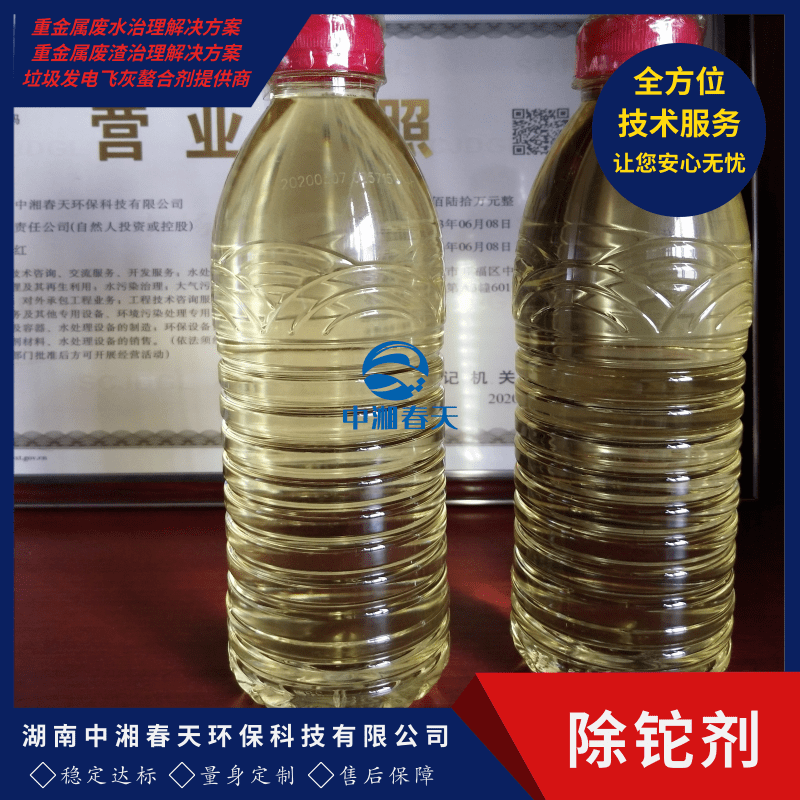



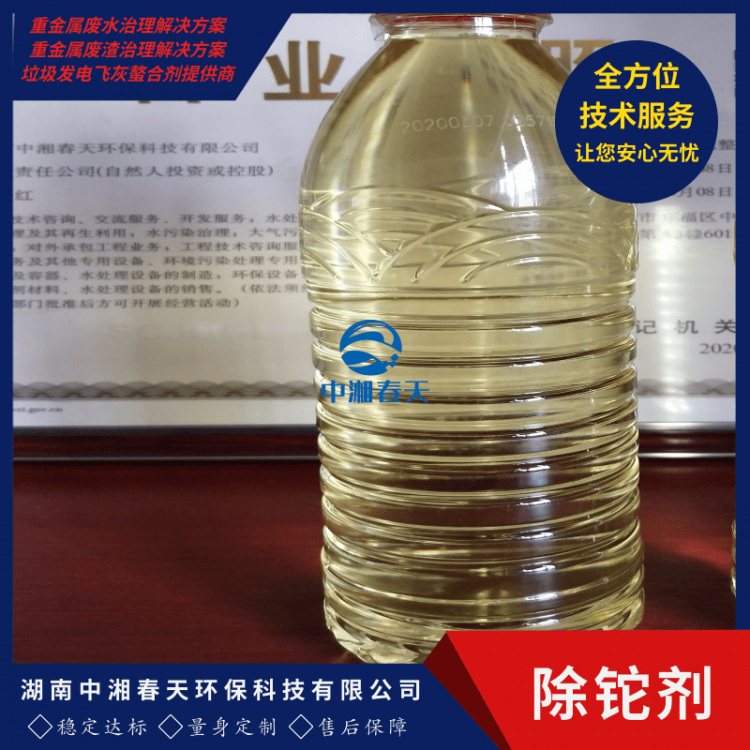







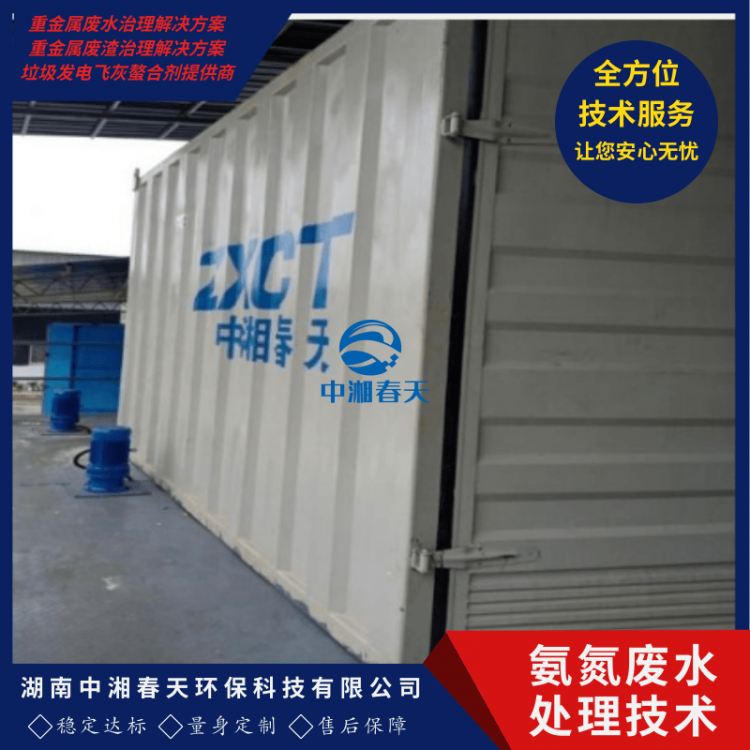
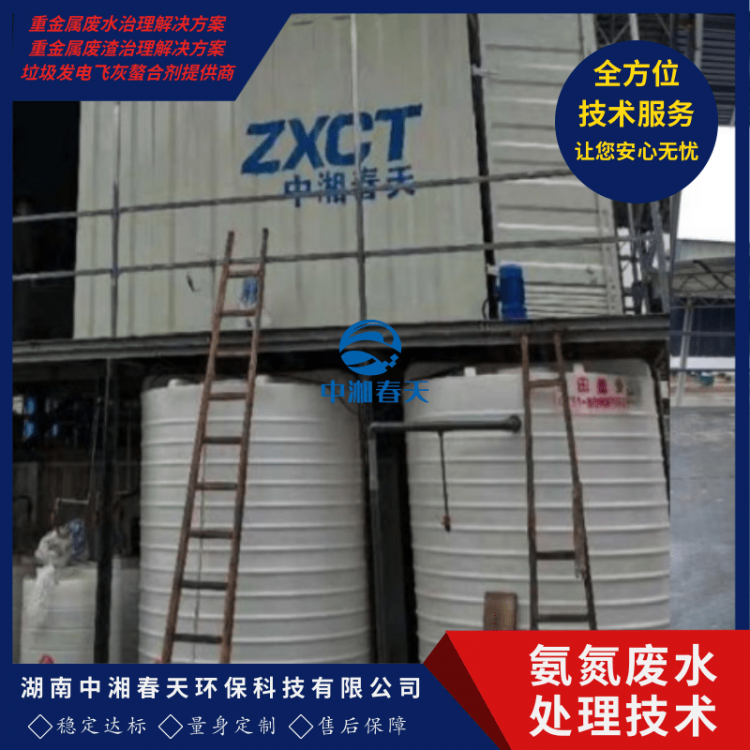
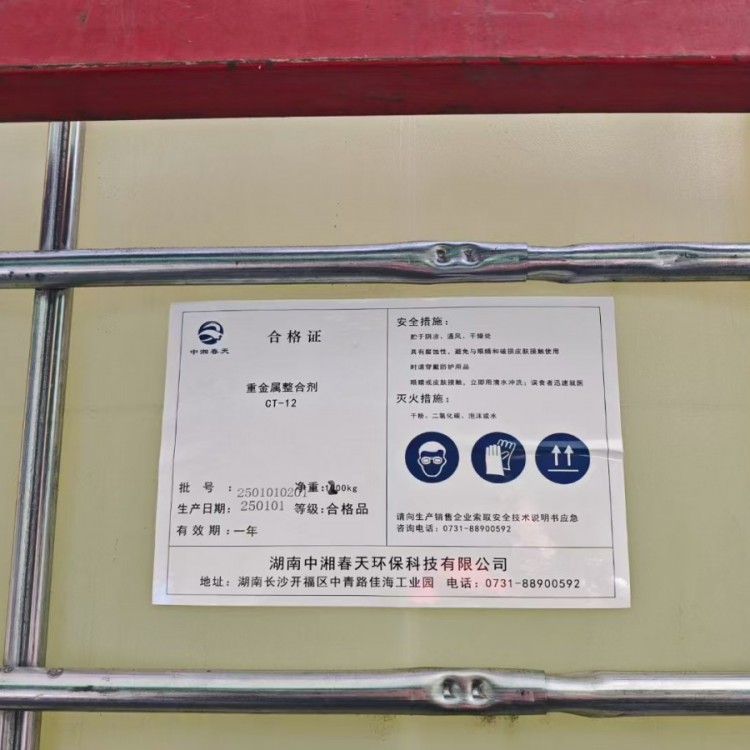
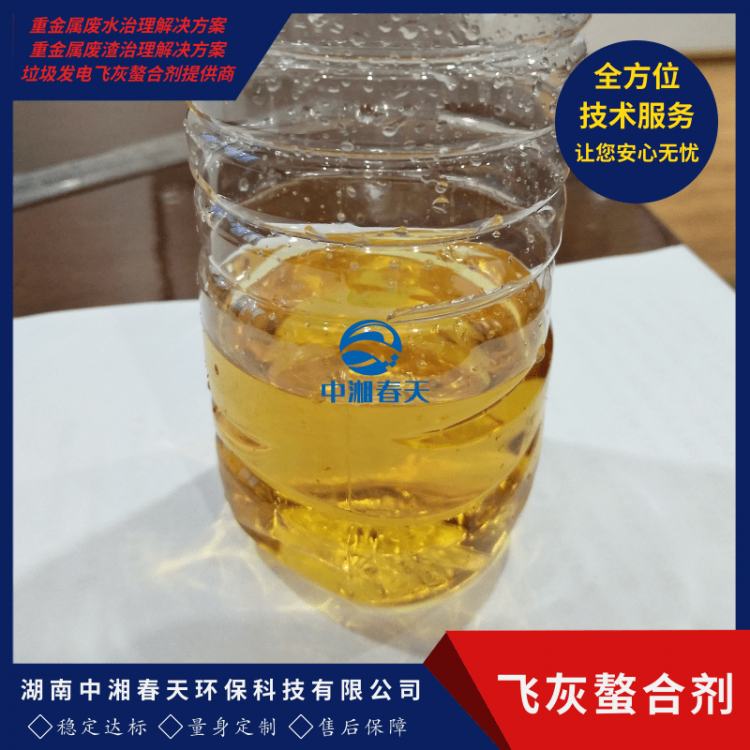
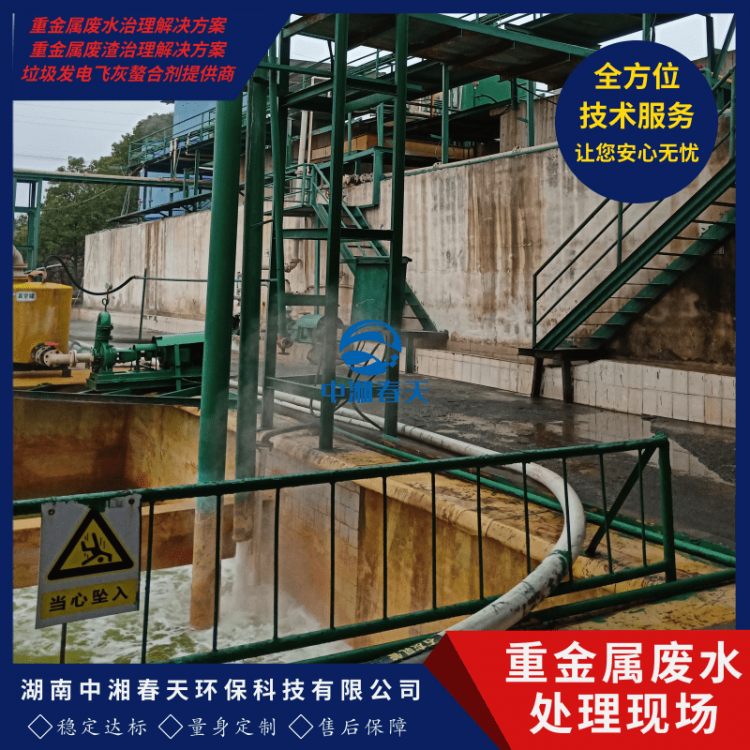
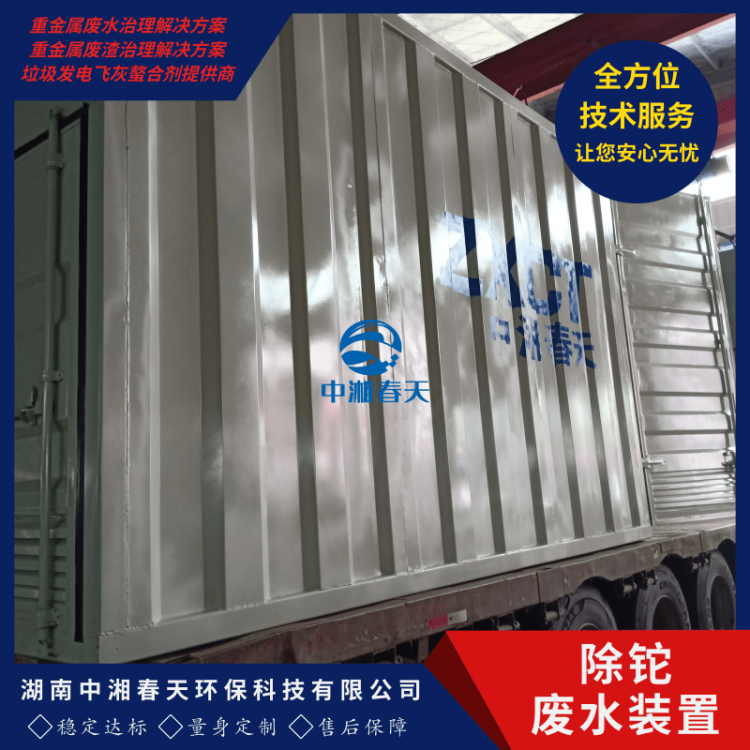

Main heavy metal wastewater treatment methods include chemical precipitation, ion exchange, physical-chemical, and biological as well as reverse osmosis methods. Considering the process and cost, the most commonly used method for treating industrial wastewater heavy metals is chemical precipitation. For the element thallium, commonly used chemicals in chemical precipitation treatment include sodium sulfide and heavy metal scavengers. Next, the editor from Zhongxiang Spring Environmental Protection Technology will introduce an effective method for removing thallium.
Sodium sulfide precipitation method:
Advantages: Affordable, economical, and simple in manufacturing.
Drawbacks:
1. The effluent cannot consistently meet standards due to strict pH influence.
2. Difficulty in achieving deep processing and meeting the requirements of Table 3 of the GB21900-2008 standard for electroplating wastewater discharge.
3. Cannot process chelated heavy metals.
4. Fine sediment particles, difficult solid-liquid separation.
5. Large amounts of sludge are produced, which is classified as hazardous waste, resulting in high disposal costs.
6. Remaining sulfides react with acid to produce toxic H2S, causing secondary pollution.
Section II: Heavy Metal Capture Agent Method
Advantages:
1. Broader pH range compatibility.
2. Can treat complexed wastewater.
3. Capable of deep treatment to meet electroplating wastewater discharge standards GB21900-2008.
4. Has flocculating action.
5. Low sludge volume with easy dewatering.
Disadvantages: High cost and inability to consistently meet standards.
Section 3: Thallium Removal Nanoparticle Preparation Method