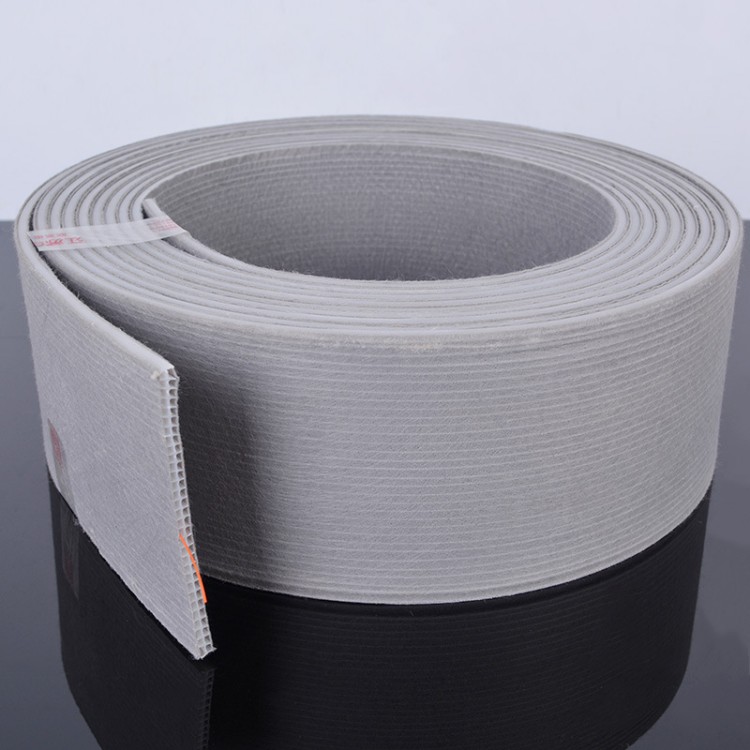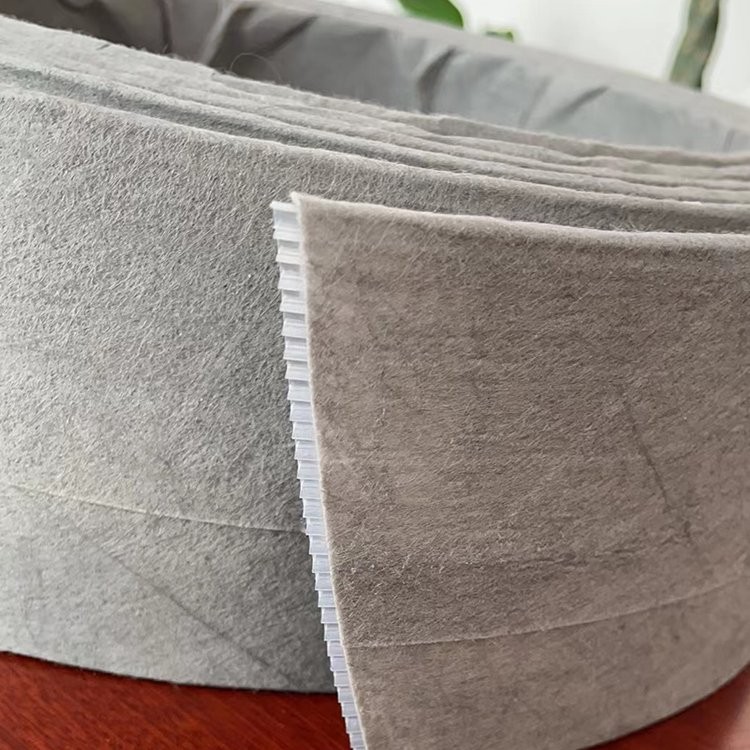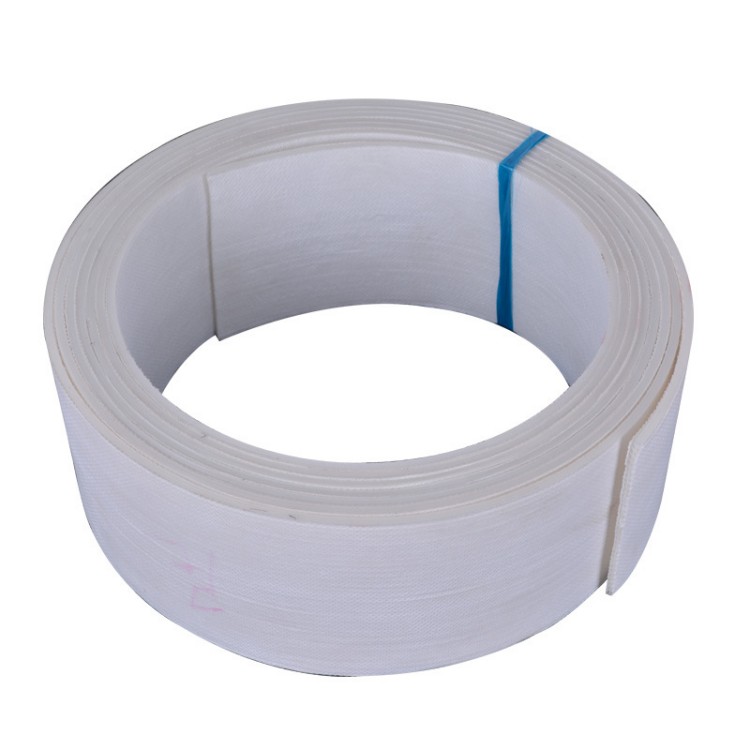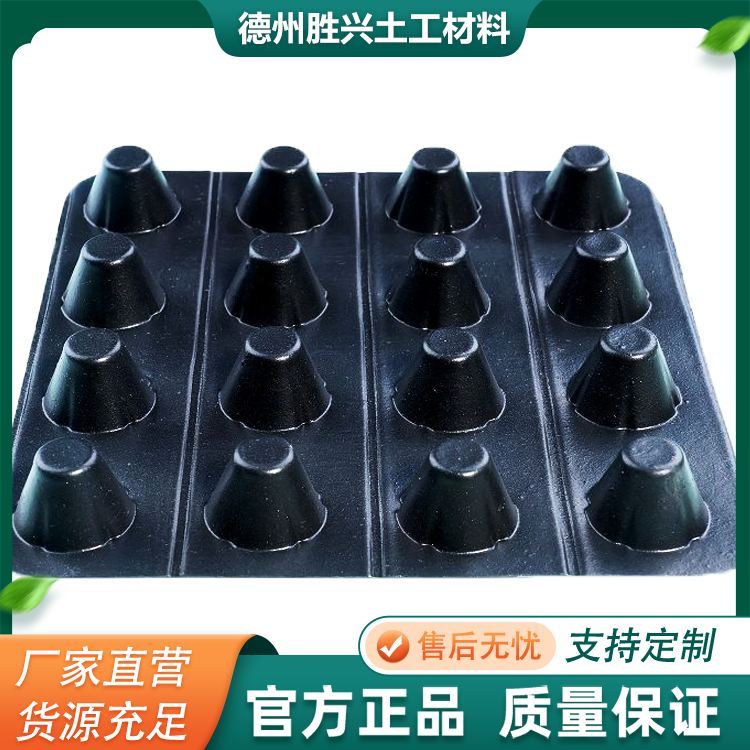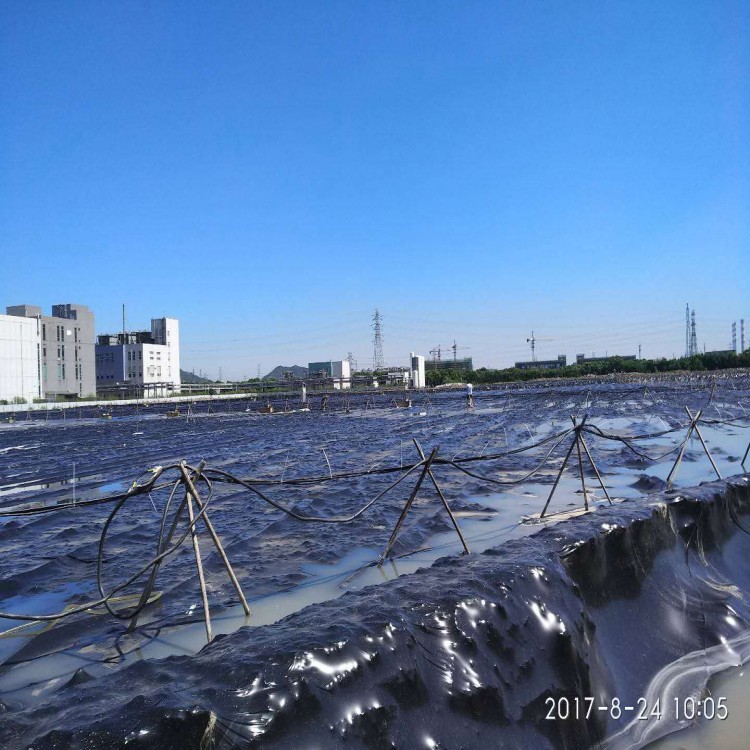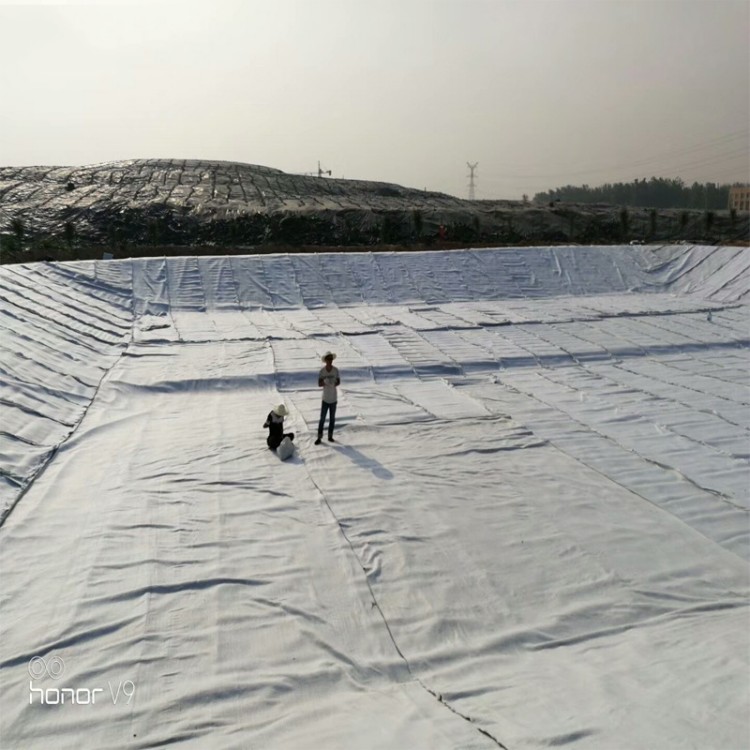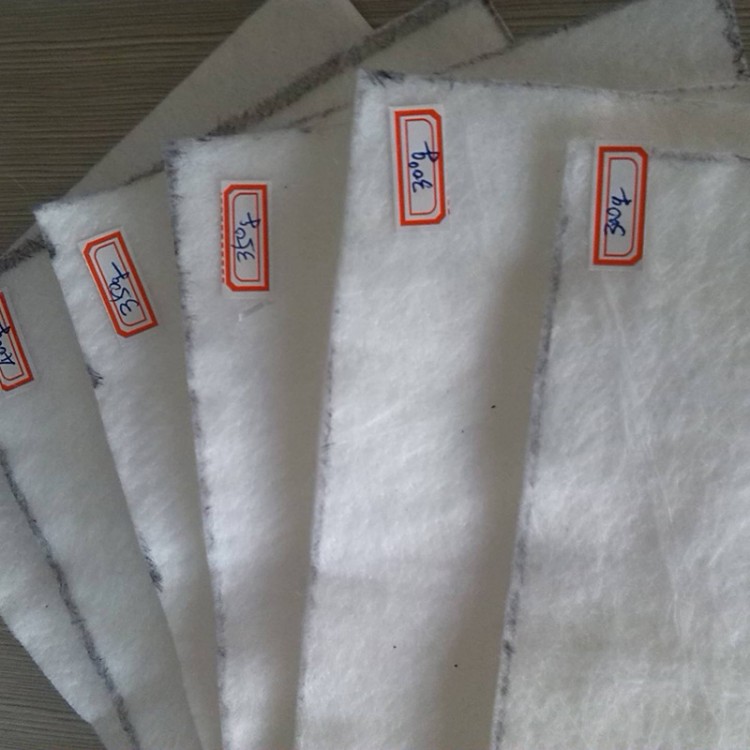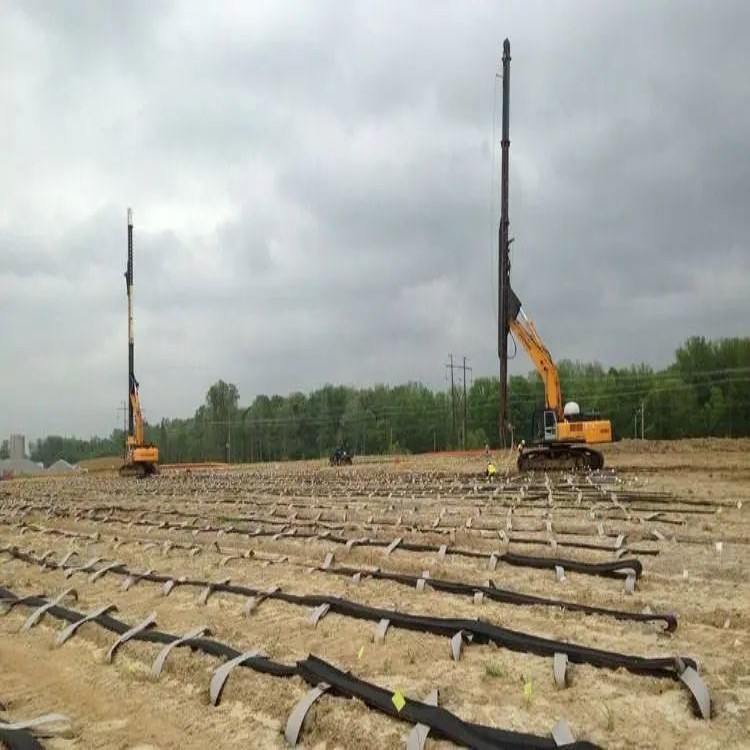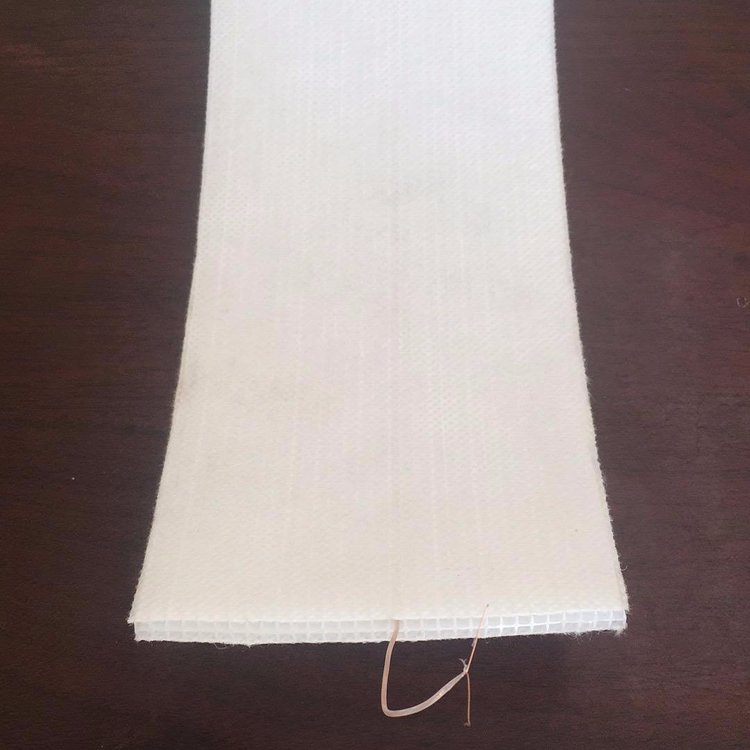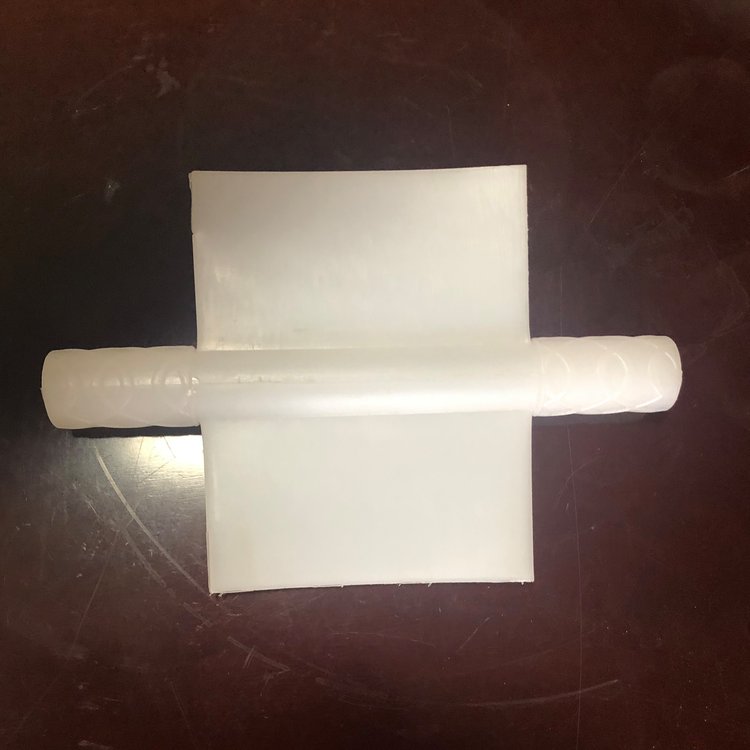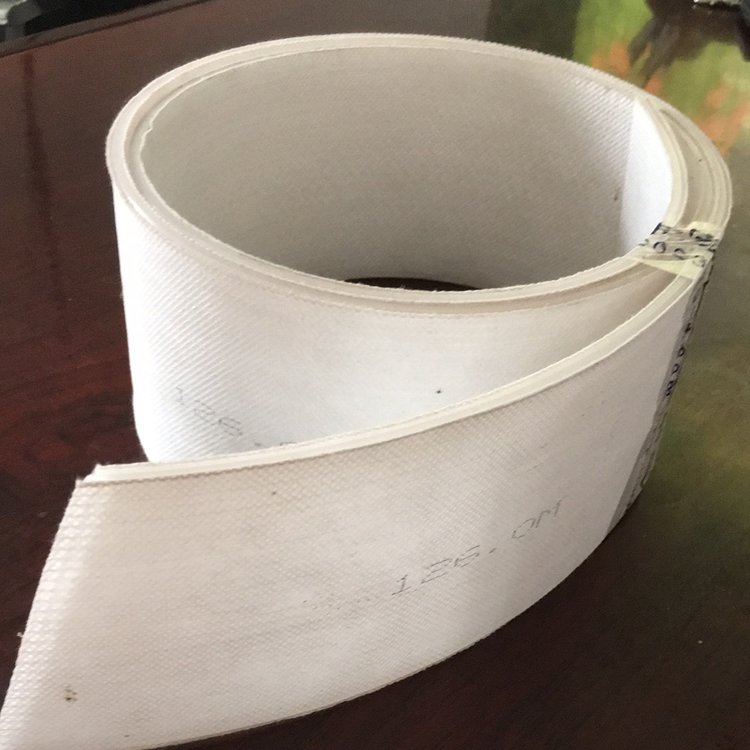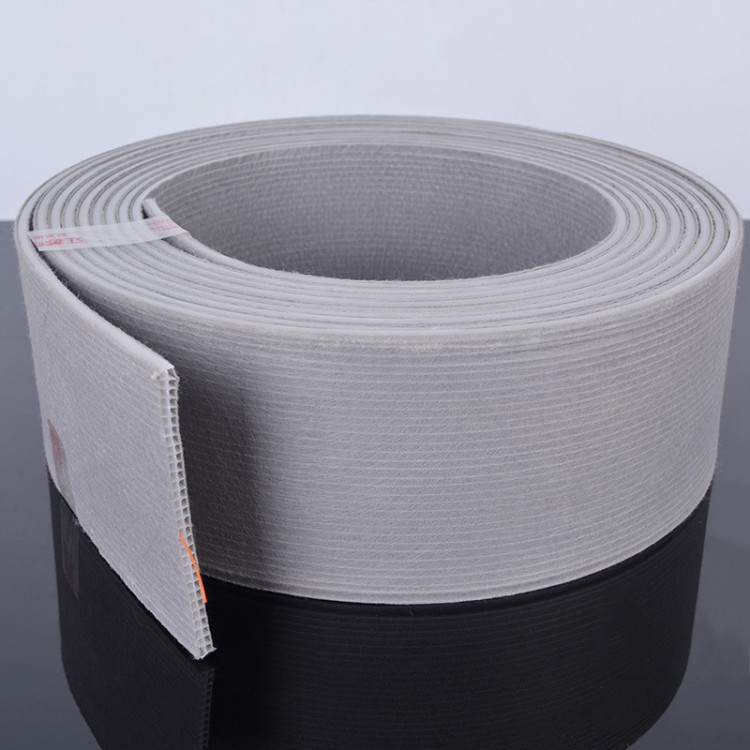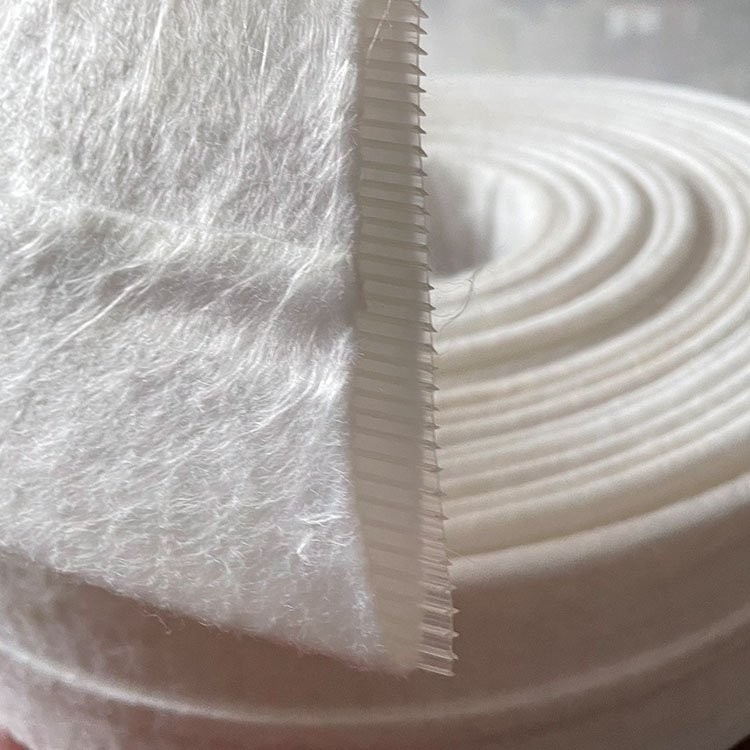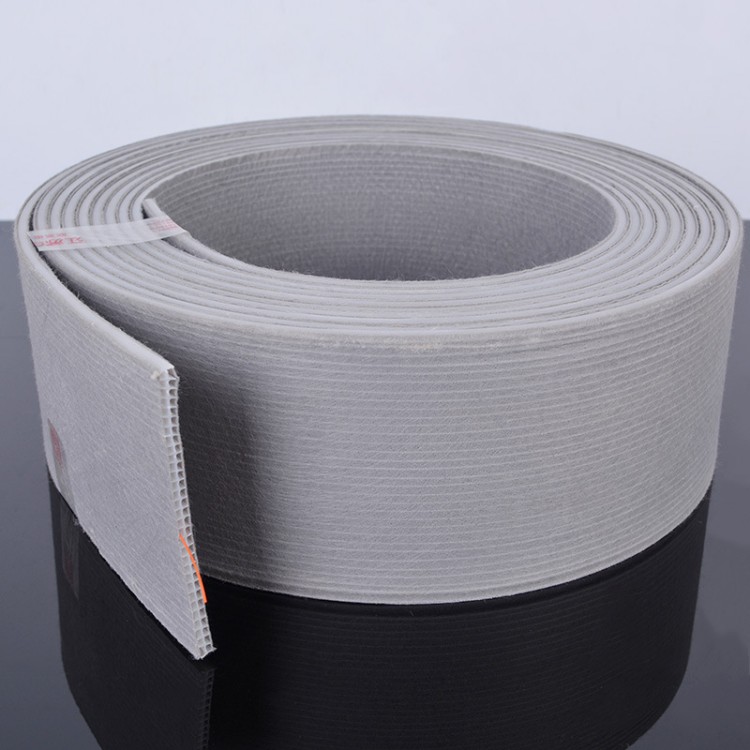

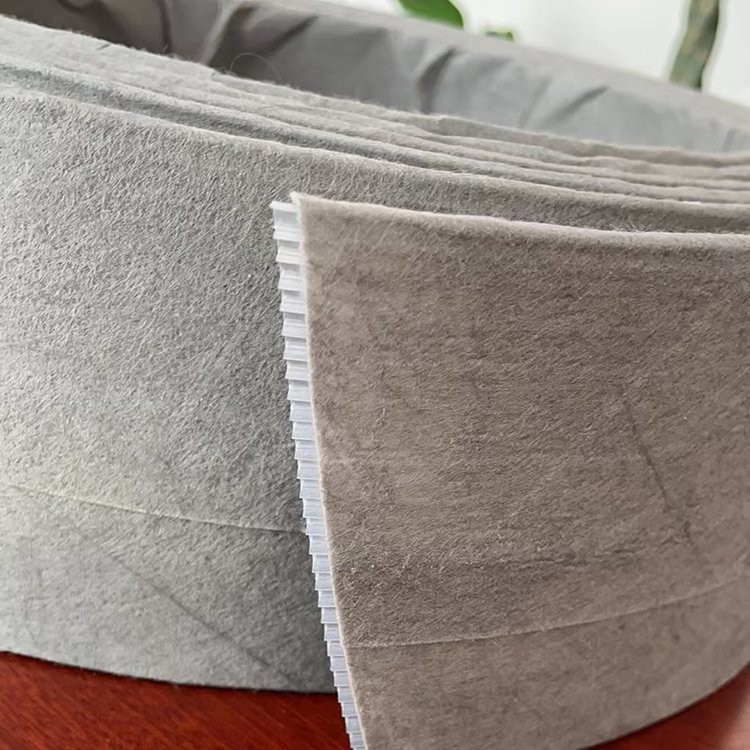
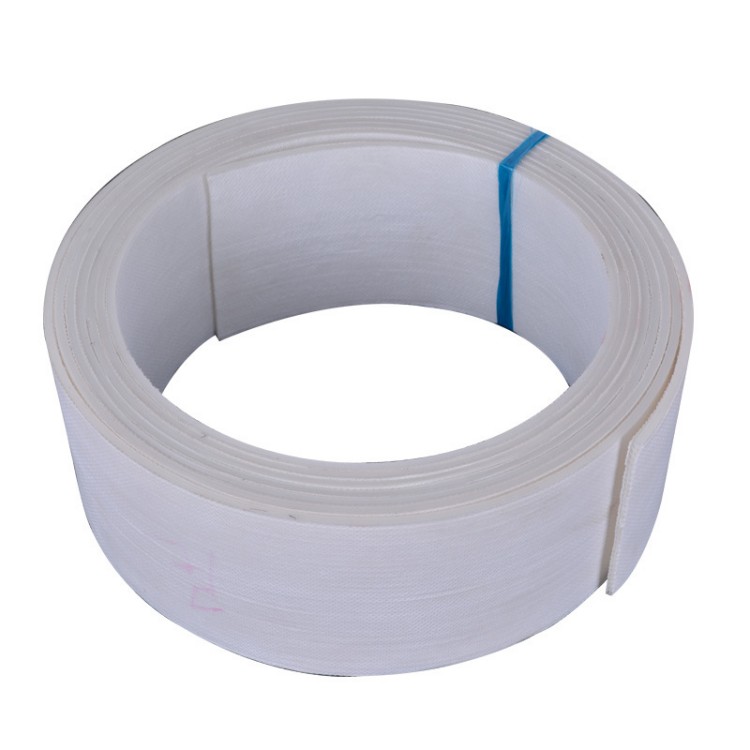


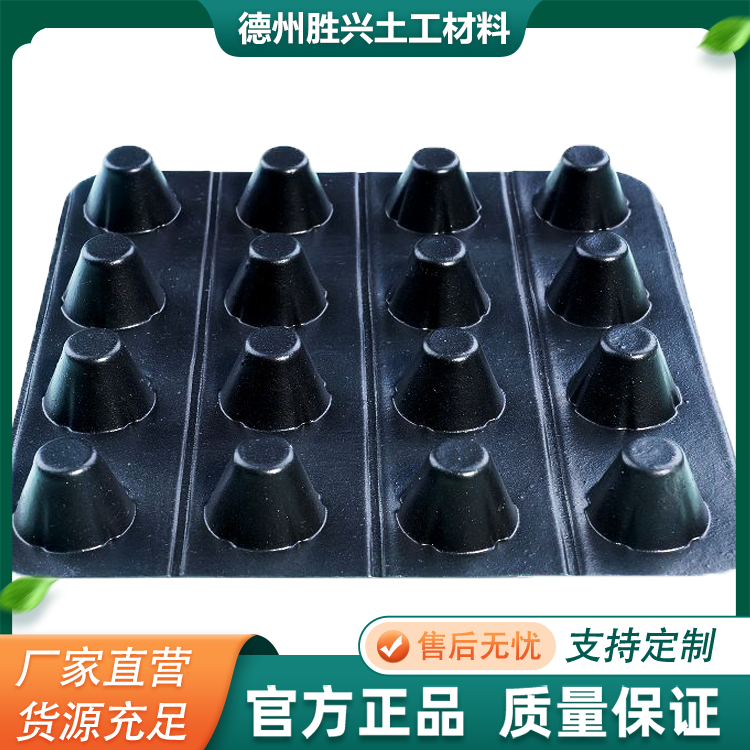








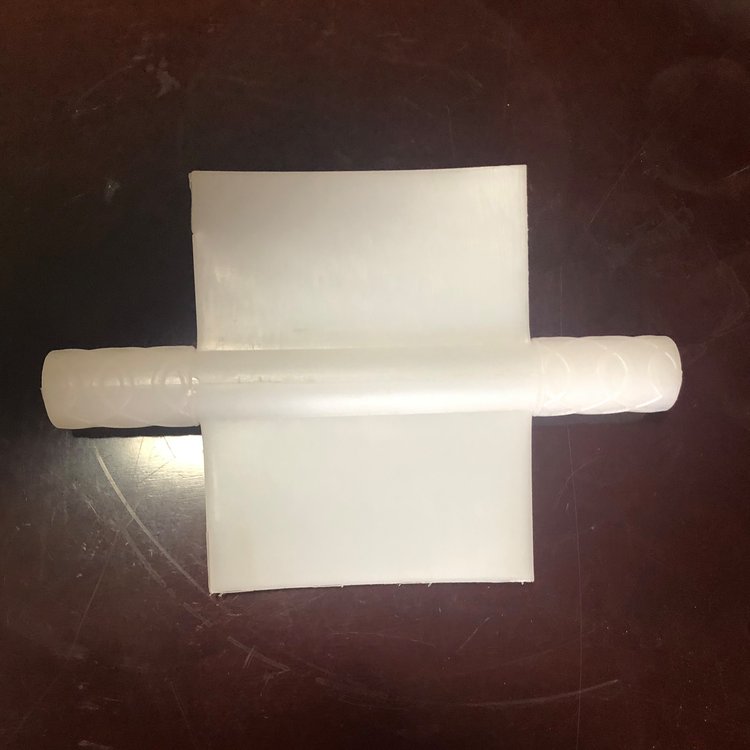
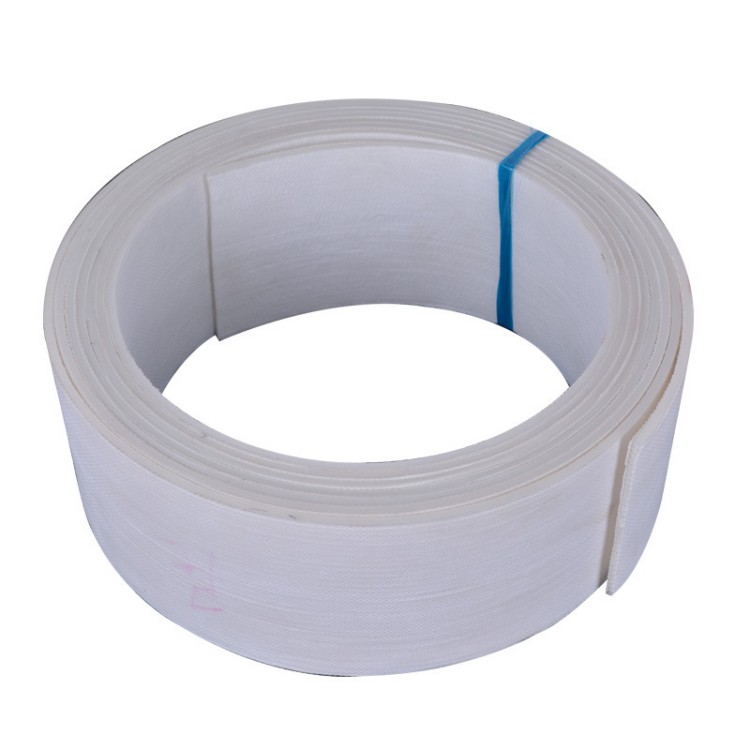
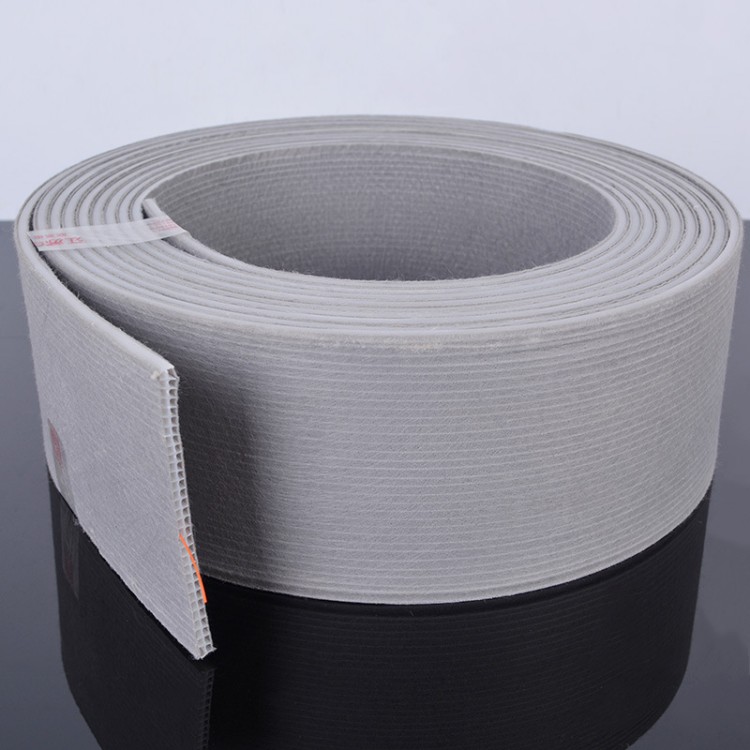
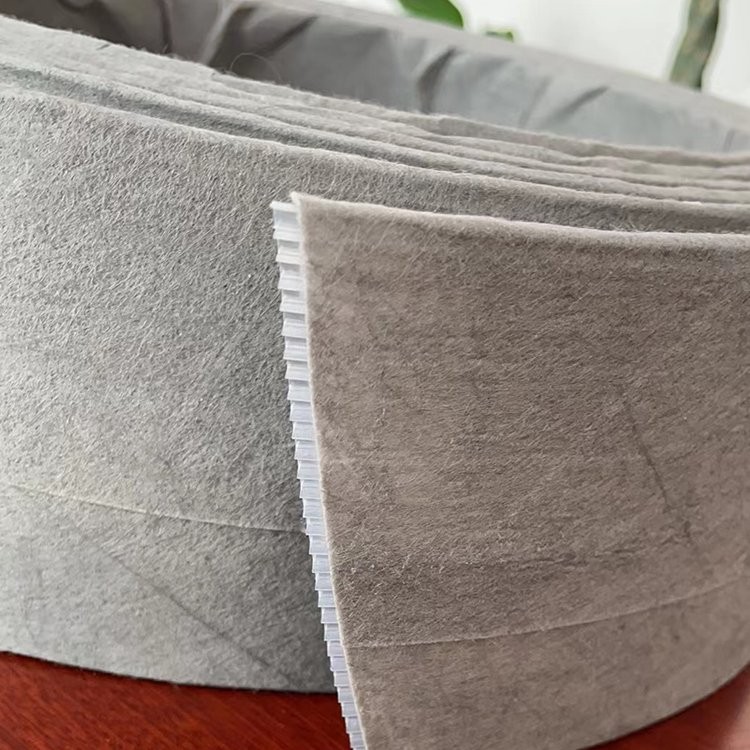
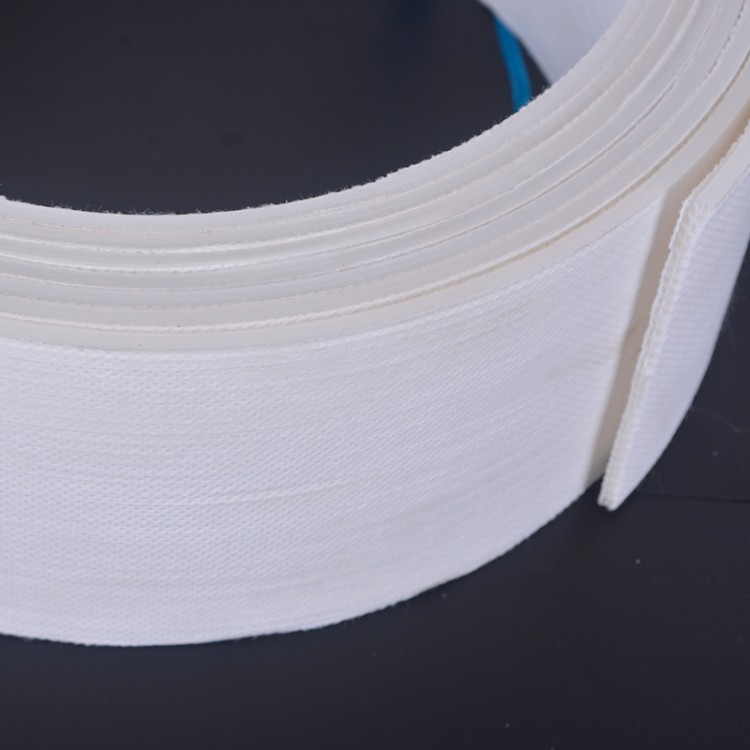

The characteristics of the hot-melt integral plastic drainage board are superior to other types of drainage boards currently available in China, featuring integral design, high tensile strength, excellent permeability, large drainage capacity, and good durability.
Primary Uses:
Highway and railway subgrade drainage primarily addresses surface water, groundwater, and road surface drainage; the use of integral wide-body drainage boards in road drainage not only enhances drainage capacity but also reduces frost heave effects. It integrates a compressive-resistant and porous drainage system into the road structure, offering advantages such as:
Excellent drainage capacity, equivalent to free drainage foundation.
High compression resistance and stiffness, capable of bearing traffic loads.
High porosity, capable of blocking the rise of capillary water.
High tensile strength and modulus, in addition to drainage and isolation functions, also serve as ground reinforcement.
Easier installation.
Integrated wide-body drainage boards can be used for retaining wall backside drainage, replacing the traditional gravel drainage layer, with the features of simple and easy construction and excellent drainage effect; they can form an effective drainage facility on the entire surface of the retaining wall, uniformly and continuously collecting seepage water from the wall surface, preventing overpressure damage; they also prevent water from seeping into the concrete structure, corroding and destroying it.
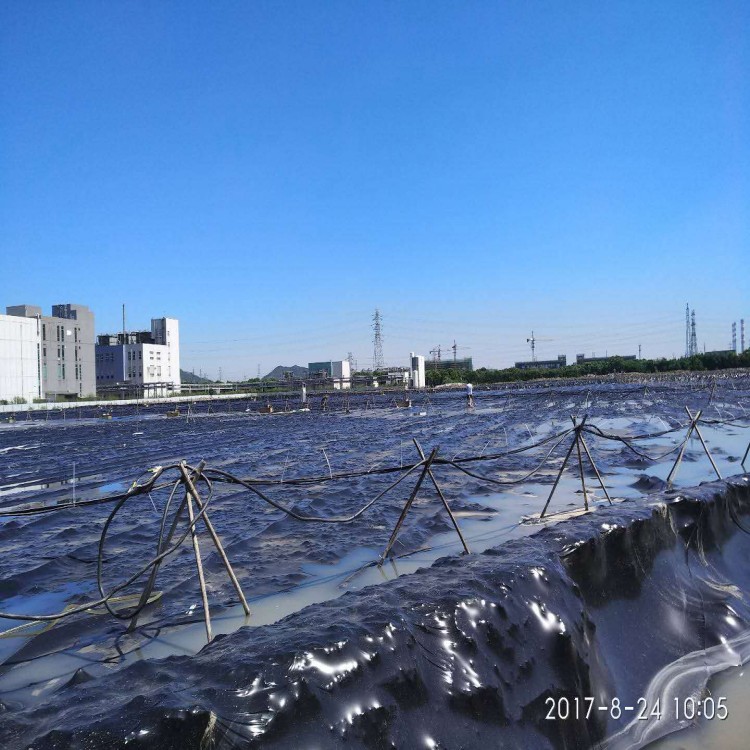
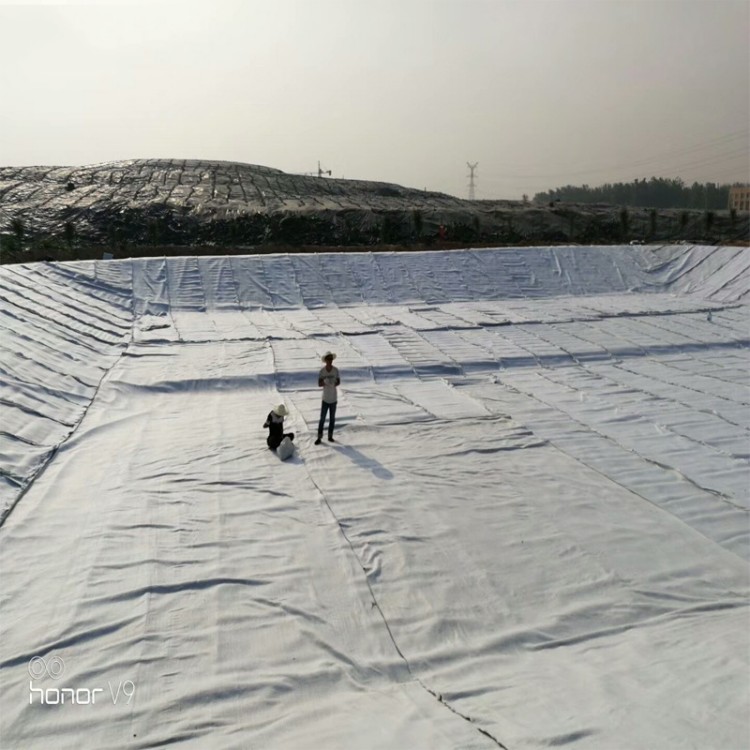
Many large-scale projects require extensive flat surface drainage, either for reclamation projects or construction on soft soil foundations. Dealing with soft soil foundations has become crucial. The use of integral wide-body drainage boards can replace sand bedding as the drainage layer, addressing the issue of sand fill material scarcity in some areas.