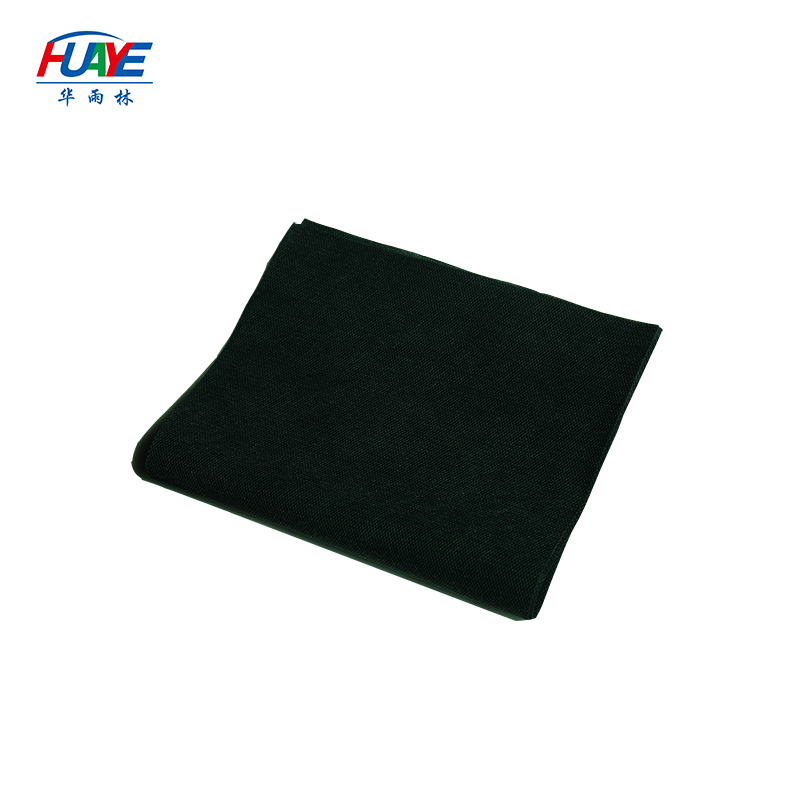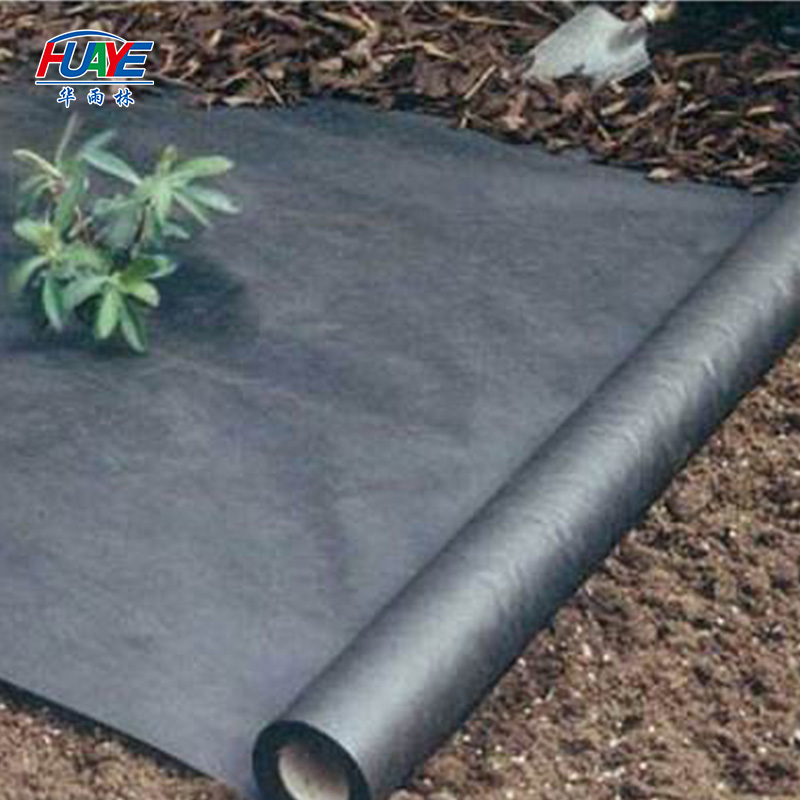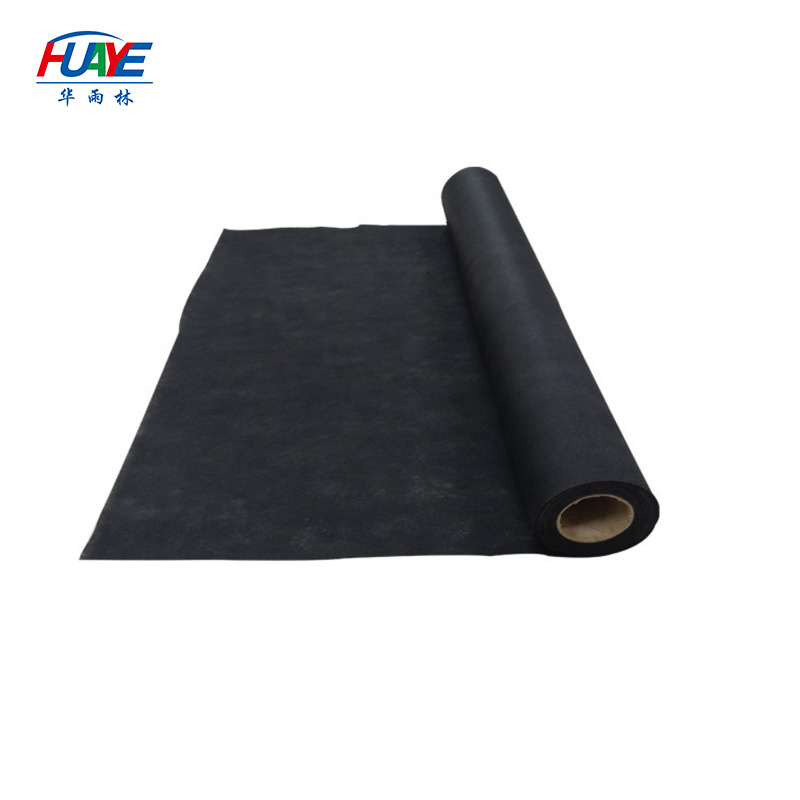

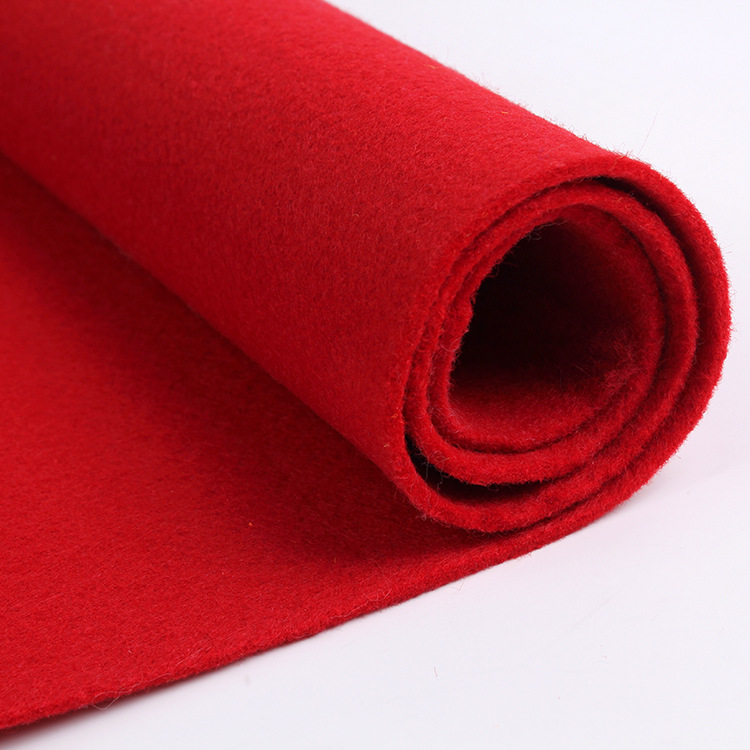







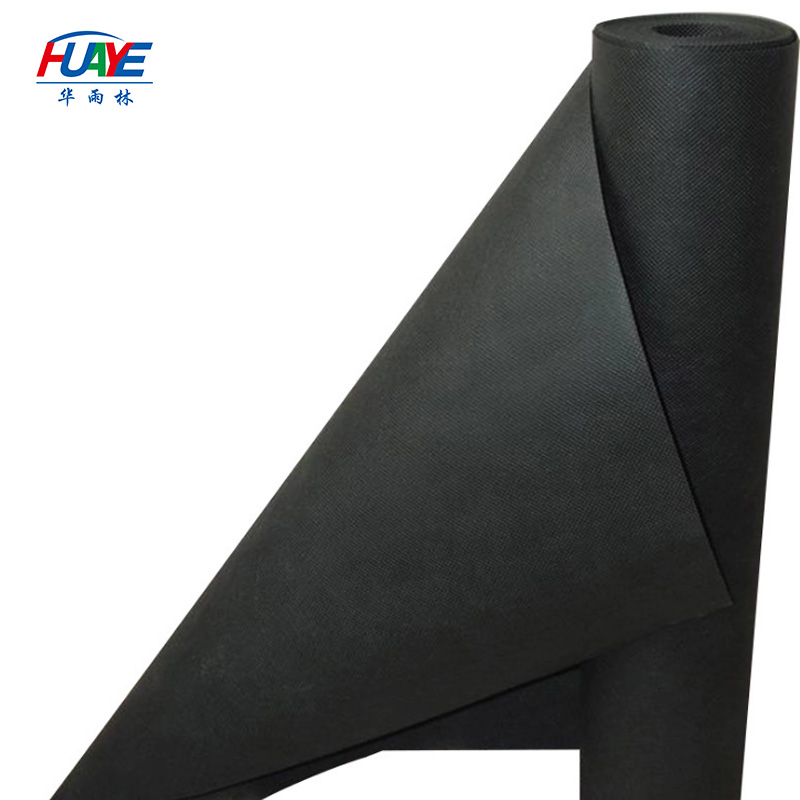
Agricultural black weed control fabric is a widely-used herbicidal tool in agricultural production. Here is a detailed introduction to it: I. Definition and Principle of Agricultural Black Weed Control Fabric The agricultural black weed control fabric is a film made by combining a new type of light-blocking material with plastic. It is spread over grasslands or farmlands, inhibiting weed growth through physical actions such as blocking sunlight, increasing ground temperature, and controlling soil moisture evaporation. Its herbicidal principle mainly includes three aspects: controlling light, temperature, and water. - Controlling Light: The black weed control fabric can block intense sunlight and scattered light in the air, keeping weeds in a dark state and preventing them from undergoing photosynthesis. This results in the loss of energy and substances for growth and life activities, thereby achieving the purpose of weed control. - Controlling Temperature: After covering the black weed control fabric, the ground temperature will rise. In the high-temperature range, weeds can sense temperatures of 70-80°C, causing the cell tissues on the weeds to lose activity due to the high temperature, thereby achieving weed control. At the same time, this warming effect can accelerate the growth of crop roots and enhance their ability to absorb water and fertilizers. - Controlling Water: The black weed control fabric can prevent soil moisture from evaporating due to high temperatures, creating a narrow space between the film and the ground with a high content of hot water vapor. This accelerates the ability of weeds to be damaged by the heat, resulting in faster weed elimination.