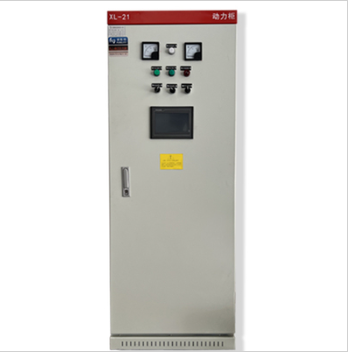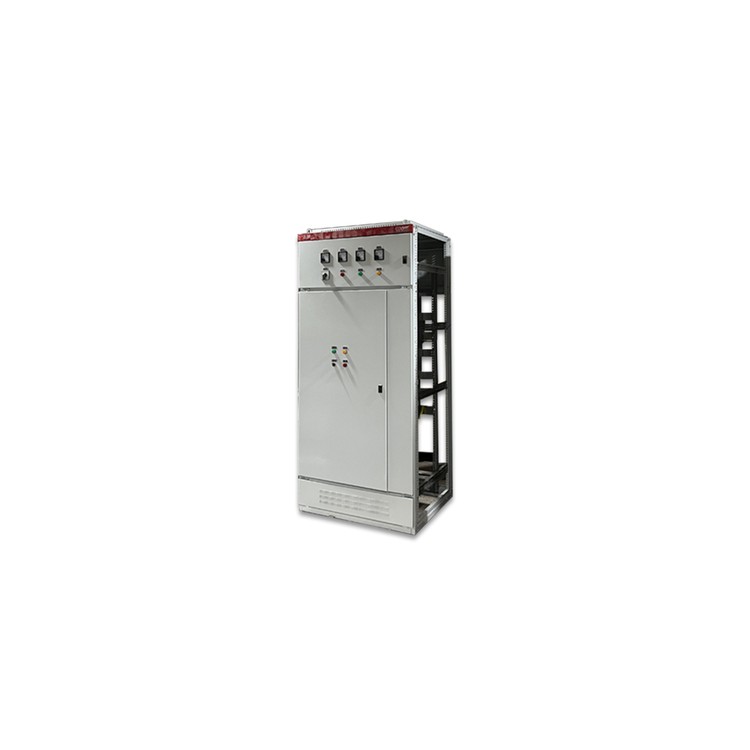


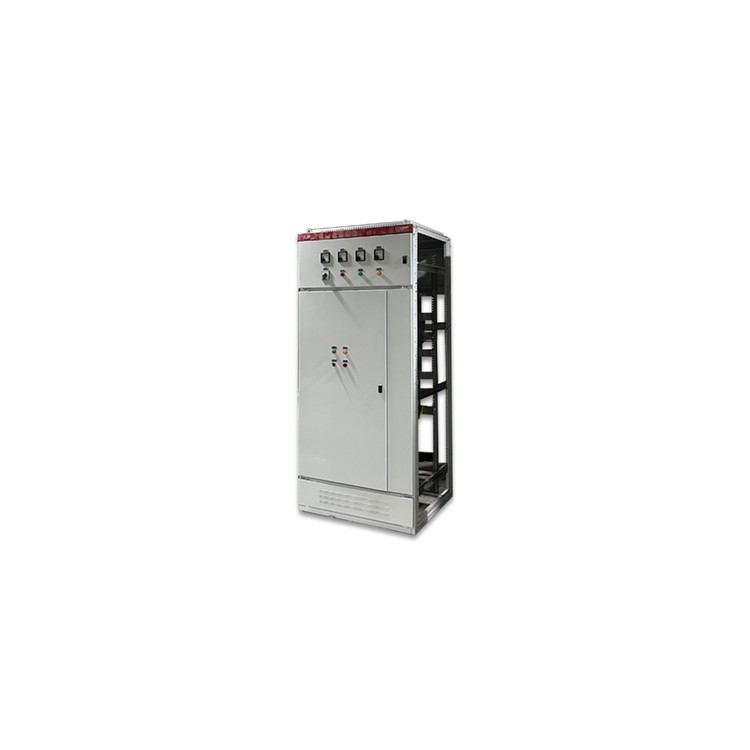







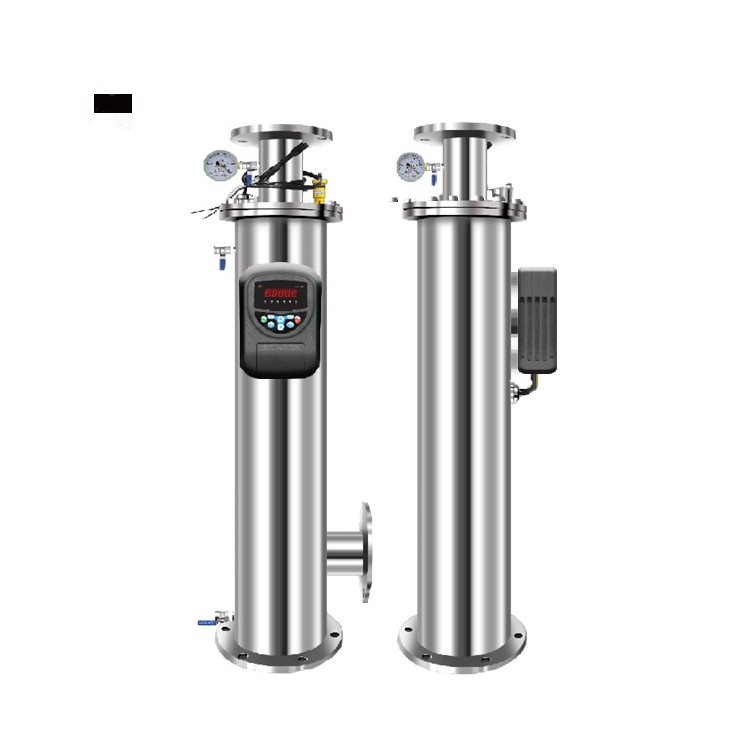
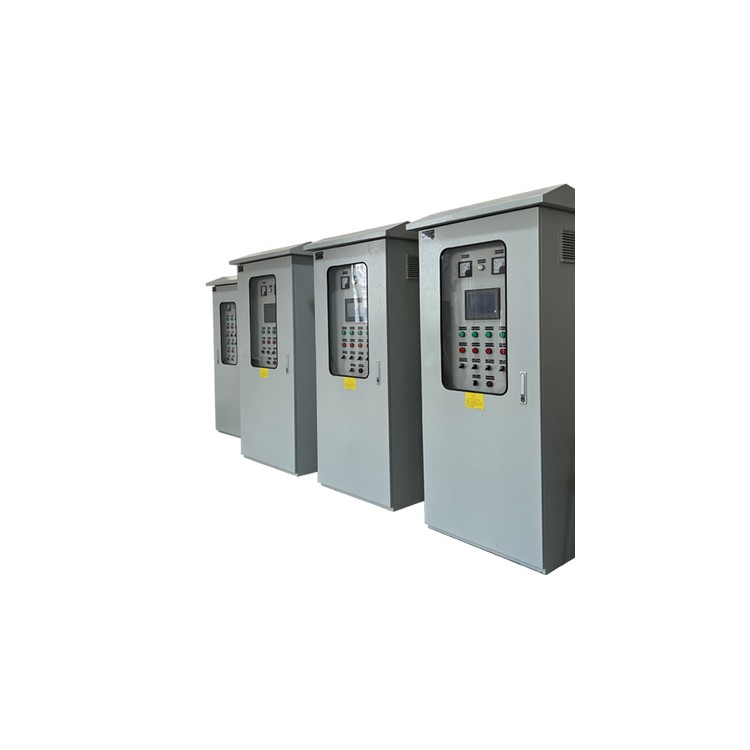
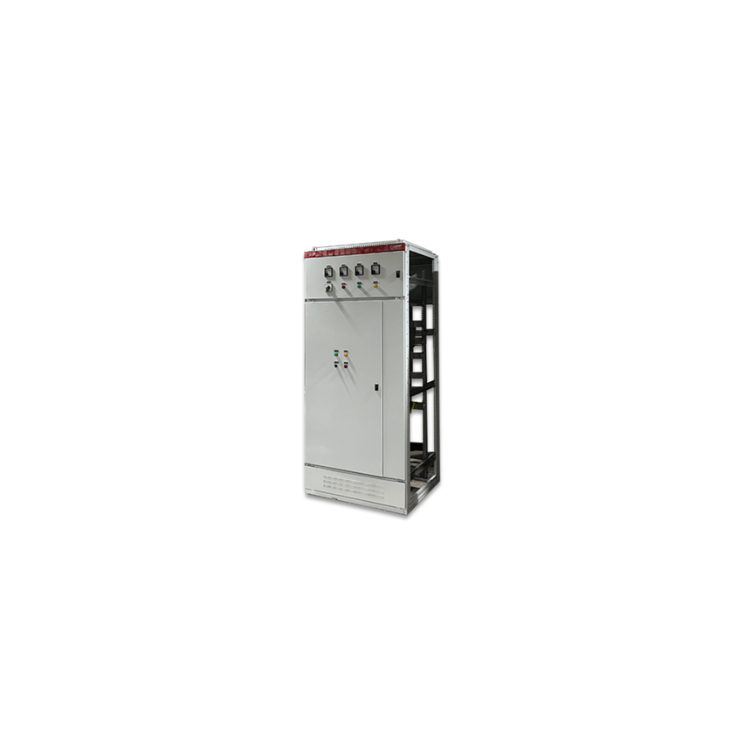
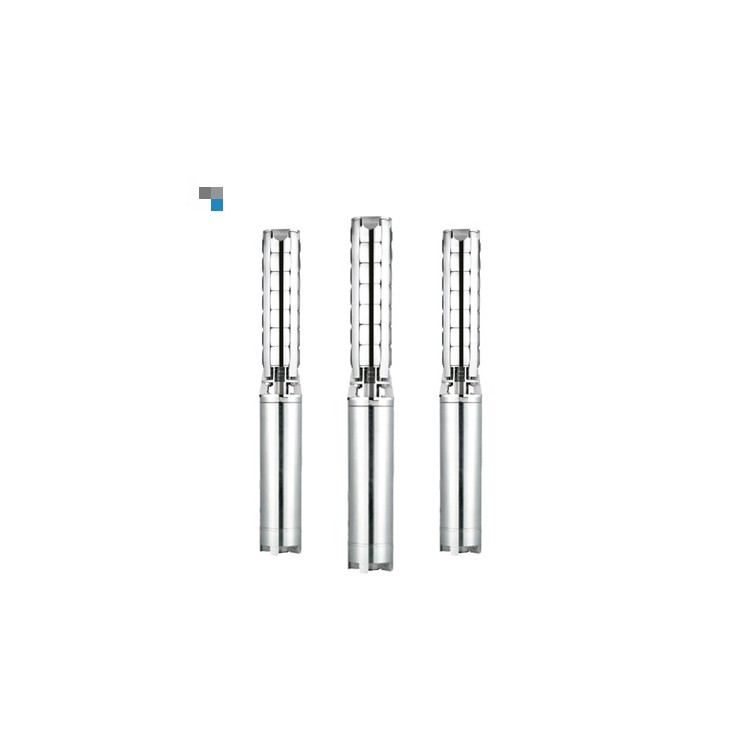
Water supply equipment plays a crucial role in addressing daily water pressure issues. It is required in many high-rise residential complexes, schools, factories, hotels, inns, and rural areas, among others. The selection of water supply equipment varies according to customer needs, and each manufacturer has different standards for categorizing such equipment.
I bet many of you are familiar with secondary water supply! The tap water we use in our daily lives is transported to our homes through water pipes. The water transported through pipes is usually under pressure. When tap water leaves the waterworks, it is pressurized to 0.38 MPa, which can push the water up to a height of 38 meters. Therefore, theoretically, for floors below this height, the water from the waterworks can be directly channeled through **pipes into residential homes.**
But some terrains are different, and as the distance water travels through pipes increases, the resistance also grows, which consequently lowers the height it can reach. Therefore, the 38-meter height line is not parallel to the ground. However, some buildings have floors that are too high, leading to insufficient water pressure and the inability to supply water to higher levels. This is why many high-rise buildings initiate secondary water supply. From which floor does the secondary water supply for high-rise buildings begin?
Utilize the existing water pressure in the municipal water pipes, compensating as needed; the system stops when the tap water meets the required quality. It can achieve a pressure increase of up to 50%. For instance, in a residential complex with 6 floors, during peak water usage, the tap water can reach the 4th floor, and during off-peak usage, it can reach the 6th floor. The variable frequency constant pressure water supply equipment boosts pressure to the 5-6th floors during peak usage and goes into sleep mode during off-peak periods. In case of a power outage, the system can restore normal water pressure, consumes less energy, has low operational costs, is cost-effective, and saves daily electricity expenses.