







 Construction Precautions
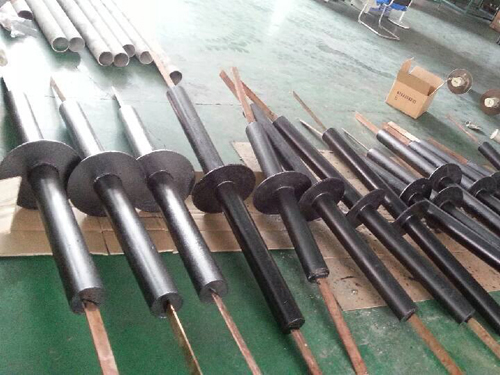
The external surface of the grounding lead-out device protective tube is coated with anti-rust paint (epoxy coal tar thick paint).
2. The grounding lead-out device protection pipe is elevated 100mm above the ground-level building structure, and the reserved length of the grounding lead-out line is not less than 400mm above the opening of the protection pipe.
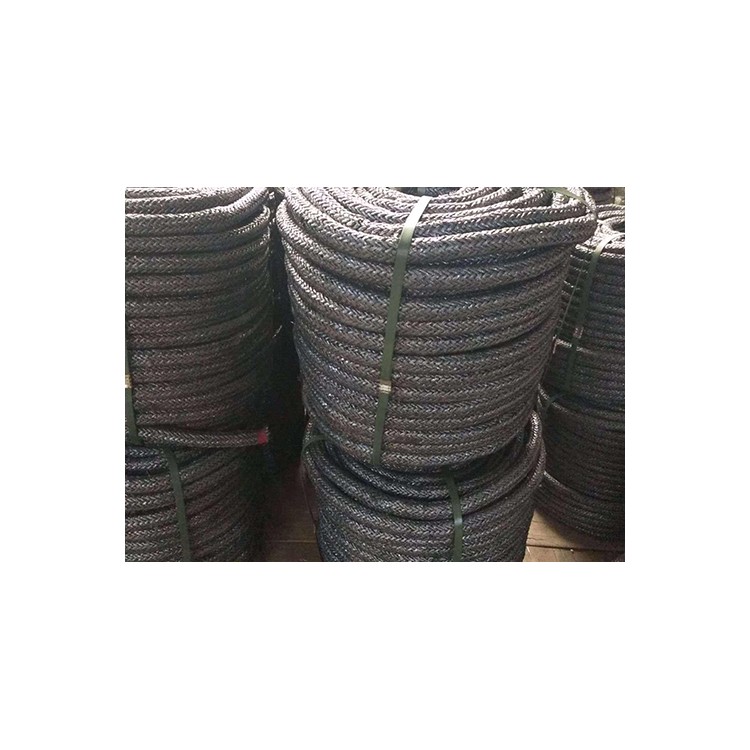
3. The grounding lead-out device protection pipe passes through the center of the structural bottom plate's reinforcing steel mesh (without contacting the structural reinforcing steel), the space between the grounding lead-out wire and the protection pipe is filled with insulating filling material, and there is insulation between the grounding lead-out wire and the structural reinforcing steel.
4. The location of the grounding lead outlet point should be near the cable well under the platform slab or in the cable shaft below the strong/weak electric equipment room on the platform level, avoiding the under-track air duct, structural walls, and tracks. The position of the outlet point must be confirmed by the relevant authorities.
5. Strengthen the protection of the grounding lead-out device during construction to prevent mechanical damage and chemical corrosion.
6. The connection between the grounding lead-out wire and the grounding grid is done using a heat-fusion welding method.
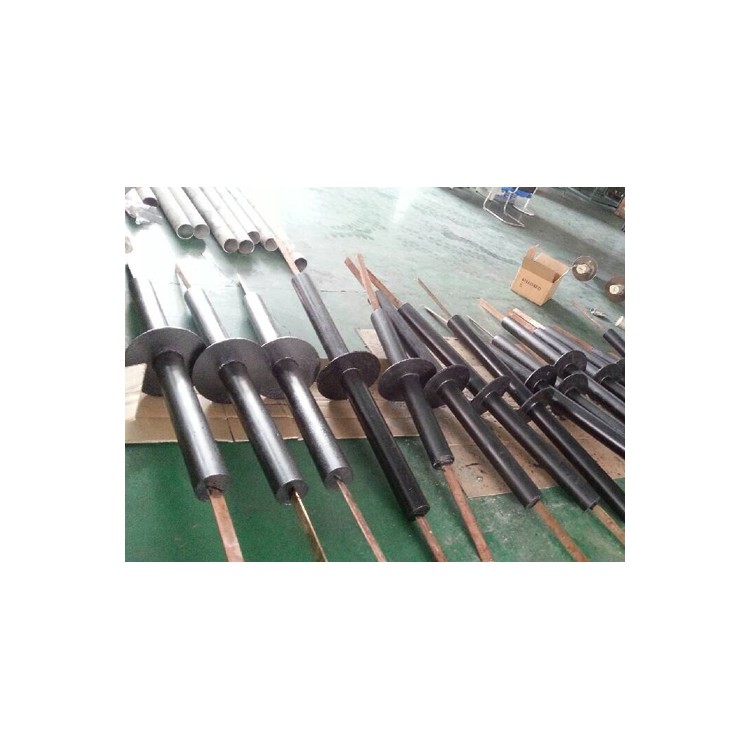
The grounding lead-out device in the subway grounding system must be connected to the grounding grid through a grounding lead-down wire when connected to electrical equipment to meet the protection requirements for fault currents. Previous practices involved directly extracting the grounding lead-down wire from the structural baseboard or extracting it through a PVC pipe. This method often fails to meet the protection requirements for fault currents, as groundwater can easily seep out from the grounding lead-out wire, failing to meet design specifications and protective measures. The grounding lead-out device is specifically designed and produced to address this issue. It can be widely used in grounding lead-out devices for subway systems, electrical equipment, and comprehensive grounding grids, effectively preventing groundwater overflow and providing excellent protection against stray currents.
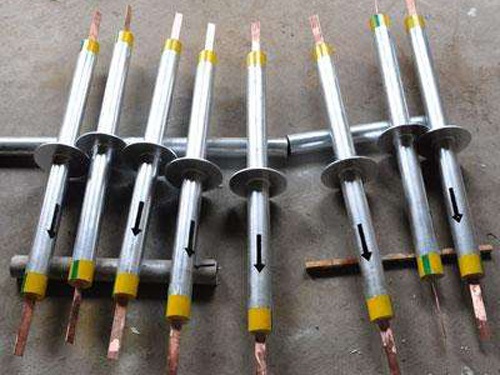
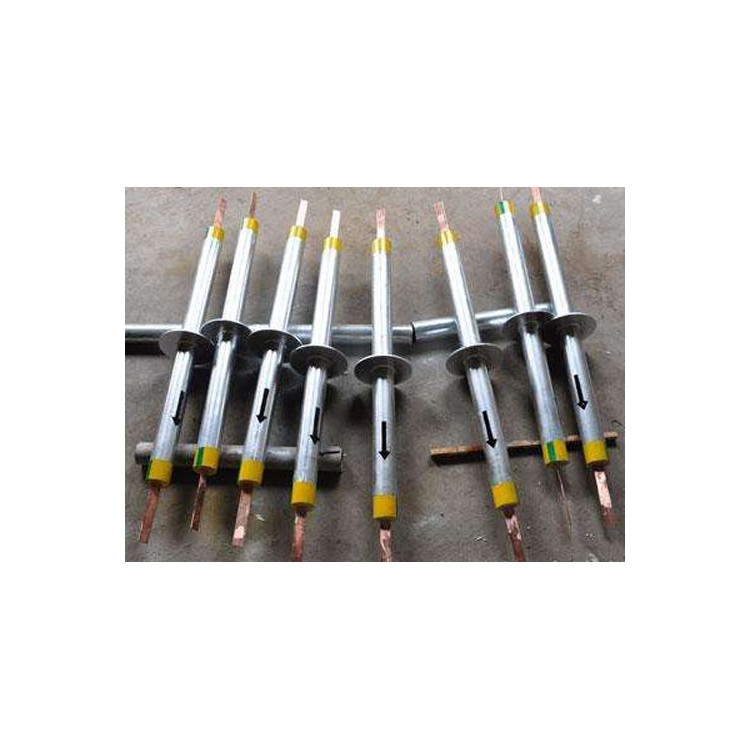
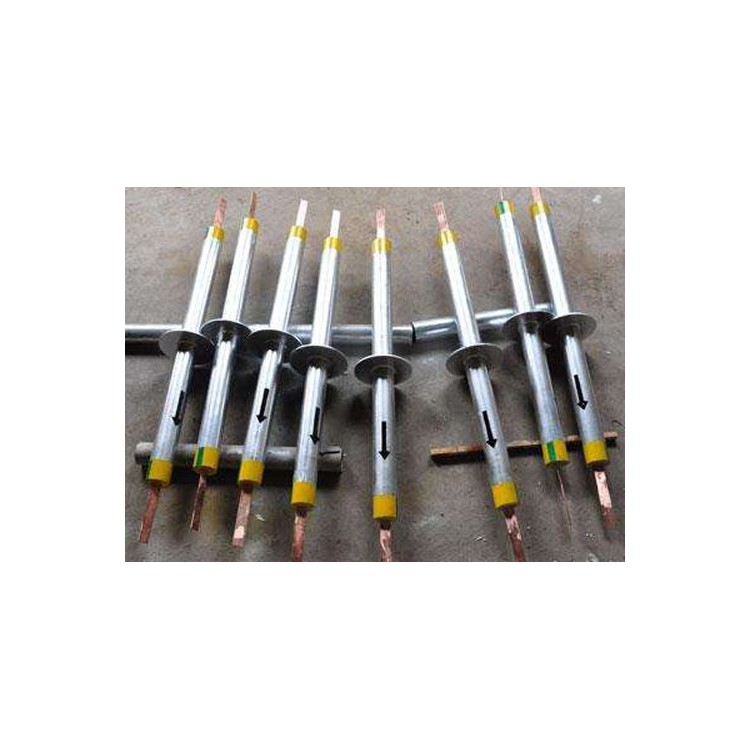
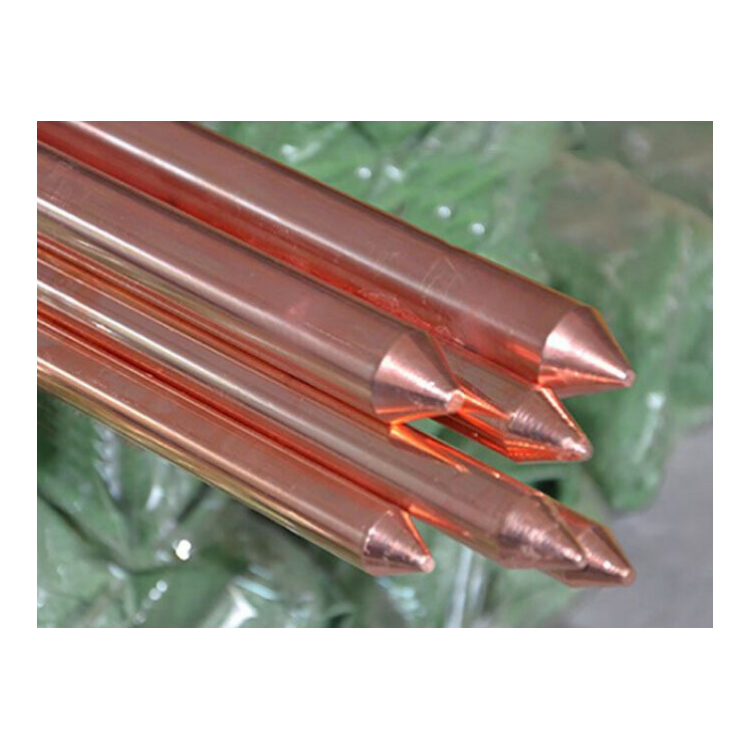
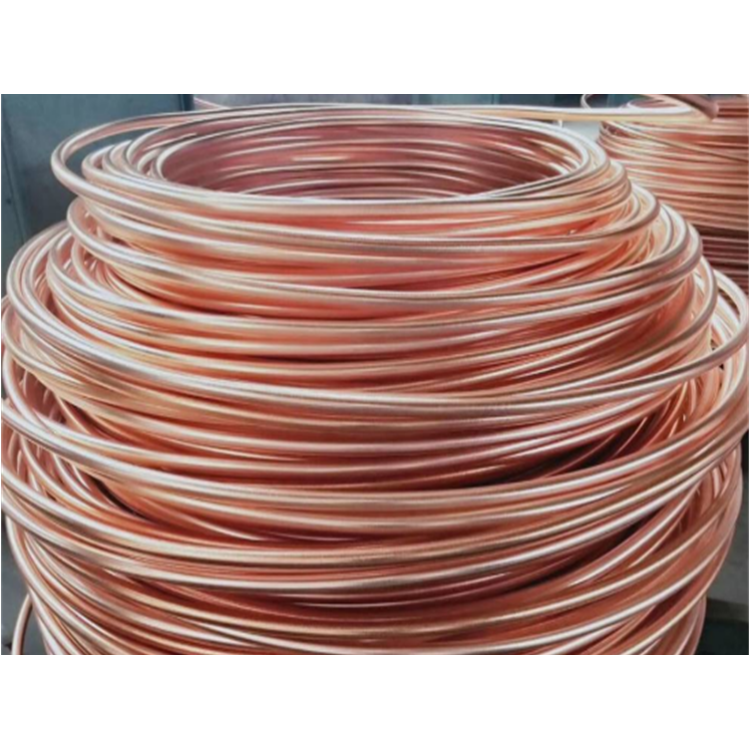
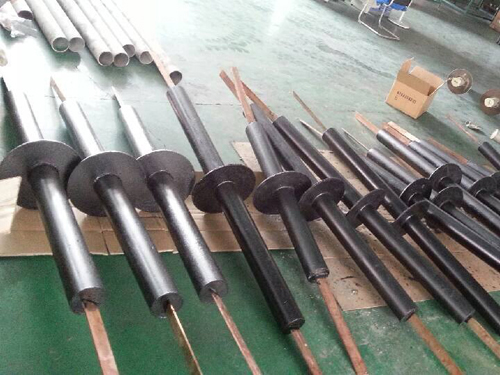
The grounding outlet assembly consists of an outer sheath, a water stop ring, and a lead-out copper busbar. The inner space of the outer sheath is filled with an insulating solidified material composed of modified epoxy resin, additives, and anti-shrinkage agents. The length can be processed and manufactured according to the specific construction drawings.
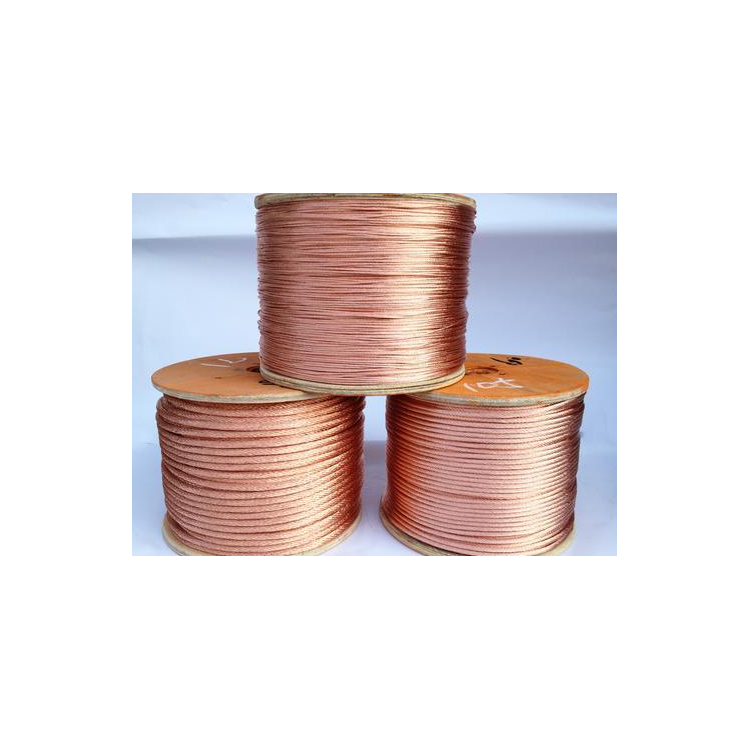
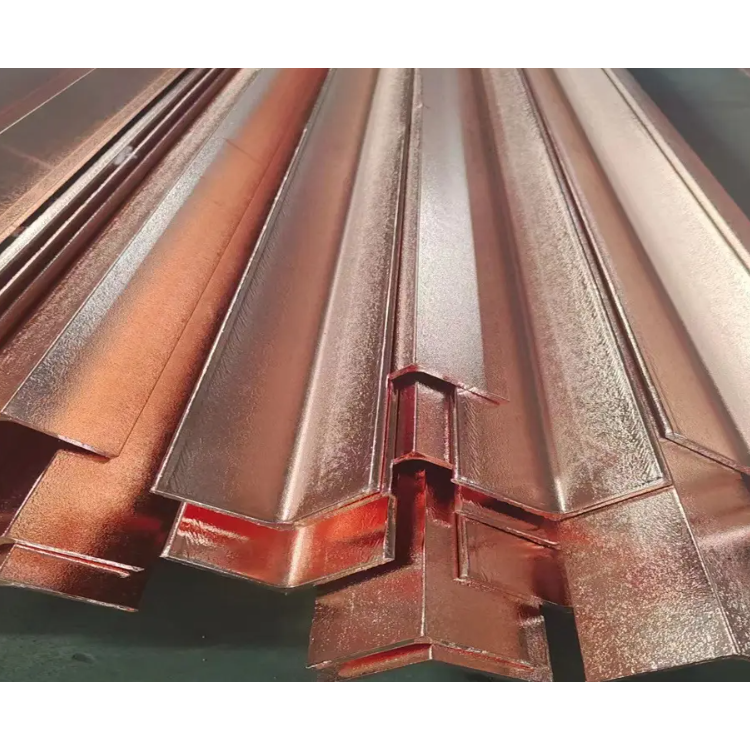
The grounding lead-out device is composed of several parts, including a protective tube, a water-stopping ring, a grounding lead-out wire, and insulating filling material. The protective tube is made of stainless steel, the grounding lead-out wire is made of T2 copper, and the hollow part of the protective tube is filled with insulating material. It boasts advantages such as material selection, reasonable structure, stable quality, and convenient construction and installation.