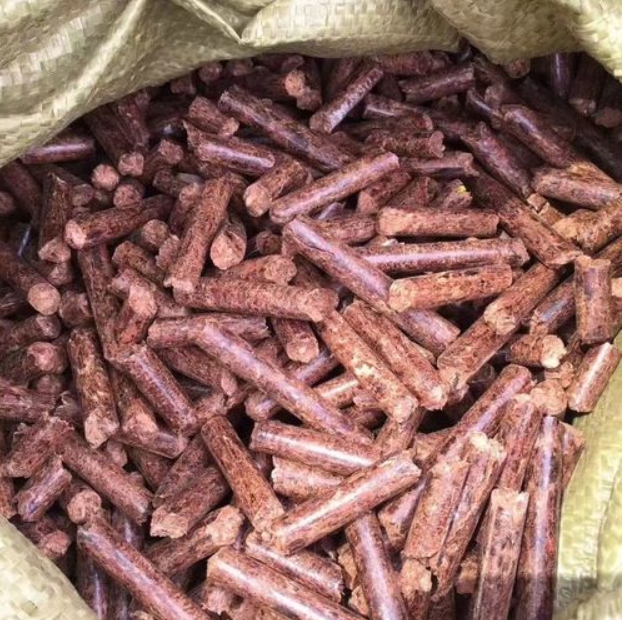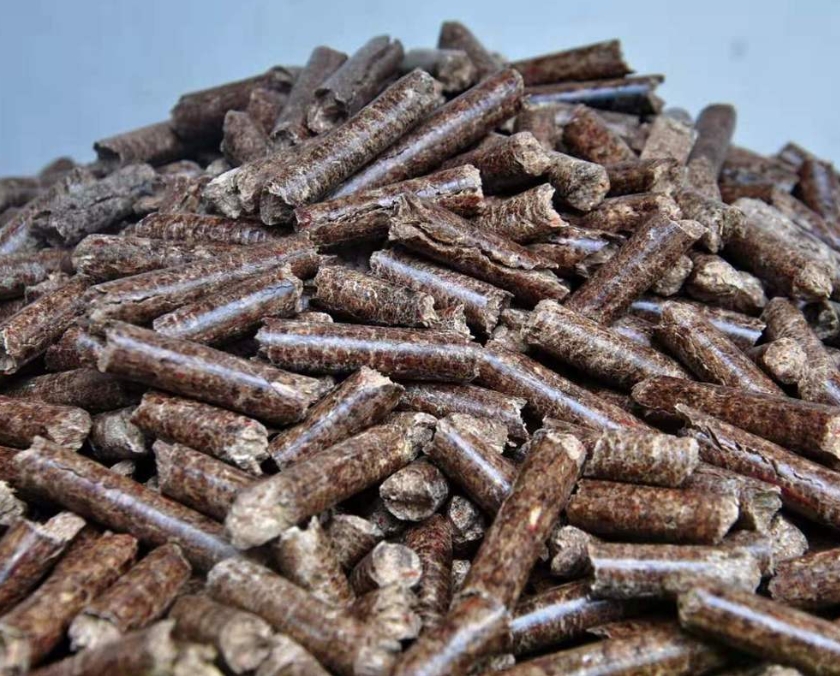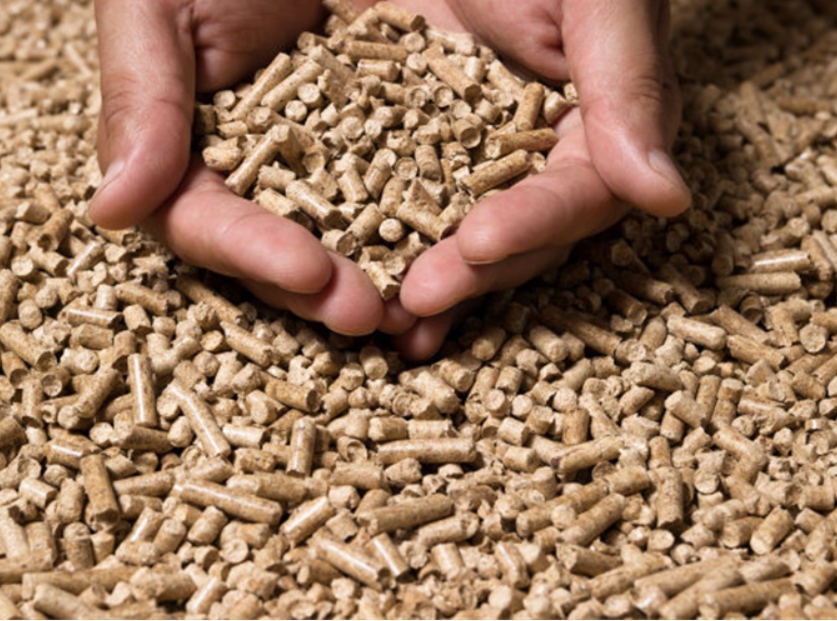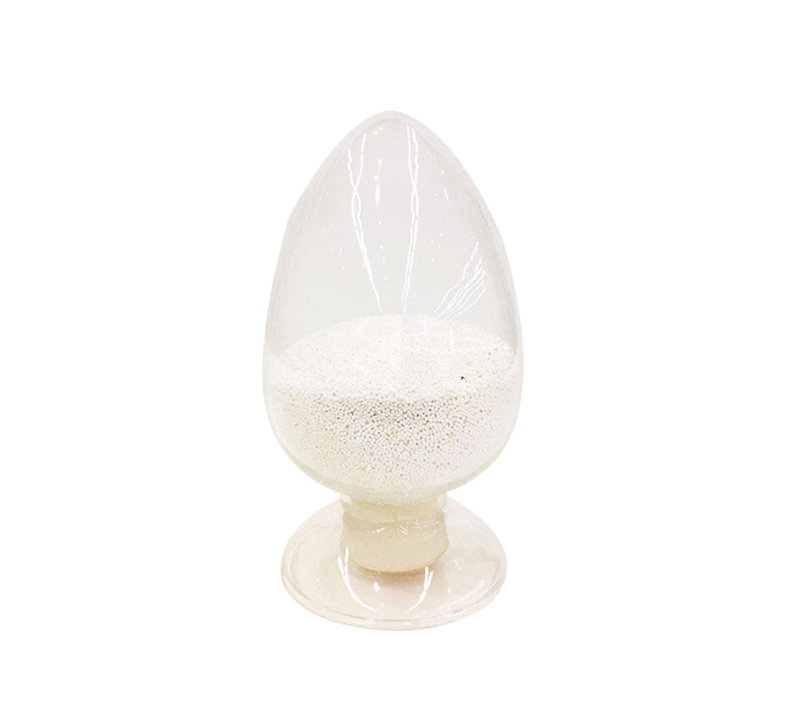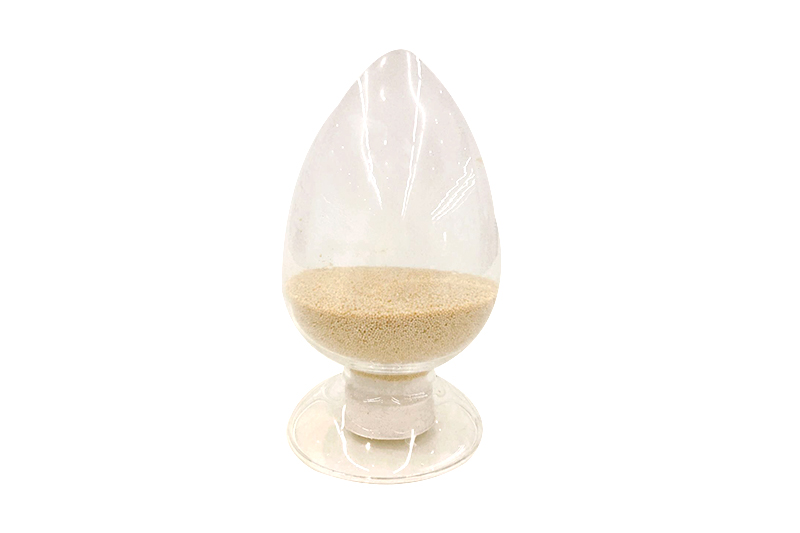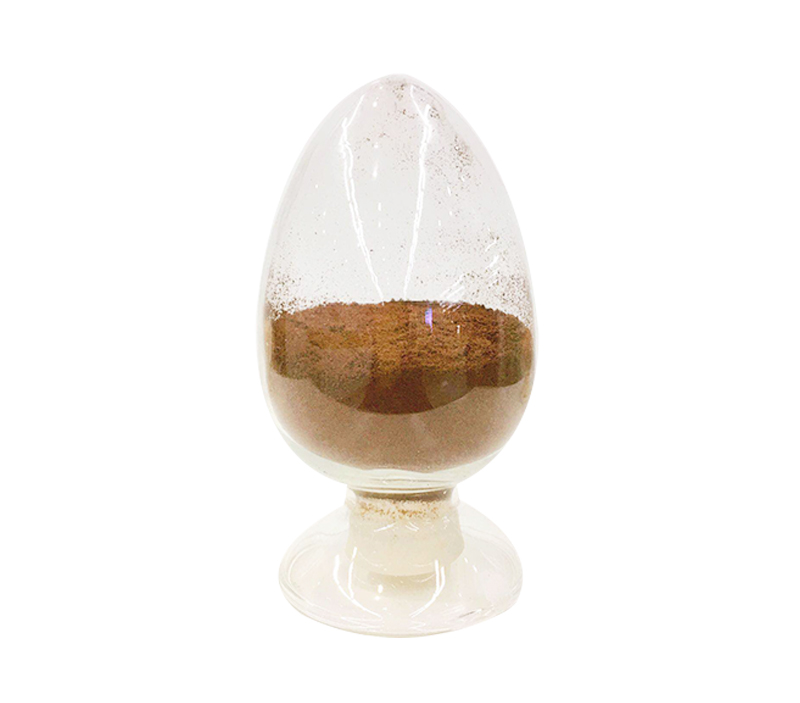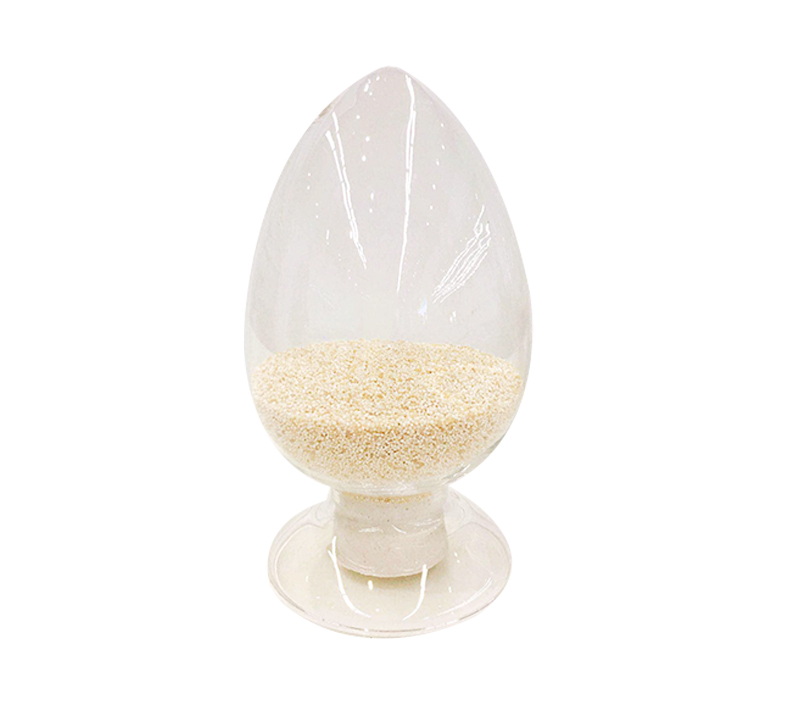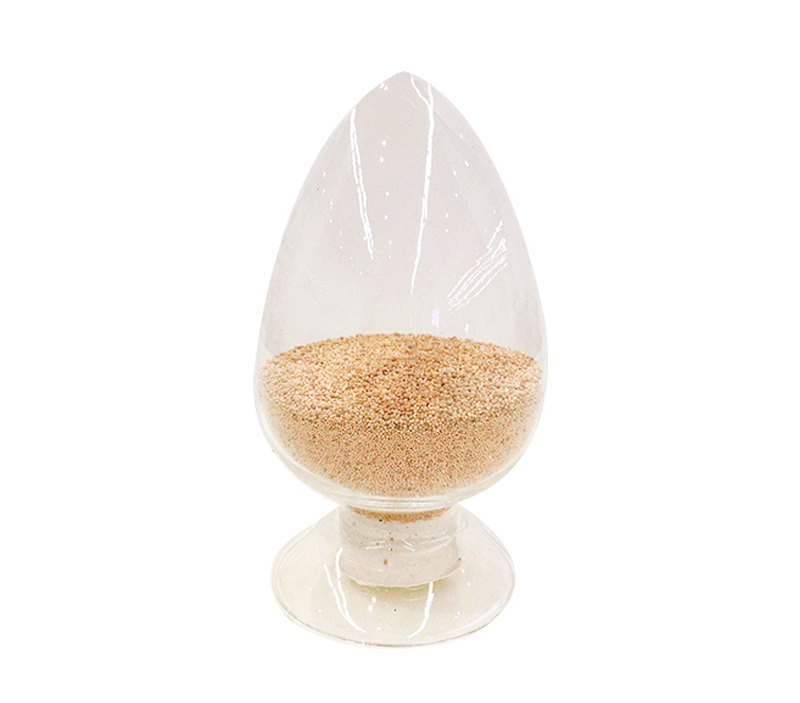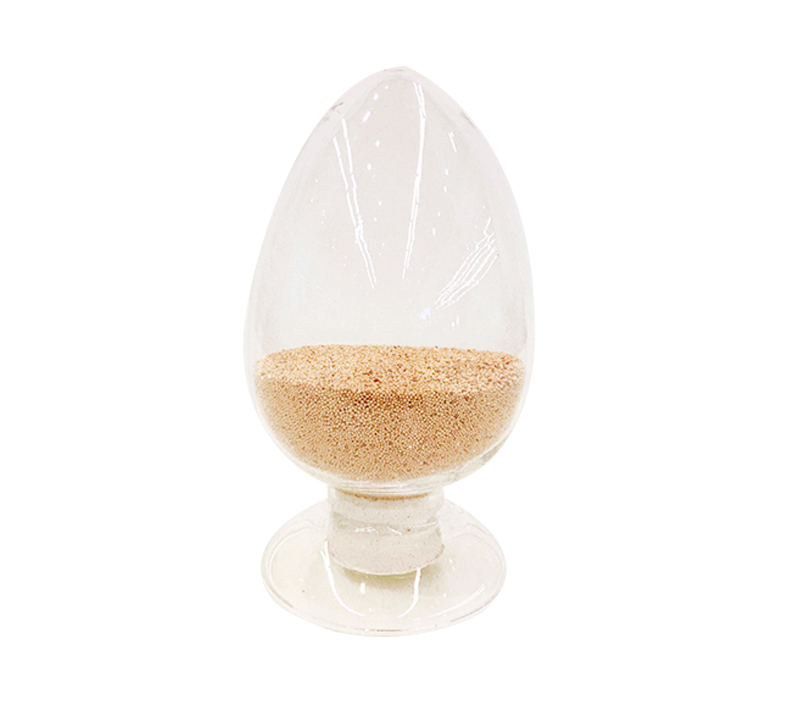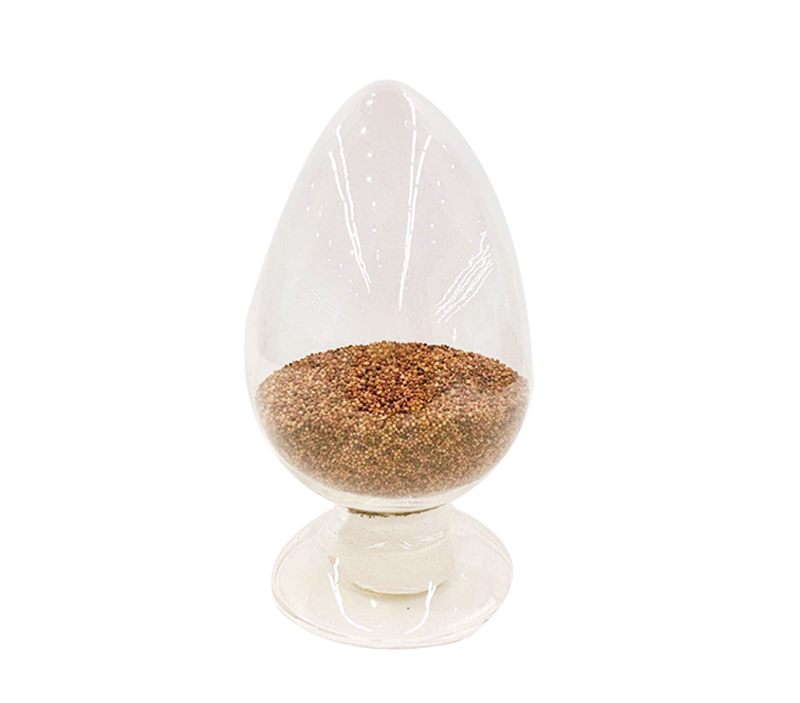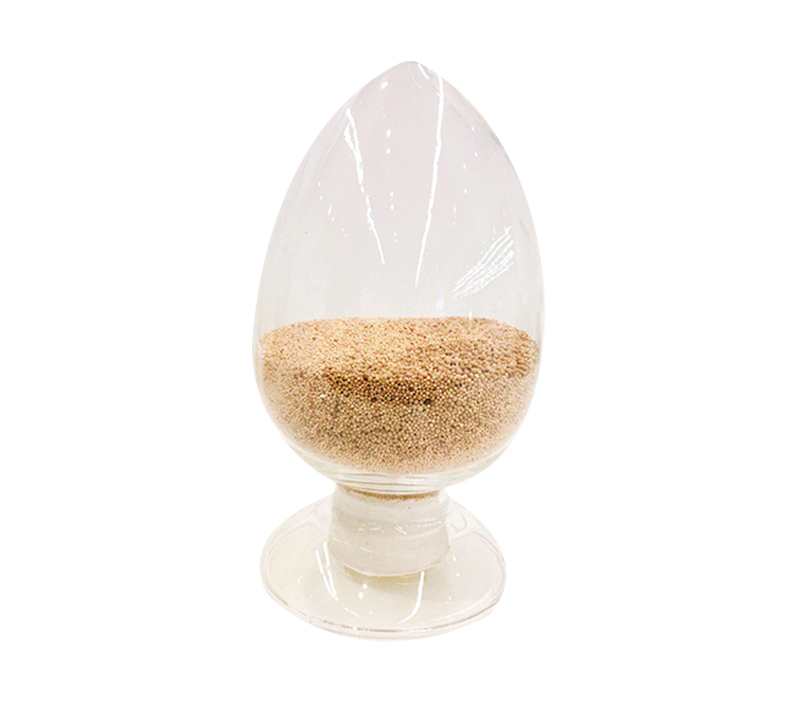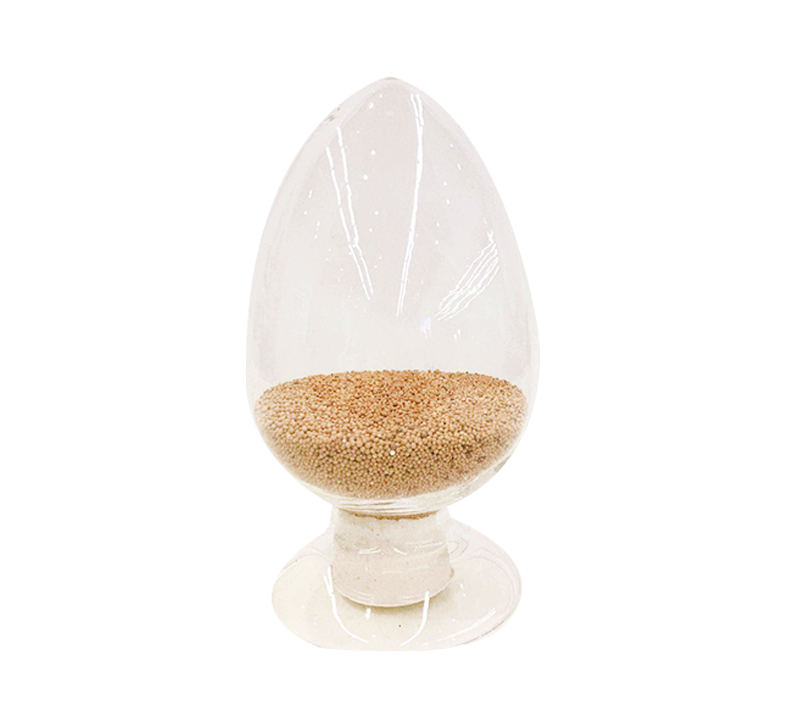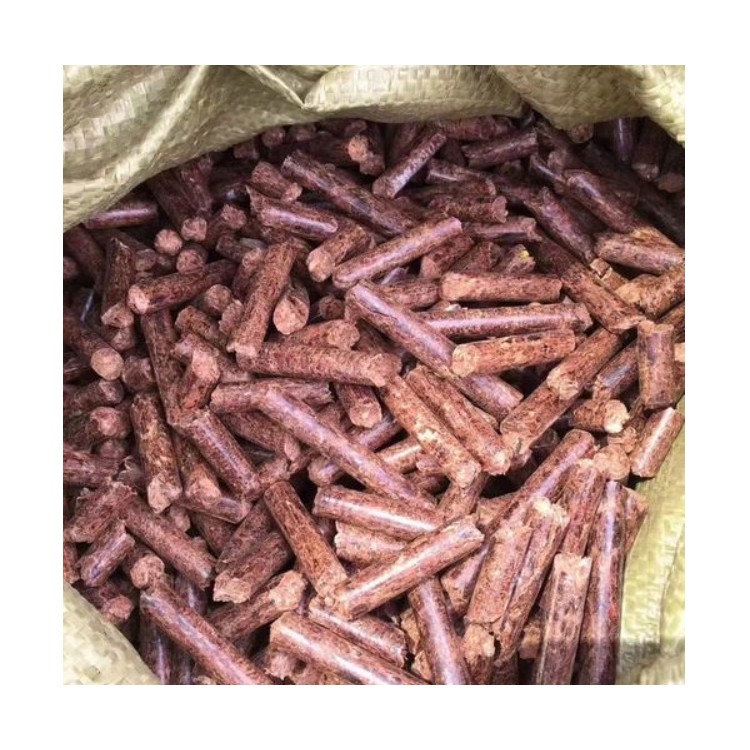

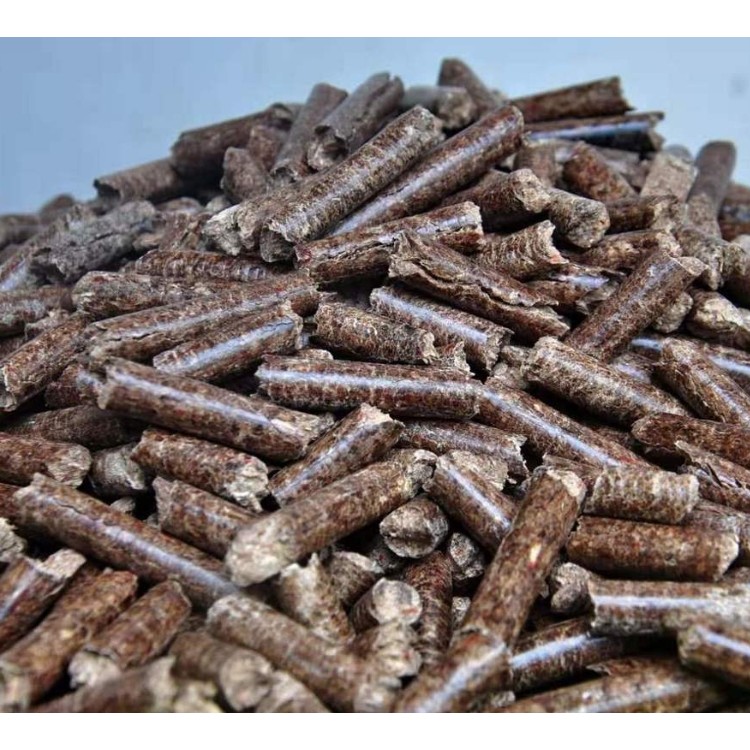
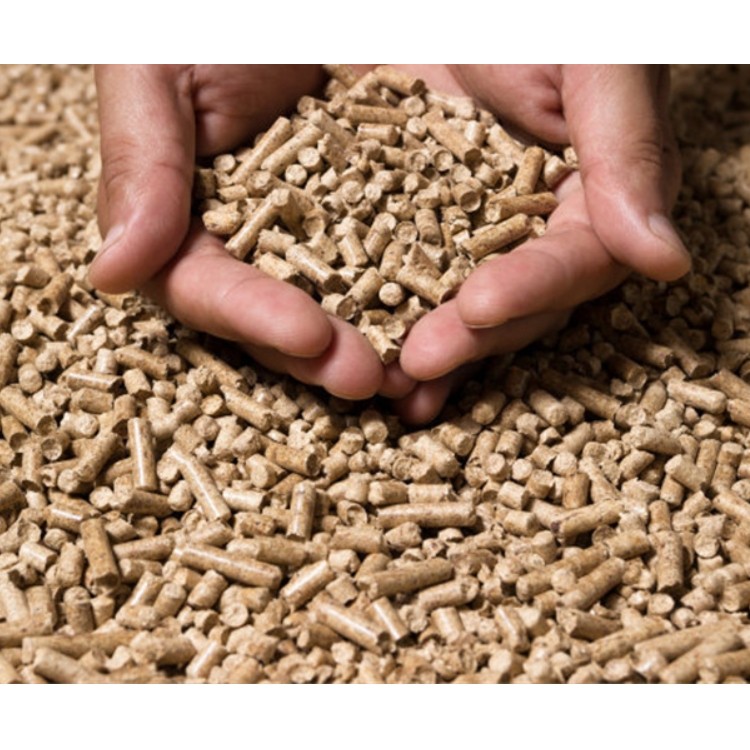


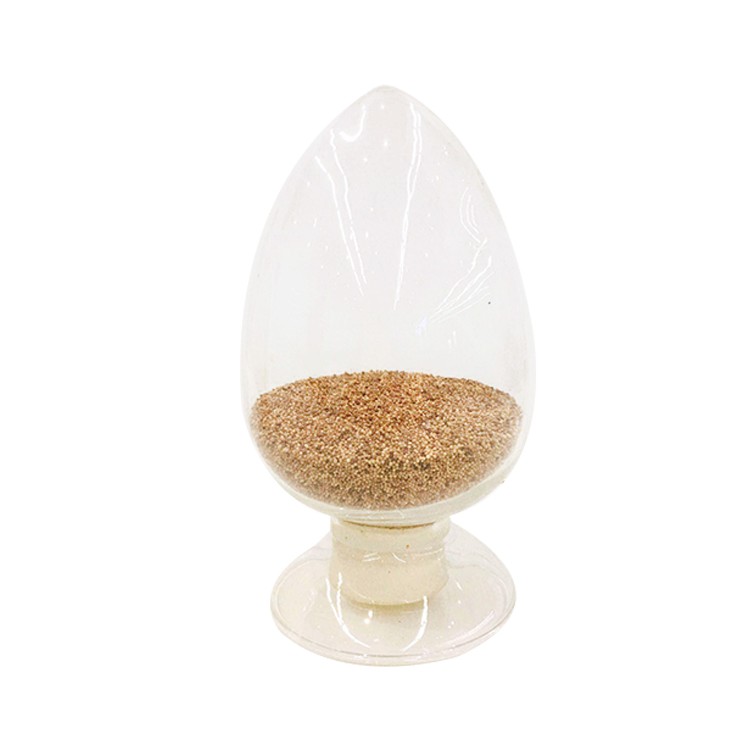
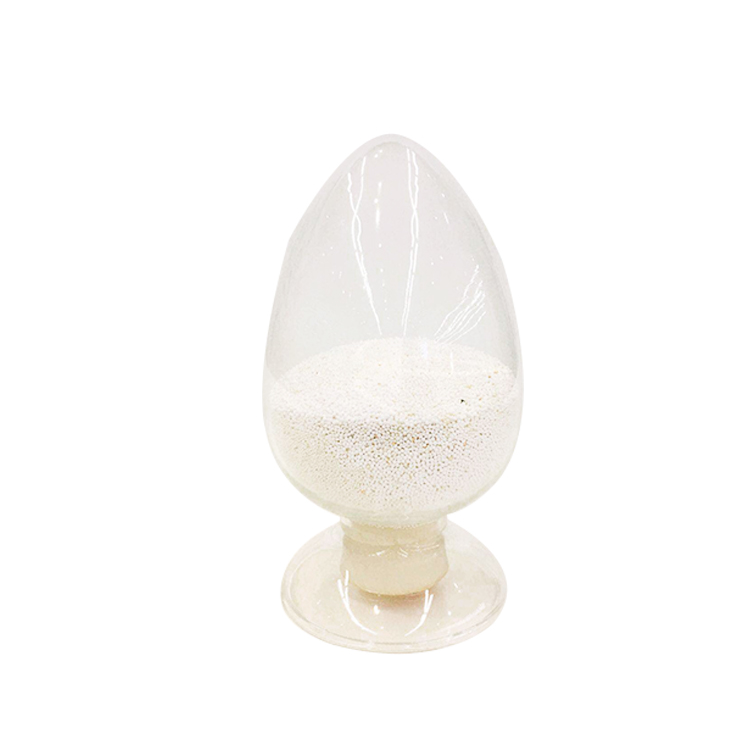
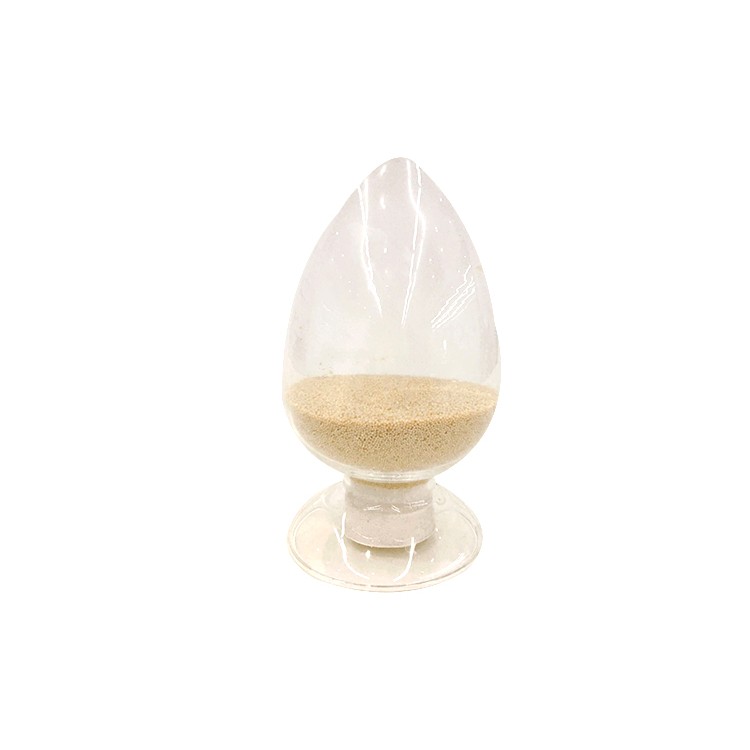
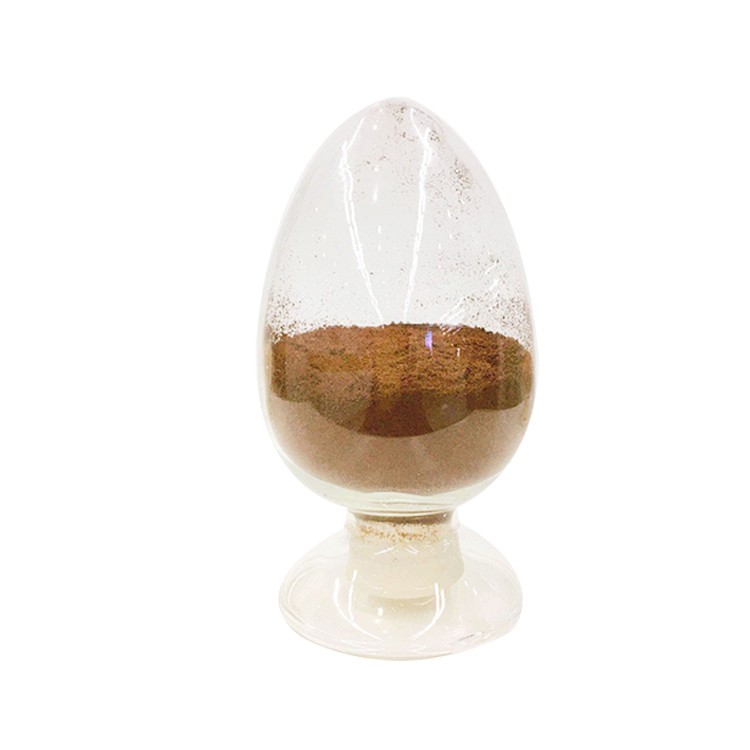
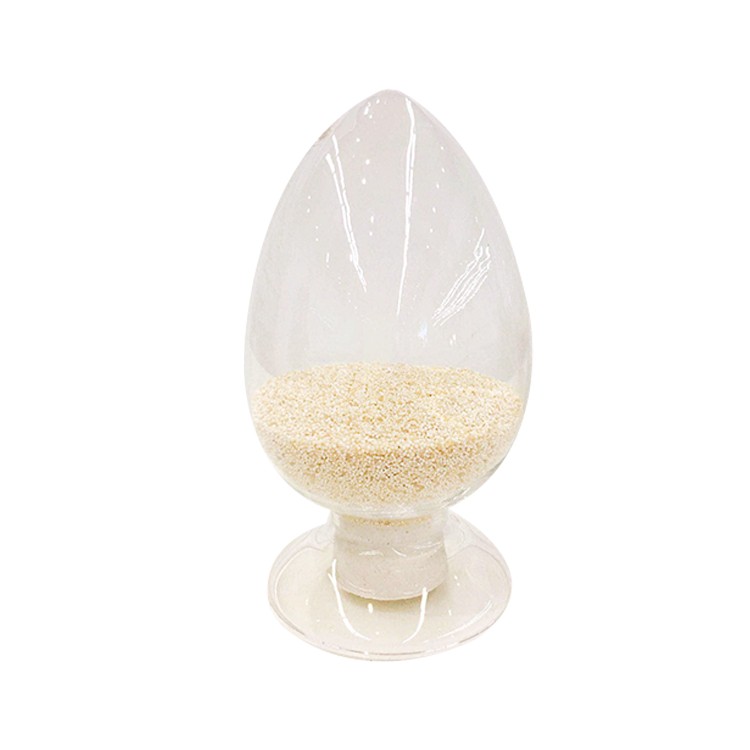






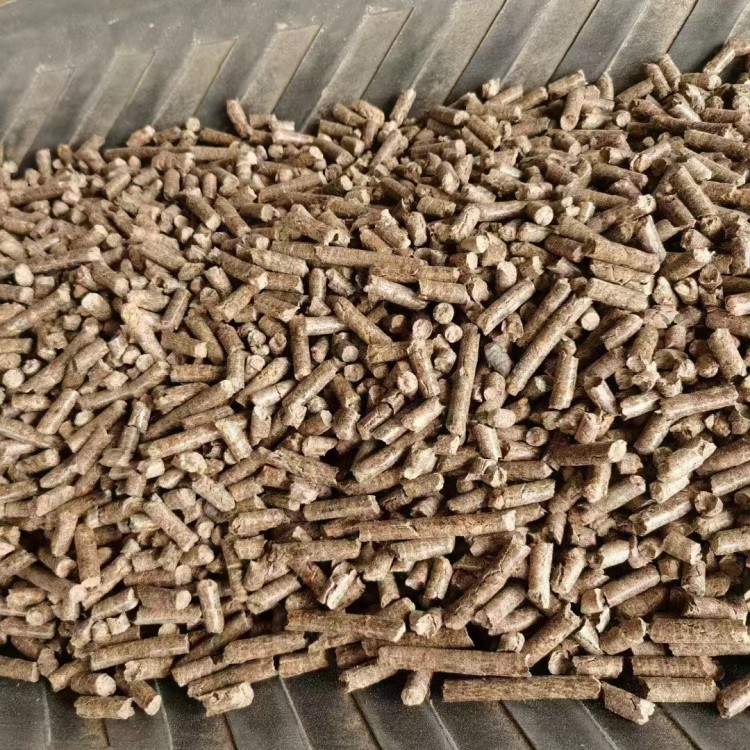
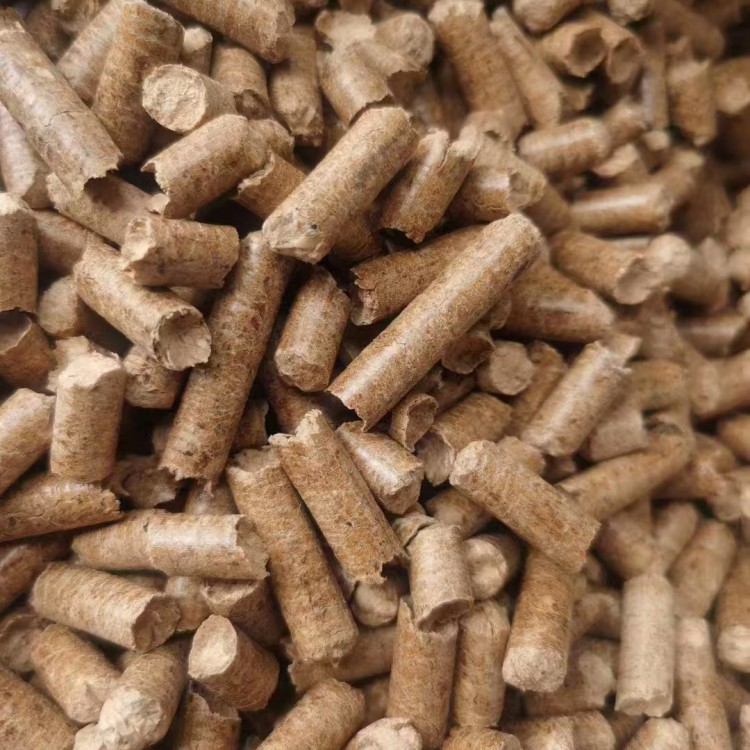
Biofuel pellets have a high calorific value, ranging approximately from 3,900 to 4,800 kcal/kg, while the calorific value after carbonization can reach up to 7,000 to 8,000 kcal/kg.
2. Biomass pellet fuel has a high purity, free of any non-heat-producing impurities. It contains 75-85% carbon, 3-6% ash, and 1-3% moisture. It does not include coal gangue, stones, or other heat-consuming but non-heat-producing impurities, which will directly reduce costs for the enterprise.
3. Biomass pellet fuel is sulfur and phosphorus-free, non-corrosive to boilers, and can extend the lifespan of boilers, greatly benefiting the enterprise.
4. Biomass pellet fuel is sulfur and phosphorus-free, so it does not produce sulfur dioxide or phosphorus pentoxide during combustion, thereby preventing acid rain formation, air pollution, and environmental contamination.
5. Biomass pellet fuel is clean and hygienic, easy to feed, reduces the labor intensity for workers, improves the working environment, and will decrease the costs associated with labor for the enterprise.
6. Biomass pellet fuel produces less ash after combustion, reducing the space needed for coal ash storage and lowering ash disposal costs.
7. The ash from the combustion of biomass pellet fuel is a high-quality, superior organic potassium fertilizer, which can be recycled for profit.
8. Biomass pellet fuel is a renewable energy gift from nature, in response to the central call for creating a conservation-oriented society.
Biomass pellets, as a new type of pellet fuel, have gained widespread recognition for their unique advantages; compared to traditional fuels, they offer not only economic benefits but also environmental benefits, fully meeting the requirements of sustainable development.
Firstly, due to its granular shape, the volume is compressed, saving storage space and making transportation easier, which also reduces transportation costs.
Next, high combustion efficiency, easy to burn completely, with minimal carbon residue. Compared to coal, it has a higher volatile content and a lower ignition point, making it easy to ignite; increased density leads to a higher energy density, significantly extending the combustion duration, and it can be directly applied to coal-fired boilers.
In addition, biomass pellets emit low levels of harmful gas components during combustion.