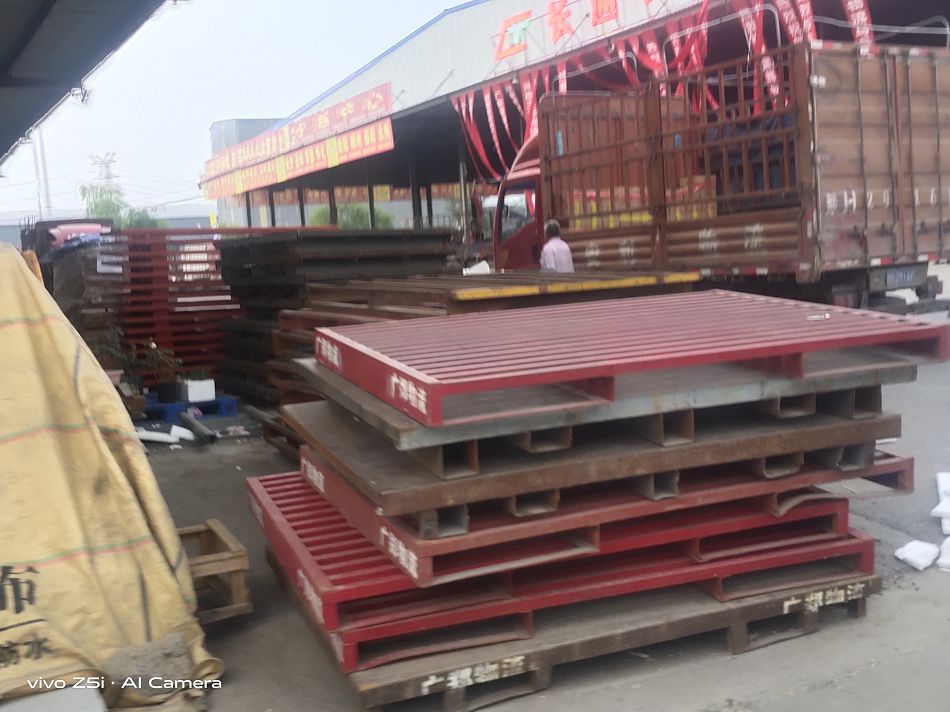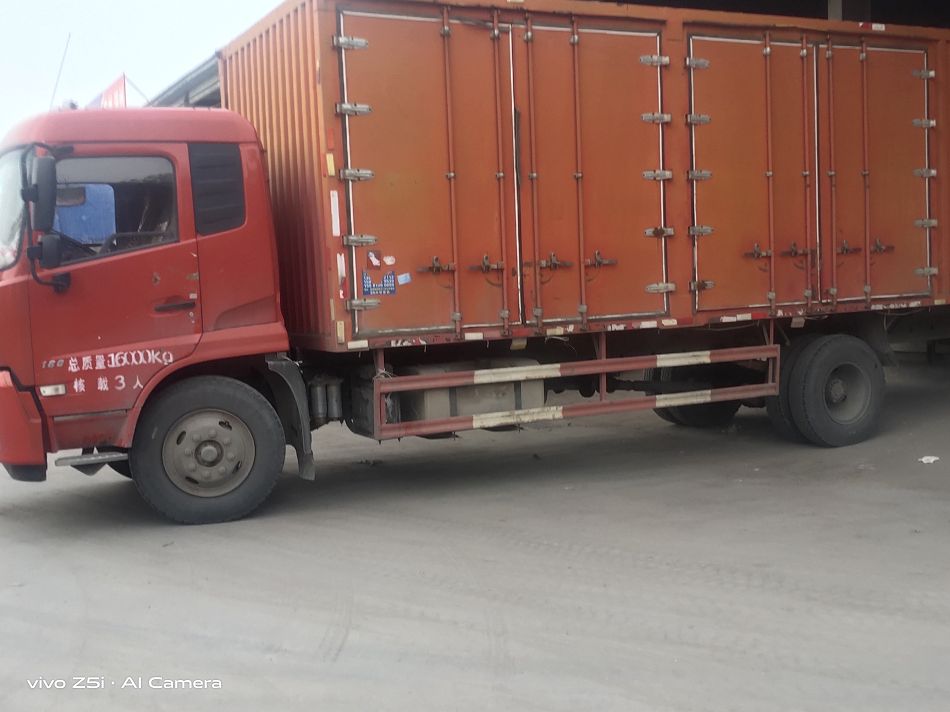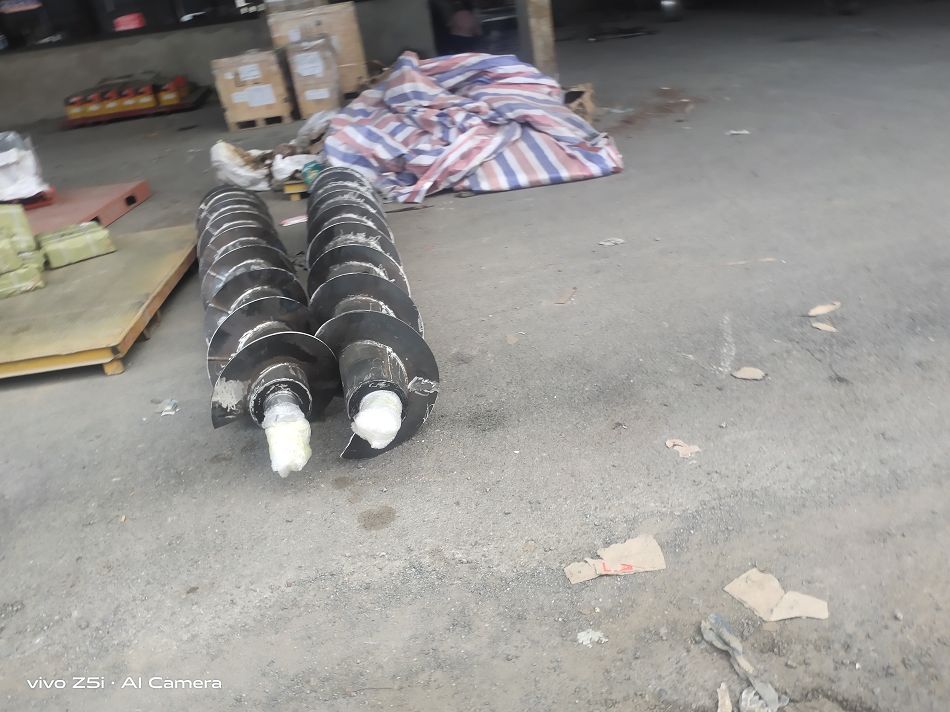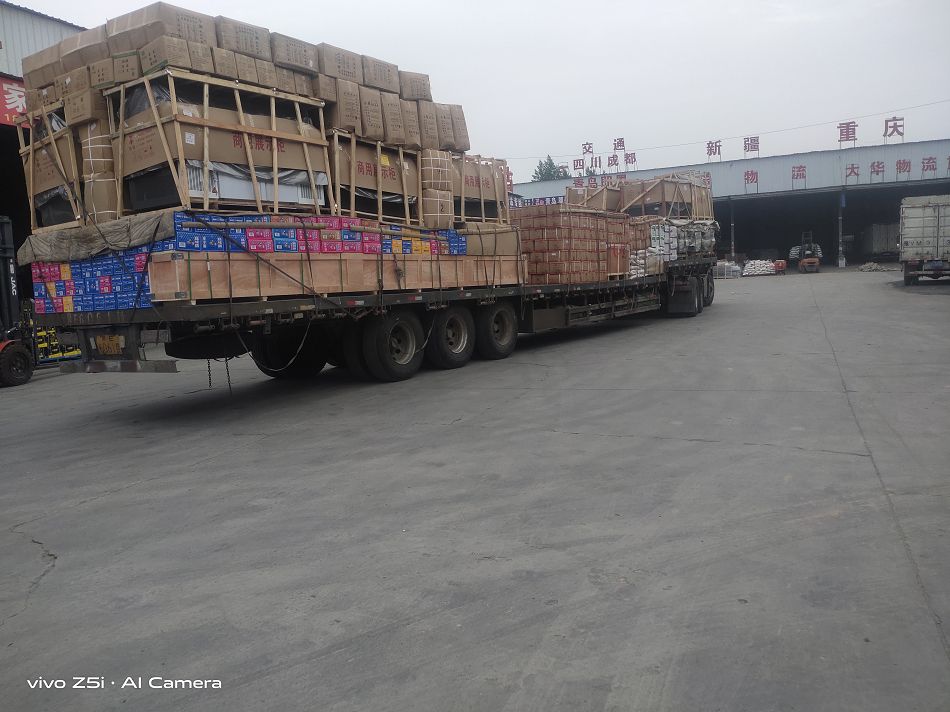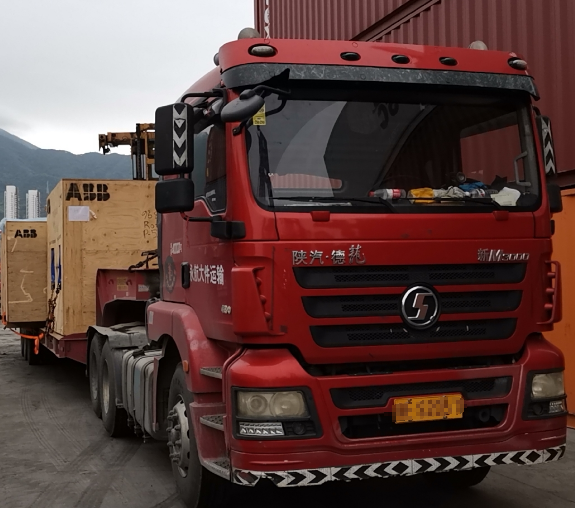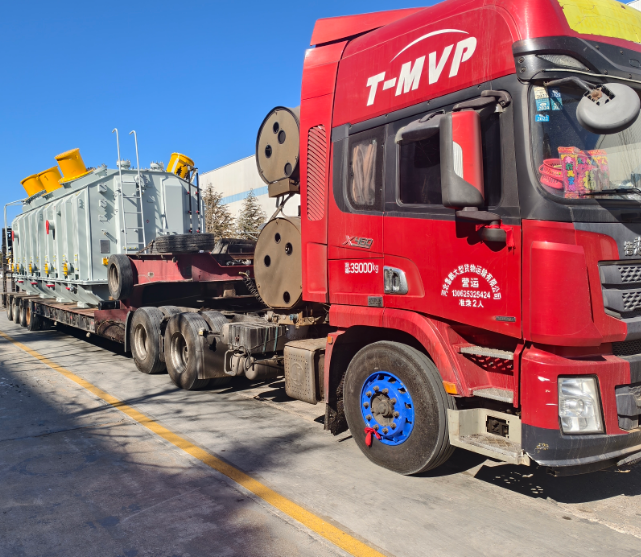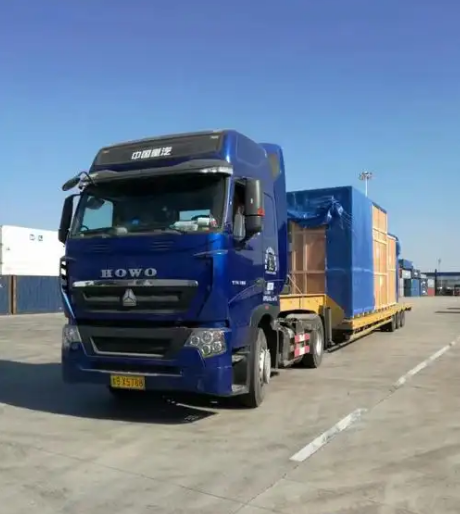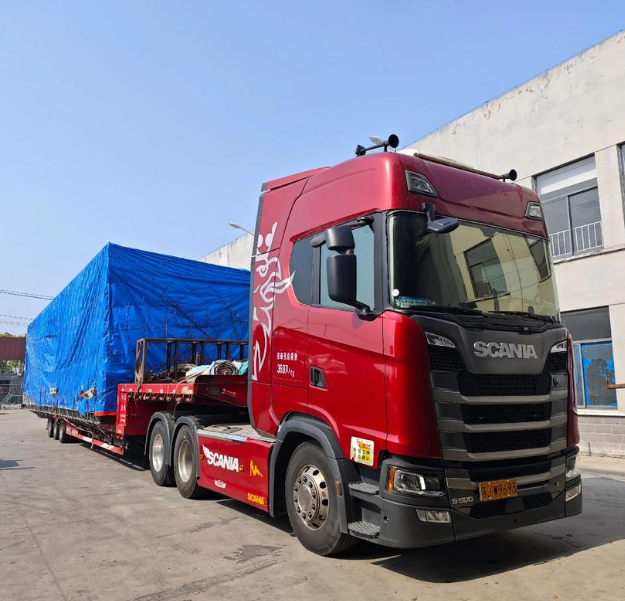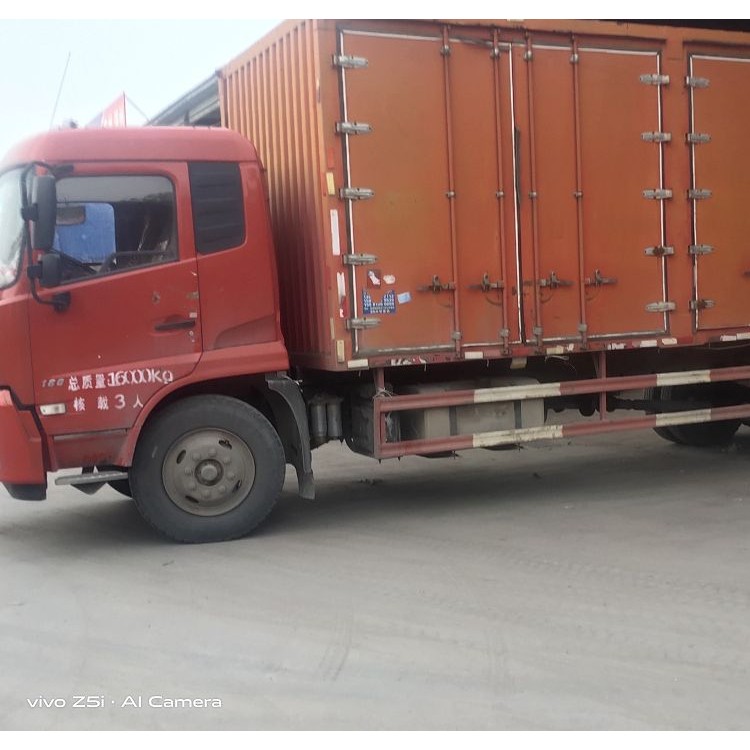

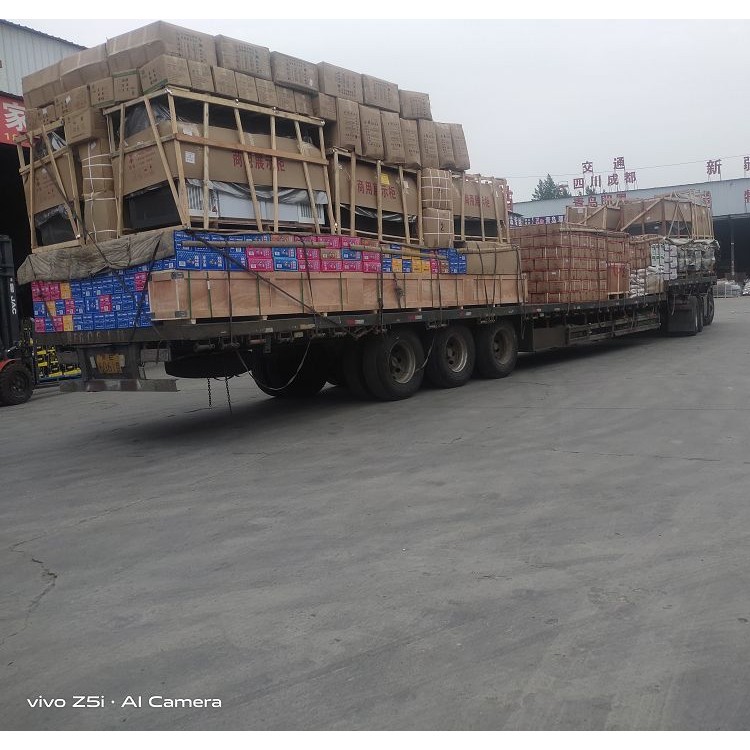


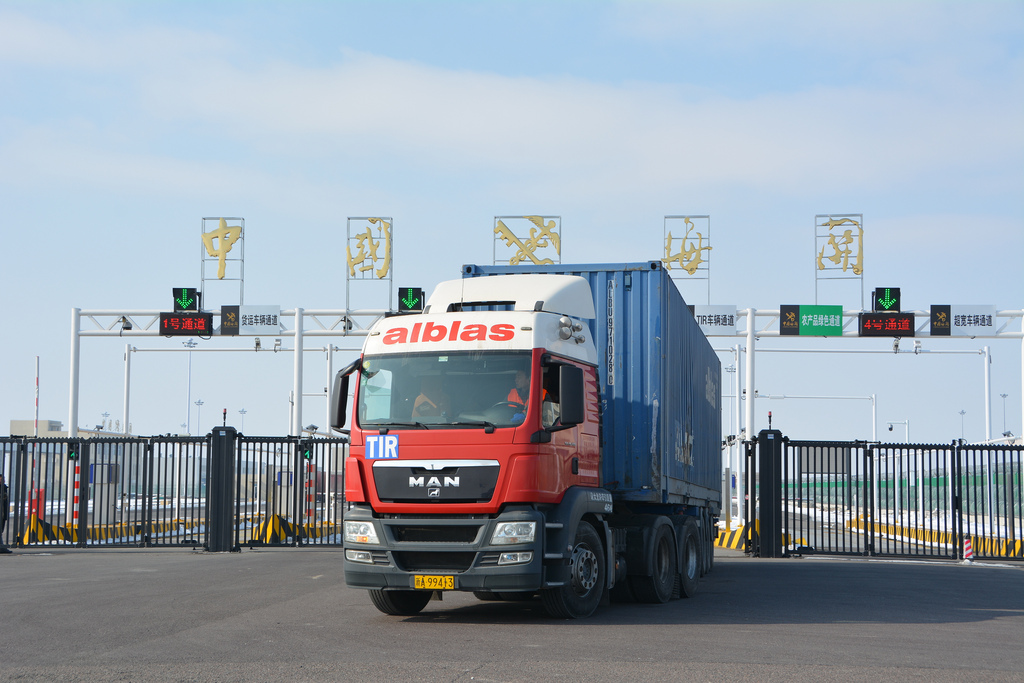
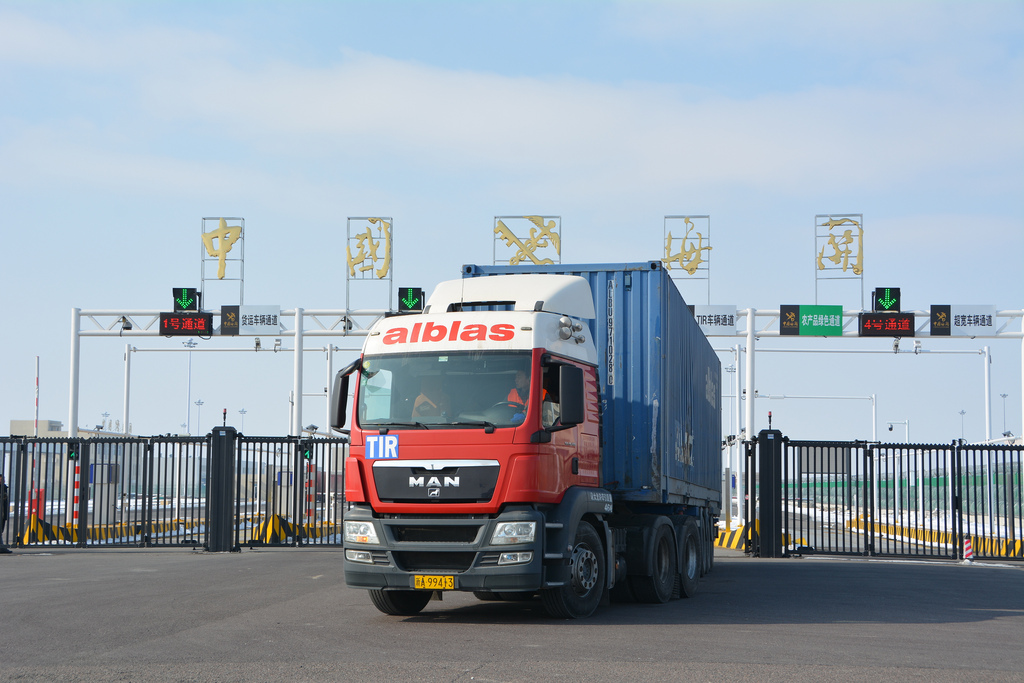

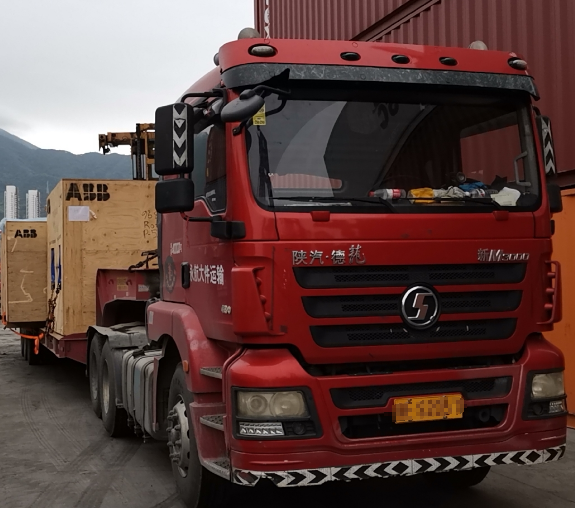







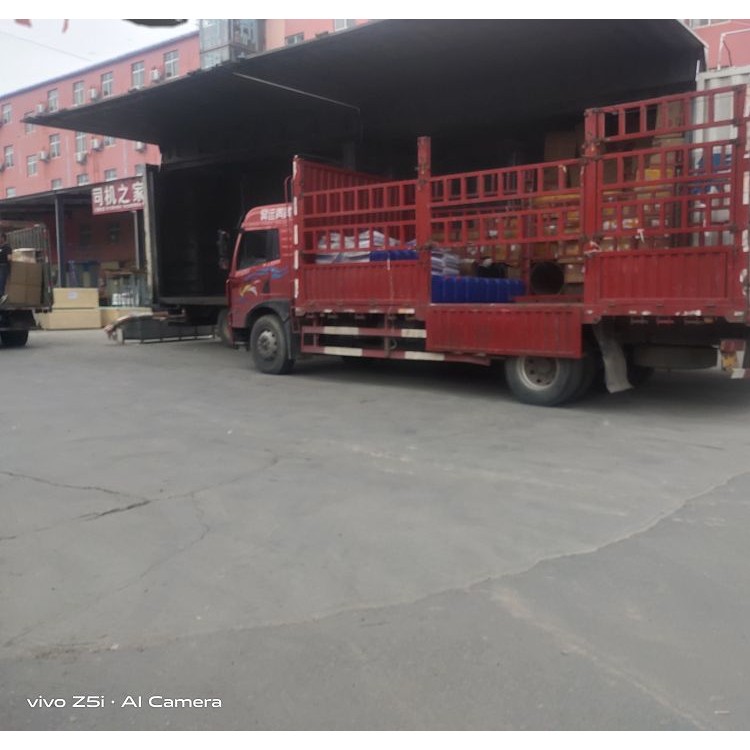
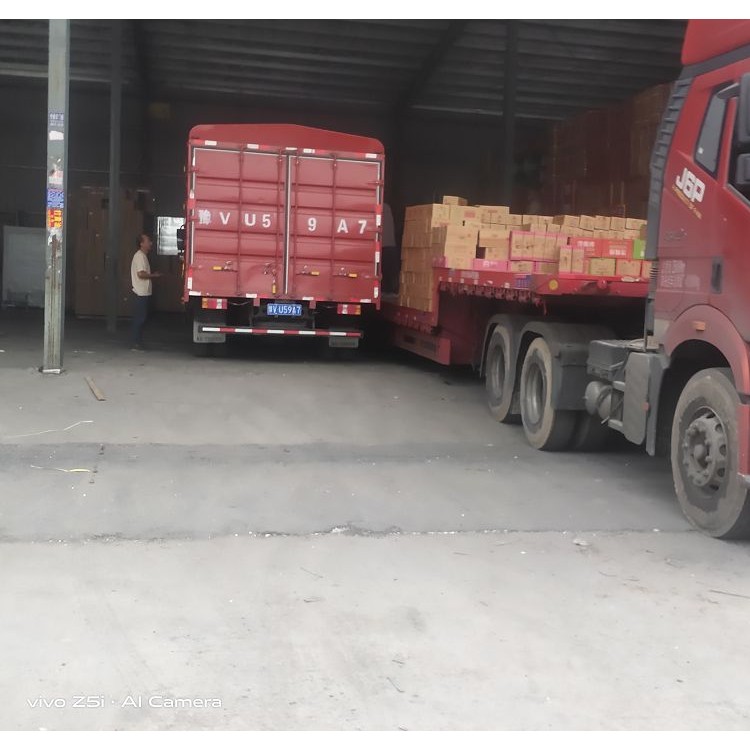
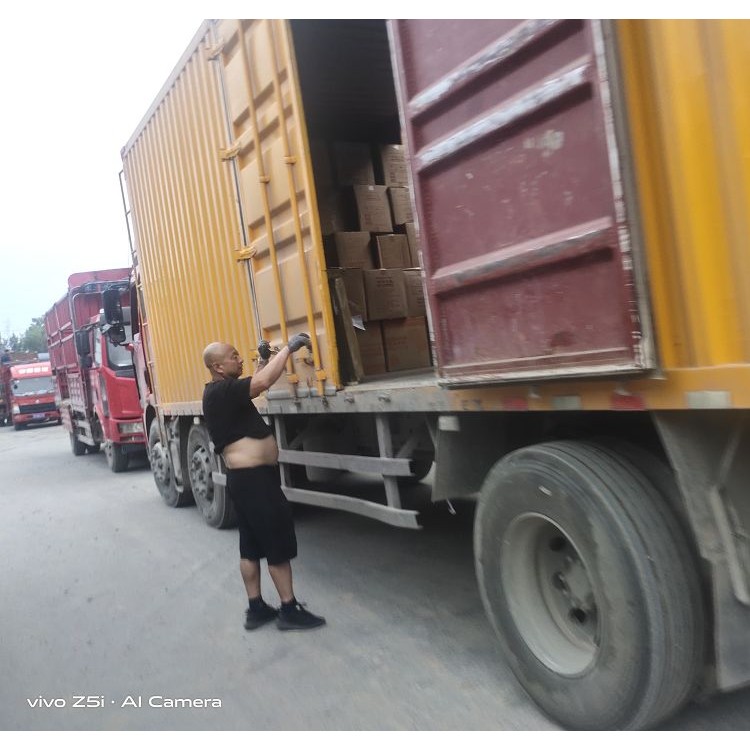
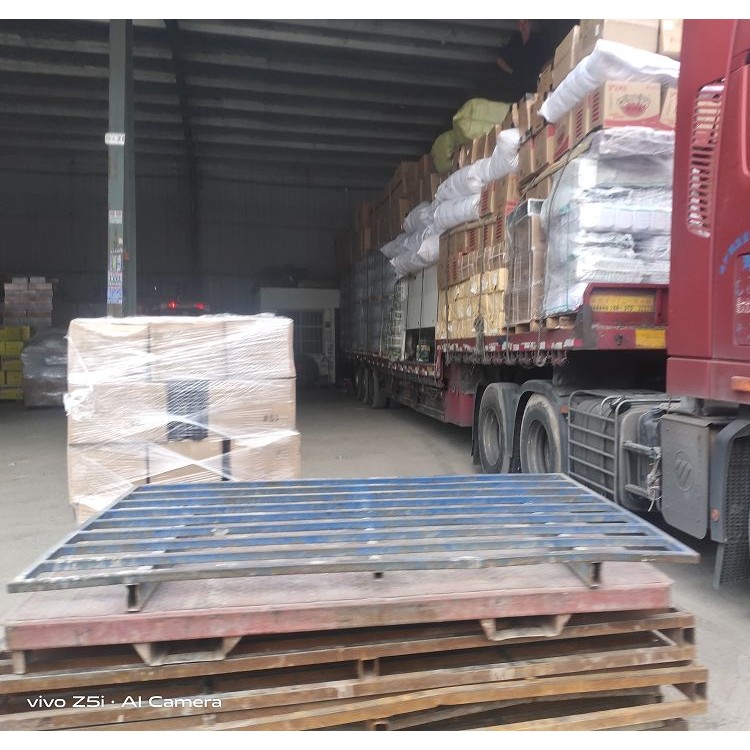
1. Handle domestic relocation, construction site relocation, and factory relocation transportation
2. Zhengzhou freight services, including long and short-haul transportation; full truckload and LTL (Less Than Truckload) services
3. Corporate and Household Relocation
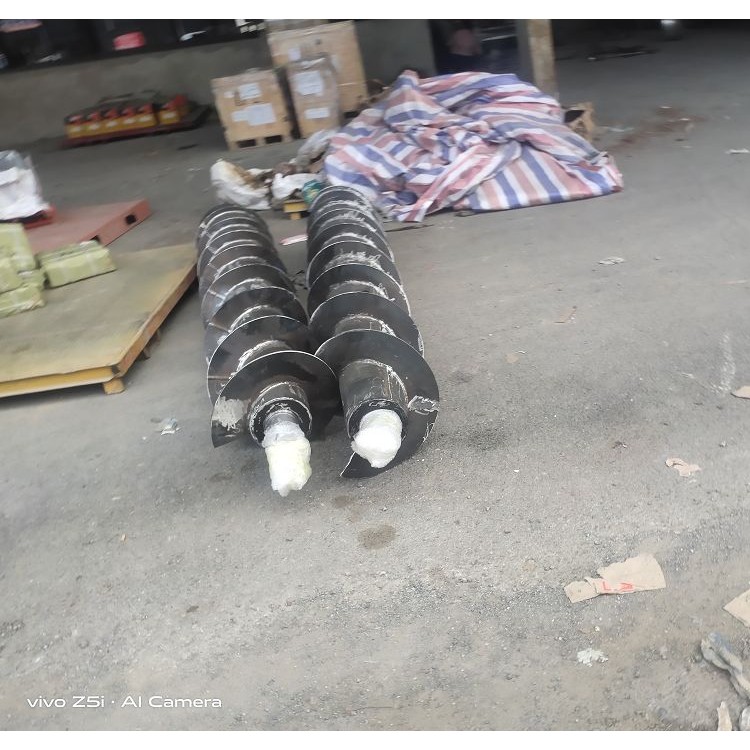
4. Long, large, bulky, and heavy cargo transportation, large machinery and equipment transportation
5. Storage, packaging, distribution, door-to-door services
6. We offer transportation services.
Xiangyun Logistics Company adheres to the service philosophy of "Carrying Trust, Facilitating Success," maintaining a spirit of innovation and a focus on quality. We strengthen our talent strategy, drive technological innovation, and build an information-based transportation network and system, delivering reliable, fast, professional, and satisfying logistics services to a wide range of clients. The company has always been committed to co-development and growth with its employees, striving for a win-win situation for both people and the company. While promoting economic development and industry standards, we work hard to create more social benefits, contributing positively to the growth of the national economy and the construction of society. Our goal is to establish Shunzhihang as a leading domestic logistics provider.
In recent years, with the rapid economic growth, logistics companies in cities above county level have sprung up like bamboo shoots after rain. Due to their convenience, speed, and affordability, they are highly favored by customers, leading to a swift development. However, logistics companies often encounter situations of lost or damaged goods during shipment. Disputes over the amount of loss and compensation frequently arise between logistics companies and customers. Therefore, it is necessary to study the relevant legal issues in logistics shipments.
I. Nature and Types of Logistics Contracts
The logistics contract primarily includes motor transportation logistics contracts, logistics contracts, and railway logistics contracts. This author analyzes the frequent motor transportation logistics. Motor transportation logistics contracts encompass both written and oral agreements. Written contracts are further categorized into verbal agreements and standardized contracts. In nature, logistics contracts are transportation contracts, primarily governed by Article 304, 311, and 312 of the Contract Law. Oral contracts are used for transporting smaller, urgent items with passenger vehicles, where the consignor typically pays the freight, noting only the vehicle number and driver's code, and the arrival of the vehicle. No contract is required. It is simple and convenient. Written contracts are signed between logistics companies and clients.
II. Determination of Loss Amount and Compensation
The issue of the amount of loss for the goods shipped by the customer is a challenge after a dispute arises, as oral contracts and simple waybills fail to specify the quantity and value of the items shipped by the customer. The description of the goods should be as clear and detailed as possible, including the names, brands, models, and values of the shipped items. If the goods are merely described in a general manner as consumables, machinery, or equipment, it is difficult to determine the amount of loss. To further ascertain the amount of loss, it is necessary to keep the purchase receipts and contracts signed between parties.
III. Determination of Compensation Amount and Remedies
The amount of loss has been confirmed, but the compensation amount cannot be fully determined yet. This is because there are many details to be considered in the bill of lading, and failing to read it carefully may result in incomplete compensation for the losses incurred. The bill of lading usually includes a valuation clause, which is the insurance value section. If the valuation clause is filled out, there may be additional shipping costs, but if the goods are lost or damaged, the logistics company will compensate based on the declared value. If it is not filled out, compensation will be made according to the terms listed on the bill of lading, which is typically several times the shipping cost. If the valuation clause on the bill of lading is left blank, the specific compensation method will depend on the case and individual circumstances. If the shipper knows the difference between insurance and no insurance after being informed by the carrier, compensation can be made without insurance. Conversely, unless the carrier can prove that the shipper was informed of the importance of insurance, compensation must be made according to the valuation.
The insurance clause is essentially a standard form contract, where the party drafting the form contract is obligated to draw attention to and explain it. According to Article 6 of the newly promulgated "Interpretation Two of the Contract Law": Where one party to a standard form clause in the contract exempts or mitigates its liability, and uses words, symbols, fonts, or other distinctive marks that are sufficient to attract attention at the time of contract formation, and explains the standard form clause in accordance with the requirements, it shall be deemed to have "acted reasonably" as per Article 39 of the Contract Law. The party drafting the standard form clause bears the burden of proof for having fulfilled the obligation of reasonable notice and explanation. For example, clauses such as insurance and compensation for goods damage can be highlighted using different fonts, sizes, or colors from other clauses, printed in a more prominent position, so that it can be easily known at a glance, indicating that the carrier has fulfilled its duty of attention.