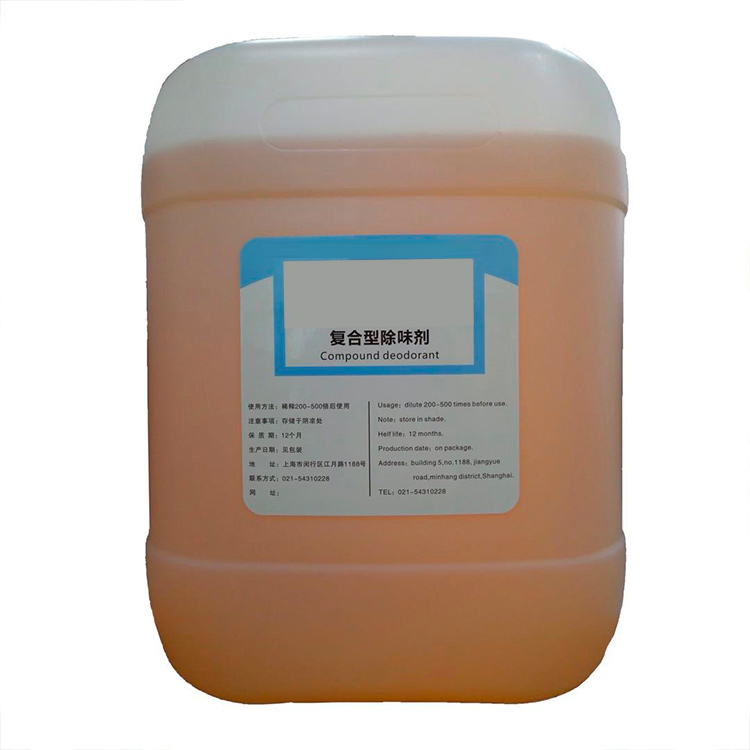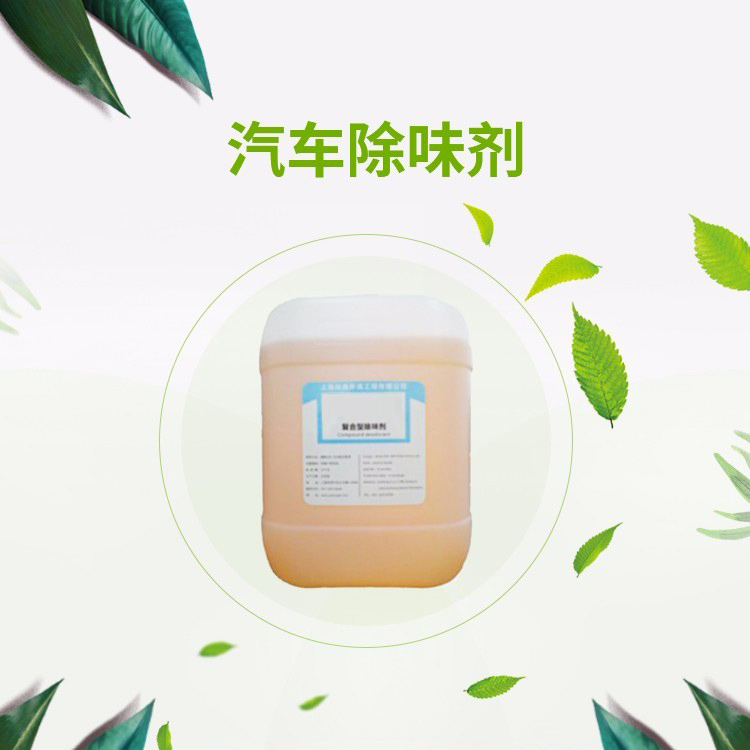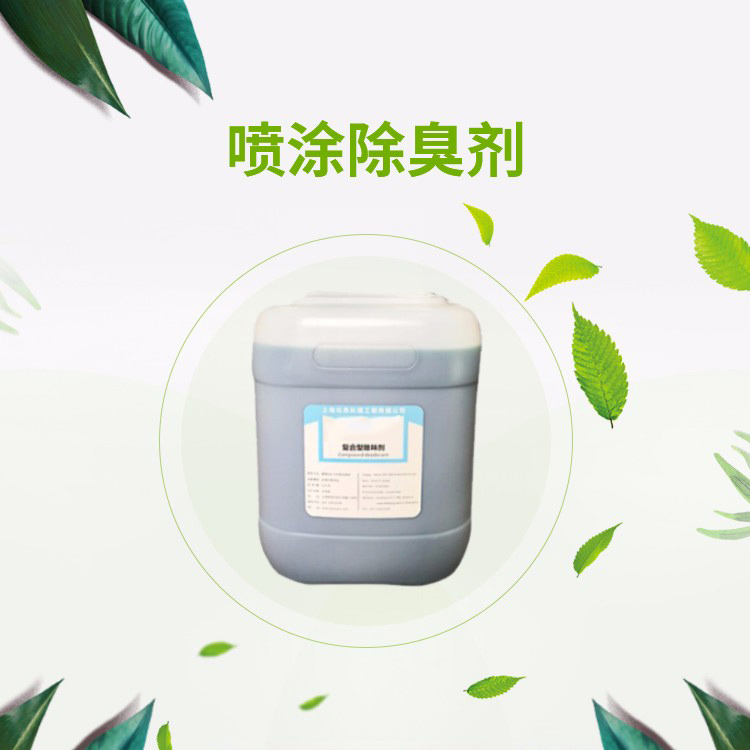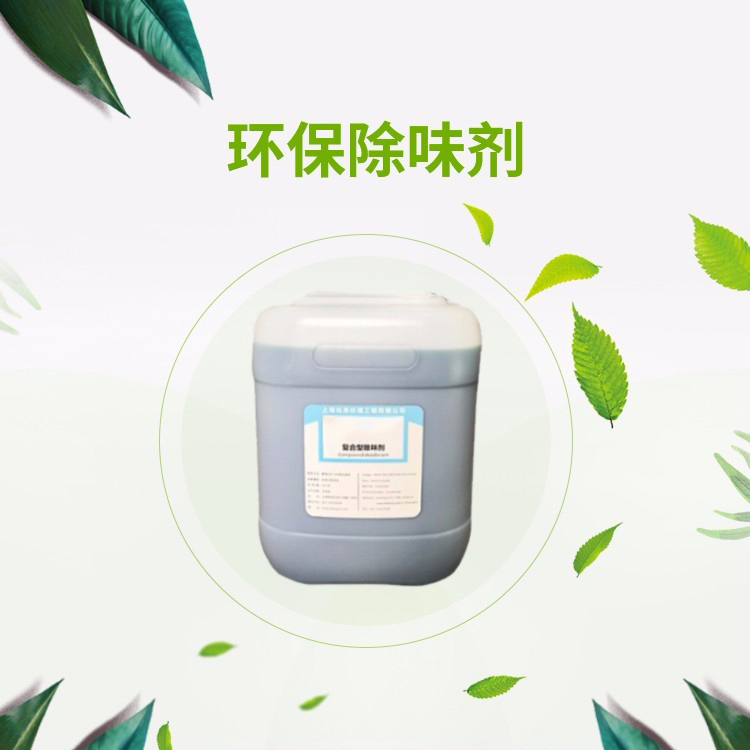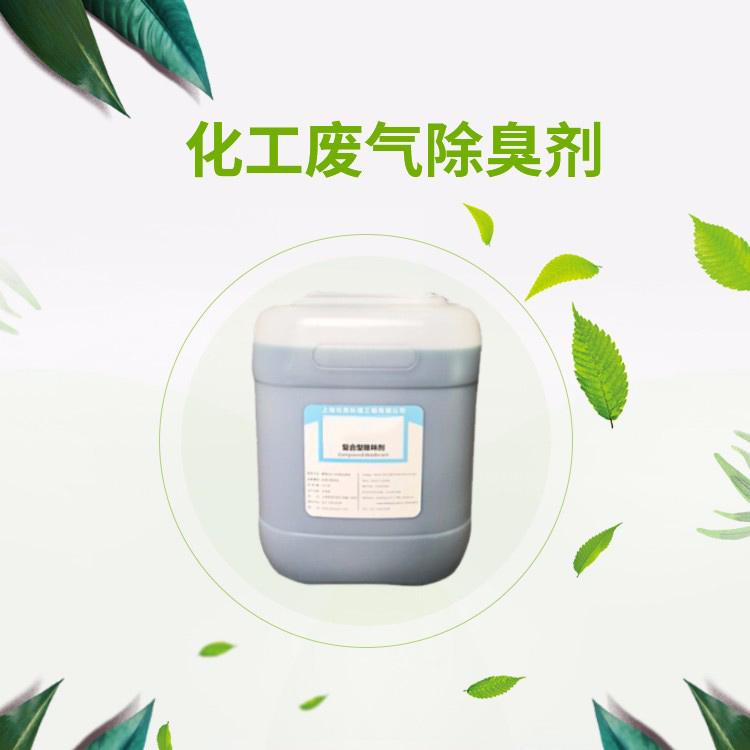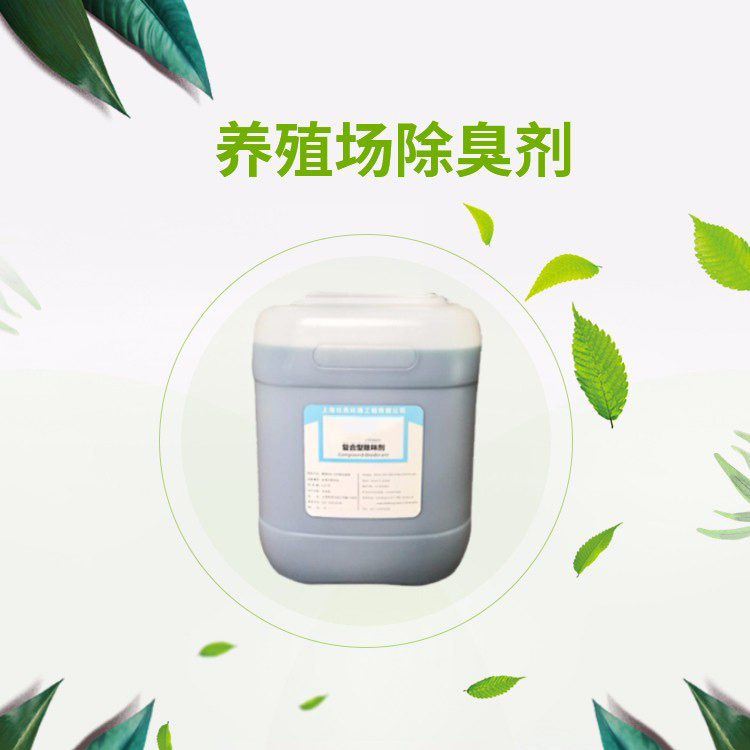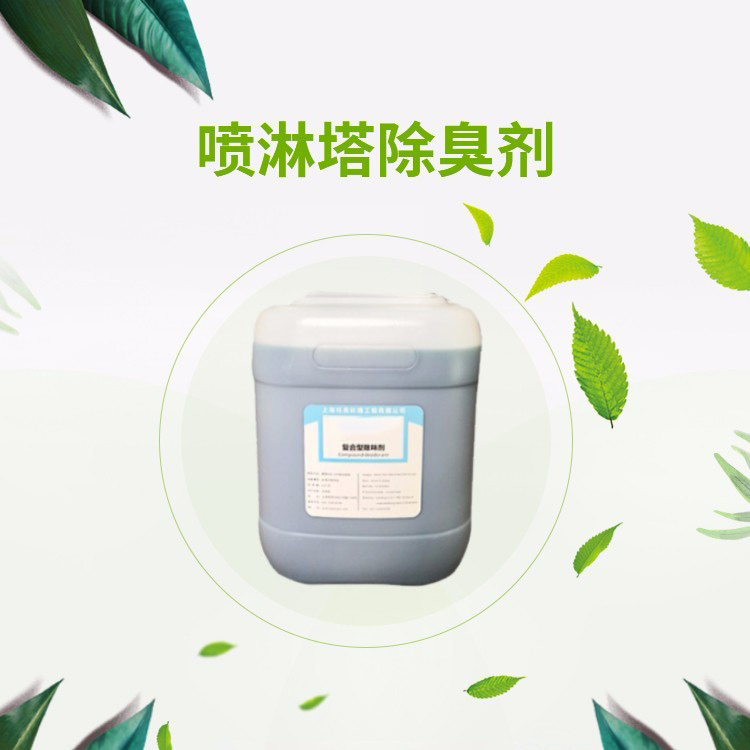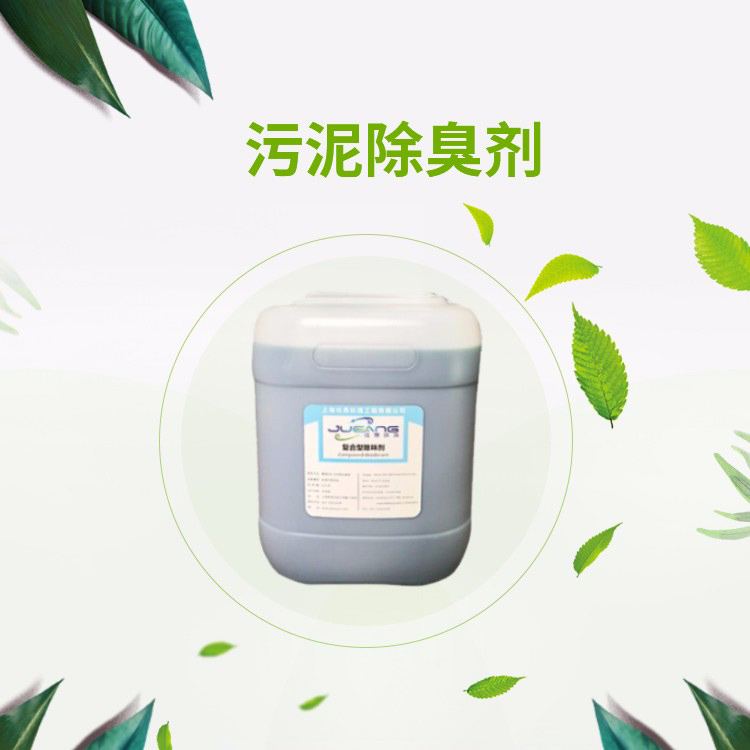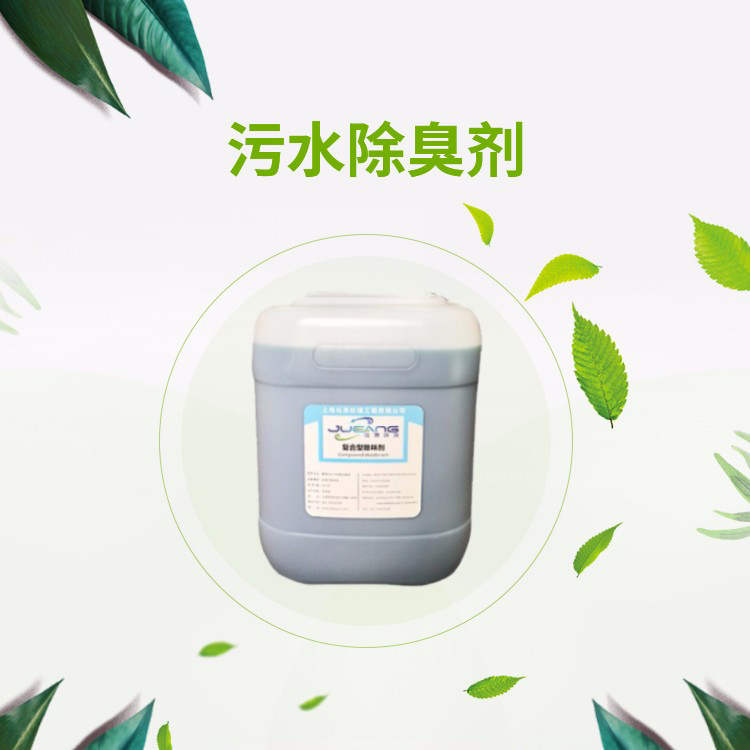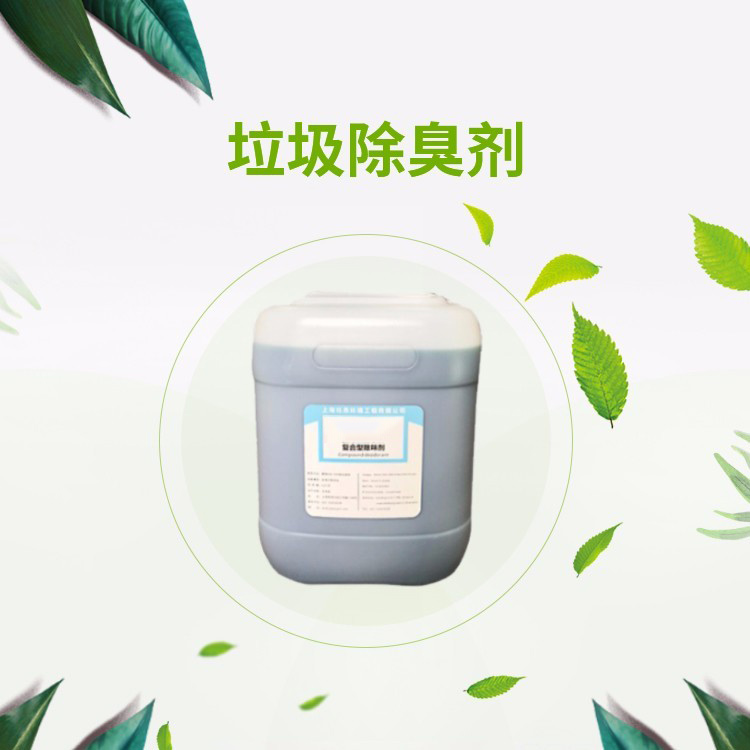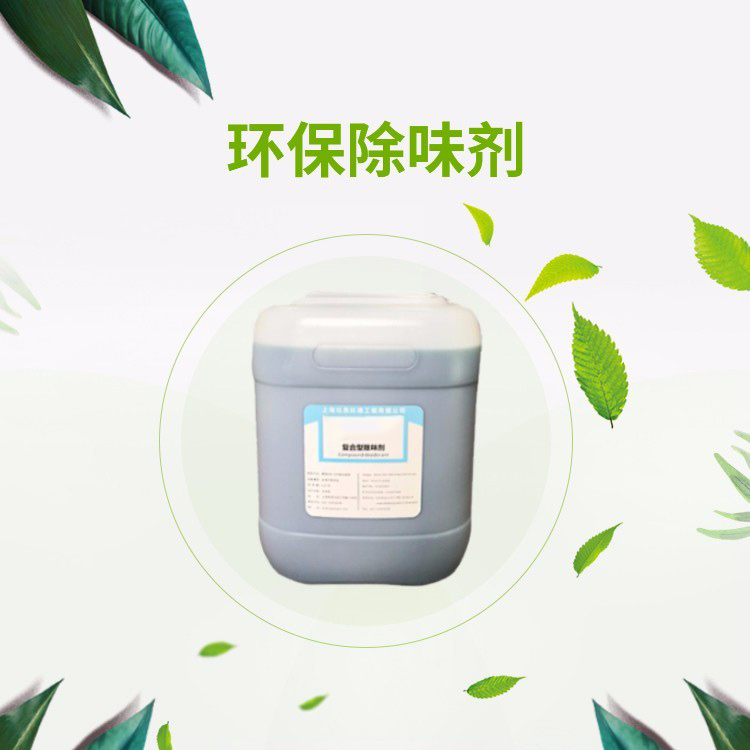


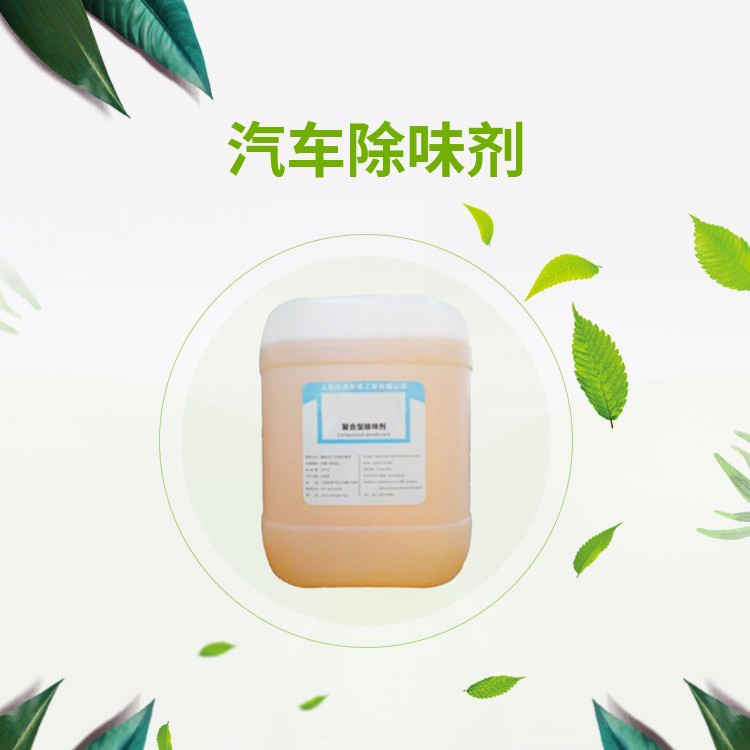
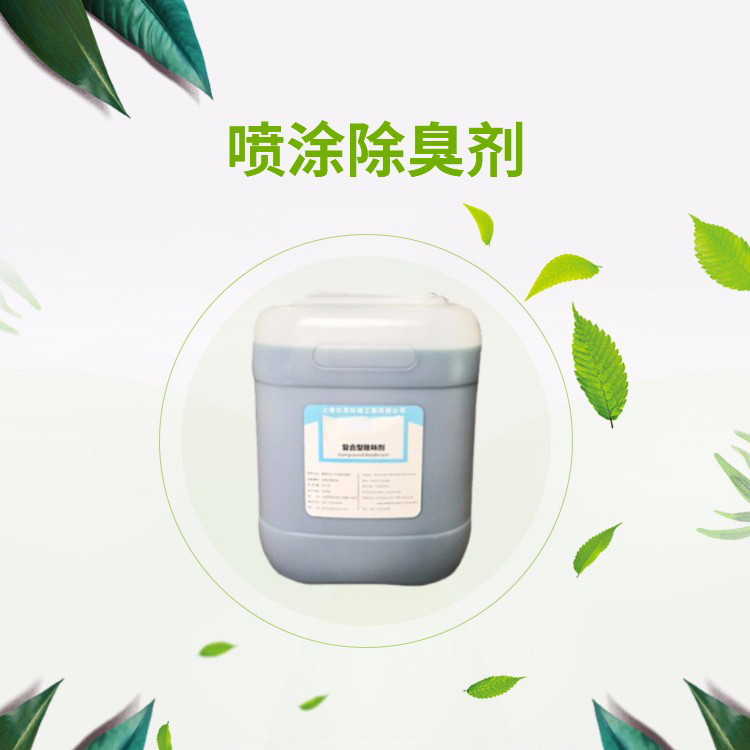
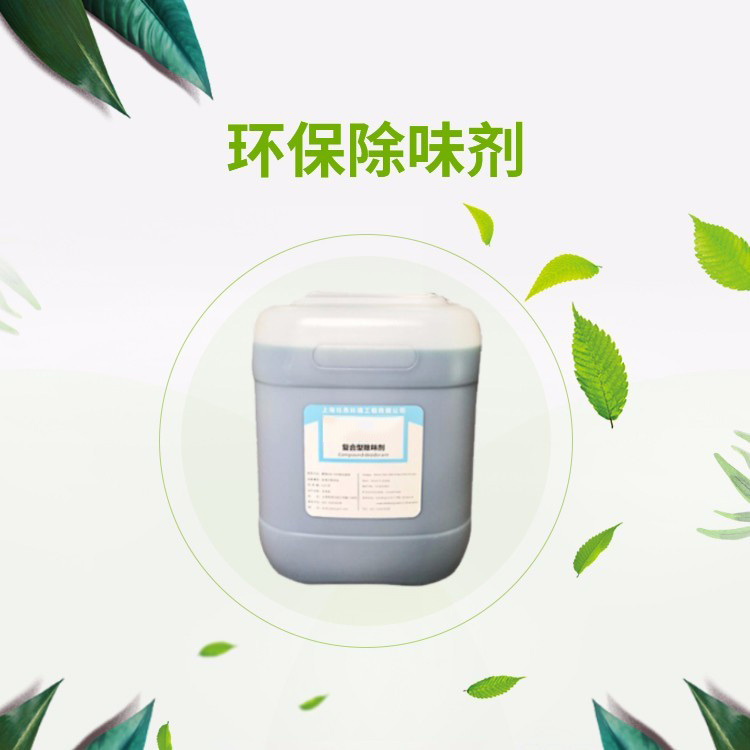
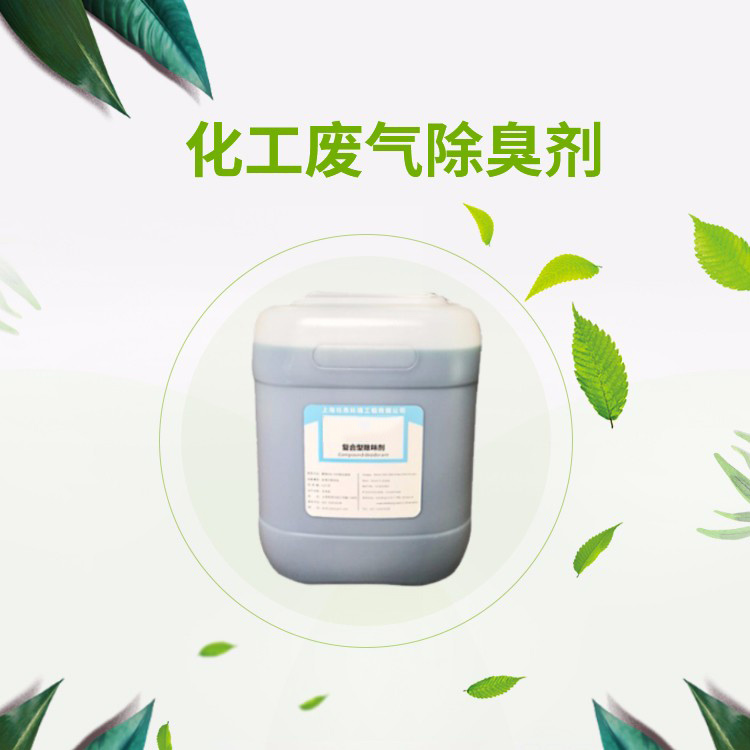





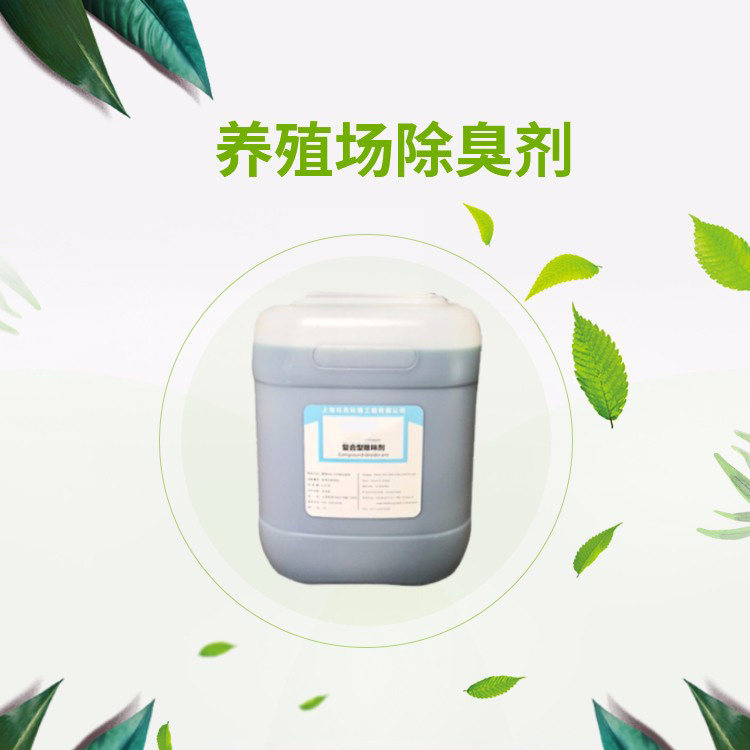
Food factories are places where food is processed. These facilities have high sanitation requirements since food is something we consume daily. Proper odor control in food processing areas is crucial. Foods naturally contain protein substances that can spoil and smell if not cleaned promptly. Therefore, the workshop, sewers, and wastewater stations can easily produce odors. A biological deodorant specifically for food factories is needed to address this issue. This product contains probiotics with odor-decomposing properties and also has sterilization and disinfection functions. By spraying the workshop a few times, odor problems can be effectively controlled.
Bio-based Odor Eliminator for Food Factory
I. Product Overview
Microbial deodorizer, following the principles of microecological engineering and drawing on advanced compound microbial technology, is produced through microecological engineering techniques and modern biotechnology. It consists of a variety of beneficial microbes with different properties, forming a new type of biological deodorizer. This deodorizer effectively removes unpleasant odors, achieving a removal rate of ammonia odor of over 92.6% and a degradation rate of odor concentration up to 90%. It also has a degradation rate of over 89% and a sterilization rate of 98% against three pathogens in chicken farm odors, and a degradation rate of 90% for the odor concentration in garbage sites. It significantly reduces the content of COD and ammonia nitrogen in wastewater, enhancing the purification speed and capacity of wastewater. It is non-toxic and has no adverse effects on humans and animals, and does not produce any pollution to the environment.
Offensive odors are emitted from substances like mercaptans, thioethers, phenols, cresols, indoles, fatty acids, ketones, ammonia, and amines contained in waste, feces, and sewage. These substances are exactly what certain microorganisms use as a nutrient source. After absorbing these substances, the microorganisms break them down and convert them into odorless materials through their own physical and chemical processes.
Microbial deodorizers contain various strains with strong decomposition capabilities, forming a symbiotic relationship among them, creating a functional community. Beneficial microorganisms effectively inhibit the decay decomposition of putrefactive bacteria, shifting it towards fermentation decomposition. The produced organic acids can degrade, absorb, and fix N and S oxides.
1. Beneficial microorganisms decompose and digest malodorous substances through their reproductive process, utilizing them as their own nutrient source.
2. Fog spraying, by utilizing beneficial microorganisms and the various active factors they produce, gradually consumes and decomposes the odor source substances, thereby achieving the goal of purifying the space environment.
3. Upon entering the work environment, microorganisms compete with harmful ones for nutrients necessary for survival, thereby inhibiting the reproduction of harmful microorganisms. They can also suppress the malodorous fermentation of anaerobic bacteria through their metabolic byproducts.
Section 2: Dosage and Usage
Odor Control for Waste Transfer Stations
0.1 kg of deodorizer per cubic meter of waste, diluted 10 times and sprayed onto the waste. Spraying is required each time new waste is delivered.
2. Odor Control for Waste Leachate
Apply the leachate collected from the leachate collection pond, diluted 10 times, and spray (pour) it into the pond. Spraying is required 3 to 4 times within 7 days, and then once every 3 to 5 days thereafter.
3. Odor Control in Landfills
Prior to standard processing, conduct a one-time intensive deodorization treatment on the existing waste in the landfill, using a 5x deodorant dilution solution for spraying, twice to thrice a week; deodorization of the working surface (exposed waste area): dilute the deodorant 100 times, spray on the landfill working surface and leachate flow paths, and dilute the deodorant 20-30 times, spraying once or twice daily.
4. Odor Control for Eutrophic Sewage Waste
Small rivers, lakes, ponds, ditches, and scenic water bodies, depending on water quality, apply deodorizers at a certain concentration uniformly. The dosage of bacterial agents per ton of water is between 0.01 to 0.05 kg, and treat continuously for three times within 7 days. After three treatments, when the water quality significantly improves, treat once every 10 to 15 days.
5. Livestock Farm Odor Control
① Livestock pen deodorization
Dilute the deodorizer 20-30 times and spray it evenly over all areas of the pen (including the ground, corners, cages, urine and feces troughs, etc.) using a sprayer. Spray once every 2 days initially, and after 2-3 consecutive sprays, once every 7-10 days once the odor subsides.
② Septic Odor Control
Based on the existing waste capacity of the septic tank, dilute the deodorizer at a ratio of one part per thousand (add 1 kg per cubic meter) and spray it evenly into the tank after tenfold dilution. After a continuous spray three times a day, proceed to spray once every 5 to 7 days thereafter.
6. Organic Sewage Odor Removal
Odor control treatment for organic wastewater in the meat processing, food processing, and leather processing industries. Add 0.1 kg of deodorizer per ton of wastewater, diluted 10 times, for spraying or uniform addition at the wastewater outlet. Odor should be significantly reduced within 5 to 7 days, with a marked improvement in water quality. Sludge sedimentation is reduced, particularly the fat content, which is beneficial for sludge collection, transportation, and disposal.
7. Toilet and Sewage Odor Control
Dilute this product 5 to 10 times and then directly spray it onto the ground or inside the toilet bowl of public restrooms, or pour it into the flush toilet and drainage.
Section 3: Application Fields
Suitable for household waste, waste treatment sites (transfer stations, landfills, incinerators, composting plants), wastewater treatment plants, fecal treatment stations, public toilets, large and medium-sized farms, slaughterhouses, food processing plants, starch factories, leather processing plants, wastewater ponds, scenic water bodies, polluted rivers and lakes, factories prone to producing odors and unpleasant smells, residential areas, etc.
4. Cautionary Notes
Store in a cool, dark place, sealed. Maintain a temperature of 5℃ to 40℃.
2. Continuously add bio-odor control agents as the volume of waste and wastewater increases, and aim for even application; do not pour directly.
3. If there is a small amount of white fungal film or light yellow precipitate on the liquid surface, shake well and it can be continued to be used.
4. Microbial deodorizers can be used in conjunction with certain chemical agents, but not simultaneously with disinfectants.
5. This product is a concentrate, with a usage ratio of 20 to 30 times.
6. Odor control methods and techniques may need to be adjusted due to climate, collection methods, and seasons. Therefore, on-site planning and design should be carried out prior to processing to ensure satisfactory results.
V. Packaging and Storage
This product is packaged in 10kg or 25kg plastic drums, stored in a cool, dark place.