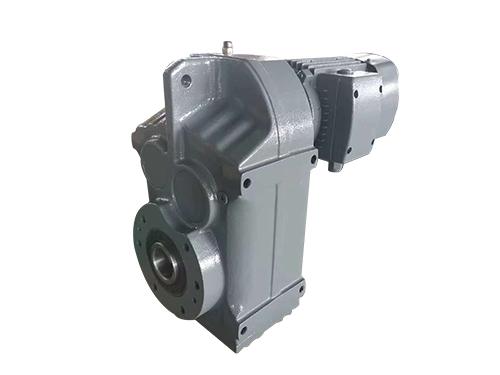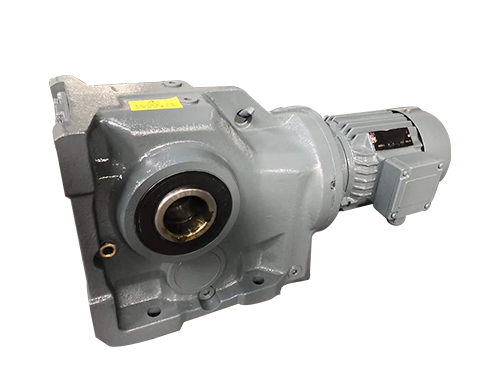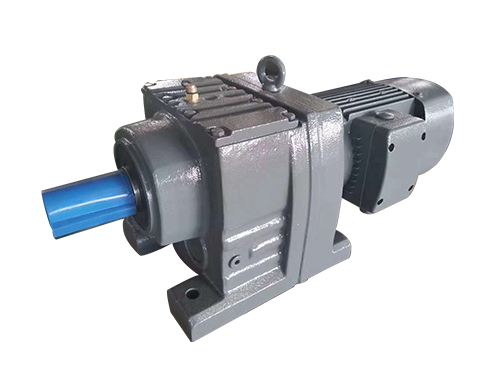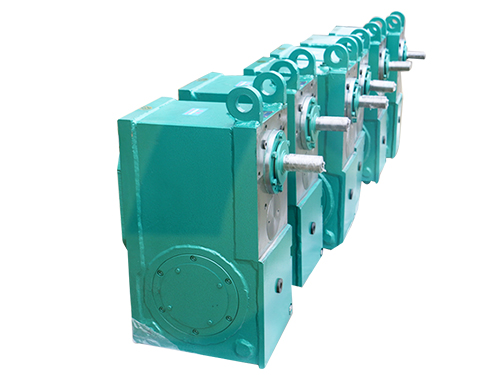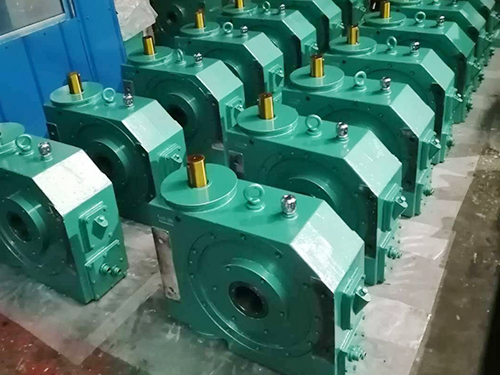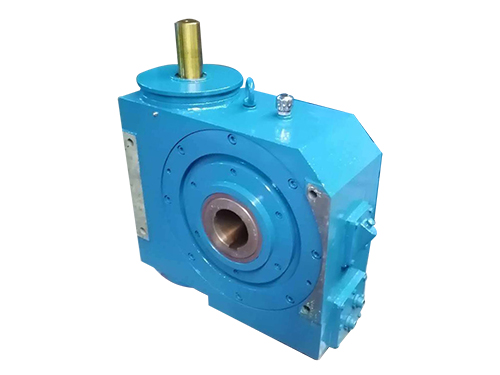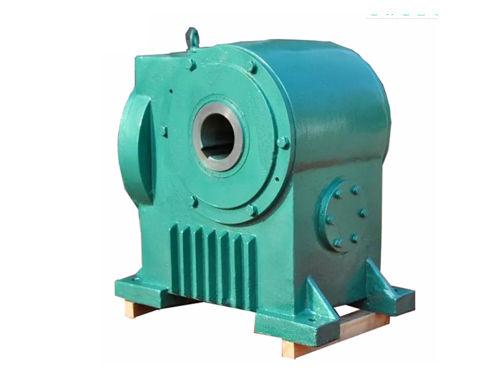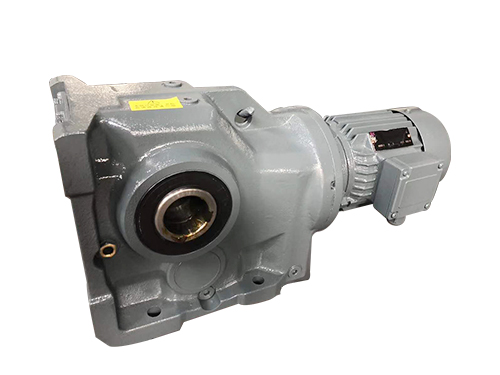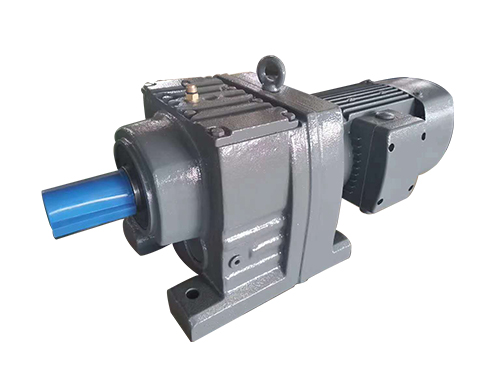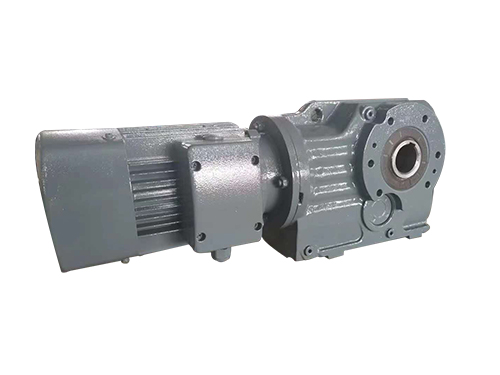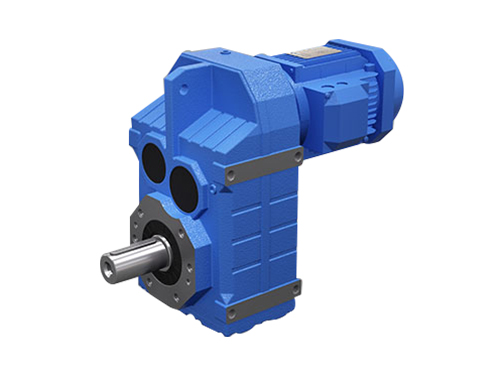

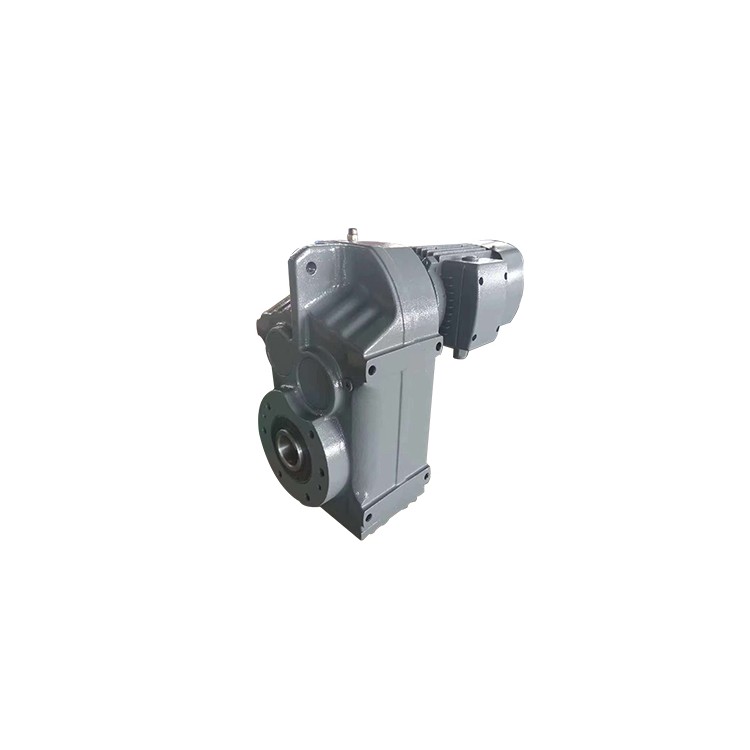

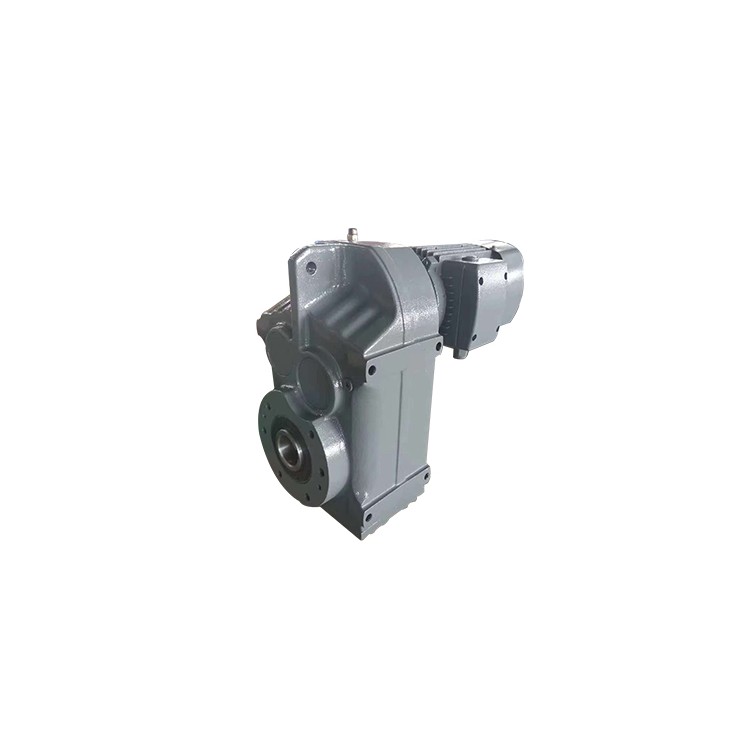
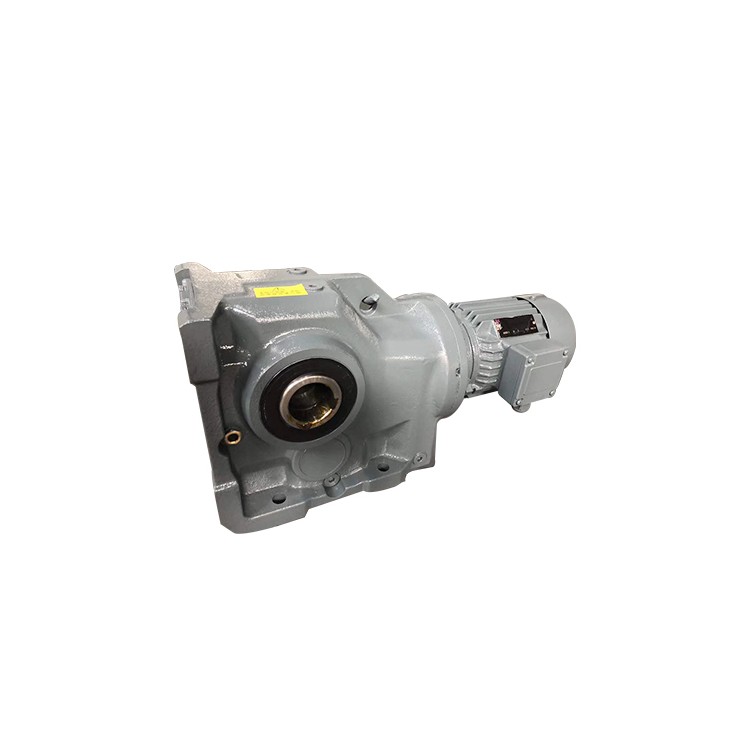
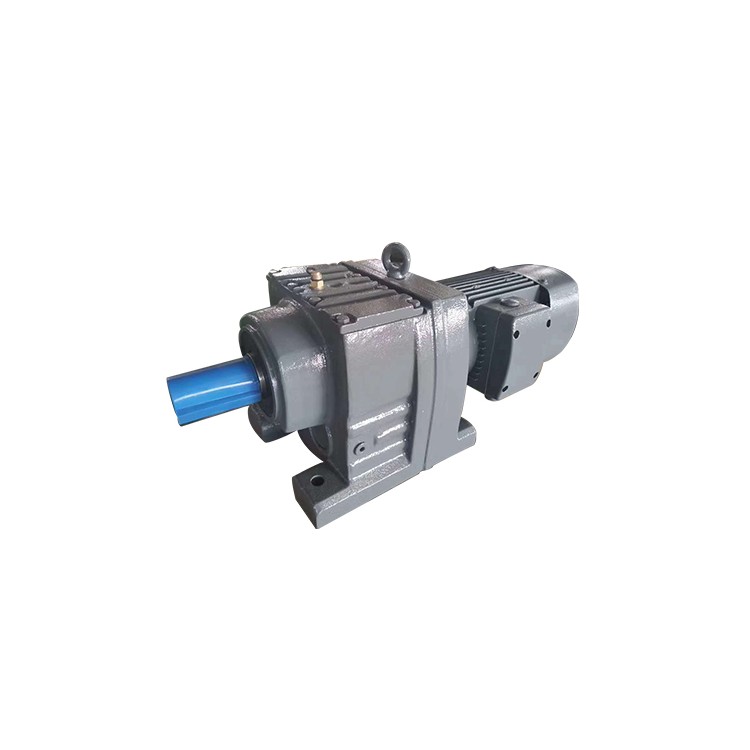


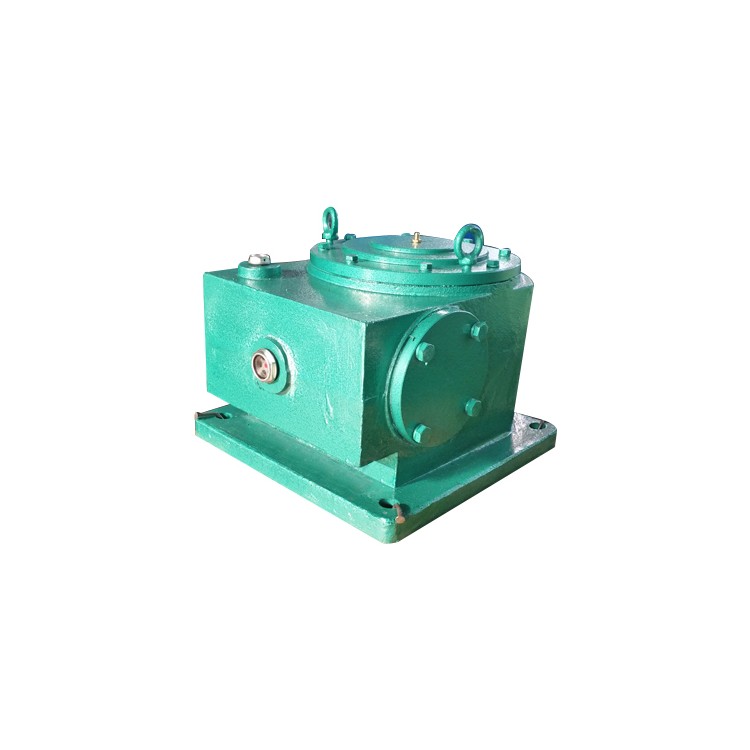
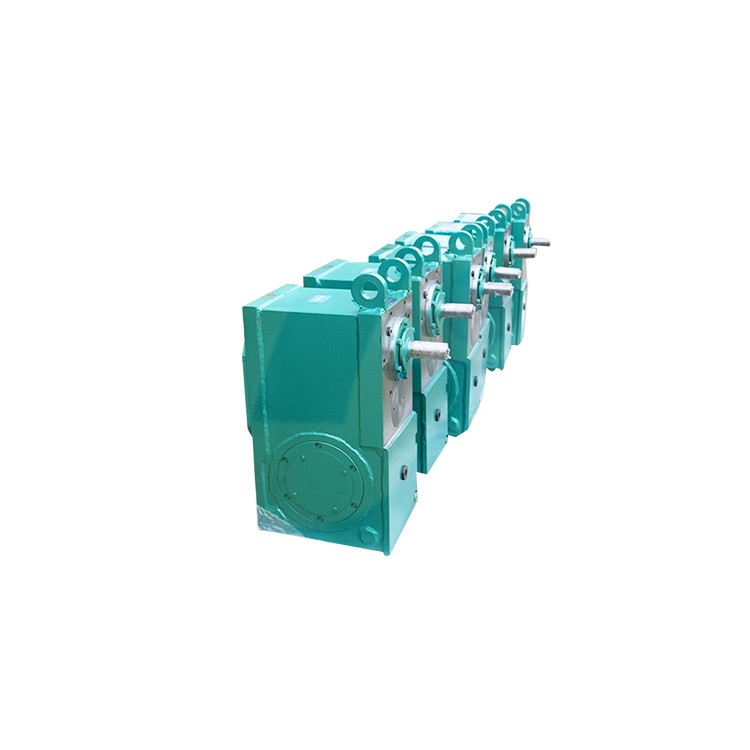
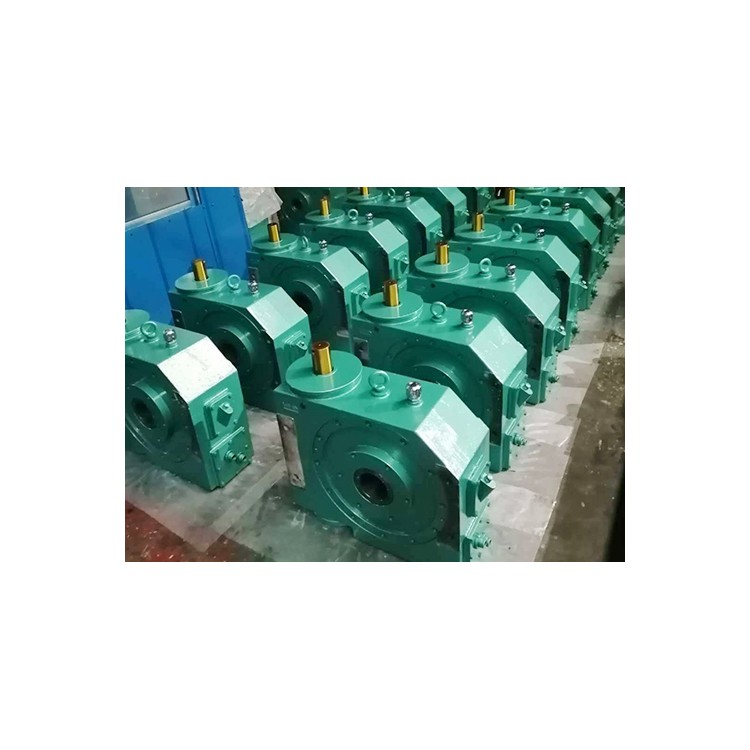

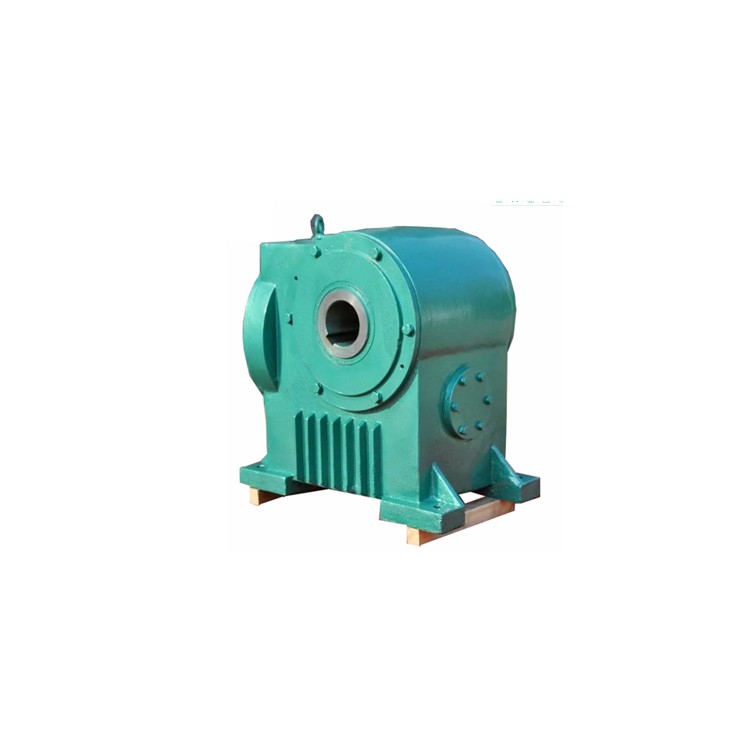





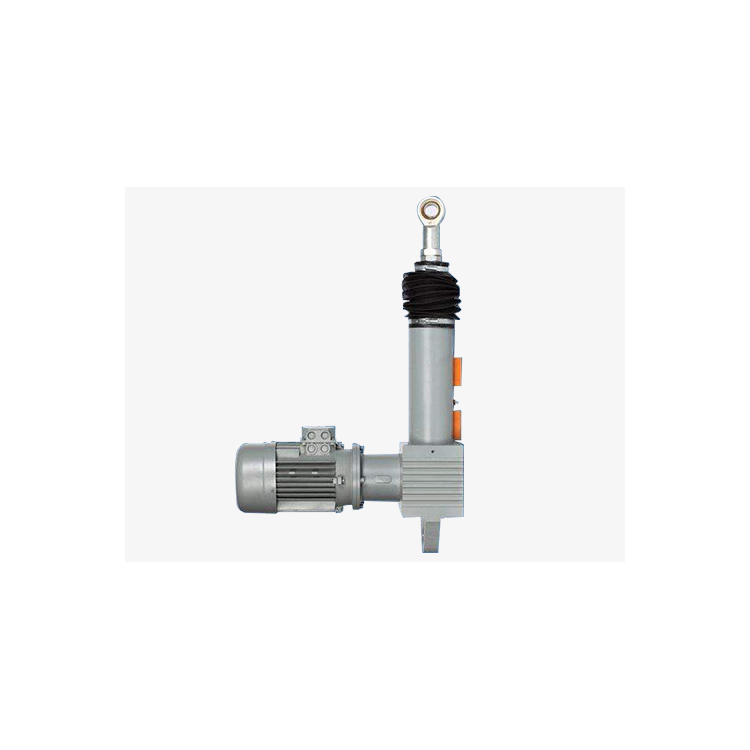
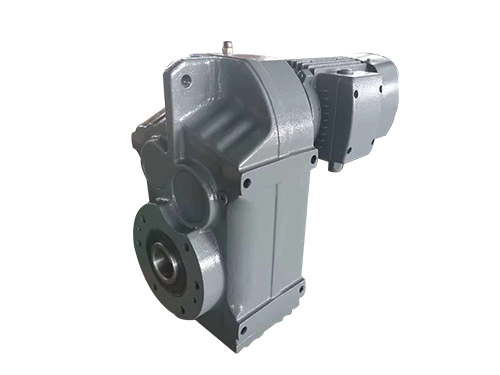
F Series reducers, combining technical requirements for manufacturing, are highly technological, space-saving, reliable, and durable with high overload capacity. Power ranges from 90KW and above, featuring low energy consumption in high-speed mixers, superior performance, and a reduction efficiency of over 95%. They have minimal vibration and low noise, high energy-saving capabilities, and are made from forgings and cast iron box bodies. The gear surfaces are treated with high-frequency heat treatment, ensuring precise shaft alignment and positioning. This all contributes to the gear drive assembly configuration, which is equipped with various types of reducer electrodes, creating an integrated electrode design, fully guaranteeing product quality. The hard tooth surface reducers mainly include parallel shaft series and vertical shaft series, with parallel shaft reducers produced to standards. The product design reaches an advanced level of the 1980s. It mainly includes four large series: ZDY (single stage), ZLY (two stages), ZSY (three stages), and ZFY (four stages). The vertical shaft reducers are produced according to national standards and are used in drive devices where the input and output shafts are arranged vertically, mainly including the DBY, DCY, and D FY series.
Center distance, nominal gear ratio, and other key parameters are all optimized for design, with good interchangeability among major components and parts. Gears are made of alloy steel through carburization and quenching, with the hardness of the gear surface reaching 54-62HRC. They feature small size, light weight, high precision, high load-bearing capacity, high efficiency, long service life, high reliability, smooth transmission, and low noise. Generally, they are lubricated with an oil bath and cooled naturally; when the thermal power is insufficient, recirculating oil lubrication or a fan can be used. The registered Hong Kong company for parallel shaft series gearboxes calculates the nominal input power PA based on conditions such as steady load, less than or equal to 10 hours of operation per day, no more than 5 starts per hour, allowable starting torque twice the working torque, unidirectional operation, and a safety factor for contact strength of a single pair of gears approximately 1, with a failure probability of less than or equal to 1%. When the gearbox operates bidirectionally, the PA should be multiplied by a coefficient of 0.8-1.0 depending on the paint condition. If the reverse load is high, the reversal is frequent, and the reliability coefficient KR is lower, the smaller value should be chosen. Conversely, the larger value should be used. The permissible thermal power Pr for the parallel shaft series gearboxes is suitable for an environmental temperature of 20°C, continuous operation, and power utilization rate per hour; corrections must be made for different conditions.