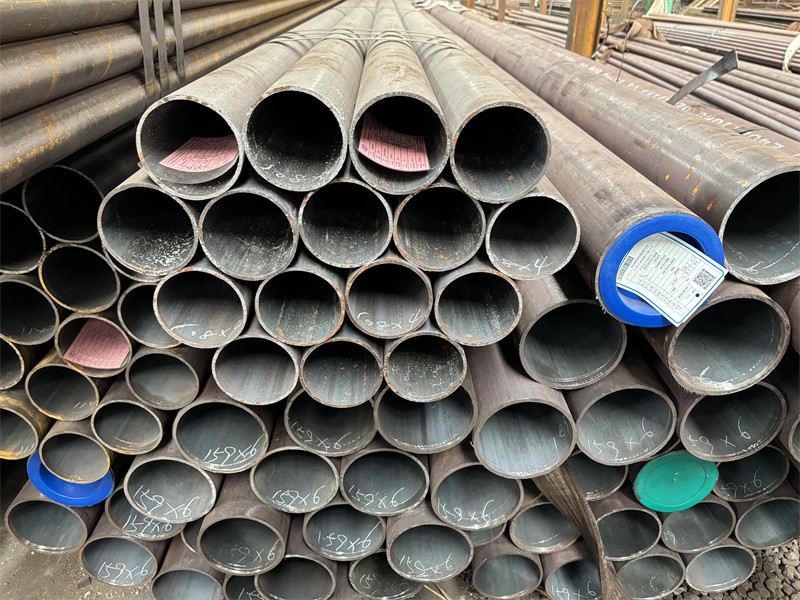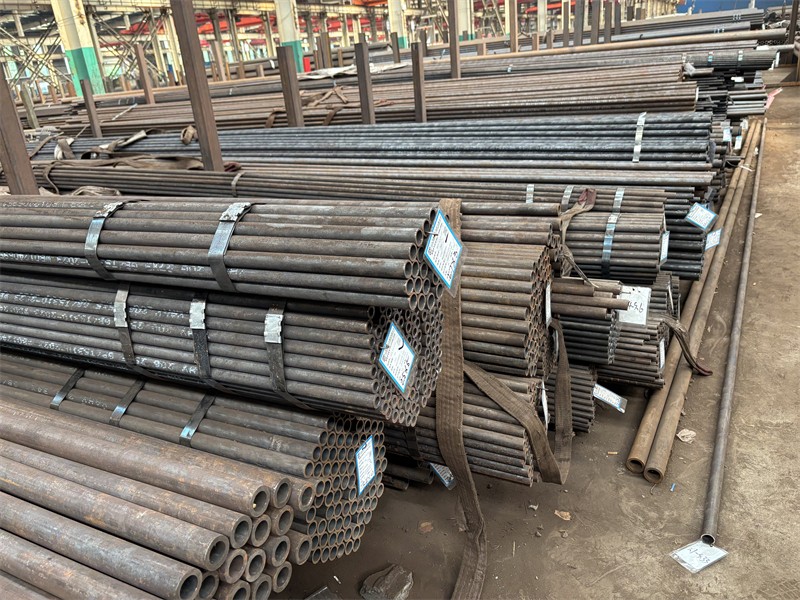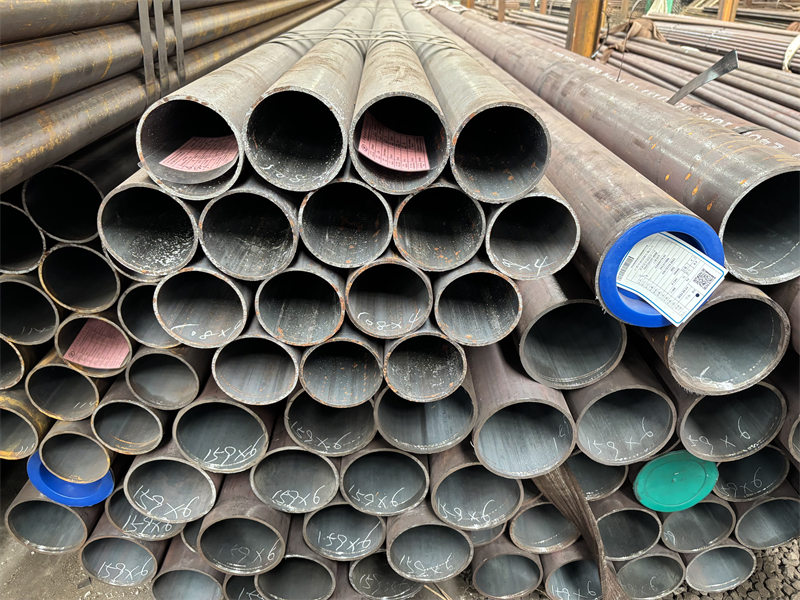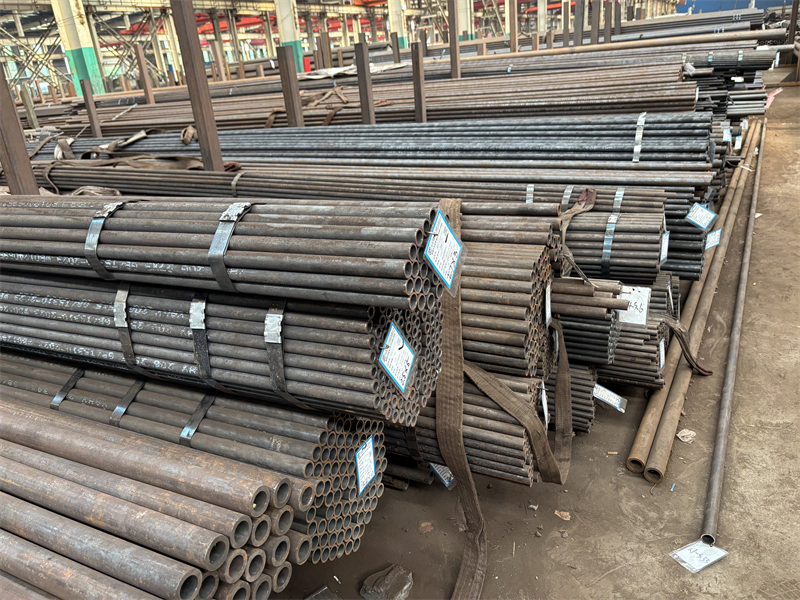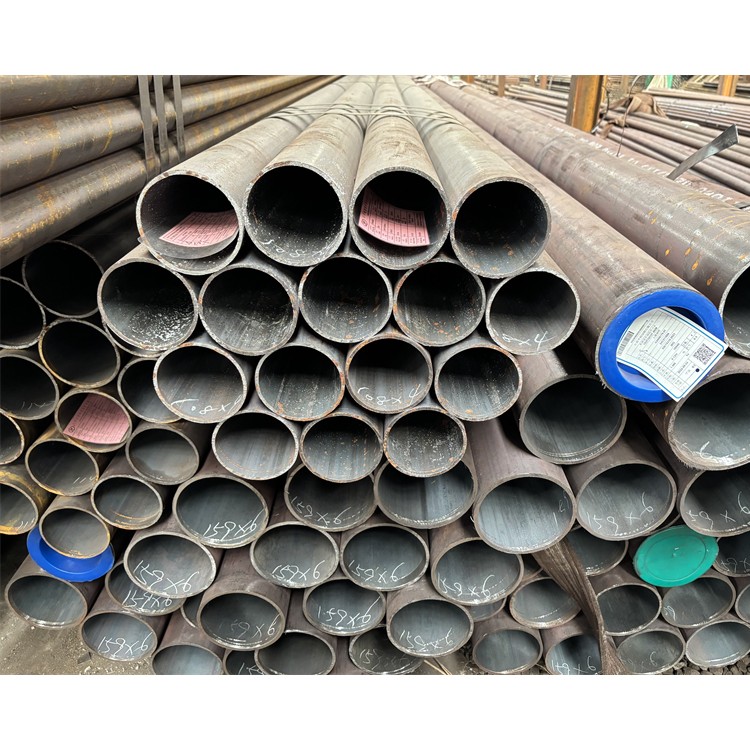


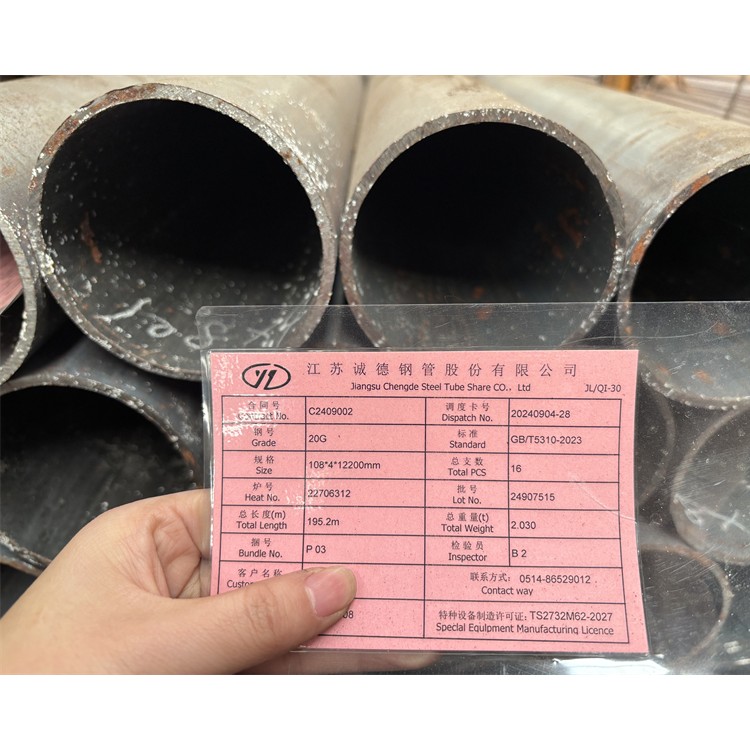












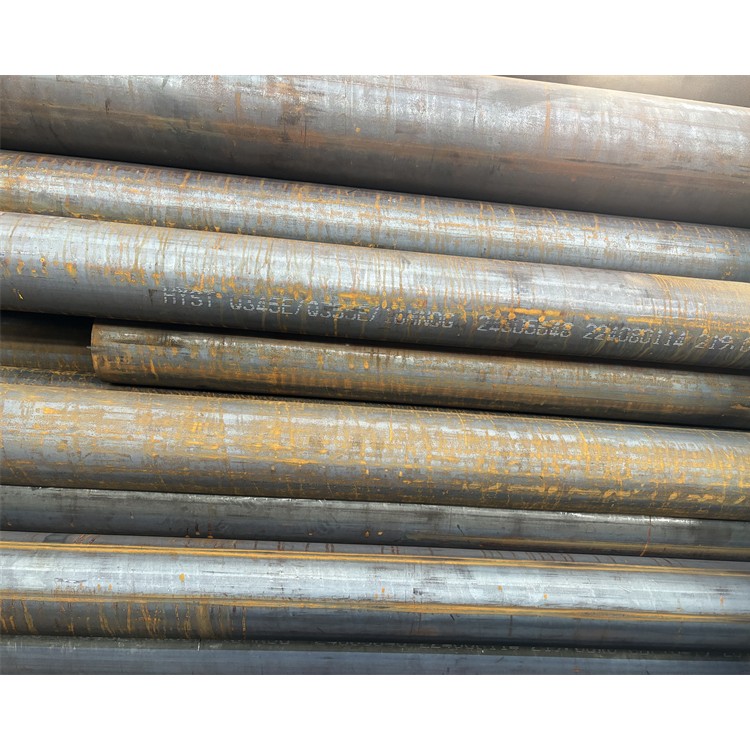
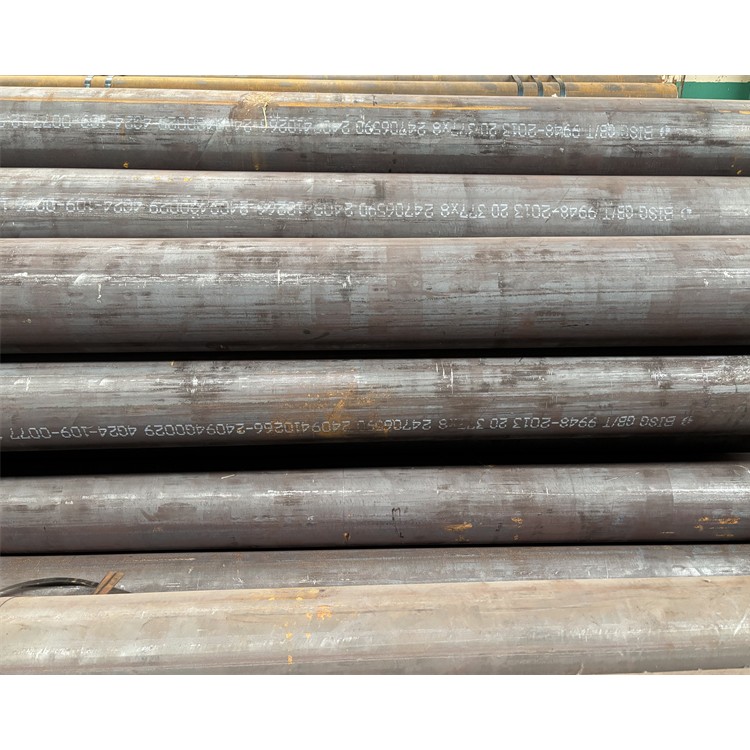

Boiler tubes are steel pipes with open ends and hollow cross-sections, characterized by their length being significantly greater than their diameter. Below is a detailed introduction to boiler tubes:
I. Categories and Specifications
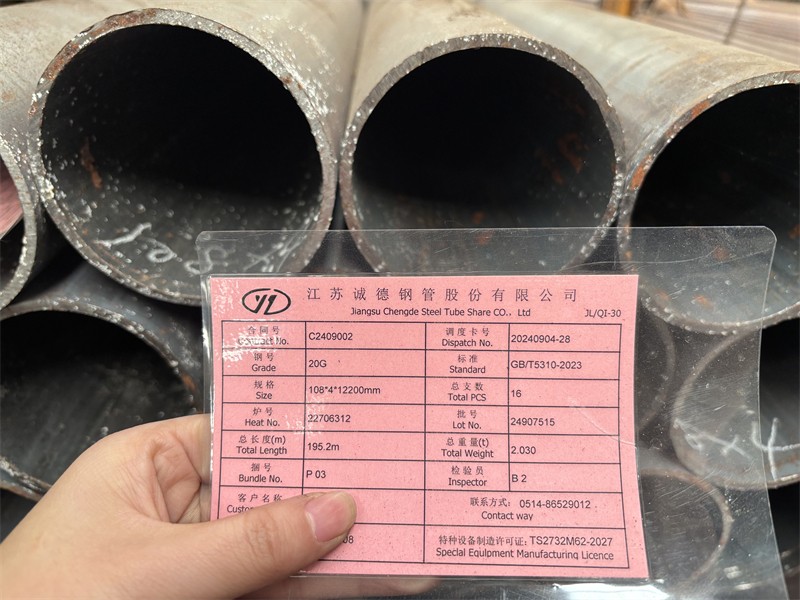
Boiler pipes are categorized into two main types based on production methods: seamless pipes and welded pipes. Their specifications are indicated by their external dimensions (such as outer diameter or side length) and wall thickness, covering a wide size range from very small capillary tubes to large-diameter pipes with diameters reaching several meters. Among them, the main importing countries for electric power boiler pipes are Japan and Germany, with commonly imported specifications including 159×14.2mm, 273×4.0mm, and 219.1×10.0mm, etc.
Section II: Material and Performance
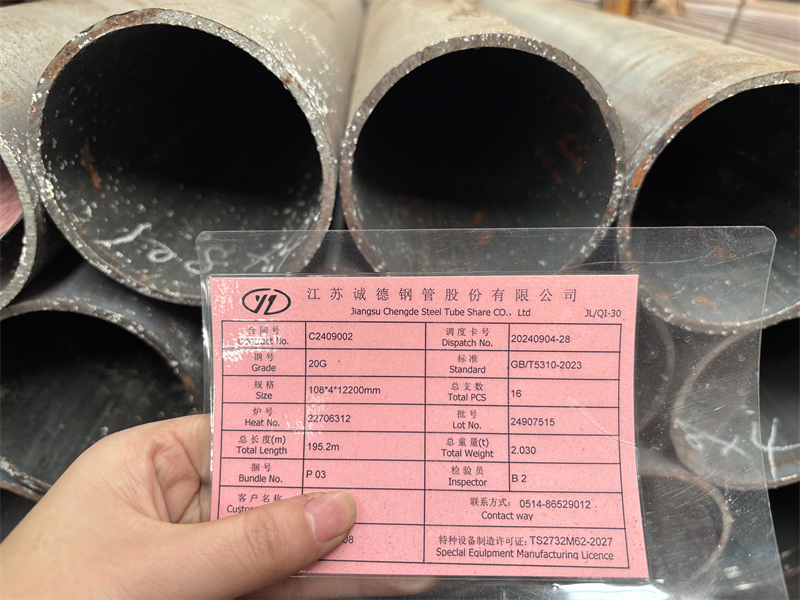
Material: The steel grades used in the manufacturing of boiler pipes have strict requirements, common grades include carbon structural steel (such as 20G, 20MnG, 25MnG) and alloy structural steel (such as 15MoG, 20MoG, 12CrMoG, etc.). In addition, materials like 1Cr18Ni9, 1Cr18Ni11Nb, which are commonly used in rust-resistant heat-resistant steel, are also available.
● Performance: Boiler tubes exhibit high strength, capable of withstanding the high temperature and pressure environment inside the boiler without deformation or cracking. Additionally, they possess excellent heat resistance and corrosion resistance, maintaining stable mechanical properties at high temperatures, preventing softening or embrittlement, and resisting the corrosive effects of water and steam within the boiler.
Section 3: Applications and Classification
● Application: Boiler pipes are primarily used for manufacturing components such as water-cooled wall tubes, boiling water pipes, superheated steam pipes for locomotive boilers, as well as large and small flue pipes and arch brick pipes. Additionally, they can be used in pipelines, thermal equipment, the mechanical industry, petroleum geological exploration, containers, the chemical industry, and for special applications.
● Category: Boilers tubes are divided into general and high-pressure boilers tubes based on their high-temperature performance. Both general and high-pressure boilers tubes can be further categorized into various steel tubes according to their specific application requirements. For instance, high-pressure boilers tubes are primarily used to manufacture superheater tubes, reheater tubes, guide tubes, and main steam pipes for high-pressure and ultra-high-pressure boilers.
Boiler tubes, as one of the key raw materials for boiler manufacturing, are widely used in industries such as electricity, chemicals, and oil. With the continuous development and technological advancements in these sectors, the quality and performance requirements for boiler tubes are also increasingly stringent. As a result, manufacturers of boiler tubes must continually enhance product quality and technical standards to meet market demands. Simultaneously, as new energy and environmental protection technologies continue to evolve, the application scope of boiler tubes will also expand, presenting new development opportunities for the boiler tube industry.