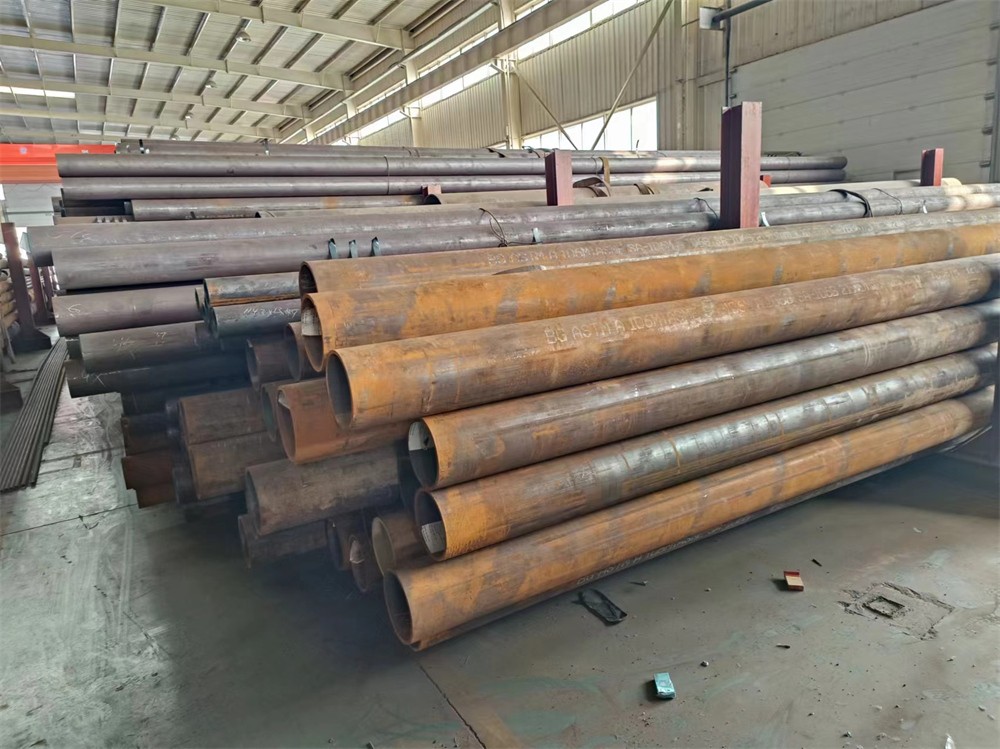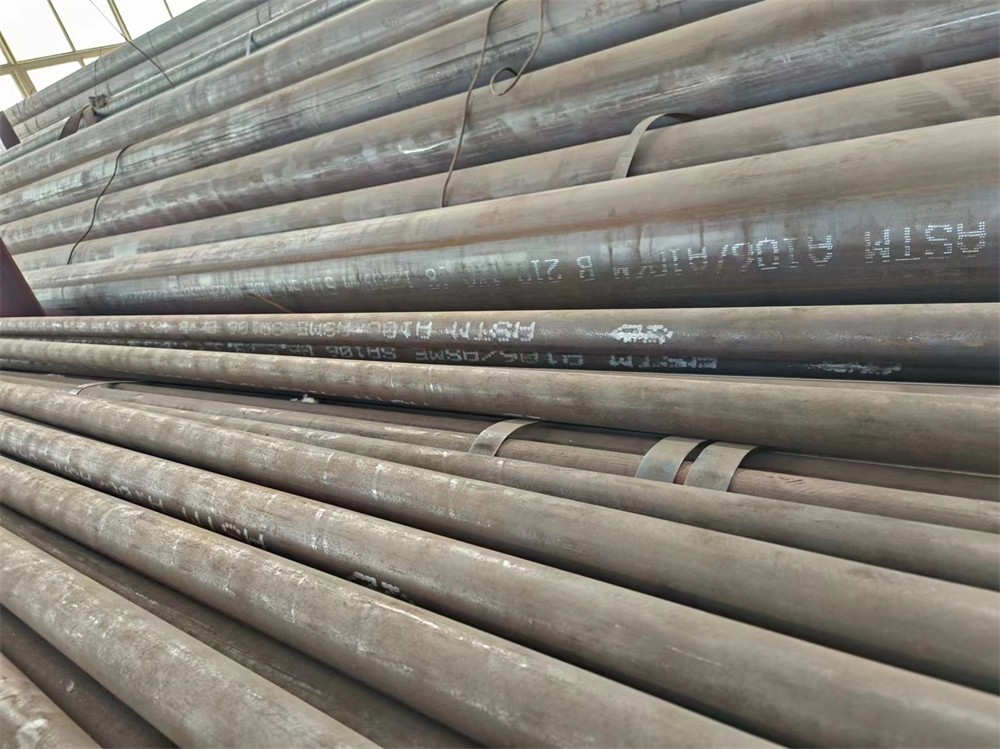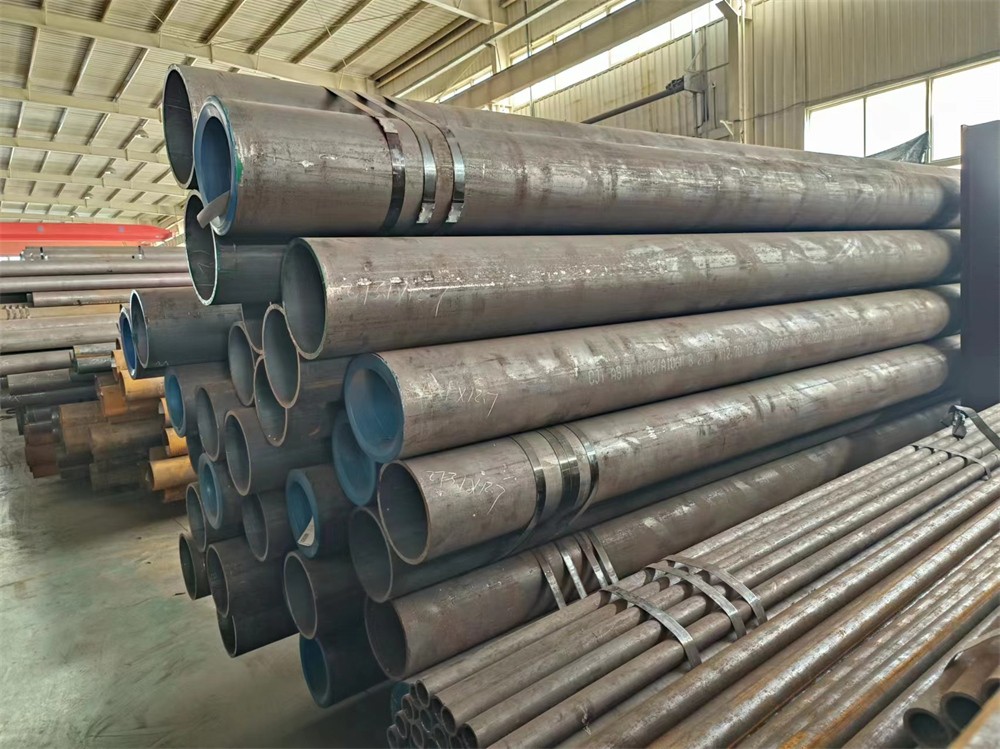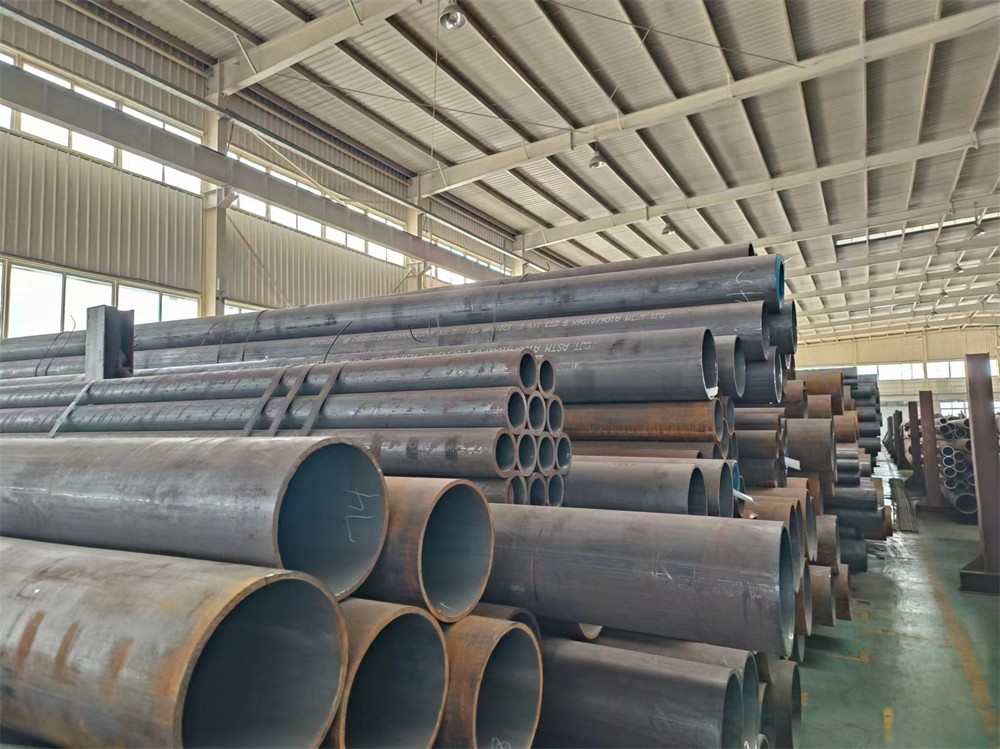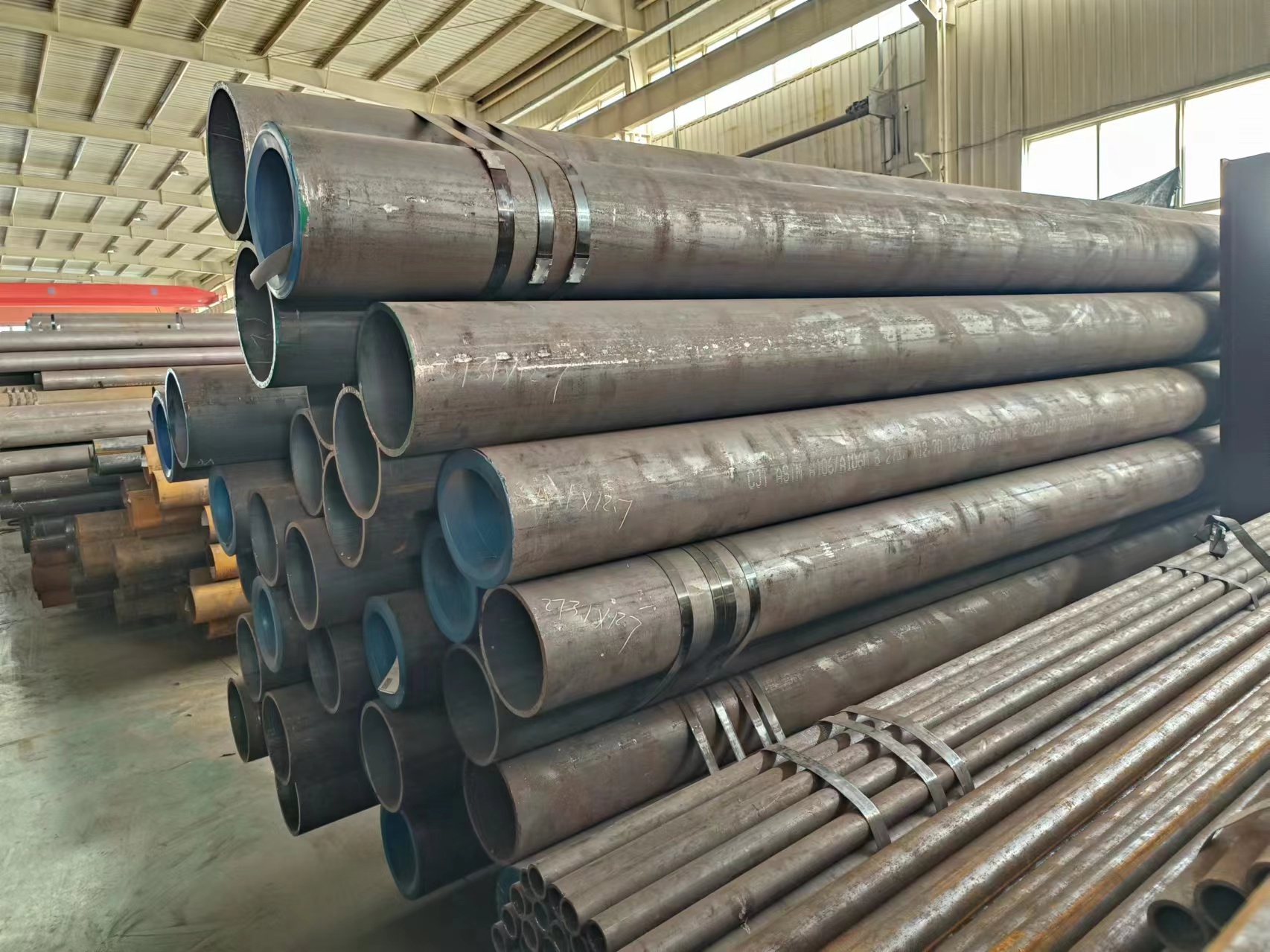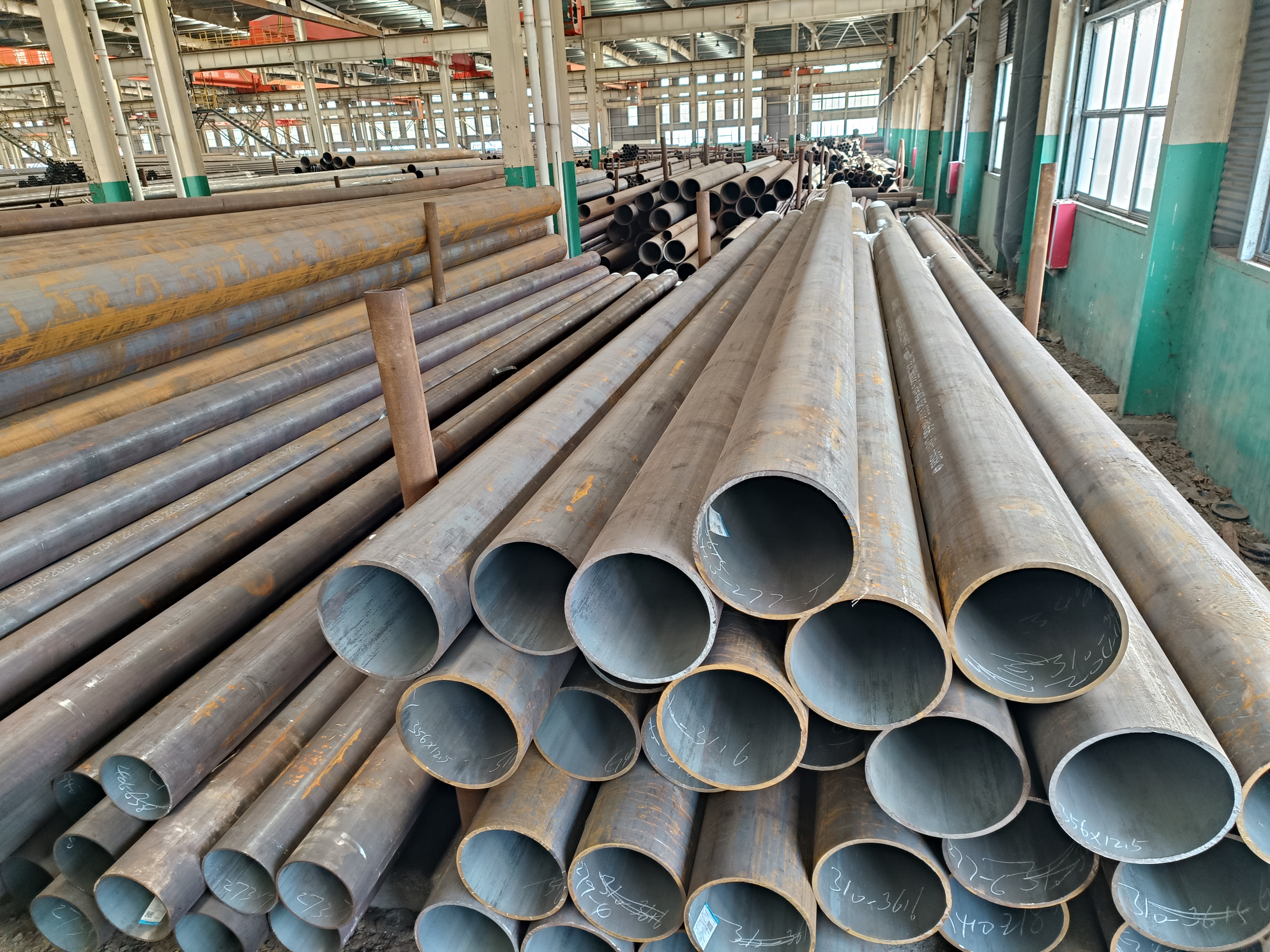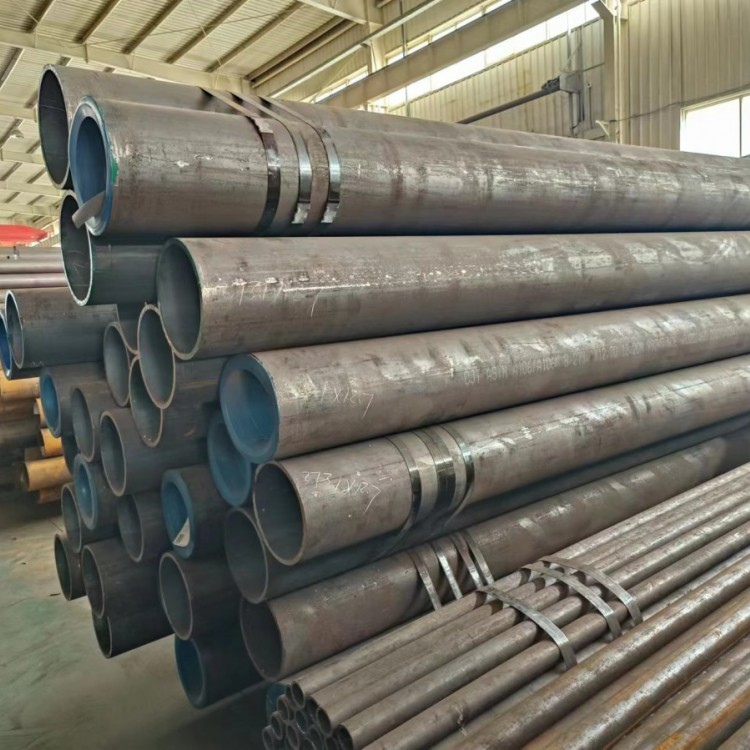

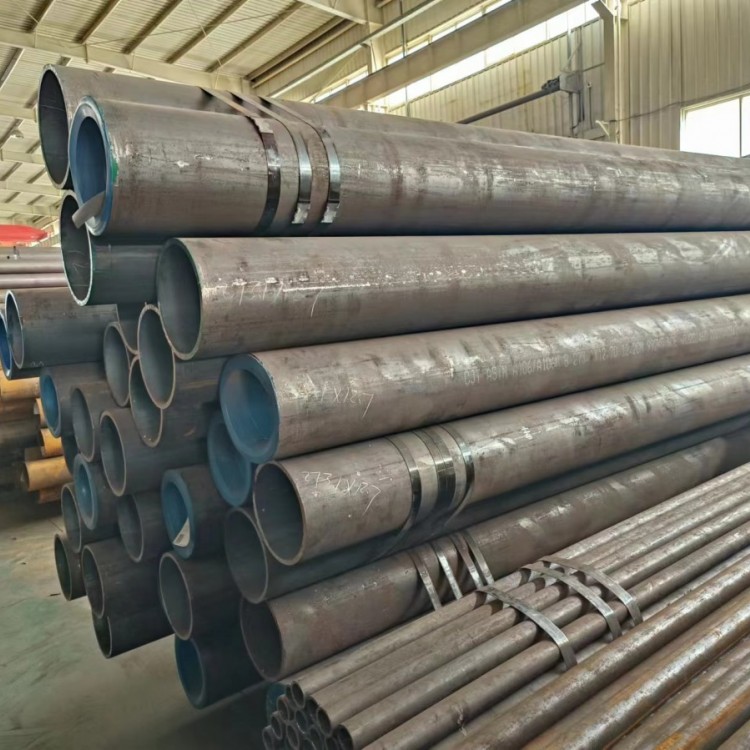
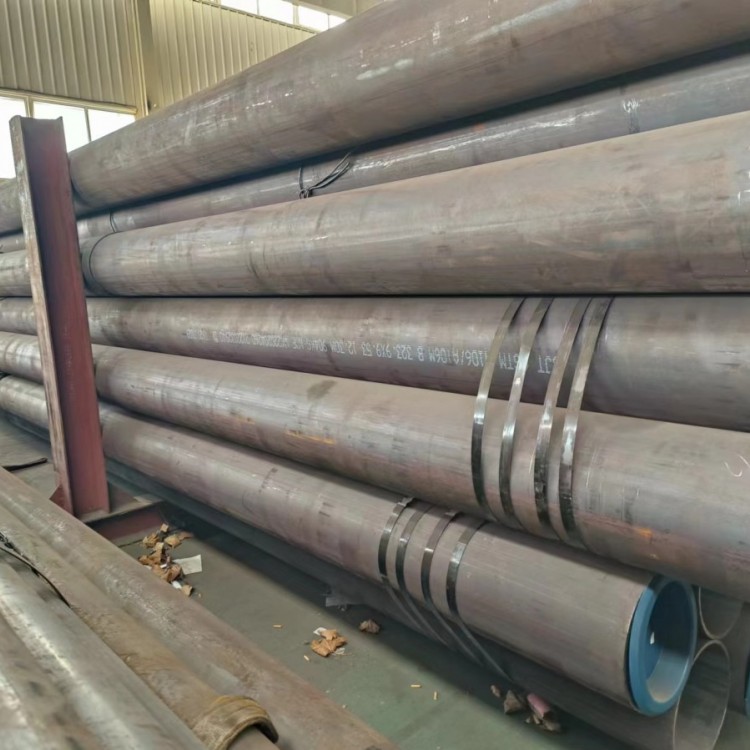
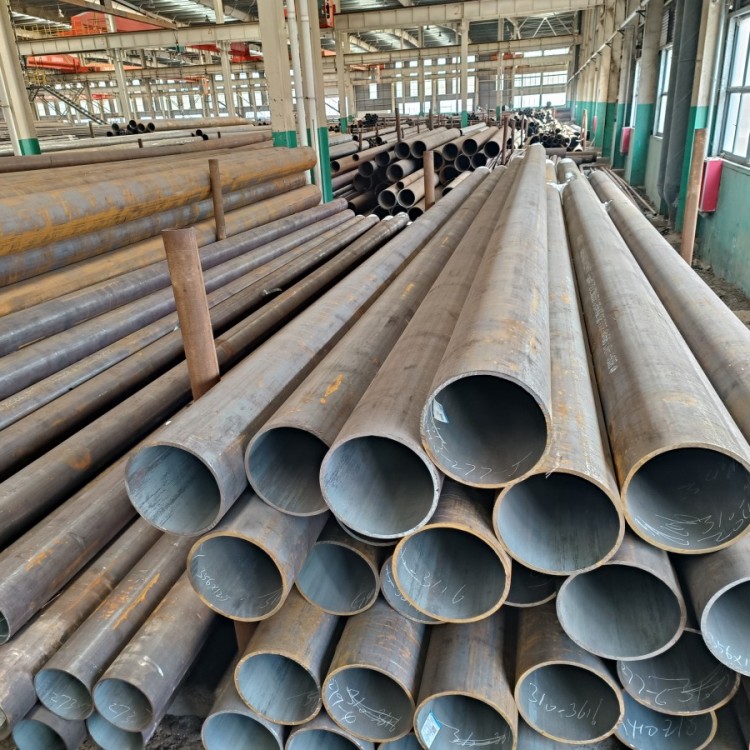












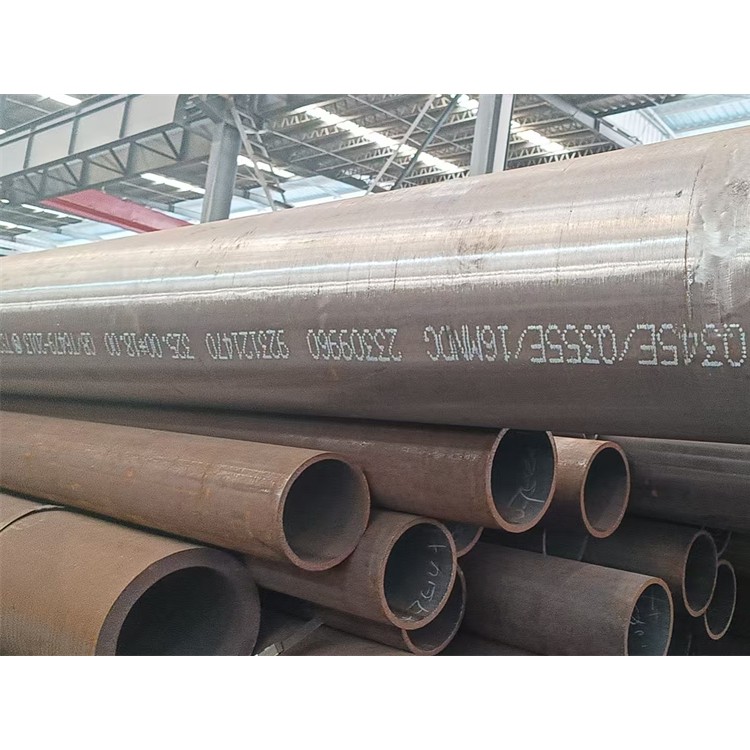
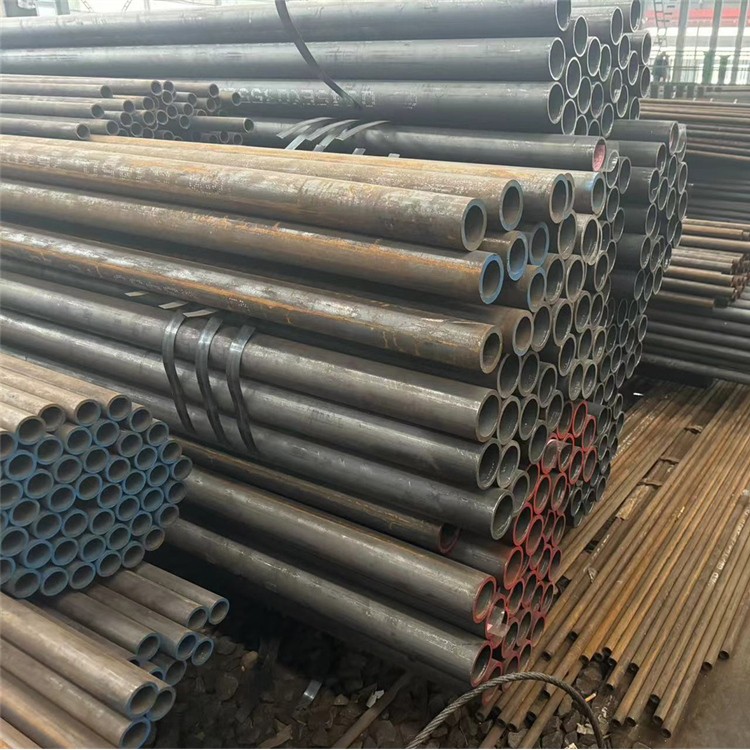
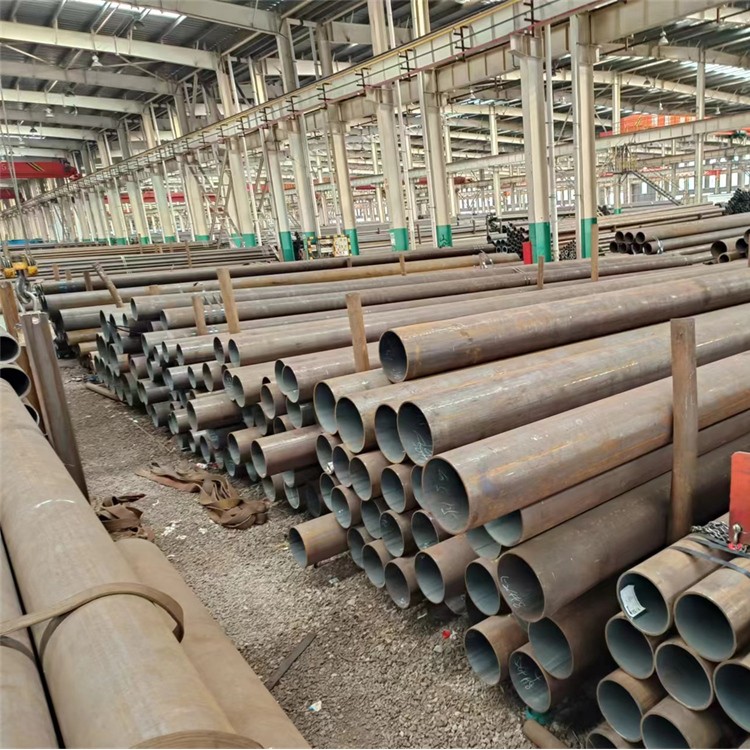
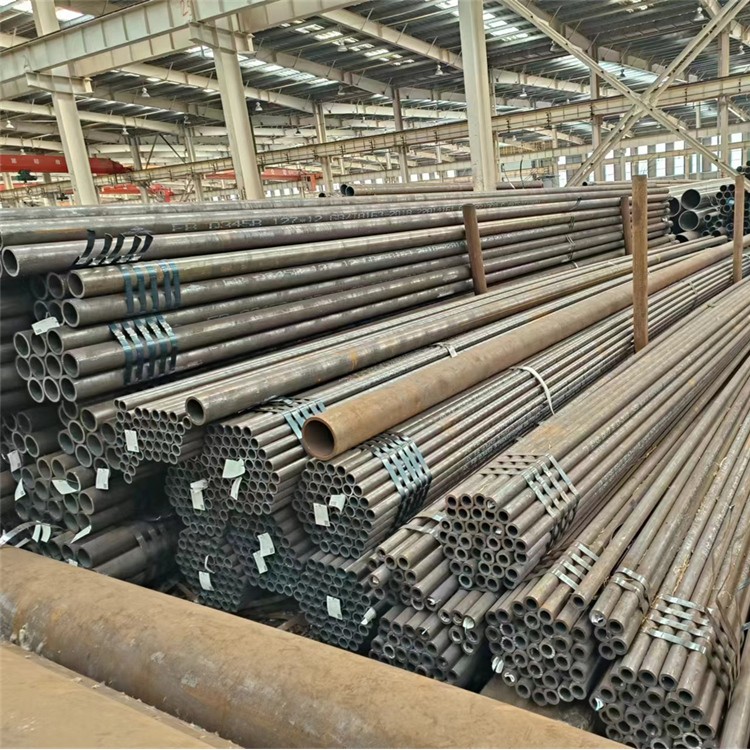
L245N seamless steel tube is a vital industrial pipe material. Below is a detailed introduction to it:
I. Basic Characteristics
MaterialThe L245N Seamless Steel Pipe is primarily composed of elements such as Carbon (C), Silicon (Si), Manganese (Mn), Phosphorus (P), and Sulfur (S). The carbon content is typically below 0.26%, with silicon ranging approximately from 0.10% to 0.35%, and manganese content is around 1.15%.
PerformanceIts performance is similar to that of 20# seamless pipe, featuring excellent mechanical properties and chemical stability.
Specs8 inches1240×1200mm, but specific specifications can be customized according to customer requirements.
II. Mechanical Properties
Yield StrengthThe yield strength of L245N seamless steel pipe is 245MPa, which is the stress at which the pipe begins to exhibit significant plastic deformation. This characteristic ensures that the pipe will not undergo excessive deformation under normal working pressure.
Tensile strengthIts tensile strength typically ranges between 415~755MPa, reflecting the ultimate load-bearing capacity of steel pipes during the stretching process.
Tensile elongationThe elongation of L245N seamless steel pipes is not less than 21%, reflecting the pipe's ability to undergo plastic deformation. A higher elongation allows the pipe to absorb energy through its own plastic deformation when subjected to impact or overload, thus preventing sudden fracturing.
Impact toughnessSteel pipes possess excellent impact toughness, capable of withstanding the destructive force of impact loads in complex and variable working environments.
III. Production Process
The production process for L245N seamless steel tubes primarily includes the following steps:
Raw Material PreparationSelect L245N grade billet as the raw material that meets the standards.
Steel pipe formingProcessed steel billets into seamless steel tubes through hot rolling, cold rolling, or cold drawing methods.
Heat TreatmentHeat-treat steel pipes to enhance their structure and properties, such as by normalizing and deformation treatment.
Non-destructive TestingNon-destructive testing of steel pipes with ultrasonic and X-ray methods to ensure internal quality.
Processing and Surface TreatmentCut, weld, and surface treat steel pipes according to customer requirements.