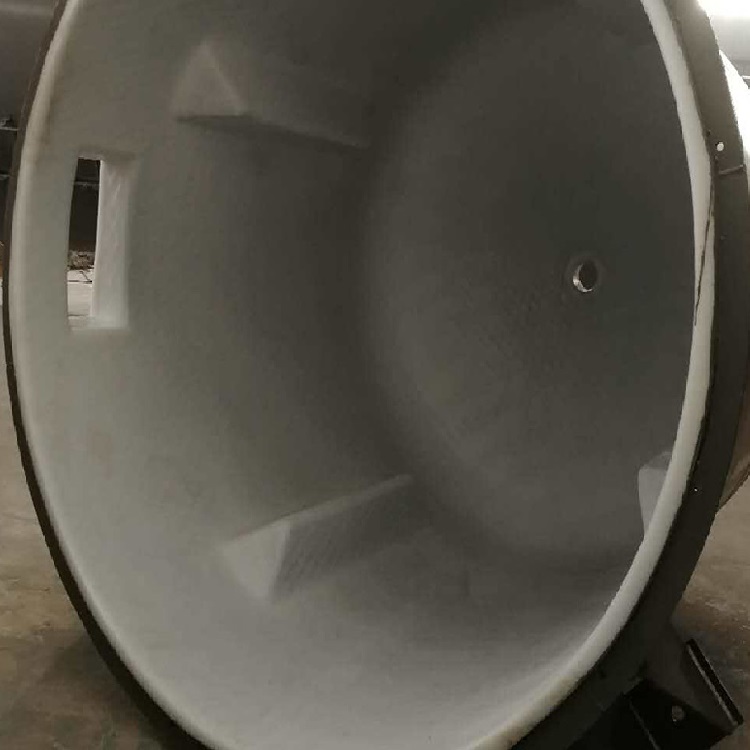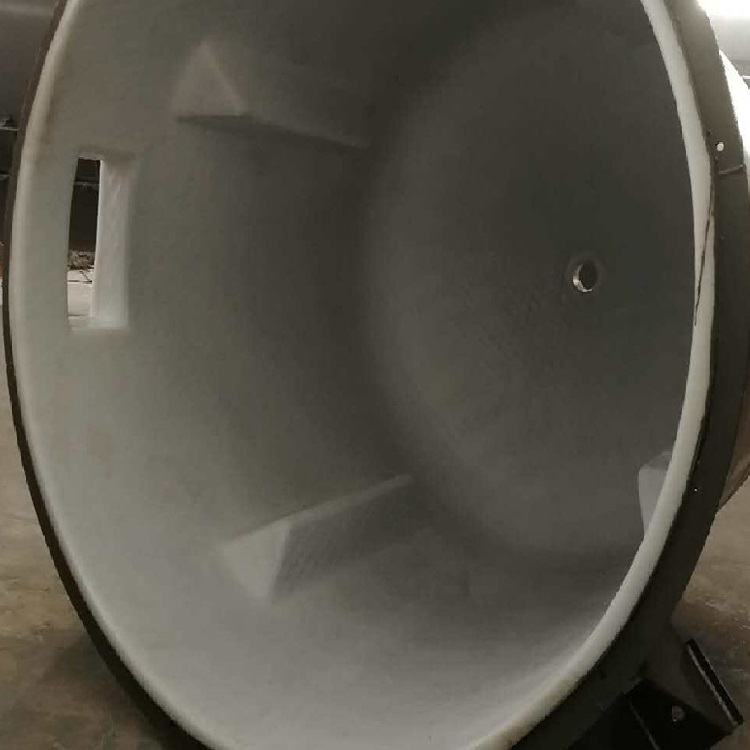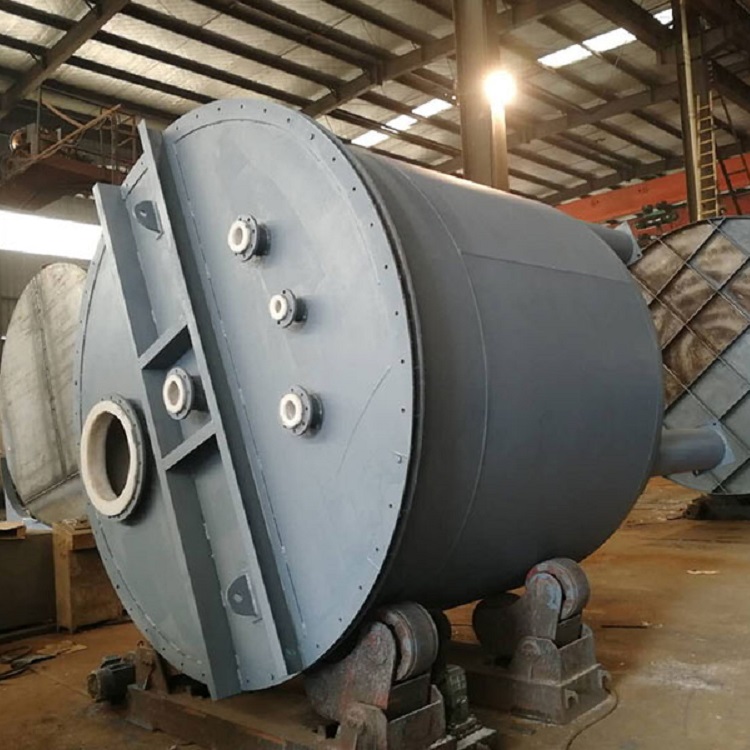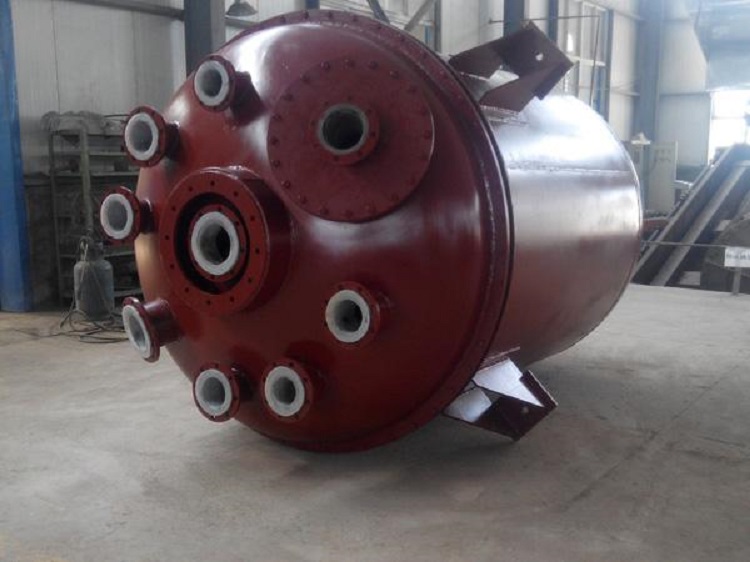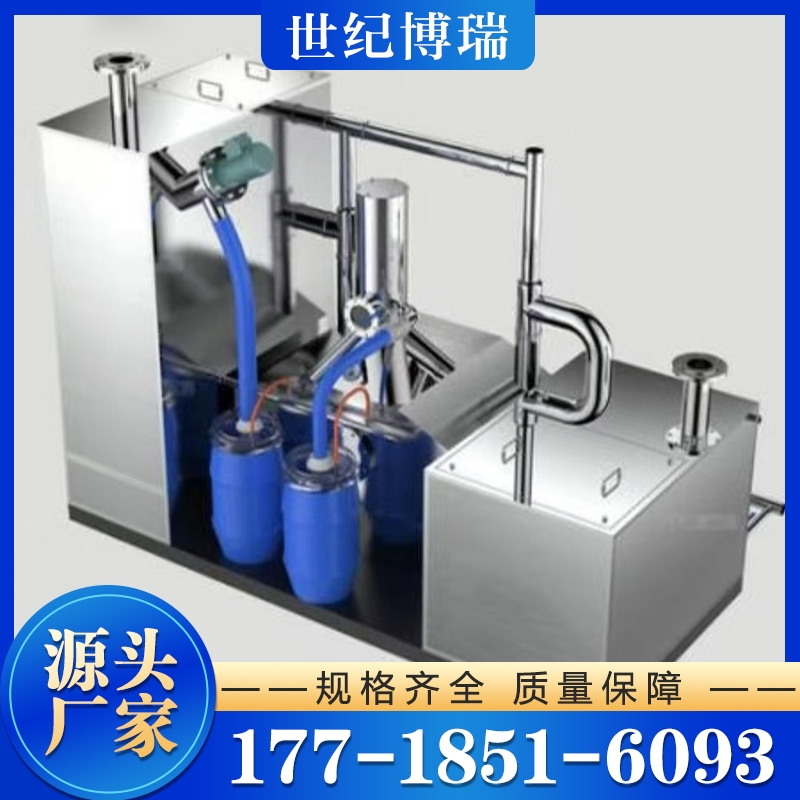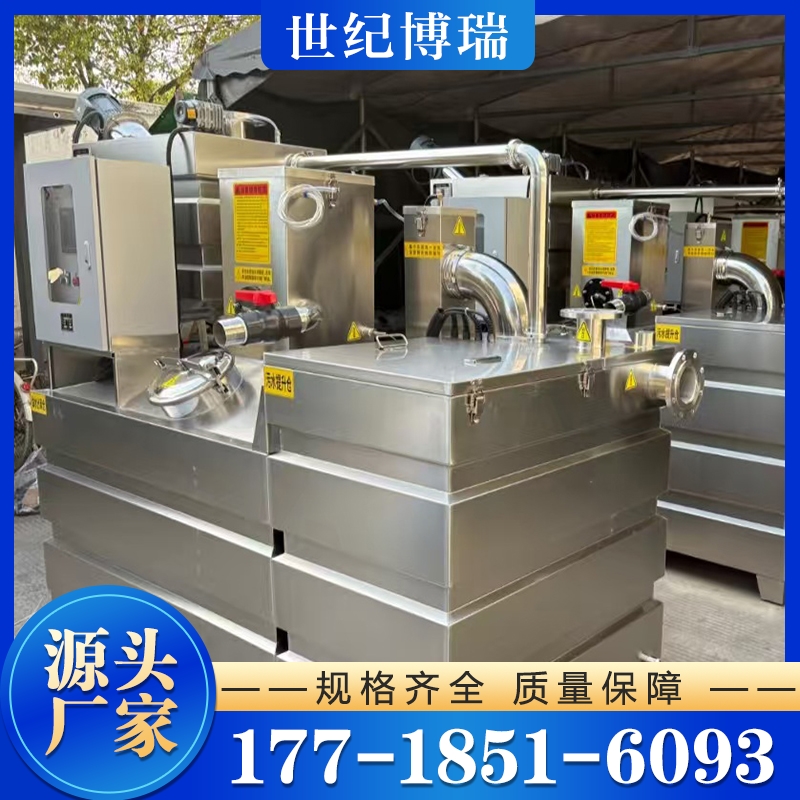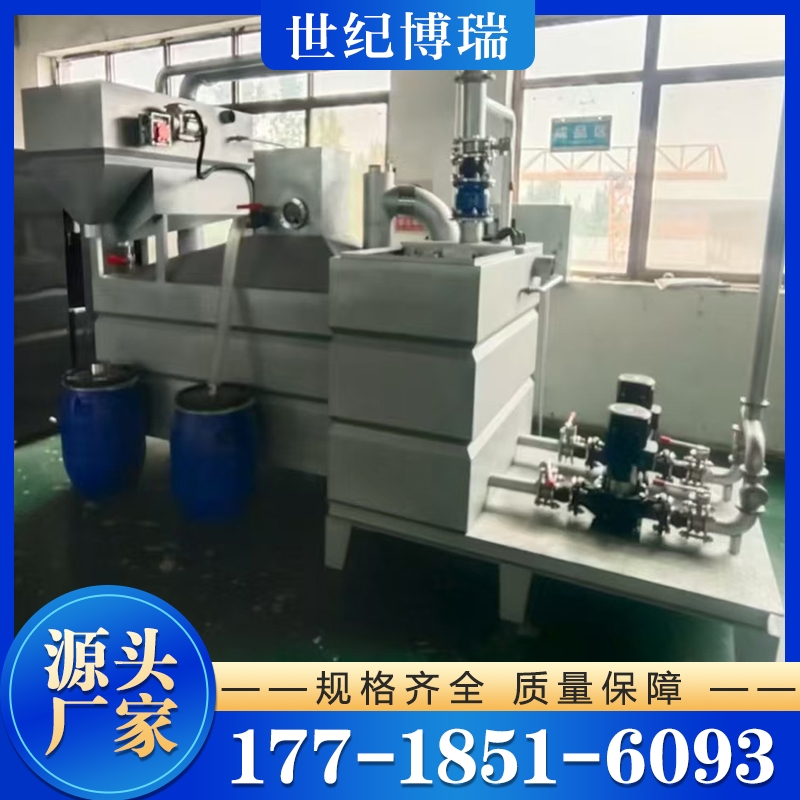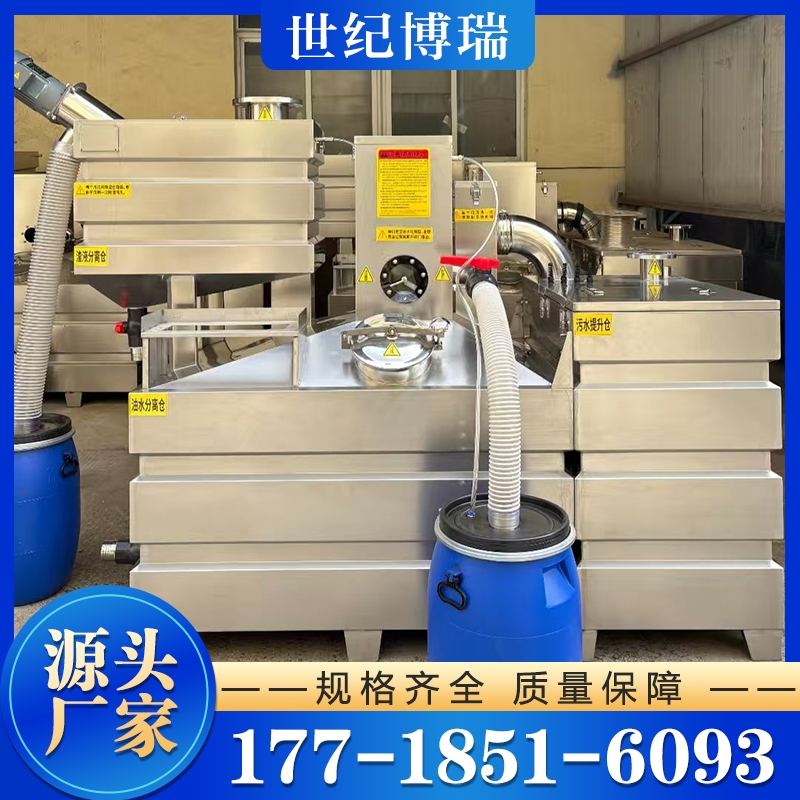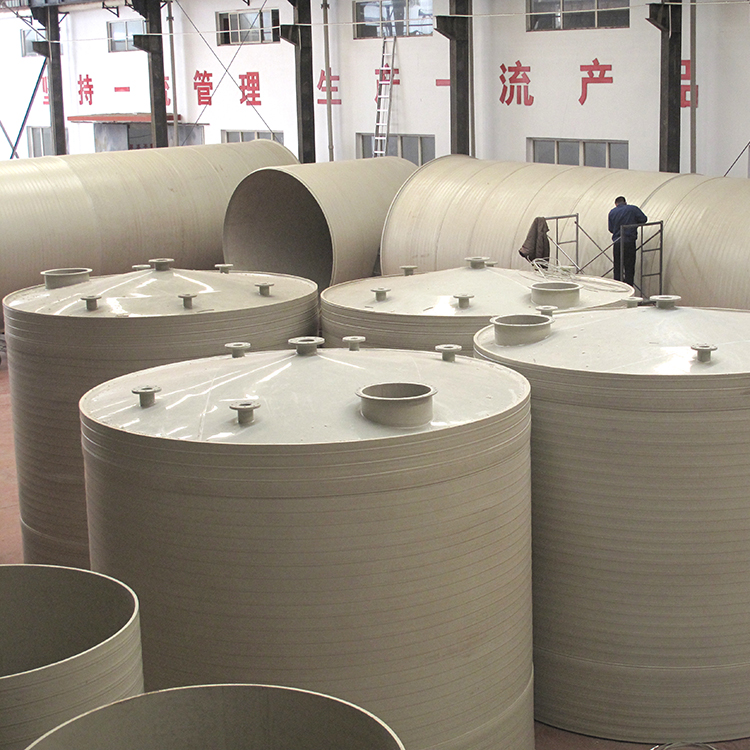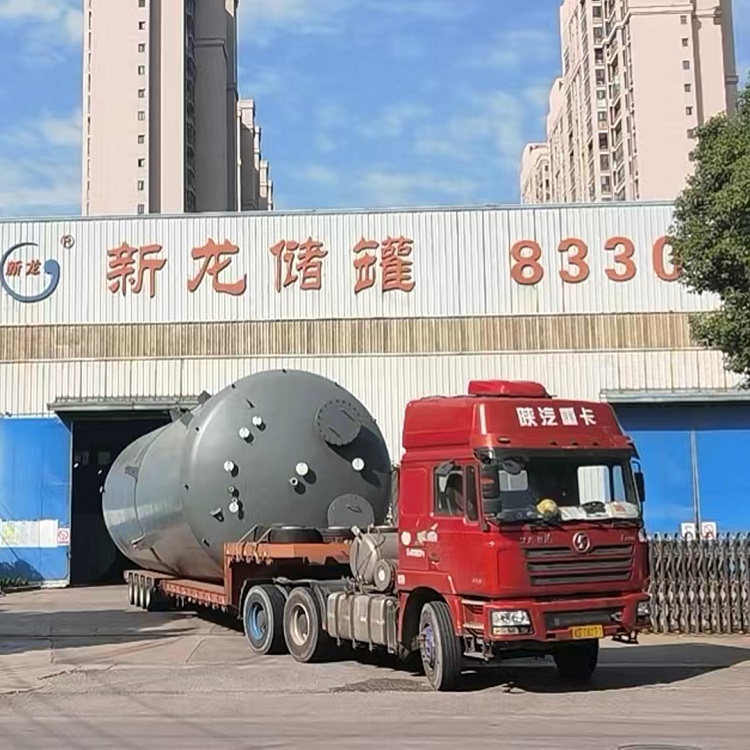

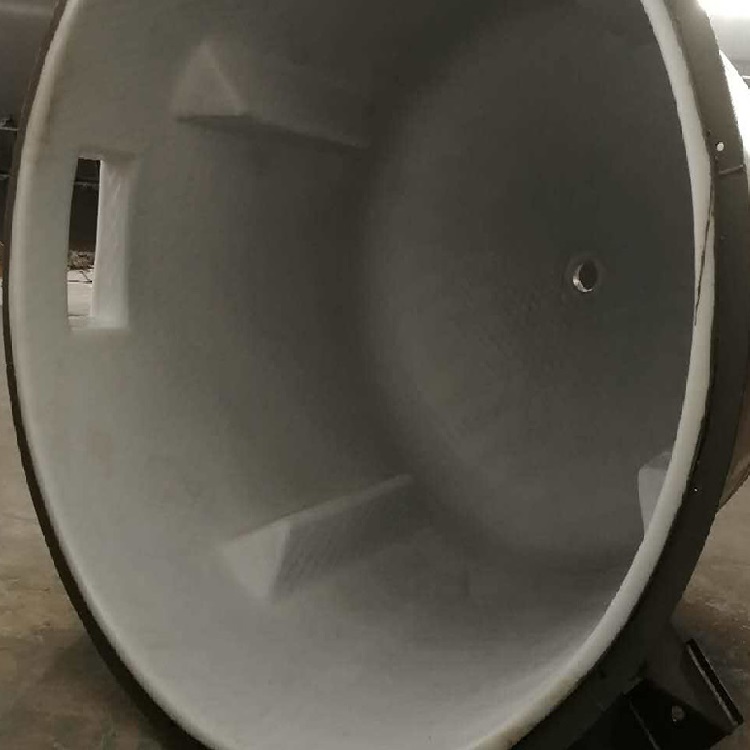


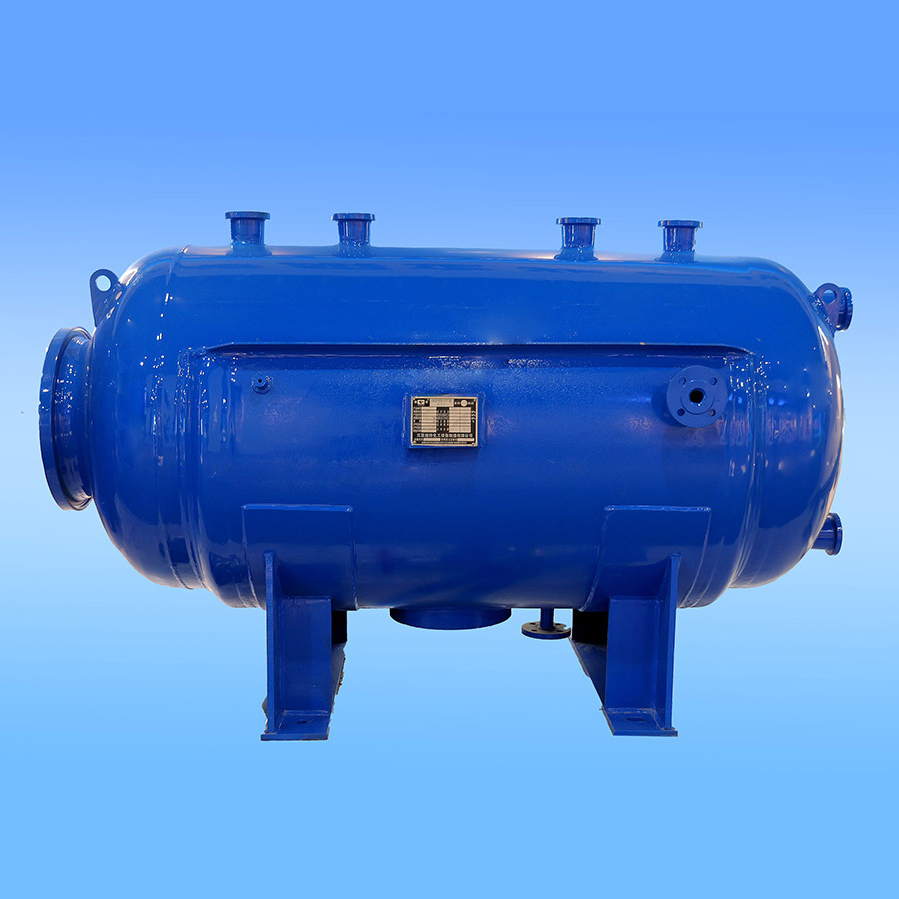
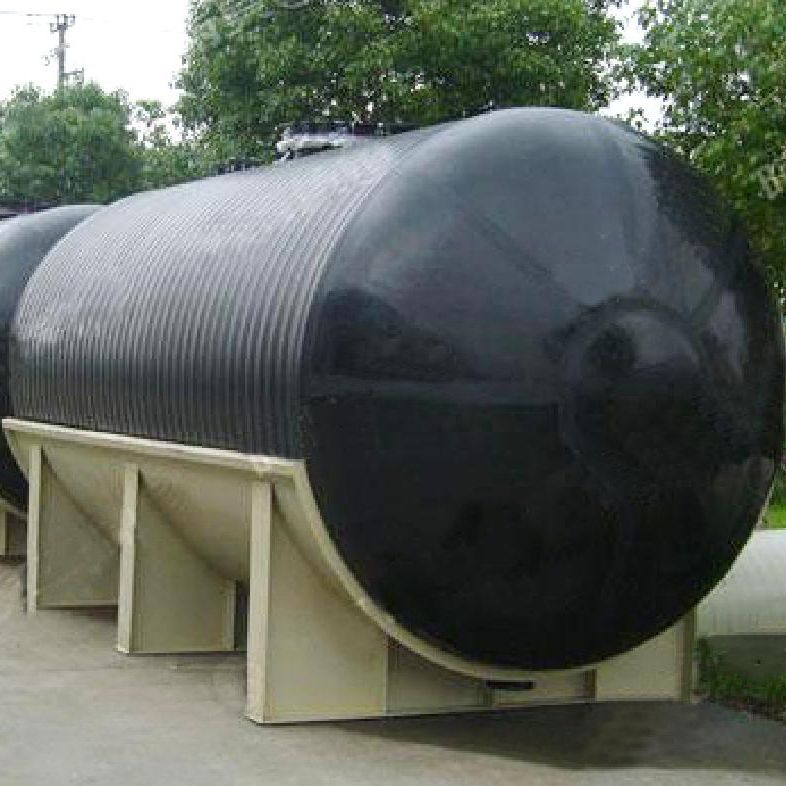
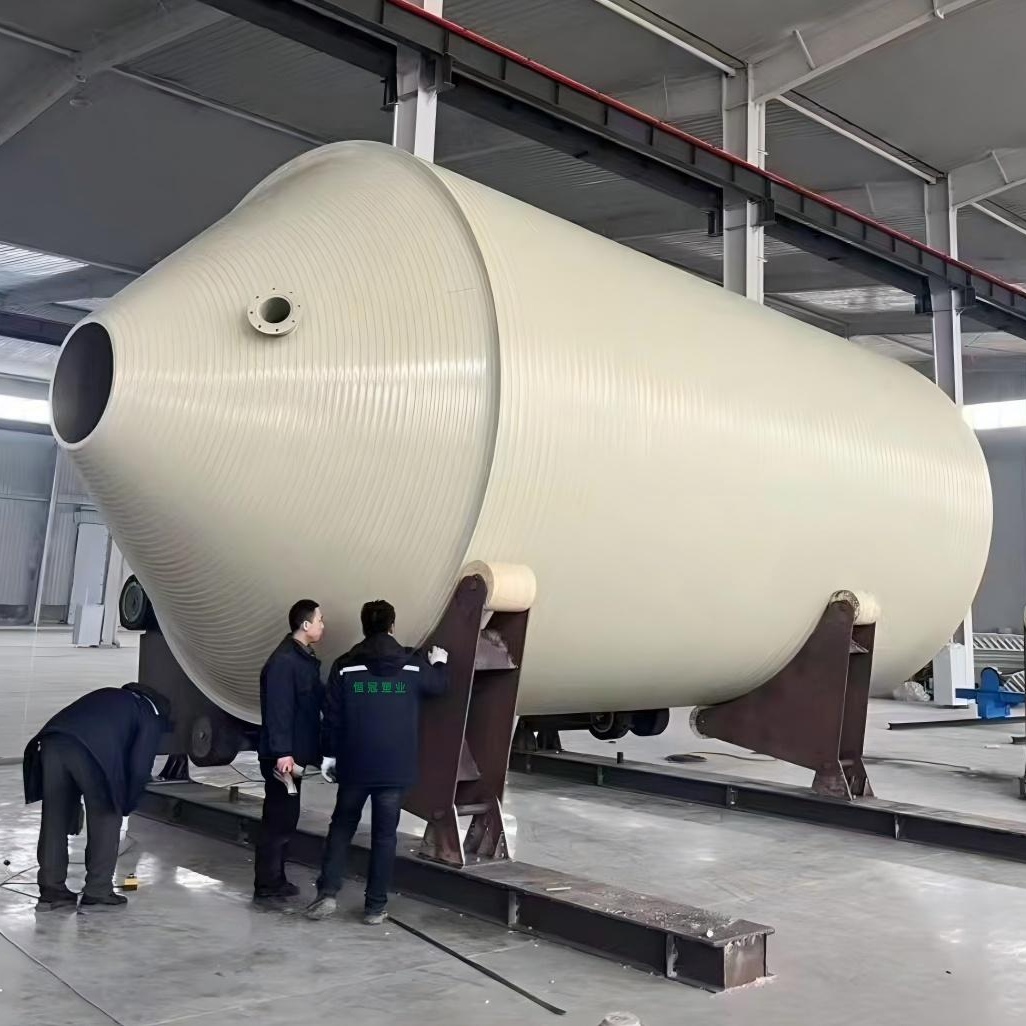
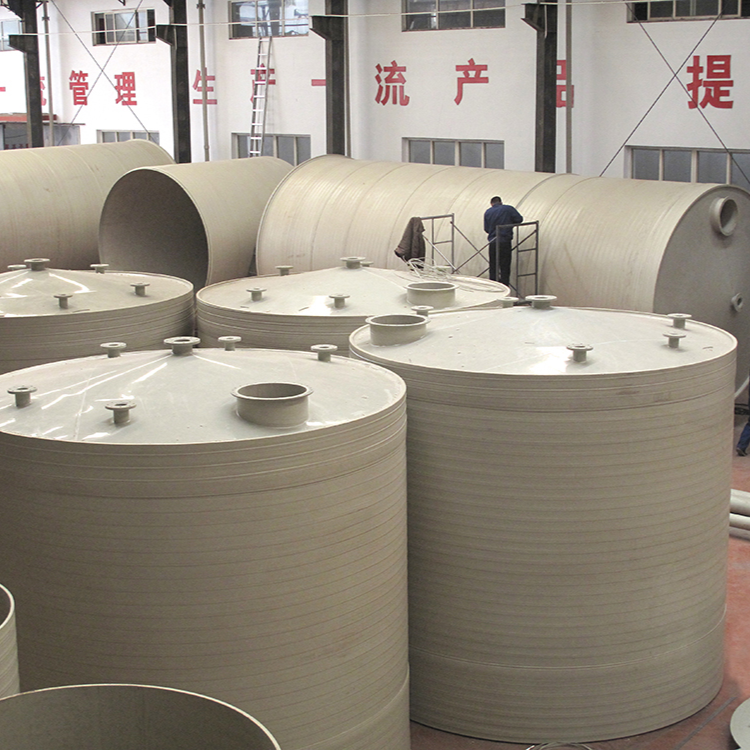





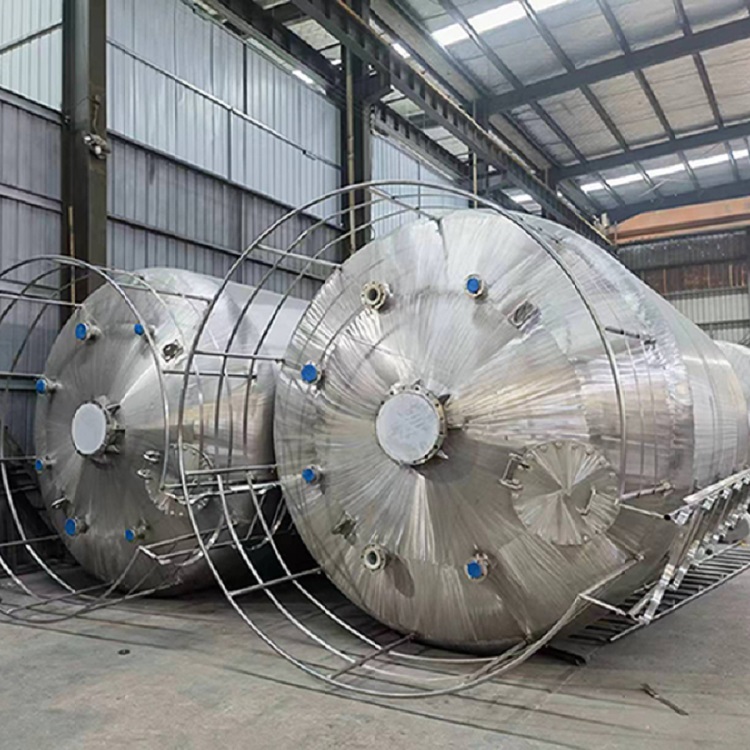

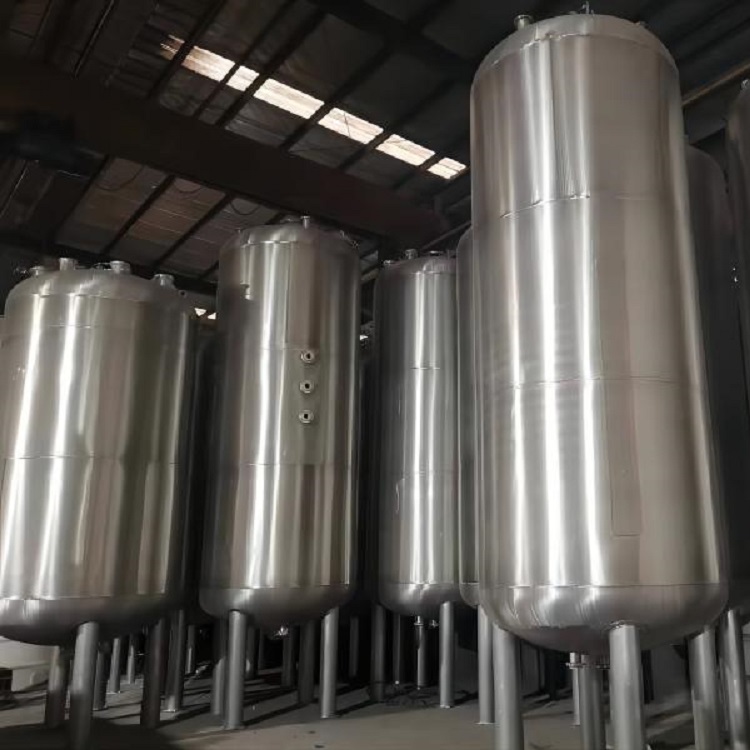

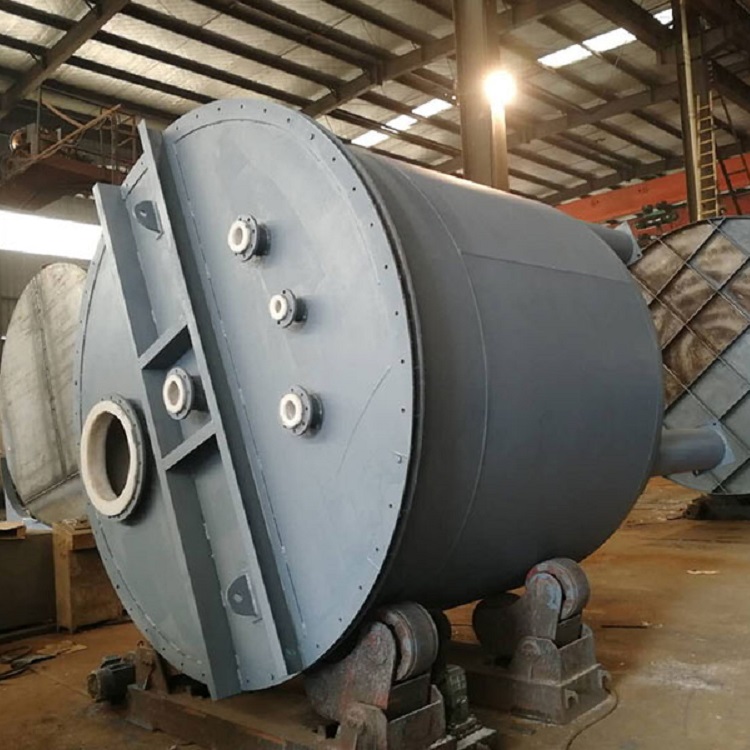
Heating reaction kettle is made using rotational molding technology, involving steel plates and steel mesh.(Turtle Shell)Integrally combined with polyethylene. The polyethylene firmly adheres to the steel surface. The product boasts advantages such as seamless welding, no leakage, non-toxicity, resistance to aging and impact, corrosion resistance, long lifespan, and compliance with hygiene standards. It addresses the shortcomings of full plastic rotational molding tanks, such as poor rigidity and strength, poor pressure resistance, and temperature sensitivity.
Heating Reactor Appropriate Fields: Possesses exceptional corrosion resistance, capable of withstanding various concentrations of acids, alkalis, salts, strong oxidizers, organic compounds, and all other highly corrosive chemical media. It is an ideal product for solving difficult corrosion problems such as high-temperature dilute sulfuric acid, hydrochloric acid, and various organic acids.
Heating reactors can encounter numerous issues that require regular maintenance. Daily maintenance is also crucial. Below, we'll discuss how to prevent static electricity in stainless steel reactors during operation. Install a static neutralizer. Place the static neutralizer after the filter and before the fluid enters the storage tank. Avoid mixing water with high-pressure reactor medium during common conveying, as well as mixing different media. Prevent the co-conveyance of liquid medium, oil-gas, and compressed air. The storage tank should be dehydrated promptly, especially before feeding. Control the medium injection method. Inject the medium from the bottom of the tank, trying to avoid top injection. Cross-connection. The floating roof of the floating roof tank should be cross-connected to the tank wall. Cross-connect pipelines, valves, flowmeters, filters, pumps, and tanks that use insulating materials or are subject to corrosion. Control the medium flow rate. The higher the flow rate, the more likely static electricity will be generated. Additionally, adding anti-static additives to the reactor can prevent the accumulation of static charge within the medium, allowing it to quickly leak to the ground through cross-connection.