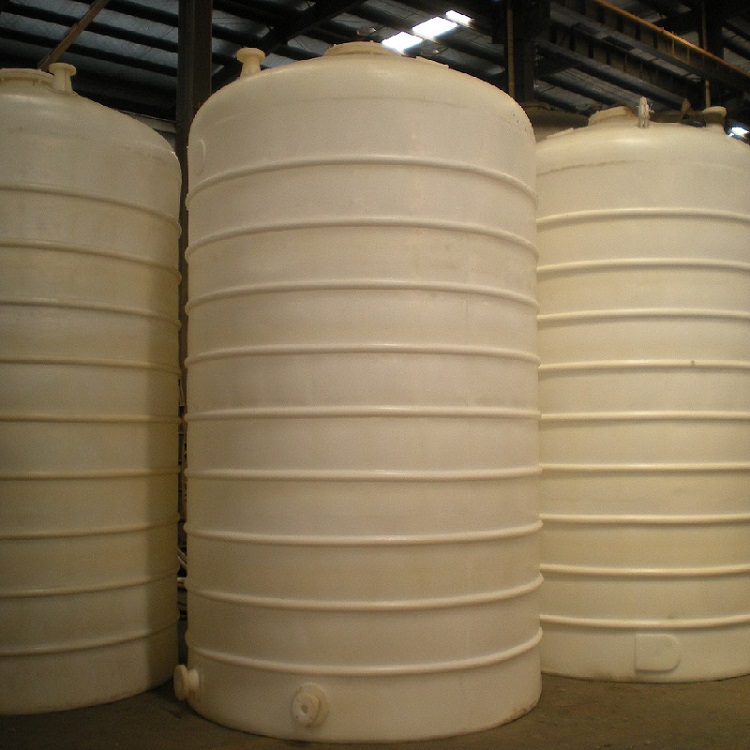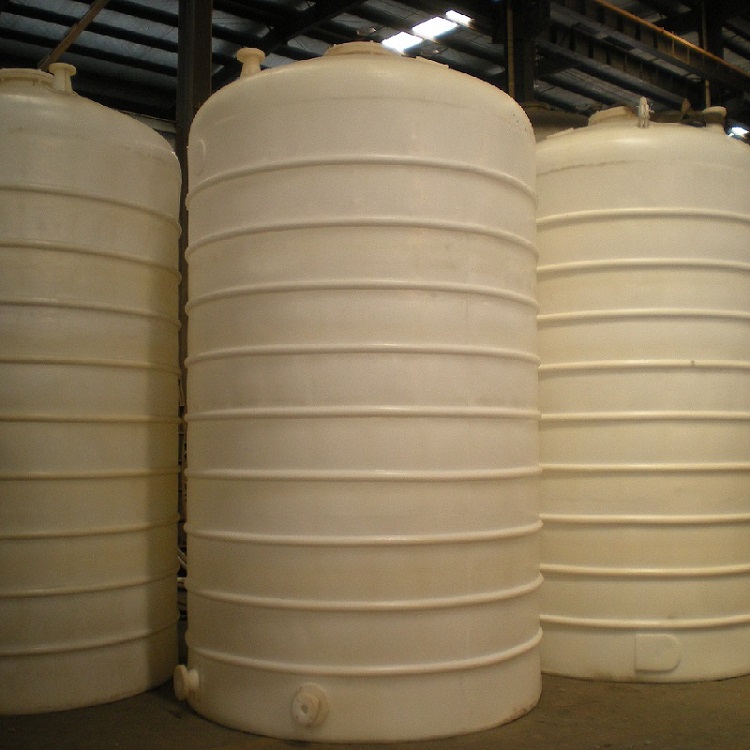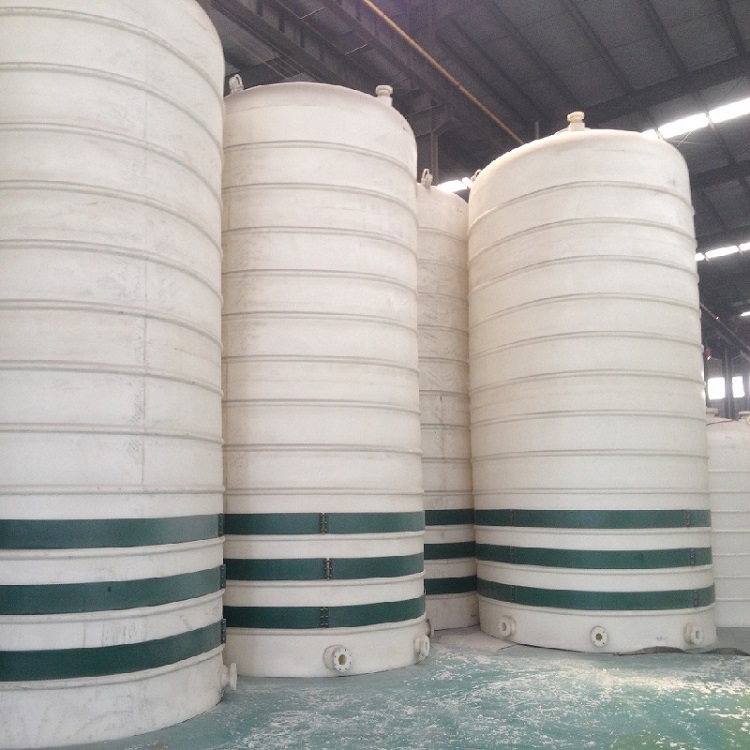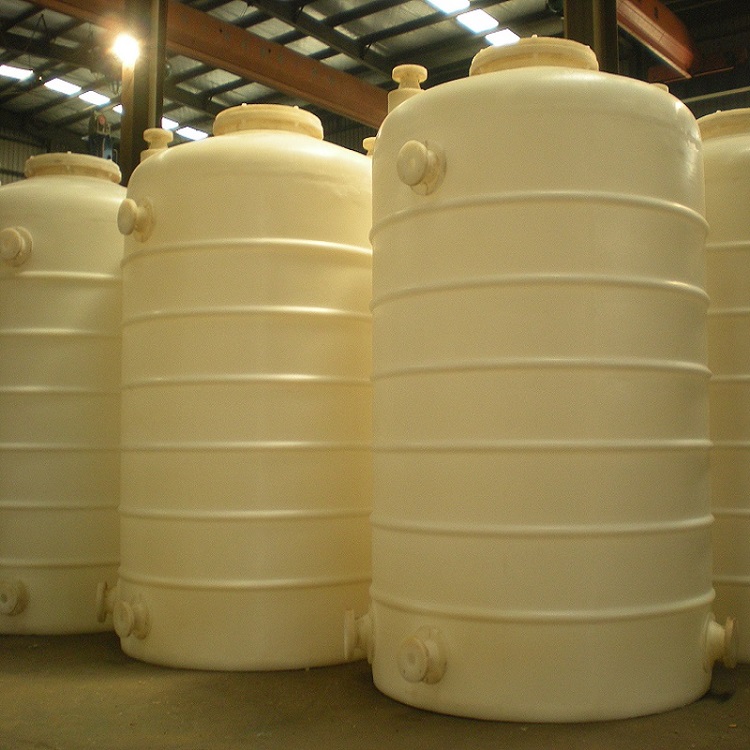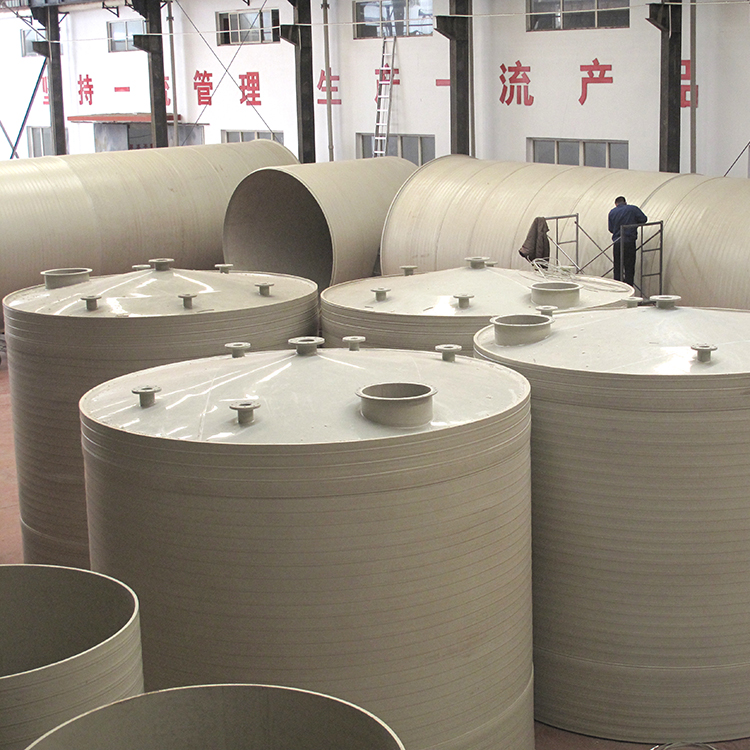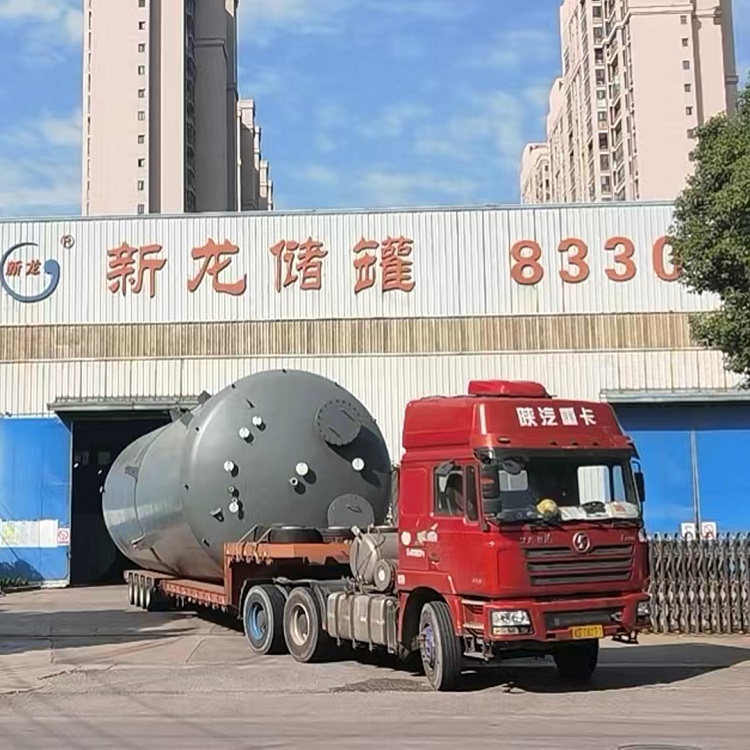

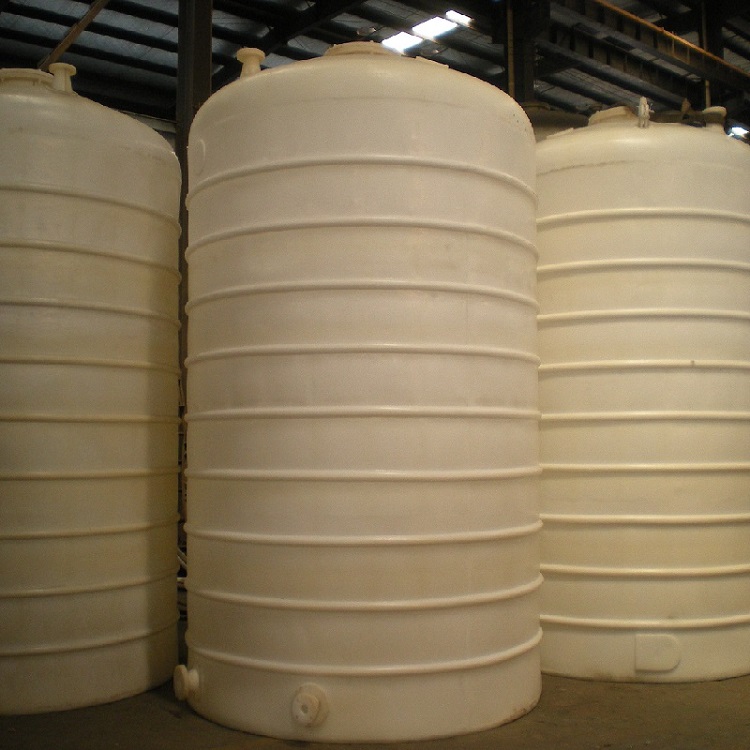

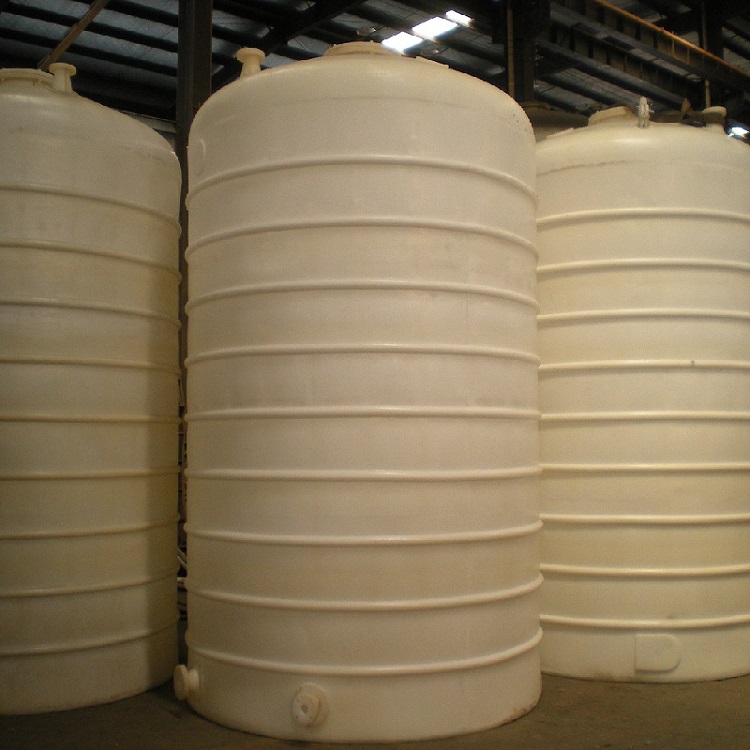
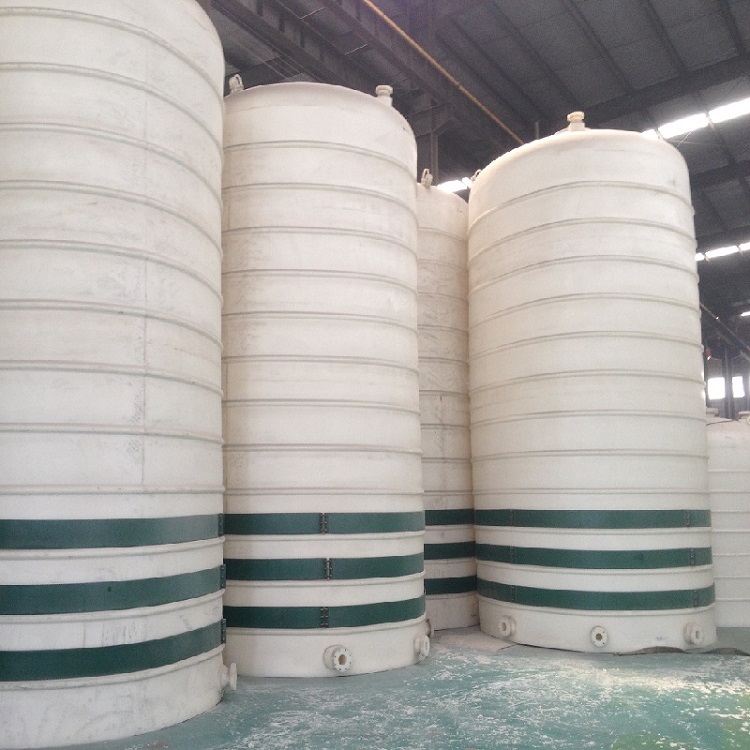
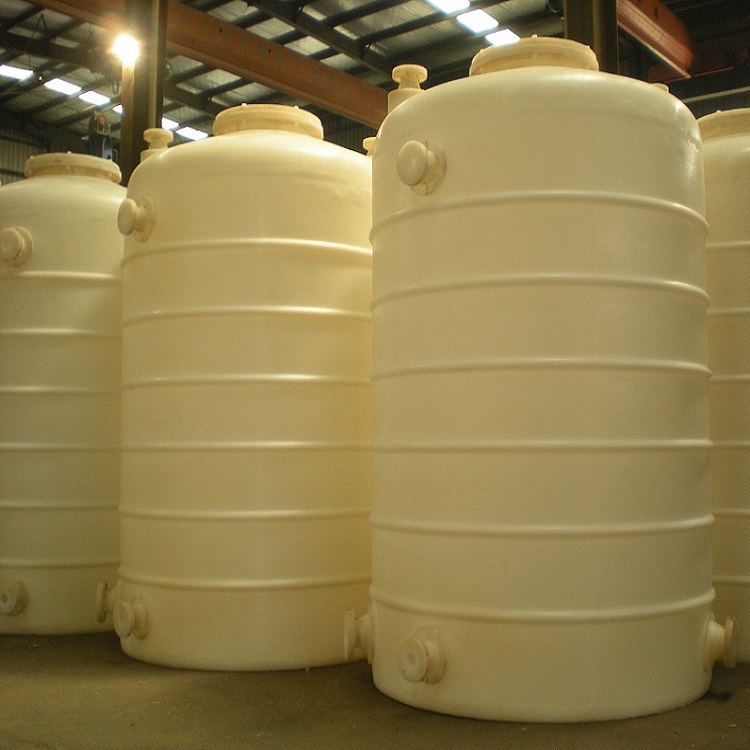


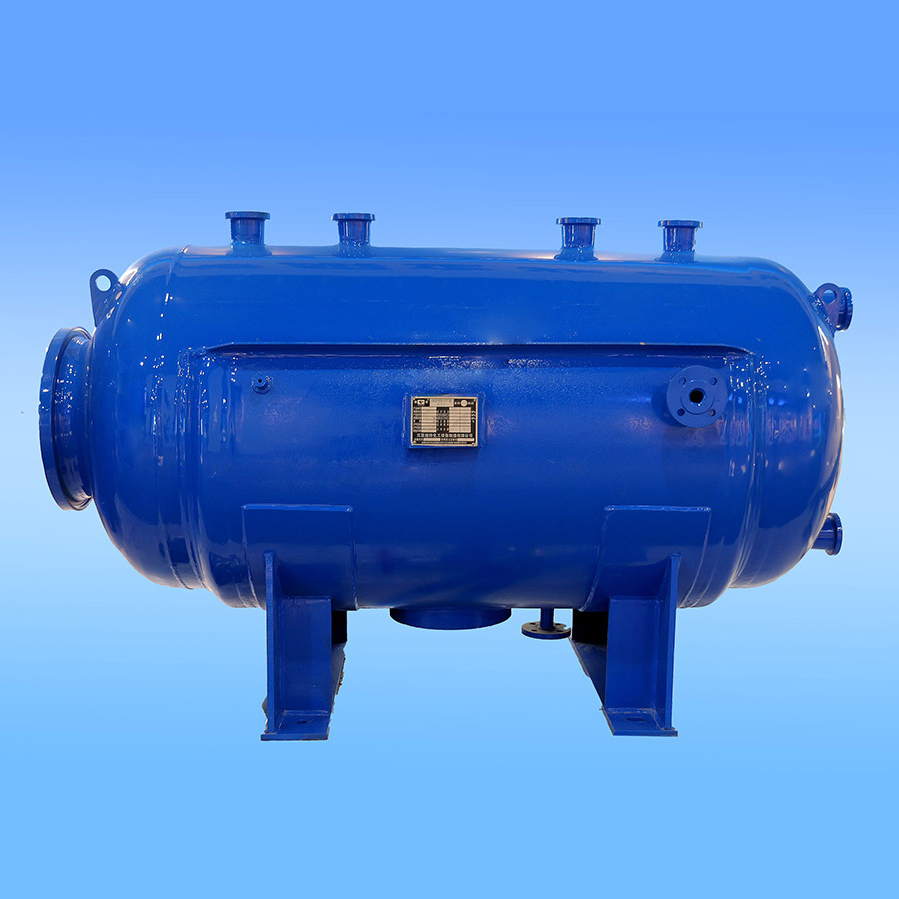
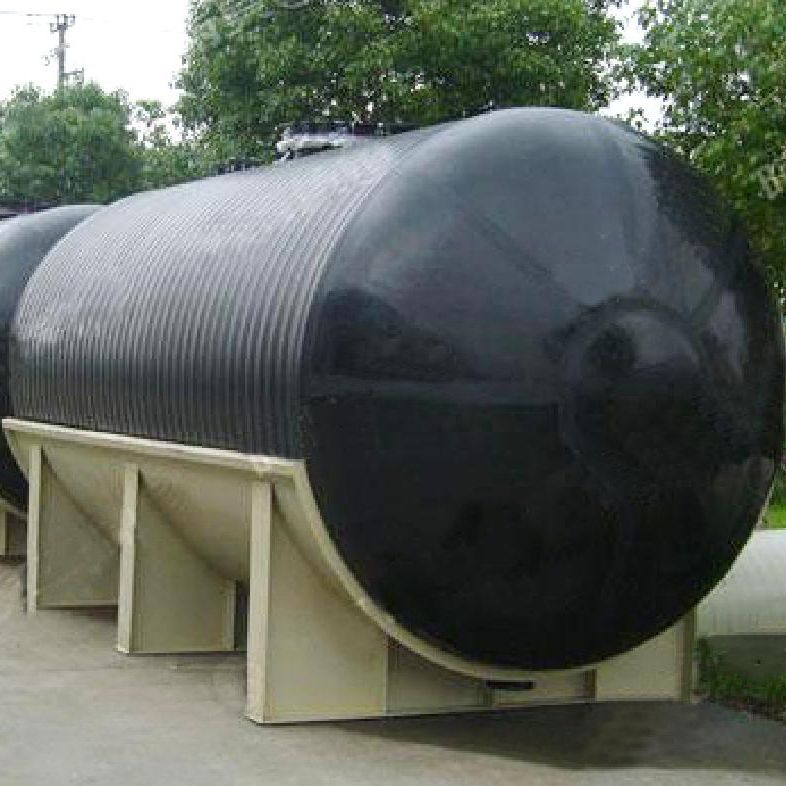
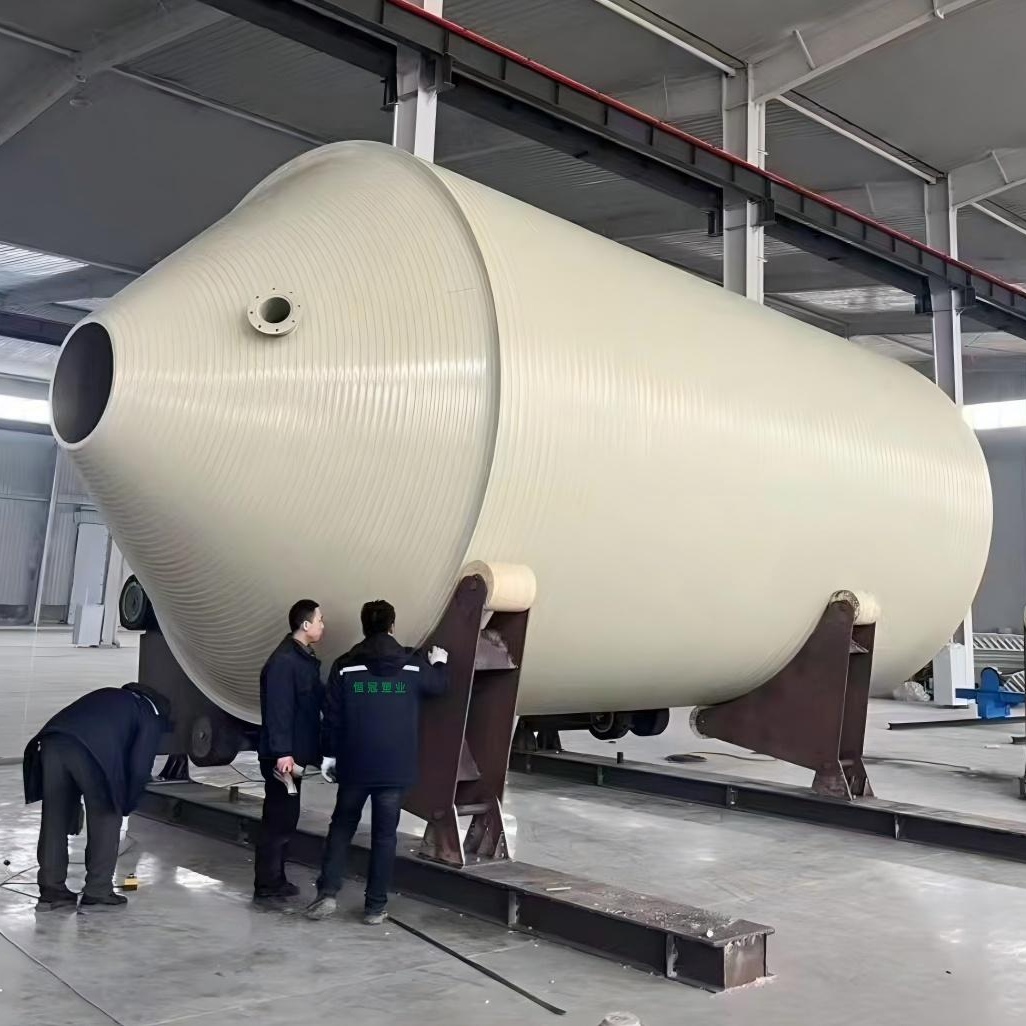
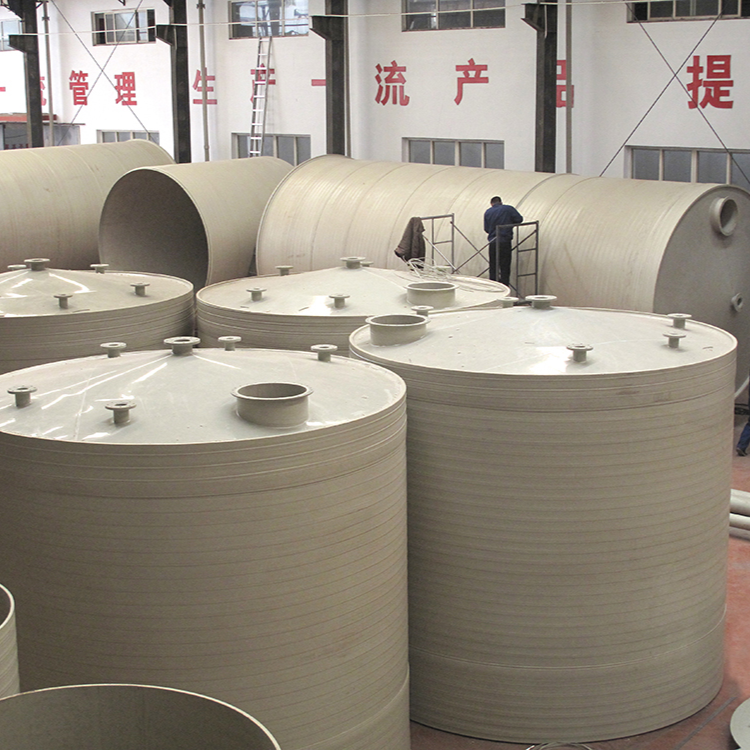





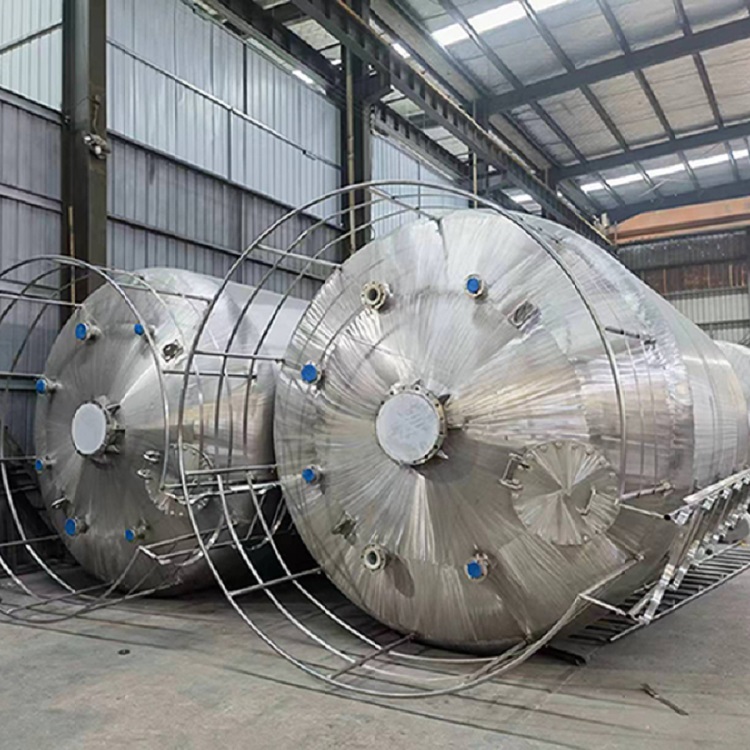

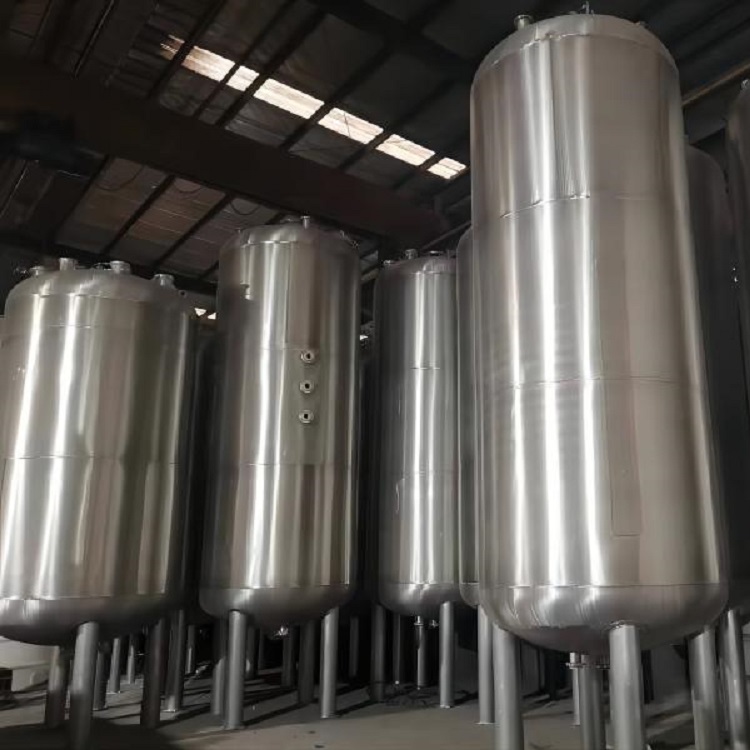

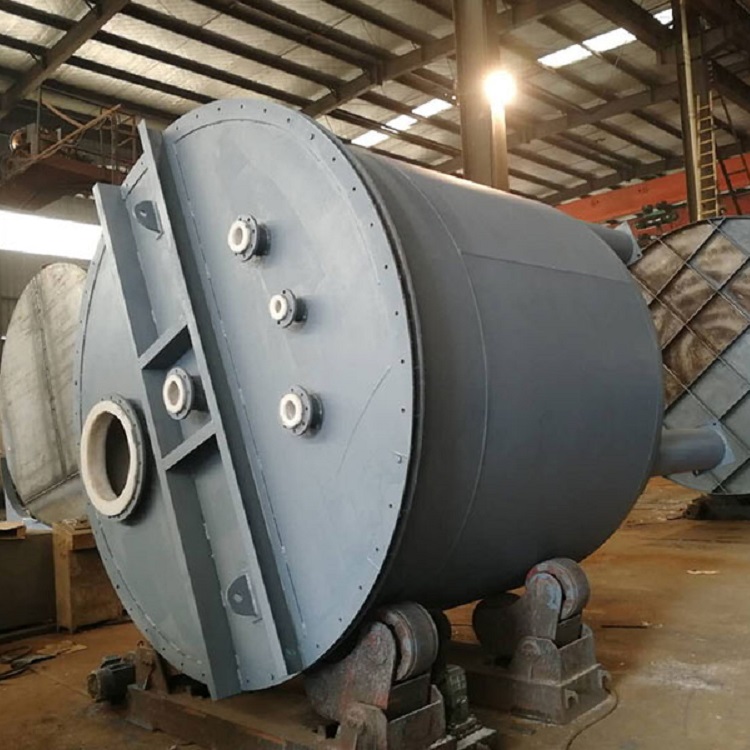

Product Features of Acid-Base Tanks:
1Material: Available in two series.AAll plastic: Made entirely of modified polyethylene.BSteel-lined plastic: A plastic exterior with a tightly bonded steel tank(Internally, the steel mesh is welded to the steel plate, and the entire steel mesh is then injection-molded within polyethylene.)
2Process: The overall molding is done in one go using the mold in rotational molding.(Inclusive of flanges for inlet and outlet ports)Seamless, leakproof. Smooth and attractive exterior, with a smooth interior for easy cleaning.
3The material exhibits good toughness, capable of withstanding external impacts effectively.(Can be struck with a large hammer without damage)Compared to ceramics, glass fiber, and enamelware, which are prone to cracking and breakage upon impact, this has a distinct advantage.
4Materials are non-toxic and meet food hygiene standards. Suitable for food production and storage transportation.
5Lightweight, reducing transportation costs.
6Excellent corrosion resistance with a wide range of corrosive media. Resistant to sulfuric acid and dilute nitric acid, any concentration of hydrochloric acid, hydrogen fluoride, phosphoric acid, formic acid, acetic acid, amines, hydrogen peroxide, sodium hydroxide, potassium hydroxide, and solutions of these salts, at temperatures of60Resistant to a variety of alkaline solutions at temperatures below degrees.50%Sulfuric Acid40%Nitric acid. Specific medium and concentration, please call for details.
7Scope of Application: Chemicals, petroleum, dyeing and printing, dye chemistry, papermaking, power plants, food, pharmaceuticals, pesticides, metallurgy, metal surface treatment, electronics, and other industries. Used for storage and transportation of corrosive media such as acids, alkalis, and salts.;Waste gas absorption and treatment;Chemical material reactions.