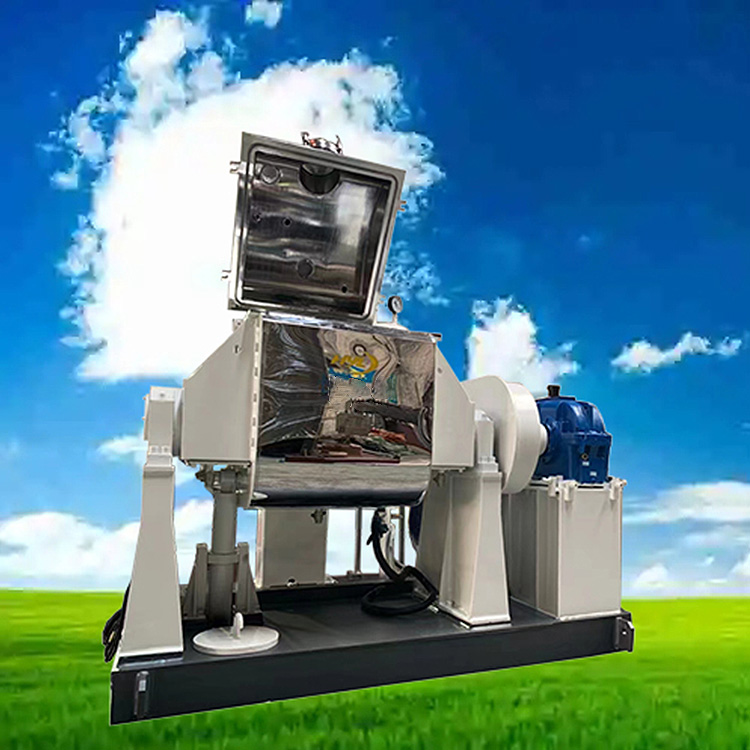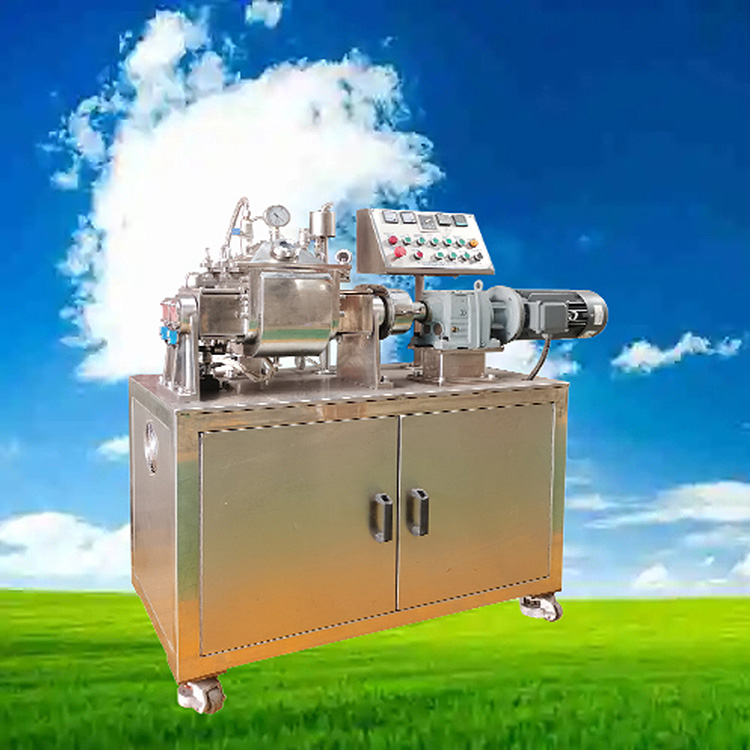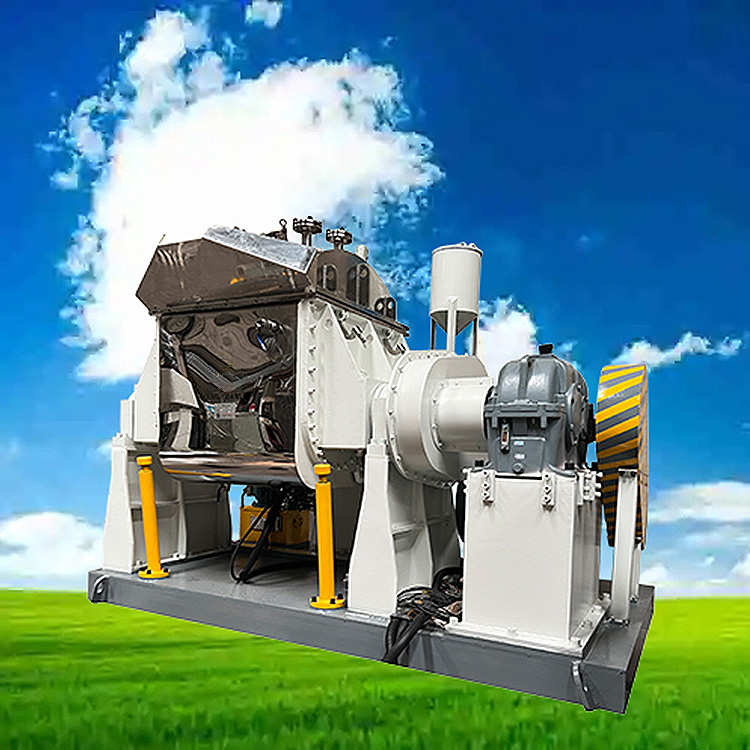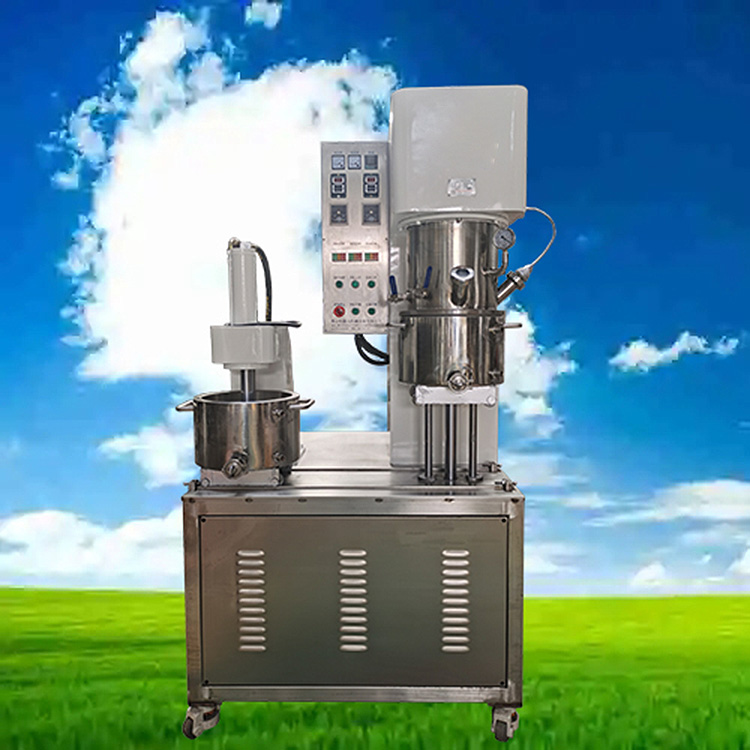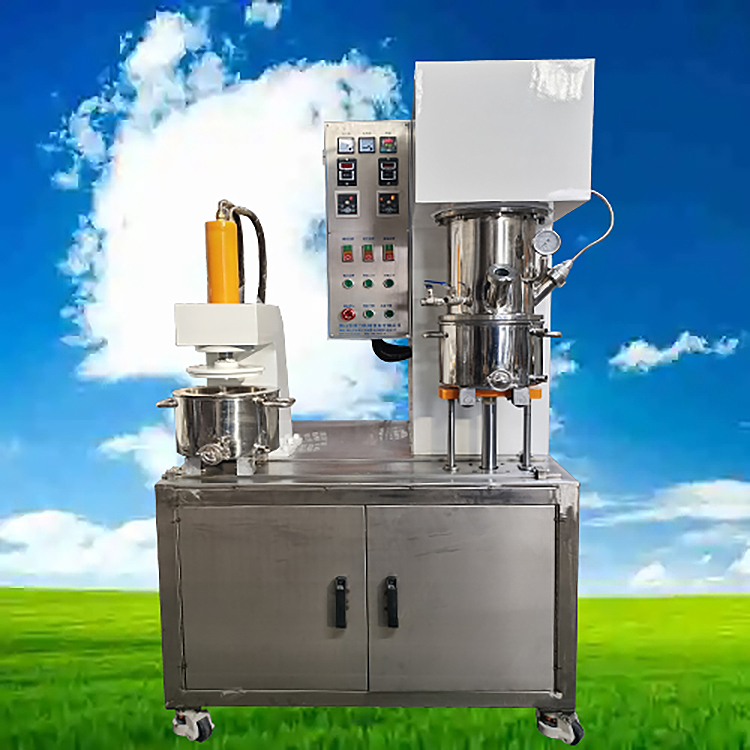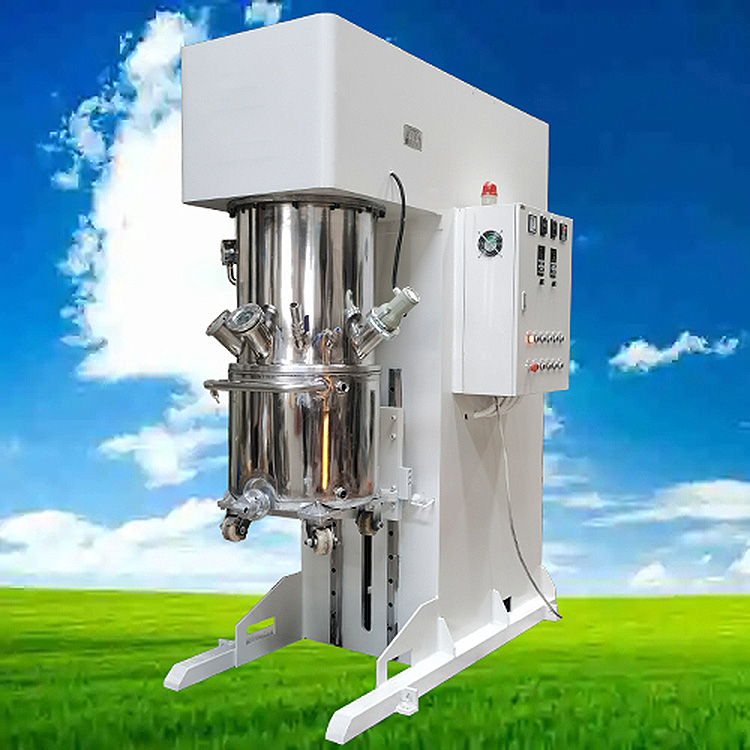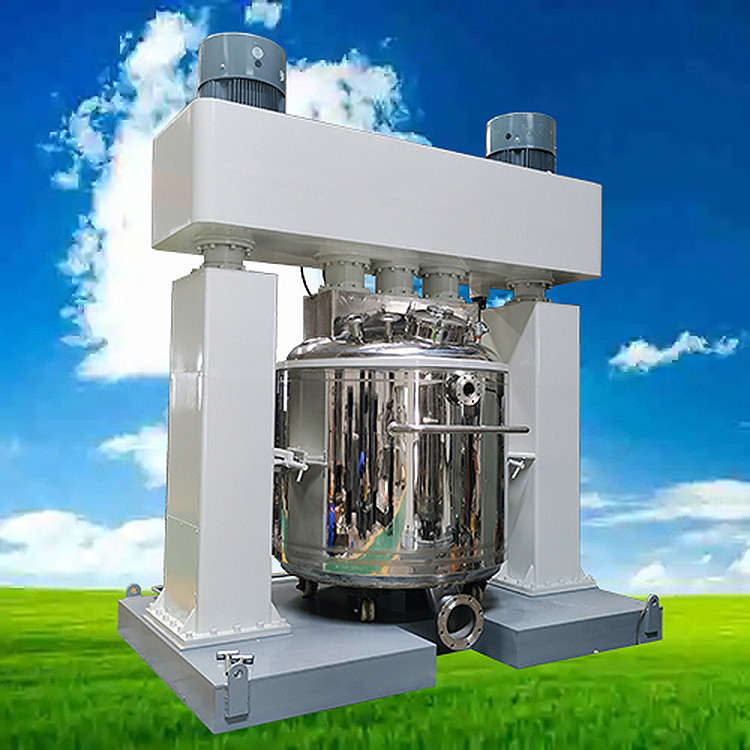

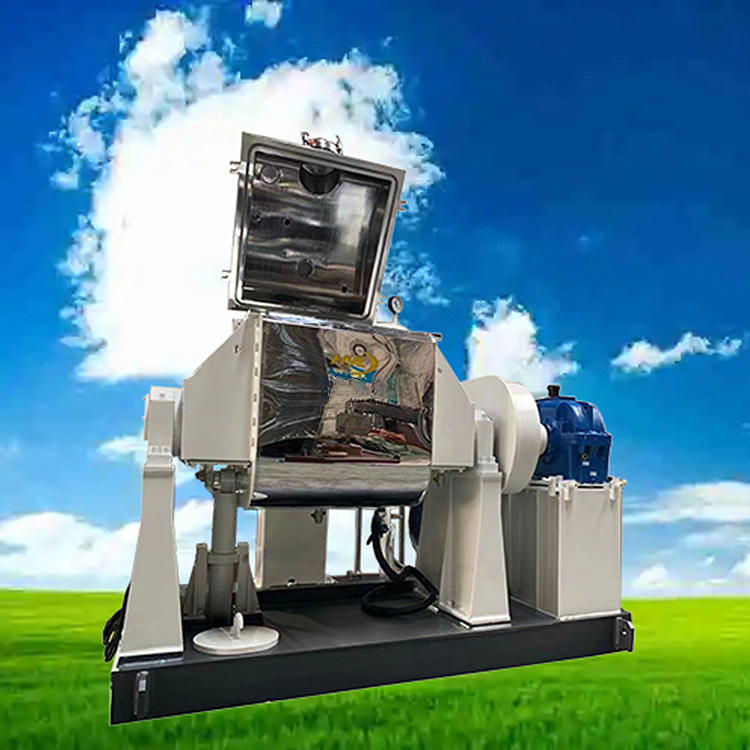

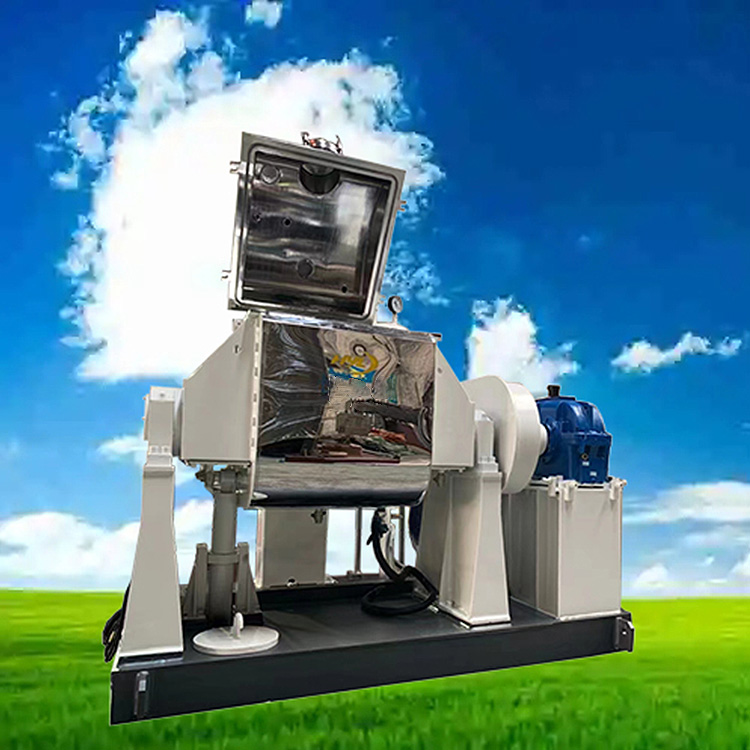
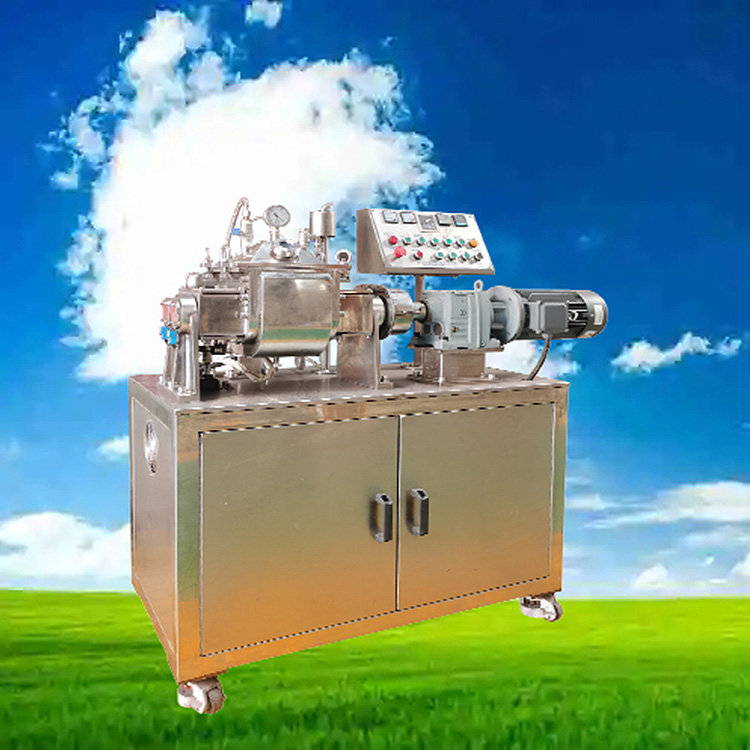
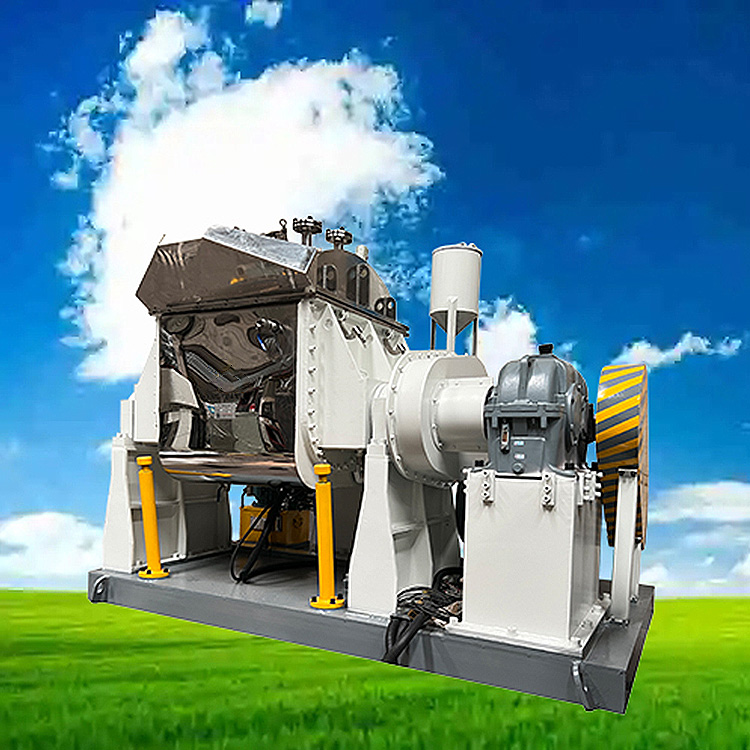







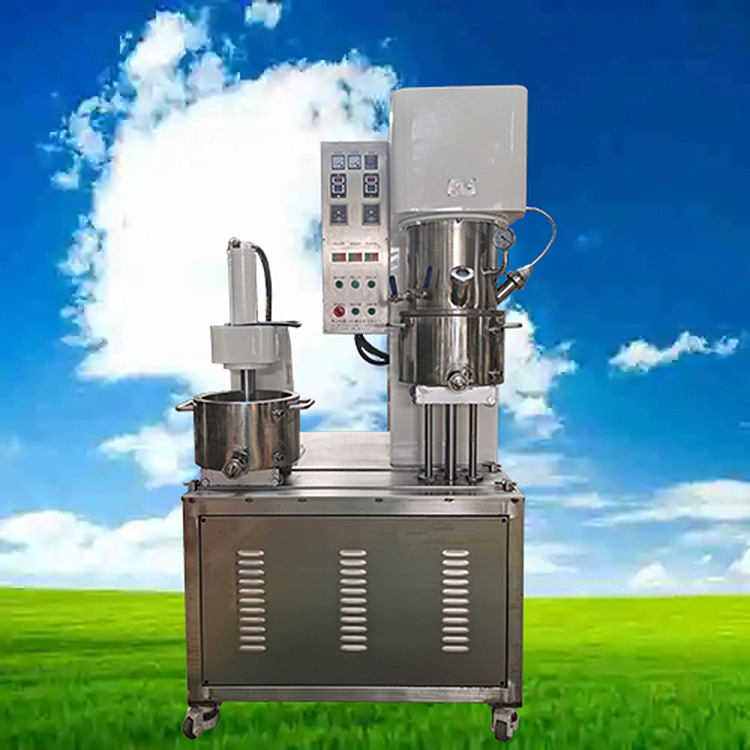
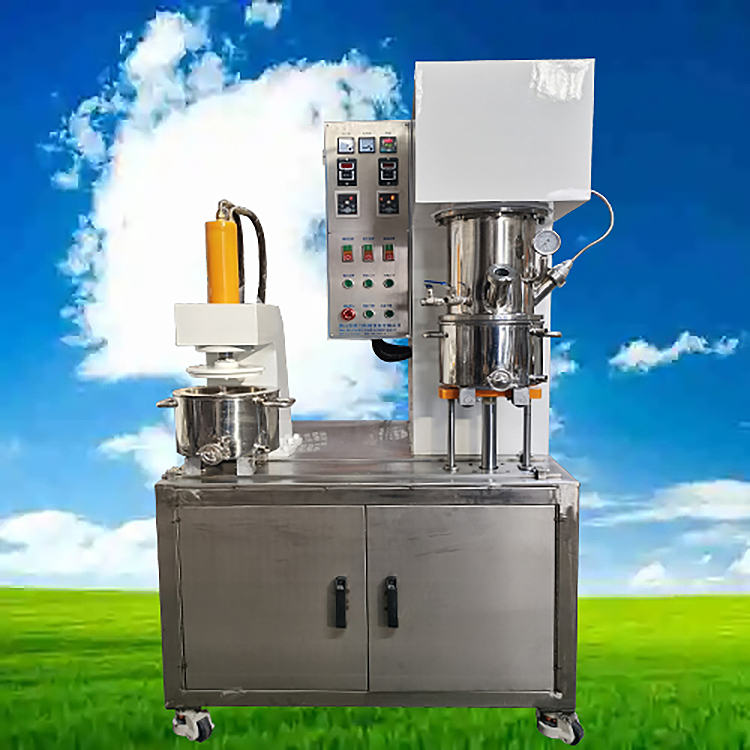
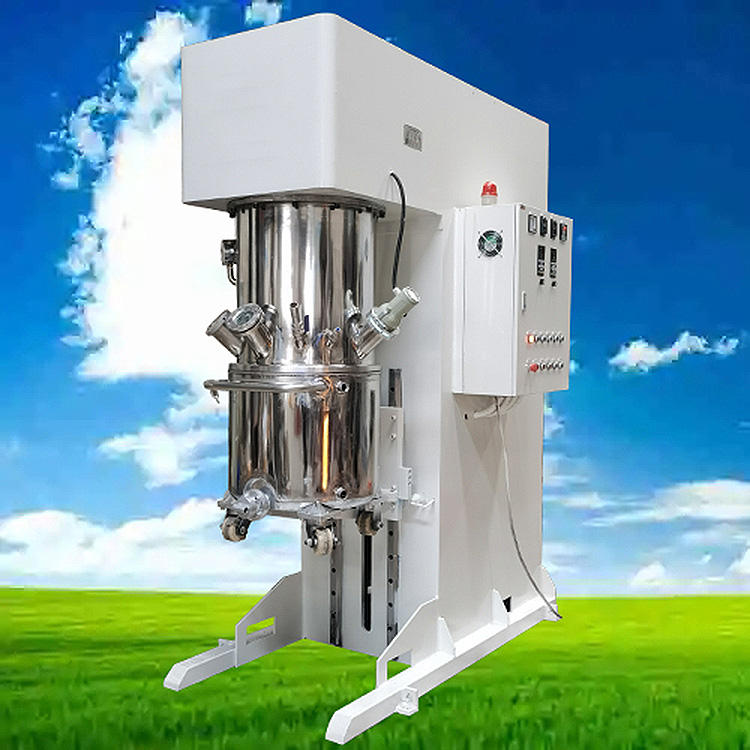
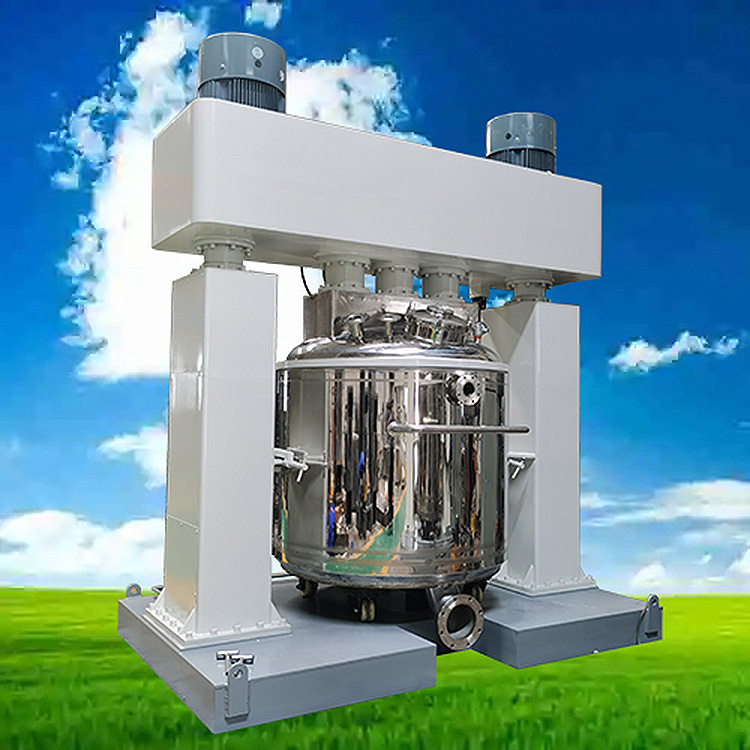
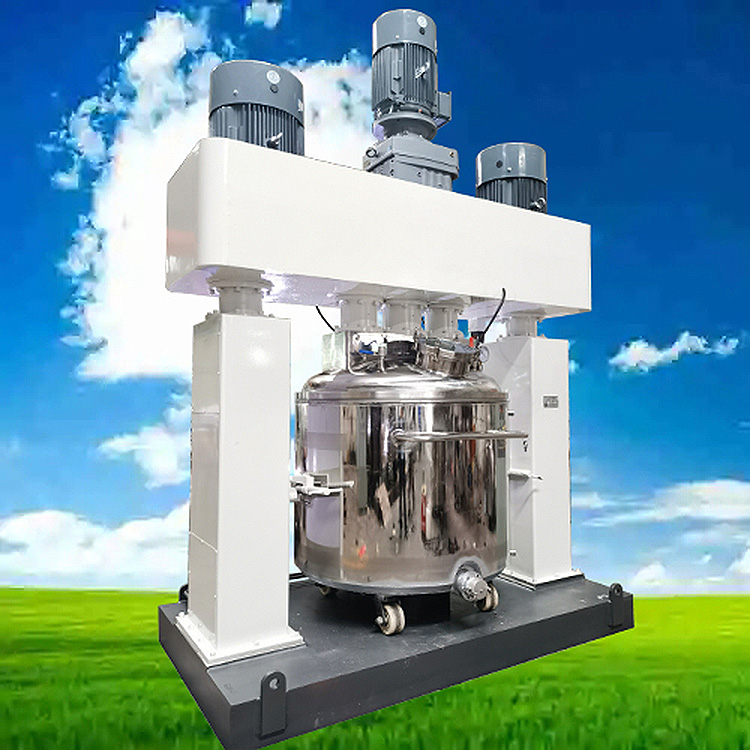
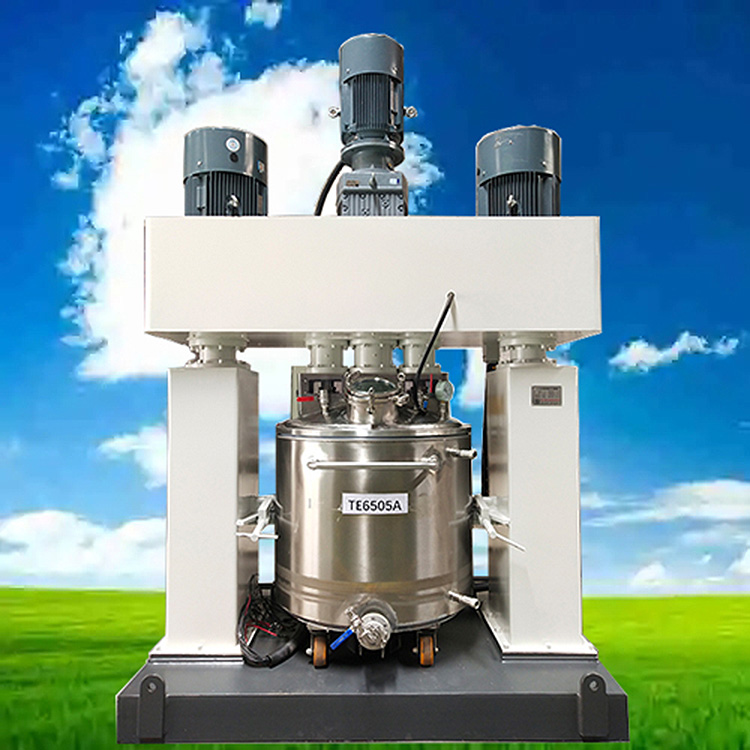
The kneader offers advantages such as even mixing, no dead spots, and high kneading efficiency.
The kneading machine is versatile, with a wide variety of types and extensive applications, particularly suitable for industries such as glass adhesives, organic silicones, silicone rubbers, medium to high viscosity sealants, paste materials, chewing gum, bubble gum, plastics, rubbers, dyes, pigments, inks, food gum bases, architectural coatings, carbon, cellulose, aluminum silver paste, hot melt adhesives, pulp, cellulose, battery pastes, dyes, organic silicon resins, and cosmetics. Our company's production requirements allow for the manufacture of three types: vacuum, atmospheric pressure. Heating is achieved through jacketed heating, thermal oil, and electric or water bath heating methods. Discharge options include hydraulic tilting, ball valves, and screw conveyors.
Intensive mixers are widely used for mixing, kneading, crushing, stirring, vulcanization, and re-agglomeration of high-viscosity, high-elastic plastic materials.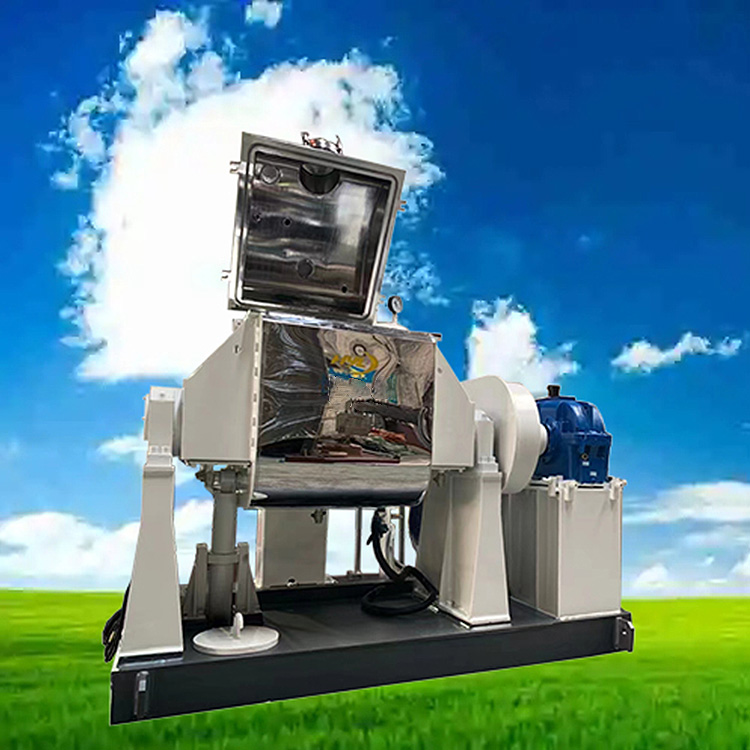 Structure of the vacuum kneading machine:
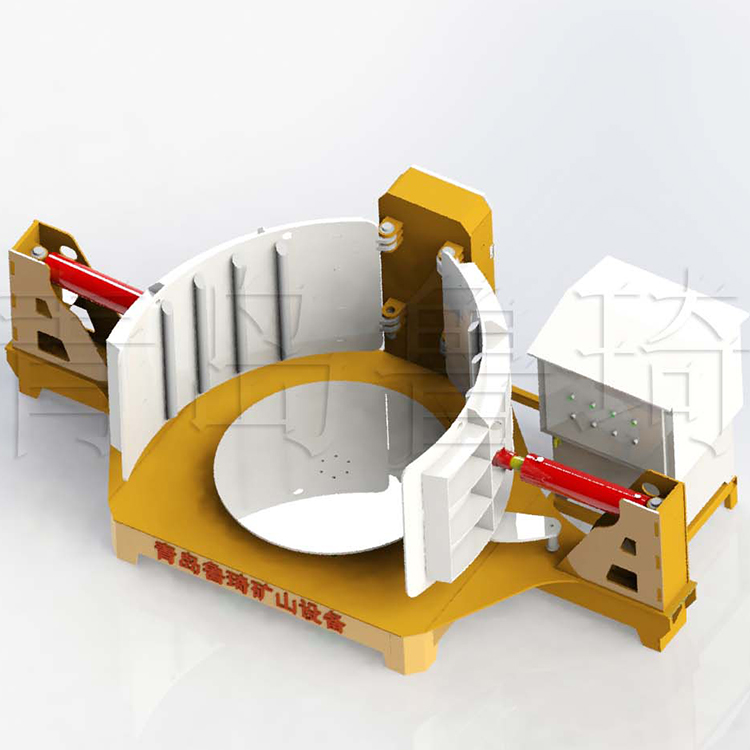
The vacuum intensive mixer is mainly composed of six major parts: the intensive mixing section, base section, hydraulic system, transmission system, vacuum system, and electrical control system. The intensive mixing section consists of cylinder bodies, paddle shafts, wall plates, cylinder covers, etc. The hydraulic system is operated by a hydraulic station to control two small hydraulic cylinders and two large hydraulic cylinders, completing the opening and closing of the large cover and the flipping and stirring function of the mixing cylinder. The system is designed with a pressure of 7.0 Mpa. The electrical control system features both manual and automatic control systems, allowing users to choose as needed, with easy and reliable operation. The transmission system is composed of an electric motor, a reducer, and gears, matched with the motor according to the model of the intensive mixer. During the transmission process, the motor's synchronous speed can be transmitted through a flexible coupling to the reducer, then to the output device to drive the fast paste to reach the specified speed. Alternatively, a variable-frequency inverter can be used for speed control.
-/gbahehf/-