







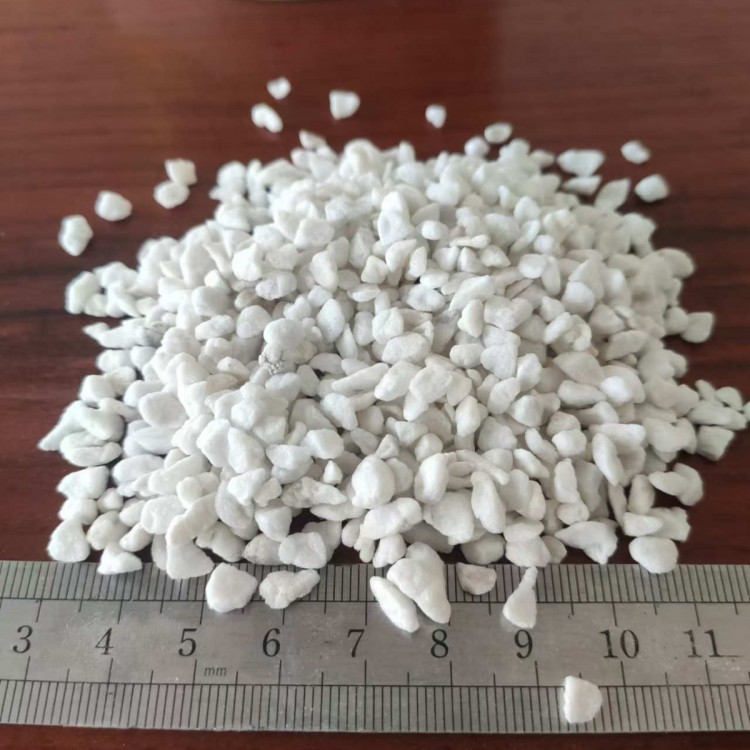
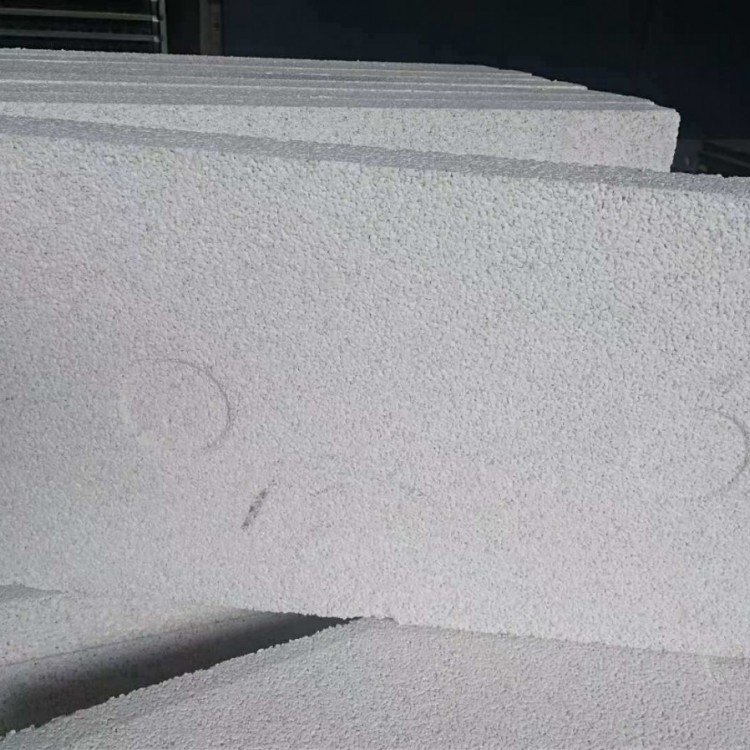
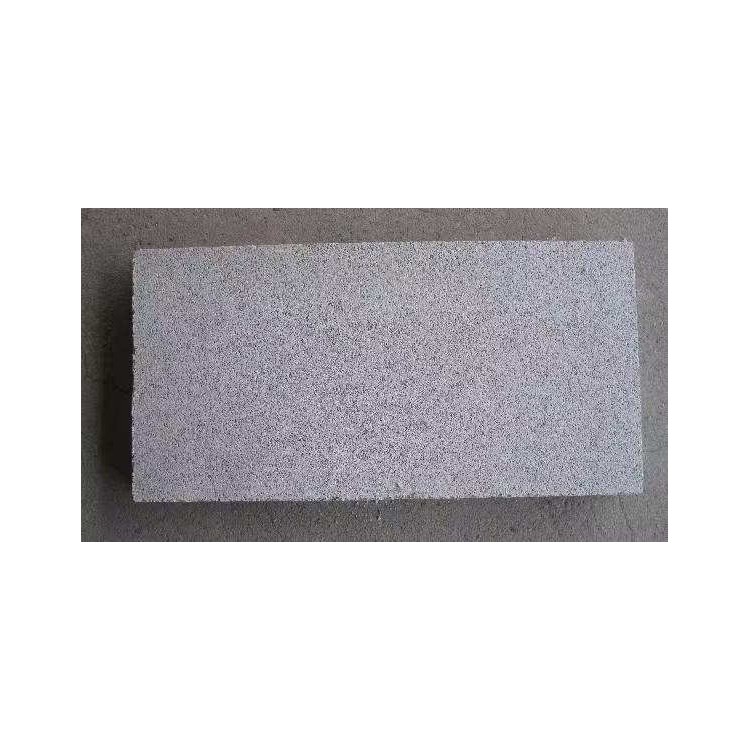
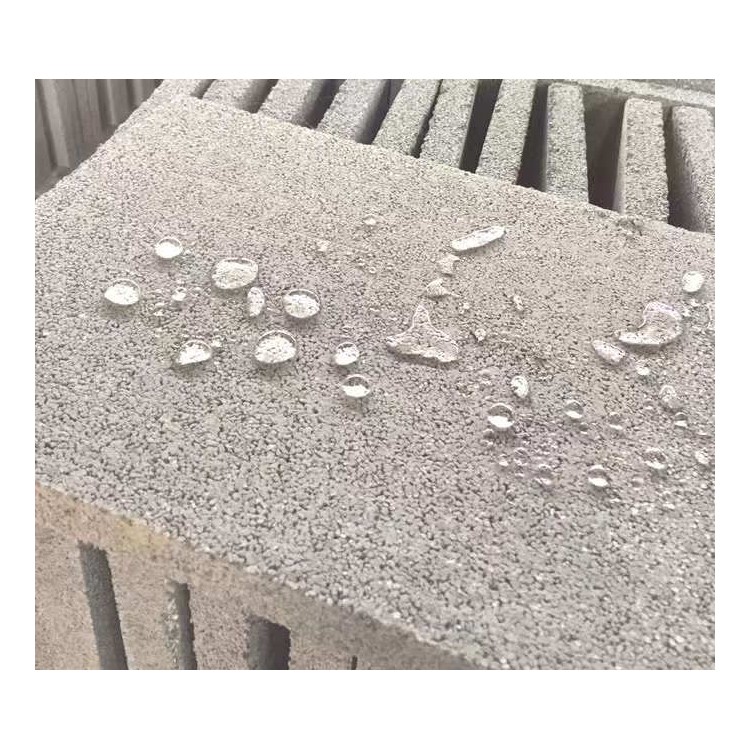
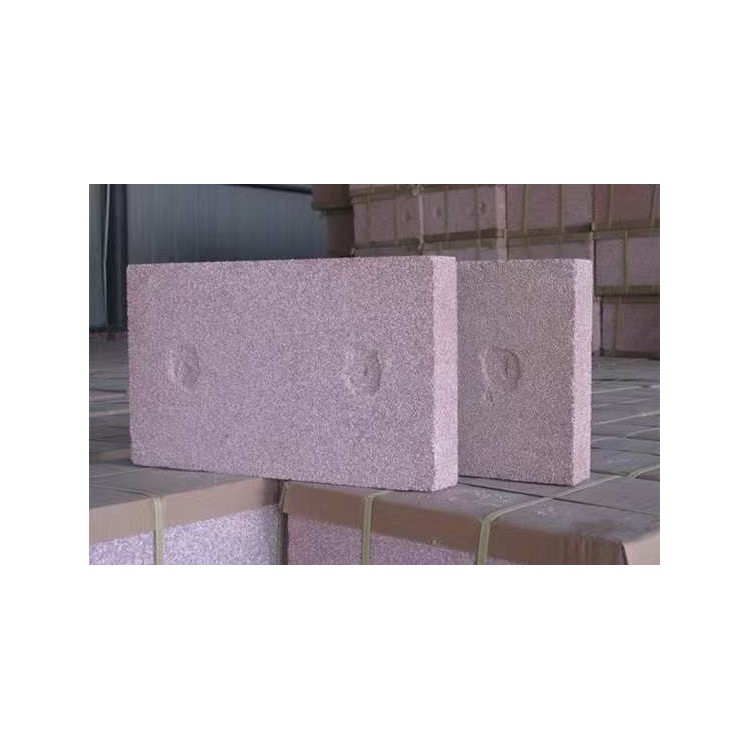
Pearlite is a lightweight mineral material widely used in gardening and construction fields. In gardening, the use of pearlite offers numerous unique advantages, making it an essential auxiliary means for plant growth.
Firstly, perlite is an inorganic material formed by the high-temperature expansion of volcanic rock, boasting excellent breathability and water retention. Its granular structure effectively retains moisture without causing soil to become waterlogged, thereby preventing root rot in plants. Such characteristics make perlite highly suitable for potted plants or seedling cultivation, as it provides a favorable growing environment for plants.
Next, the inorganic nature of perlite makes it less susceptible to pests and diseases, and it maintains cleanliness and hygiene better than organic soil. This is undoubtedly an important advantage for gardening enthusiasts who prefer ecological planting. Moreover, perlite itself does not release any harmful substances, making it friendly to both plants and the environment.
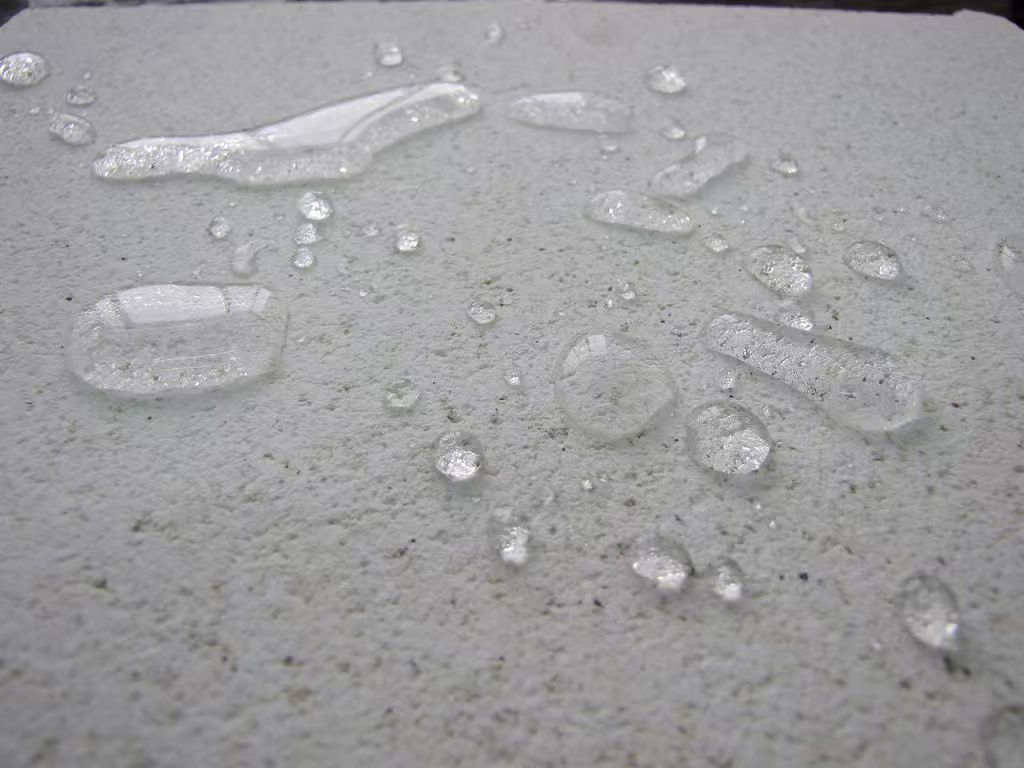
The lightweight characteristic of perlite also makes it more convenient for transportation and handling. For gardening enthusiasts who frequently adjust plant positions, using perlite as a substrate can alleviate burden and simplify operations. Additionally, due to its smaller particles, perlite can be mixed with other soil or substrates, further optimizing soil structure and enhancing plant growth.
When using perlite, it's generally recommended to blend it with peat moss, coir, and other organic materials to create an ideal planting medium ratio. This not only enhances the nutrient content of the medium but also improves its water and nutrient retention, providing plants with more favorable growing conditions.
Note that while perlite has many benefits, it should still be used in moderation. Overuse of perlite can lead to rapid drainage of the substrate, which may negatively impact plant growth. Therefore, garden enthusiasts should adjust the amount of perlite based on the specific plant type and growth requirements.
In summary, perlite is an ideal material for horticulture, being lightweight, breathable, and inorganic and hygienic, providing an excellent growing environment for plants. With the advancement of horticultural technology, perlite's applications will become more widespread, becoming the preferred choice for many horticultural enthusiasts.