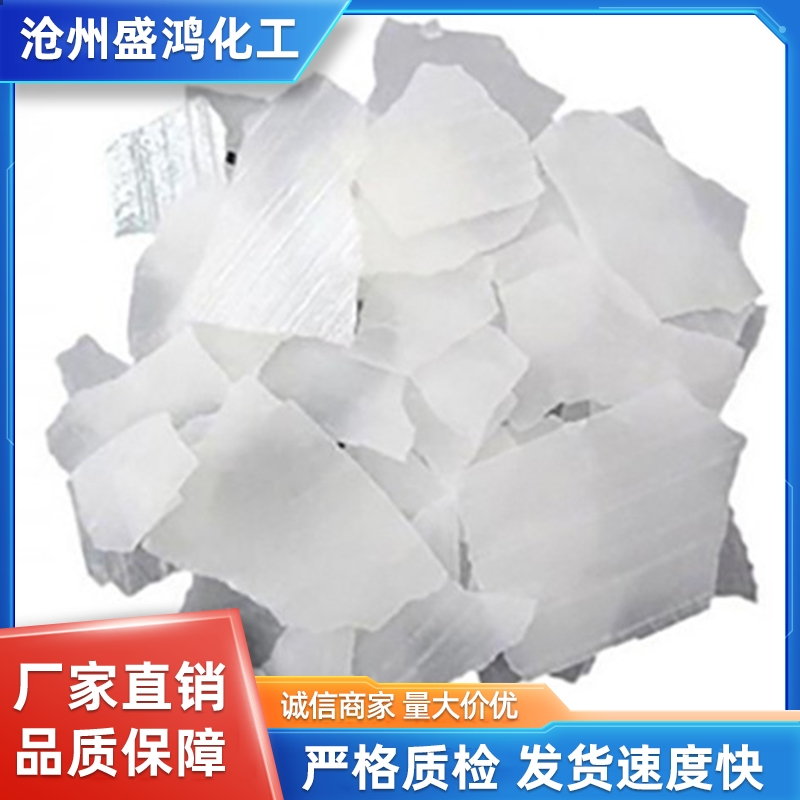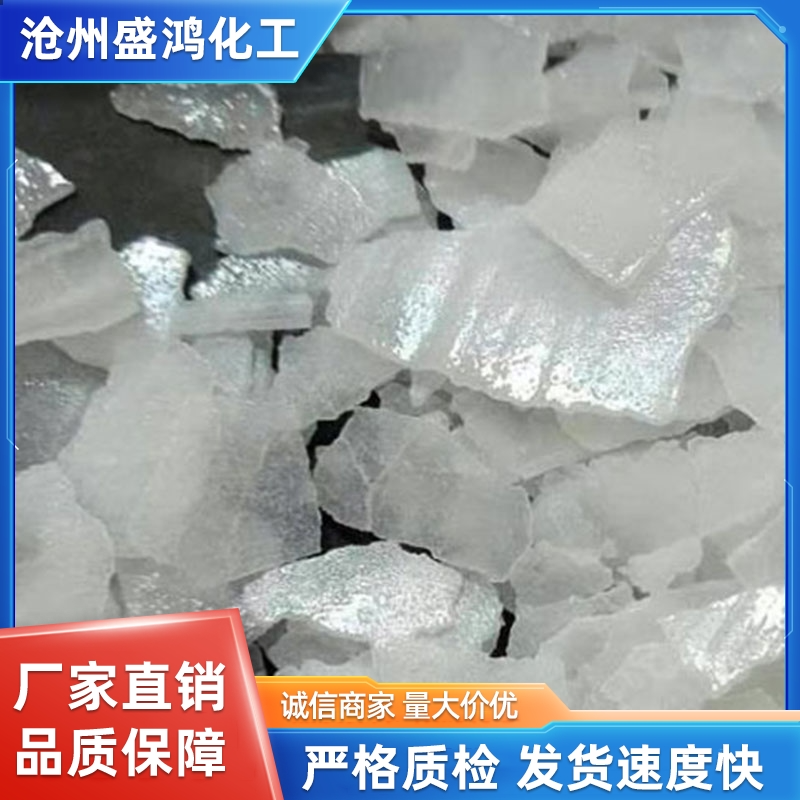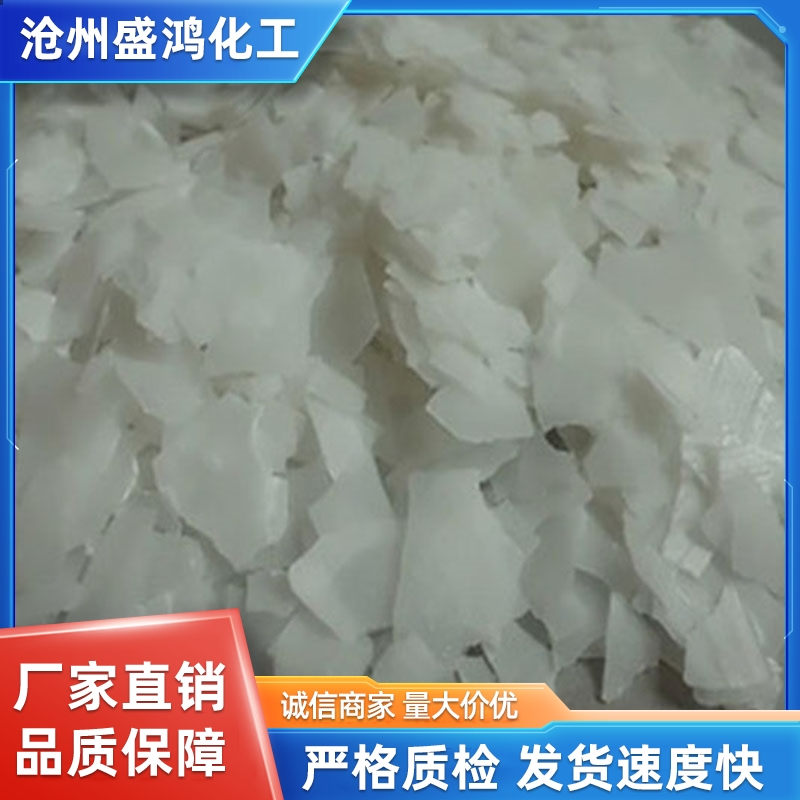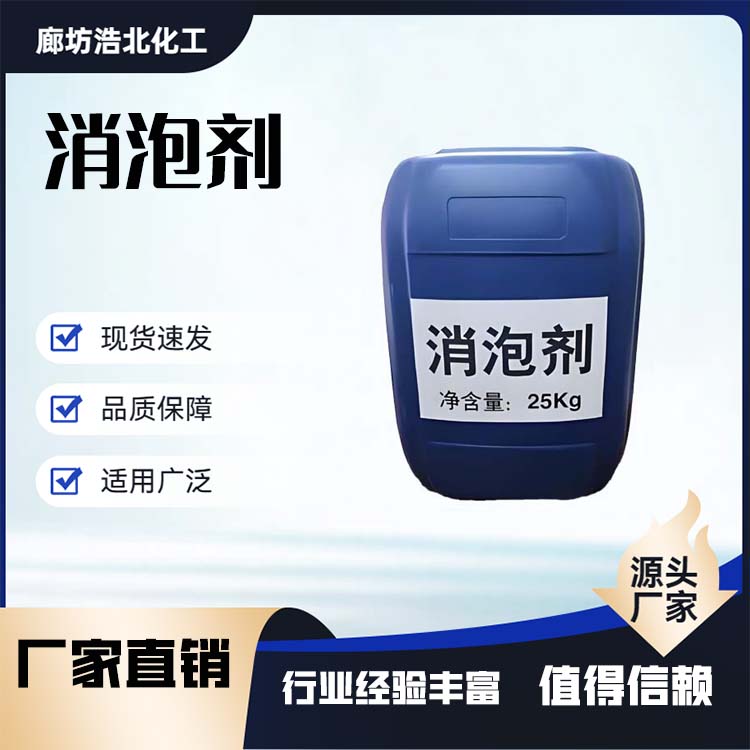


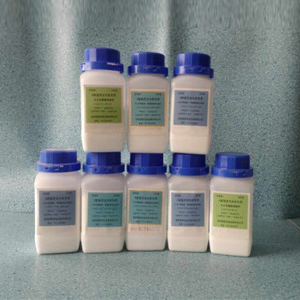






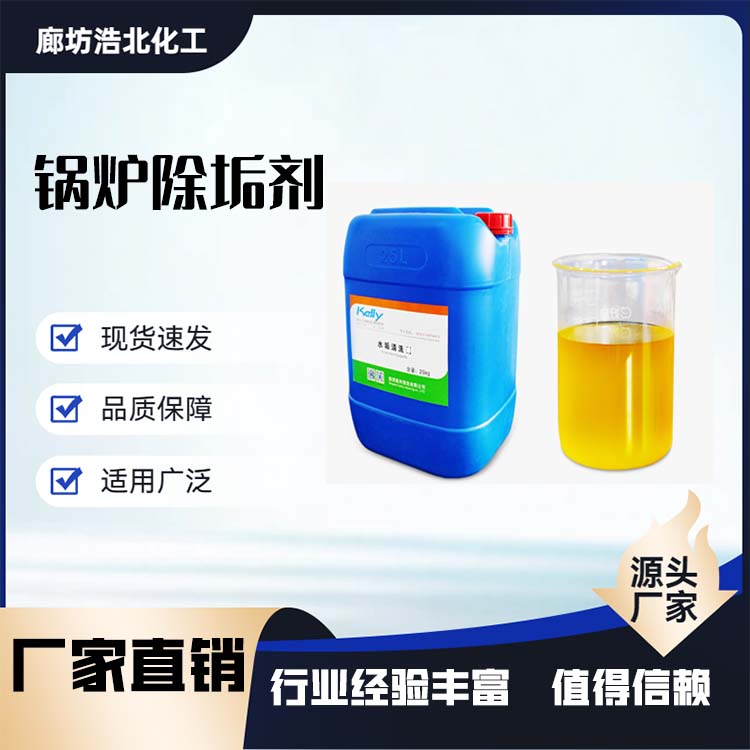
Defoaming agents are chemical substances that can remove scale from inside boilers, widely used for descaling electric boilers, oil-fired boilers, gas-fired boilers, coal-fired boilers, water heaters, hot water boilers, heating boilers, bath boilers, steam boilers, and plate heat exchangers, etc.
Scale formation
The boiler heats water, causing some of it to evaporate. Insoluble calcium sulfate (CaSO4, also known as gypsum, which is hydrated calcium sulfate) settles out. The originally dissolved calcium bicarbonate (Ca(HCO3)2) and magnesium bicarbonate (Mg(HCO3)2) decompose in the heated water, releasing carbon dioxide (CO2) and forming insoluble calcium carbonate (CaCO3) and magnesium hydroxide (Mg(OH)2) which settle out. Sometimes, MgCO3 is also formed, leading to scale buildup. Depending on the cause and formation, scales are generally categorized into hard and soft types. The main component of scale is calcium carbonate, which can undergo chemical reactions with acids. Therefore, acidic chemical agents can be used to remove boiler scale, and these are known as boiler descaling agents.
Benefits of Scale Removal
The boiler will operate without scaling, significantly reducing fuel consumption.
2. Reduced boiler cleaning and maintenance costs.
3. Prevent potential safety hazards such as corrosion, bulging, deformation, leakage, and even explosion caused by boiler scaling.
4 Significantly extends the lifespan of the boiler.
Avoid losses caused by production halt due to boiler cleaning or repair.
Product Features
1. This boiler cleaner effectively removes various scales, rusts, and difficult-to-dissolve deposits formed by the heating of the boiler.
2. Low descaling temperature, controlled between 60~70°C for descaling.
3. Scaling and Corrosion Rate Lower Than National Standard (<6g/m2/h)
Rapid descaling, can be completed in 2 to 10 hours depending on scale thickness. 4
This boiler cleaner is suitable for steam boilers, hot water boilers, locomotive boilers, flash vaporizers, smelting furnaces, electrically heated steam generators, coolers, evaporators, water-heated jackets, and pipeline system cleaning, all with pressures below 3.82 MPa.
Physical and Chemical Properties:
Appearance: Light yellow liquid
Density (20°C), g/cm³ 1.05~1.08
Water Solubility - Easily Soluble
Flammability - Non-flammable
pH < 1.5
Instructions
·Lower the boiler's operating temperature to ambient and discharge the boiler water thoroughly.
·Connect each effluent pipe to the dosing tank.
·Dilute this boiler cleaner with water at a ratio of 1:2 to 3 in the mixing tank, and pump it into the boiler to the highest liquid level line using a circulating pump.
·Ignite and heat the boiler to maintain a temperature of 60°C.
·Open each effluent valve to circulate clean each pipeline.
After a period of cleaning the soiled area, measure the pH of the boiler cleaner. If the pH remains unchanged for the next half hour, add a certain amount of the boiler cleaner, and if the pH remains the same half an hour later, it indicates that the cleaning is complete.
The KJR-110 neutralizer can be discharged after neutralizing pH values of 7~8. After manually cleaning the boiler residue, thoroughly rinsing the pot, and applying a pre-film to the boiler, it can be put into normal use or stored with protective agents added.