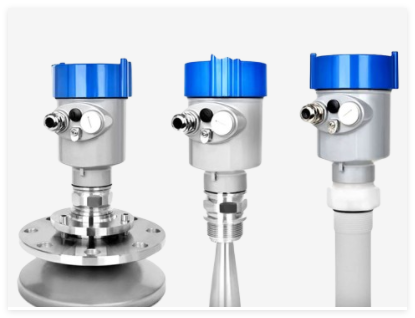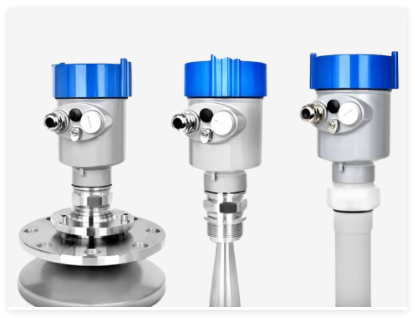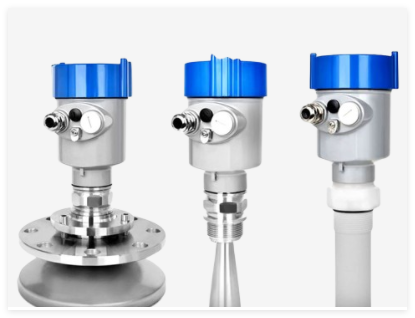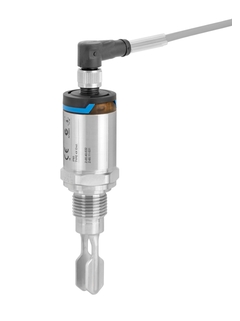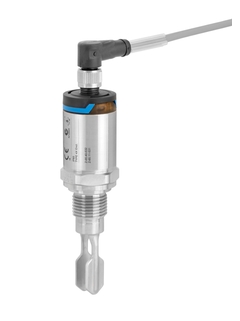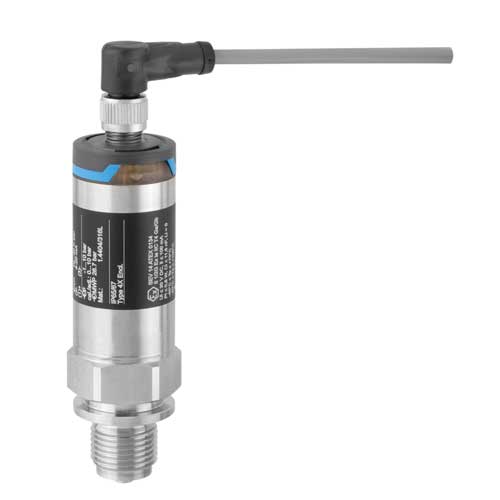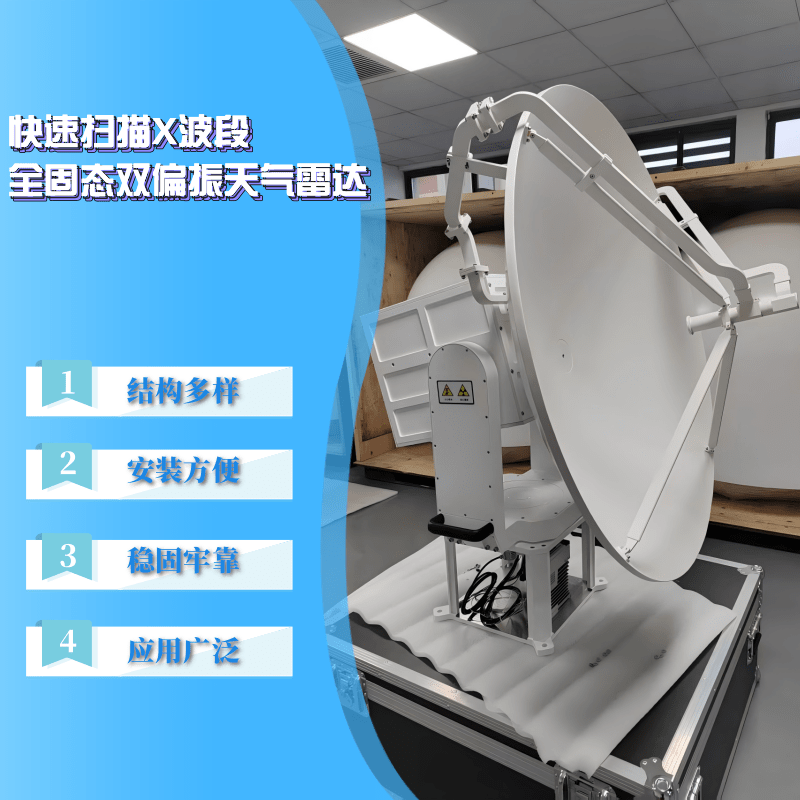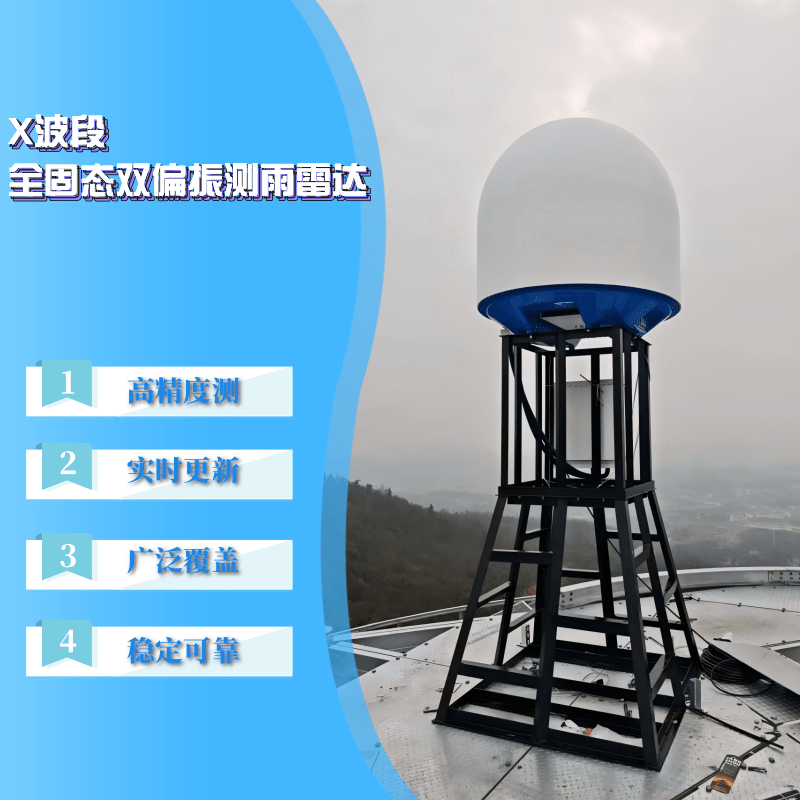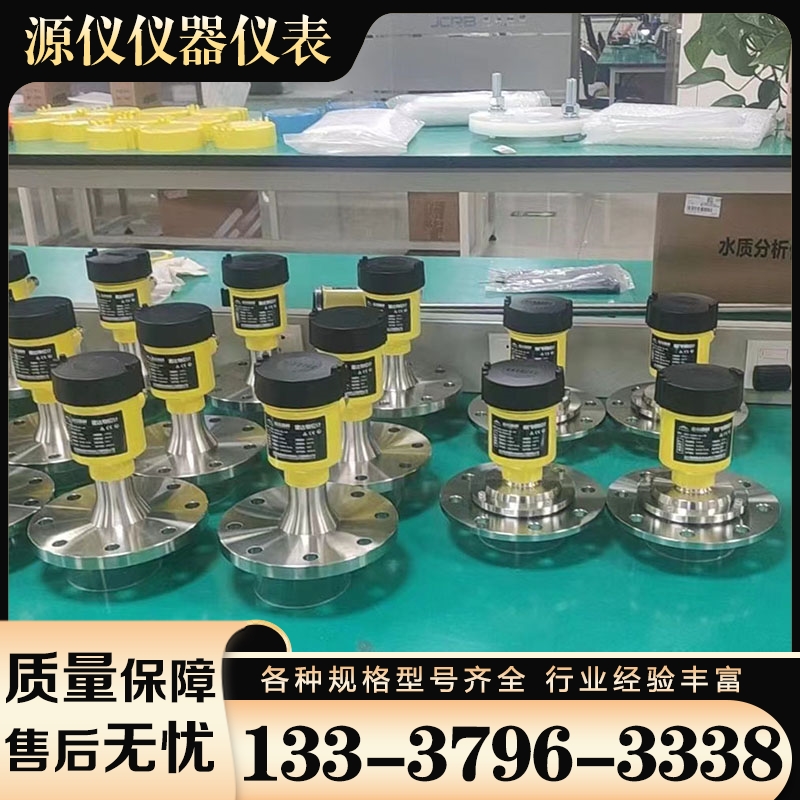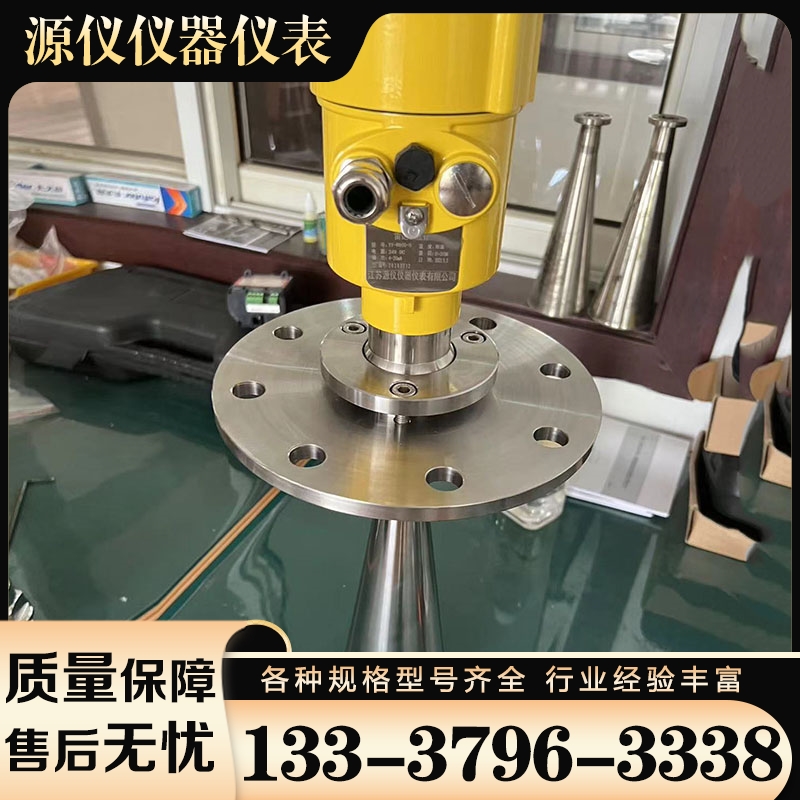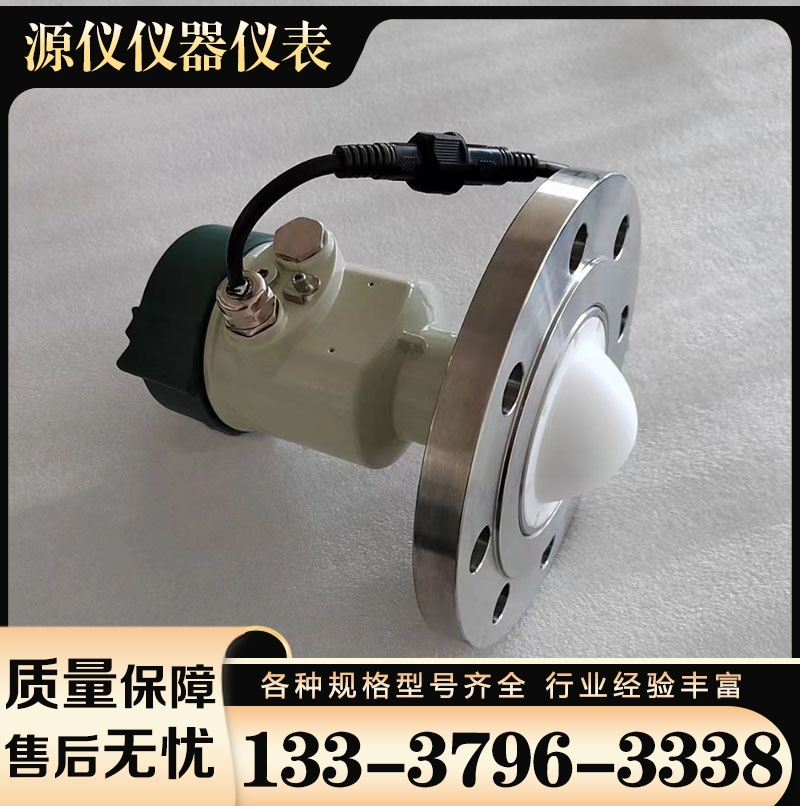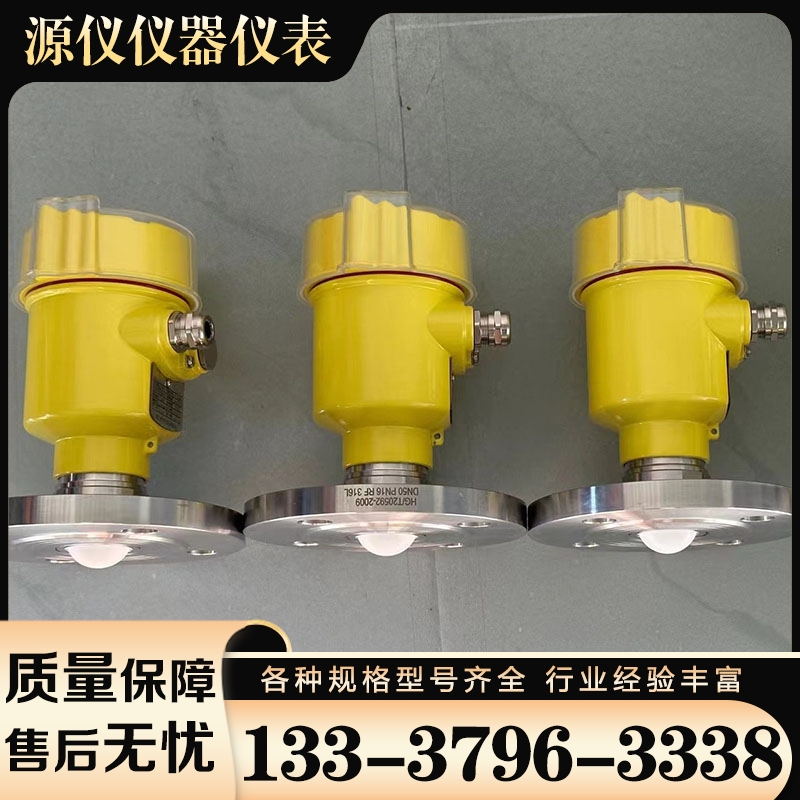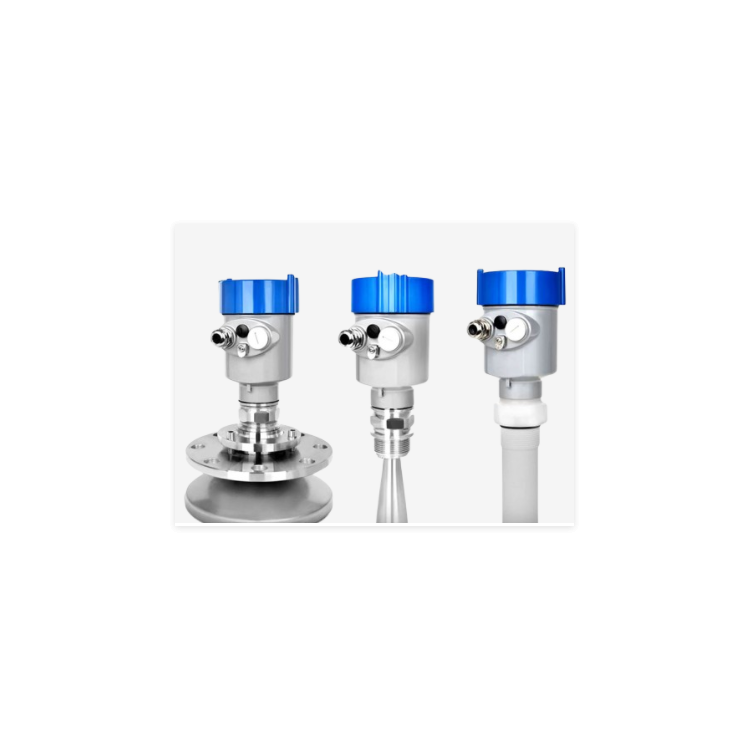



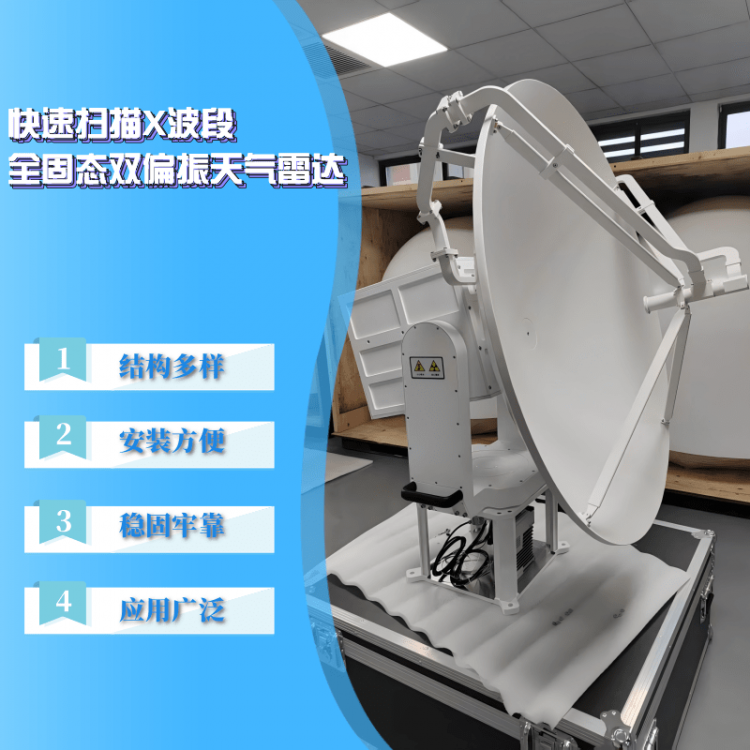





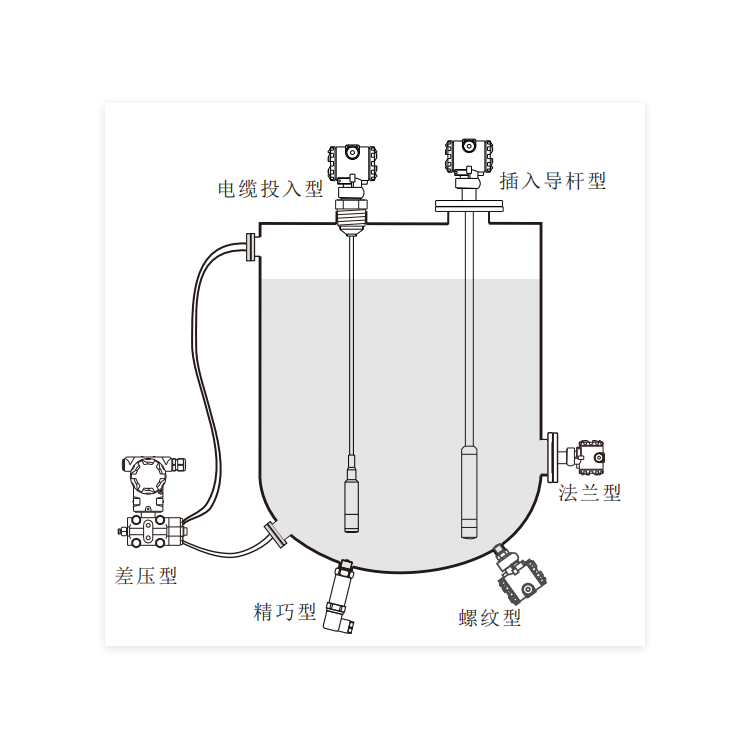
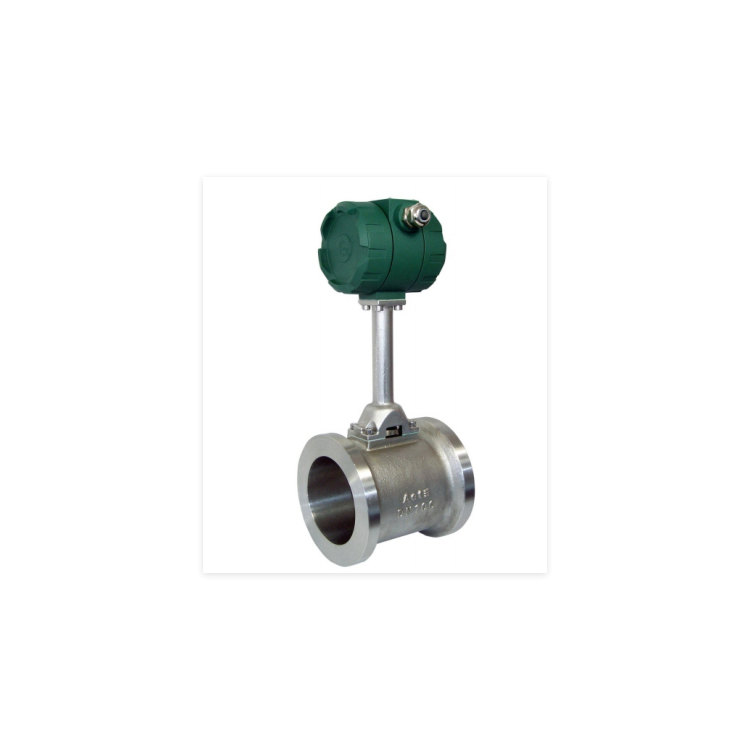
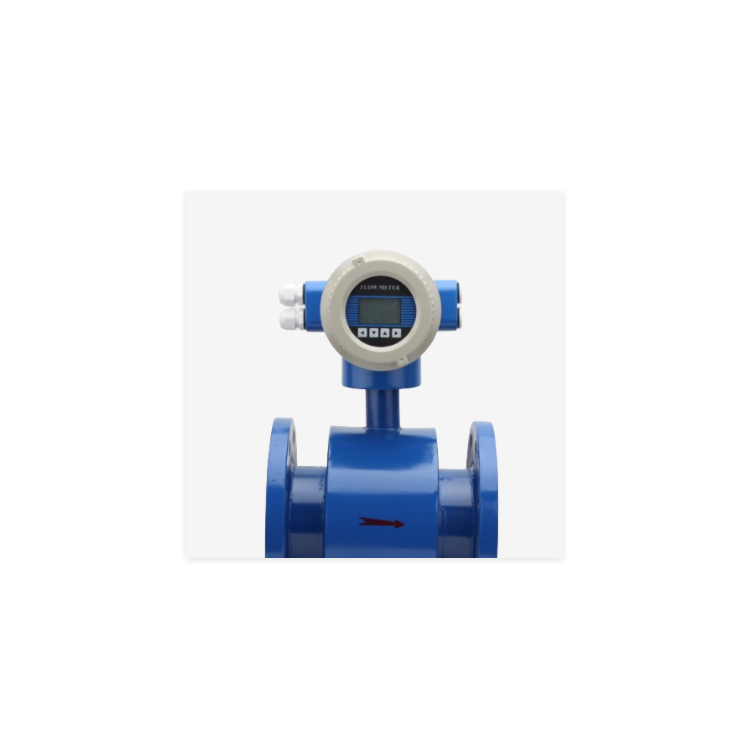
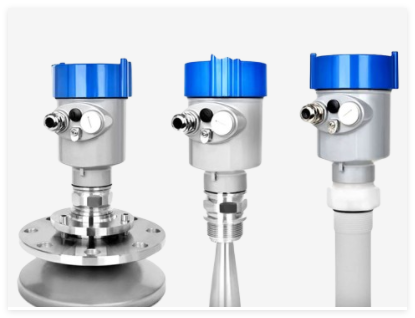
Product OverviewRadar level gauge, also known as microwave level gauge, is a newly developed product with rapid growth in recent years. It employs electromagnetic waves for detection and has its own...The disadvantages of his level gauge, due to the electromagnetic wave being unaffected by the propagation medium, are not applicable in high temperatures, high pressures, steam, dust, and volatilization, etc.Operates reliably under varied working conditions.
Measurement PrincipleNon-contact measurement, unaffected by material characteristics such as viscosity, noise, steam, dust, pressure, temperature, specific gravity, etc.2. All liquids and solids with a measurable dielectric constant greater than 1.8, with a measurement range up to 70m,And possesses strong anti-interference capability.3. Equipped with an on-site display and debugging module, it allows for easy on-site operation. The programming is straightforward in both English and Chinese, suitable for general users.4. High-frequency pulse energy concentration, small antenna size, easy to install dust-proof devices; also provides good results for small trough measurements.5. Features automatic false echo learning, automatic detection of obstacles in the test area, and automatic filtering of obstacles inside the drum.6. Temperature up to 400°C,Pressure up to 400kg/cm 2; 7. Guided wave solutions are suitable for locations with lower medium constants.8. Suitable for metal or non-metal drums/tanks, causing no harm to humans or the environment. Application FeaturesSmart Radar Positioning MeterThe radar level gauge emits microwave pulses towards the object to be measured from the antenna or detection component (rope or steel pipe), and as they propagate to the surface of the object, due to...The medium of the object being tested differs from air, causing microwaves to reflect off the surface of the object. The reflected waves are then picked up by the antenna, and the measurement is made from the transmission signal toTime difference of return signal, thereby measuring distance and level.Due to the high speed of electromagnetic wave propagation, it is difficult to confirm the time interval between the transmitted and received pulses. Radar level gauges employ a specialRelated demodulation technologies can accurately identify the time interval between transmitted and received pulses, thereby further calculating the distance from the antenna to the medium being measured.Surface distance. The echo is detected by a receiver, and the transmission time is used to calculate the level. The reflected radar waves are digitized.Echo pattern; by analyzing the echo pattern, to determine the distance from the medium surface to the instrument's reference point, microwave pulses emitted fromThe travel time and interval to the receiver are proportional to the distance from the antenna to the surface of the medium being measured.h = H - (v * t) / 2 (where: h is the liquid level, H is the height of the drum, v is the radar propagation speed, and t is the time from transmission to reception)
Application Features
Non-contact measurement, unaffected by material characteristics such as viscosity, noise, steam, dust, pressure, temperature, specific gravity, etc.2. All liquids and solids with a measurable dielectric constant greater than 1.8, with a measurement range up to 70m,And has strong anti-interference capabilities.3. Features an on-site display and debugging module for easy operation on-site; programming in both Chinese and English is straightforward, suitable for general users.4. High-frequency pulse energy concentration, compact antenna size, easy to install dust protection, and small bucket slot measurement also yields good results.5. Features automatic false echo learning, automatic detection of obstacles in the test area, and automatic filtering of obstacles within the drum.6. Temperature up to 400°C,Pressure up to 400kg/cm 2; 7. Guided wave solutions are suitable for locations with smaller admittance constants.8. Suitable for metal or non-metal drums/tanks; harmless to human health and the environment.