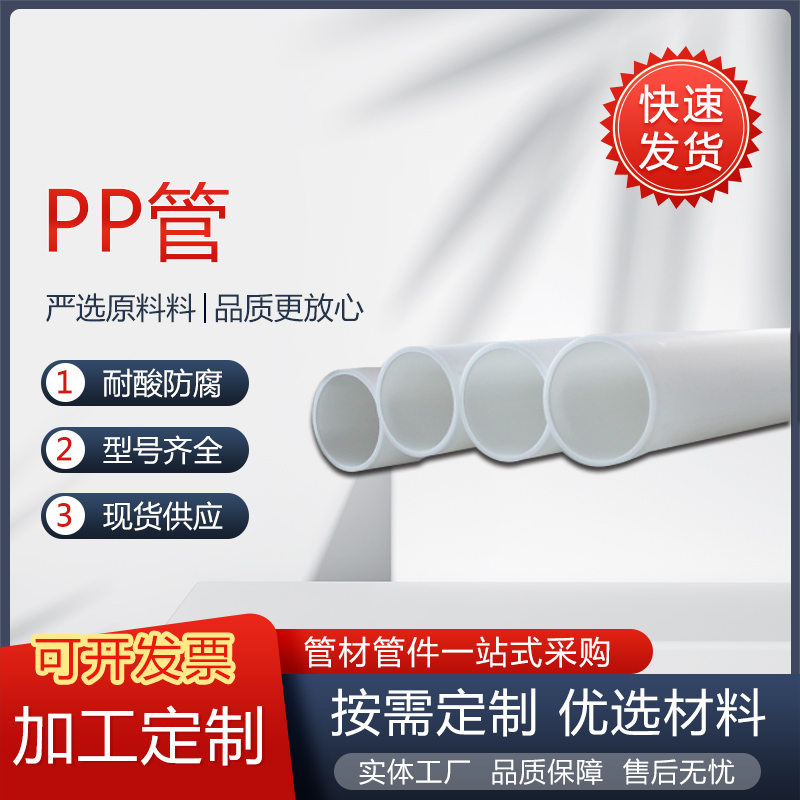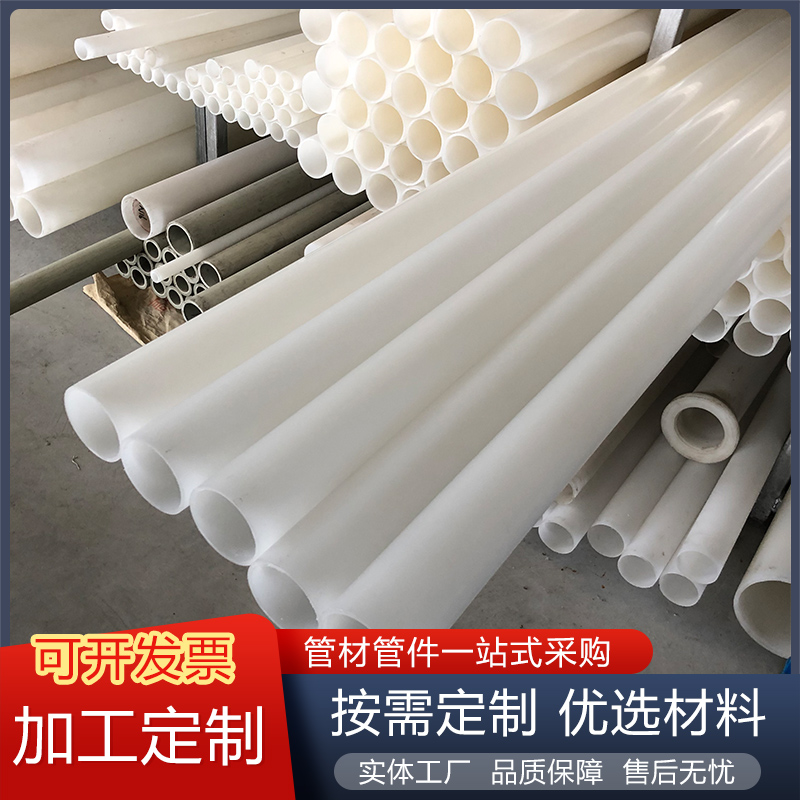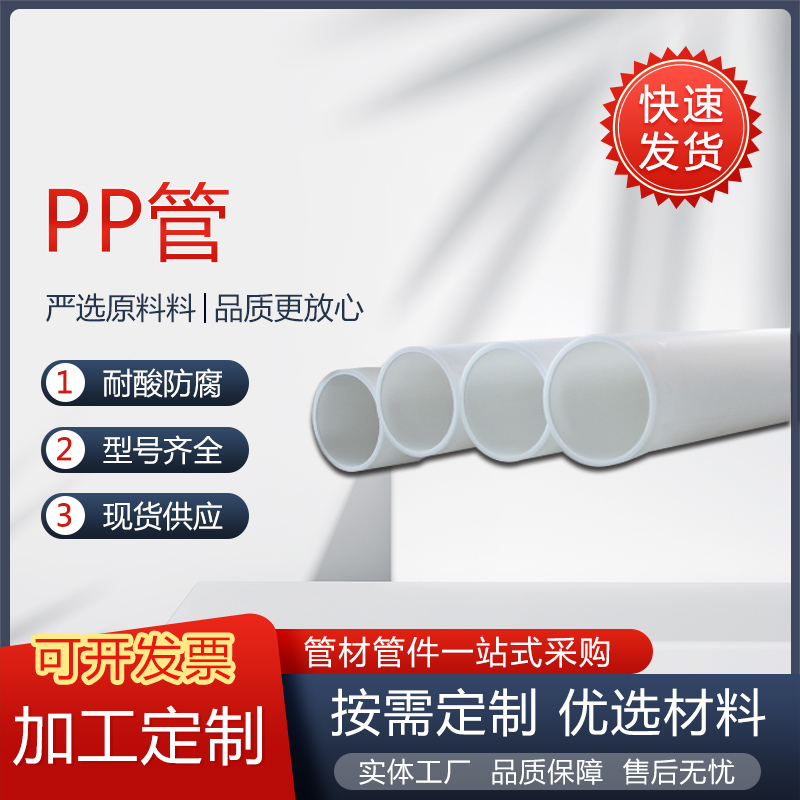


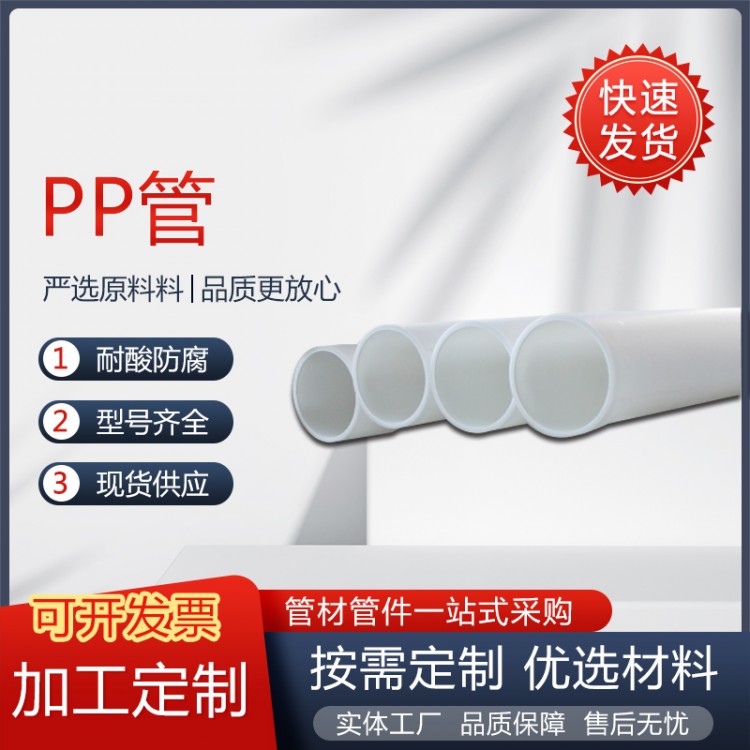
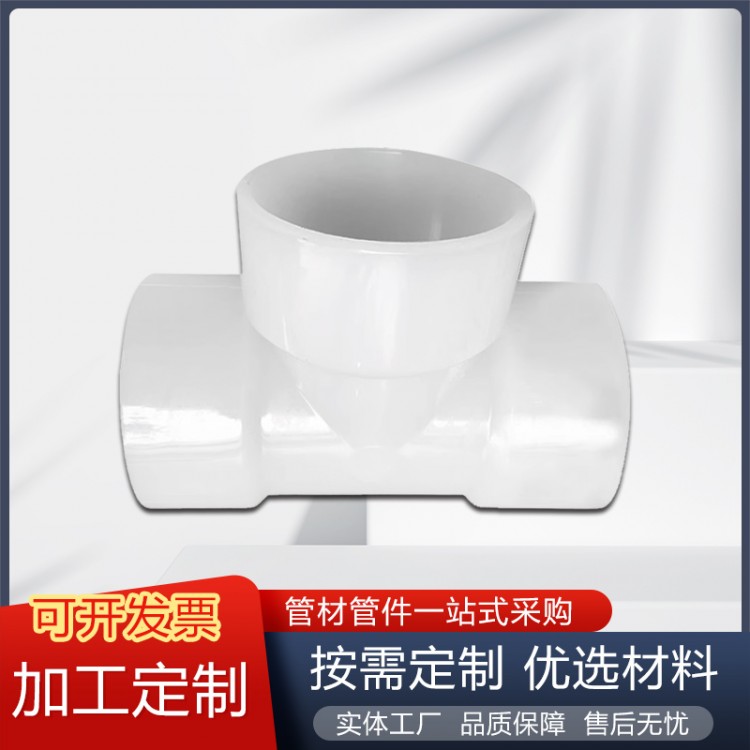
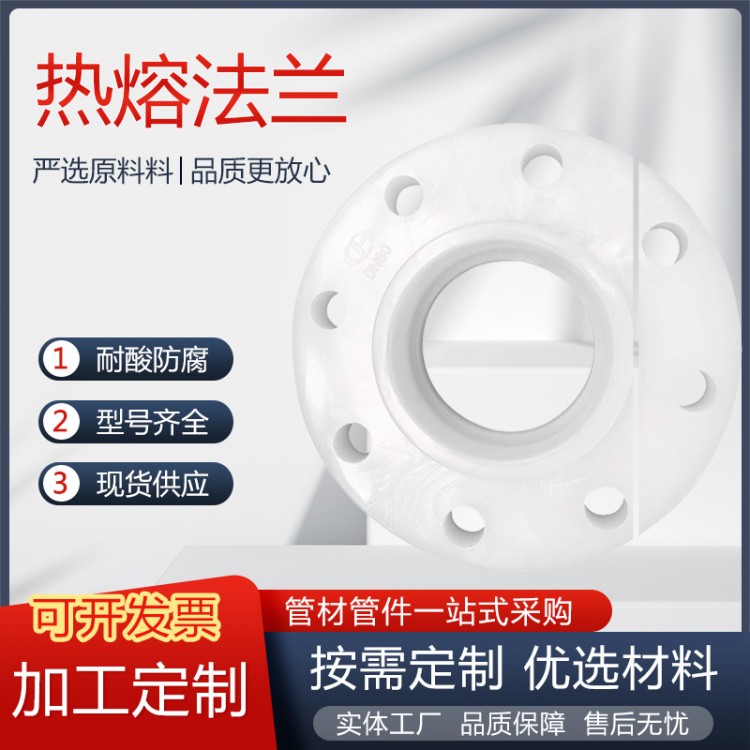
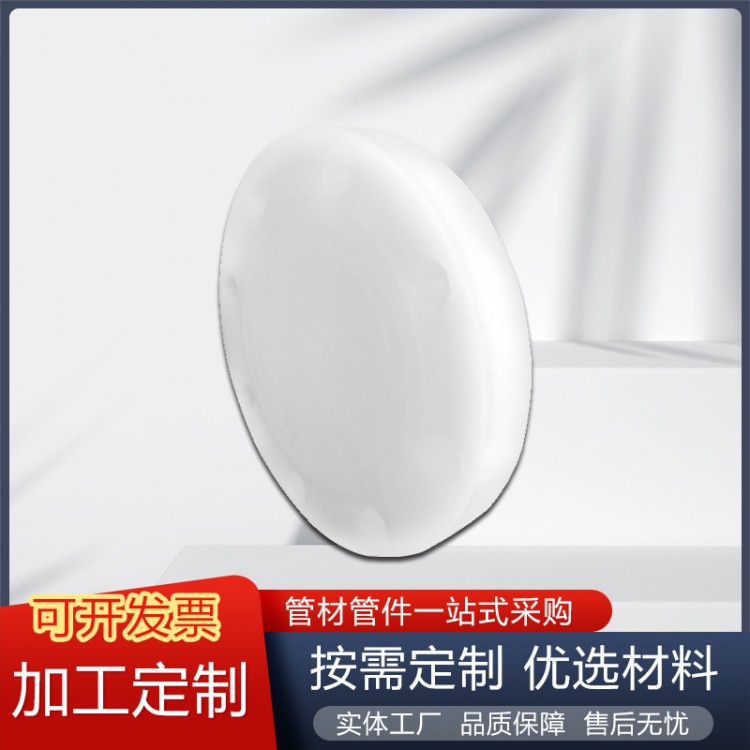







PP pipes are a non-toxic, hygienic, high-temperature-resistant, and recyclable tubing, primarily used in indoor cold and hot water supply systems for buildings and also widely applicable in heating systems.
PP pipe features include corrosion resistance, wear resistance, non-scaling, vibration and noise reduction, frost crack prevention (PP pipes can crack at temperatures below -20°C, decomposition occurs at working temperatures above 70°C, and the service temperature range is from -20°C to 70°C), condensation prevention, low heat loss, easy installation, and long service life. Connection methods include welding, end weld, and metal-to-plastic pipe fittings.
Polypropylene Pipe Performance and Features
1. PP pipes are non-toxic, non-corrosive, and non-scaling, meeting the QB1929-93 potable water standard and HG20539-92 standard.
2. PP pipes are heat-resistant, allowing water temperatures in the pipeline to reach up to 90-100°C.
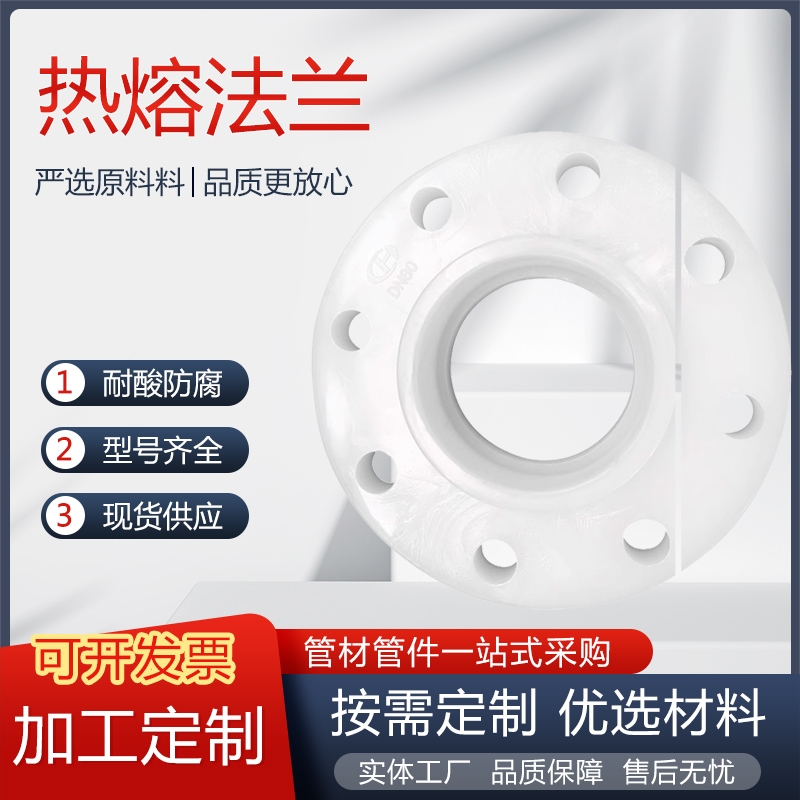
3. PP pipes utilize hot melt connection technology, where the pipe and fittings are melted and fused into a single unit. There are no removable couplings or pressure fittings, ensuring safety, reliability, and no leaks.
4. PP pipes are lightweight, weighing only one-eighth as much as steel pipes, making them easy to install, handle, and connect, thus saving labor costs.
5. PP pipes are corrosion-resistant and effectively prevent the corrosive action of ions in water or chemicals from affecting the interior and exterior of the pipes.
6. The inner wall of the PP pipe is smooth, resulting in minimal system pressure loss and fast water flow.
7. Our PP pipe products offer soft colors and a variety of hues, catering to the needs of various occasions.
8. PP pipes are widely used in urban water supply; food and chemical industries; mineral sand and slurry transportation; replacement of cement pipes, cast iron pipes, and steel pipes.