








Product Features
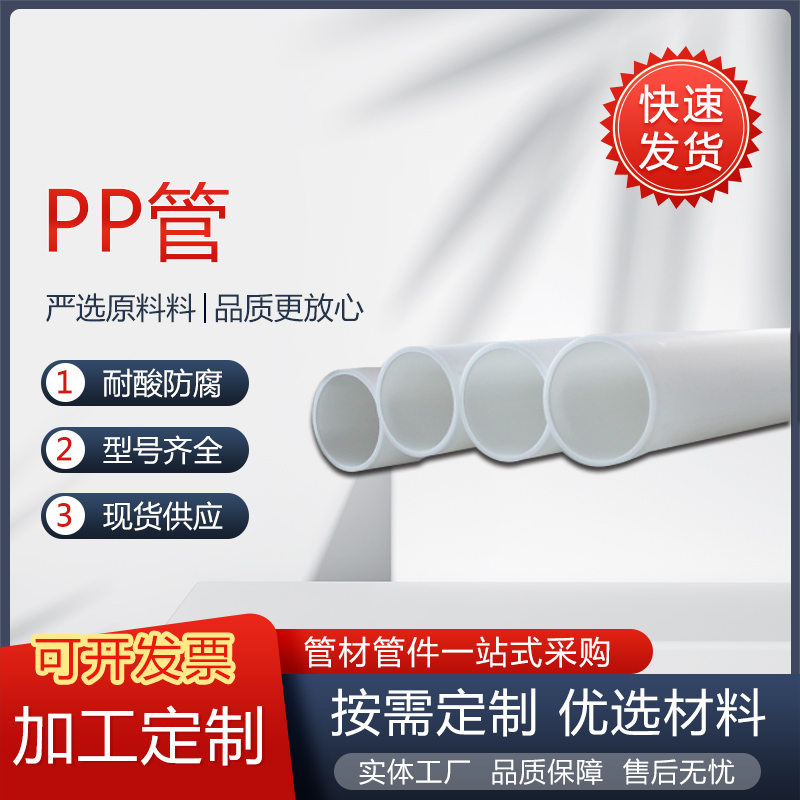
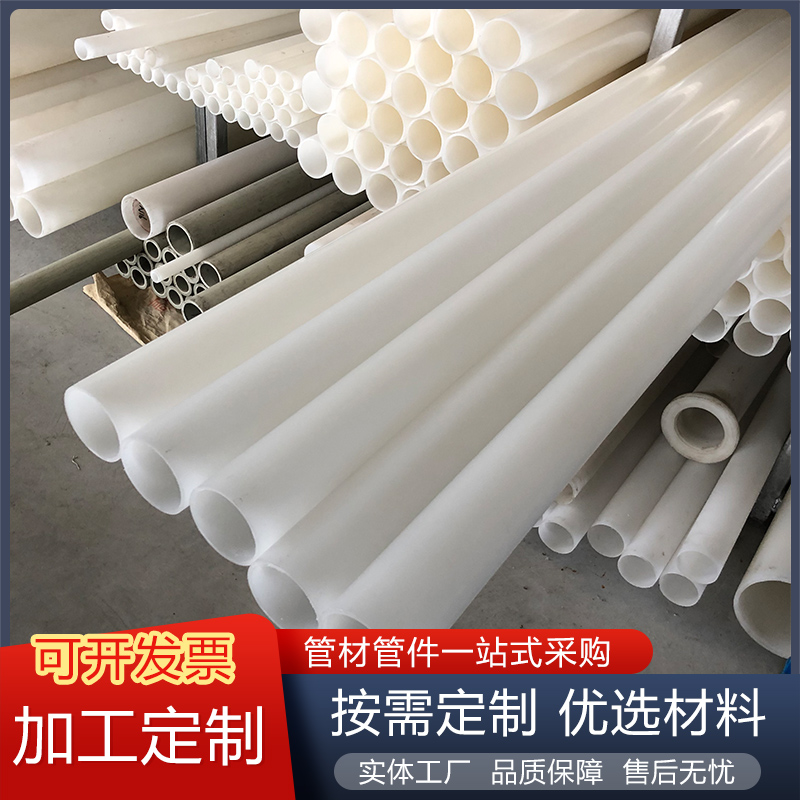
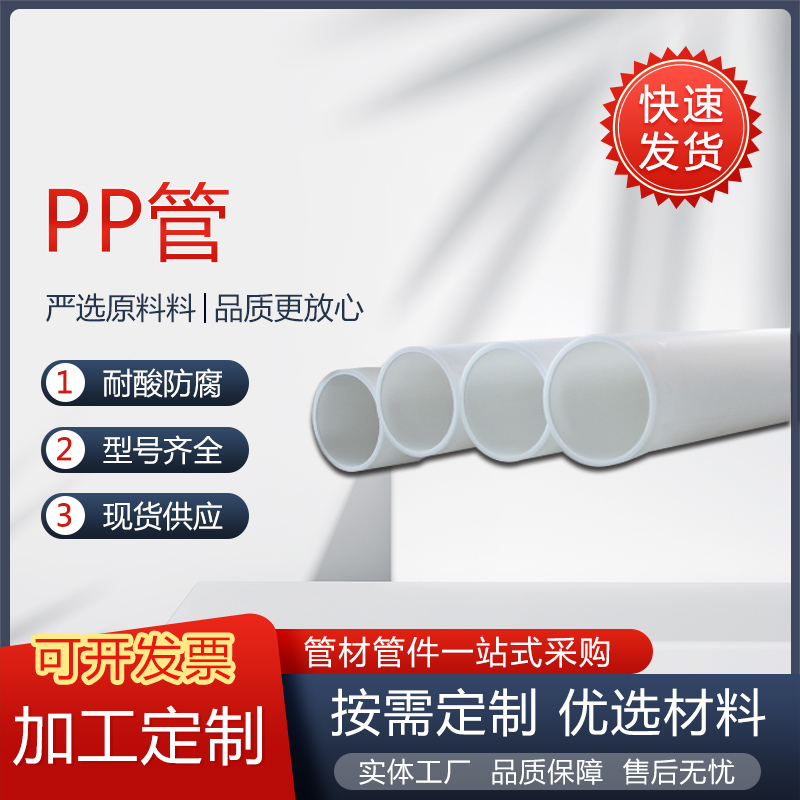
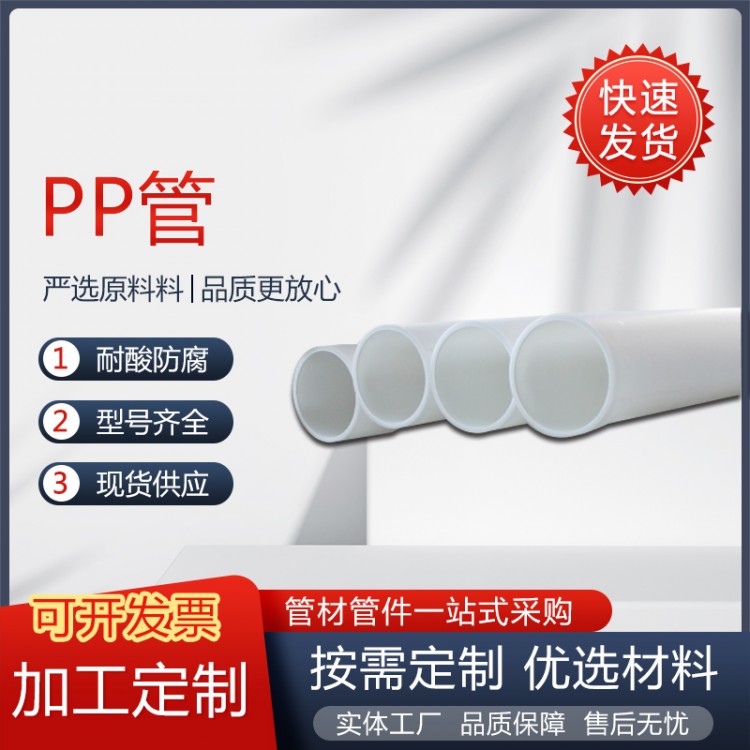
Polypropylene PP Pipe Manufacturers: Wholesale Supply Pricing - Who Offers the Lowest Cost? Installation Points: 1) The bottom of the trench for buried pipelines should be level, free of sharp, hard projections. The particle size of the original soil should not exceed 12mm, and a sand bedding layer of 100mm thickness can be laid if necessary. The backfill soil around the pipeline should be filled up to 300mm above the pipe top, and the original soil can be backfilled after compaction. The burial depth of indoor buried pipelines should not be less than 300mm. 2) Each PP-R pipe manufacturer has specific requirements for the design, use, and installation of their products. Engineering practice indicates that particular attention should be paid to the following points: fully consider the thermal expansion effects of the pipeline, and take necessary measures accordingly. Practice shows that there are several common ways to address this issue: (1) Directly embed the pipe as much as possible in the *bore. (2) In exposed and non-directly buried (trenches, pipe wells, etc.) routes, use free compensation as much as possible if space allows. (3) Reinforce the pipeline with semi-circular metal support plates. (4) Use dense pipe clips to fix and constrain pipeline deformation. This method can be adopted only when the above three methods are restricted by conditions. (5) Combine the above four methods as appropriate based on the actual situation. (6) Use metal compensators. This method is generally not recommended unless it is very important and easy to maintain, as the mechanical connection between the metal compensator and PP-R pipe material is non-permanent, prone to leakage points; also, metal compensators are expensive, have a small compensation capacity, and are not very suitable for the thermal expansion compensation of plastic water supply pipelines. (7) Strictly follow the melting operation procedures and other safety construction regulations. Due to strict requirements for the melting depth, heating time, and insertion time of PP-R pipes at different temperatures and different pipe diameters, and the prohibition of rotating the pipe material and fittings during the heating and insertion process, otherwise, it is prone to melting quality issues. The operation site of this pipeline must be free of open flames, and it is strictly forbidden to bend the pipeline with open flames. 3) For specific construction methods, refer to the National Building Standard Design Collection 02SS405-2 "Installation of Random Copolymer Polypropylene (PP-R) Water Supply Pipes."
Product Actual Photos