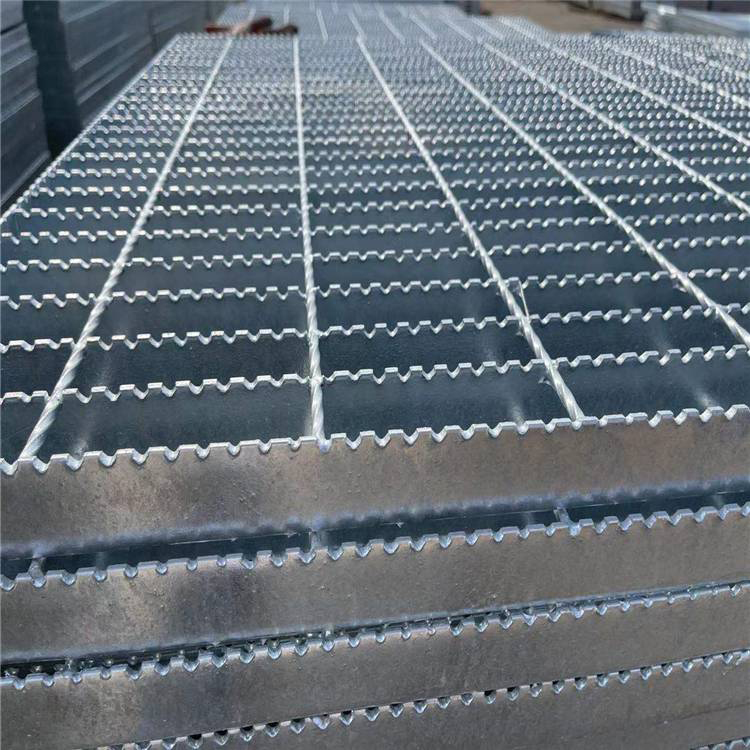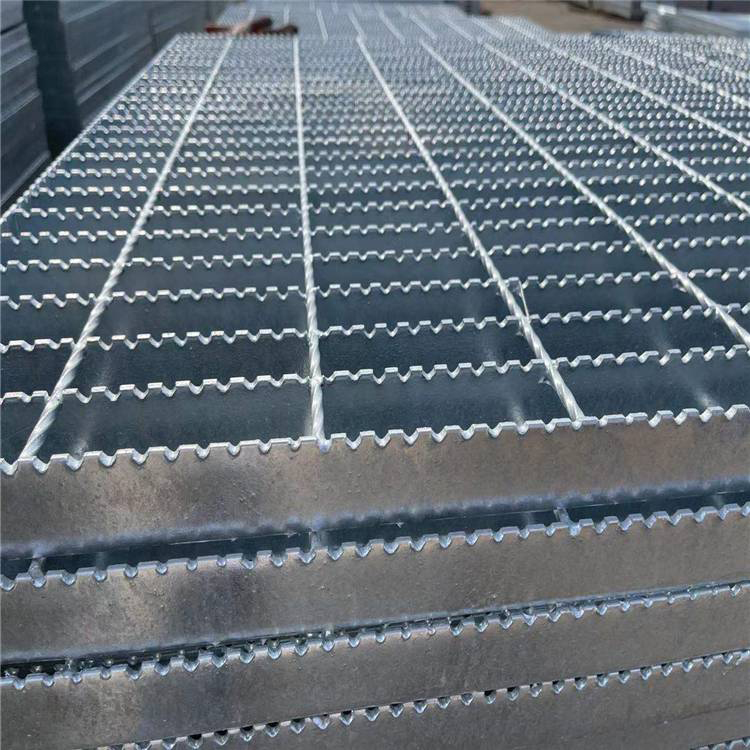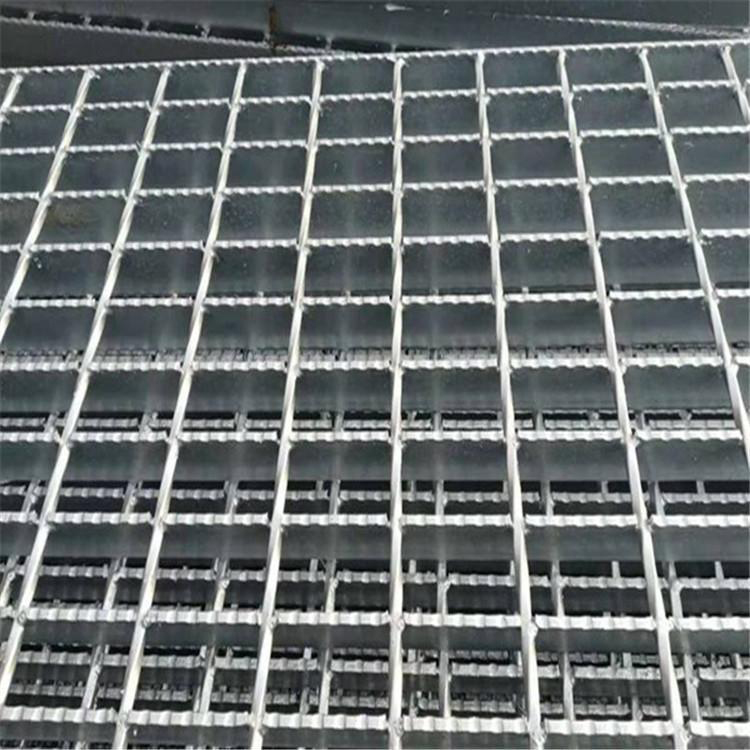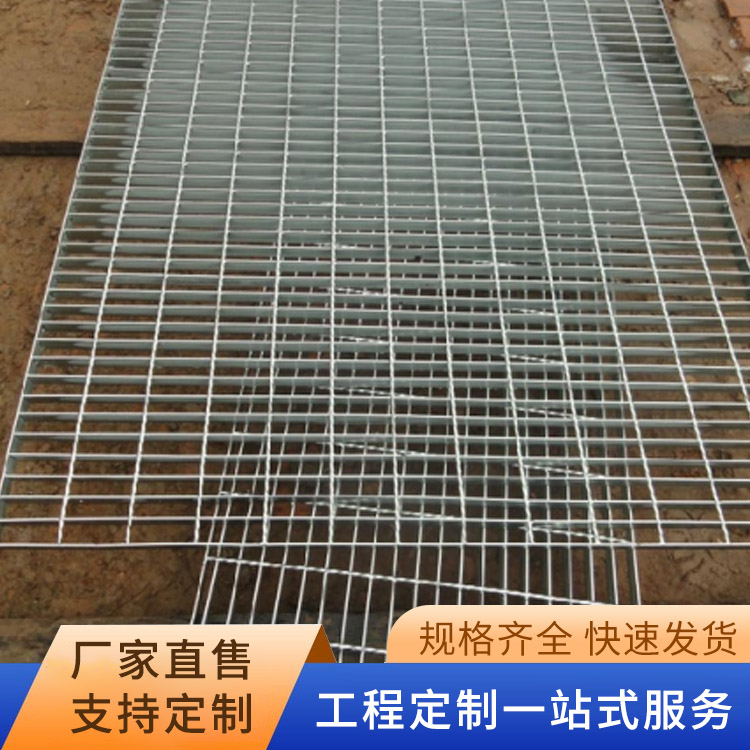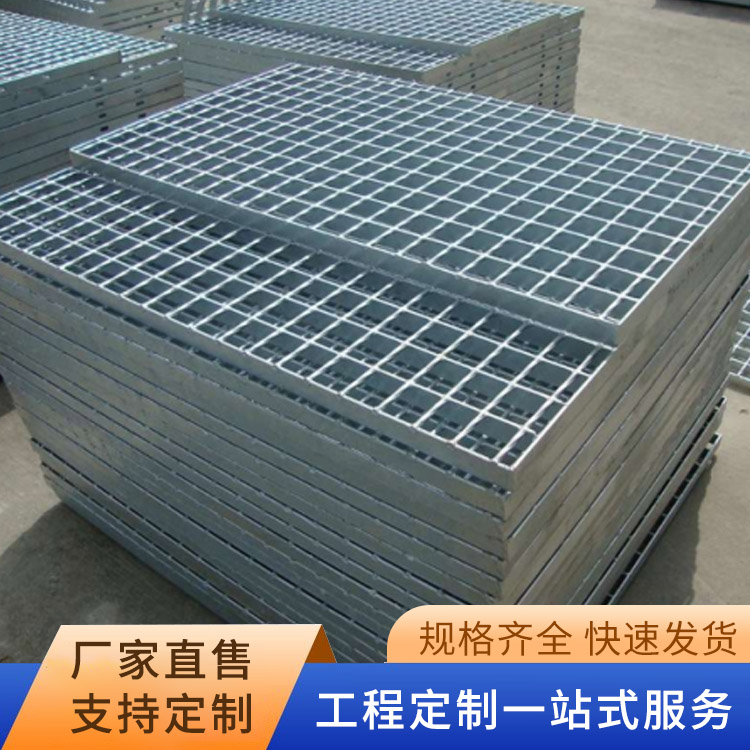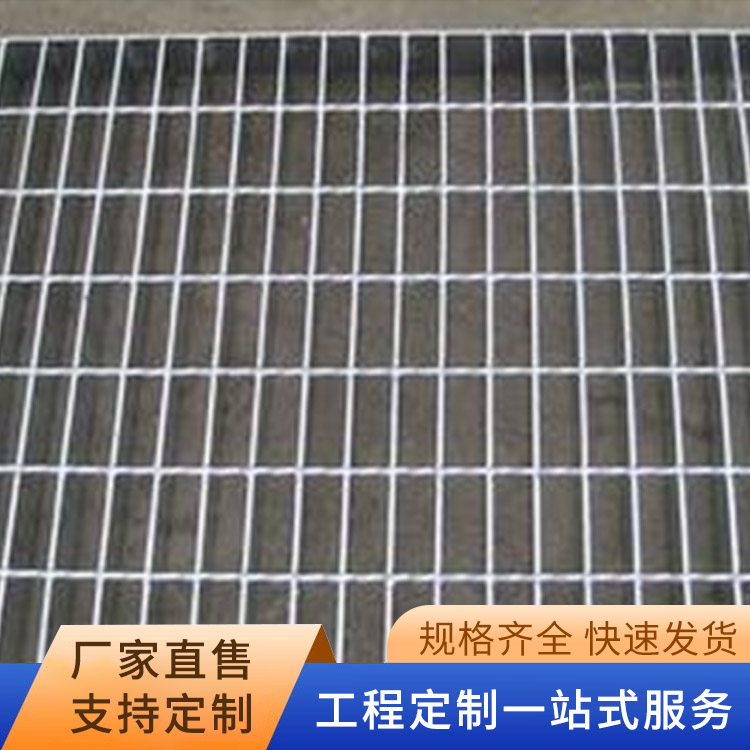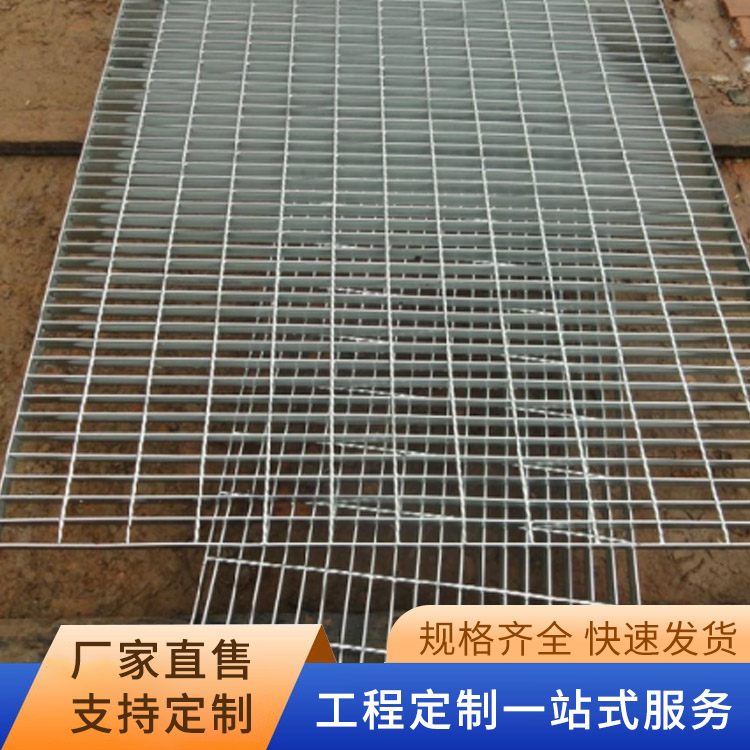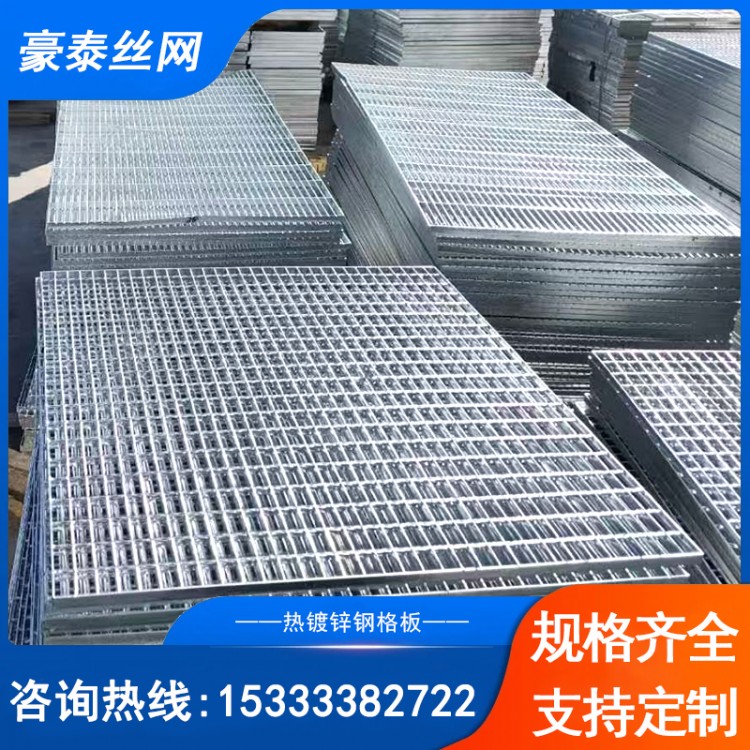

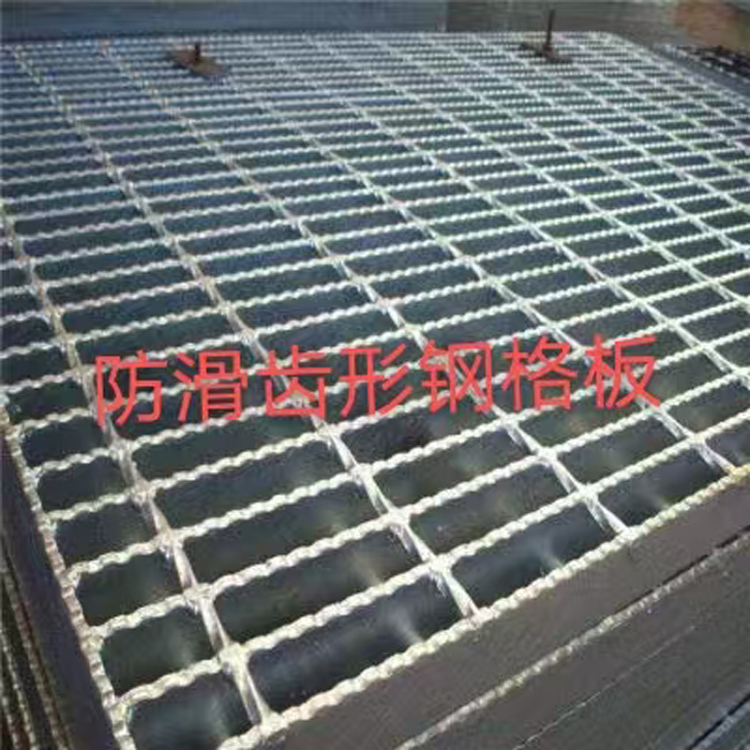

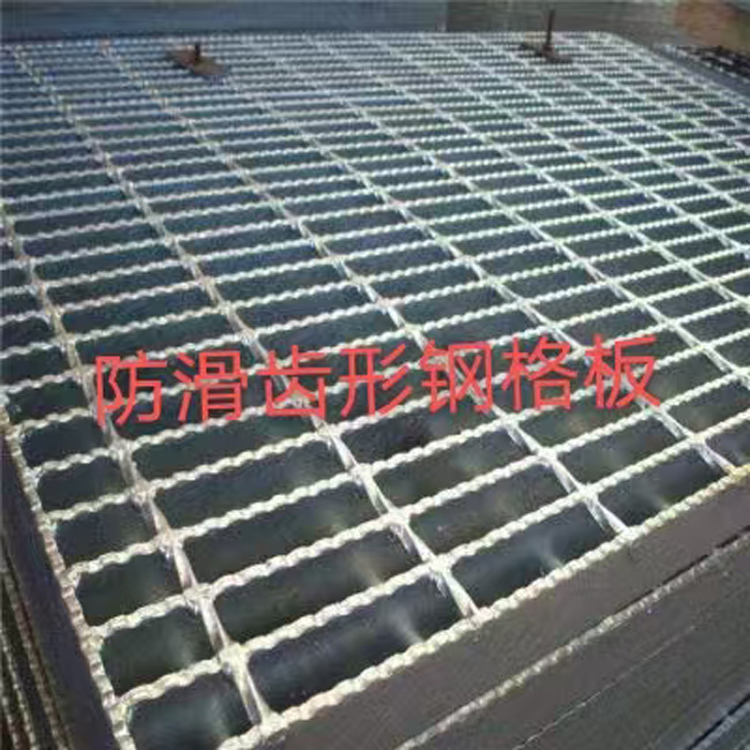
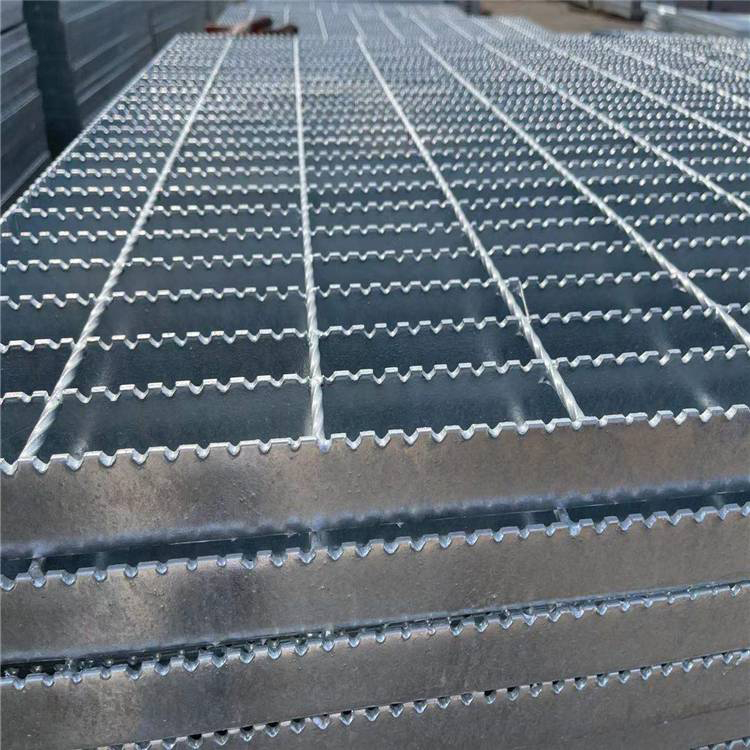
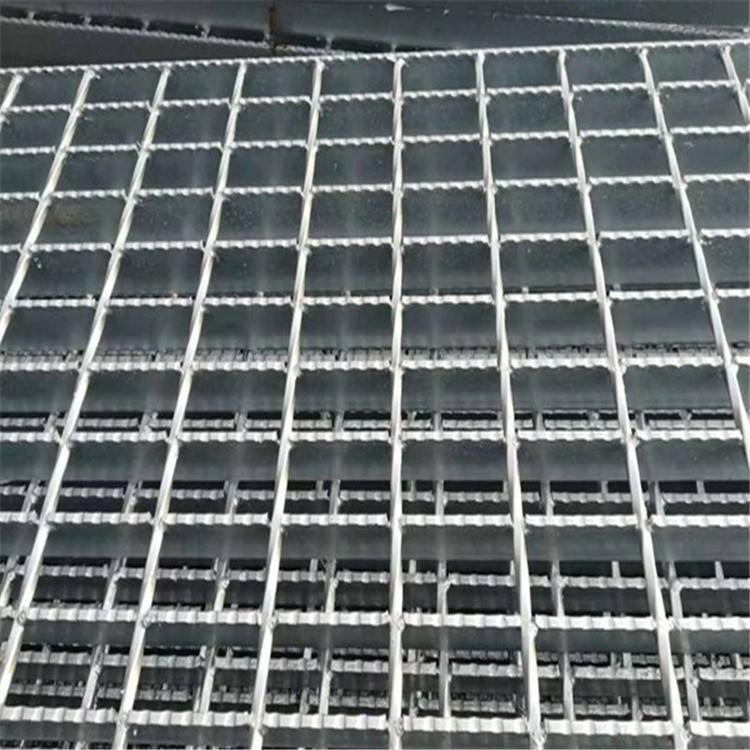


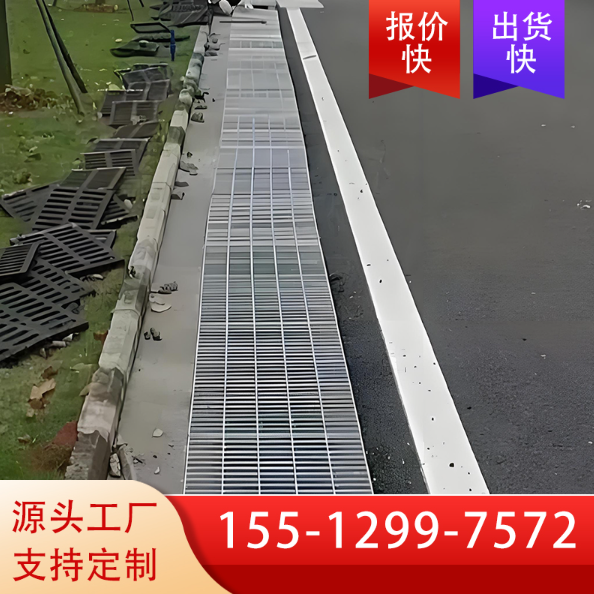
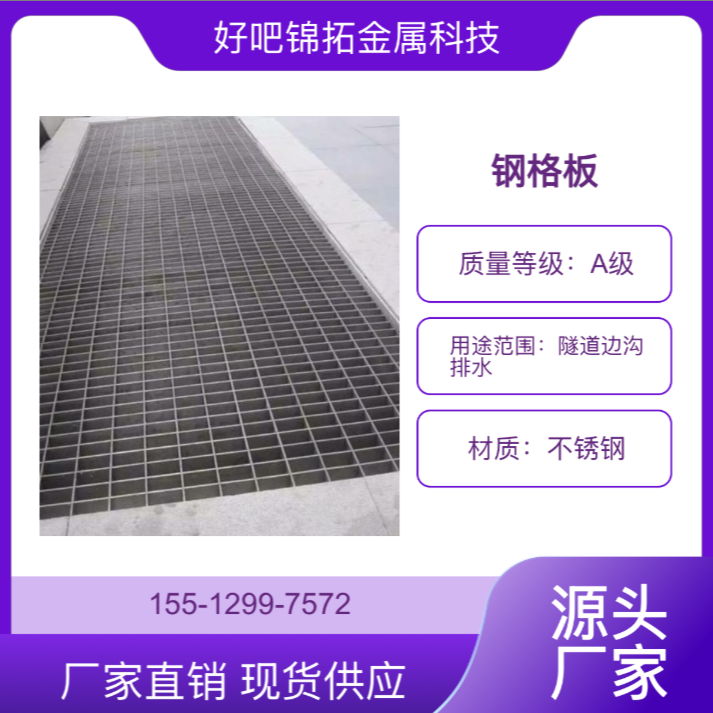
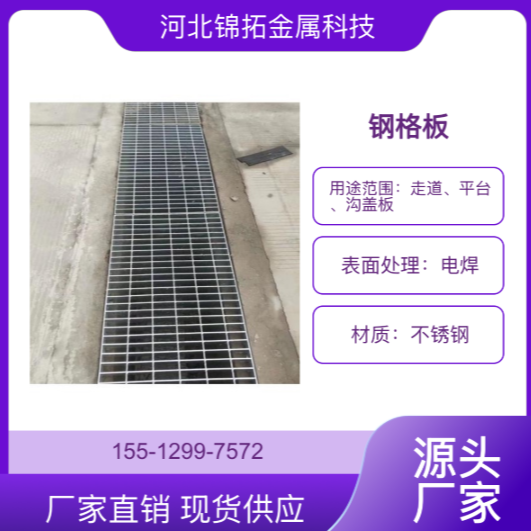
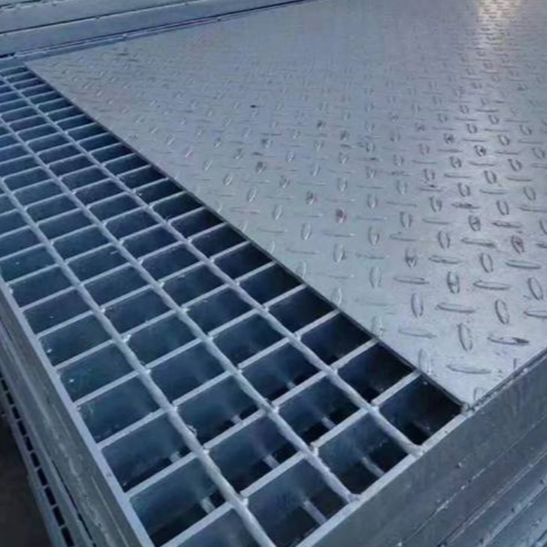
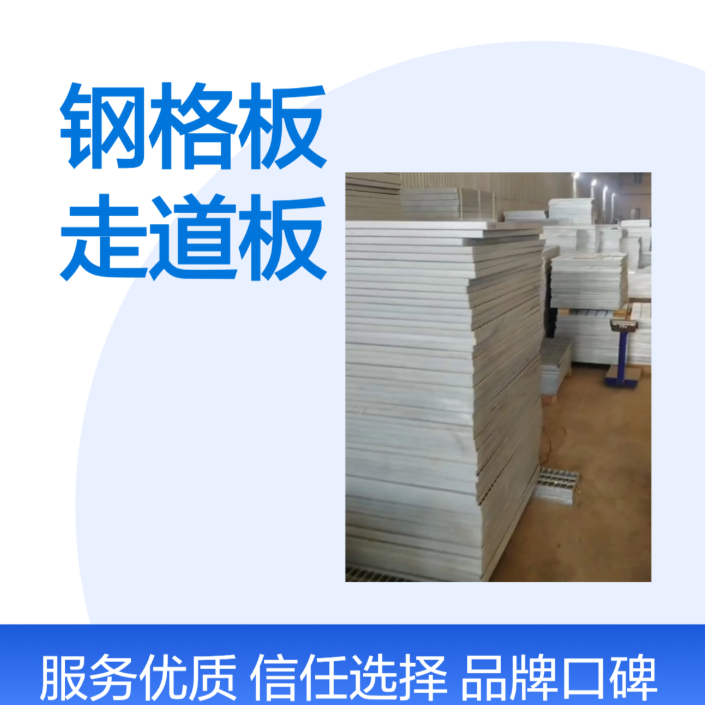





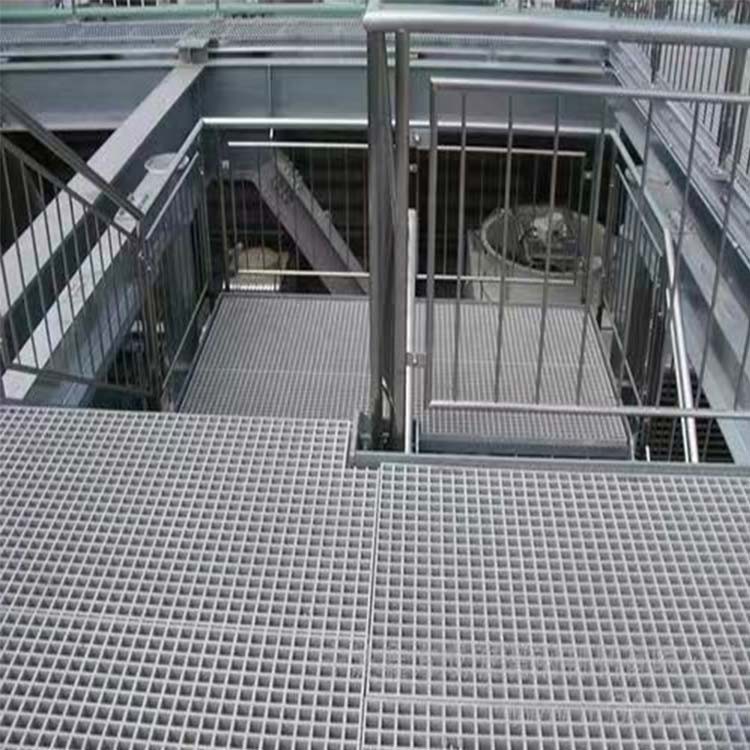
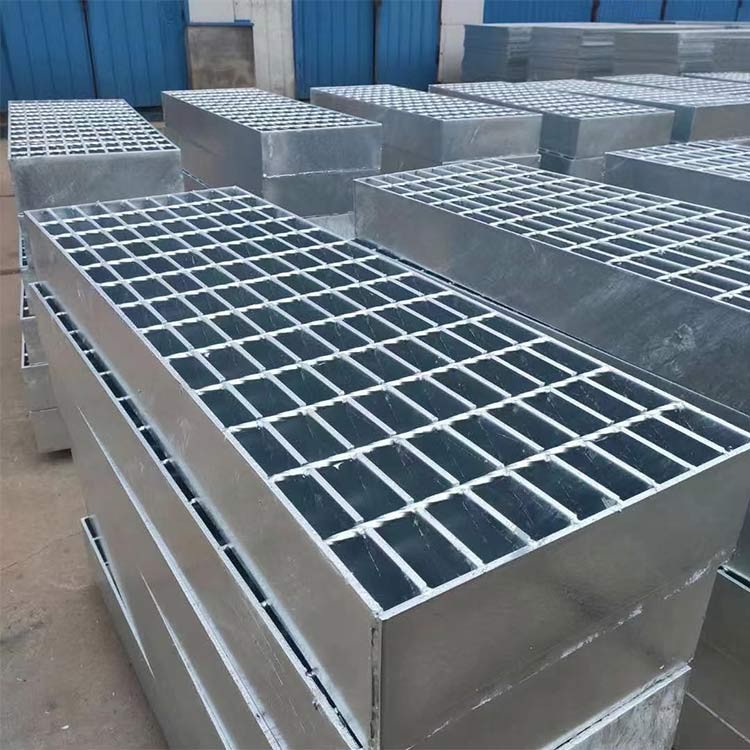
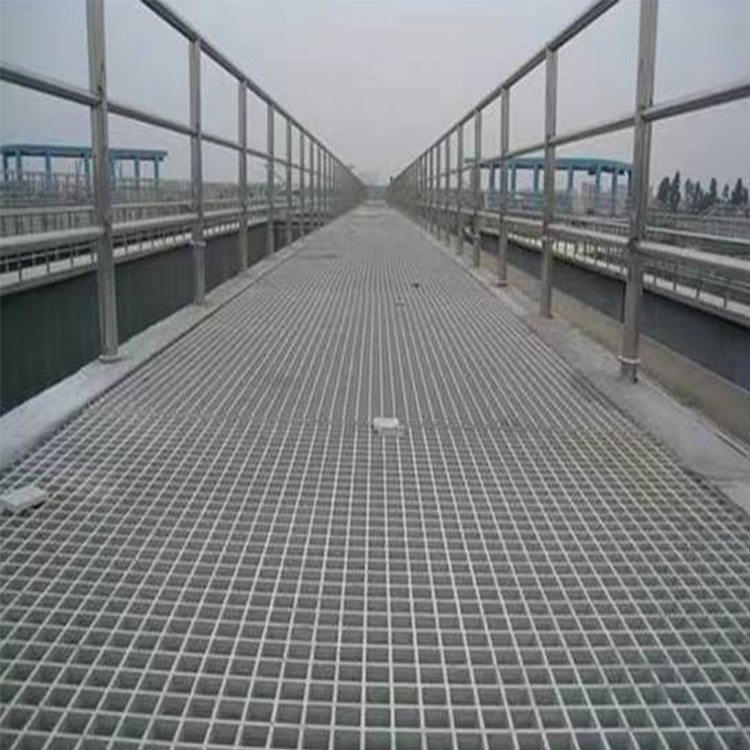
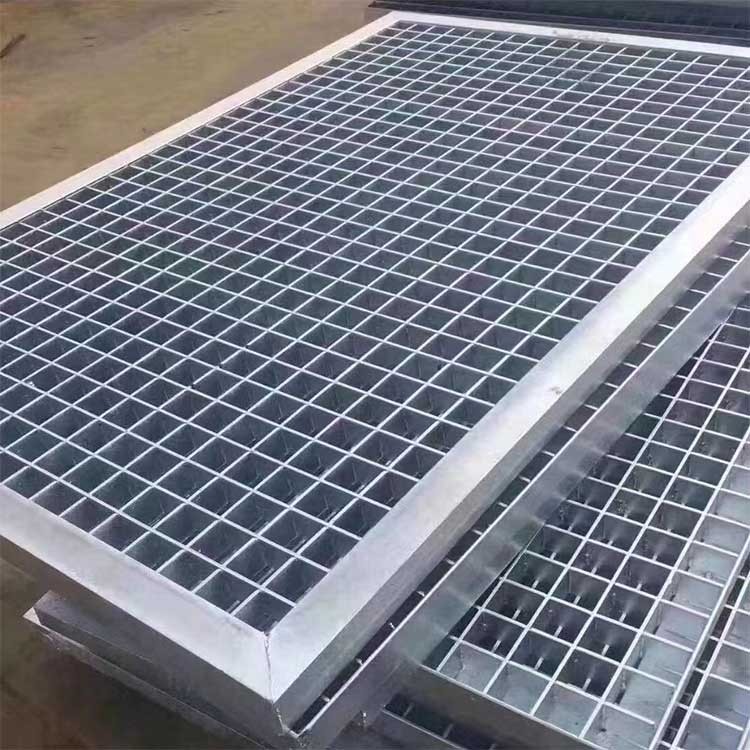
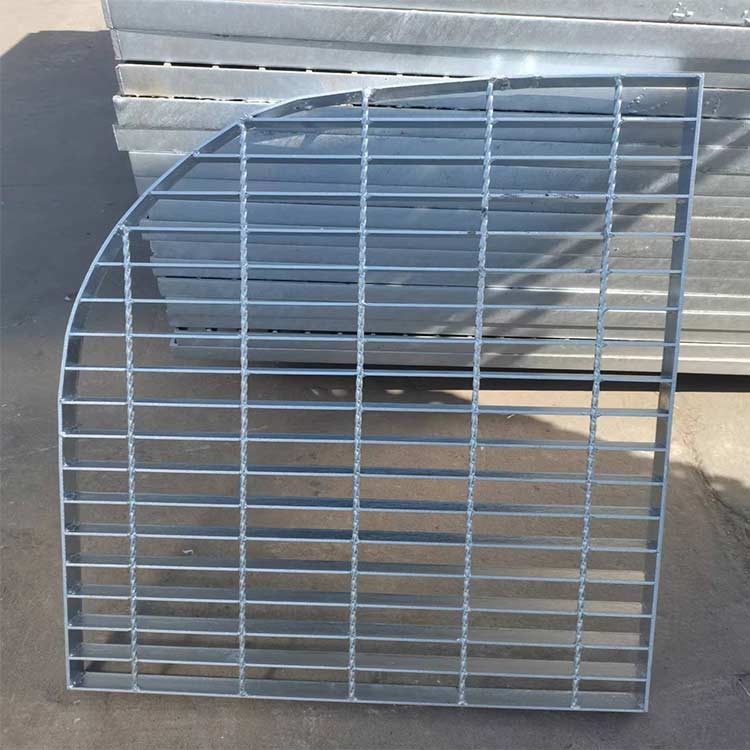

The teeth steel grating is made by welding flat steel into a tooth shape, offering strong anti-slip properties. It is often referred to as "saw-tooth steel grating" or "saw-tooth anti-slip steel grating." Particularly suitable for wet and slippery areas such as offshore oil platforms, the price of teeth steel grating is higher than that of flat types. Please consider the cost when purchasing.
The toothed steel grating is treated with hot-dip galvanizing, offering strong rust resistance and requires no maintenance or replacement for 30 years. Toothed steel grating is also a category of hot-dipped steel grating, classified based on whether the flat steel surface is notched.
The advantages of toothed steel grating:
1. The toothed steel grating has large mesh openings, offering excellent drainage capabilities: the leakage area reaches 83.3%, more than double that of cast iron.
2. Product Appearance: Sleek lines, silver finish, modern concept.
3. Cost-effective Material Usage: Lower in price than cast iron for large spans and heavy loads; also saves on the cost of replacing cast iron lids due to theft or crushing.
4. The anti-slip performance of the toothed steel grating platform is good among steel grating types, enhancing the friction on the surface of the steel grating, preventing accidents due to slipping, and effectively ensuring the safety of production.
Specs for teethed steel grating plates (teethed steel grid plates):
1. Pitched steel grating flat steel height (or width) and thickness: The flat steel height is generally 20mm, 25mm, 30mm, 32mm, 35mm, 40mm, 45mm, 50mm, etc. The thickness of the flat steel in the steel grating ranges from 3mm, 4mm, 5mm, 6mm, to 8mm, etc.
2. Surface treatment of toothed steel grating: Hot galvanized, cold galvanized, electroplating, painting, rust-proof oil immersion, and plastic immersion.
3. Load-bearing steel grid plate tooth spacing: The center distance between two adjacent load-bearing flat steels, commonly 30mm, 40mm, sometimes also 60mm.
4. Toothed hot-dipped galvanized steel grating cross-bar spacing: The center distance between two adjacent cross-bars is typically 50mm or 100mm. Special specifications can be produced according to customer requirements.