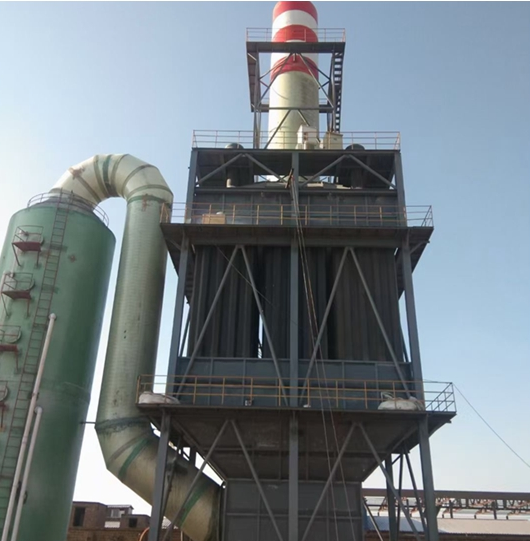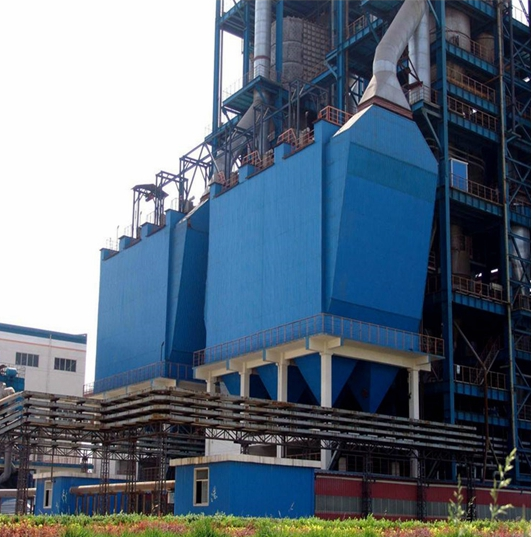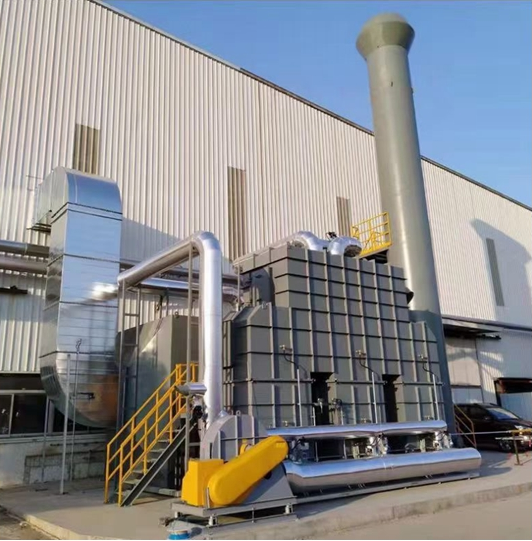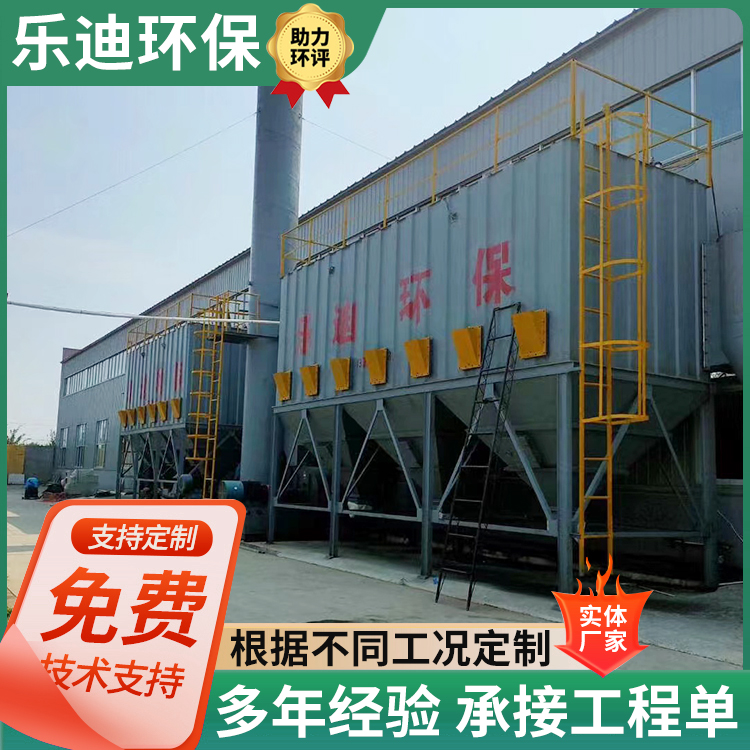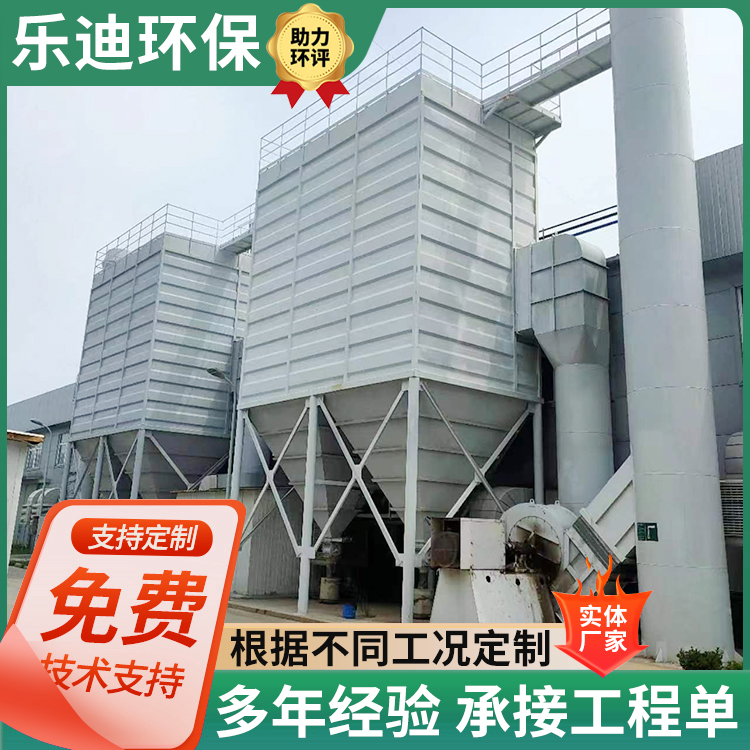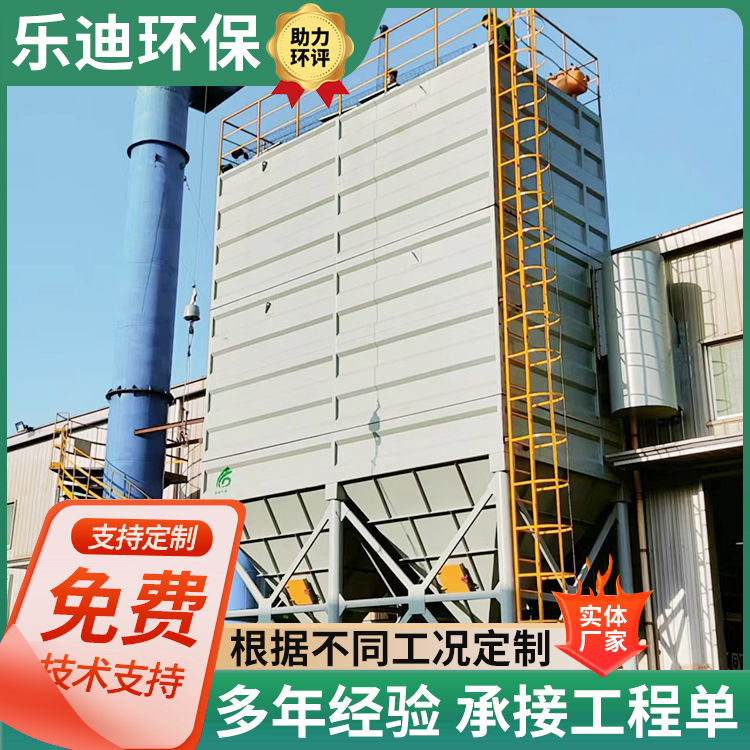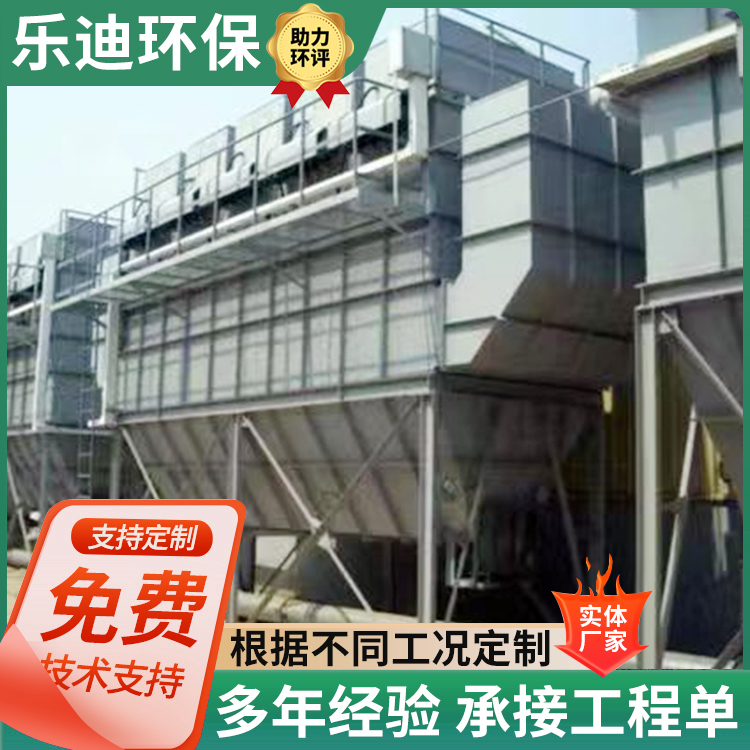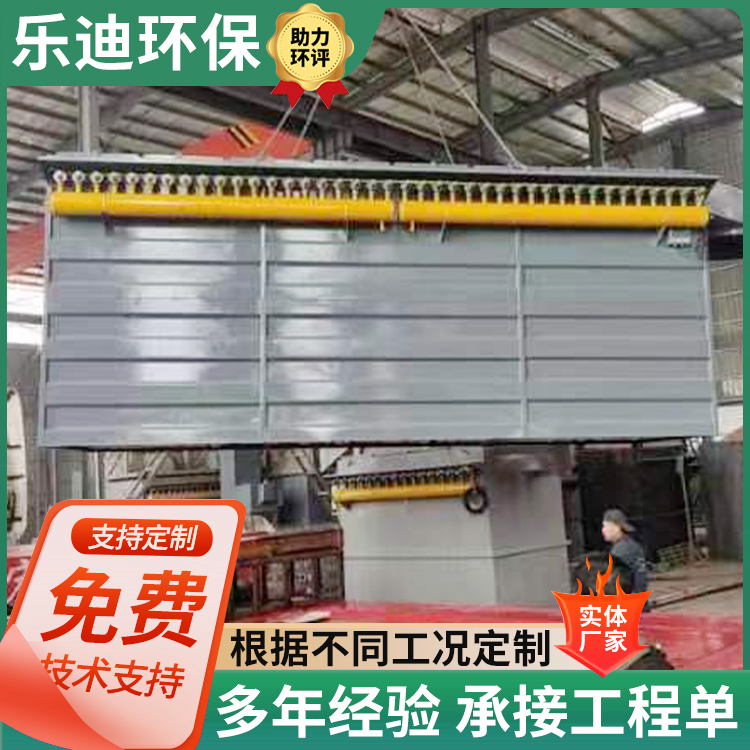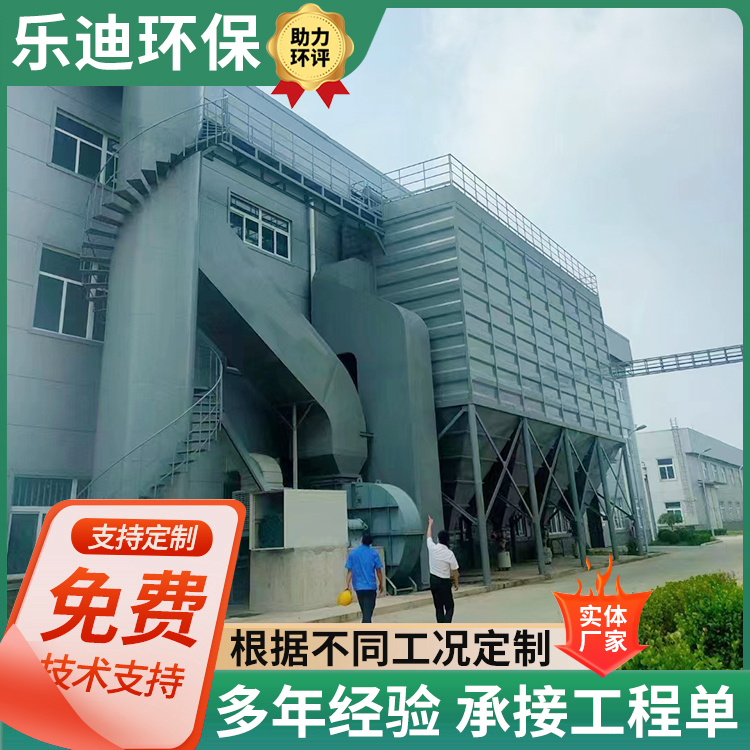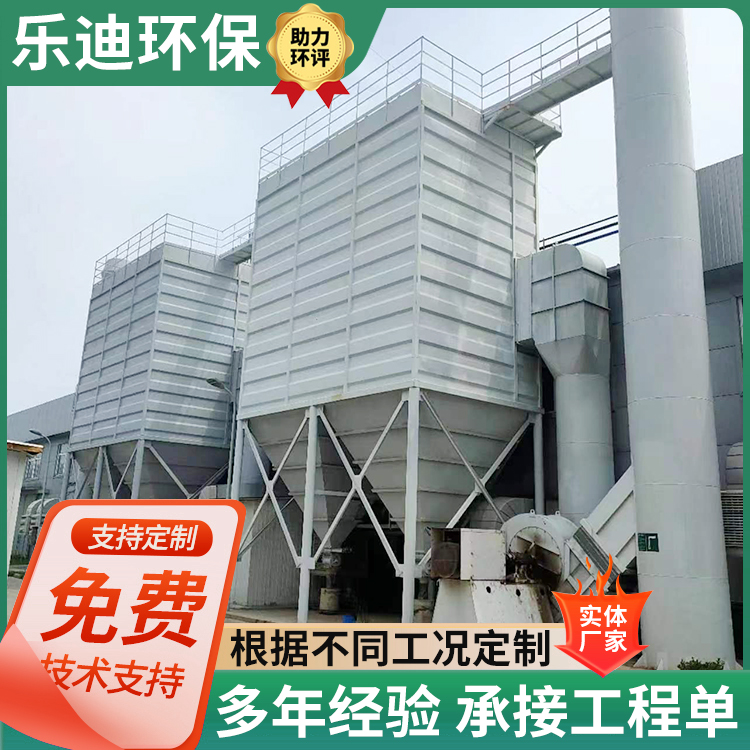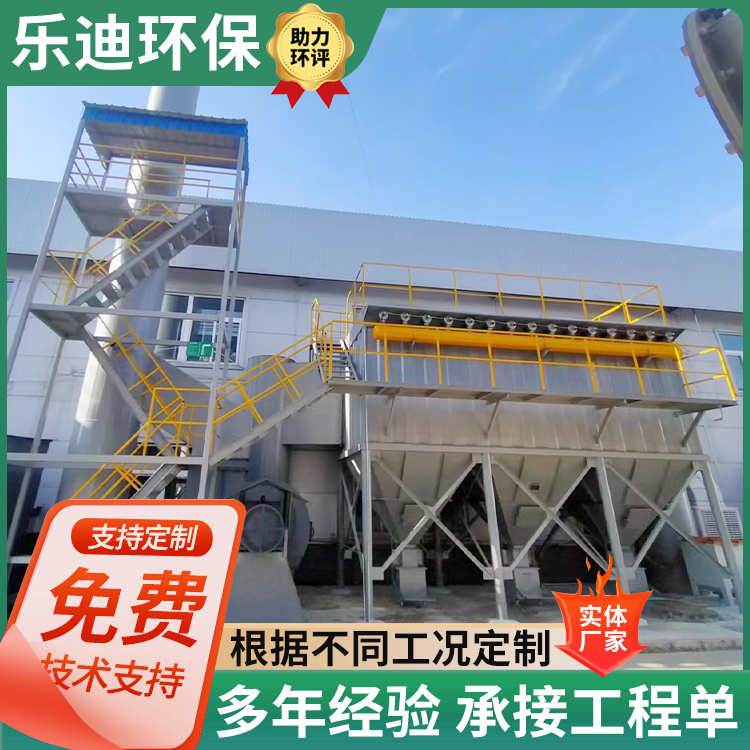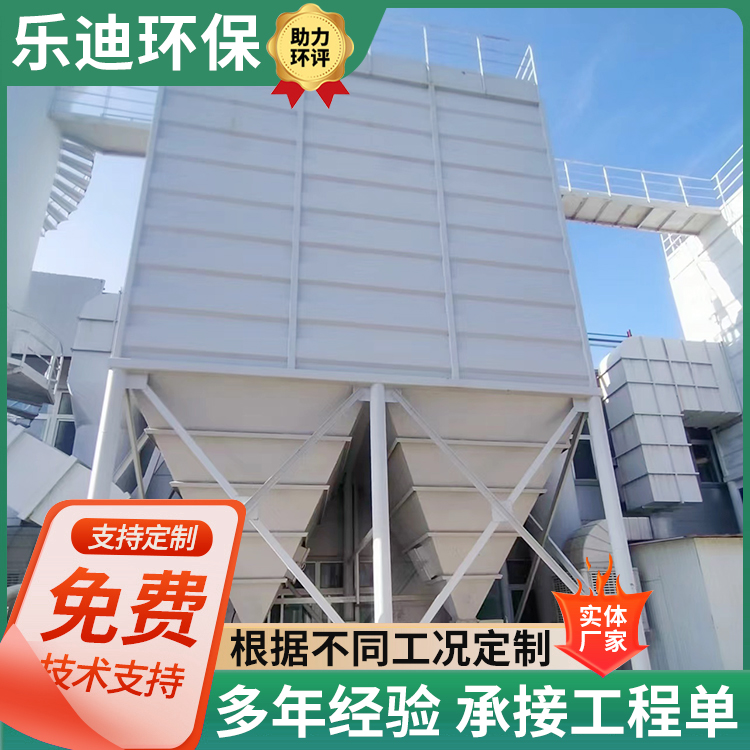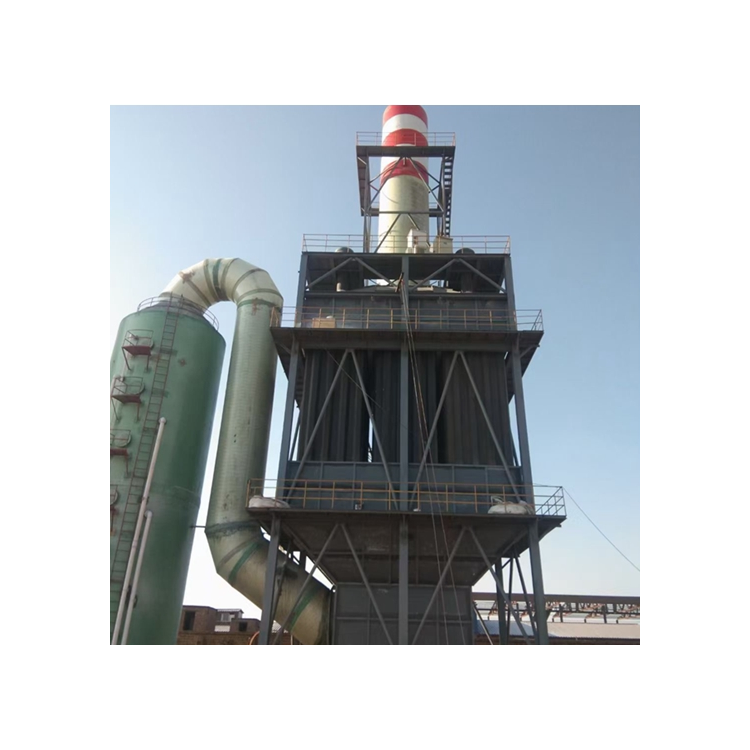


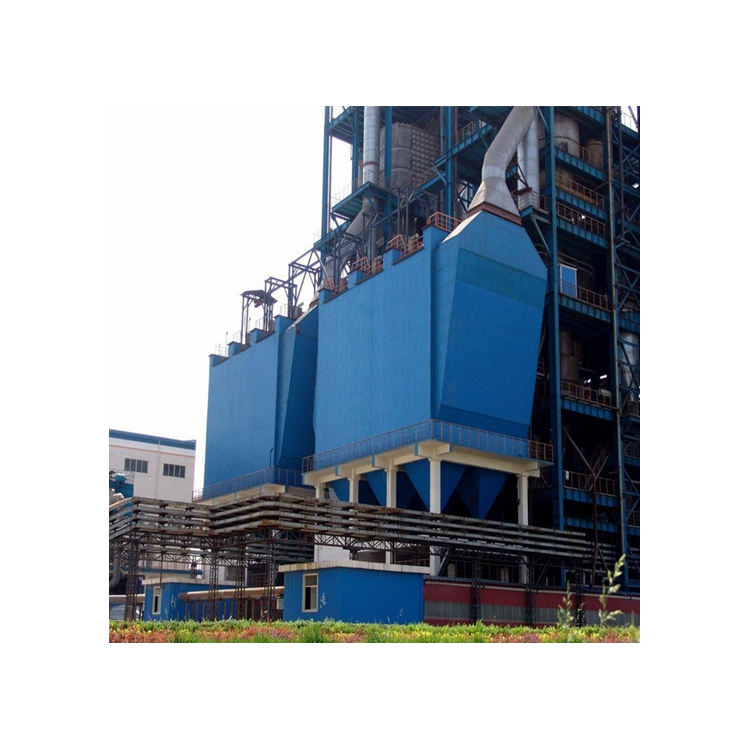
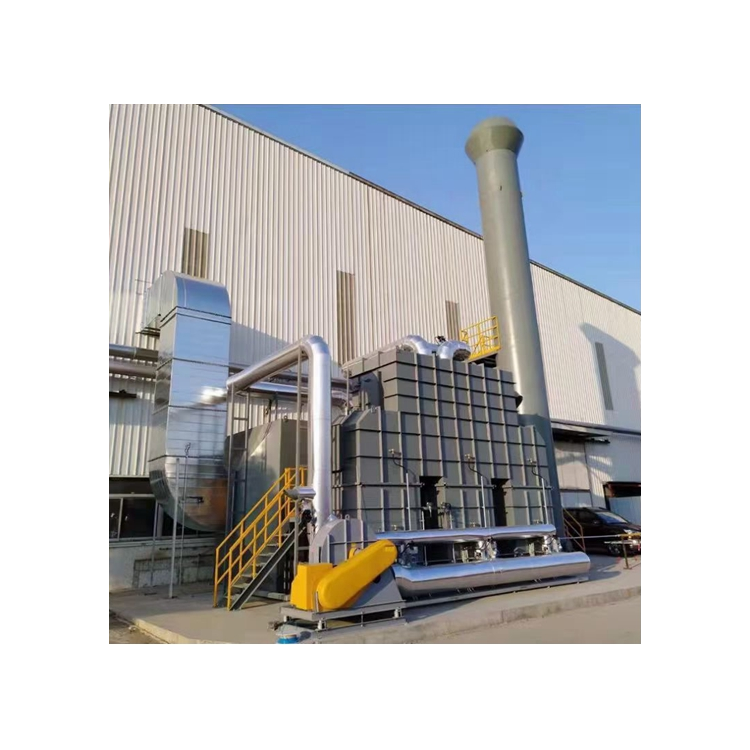


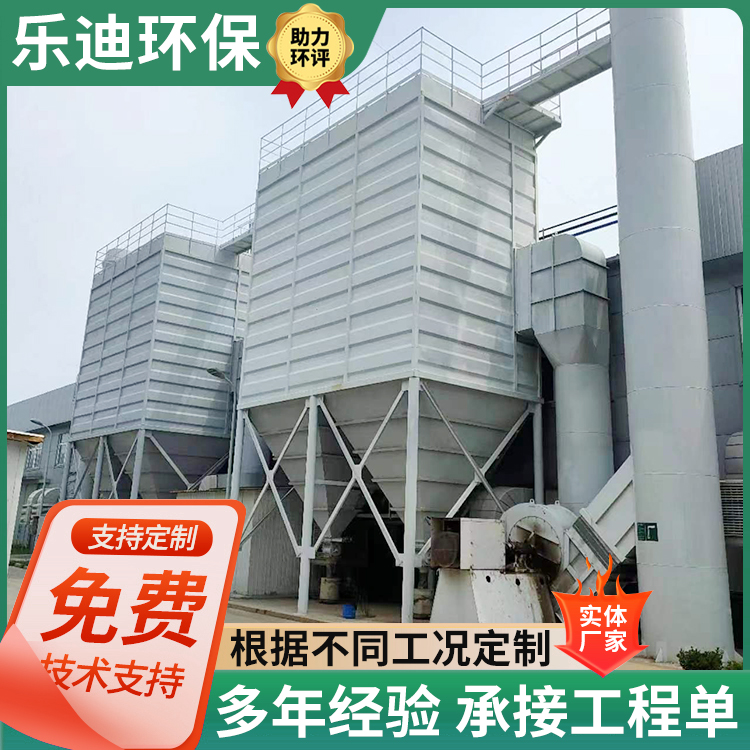
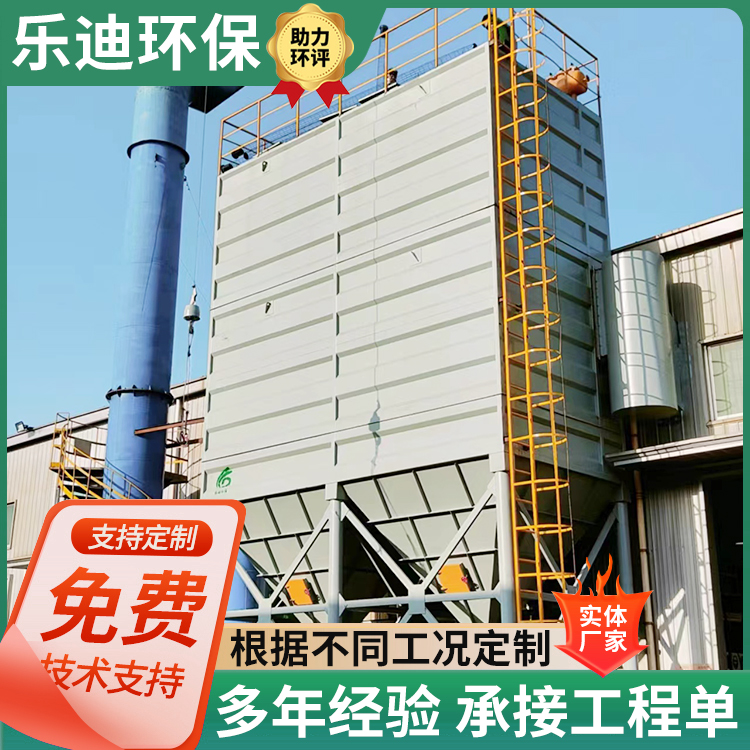
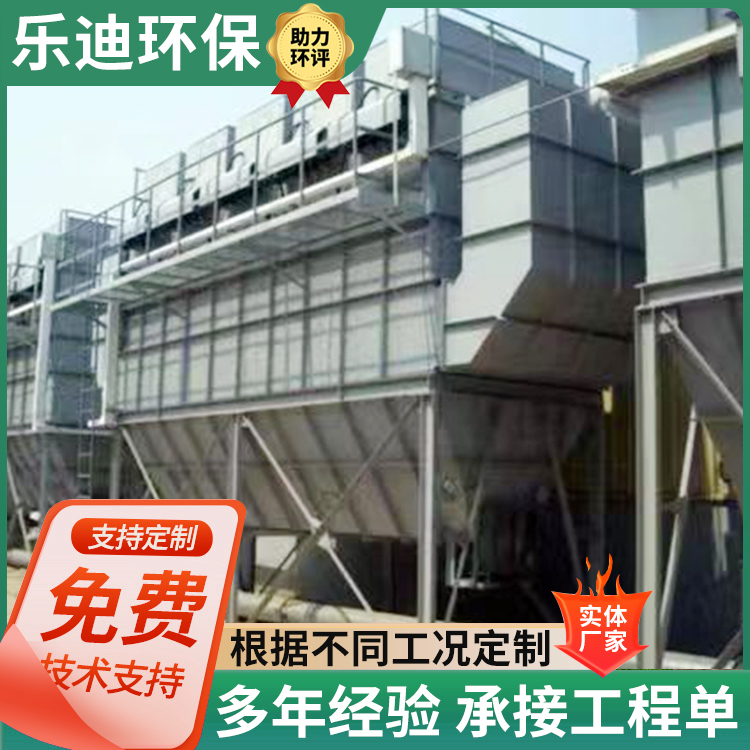
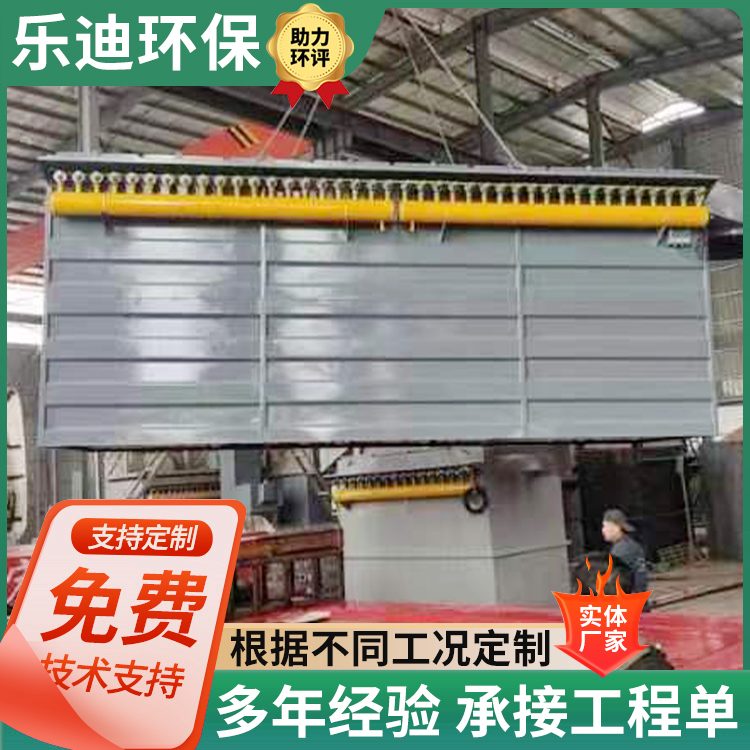






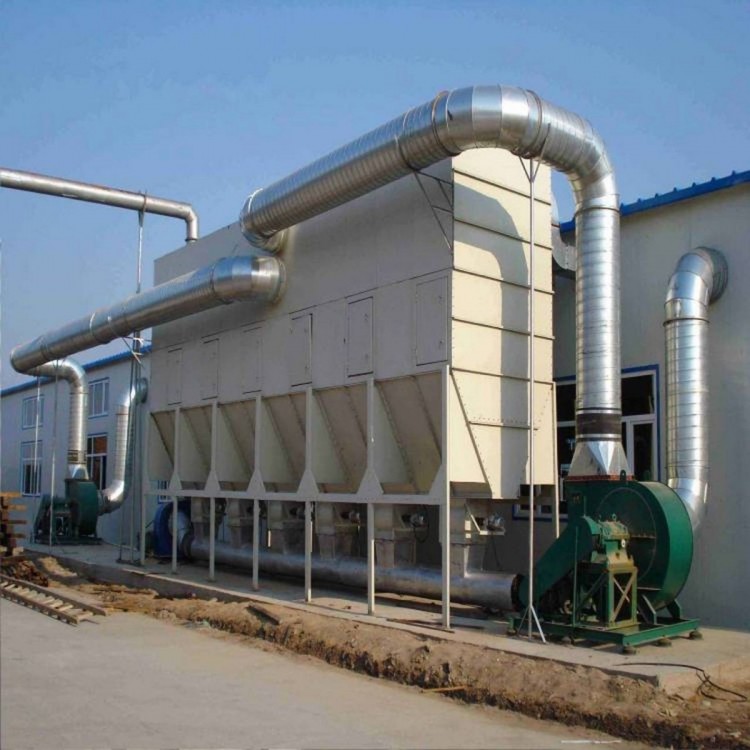
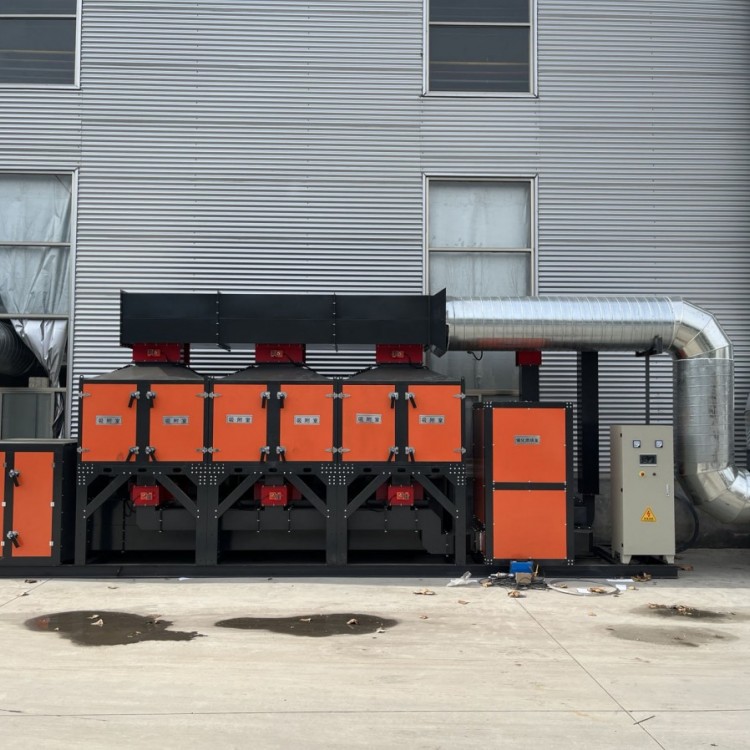
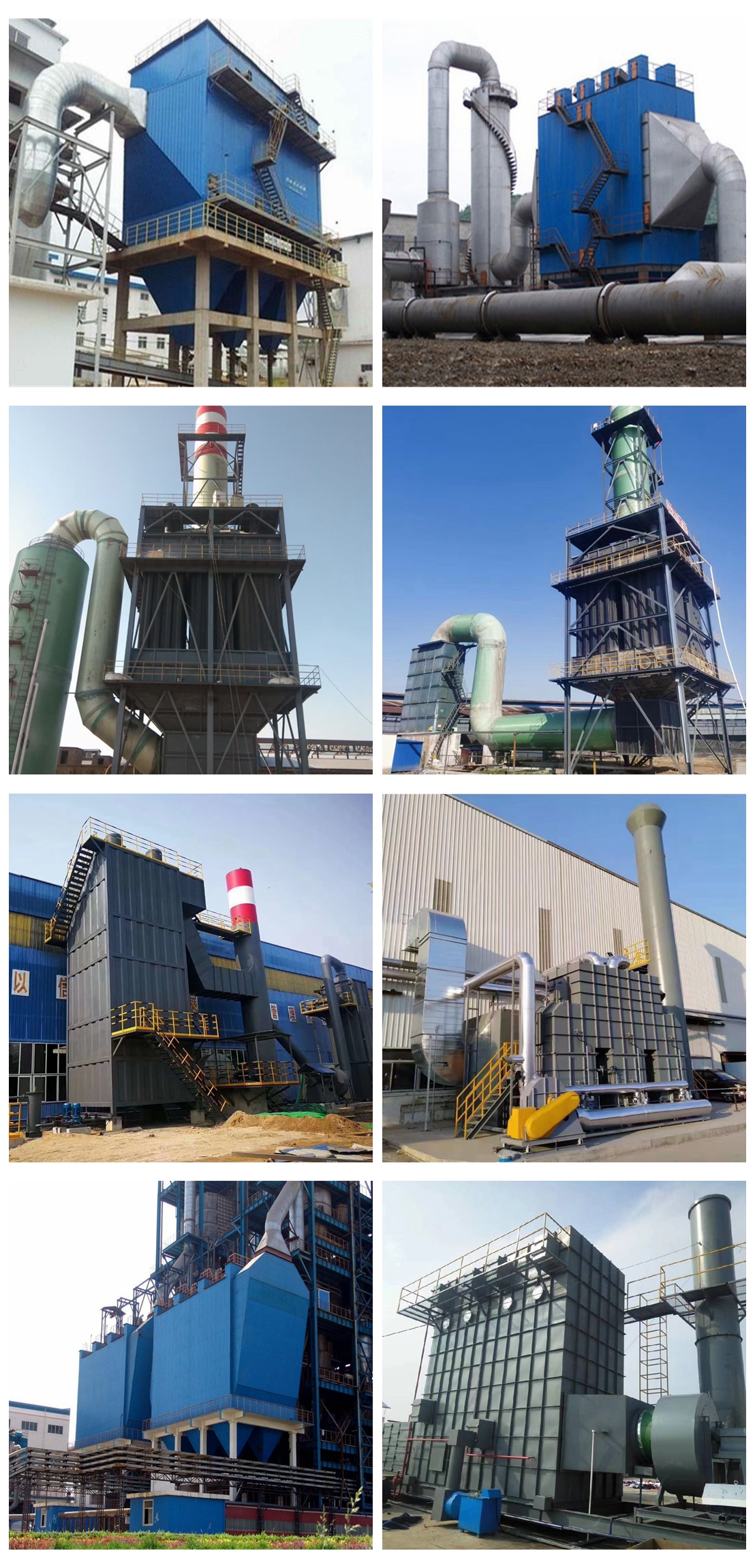
High-voltage electrostatic precipitators boast advantages such as reasonable design, high dust removal efficiency, wide application, low maintenance and operation costs, and are increasingly gaining popularity. Particularly in situations involving large air volumes and special dust conditions, wide-spaced, horizontal-plate electrostatic precipitators demonstrate greater superiority. They have a unique advantage in handling high-resistance dust that is generally difficult to collect, making them an ideal environmental protection equipment. The bipolar flat louver design of the high-voltage electrostatic module features two zones: the discharge area and the dust collection area, offering higher purification efficiency compared to traditional static filters or honeycomb-style electronic air purifiers. The primary principle of the high-voltage electrostatic precipitator is to utilize electrostatic attraction to trap particulate matter and aerosols containing bacteria and microorganisms, passing them through an electric field.
The high-voltage electrostatic precipitator is a device that captures dust from flue gas using electrostatic purification methods. It is an ideal equipment for purifying industrial exhaust gases. Its purification process primarily relies on the electrode system and the sedimentation electrode system. The high-voltage electrostatic precipitator is widely used for smoke and dust removal at dust-emitting points and exhaust outlets in industries such as power, mining, metallurgy, building materials, and chemicals.
The high-voltage electrostatic precipitator consists of two main parts: the precipitator body and the power supply unit. The precipitator body includes discharge electrodes, dust collection electrodes, air flow distribution devices, cleaning mechanisms, insulation devices, and the casing, among other components.
1. Single-zone electrostatic precipitator can be divided into the following types:
① Wet electrostatic precipitators and dry electrostatic precipitators can be categorized by dust removal methods. Wet electrostatic precipitators use water spray, misting, and overflow to form a water film on the dust collection electrode, carrying away dust particles adhered to the surface. Dry electrostatic precipitators use vibration methods to detach dust particles accumulated on the surface of the dust collection electrode, which then fall into the ash hopper and are discharged.
② Electric precipitators can be classified into vertical and horizontal types based on the air flow direction. Vertical electric precipitators are typically tubular, with air flowing from bottom to top and often operated under positive pressure. Horizontal electric precipitators have air flowing horizontally, and due to their higher separation efficiency and ease of maintenance, they are generally used in industry.
③ Dust collectors can be categorized into tube-type and plate-type based on the design of the dust collection element. Tube-type electrostatic precipitators have electrodes installed at the center of a round tube, with the inner surface of the tube serving as the dust collection surface, often constructed with multiple rows of tubes placed side by side. Plate-type electrostatic precipitators have electrodes installed between a series of parallel channels.
2. Single Zone (Grade) Electrostatic Precipitator
In the single-zone dust collector, the charging of particles and the dust collection process occur in the same area, meaning the corona electrode and the dust collection electrode are situated in the same zone.
3. Dual-zone (Grade) Dust Collector
In the dual-zone electrostatic precipitator, particle charging and sedimentation dust collection are conducted separately in two zones. In one zone, a set of electrodes charge the dust particles, while in the other zone, a different set of electrodes facilitate the sedimentation and dust collection. Widely used in air conditioning systems.
Principle of operation for a high-voltage electrostatic precipitator
High-voltage electrostatic precipitator utilizes a high-voltage electric field to ionize flue gas, causing the dust particles in the airflow to become charged and separate from the airflow under the influence of the electric field. The negative electrode is made of metal wires with different cross-sectional shapes and is called the discharge electrode. The positive electrode is made of metal plates with different geometric shapes and is called the dust collection electrode.
Performance of high-voltage electrostatic precipitator
The efficiency of a high-voltage electrostatic precipitator is influenced by three factors: the nature of the dust, the construction of the equipment, and the velocity of the flue gas. The specific resistance of the dust is an indicator of conductivity and has a direct impact on the dust removal efficiency. A low specific resistance makes it difficult for dust particles to remain on the collection electrodes, causing them to re-enter the gas stream. A high specific resistance makes it hard for the dust particles to discharge their charge at the collection electrodes, leading to voltage gradients between dust layers that can cause local breakdown and discharge phenomena. These conditions all contribute to a decrease in dust removal efficiency.
The power supply for the high-voltage electrostatic precipitator consists of a control box, step-up transformer, and rectifier. The voltage output from the power supply significantly affects the dust removal efficiency. Therefore, the operating voltage of the electrostatic precipitator should be maintained at 40-75kV, even up to 100kV or higher.
High-Pressure Electrostatic Dust Collector Performance Features and Main Technical Parameters
Export dust concentration of flue gas ≤ 80 mg/m³ (standard state)
Power Supply: 380V 50Hz
Design Voltage: 100KV (0~100KV depending on the dust collector size)
Dust removal efficiency > 98.5%
The specific resistance of dust is 104 to 1012 Ω·cm.
Flow rate: 3,000 to 250,000 m³/h
Flue gas temperature ≤ 250℃
Dust concentration at smoke inlet ≤ 20g/m³
Dust particle collection size range: 0.01~20μm
Smoke Pressure: 0~3600 Pa
High-voltage electrostatic precipitator is a new generation of precipitator developed to address the issues existing in the operation of various cement plants. It features a large air handling capacity, with a single unit capable of handling up to 35,000-45,000 m3/h of air; high initial concentration, with an initial inlet concentration of up to 150-250 grams; strong anti-dew performance to ensure stable operation of the electrical field; both anodes and cathodes are equipped with impact devices for effective ash cleaning; meets emission standards; innovative structure with a skeletal design; maintenance is performed entirely outside the body, requiring no maintenance; particularly suitable for the tail-end dust removal of O-Sepa classifier, and when used in the tail-end dust removal of dryers and mills, it achieves even better results. Using a precipitator alone on a mill can increase hourly production by 15-25%.
High-voltage static module is designed with bipolar flat louver structure, featuring two zones: the discharge area and the dust collection area. It boasts higher purification efficiency compared to traditional static filters or honeycomb electronic air purifiers. The main principle of the high-voltage static dust collector is to utilize electrostatic adsorption to capture particles and aerosols laden with bacteria and microorganisms, and to neutralize bacteria and viruses through the electric field.
The high-voltage electrostatic precipitator boasts features such as reasonable design, high dust removal efficiency, reliable operation, wide application, and low maintenance and operation costs, and is gaining more and more extensive use.