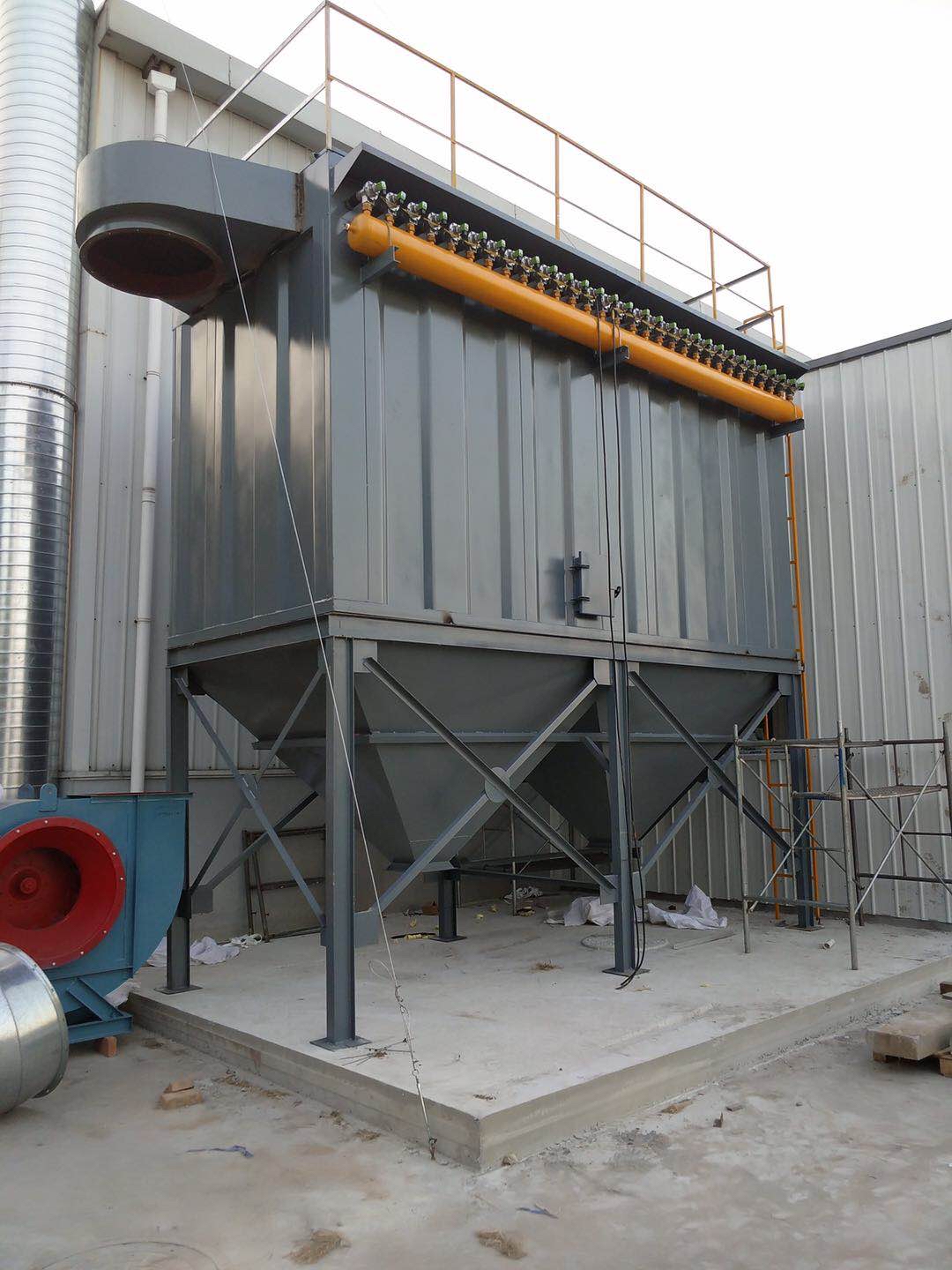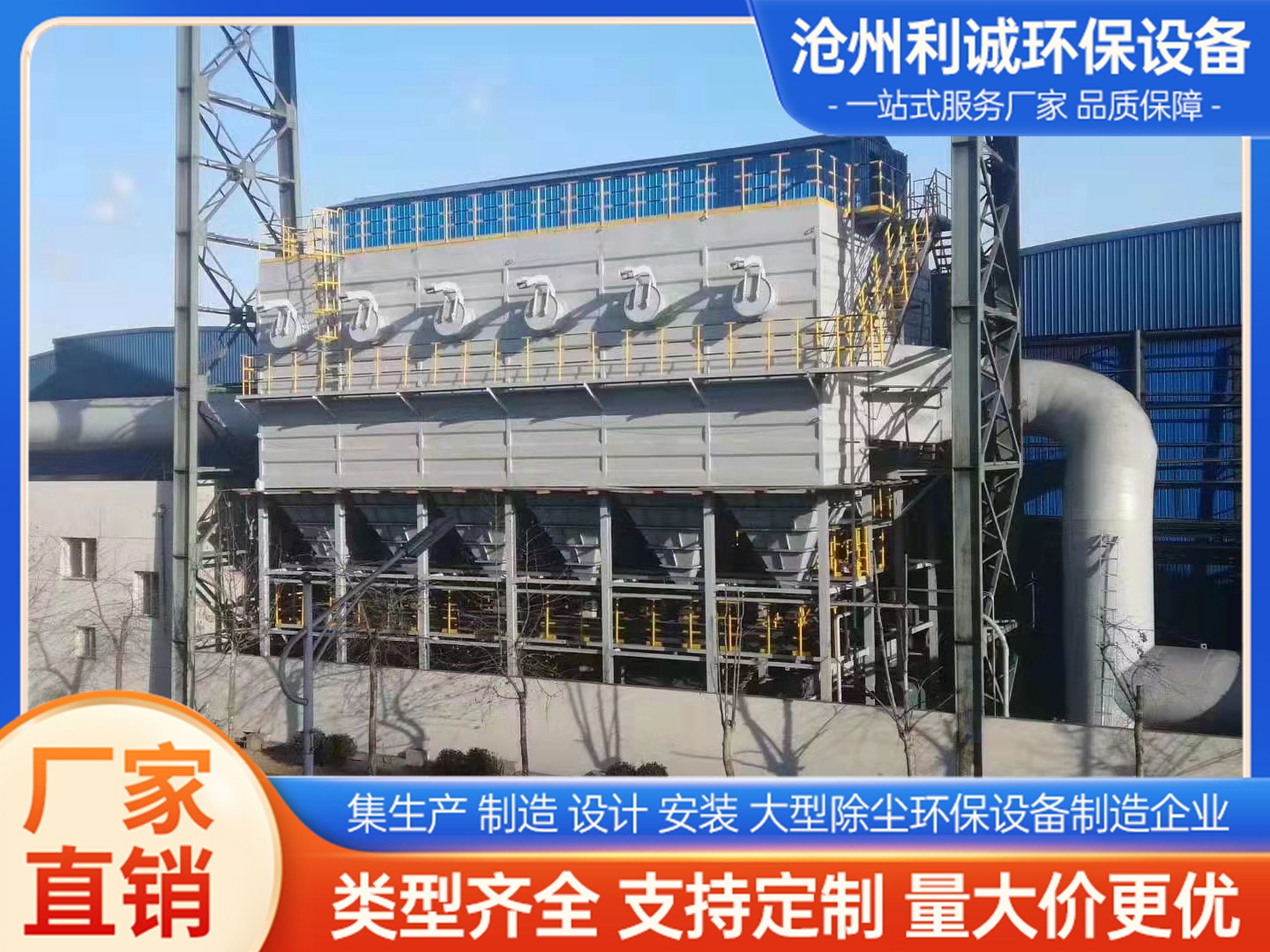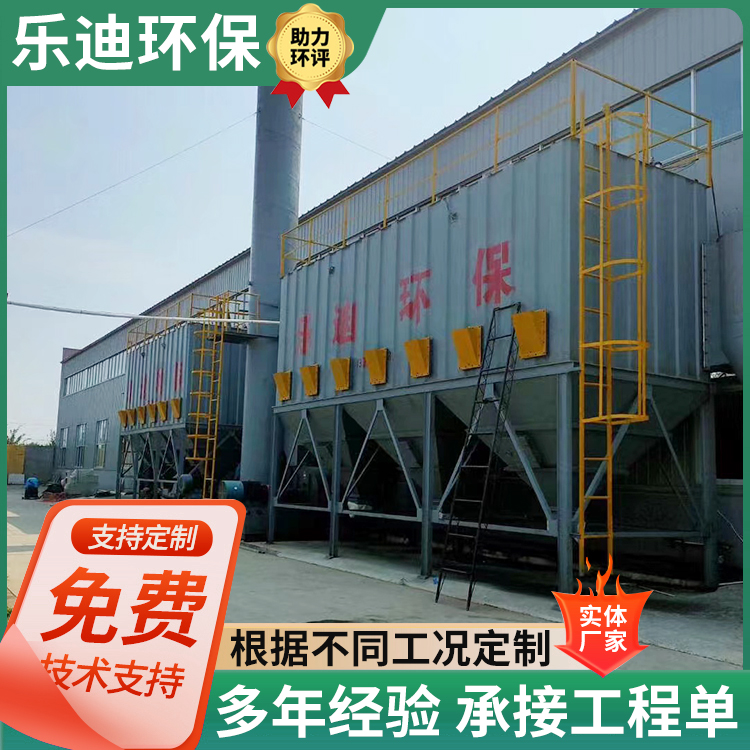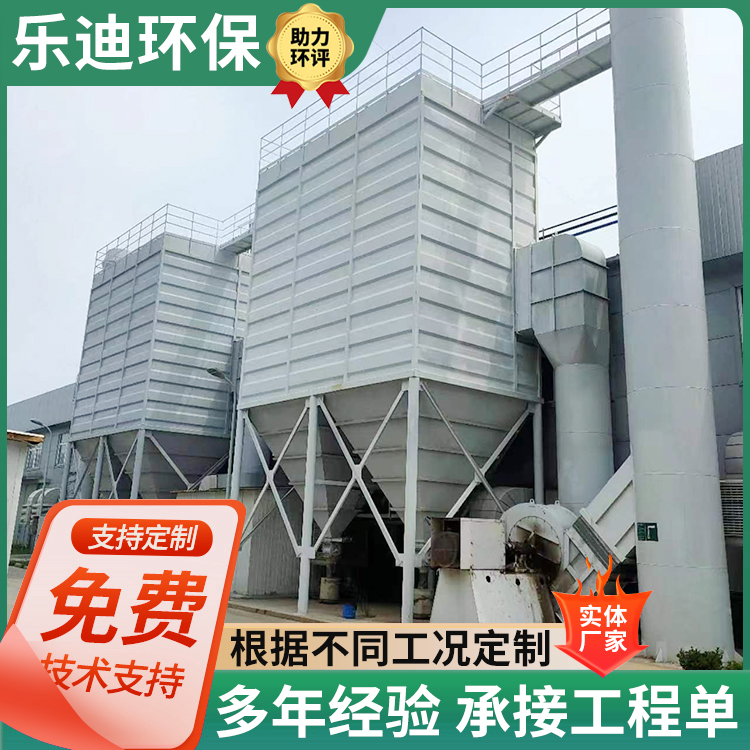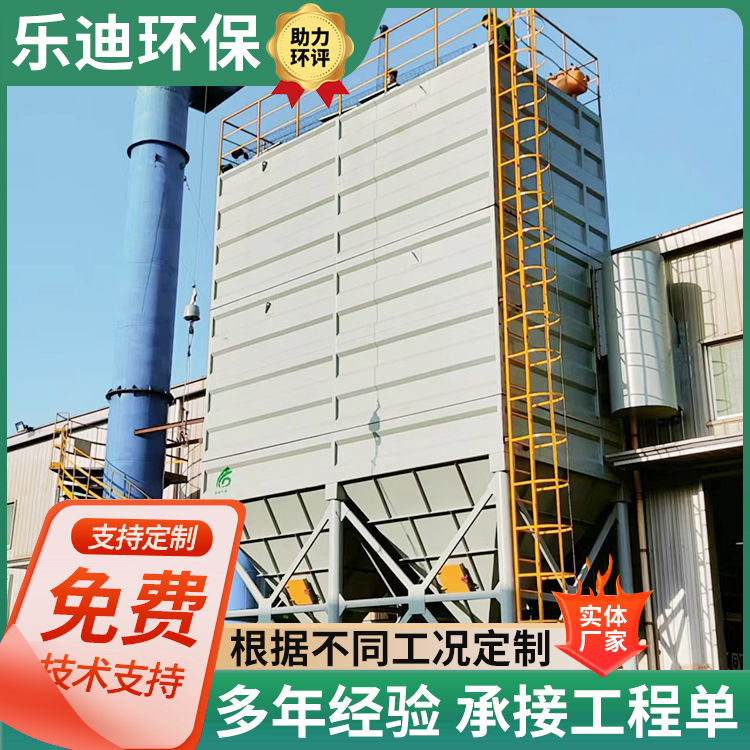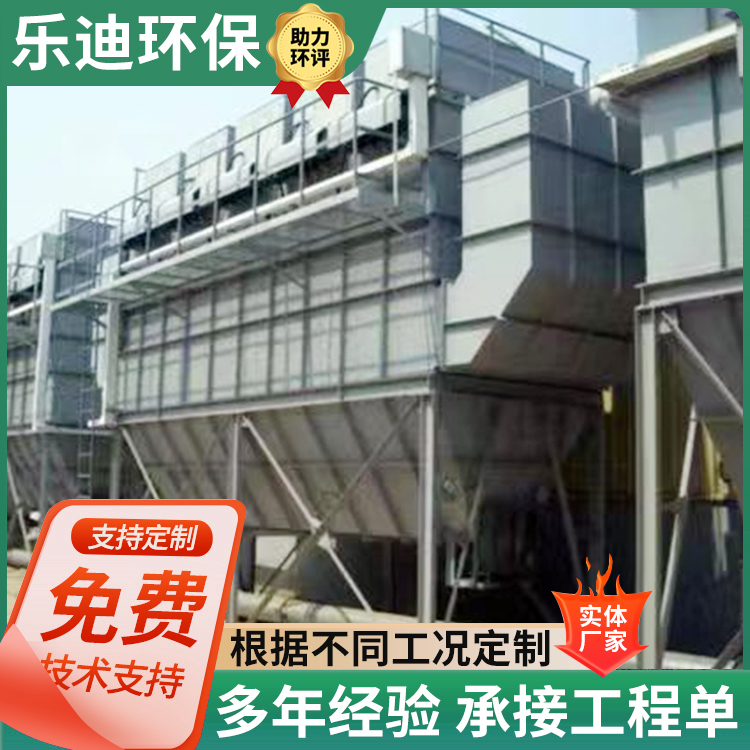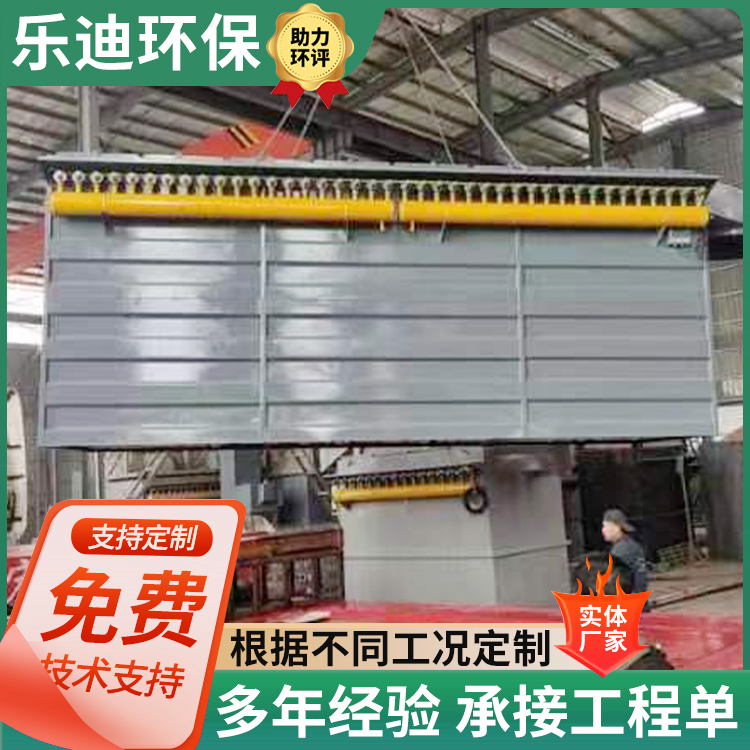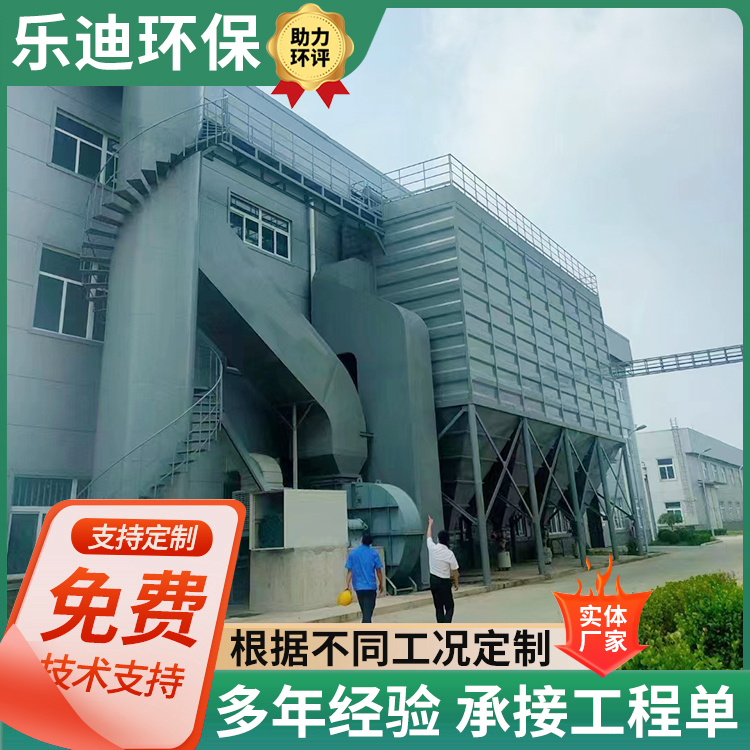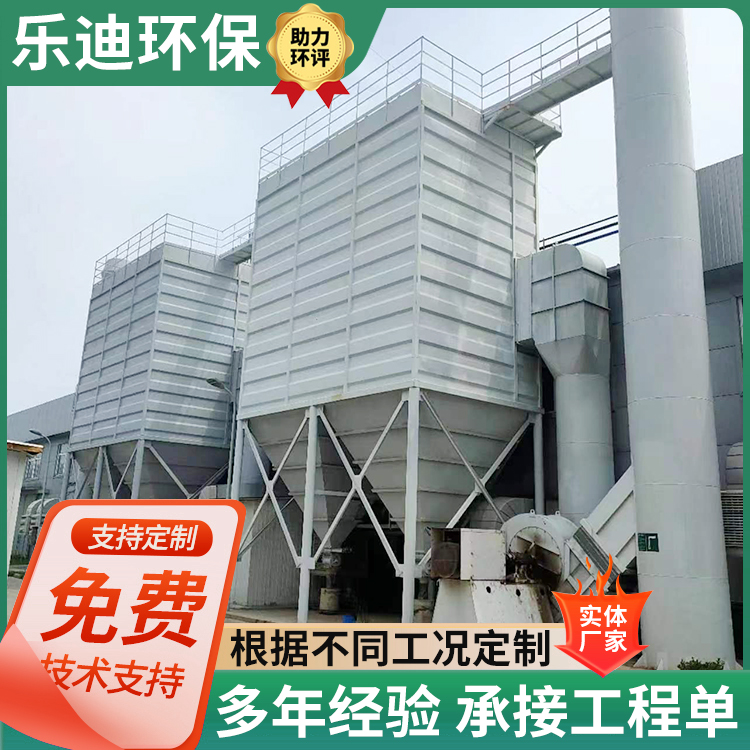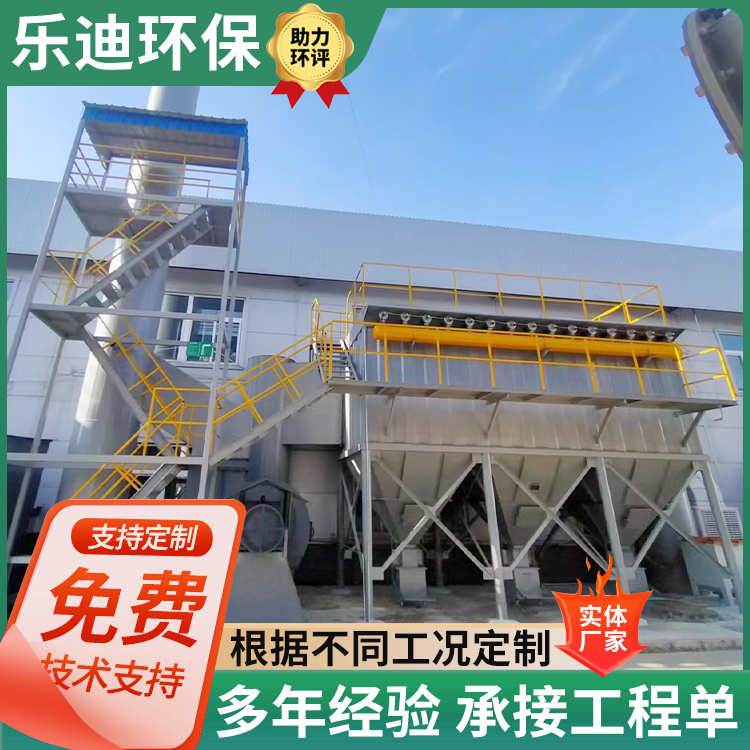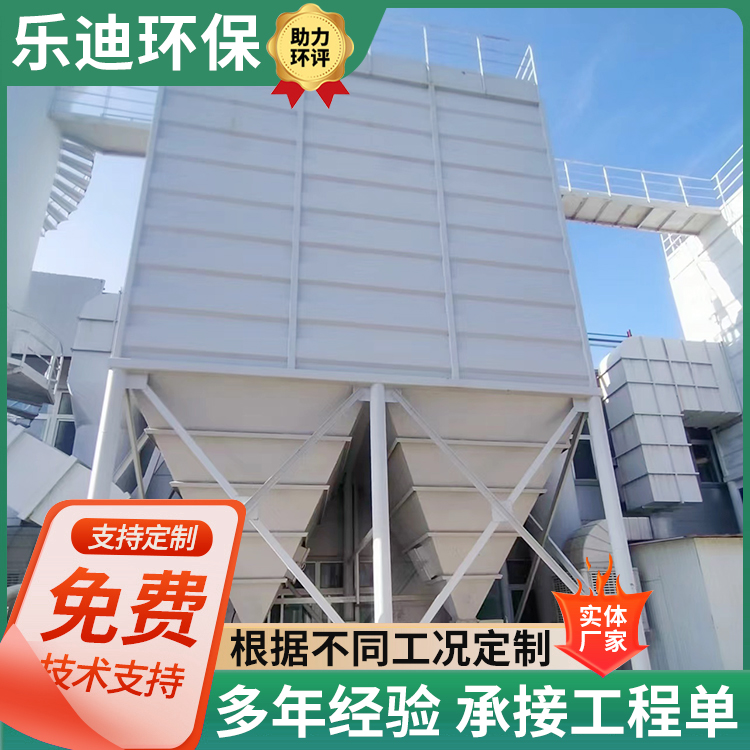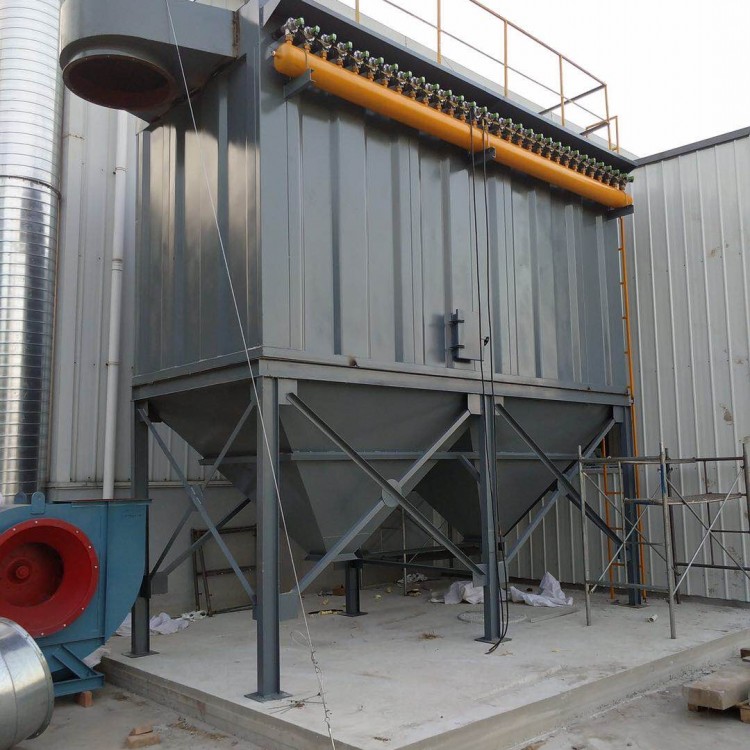


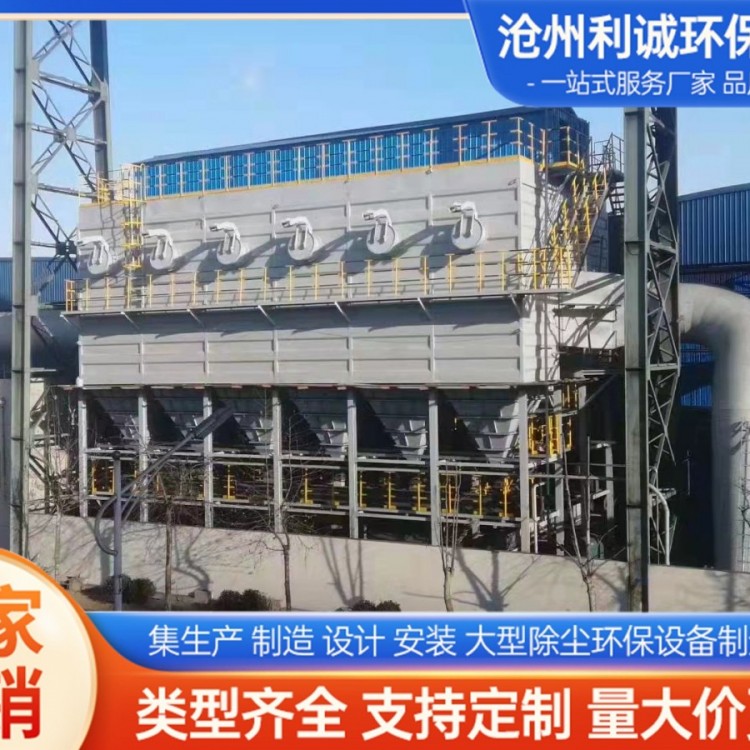


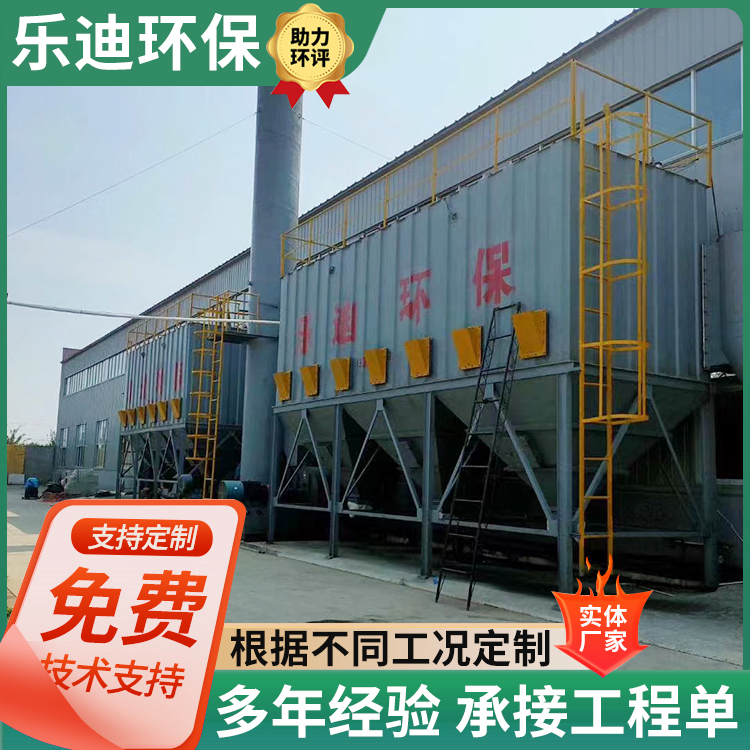
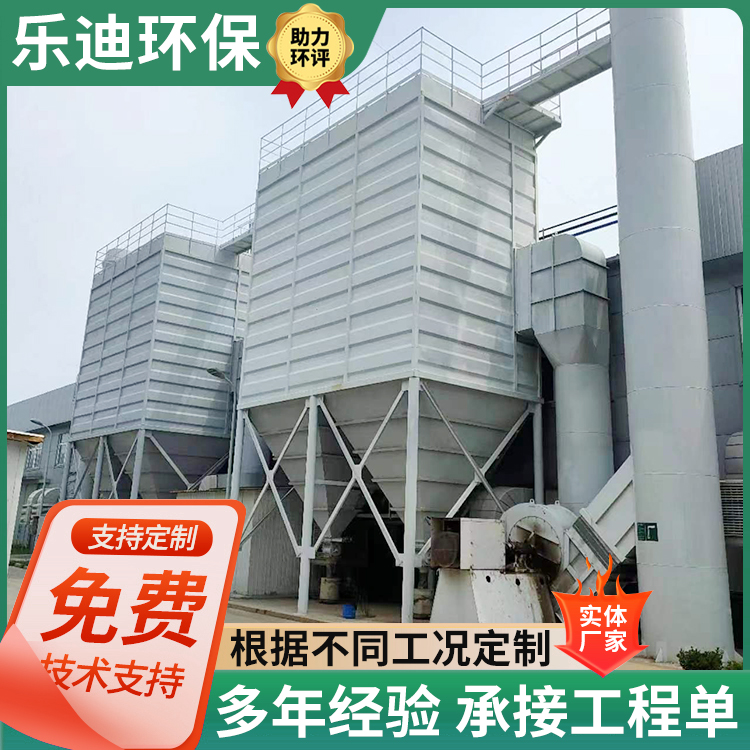
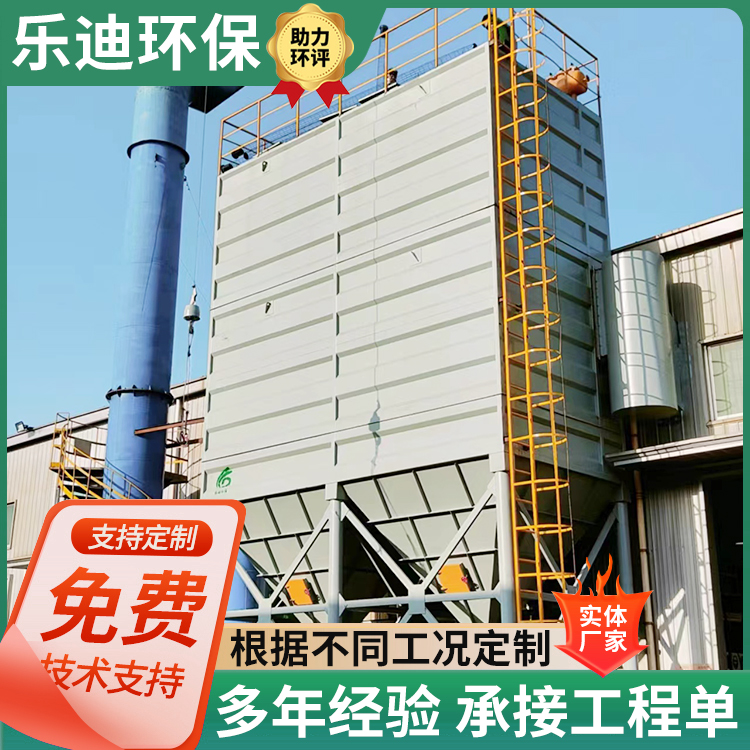
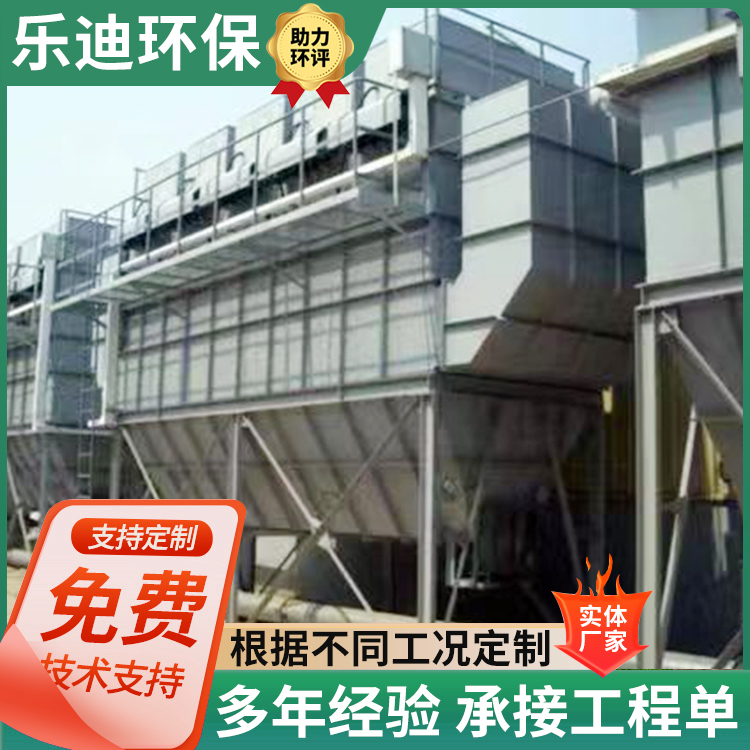
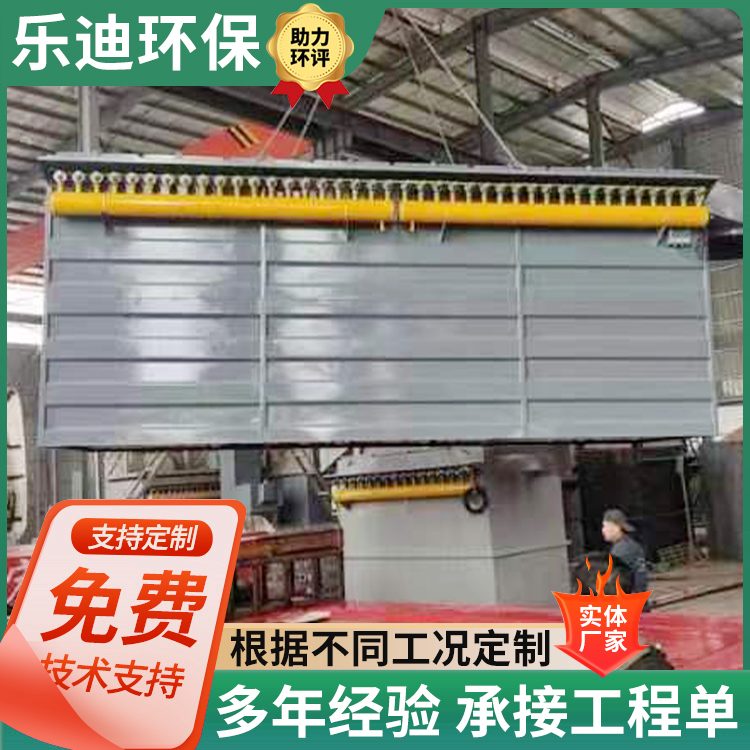






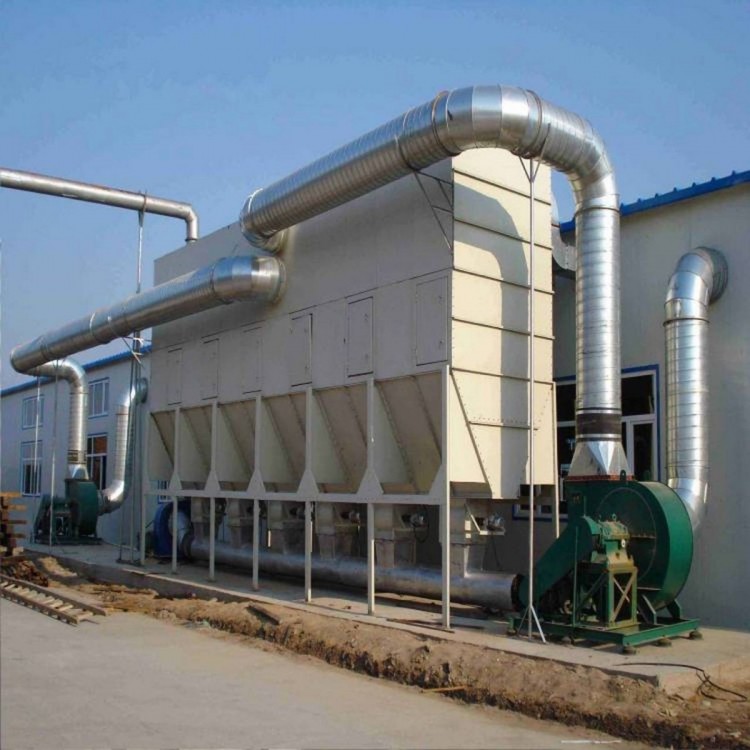
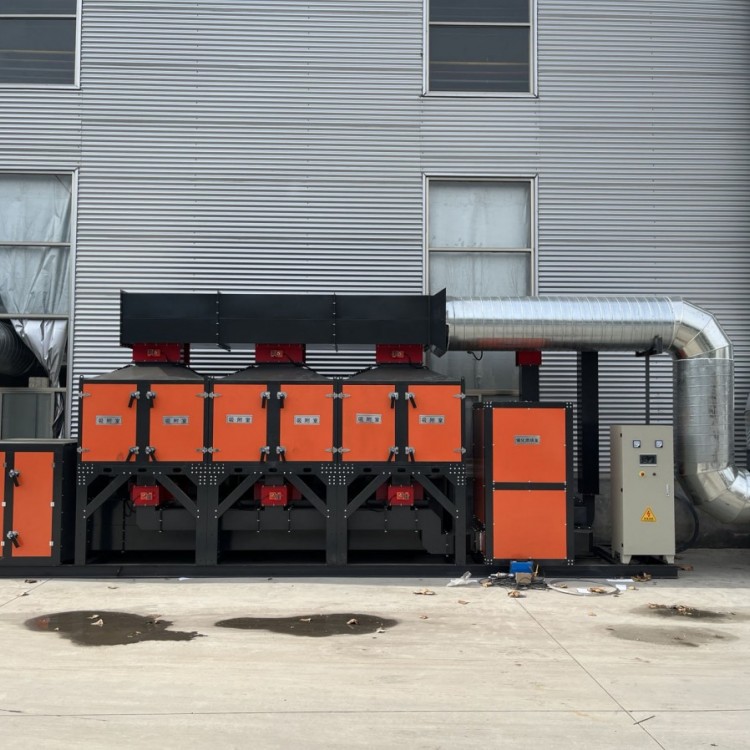
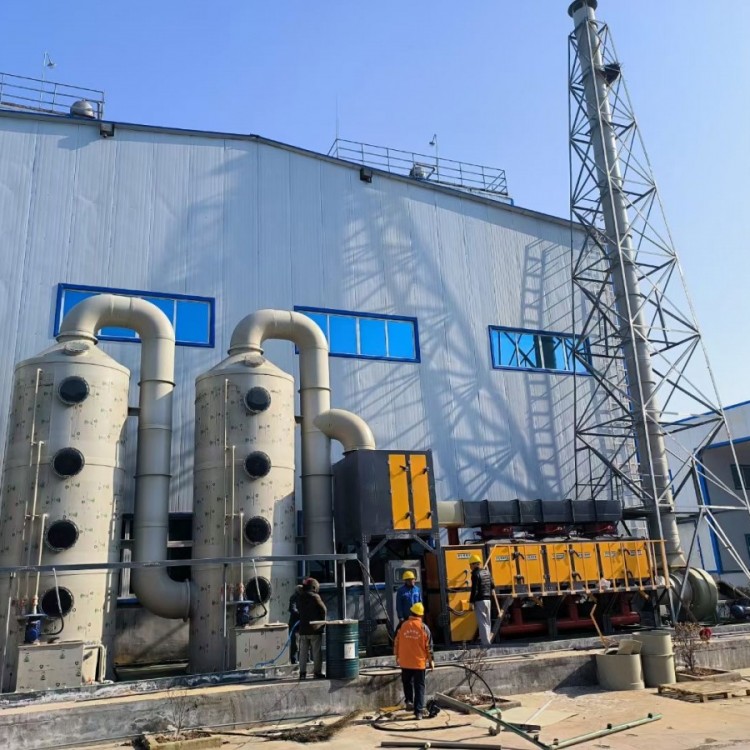
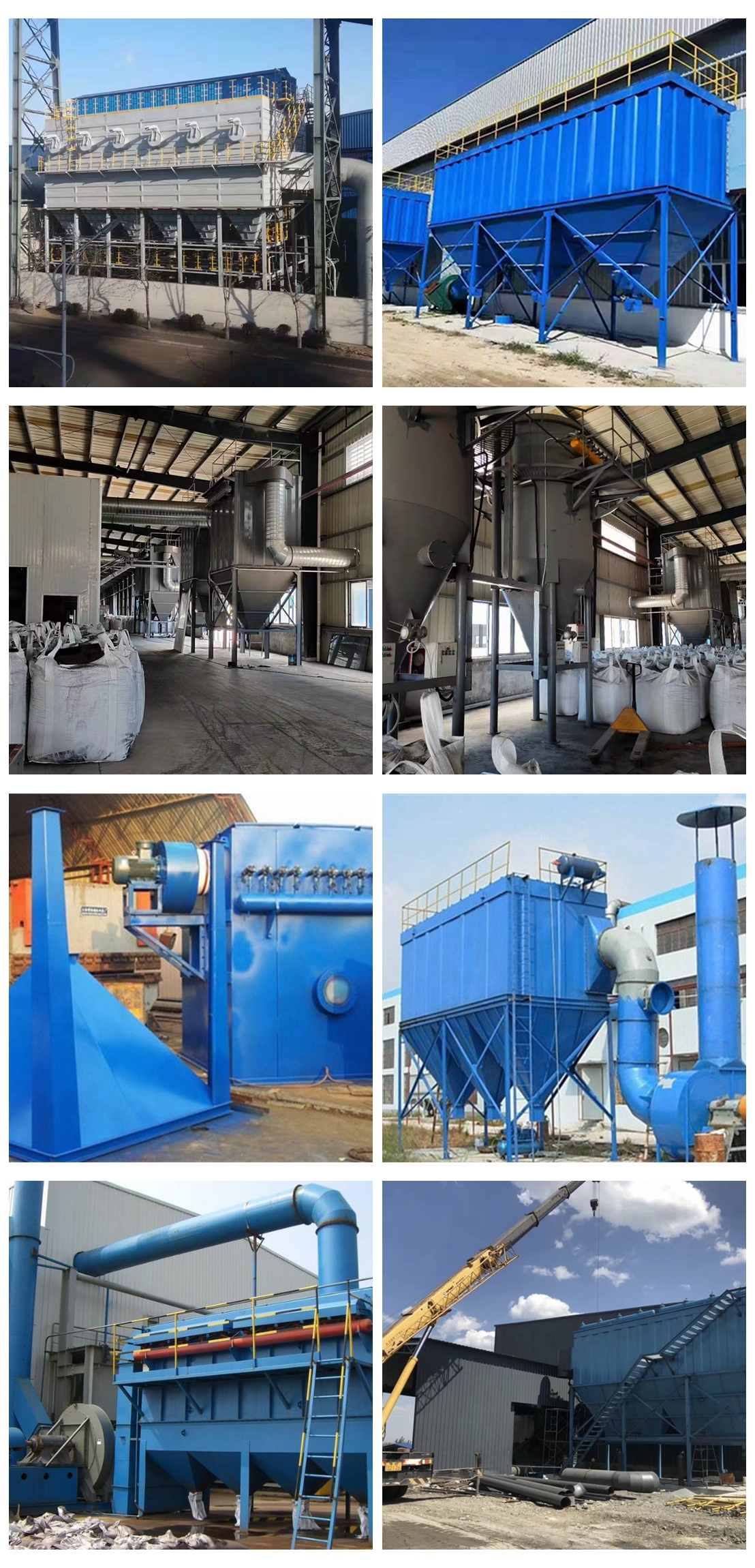
The Pulse Dust Collector is a newly improved version based on the bag dust collector, integrating the advantages of the chamber backblow pulse spray dust collector and overcoming its shortcomings such as insufficient cleaning strength and uneven air distribution, thus expanding its application range.
Basic maintenance methods
(1) During equipment operation, a designated person should be assigned for management and proper operation records should be kept.
(2) Managers should be familiar with the principle, performance, and operating conditions of dust collectors, as well as skilled in adjusting operating parameters and equipment maintenance methods.
(3) Regularly replenish lubricating oil to the equipment's lubrication points.
(4) Regularly inspect if the pulse cleaning system of the dust collector is blowing normally. If not, focus on checking for any malfunction or damage to the pulse valve diaphragm and solenoid valve, and repair or replace them promptly.
(5) In the event of a malfunction in the pulse valve, it should be addressed promptly. If there are impurities, moisture, or other foreign objects inside, they should be cleaned immediately. Damaged diaphragms should be replaced promptly.
(6) Regularly inspect the cylinder and all flange surfaces. In case of gas leakage, replace the sealing rings promptly.
(7) Inspect the door's sealing strip; replace it promptly if it's worn out.
(8) Regularly measure process parameters such as gas volume, temperature, and concentration, and identify the cause of any anomalies and handle them promptly.
(9) Regularly inspect equipment operation for normalcy based on variations in the equipment's running resistance.
(10) Filter bags are consumable parts; users should regularly inspect the operational status of the filter bags and consider timely replacement based on the extent of damage.
(11) Regularly inspect the airway system and dust removal system operation, and promptly address any anomalies.
(12) Regularly drain accumulated water from the separator in the compressed air system based on the water accumulation situation.
(13) Upon shutdown, after the process system has stopped, the dust collector and exhaust fan should continue to operate for a period to remove moisture and dust from the equipment. Additionally, the cleaning and unloading operations should be performed repeatedly before the dust collector ceases operation.