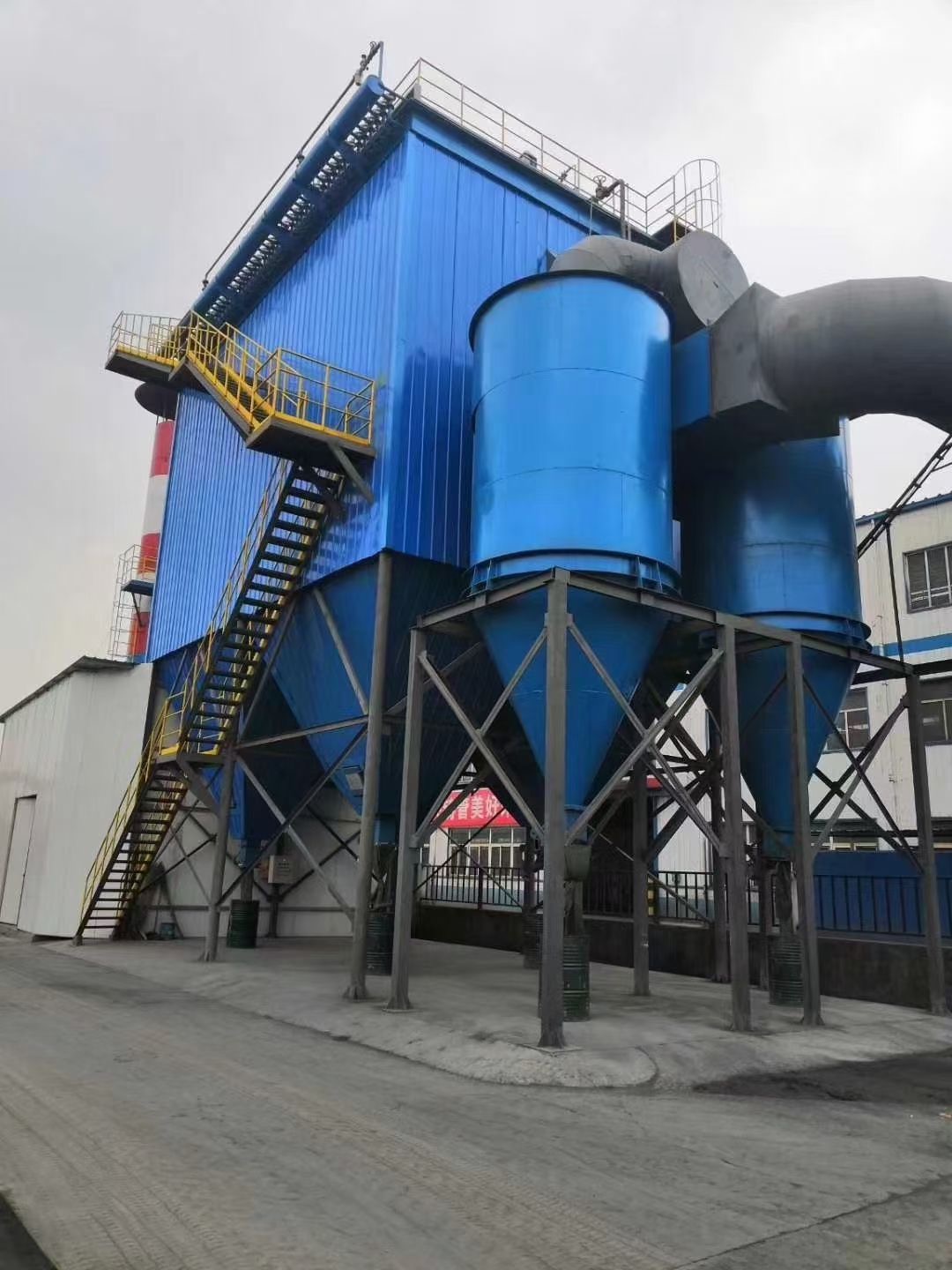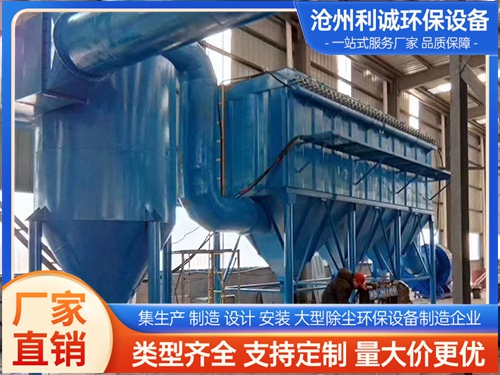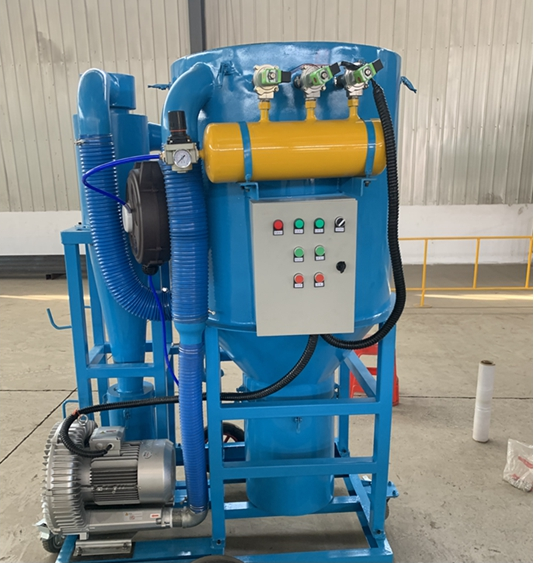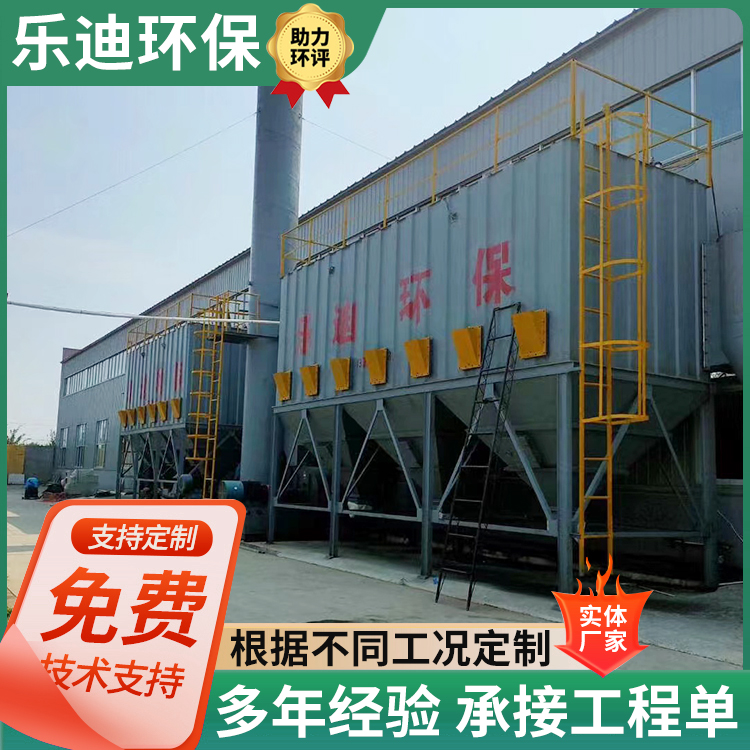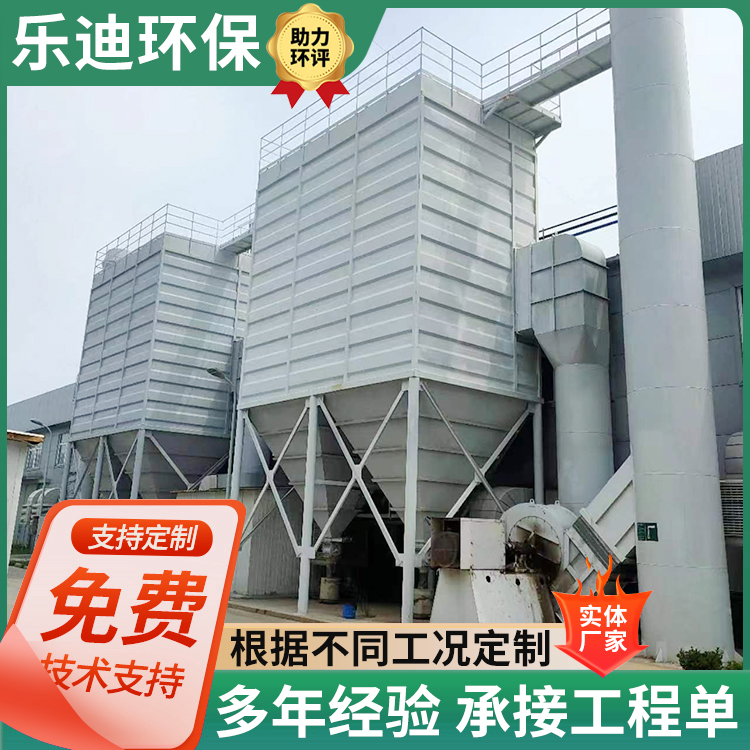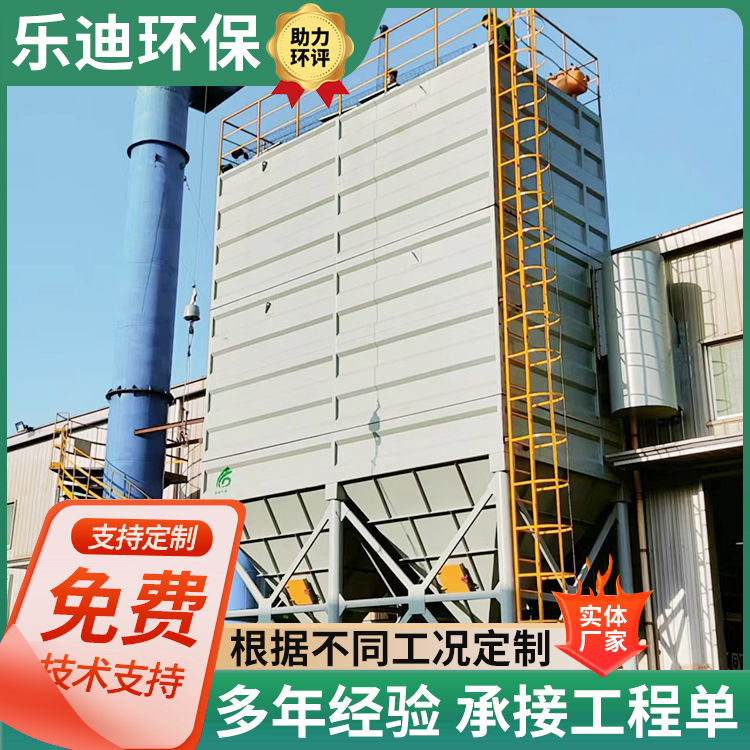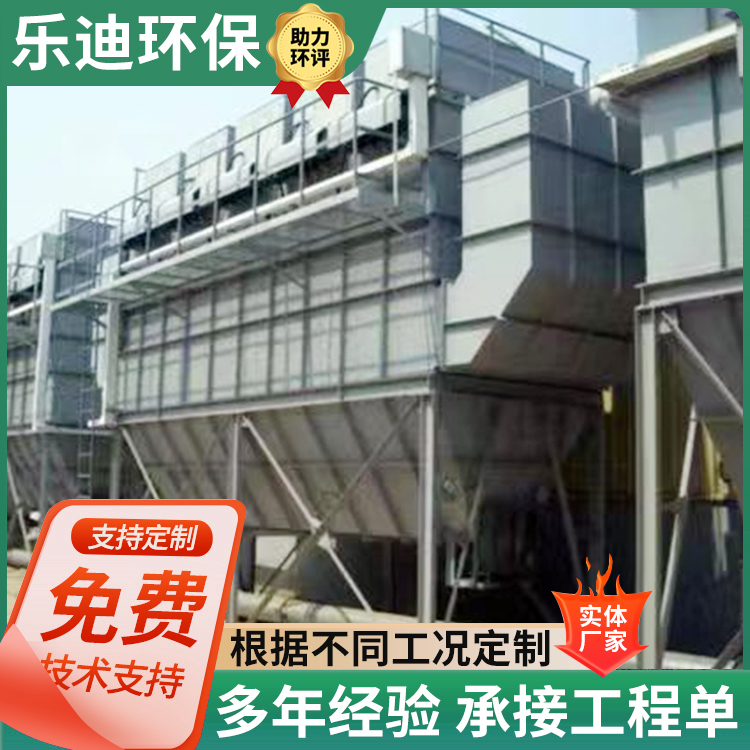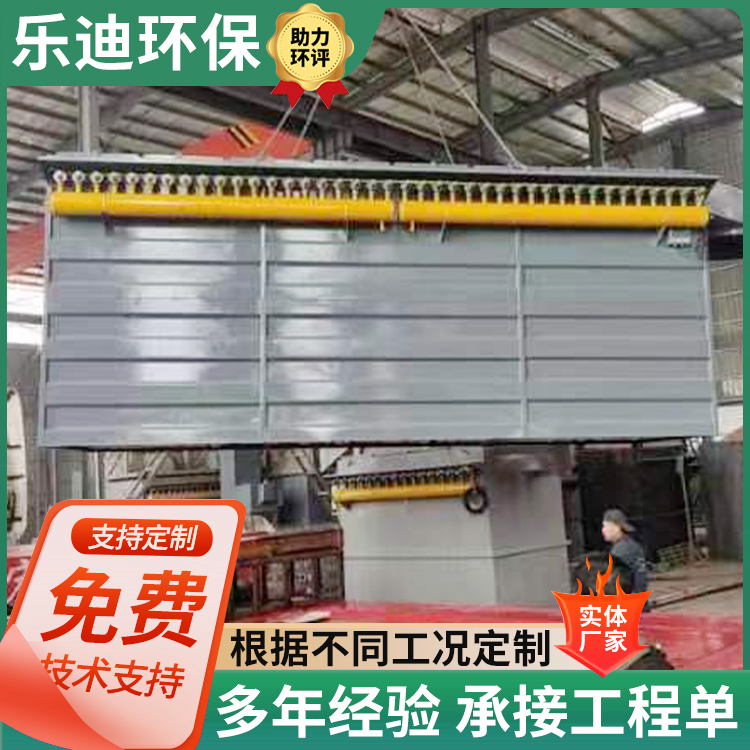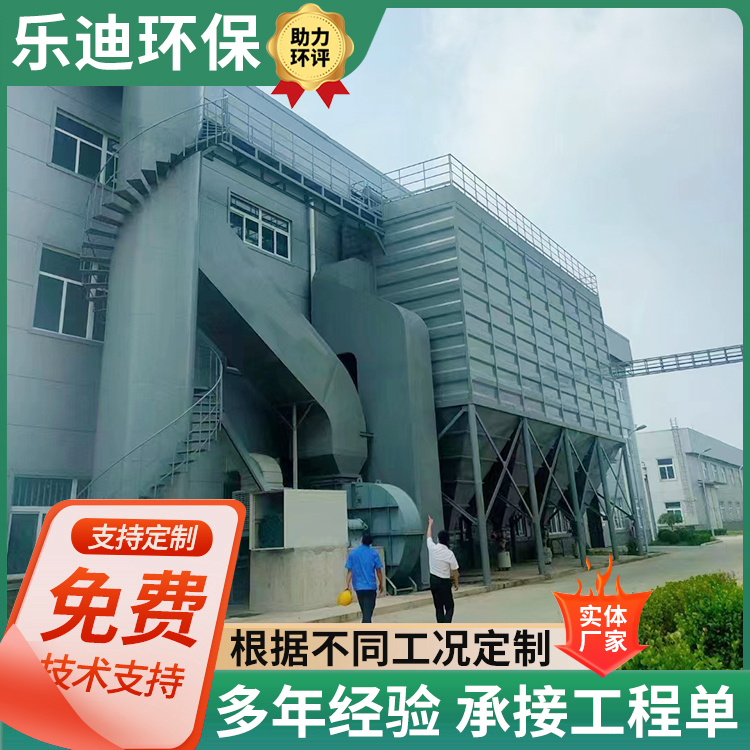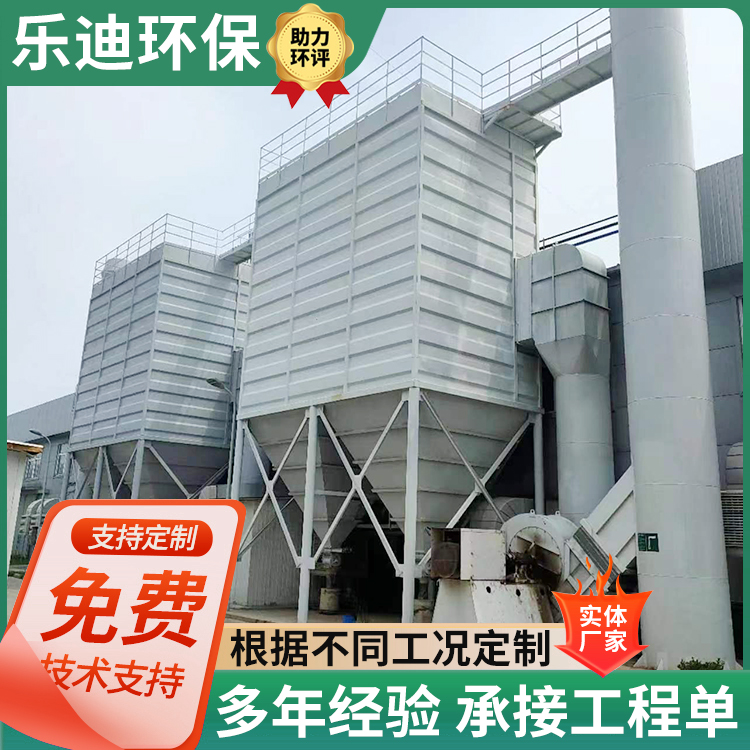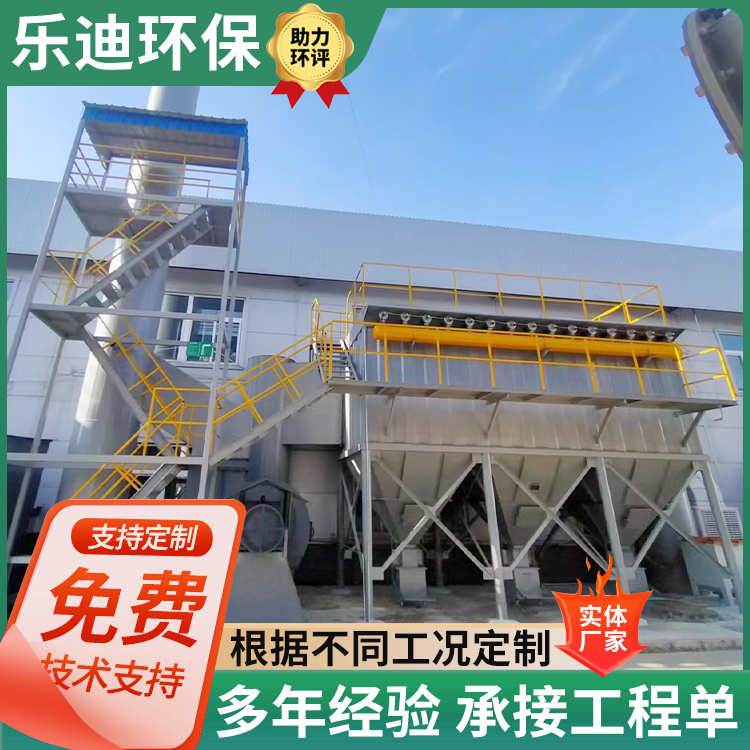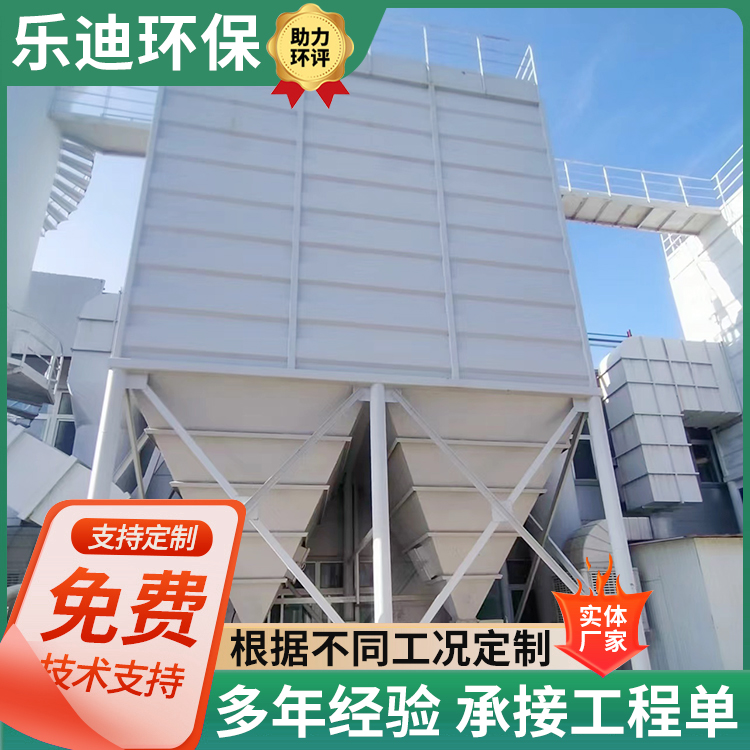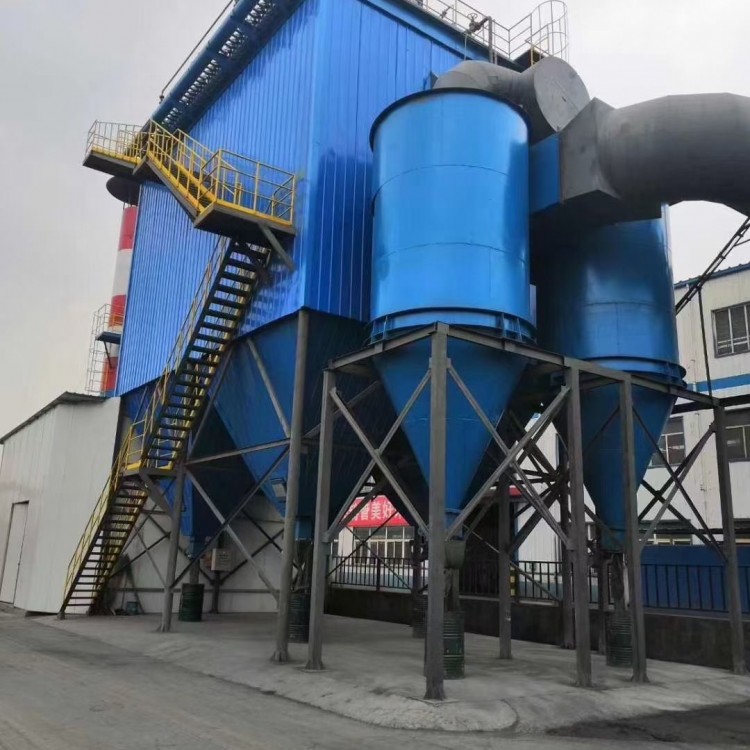

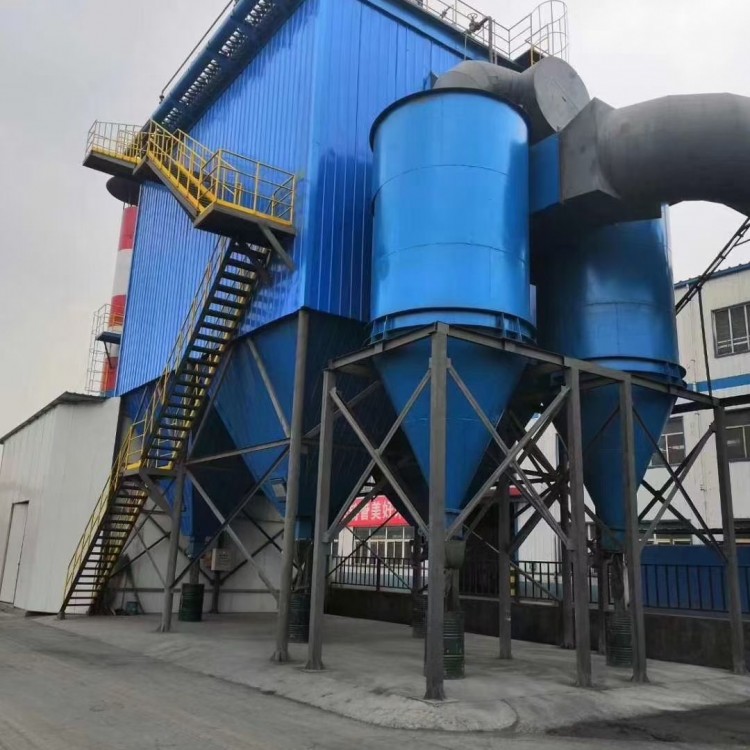


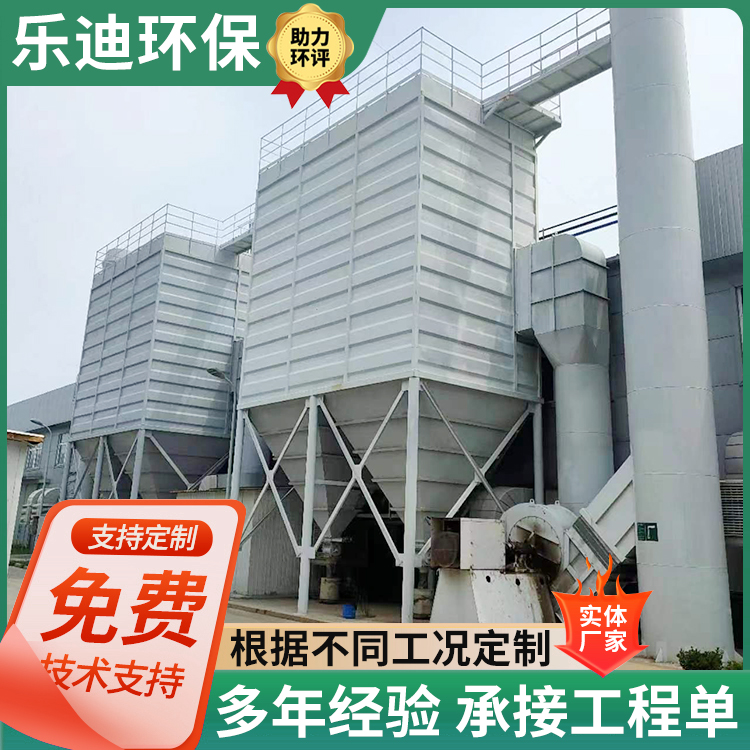
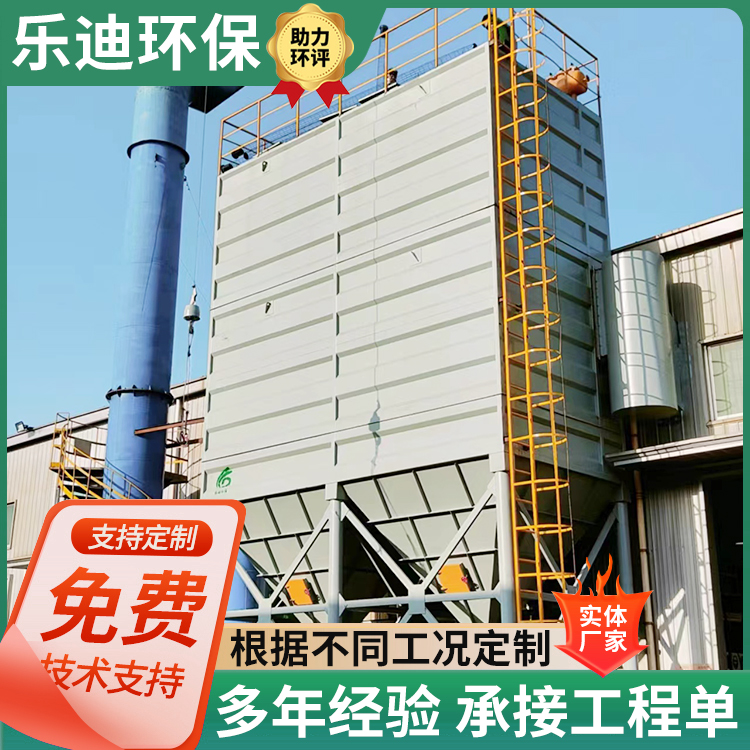
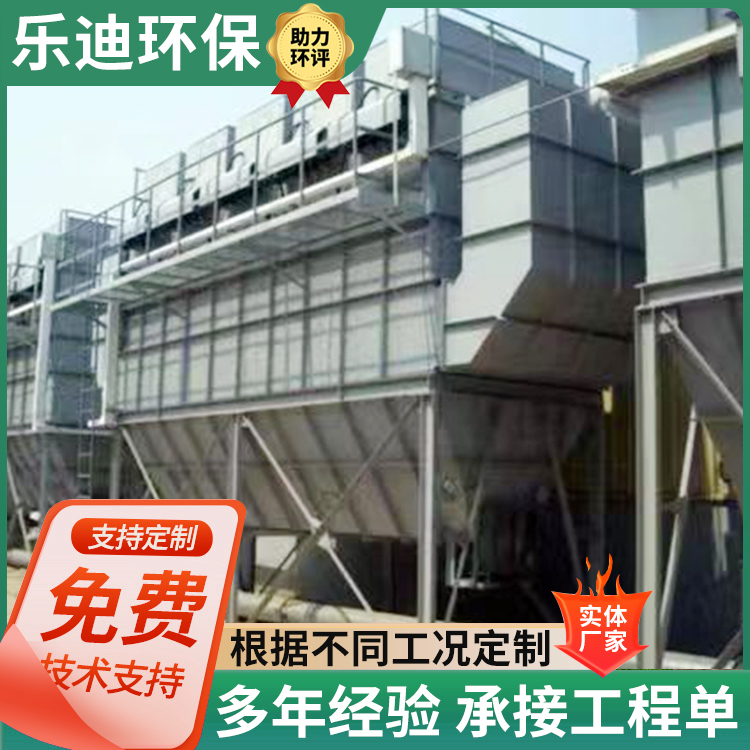
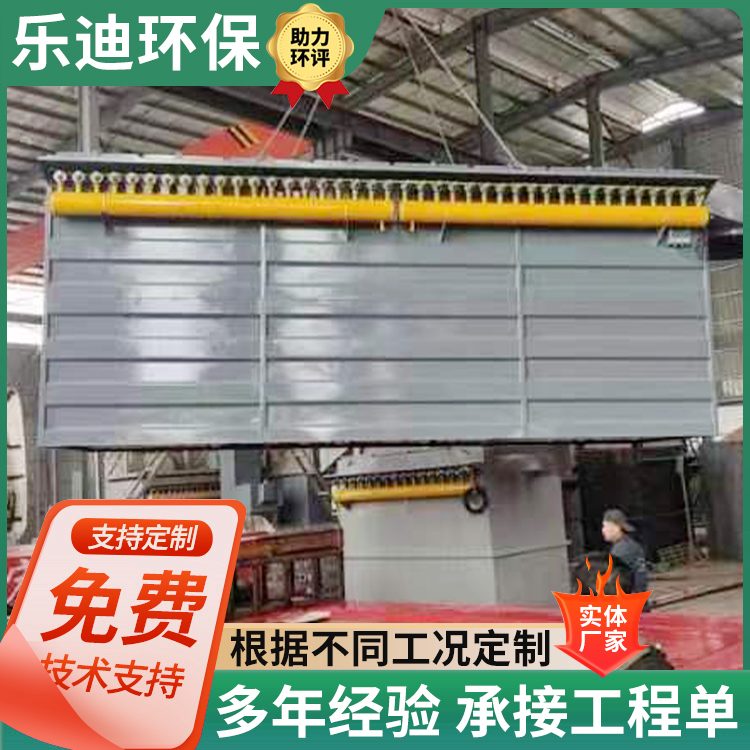






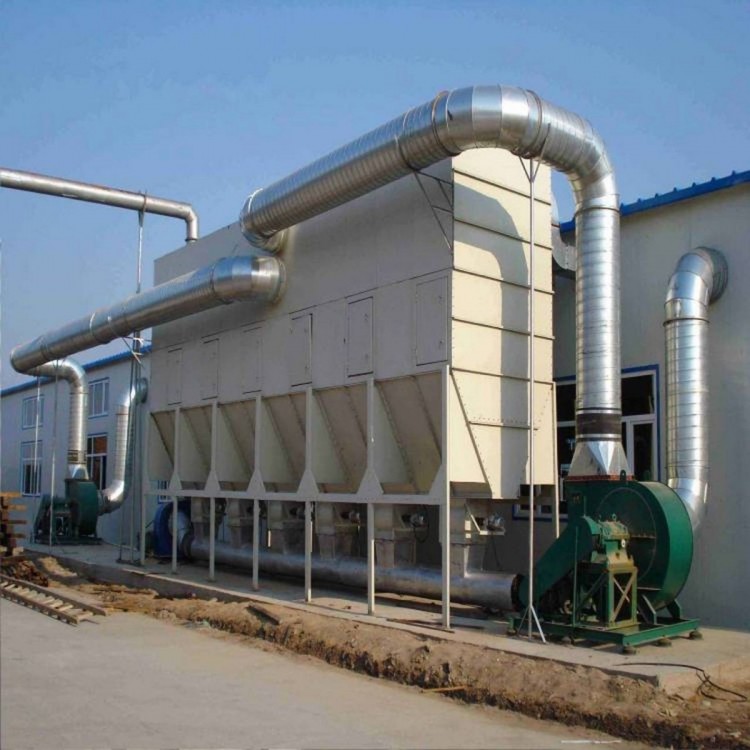
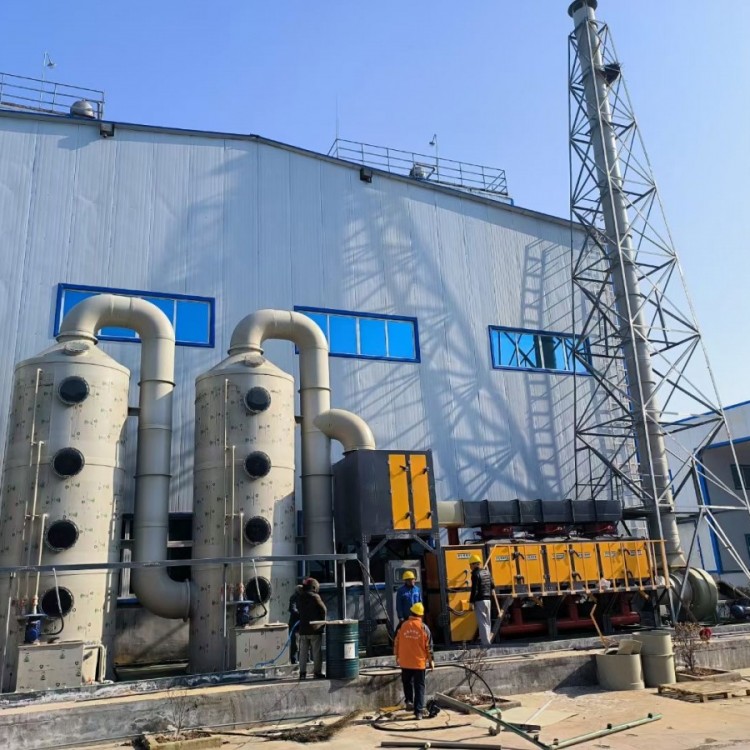
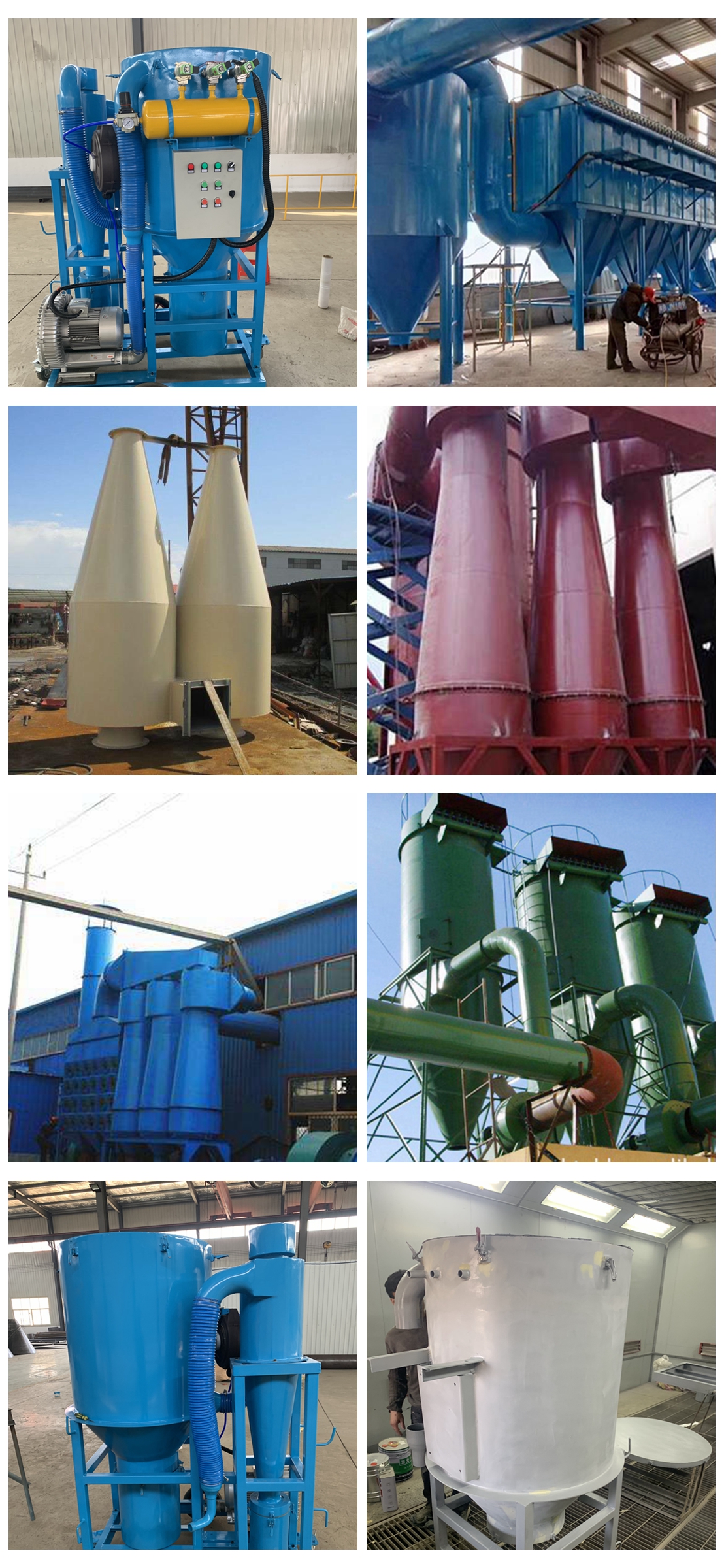
Tornado dust collectors come in two types: X-type exhaust and Y-type intake. The X and Y types are further divided into N-type (left rotation) and S-type (right rotation) based on the direction of the volute rotation. Please specify when ordering. The import wind speed is 12-27 seconds.
Principle of operation for the cyclone dust collector:
Dust-laden gas enters tangentially at the inlet, gaining rotational motion while the airflow divides into upper and lower streams, forming a double-vortex movement. At the bottom of the exhaust, where the two vortices meet, there is a strong separation effect. Finer, lighter dust particles are carried to the upper vortex by the airflow and form a strongly rotating ash ring beneath the lid, leading to particle agglomeration. They are then extracted from the upper opening of a dedicated bypass separation chamber and, through the lower spiral groove, enter tangentially into the lower section of the dust collector, merging with the internal airflow. The dust is separated and falls into the ash hopper. The heavier, coarser dust particles, however, are separated and carried into the ash hopper by the lower vortex airflow, following a similar process along the lower section of the dust collector.
Selection of Cyclone Dust Collectors:
The basis for selecting a cyclone dust collector is: production capacity (gas flow rate), allowable pressure drop, dust properties, and required separation efficiency. When selecting a model, a balance should be struck between low resistance and other factors. Generally, equipment with a longer diameter ratio and smaller inlet and outlet cross-sections has higher efficiency but greater resistance, while the opposite is true for lower resistance but lower efficiency.
The size of dust removal equipment can be determined based on the gas treatment capacity. By specifying an inlet gas velocity, the dimensions of the cyclone dust collector's inlet can be calculated, allowing for proportional determination of its diameter. If a performance table is available, the appropriate model can also be directly selected based on the gas treatment capacity. However, it should be noted that within the same model, larger dimensions generally result in lower efficiency. Therefore, when estimating the separation performance of the equipment based on its diameter D, if it does not meet the required standards, a device with a smaller diameter should be used, and two or more can be operated in parallel.
In addition, the resistance and dust removal efficiency of the cyclone dust collector should be calculated. To calculate the total efficiency, the particle size efficiency curve of the dust removal equipment and the particle size distribution and density data of the processed particulate material are required. When data is incomplete, estimates should be made based on similar experimental results or actual production conditions.
The separator efficiency of a cyclone dust collector significantly decreases when the incoming air volume is notably lower than normal due to reduced centrifugal force. Therefore, when arranging the gas pipeline for parallel operation of cyclone separators, attention should be given to ensure equal gas volumes are delivered to each unit. Many small-diameter cyclone dust collectors are connected in parallel to form an assembly, housed within a single casing, known as a cyclone dust collector group. Its separation efficiency is obviously better than that of a large cyclone dust collector handling the same air volume. However, due to difficulties in achieving complete uniform distribution of the gas flow and reasons such as the communication between ash discharge outlets leading to cross-contamination, the efficiency cannot reach the level achievable when a single small unit is used.
Typical cyclone separators have low separation efficiency for particles below 5m, and can be paired with bag filters and wet dust removal systems.