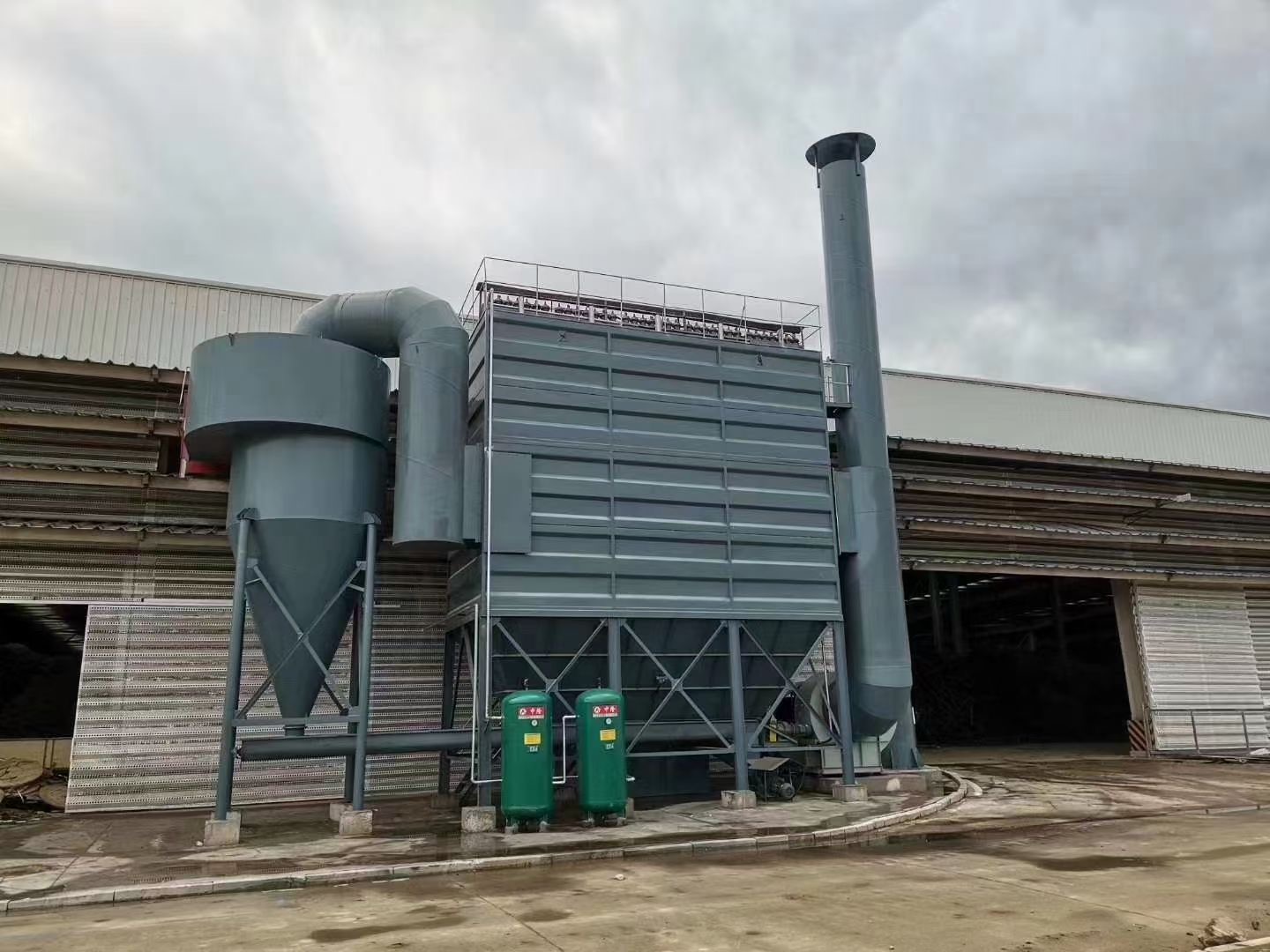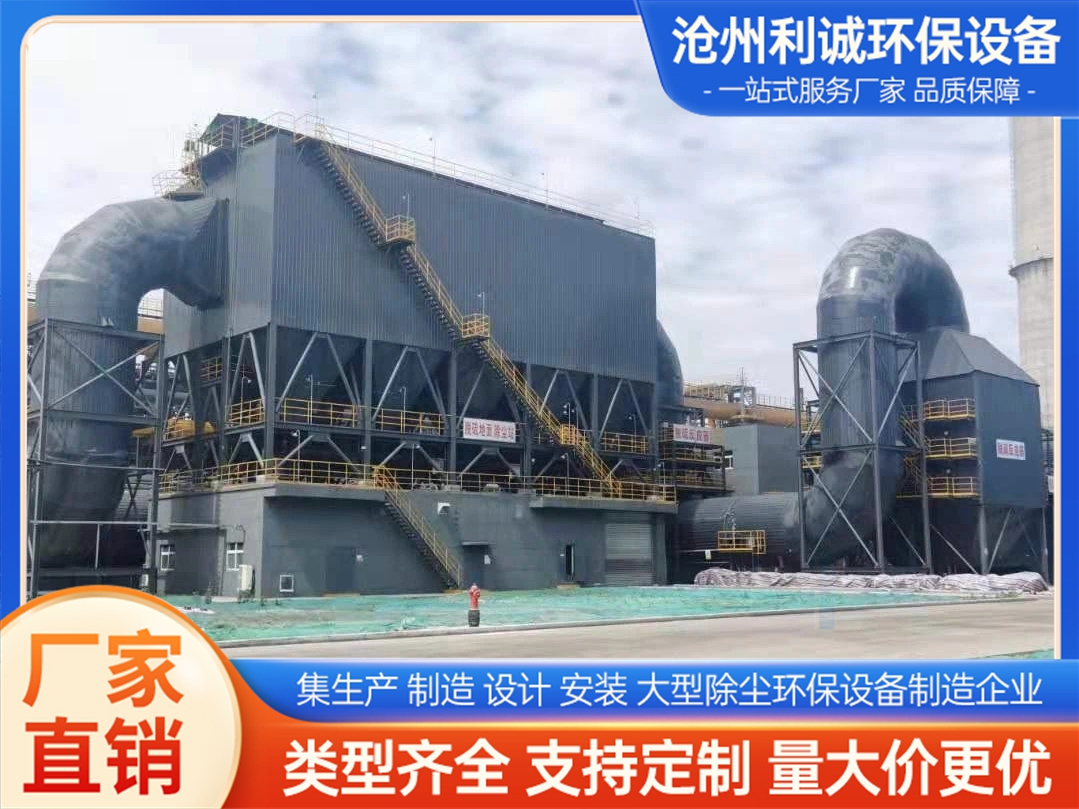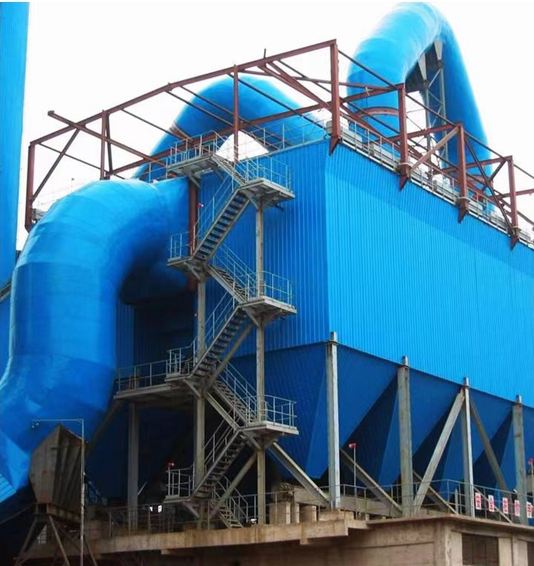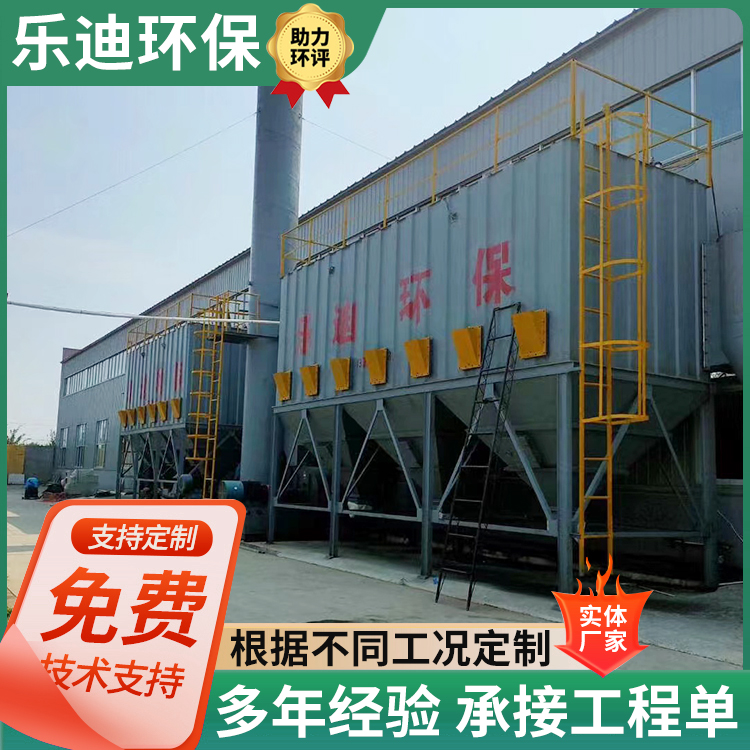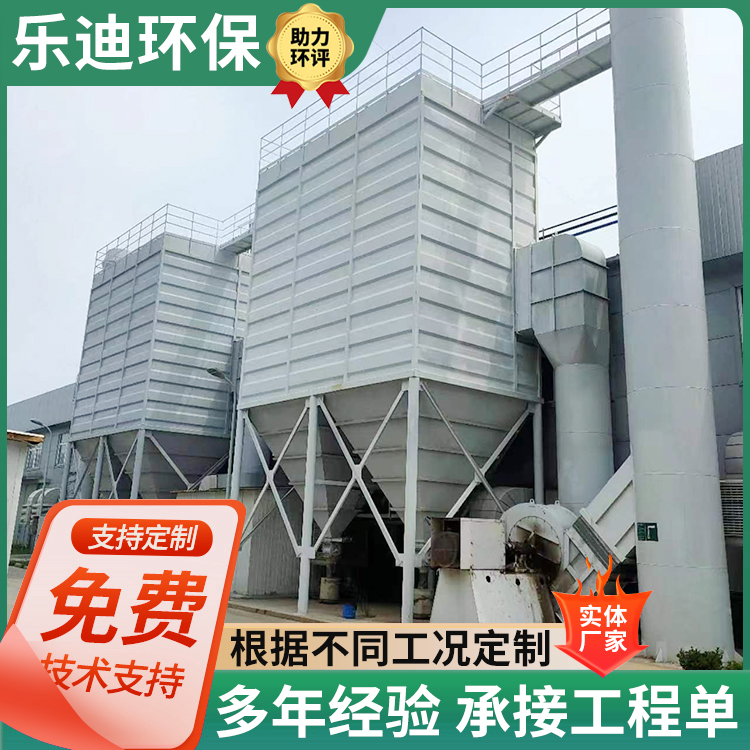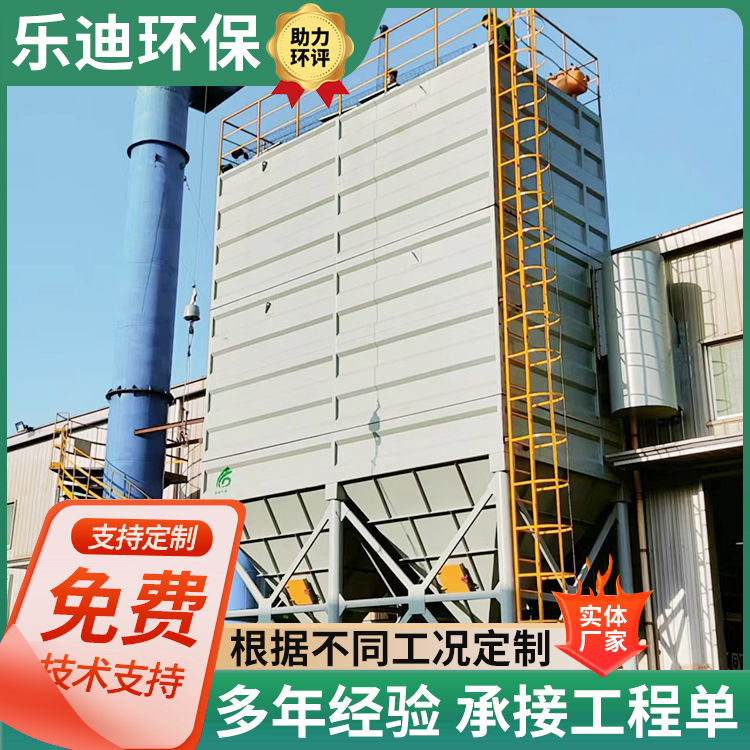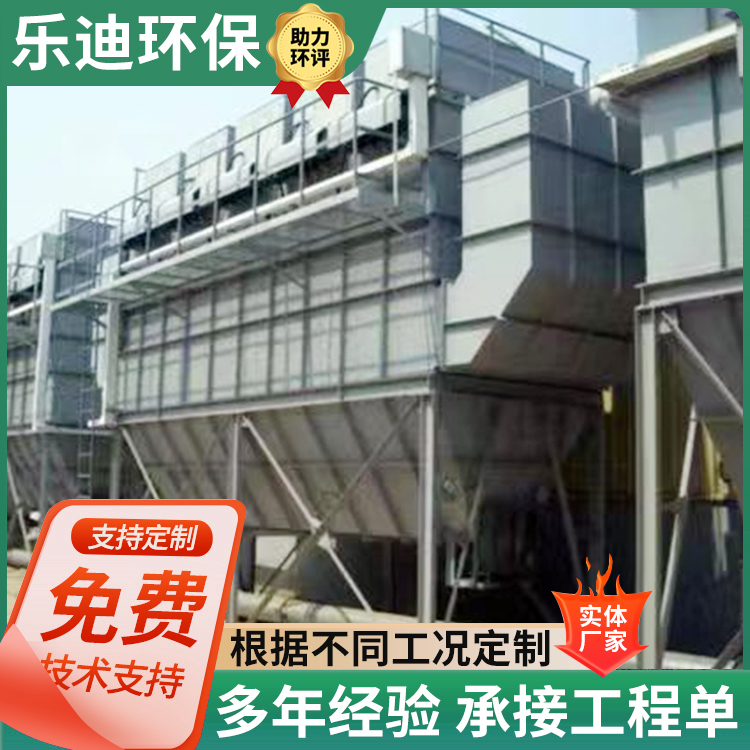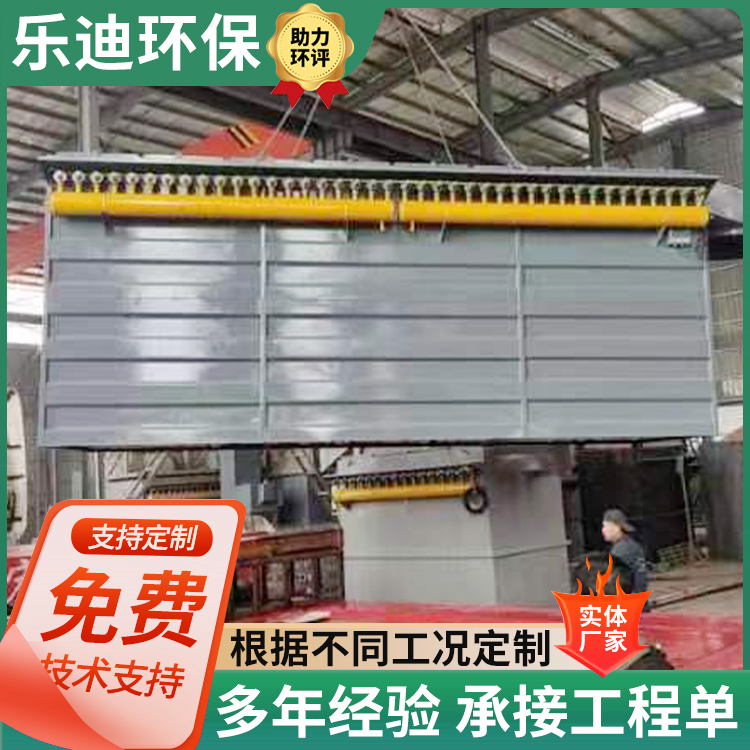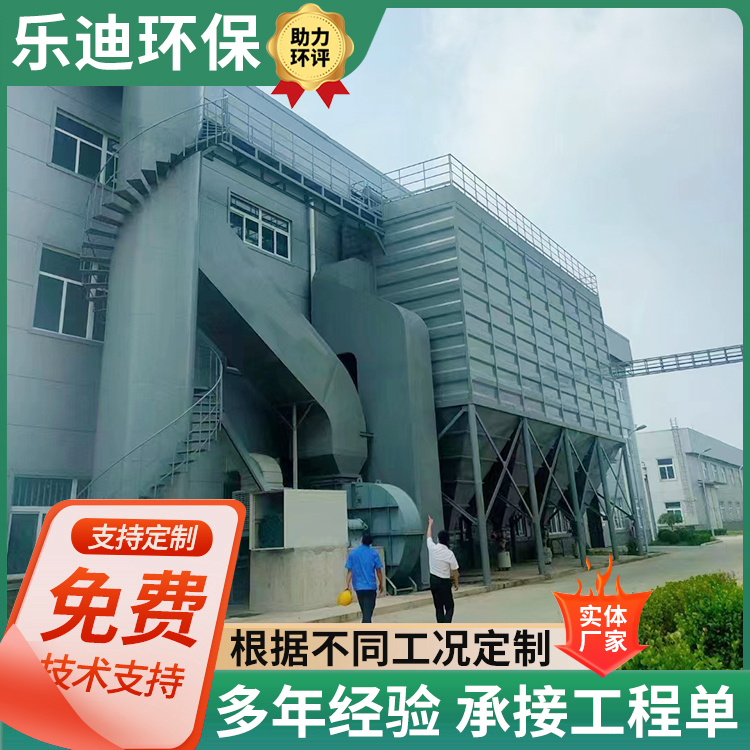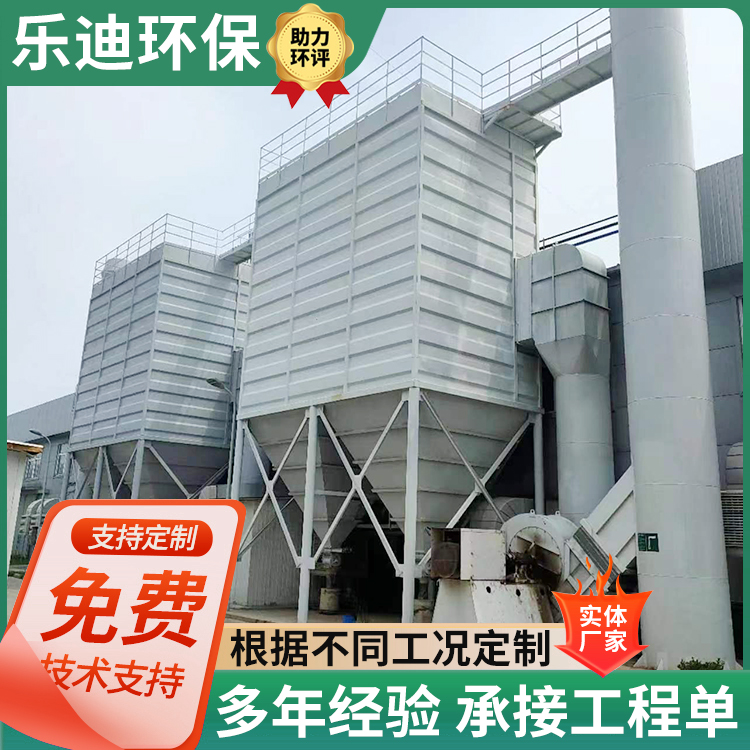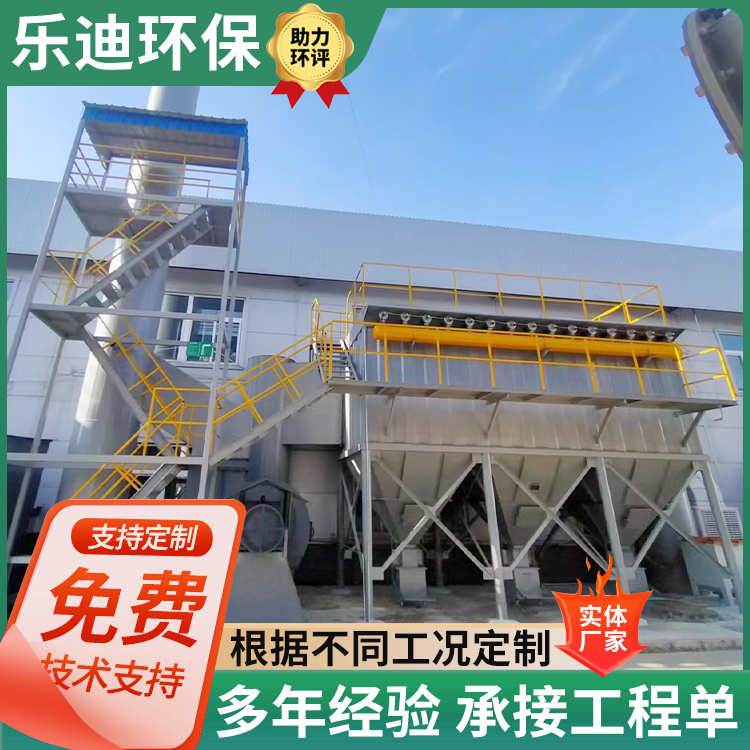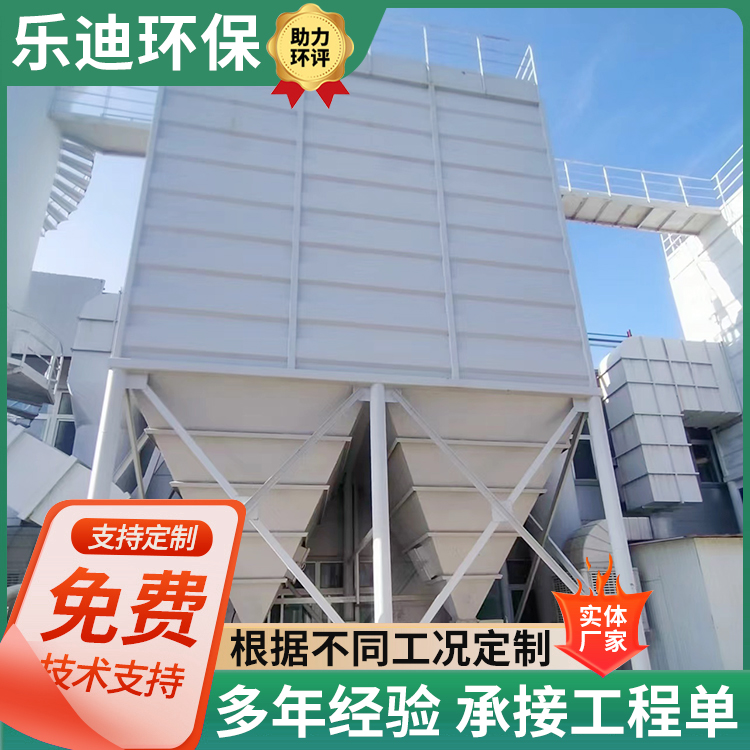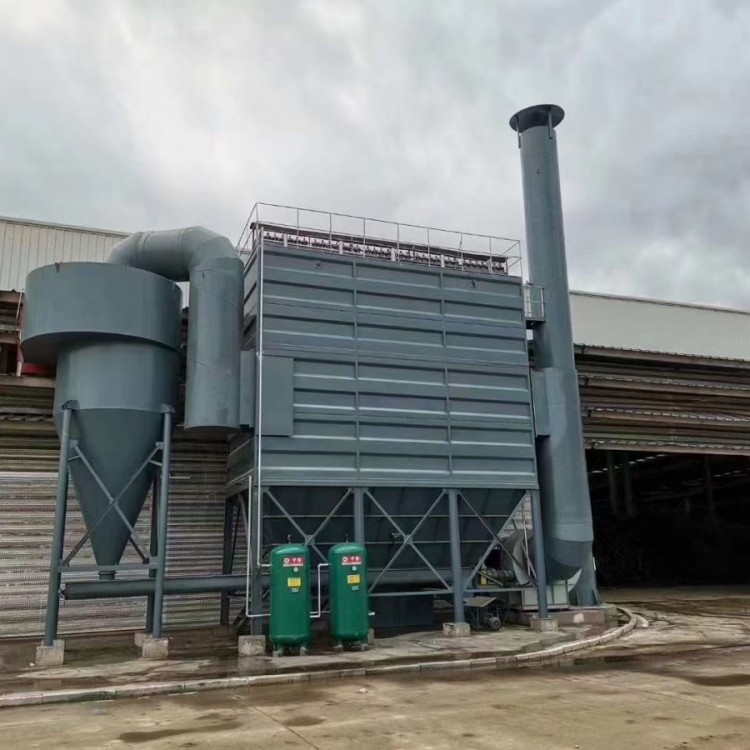

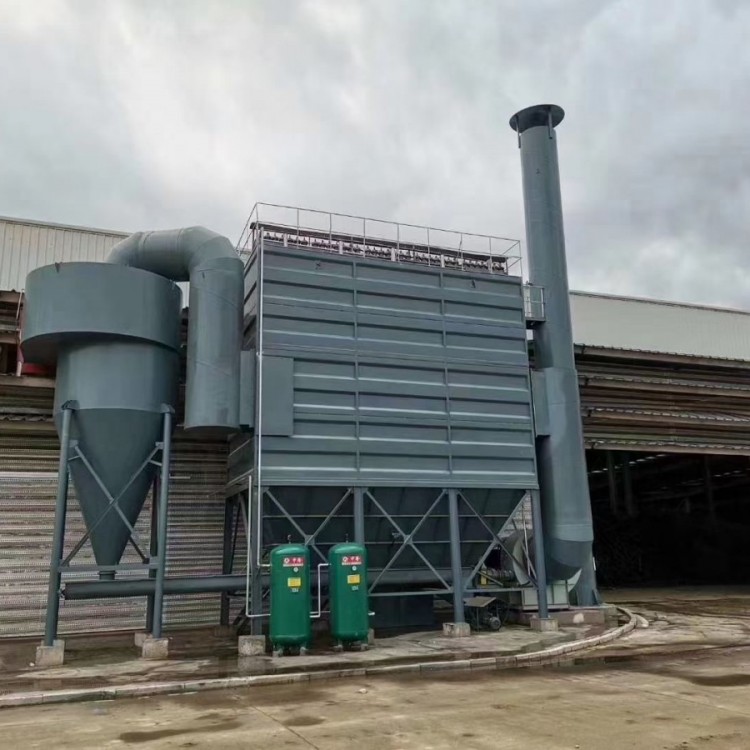
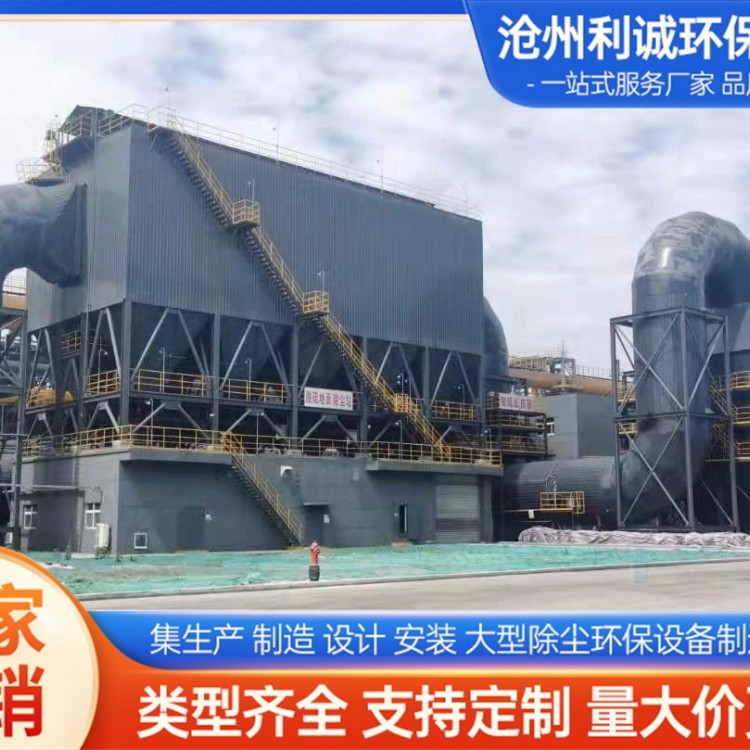


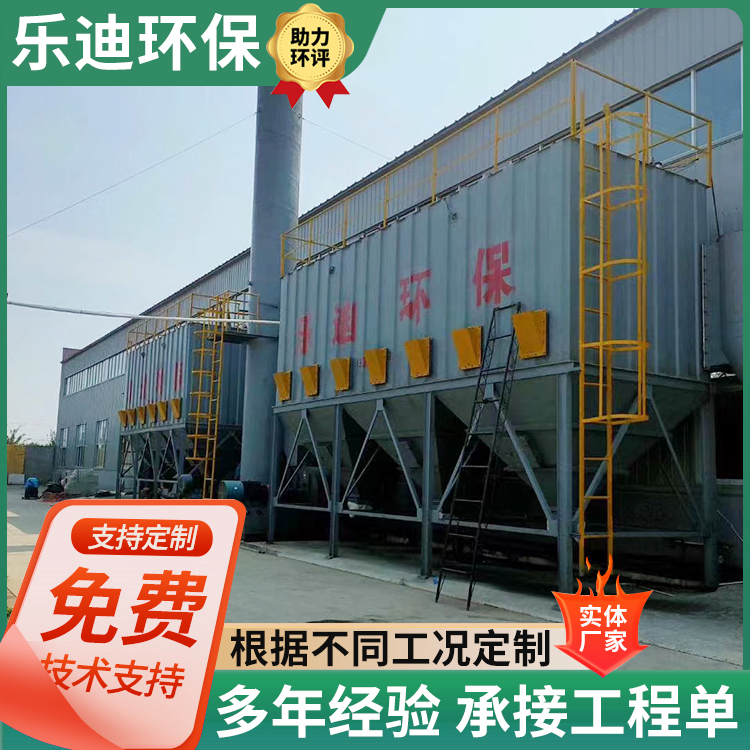
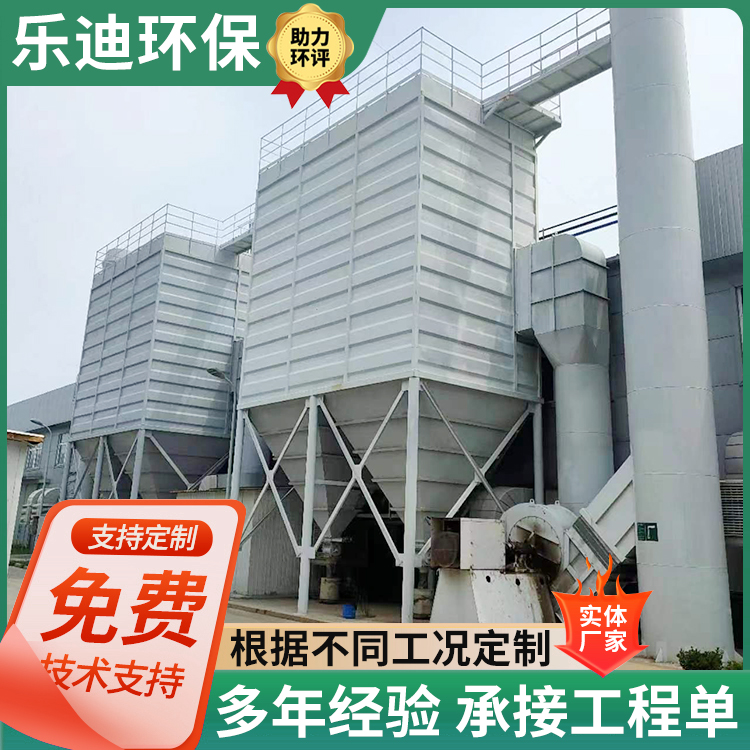
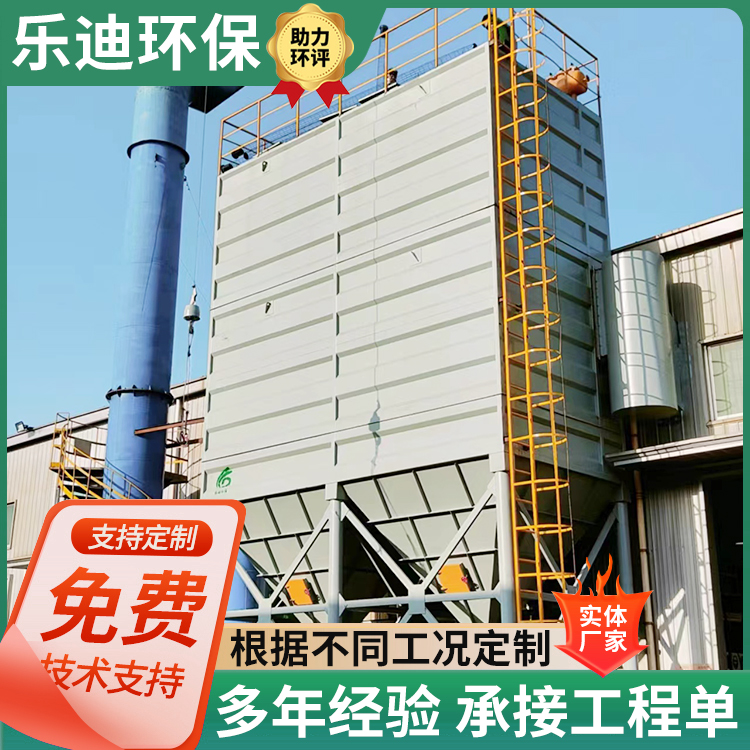
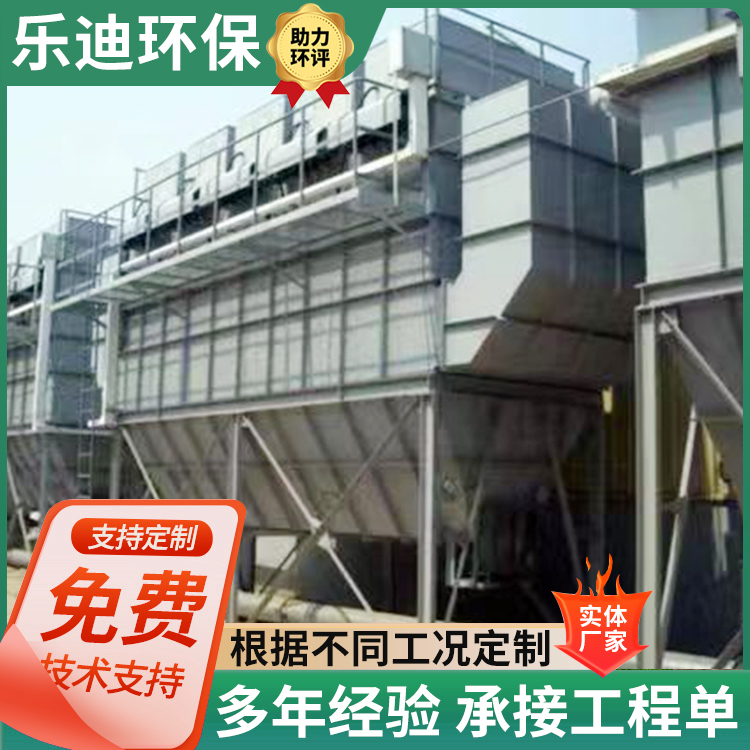
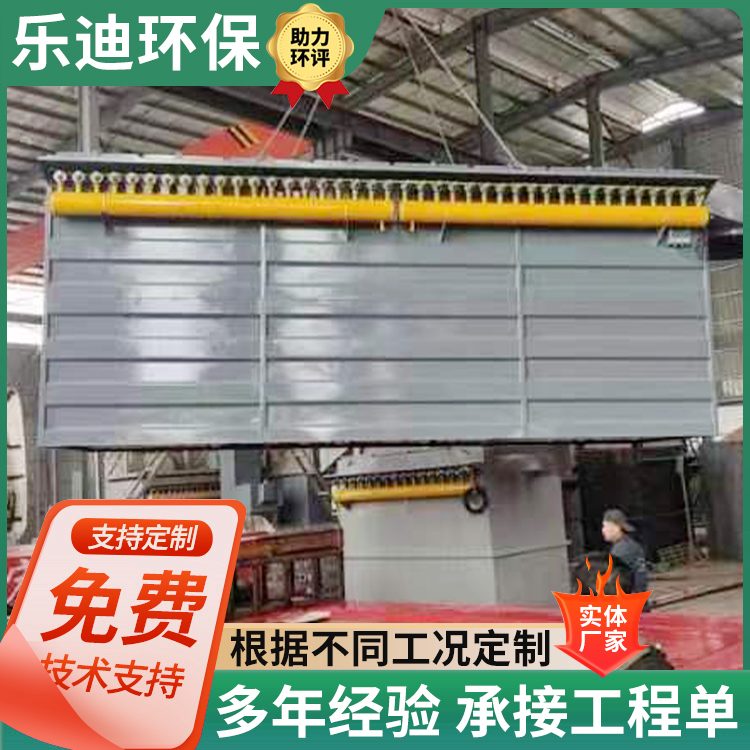






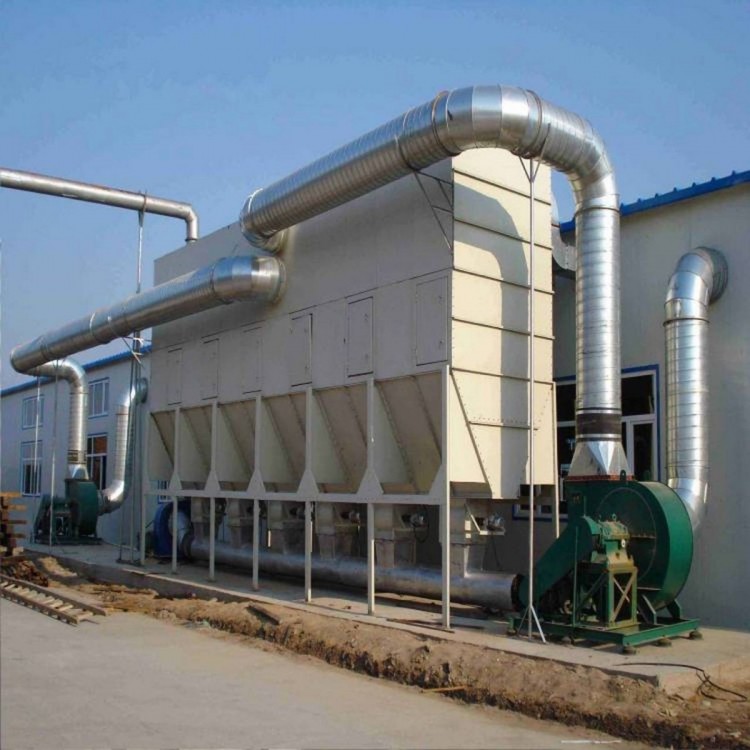
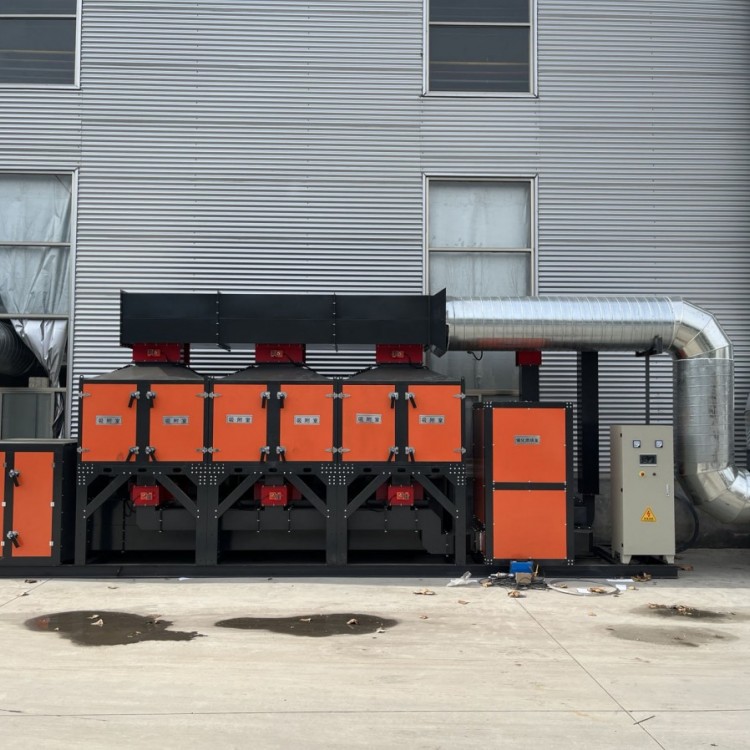
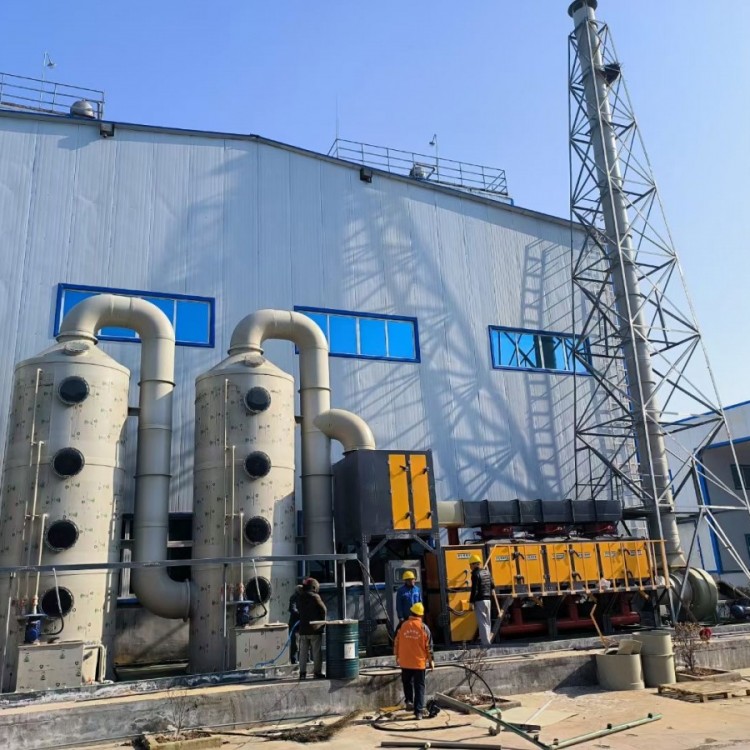
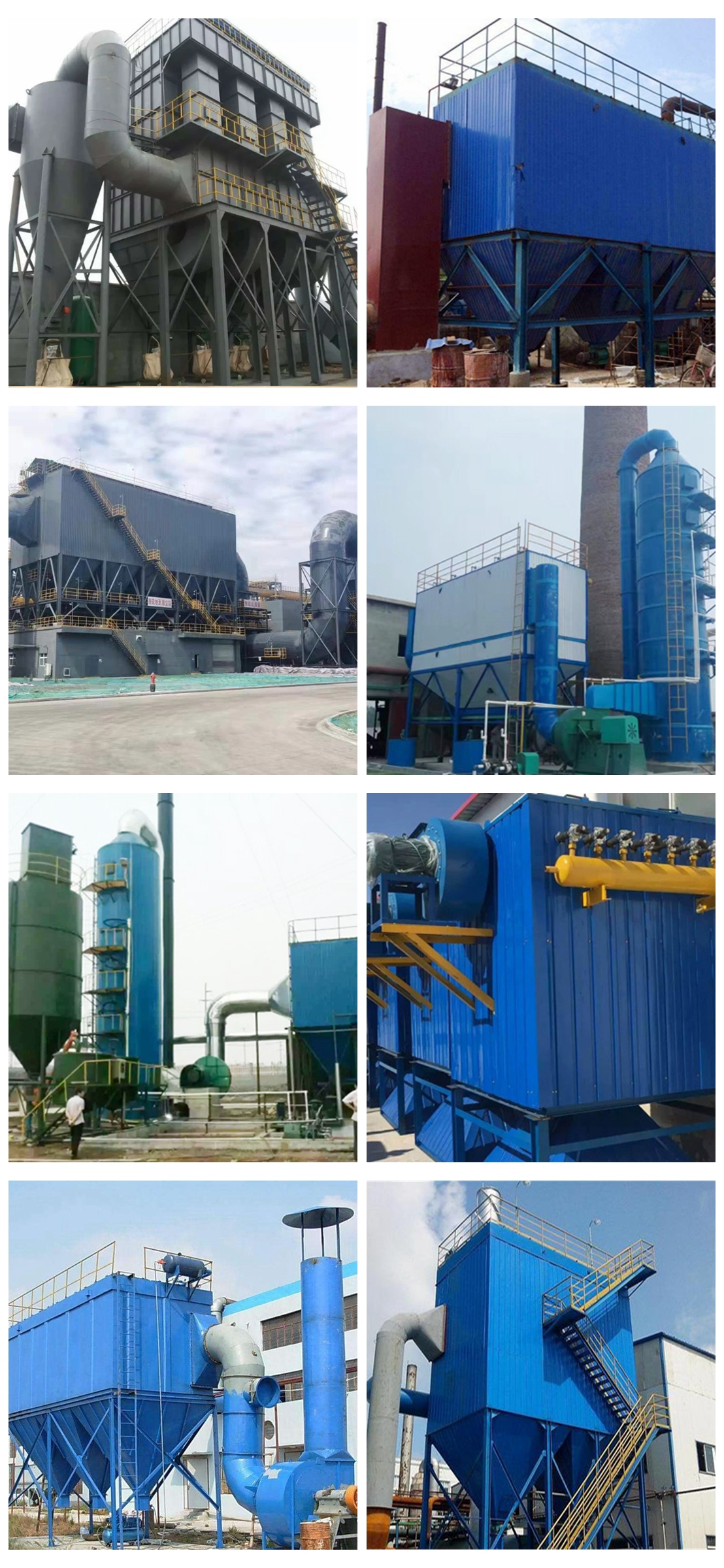
Boiler dust collectors, commonly used as auxiliary equipment in boilers and industrial production, primarily remove particulate soot from the flue gas emitted during fuel combustion. They significantly reduce the amount of soot released into the atmosphere, making them an ideal environmental protection device for pollution control and air quality improvement.
Boiler dust collectors are suitable for coal and oil-fired boilers, kilns, and are used for flue gas dust removal, smoke abatement, and desulfurization. They feature low resistance, flexible installation, high desulfurization efficiency, and a long service life.
Boiler dust collectors feature the following characteristics:
1. Flue gas desulfurization is achieved through multi-stage separation and dehydration by washing. The first stage employs a specially designed rotating washing unit, which is set up in the multi-stage separator for the upward movement of flue gas. As the flue gas enters the washing tower from the bottom, the liquid breaks down to produce water droplets and mist, which mix with the gas and rise. This process increases the dust's weight and adhesion, allowing sulfur dioxide gas to fully contact and neutralize with the alkaline washing liquid.
2. Utilizing a cylindrical body with an internal vertical cylinder, the upper section features a rotating multi-plate inertial separator that is both individually distinct and tightly interconnected. This design not only disperses the liquid droplets separated from the gas onto the liquid fluid in the round basin, but also converts the rotating gas flow into a multi-port rotating separation. It allows the gas to disperse and combine with the liquid on the multi-directional guide plates, while also effectively dispersing the liquid droplets produced in the secondary stage into the gas.
3. The working area, composed of the inner cylinder, includes a circular dewatering drum. Below the working area, the mixture is washed, water and vapor are mixed and rise, then separated through multiple centrifugal processes, and liquid droplets are re-generated and mixed. After separation, the gas containing a small amount of liquid droplets enters the dewatering space and is separated and dehydrated by low-speed centrifugal force from bottom to top. Both the interior and exterior of the tower are made of granite material. Thus, the tower is not only aesthetically pleasing and sturdy but also corrosion-resistant, wear-resistant, and airtight and waterproof.
Boiler dust collector working principle:
Boiler bag dust collector flue gas enters the Venturi through the inlet duct, where it is uniformly sprayed with water at the throat entrance. Due to the movement of the flue gas, the water sprayed in is evaporated into a fine mist, wetting the ash particles in the flue gas. This causes the ash particles to collide and coalesce with water droplets, especially for fine ash particles. This achieves primary dust removal and desulfurization, preparing the ash for separation. The flue gas, now rapidly cooling, continues to冲击 the lime slurry in the pool. The dust and SO2 in the flue gas react with the lime slurry in the pool to form sulfates, which, under the influence of inertia force, gravity, adhesion, and cohesion, sink to the bottom of the water. The water droplets stirred up by the flue gas, along with the mist and cleaned flue gas, are lifted simultaneously under the influence of the fan's suction, allowing for a full reaction with the lime slurry. The gas and water are then separated by the impeller dewatering unit: the water flows into the pool through the drain pipe, and the flue gas completes the third stage of dust removal and desulfurization. The purified gas is then discharged into the atmosphere through the fan.