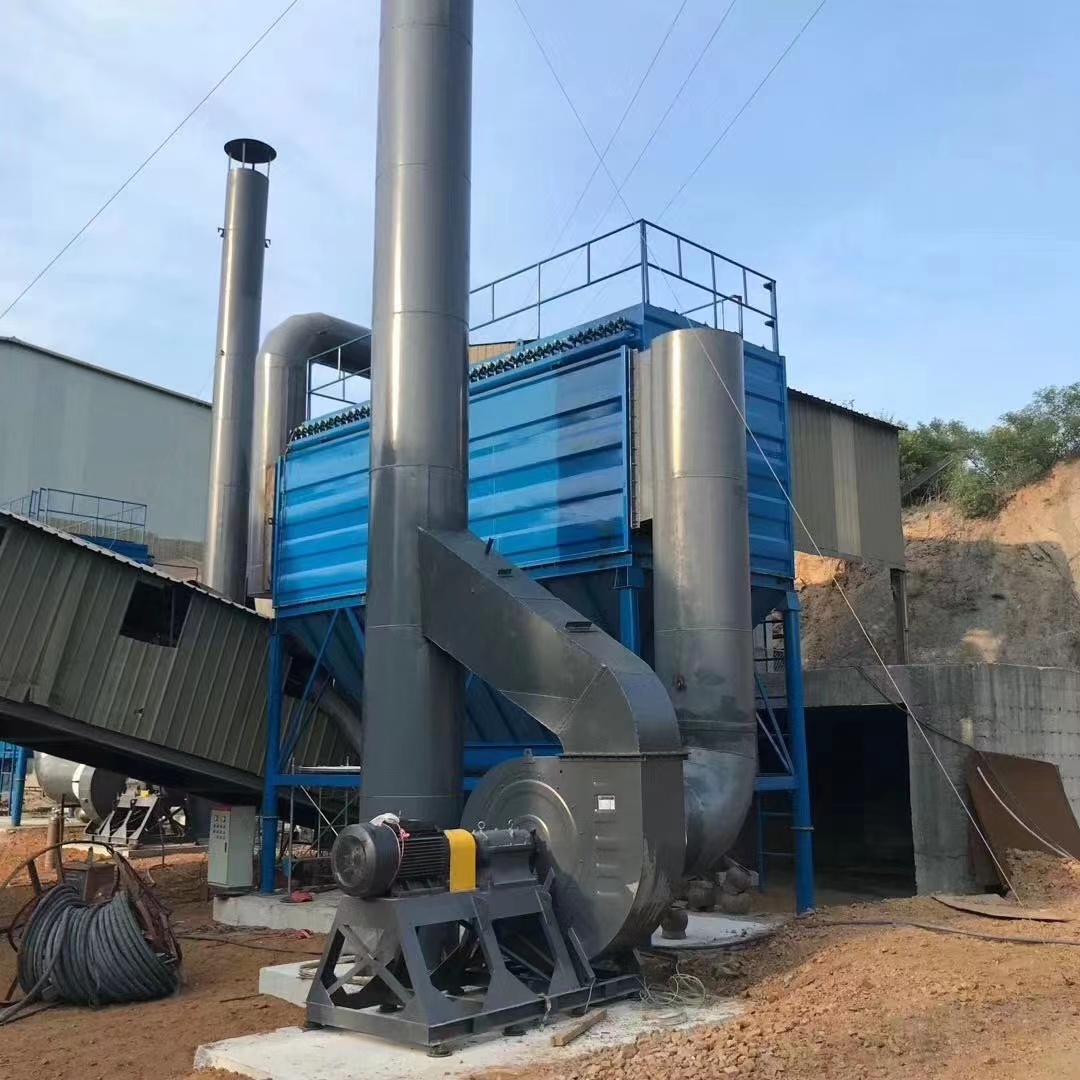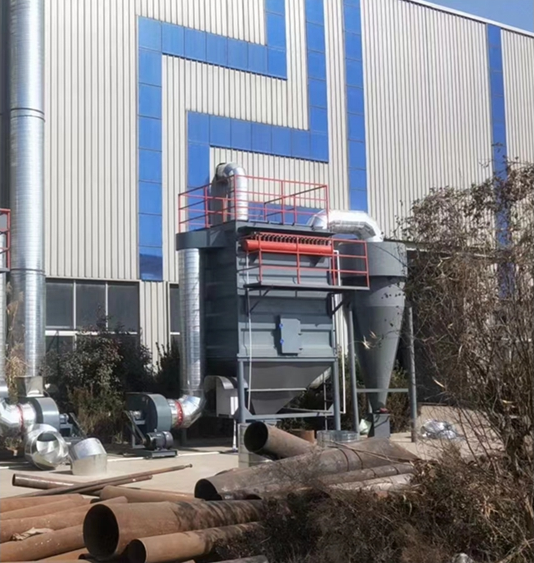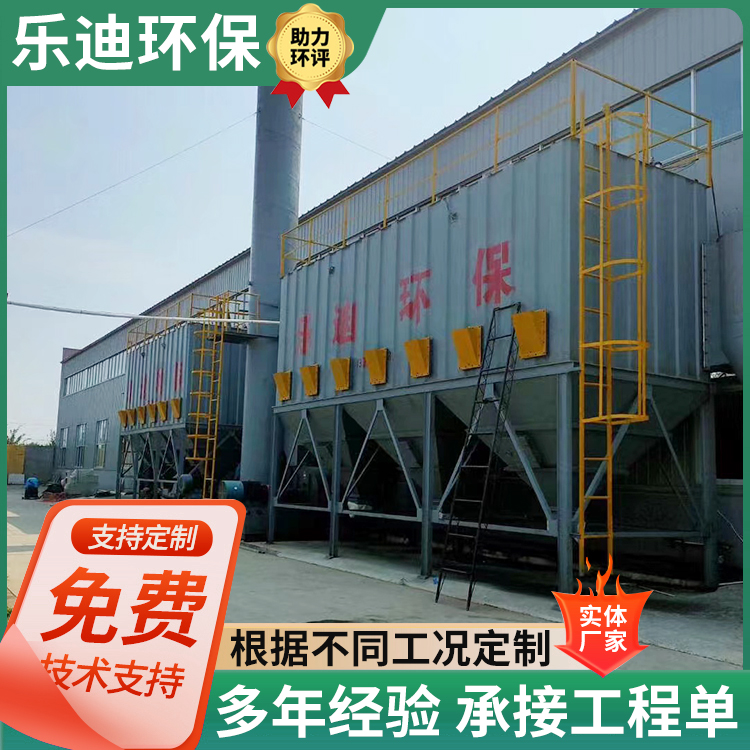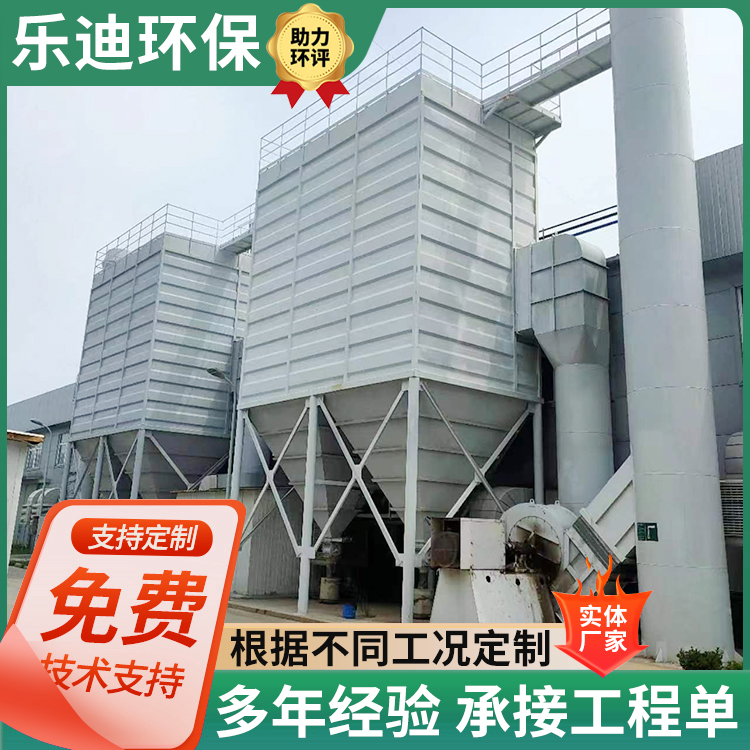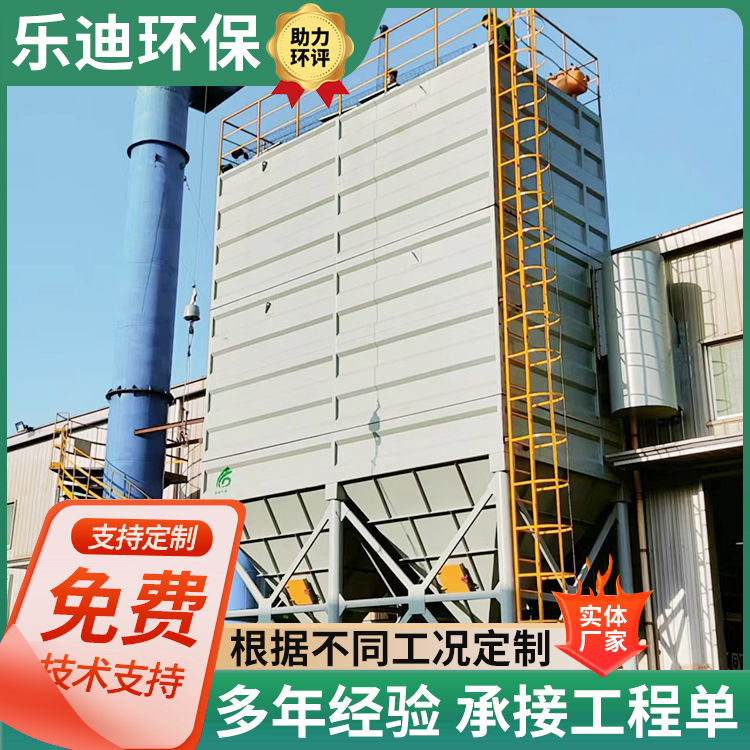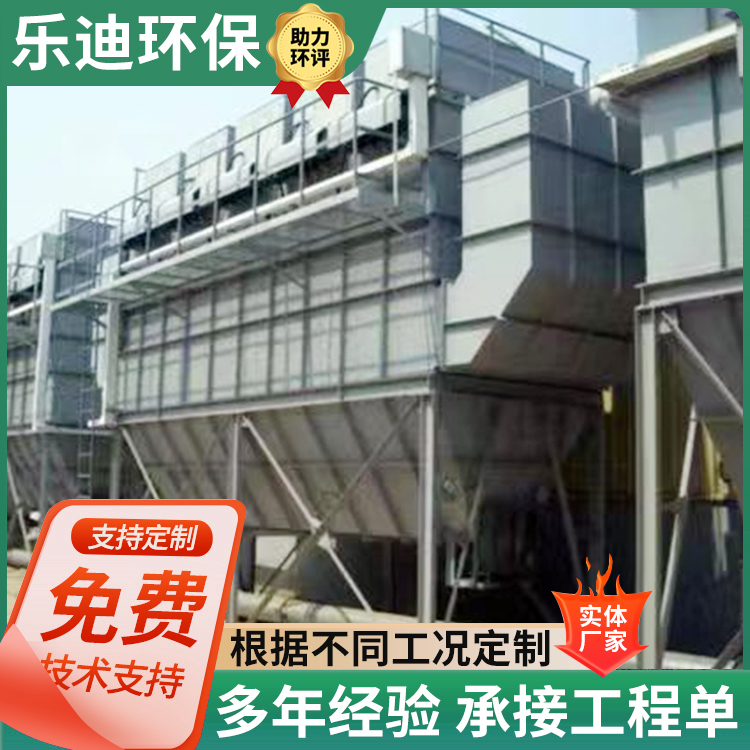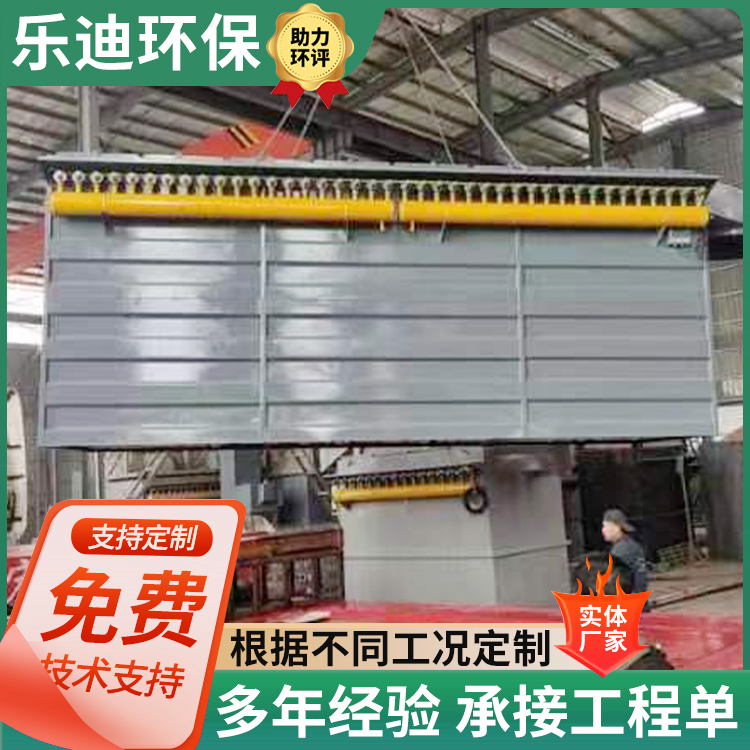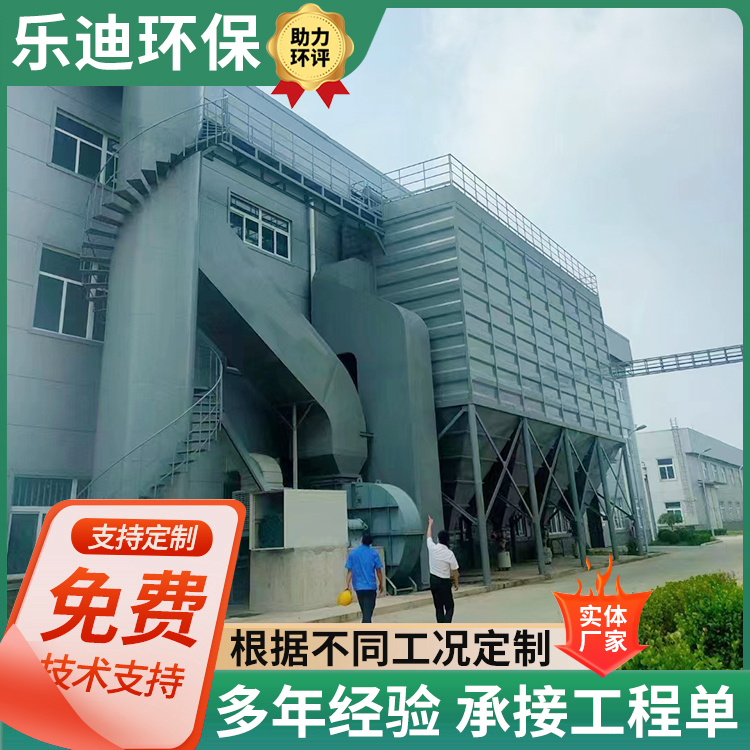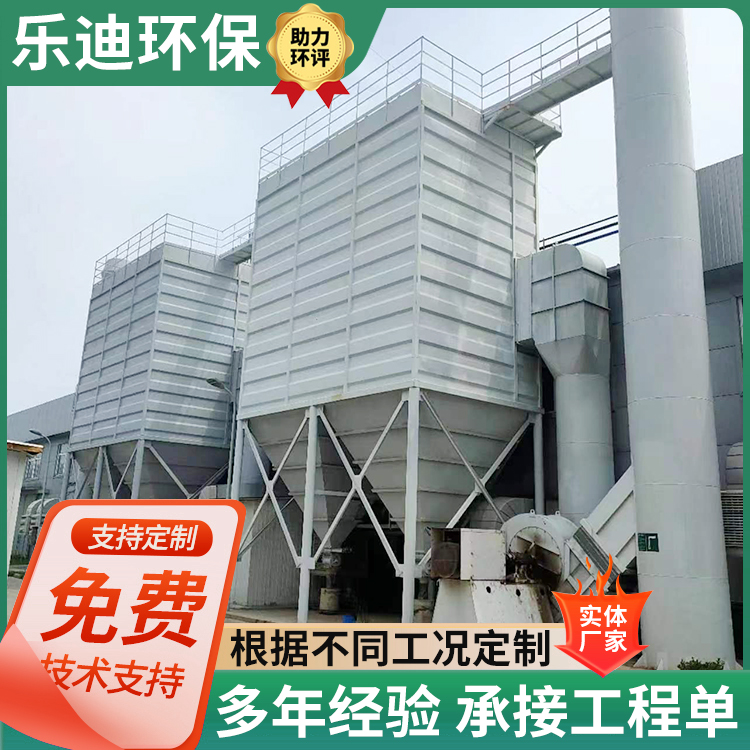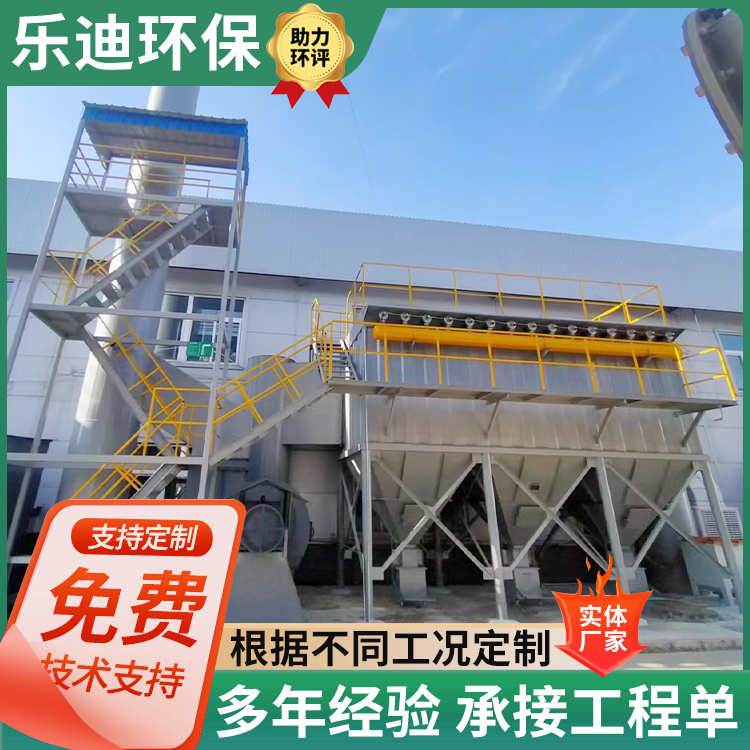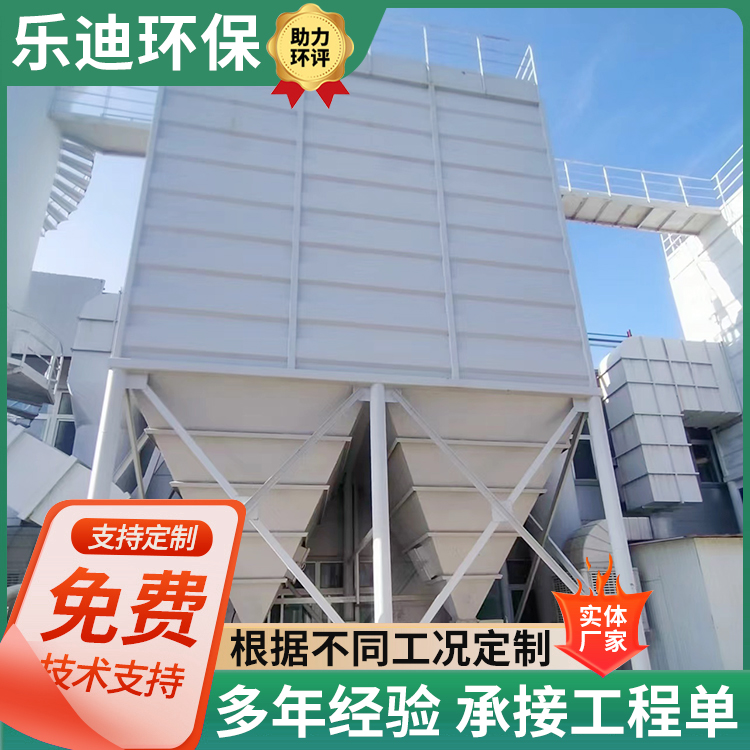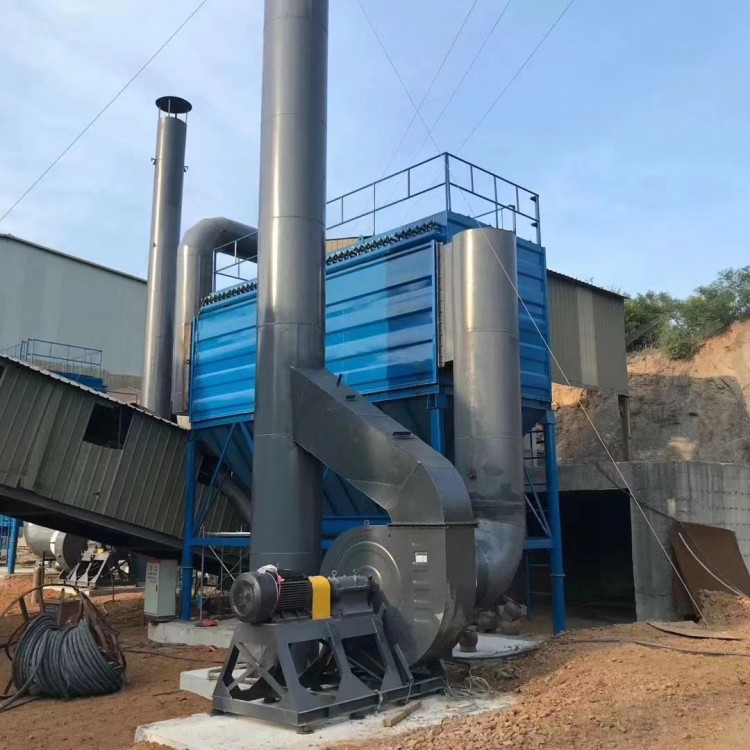

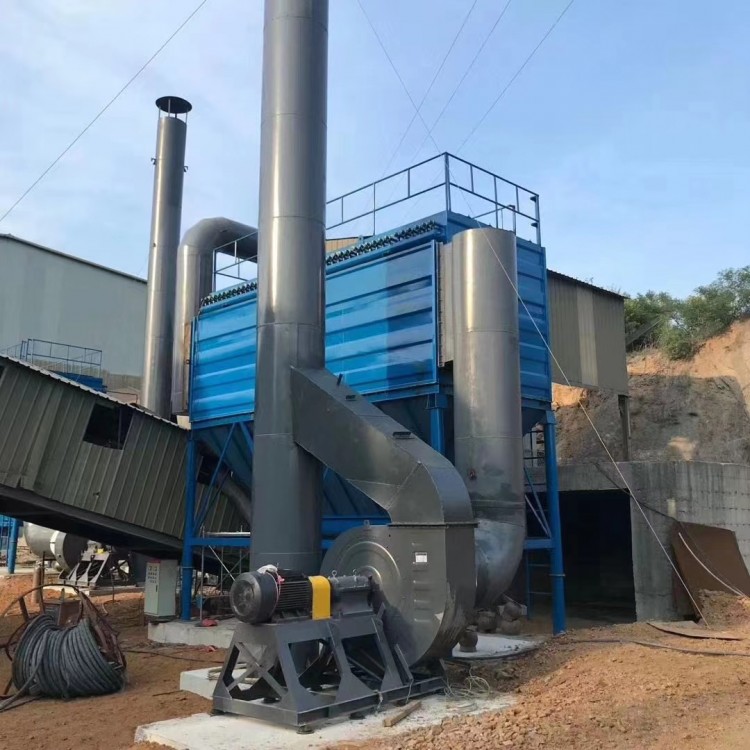
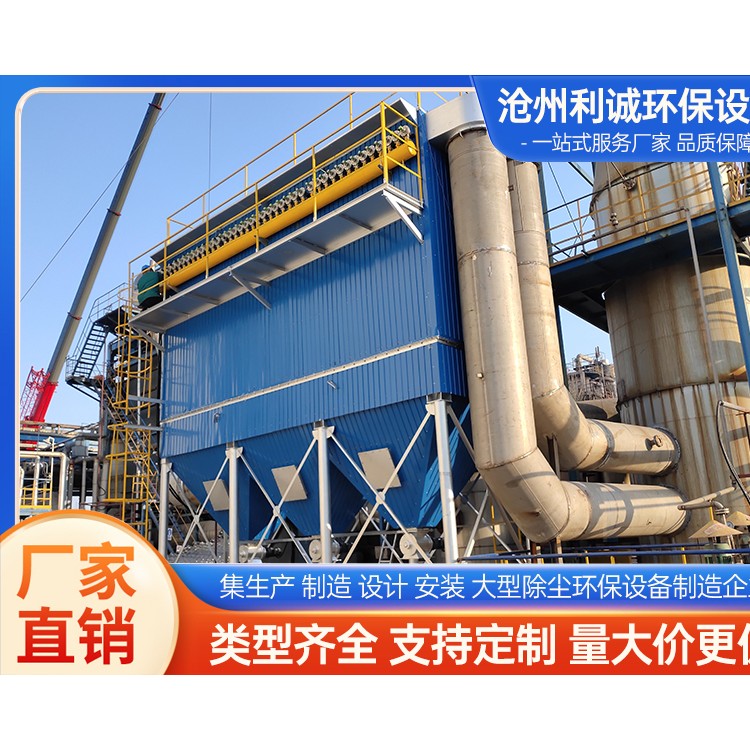
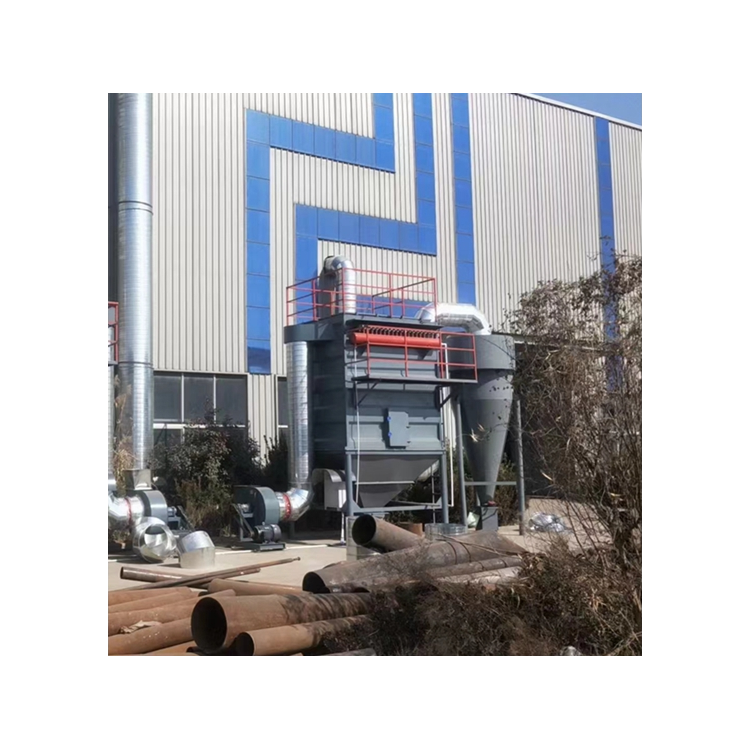


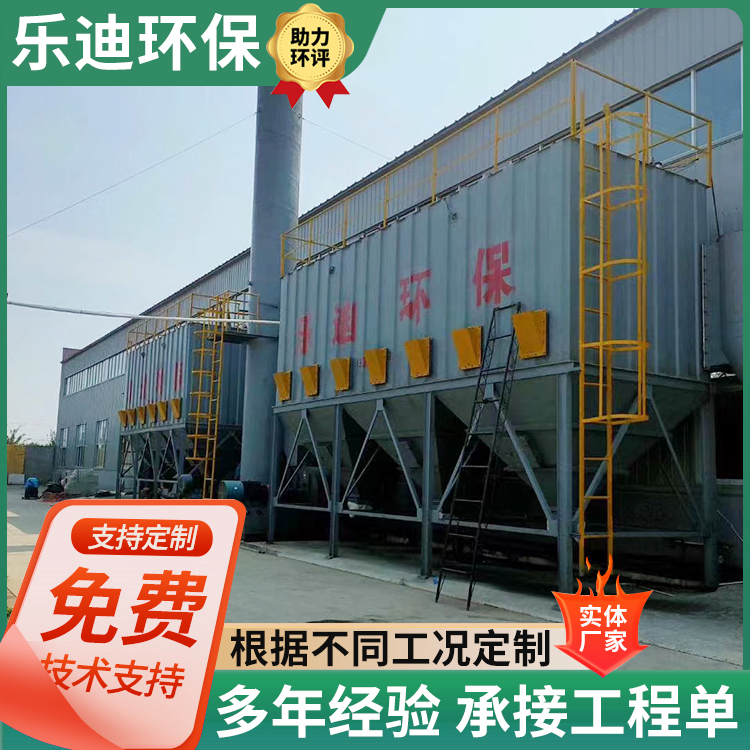
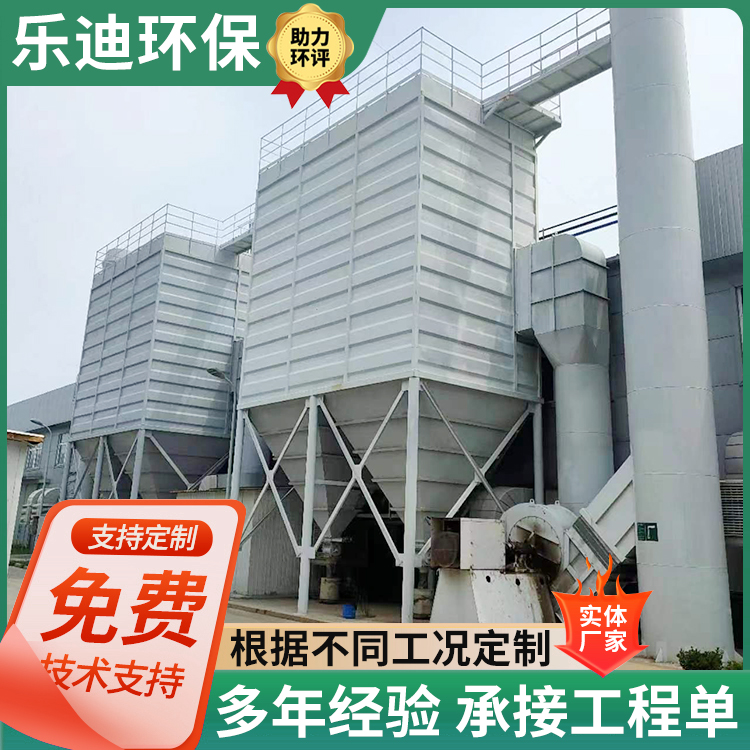
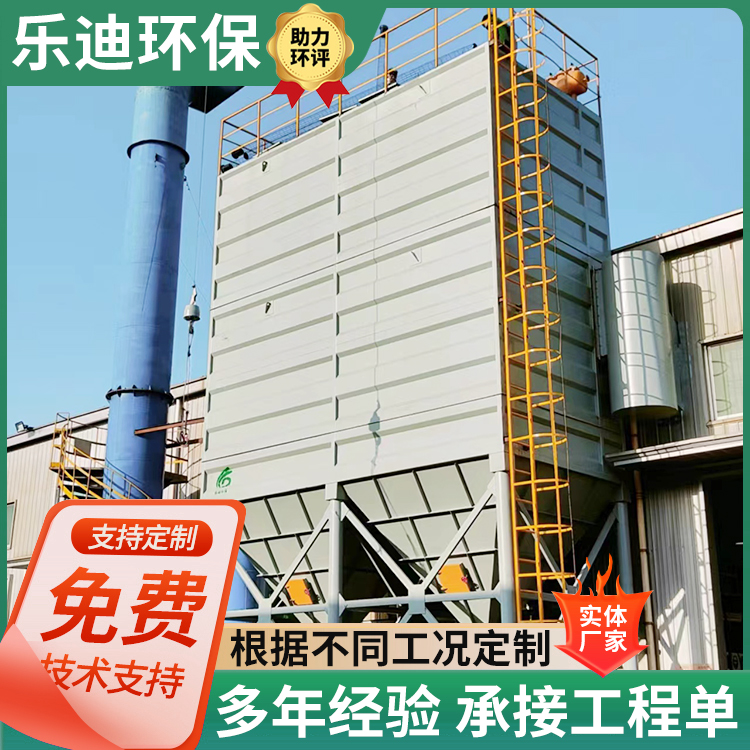
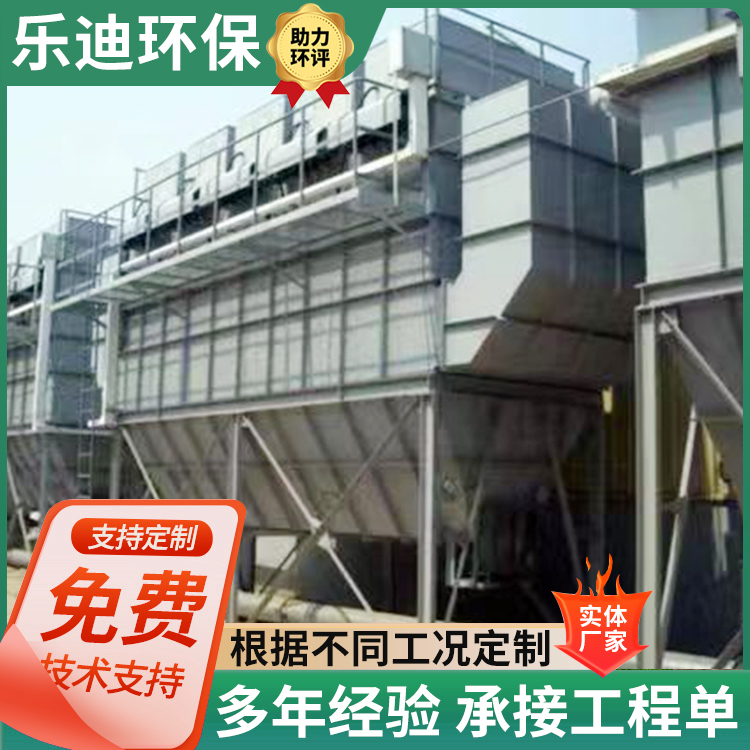
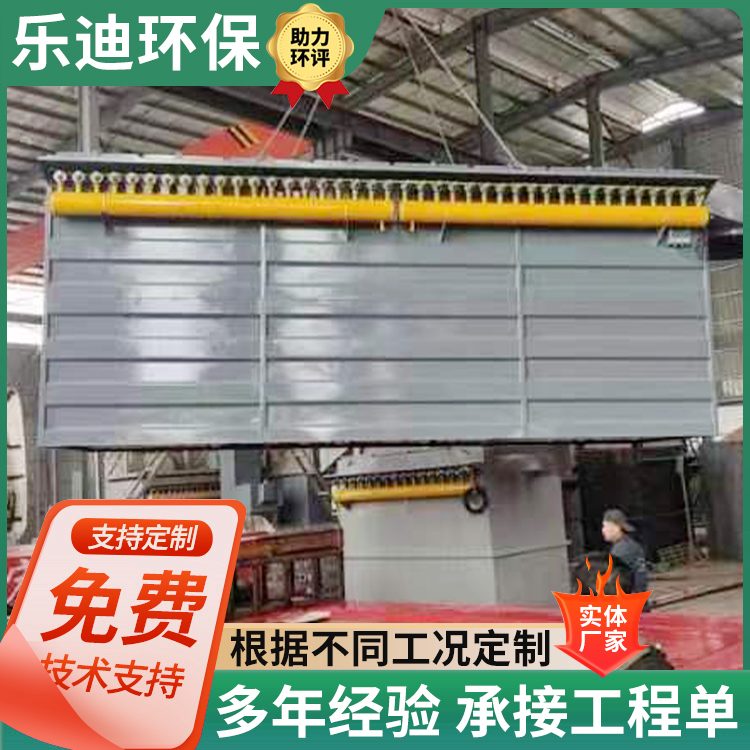






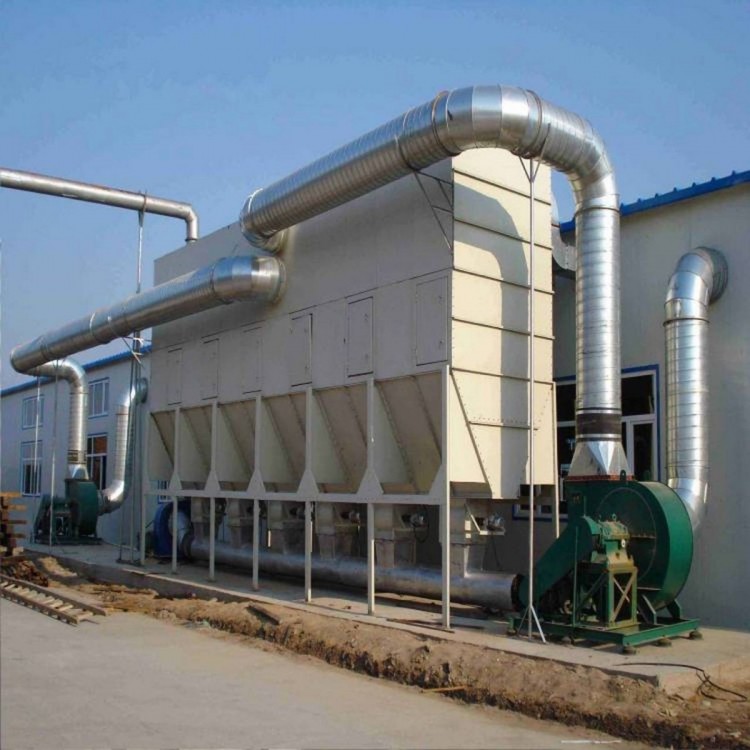
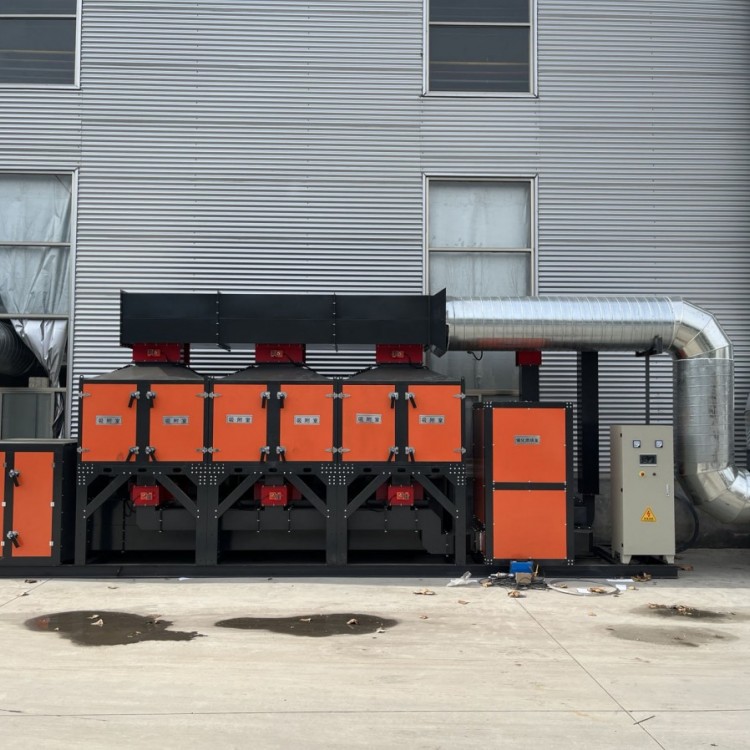
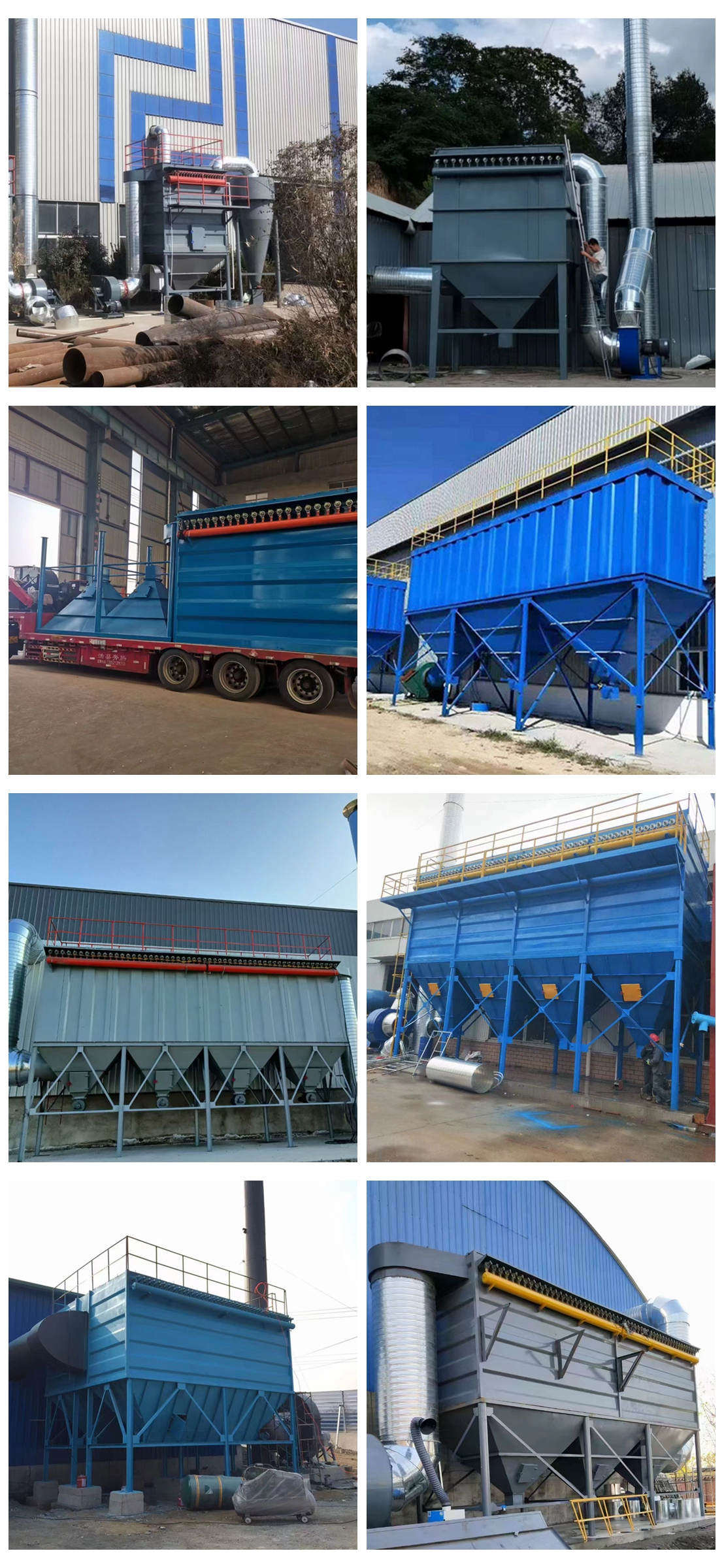
 Bag dust collectors, also known as fabric dust collectors, operate by passing dusty gas through filtering materials, where dust particles are captured. The collection of coarse particles relies mainly on inertial collision, while fine particles are captured primarily through diffusion and screening. The efficiency of the dust collection depends on various factors, primarily the filter material. The filter material for bag dust collectors is typically made of woven or felted fabrics of synthetic fibers, fibers, or glass fibers. The fabric or felt is then sewn into cylindrical or flat dust filter bags according to requirements. The appropriate filter material is chosen based on the characteristics of the gas. Generally, in conditions where the gas temperature is below 120°C and the filter material needs to be acid and durable, polyester plush and polyester are commonly used. For high-temperature gas treatment (<250°C), graphitized glass fiber fabric is mainly selected. In certain cases, carbon fiber filter materials are also used.
Baghouse dust collector equipment daily operation:
During the daily operation of the bag dust collector equipment, changes in operating conditions or the occurrence of certain malfunctions can affect the normal operation and performance of the equipment. Regular inspections and appropriate adjustments are necessary to extend the life of the filter bags, reduce energy consumption, and recover useful materials. Issues to be aware of include:
1. Operation Records
Each ventilation and dust removal system must be equipped with testing instruments and be prepared for regular measurements during daily operation. These measurements should be accurately recorded, allowing for judgments based on system pressure differences, inlet and outlet gas temperatures, main motor voltage and current values, and changes. This ensures timely fault detection and maintenance to guarantee proper system operation.
Issues identified through records include: the operation of the ash cleaning mechanism, the condition of the filter bags (issues such as damage, clogging, and糊袋), and changes in the system air volume.
2. Fluid Resistance
U-tube differential pressure gauges can be used to assess operational conditions: an increase in differential pressure indicates issues such as clogged filter bags, condensation on filter bags, failure of the cleaning mechanism, excessive ash accumulation in the ash hopper leading to filter bag blockage, or increased gas flow. Conversely, a decrease in differential pressure suggests problems like damaged or loose filter bags, blocked inlet ducts or closed valves. Leaks between the housing or individual compartments, or a decrease in fan speed.
3、
Baghouse deduster equipment requires special attention to measures against combustion and fire accidents. When handling combustible gases or high-temperature gases, it is common for unburned dust, sparks, and flammable gases to enter the system. Some dusts are prone to spontaneous combustion or have electrostatic properties. Additionally, the majority of filter material is flammable and easily generates static electricity through friction. Under such operating conditions, there is a risk of combustion and accidents, which often have severe consequences. It is essential to consider fire prevention and explosion-proof measures, such as:
1) Install a combustion chamber or spark arrester in front of the dust collector to ensure that unburned dust and gases are completely combusted or to capture sparks.
2) Implement measures to prevent static charge accumulation, such as grounding all parts with conductive materials or adding conductive fibers during the filter material manufacturing process.
3) Prevent the accumulation or buildup of dust to avoid spontaneous combustion.
4) Ventilation and air exchange must be conducted before personnel enter the bag room or pipeline for inspection or maintenance.