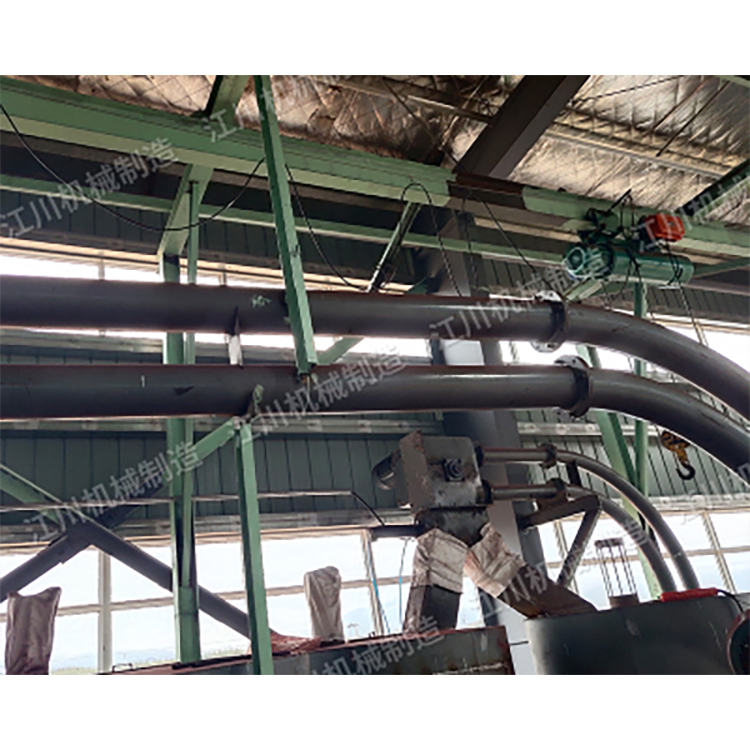










Belt ConveyorA modern conveying equipment widely used in mining, construction, chemicals, metallurgy, grain, and port industries. It employs an organic belt as the transport carrier, utilizing its continuous motion to complete the transportation of materials.
Belt conveyors offer advantages such as simple structure, stable operation, high transport capacity, long conveying distance, and flexible layout options. Therefore, they play a crucial role in modern industrial production.
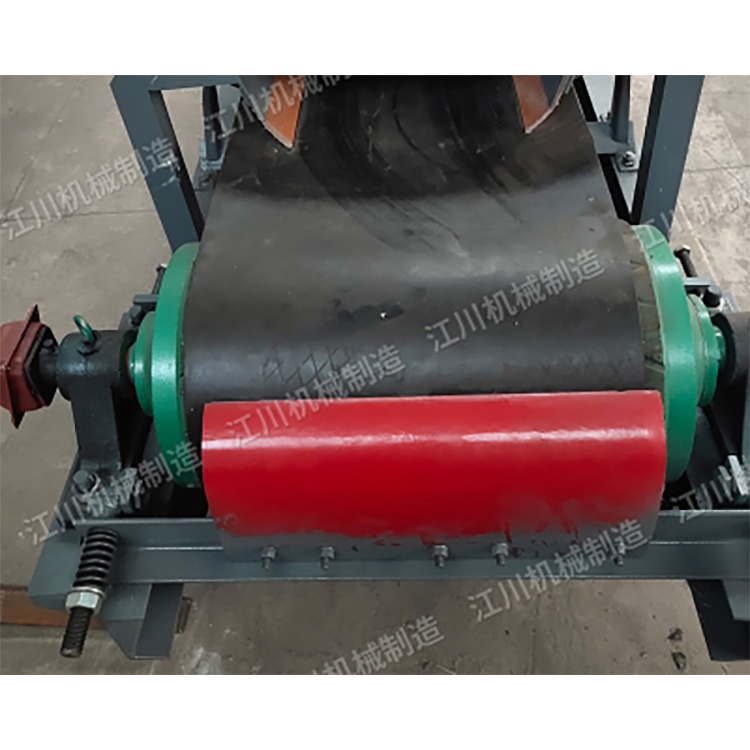
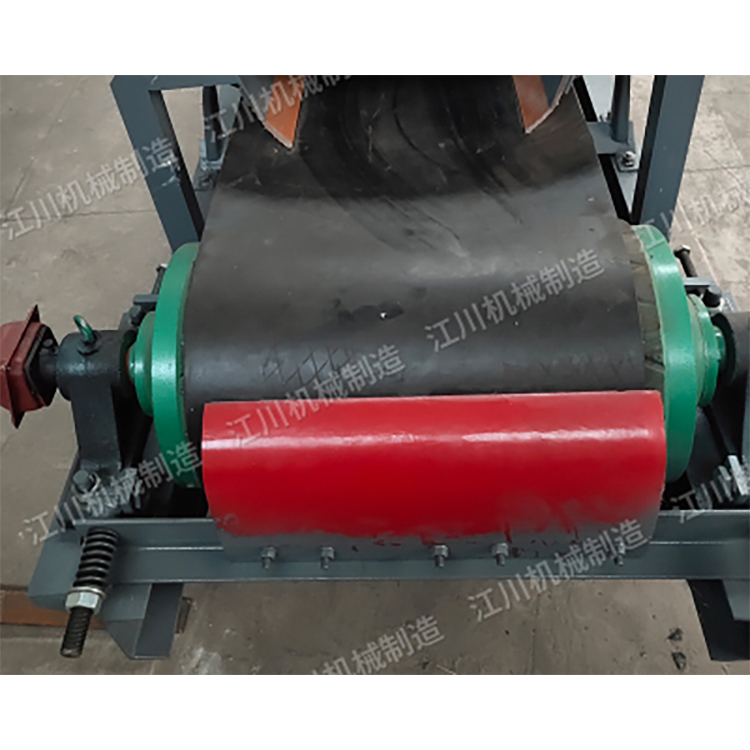
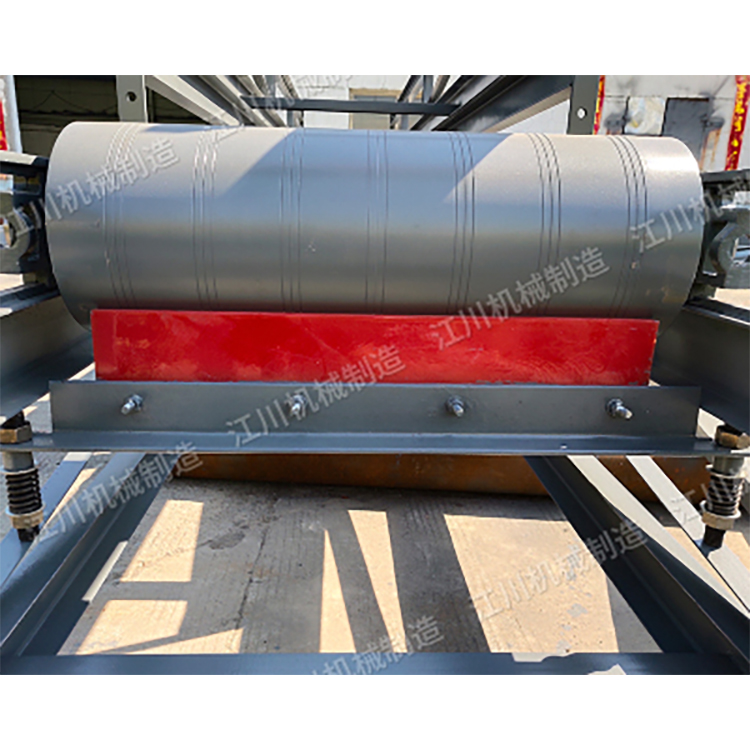
Generally, belt conveyors consist of components such as the conveyor belt, drive unit, tensioning device, support roller assembly, tension roller assembly, cleaning device, and protective devices.
The conveyor belt is the core component of the belt conveyor. It is typically made of a composite of rubber and fiber materials, offering high tensile strength and toughness. The patterned conveyor belt enhances the adhesion of materials during transportation, preventing slippage.
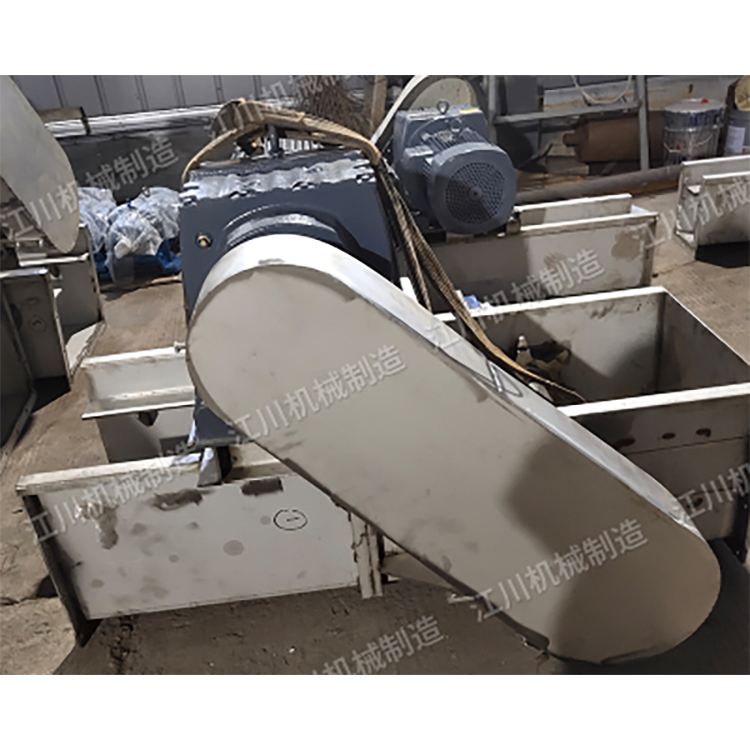
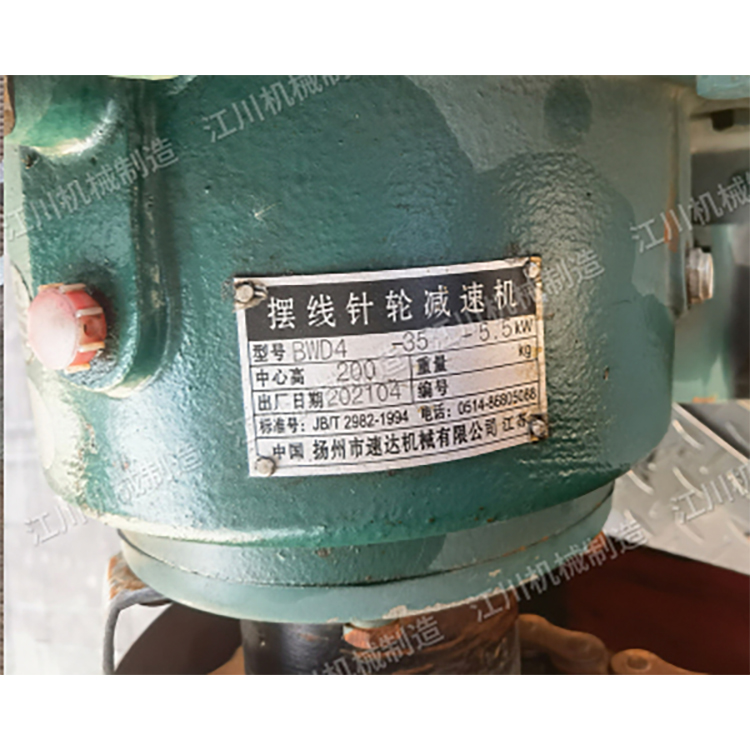
The drive unit is mainly composed of a motor, a reducer, a coupling, and drive drums. The motor supplies power, which is then transmitted to the drive drum via the reducer and coupling, causing the conveyor belt to move.
The tensioning device is used to maintain the tension of the conveyor belt, preventing松弛 during operation. Common tensioning devices include slider tensioners and weight tensioners, among others.
The support roller assembly is located beneath the conveyor belt, used to bear the weight of the conveyor belt and ensure its smooth operation. The tension roller assembly is situated above the conveyor belt, designed for adjusting the tension of the conveyor belt.
The cleaning device can remove dust from the conveyor belt surface, preventing dust accumulation from wearing and blocking the conveyor belt.
Protective devices mainly include collision prevention and anti-slip devices. The collision prevention device can prevent materials from colliding with equipment during conveying, ensuring safety for personnel and equipment. The anti-slip device can prevent the conveyor belt from slipping on steep slopes or slippery surfaces, ensuring safe operation of the conveyor belt.