












Product Features
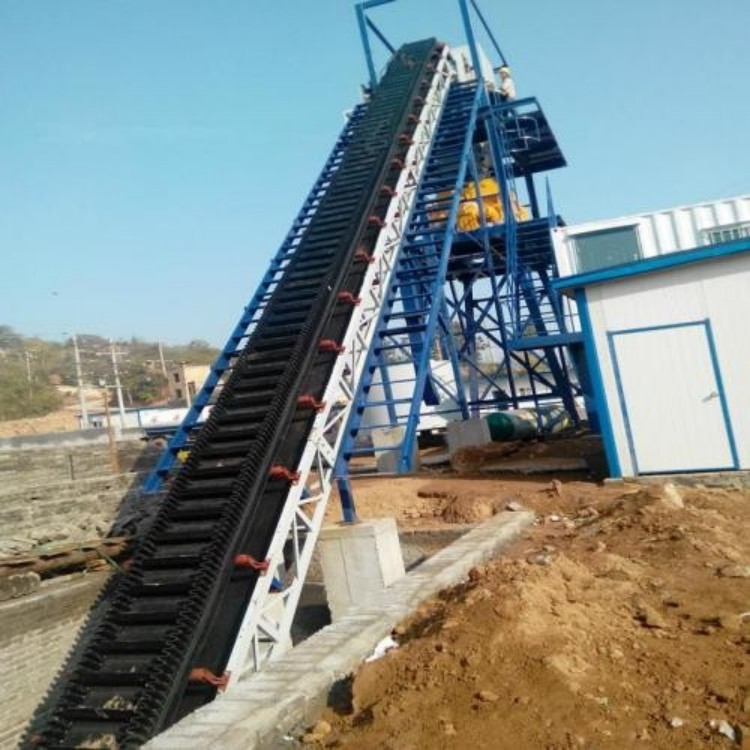
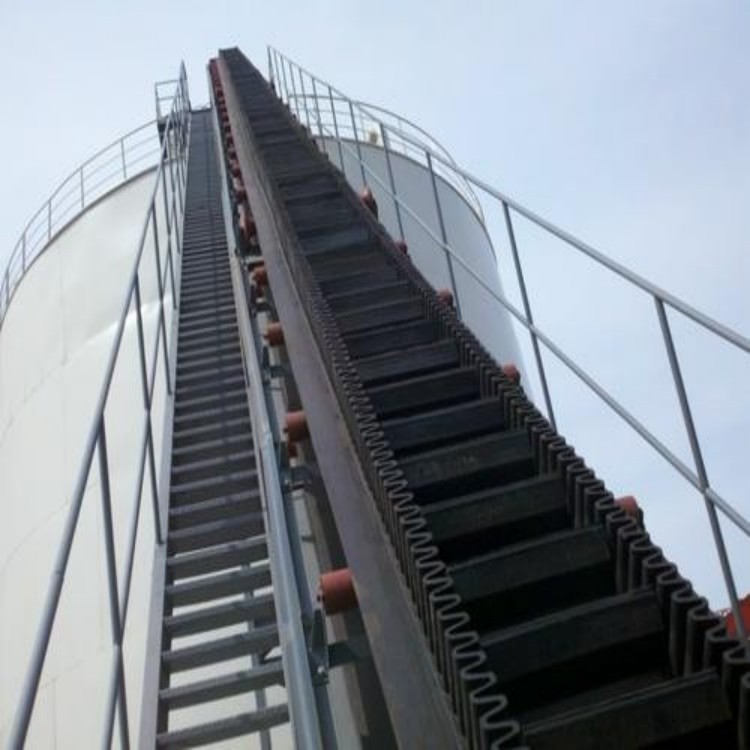
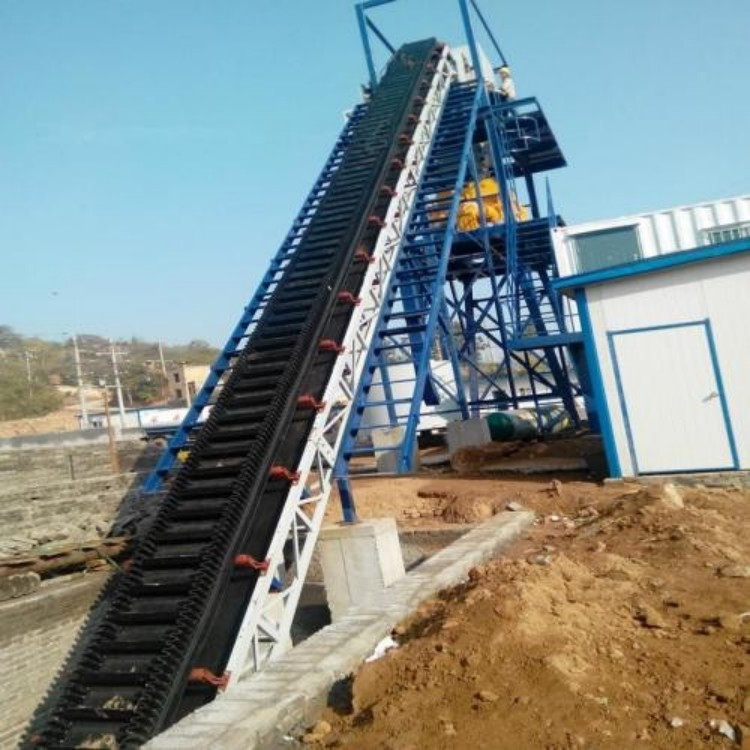
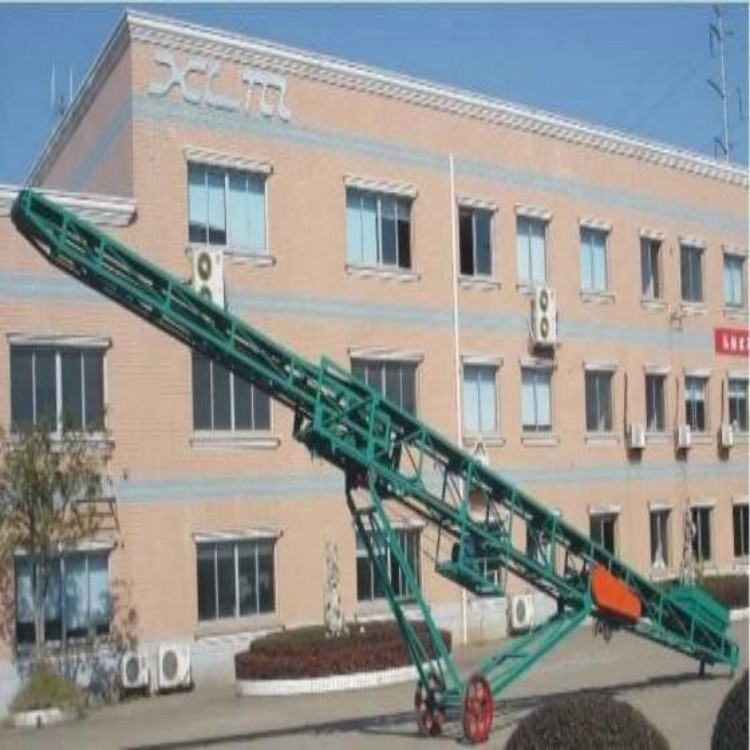
(1) The allowable incline angle of the conveyor is large, reaching up to 90°, making it an ideal equipment for steep incline conveying and vertical lifting. It can reduce the occupied area, save on equipment investment and civil engineering costs, and offers good comprehensive economic benefits.
(2) Compared to other lifting equipment, the universal belt conveyor has the advantage of a simple structure, which is convenient for maintenance and operation.
(3) Smooth operation, low noise.
(4) Reliable operation. No phenomena of long chain, flying chain, or broken chain, as commonly seen in chain-driven equipment, and no slipping or bucket falling issues as frequently encountered in bucket elevators. Its reliability is almost on par with that of general belt conveyors.
(5) Due to the absence of excavation resistance during filling and internal and external frictional forces of materials during operation, energy consumption is low.
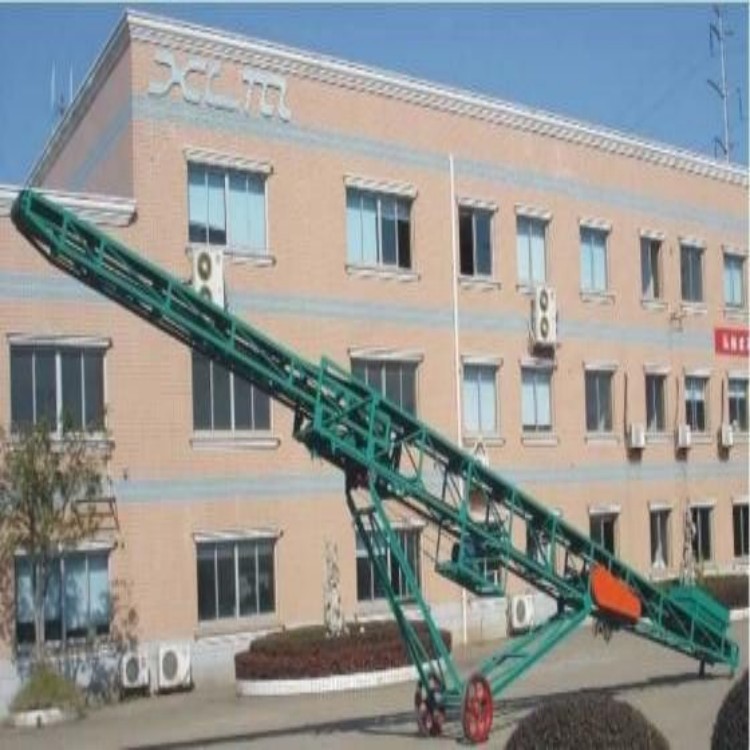
(6) The vertical-sided belt conveyor can also be equipped with horizontal conveying sections of any length at the head and tail, facilitating connection with other conveying equipment.

The steep angle conveyor can transport at large angles, even vertically. It features high conveying capacity, minimal floor space requirement, and easy maintenance, making it widely used.
The large incline conveyor features the advantages of a simple structure, reliable operation, and easy maintenance like a standard belt conveyor, along with large incline conveying capabilities, compact design, and minimal space requirements. Therefore, it is an ideal equipment for large incline conveying and vertical material lifting.
Structure
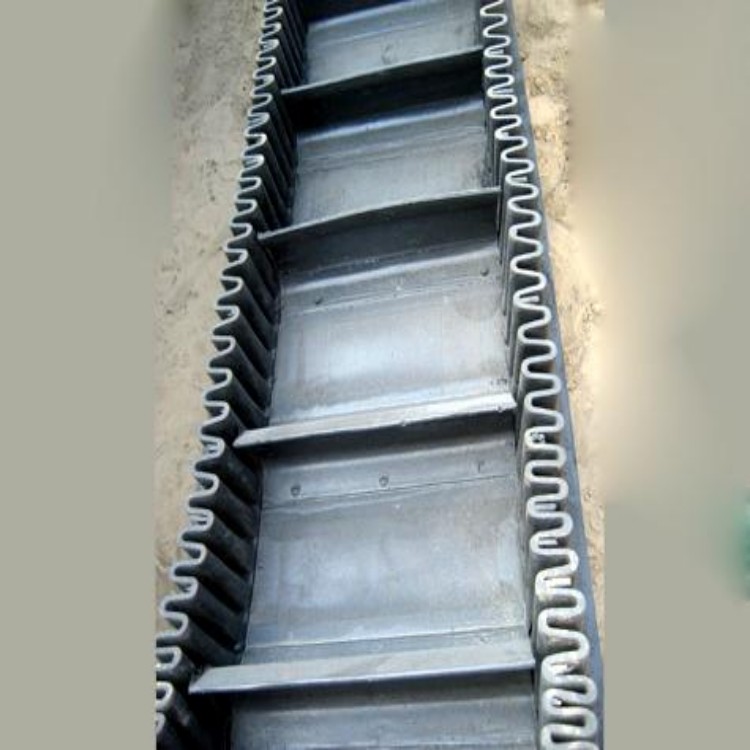
Wavy Edge Belt Conveyors: They play the roles of traction and bearing in conveyors. The wavy edges, cross plates, and base belt form a "gate" container for conveying materials, thus enabling steep angle conveyance.
Drive Unit: The power section of the conveyor. Composed of Y-series electric motors, ZJ-type shaft-mounted reducer, and wedge-type reverse stop.
Transmission Drum: The main component for power transmission, the conveyor belt operates through friction with the transmission drum. This series of transmission drums includes both rubber-coated and smooth surfaces, with the rubber-coated drums designed to enhance the adhesion between the drum and the conveyor belt.
Directional roller: Used to change the running direction of the conveyor belt. Directional rollers are used on the bottom surface (non-carrying surface) of the conveyor belt.
Belt tensioner: Used to change the running direction of the conveyor belt, the belt tensioner is applied to the upper surface (load-bearing surface) of the conveyor belt.