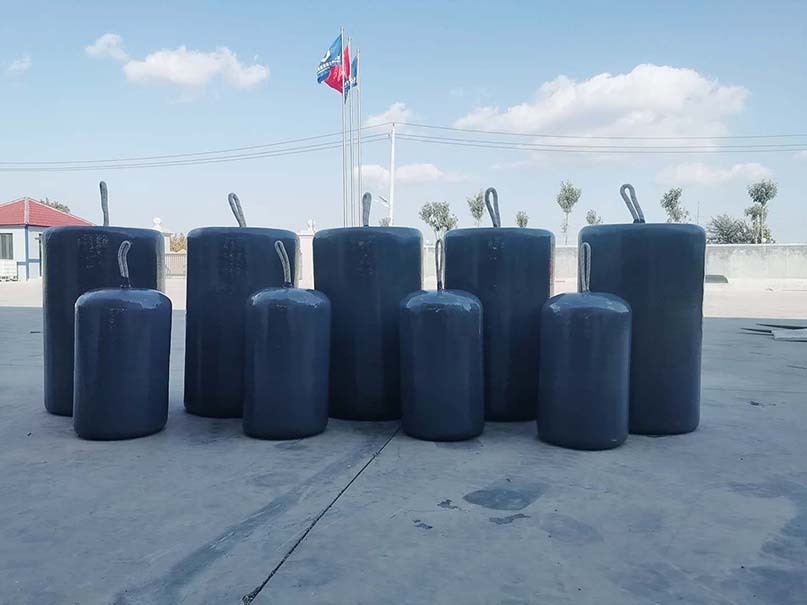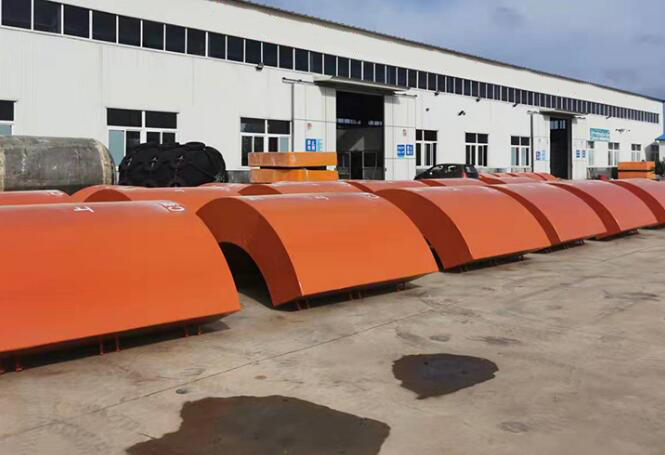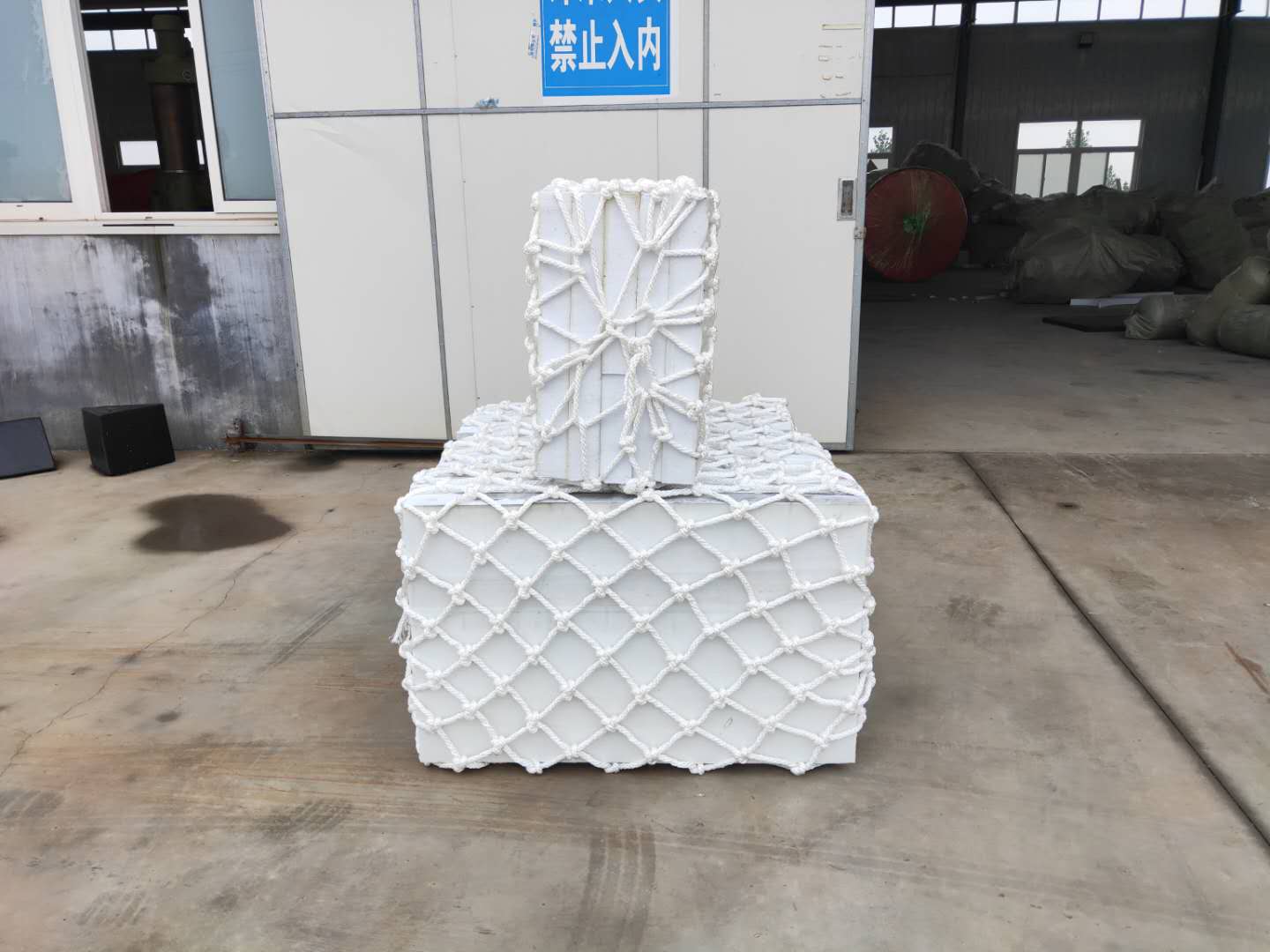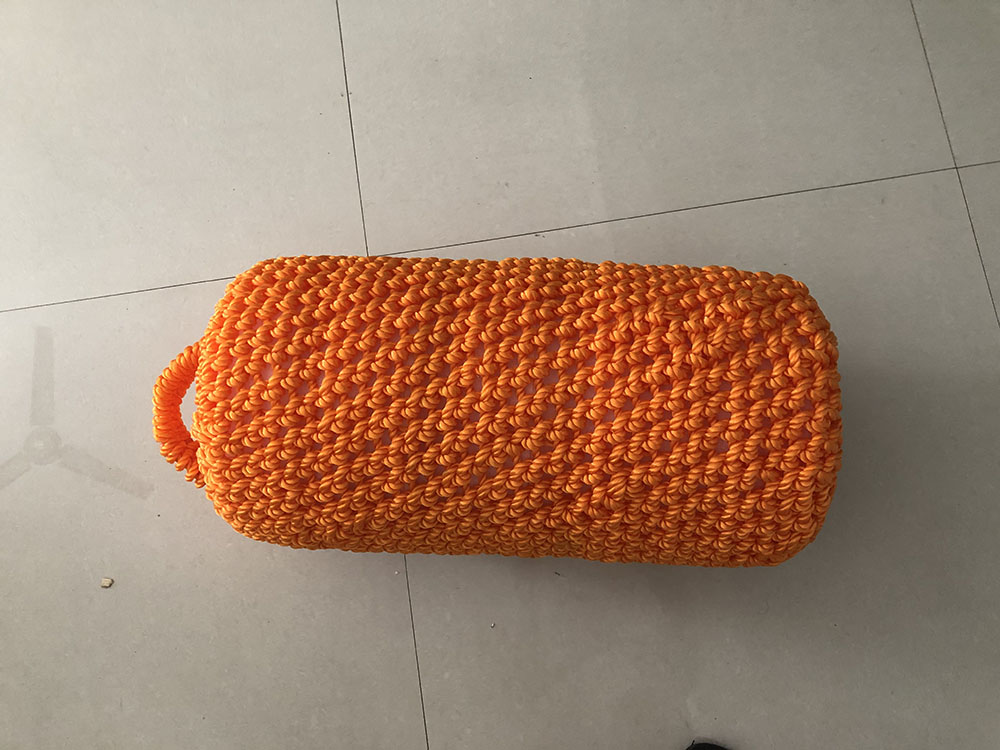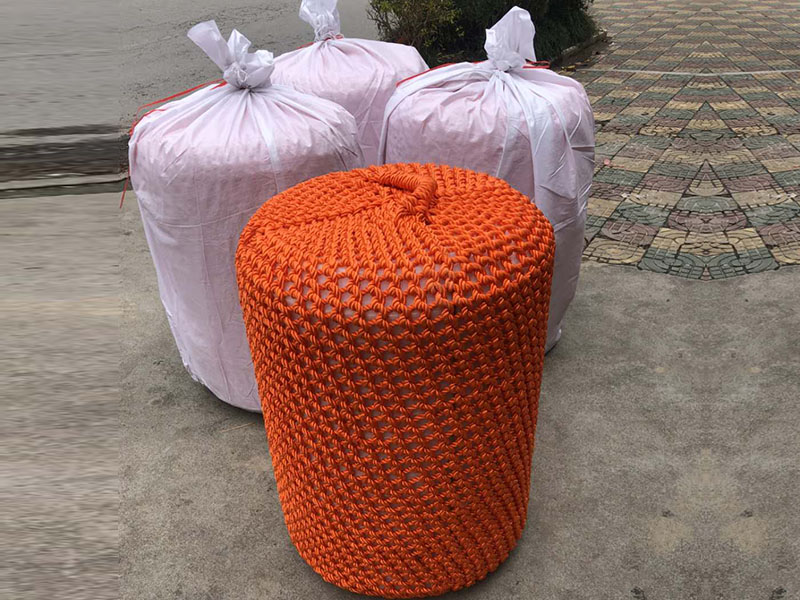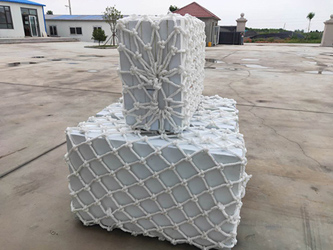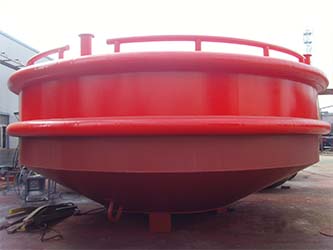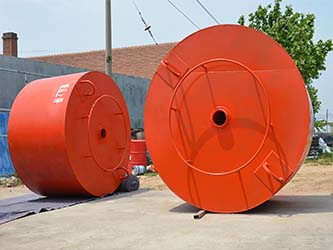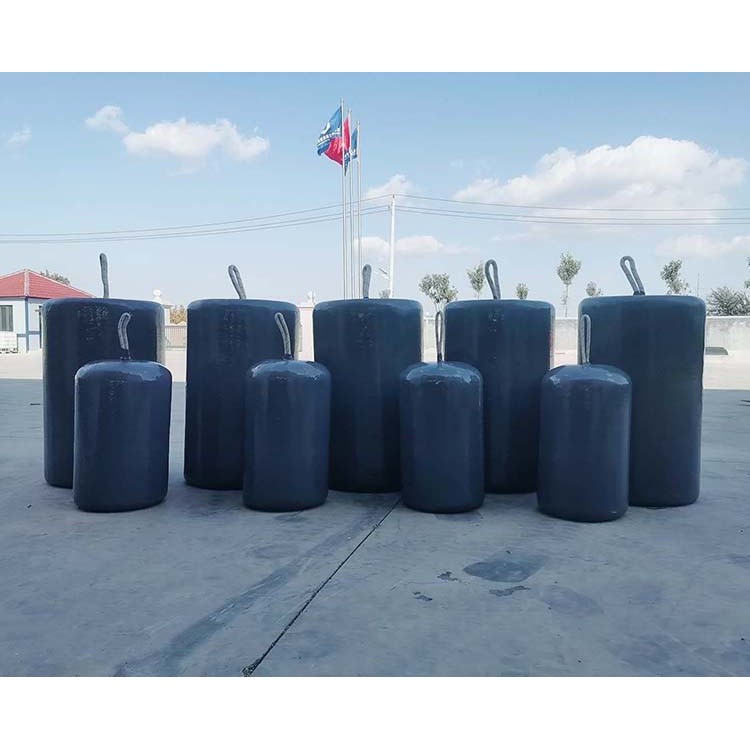

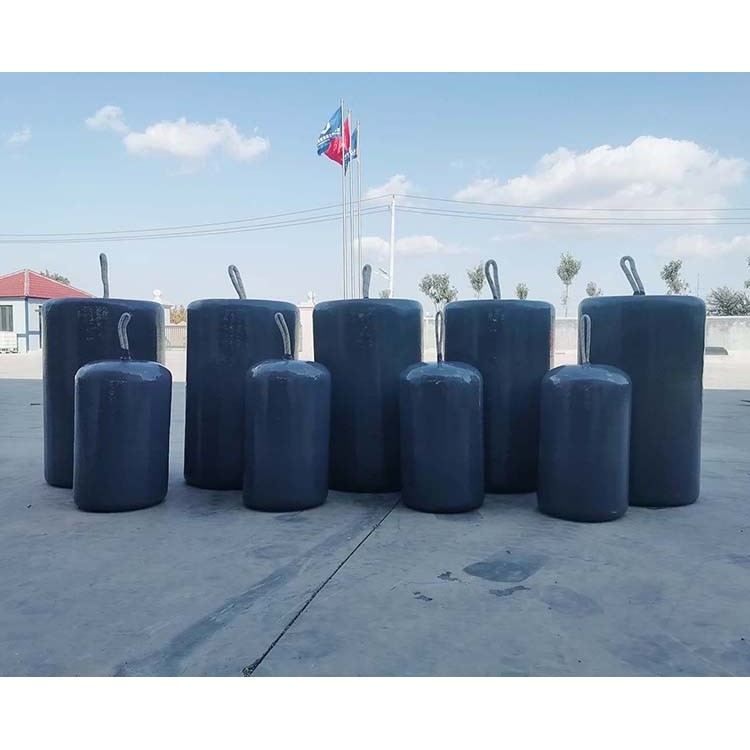
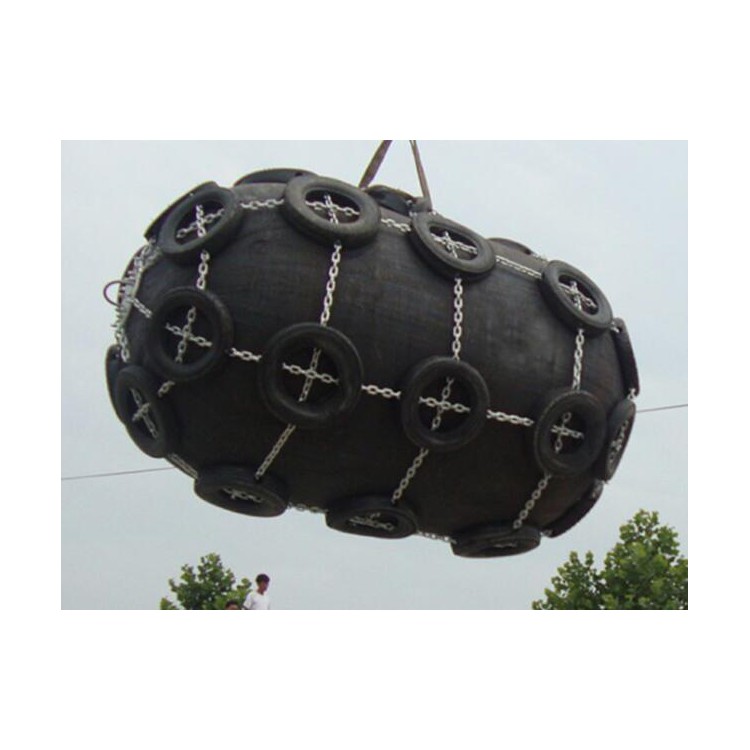
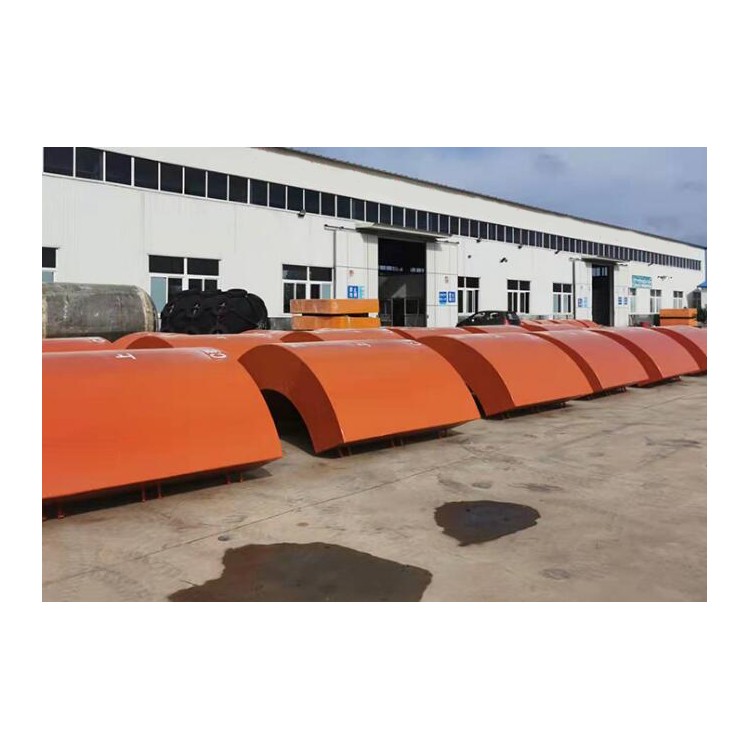


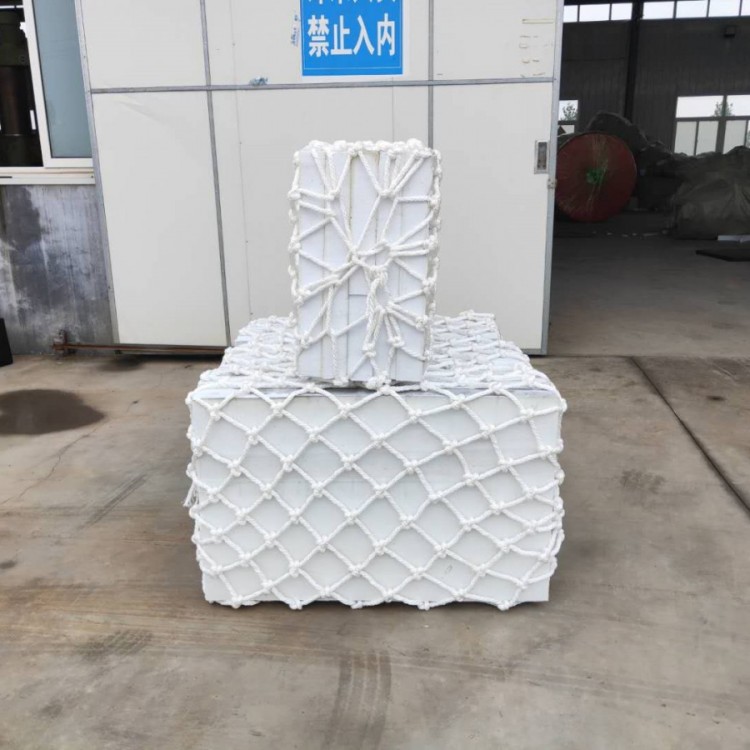








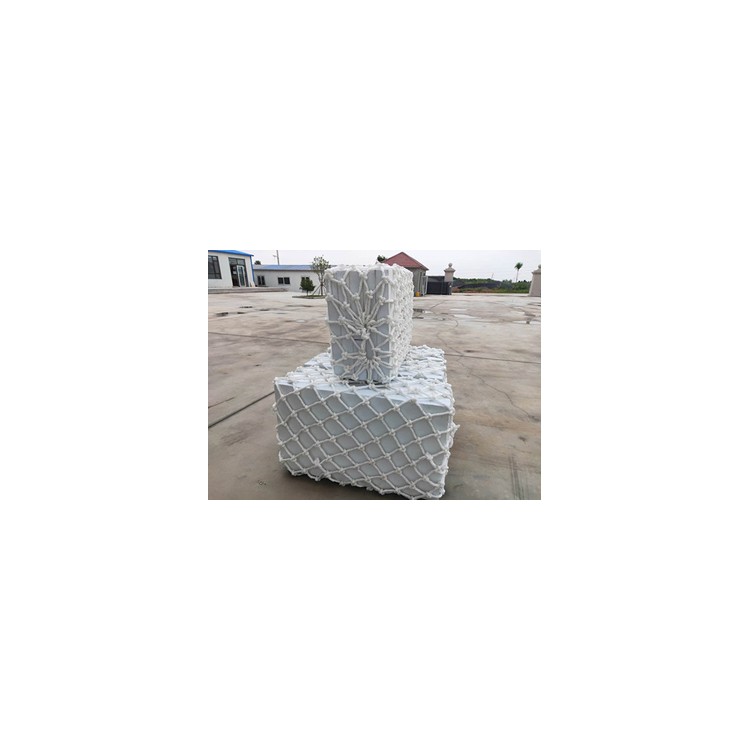
Solid foam fender, also known as a bollard, is a floating fender system that utilizes lightweight, high-elastic foam as a buffer medium, offering superior performance over inflatable fenders. It is widely used in ports, nearshore areas, and ship-to-ship operations.。
The shock pads are manufactured using environmentally friendly materials and a new type of polymer with adjustable high elastic modulus. The surface is treated with a novel polyurethane (polyurea) elastomer technology developed in recent years, which effectively enhances the product's elasticity and resistance to corrosion from seawater and other corrosive agents. The product can be used independently or in conjunction with other protective products. It boasts high strength, elasticity, and adhesion, as well as resistance to penetration and aging.
Product Advantages:
1. Floating capability; installation location is unaffected by tidal range.
2. No inspection needed, no inflation required, resistant to scratches and friction, durable in saltwater, and withstands acid and alkali.
3.Non-explosive, high safety.
4.Enhanced energy absorption capabilities and lower reactive force properties.。
5.Specs can be customized according to customer requirements.
6.The fender exterior can be customized in various colors, with a smooth and attractive finish and clear markings.
Solid fender application and performance features:
1) Dock, ship fender
2) Suitable for gravity and bulwark quays, especially those with large tidal ranges.
3) Particularly suitable for ship-to-ship fendering, the floating fender offers greater adaptability.
4) Serve as fender for pier abutments, protecting the abutments and vessels from damage.
5) Essential spares for dock protection equipment, featuring flexible emergency functionality.
6) Suitable for naval special ships' berthing, ensuring berthing safety.
7) Using extra-large floating fender can increase the depth of water for ship berthing, achieving the purpose of dock upgrade.
8) Buoyant fender can be used individually or integrated with other protective devices to form a protective system, ensuring the safety of bridge piers and vessels.