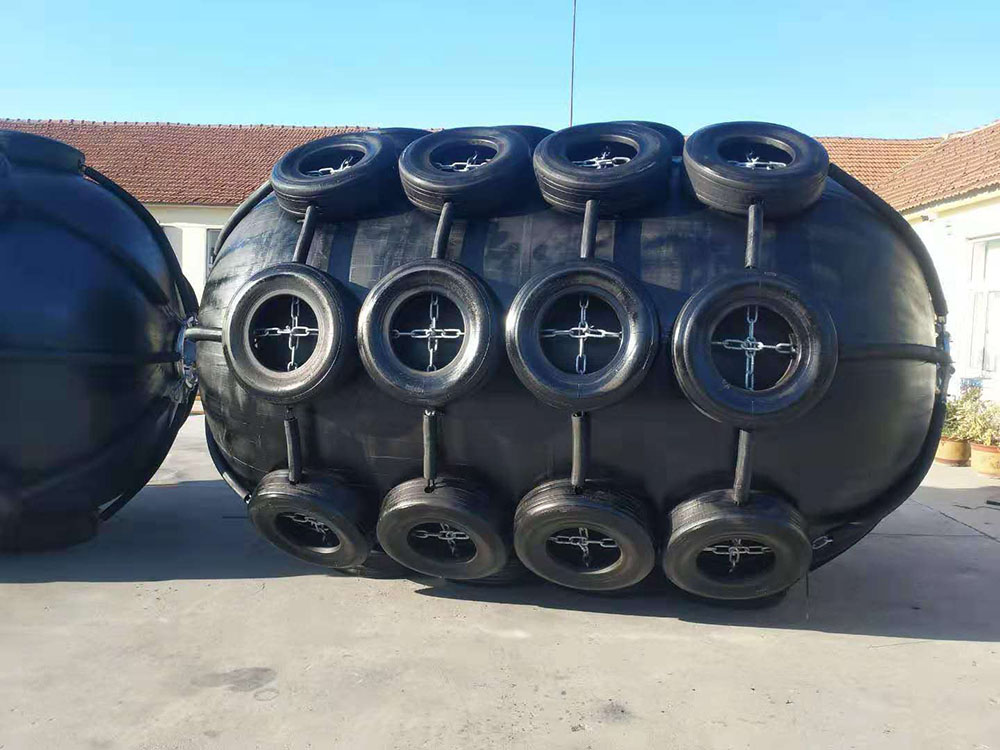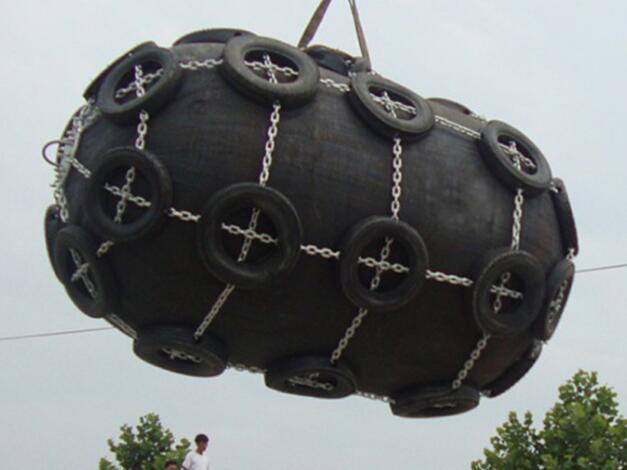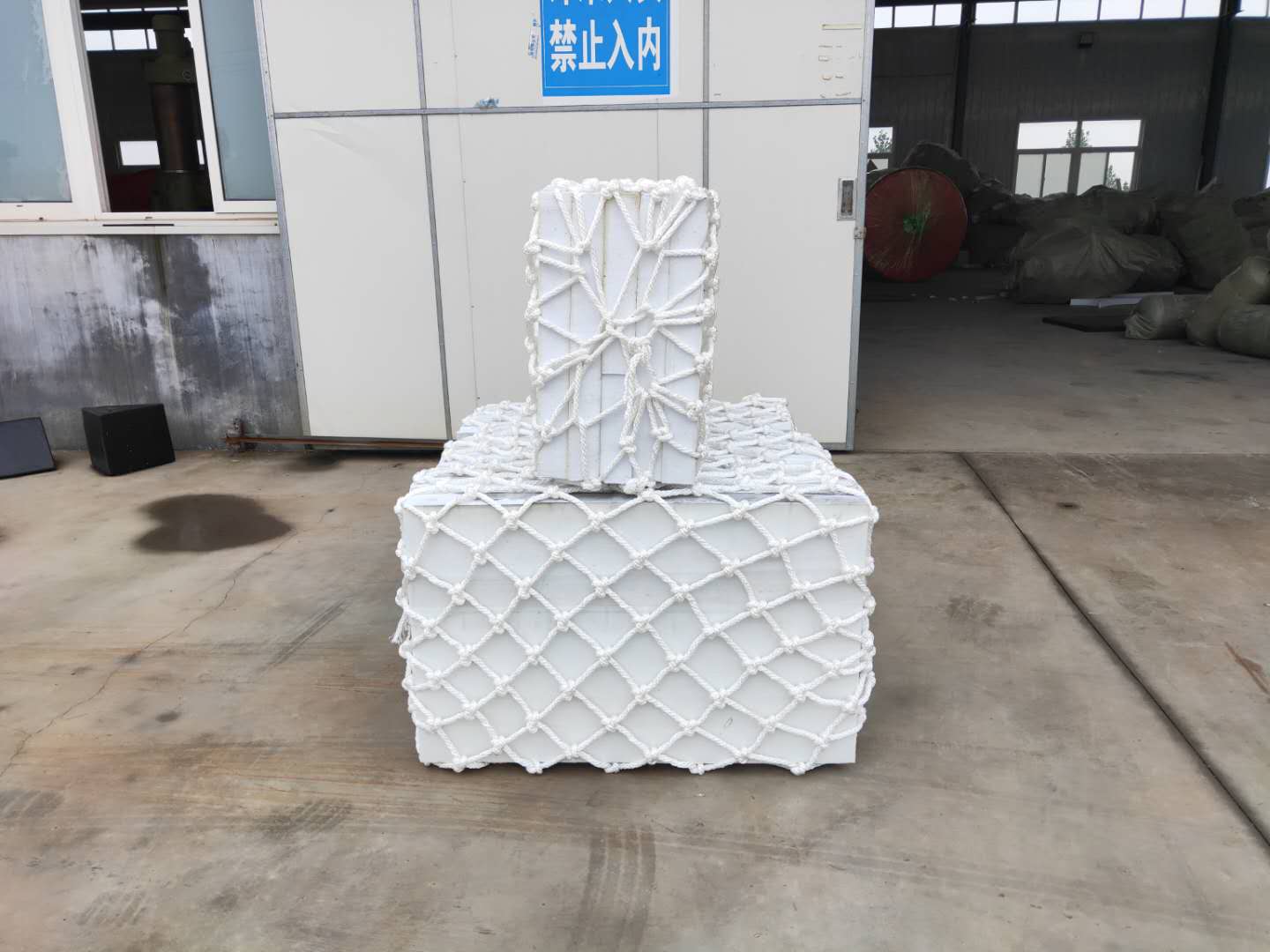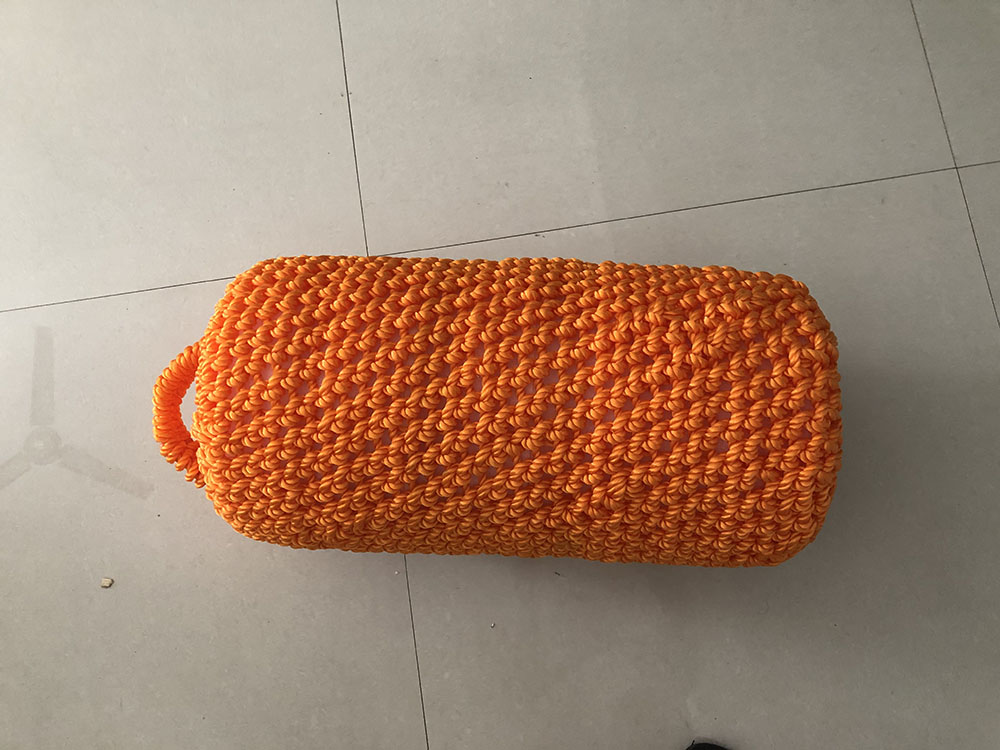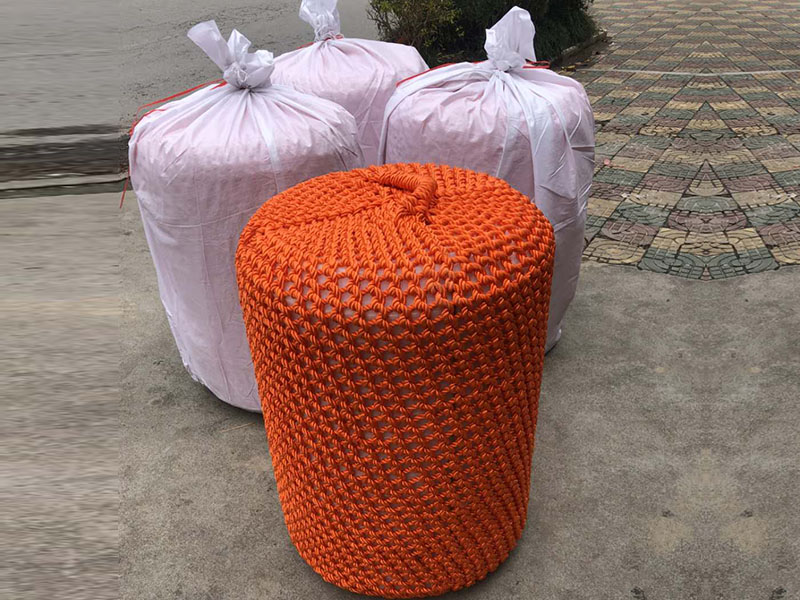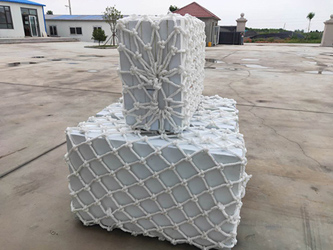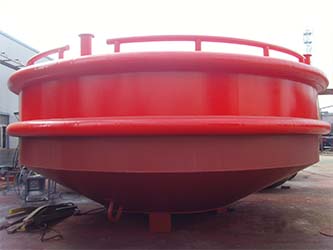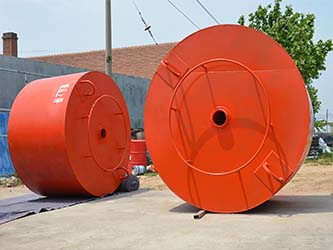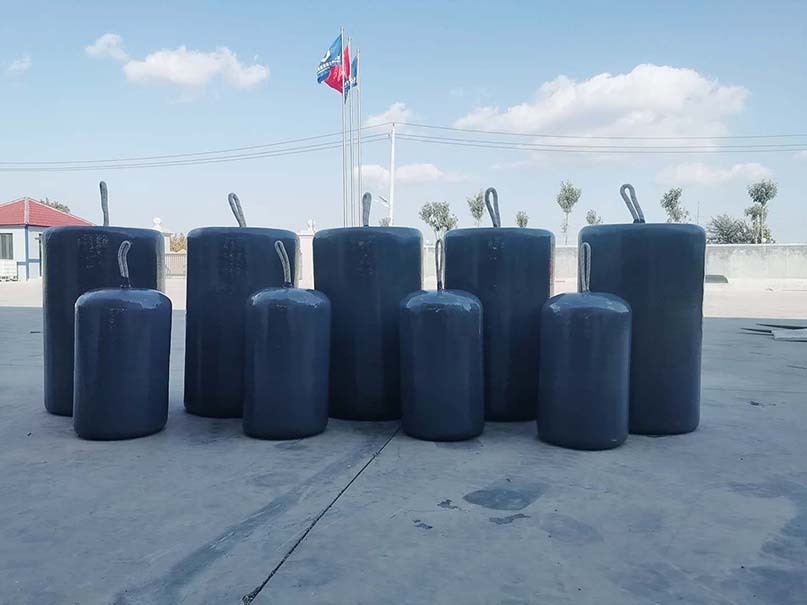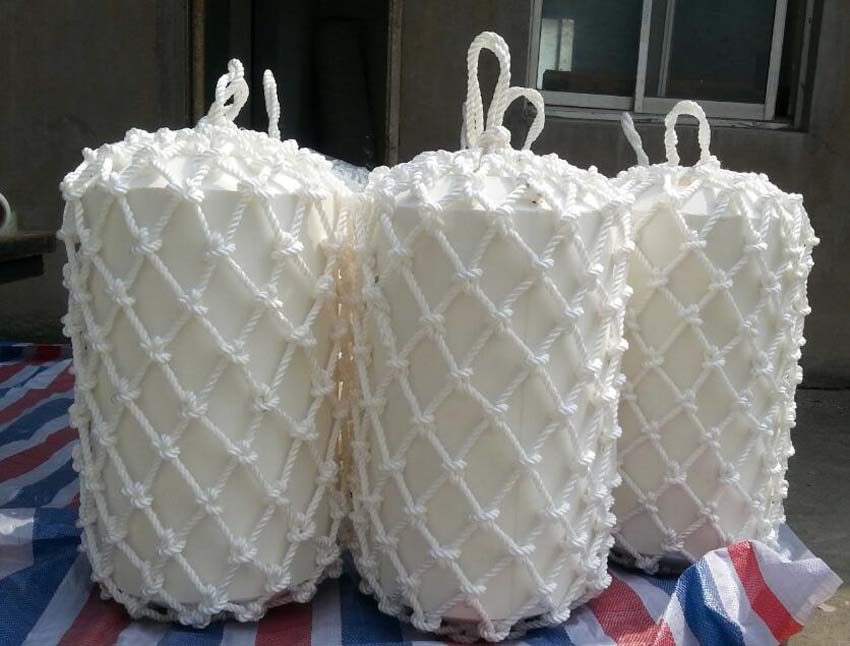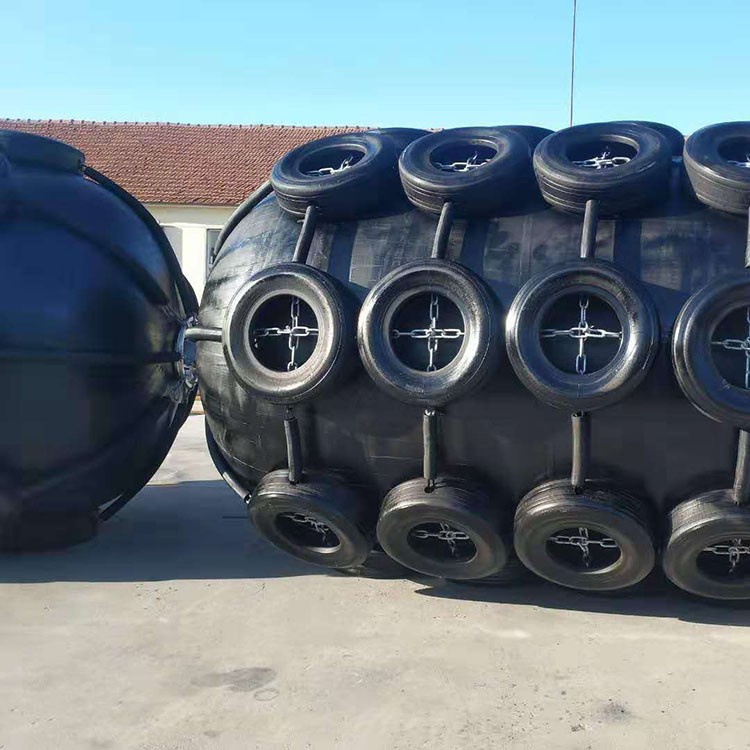

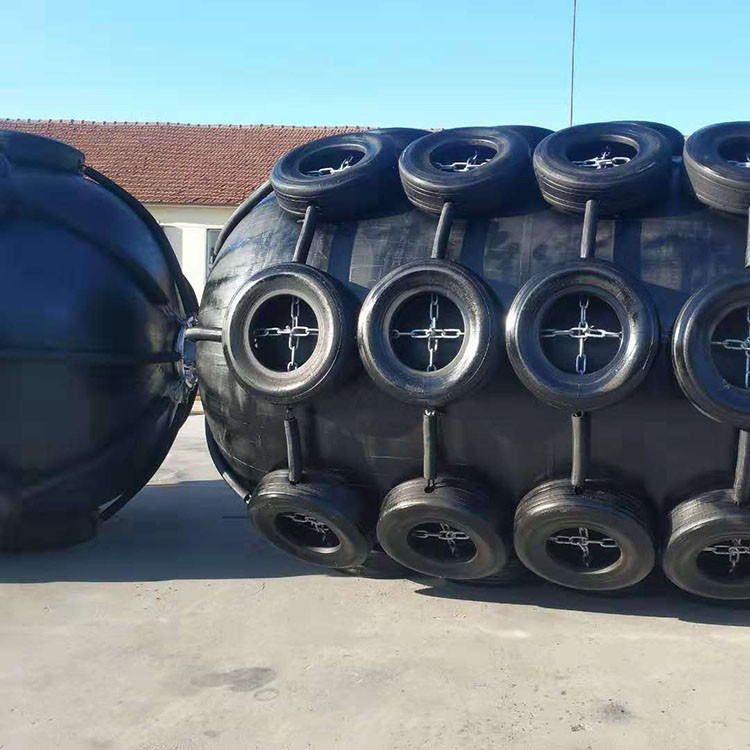
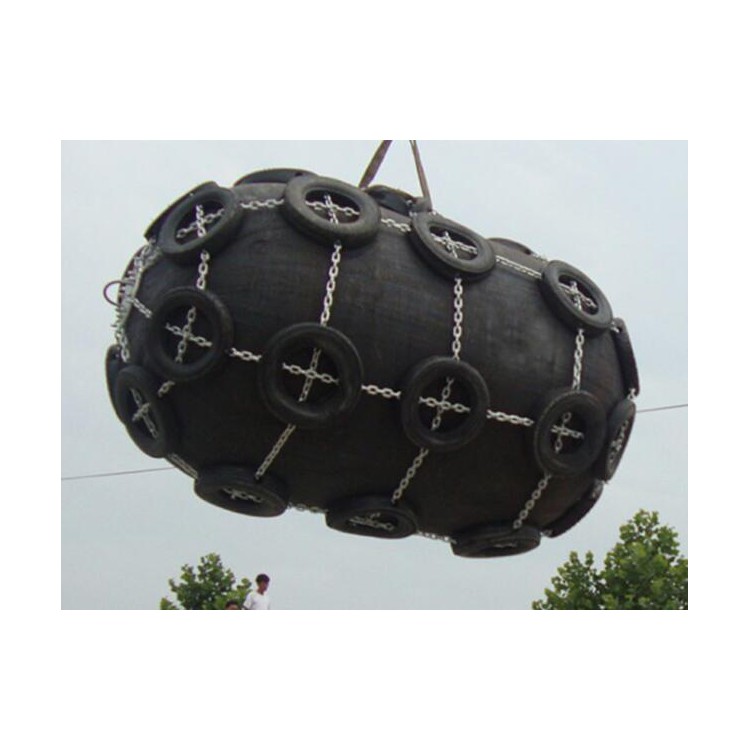
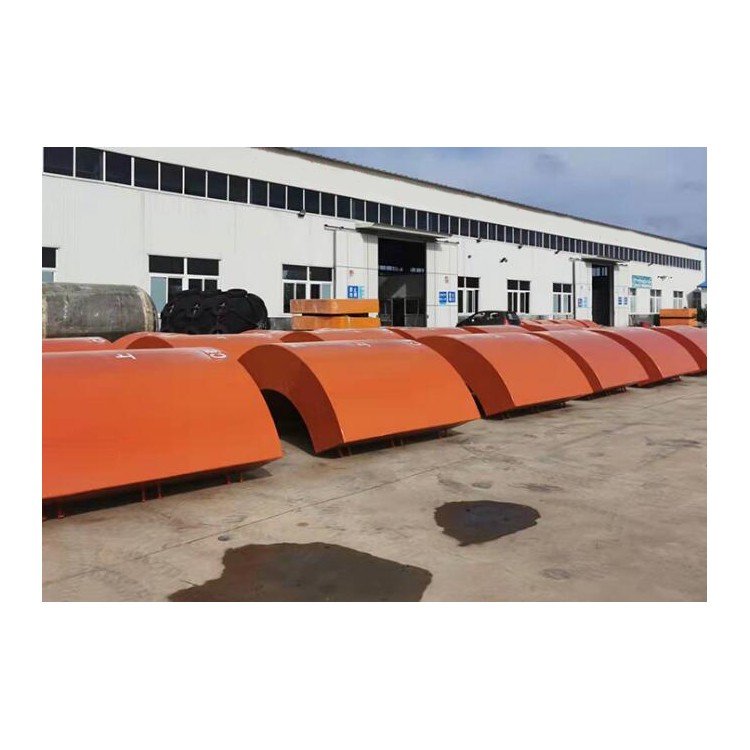


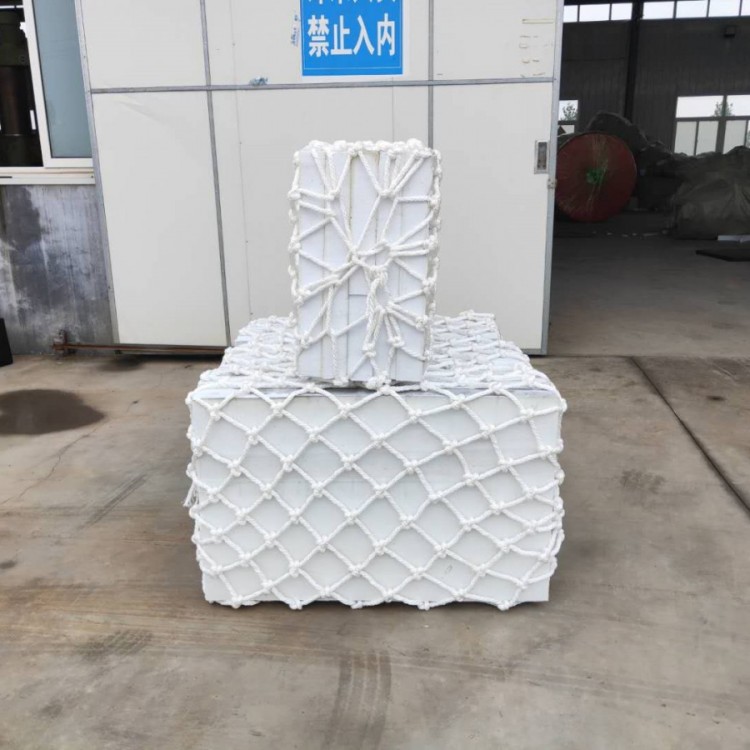
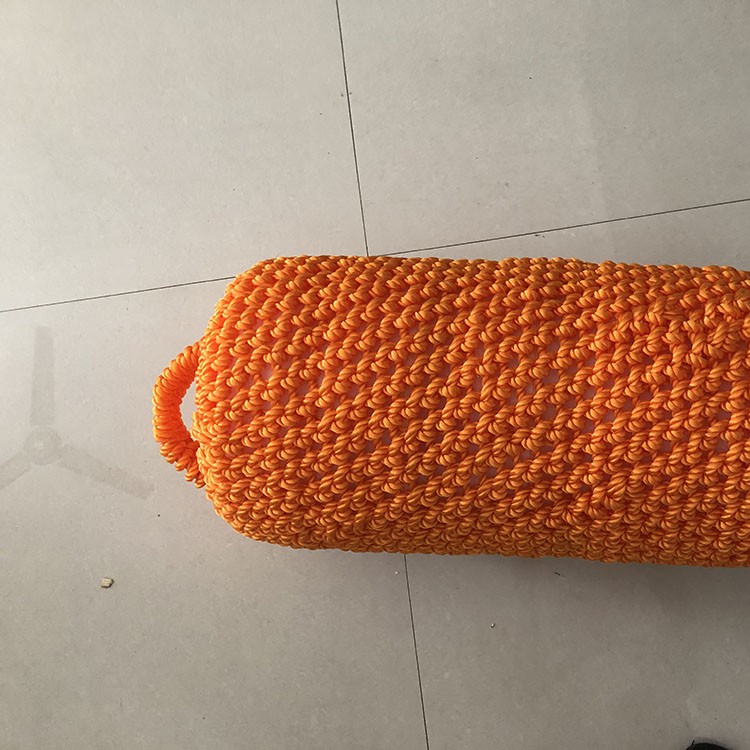







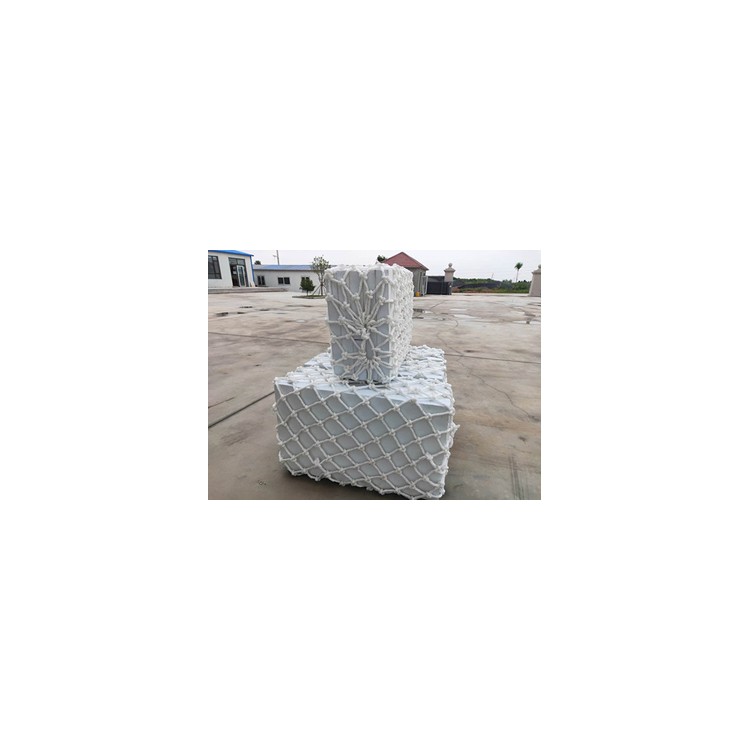
Rubber-filled fender bumpers utilize compressed air as a cushioning medium, providing a softer collision-avoidance effect when ships are berthing. Compared to common elastomeric fender bumpers (such as used tires, solid rubber bumpers, etc.), they offer advantages such as high shock energy absorption, low pressure per unit area on the ship, excellent resistance to shock fatigue, and easy installation.
Qingdao Shangshan has been producing ship fender systems since 2005. Since then, over 10,000 inflatable fenders have been supplied to vessels across various industries for docking operations, both between ships and between ships and docks.
Superiorities of Shangshan Inflatable Fender:
1. Safely overloaded
Even under heavy usage, fender performance is continually significantly enhanced. Therefore, fender mooring systems are an excellent choice for protecting vessels.
2. No degradation, failure, or variation in performance.
Because inflatable rubber fender utilizes the compressed elasticity of air, it does not degrade or fail in performance due to fatigue operation. This fender can maintain its integrity even in low temperatures, down to below 50℃.
3. Safety and Reliability
The Shangshan Inflatable Rubber Fender utilizes a reinforced plied structure, making it highly resistant to pressure and abrasion. Fenders with a diameter of 2.5 meters or more are equipped with a pressure relief valve to prevent accidents due to excessive pressure.
4. Structure
The fender ball is composed of an inner rubber layer, an outer rubber layer, and a reinforcing layer of roving. All layers are vulcanized together to form the shape.
Fender interior and ends:
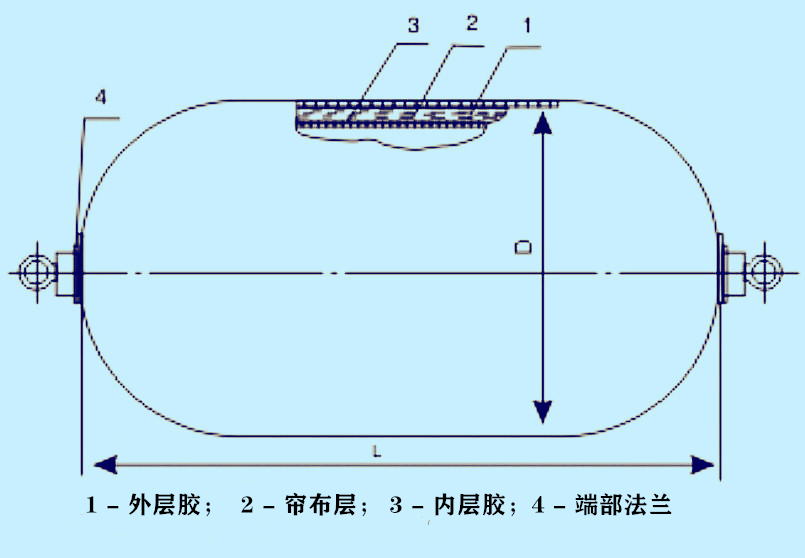
1. Outer rubber
The rubber layer covering the fender is designed to protect the frame material and inner rubber lining from external damage or wear. It ensures the fender remains unaffected under any adverse weather conditions. The design and manufacture of the outer rubber compound are capable of withstanding rigorous use, including in harsh operating environments, while also safeguarding the canvas layer and internal rubber lining.
2. curtain fabric layer
Nylon 6 "webbing yarn" serves as the strong layer for fender structure. Utilizing high-strength nylon webbing yarn suitable for tire manufacturing, there are 90 (±1.5) strands of nylon webbing yarn per 10 cm length. Our company employs a well-planned overall winding method to enhance the stress contraction rate of various fender sections. By designing the spherical layout, the vulcanized nylon impregnated webbing can evenly distribute the load force of the sphere, and the internal rubber layer is completely sealed.
3. Inner rubber lining
The rubber layer inside the fender wall is used to prevent gas leakage and maintain the pressure of the fender. The rubber we use in our company is more elastic, adhesive, and gas-retaining.
4. End Flange
Metal components placed on the sides of the fender, suitable for hoisting and inflation/deflation.
Note:
1. All iron components (including chains, flanges, shackles, swivels, etc.) are made of Q235 or higher-grade material, with a hot-dip galvanized finish for rust prevention.
2. Utilize large-sized accessories for robust and effective protection.
3. Stainless steel chains and shackles, as well as swivels, can be provided according to customer requirements.
Application Scope and Performance Features:
1) Dock, harbor, ship fender;
2) Suitable for gravity and pier-type docks, especially for docks with large tidal differences.
3) Particularly suitable for ship-to-ship bumpers, with floating bumpers offering greater adaptability.
4) Serve as fender for pier abutments, protecting both the pier and vessels from damage.
5) Essential spares for port protection equipment, featuring flexible emergency functions.
6) Suitable for naval special vessels' berthing use, ensuring berthing safety.
7) Using extra-large floating fender can increase the ship's berthing depth, achieving the purpose of dock upgrading.
8) Can be used individually or integrated with other protective devices to form a protective system, ensuring the safety of bridge piers and vessels.