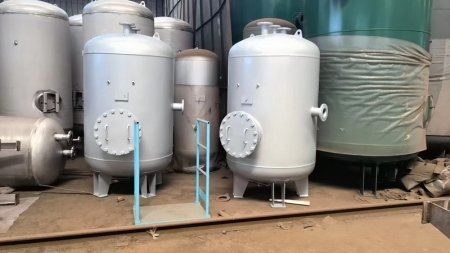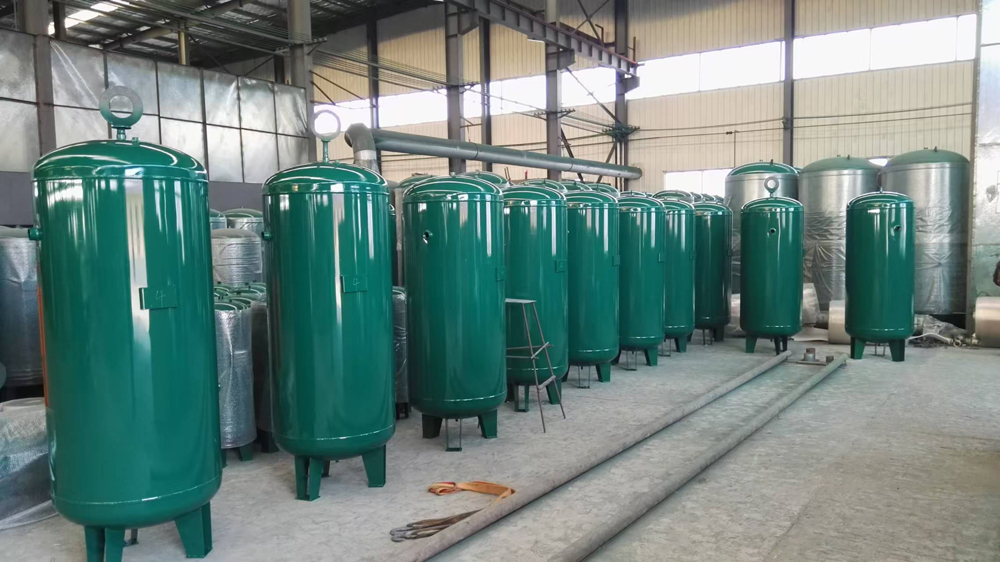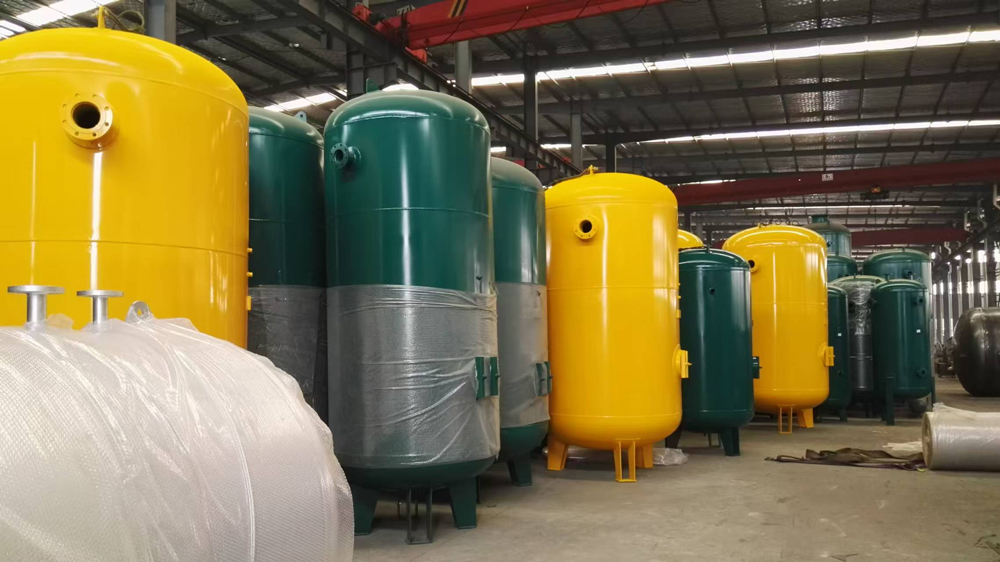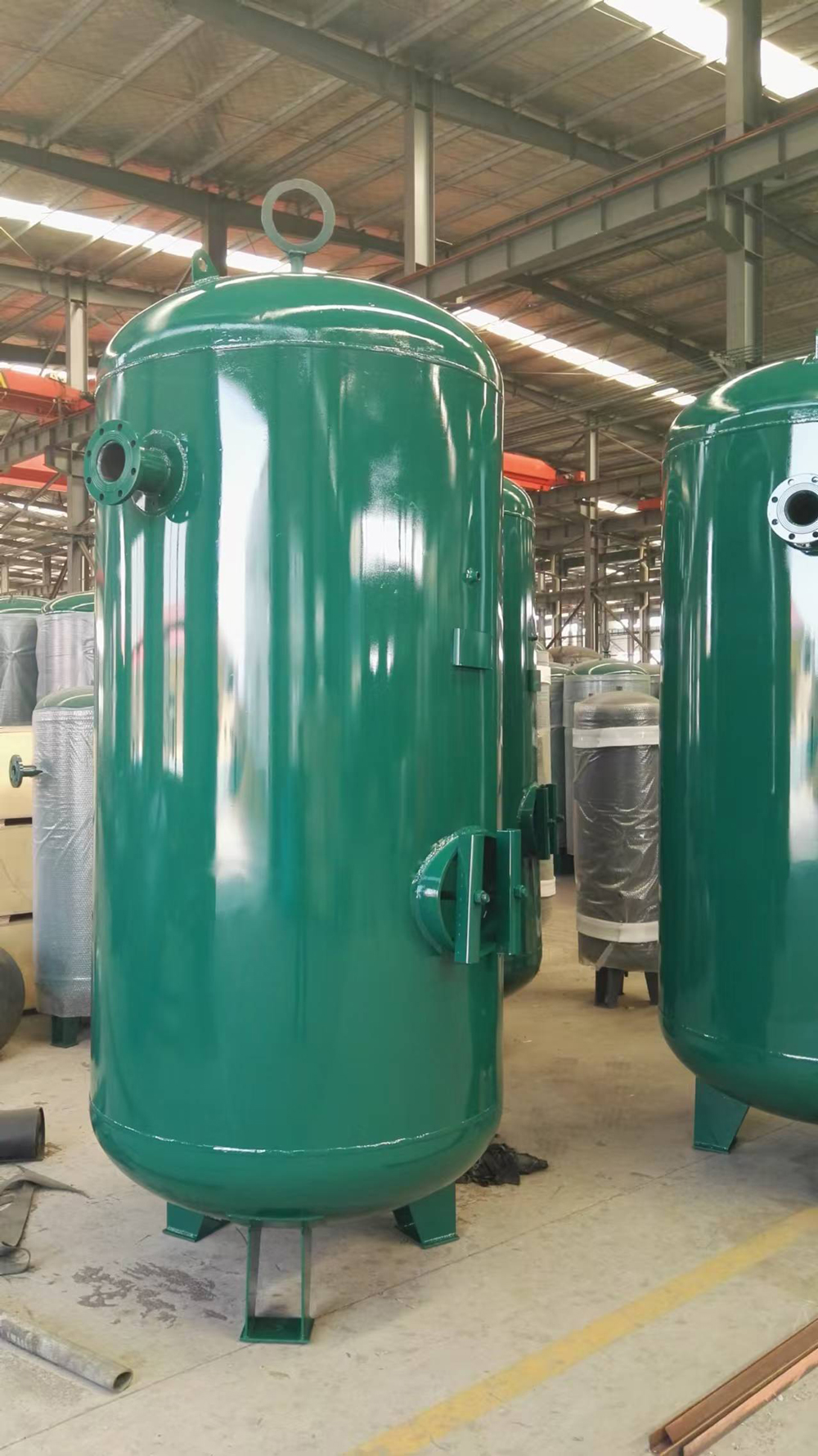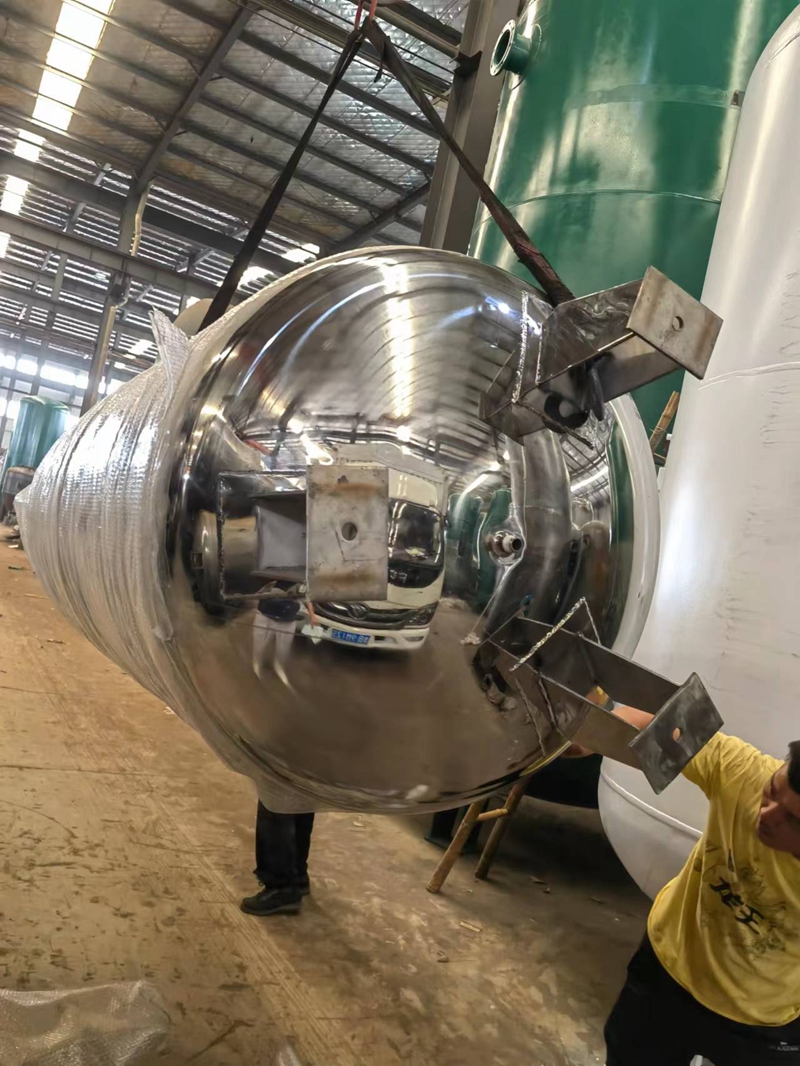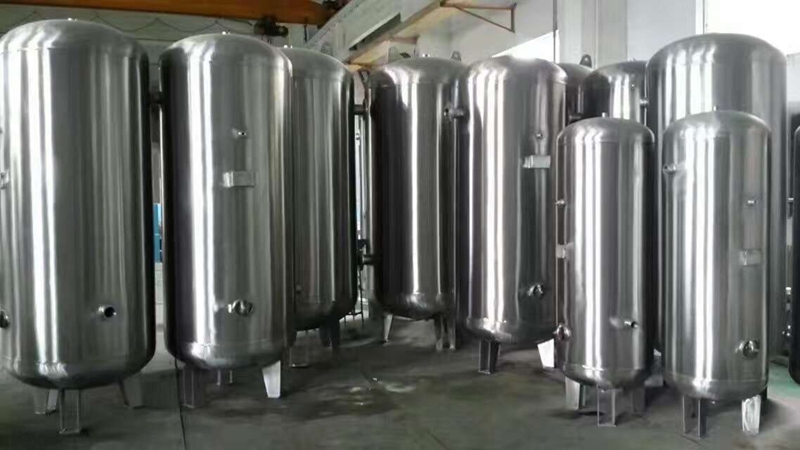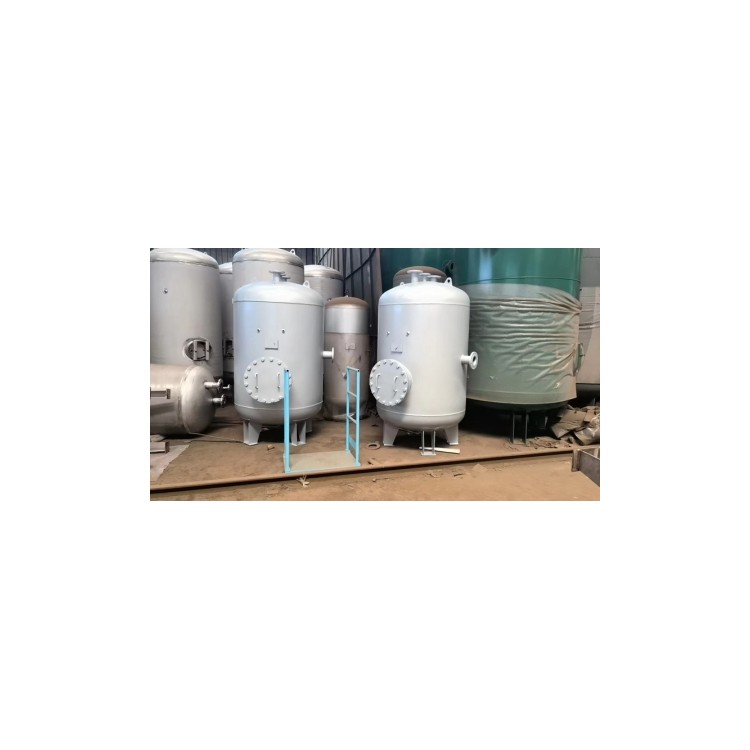


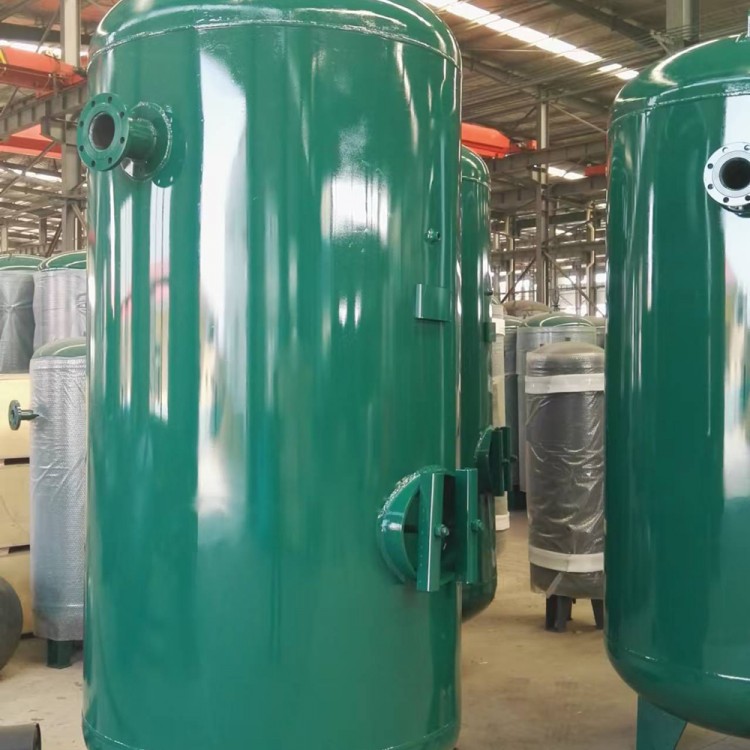

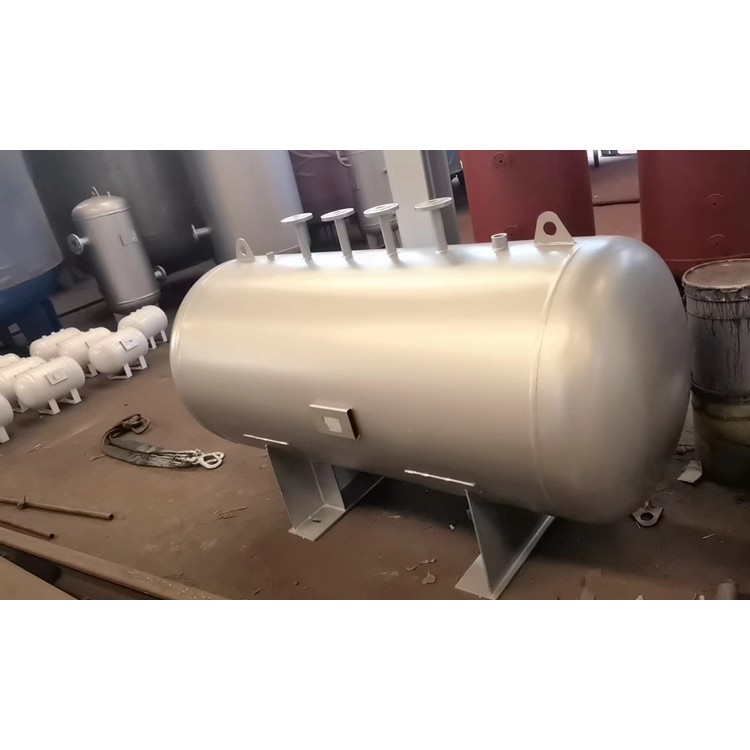






1. Categorized by form: They can be divided into vertical stainless steel tanks and horizontal stainless steel tanks.
2. Categorized by application: These include brewing stainless steel tanks, food-grade stainless steel tanks, pharmaceutical stainless steel tanks, dairy stainless steel tanks, chemical industry stainless steel tanks, oil and gas stainless steel tanks, construction material stainless steel tanks, power industry stainless steel tanks, and metallurgy stainless steel tanks.
3 Categorized by sanitation standards: Sanitary-grade stainless steel drums, standard stainless steel drums.
4 Categorized by pressure requirements: Stainless Steel Pressure Vessels, Non-Stainless Steel Pressure Vessels.
Common Types
Stainless Steel Storage Tanks, Stainless Steel Pressure Vessels, Stainless Steel Wine Tanks, Stainless Steel Milk Tanks, Stainless Steel Reactor Tanks, Stainless Steel Vacuum Tanks, Stainless Steel Fermentation Tanks
Overview Summary
Food & Pharmaceutical Grade Stainless Steel Storage Tanks
Stainless Steel Ingredient Storage Tanks, Stainless Steel Concentrate Storage Tanks, Stainless Steel Dilute Storage Tanks, Stainless Steel Extraction Tanks, Stainless Steel Reaction Tanks, Stainless Steel Liquid Storage Tanks, Stainless Steel Mixing Tanks, Stainless Steel Seed Storage Tanks, Stainless Steel Nitric Acid Storage Tanks, Stainless Steel Acetic Acid Storage Tanks, Stainless Steel Carbon Disulfide Drum Tanks, Stainless Steel Water Tower Storage Tanks.
2. Stainless Steel Tanks for Brewing and Dairy Industry
Stainless Steel Wine Storage Tanks, Stainless Steel白酒 Storage Tanks, Stainless Steel Spirits Storage Tanks, Stainless Steel Milk Storage Tanks, Stainless Steel Beverage Storage Tanks
3. Chemical-grade stainless steel tanks
Stainless steel oil storage tanks, stainless steel transport storage tanks, stainless steel cooling storage tanks, stainless steel insulated storage tanks, stainless steel heat exchanger tanks, stainless steel buffer tanks, stainless steel outdoor storage tanks, and various grades of stainless steel pressure vessels for the chemical industry.
Section 4: Characteristics of Stainless Steel Storage Tanks:
1. Stainless steel tanks offer excellent corrosion resistance, unaffected by external air or residual chlorine in water. Each spherical tank undergoes rigorous pressure testing and inspection before shipment.
2. The stainless steel drum boasts excellent sealing properties; the sealed design completely prevents harmful substances and insects from entering the drum through air particles, ensuring the water quality remains free from external contamination and the growth of red worms.
3. Scientific water flow design ensures that sediment at the bottom of the tank does not get stirred up by the water flow, guaranteeing natural stratification of potable and fire-fighting water. The turbidity of the water exiting the tank after treatment is reduced by 48.5%; however, the water pressure is significantly increased. This is beneficial for enhancing the performance of potable and fire-fighting water facilities.
4. Stainless steel tanks do not require frequent cleaning; sediment in the water can be drained by simply opening the drain valve at the bottom of the tank on a regular basis. Once every 3 years, scale can be removed using simple equipment, significantly reducing cleaning costs and completely avoiding contamination from human bacteria and viruses.
V. Uses of Stainless Steel Storage Tanks
Stainless steel storage tanks, made from stainless steel material. Compared to conventional rotational molding tanks, stainless steel tanks can withstand higher pressure and are widely used in high-pressure applications. A notable feature of stainless steel tanks is their excellent sealing performance, which completely prevents harmful substances in the air and insects from entering, ensuring that the stored liquids are not contaminated by external factors and do not breed red worms. As a result, stainless steel tanks are predominantly used for storing and transporting food and pharmaceuticals, and are extensively applied in the brewing and dairy industries.