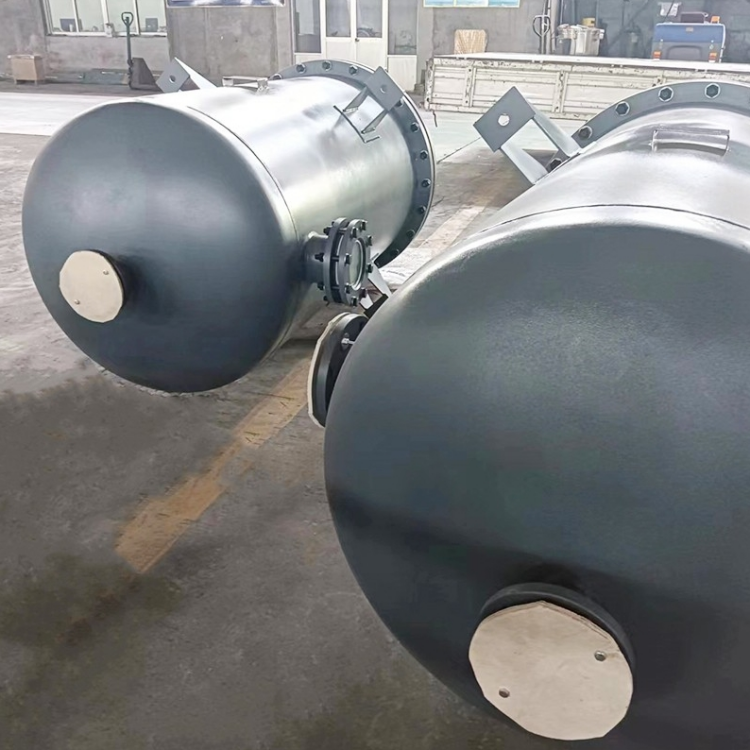

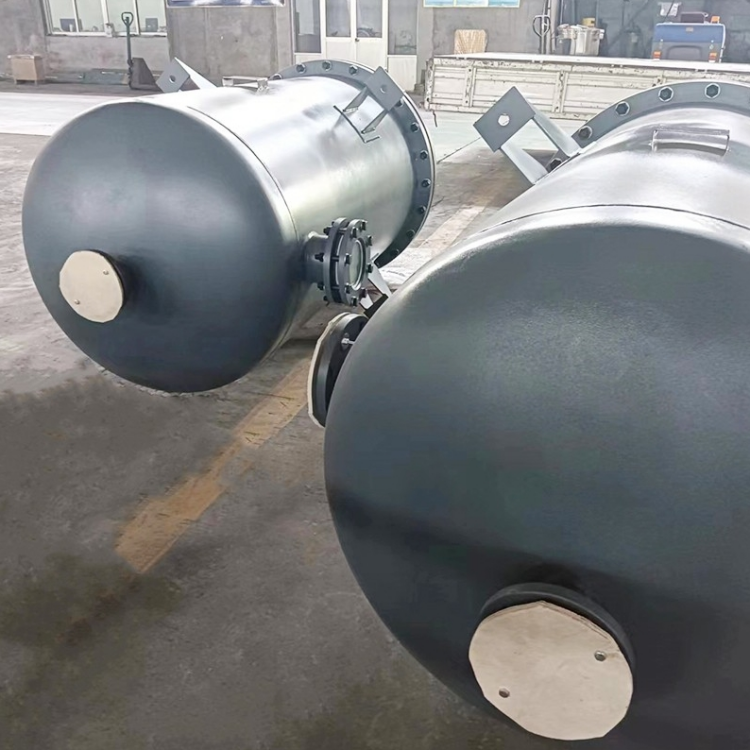


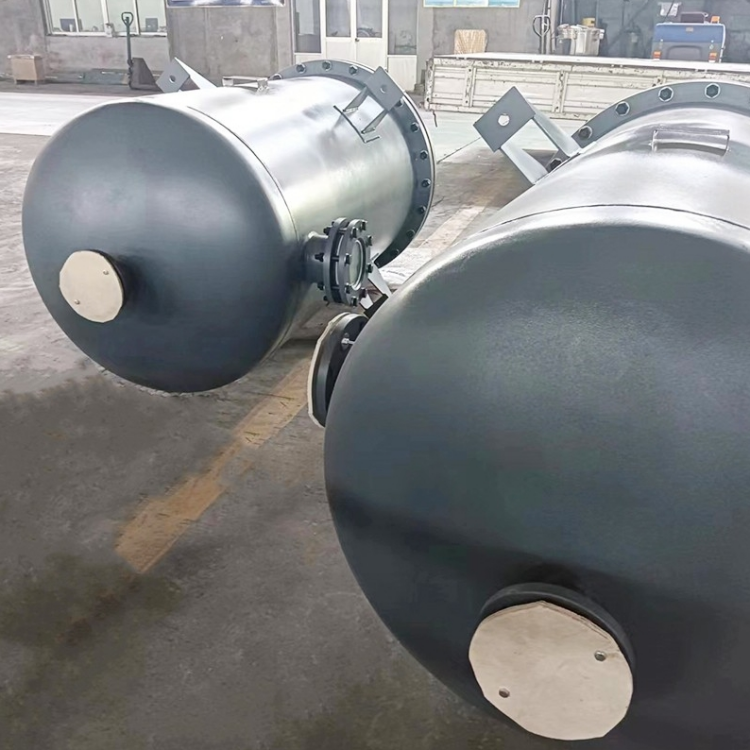
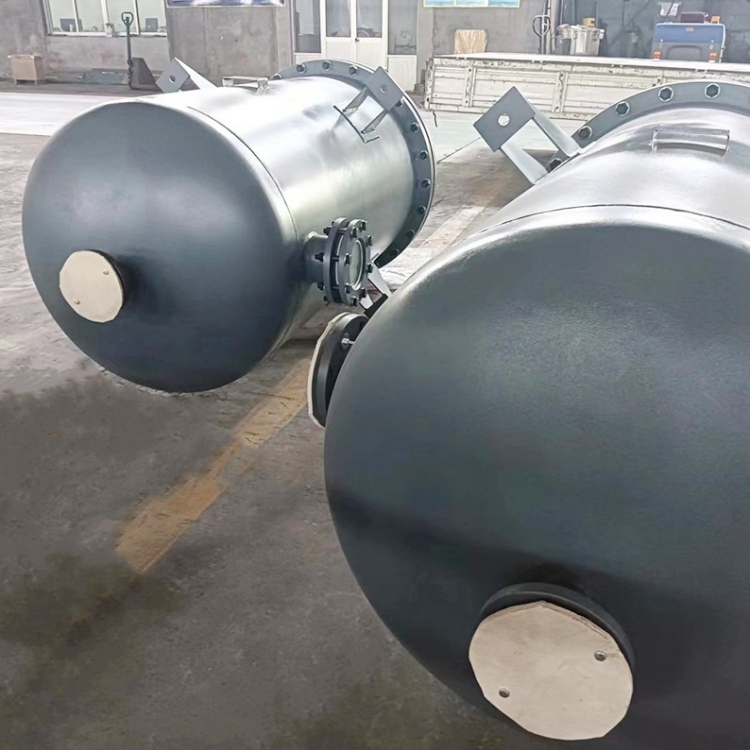







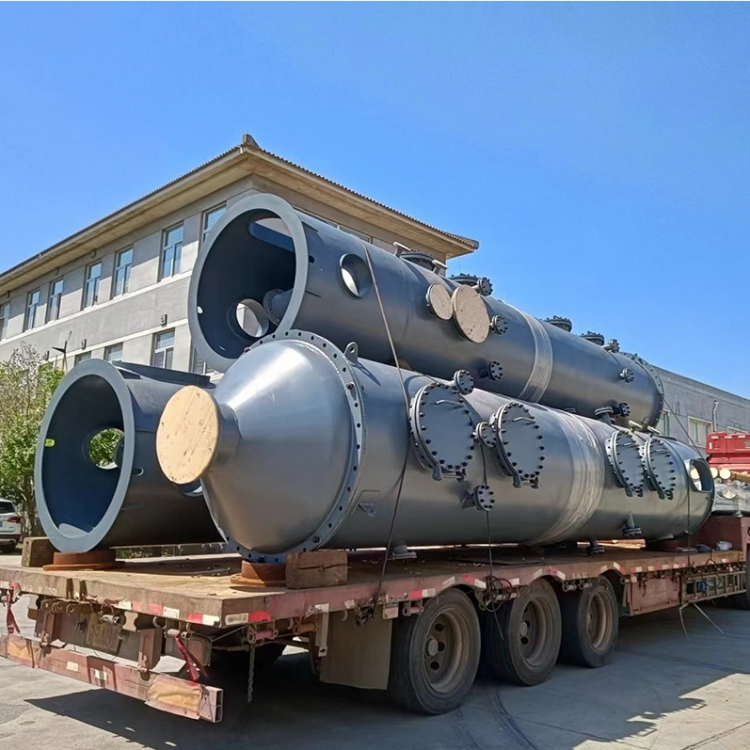
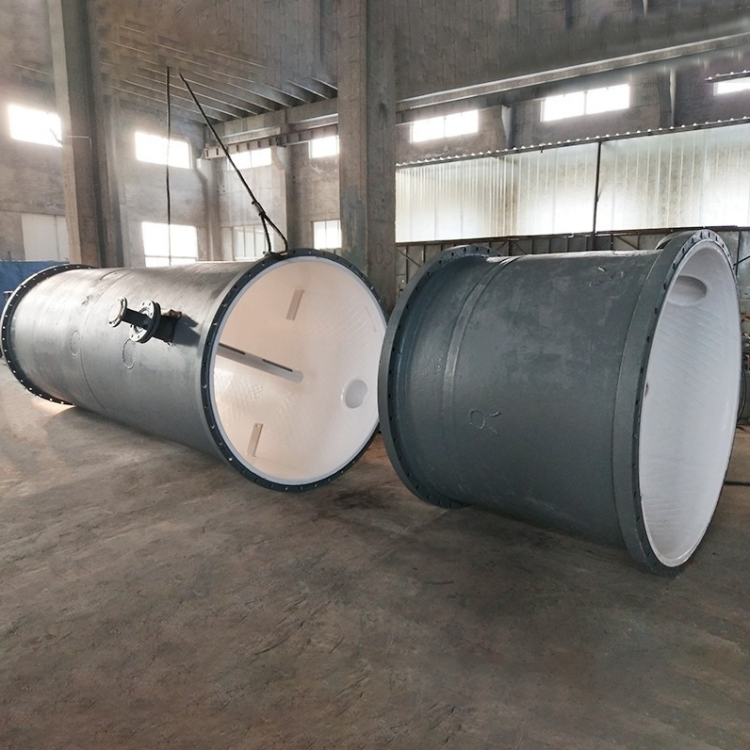
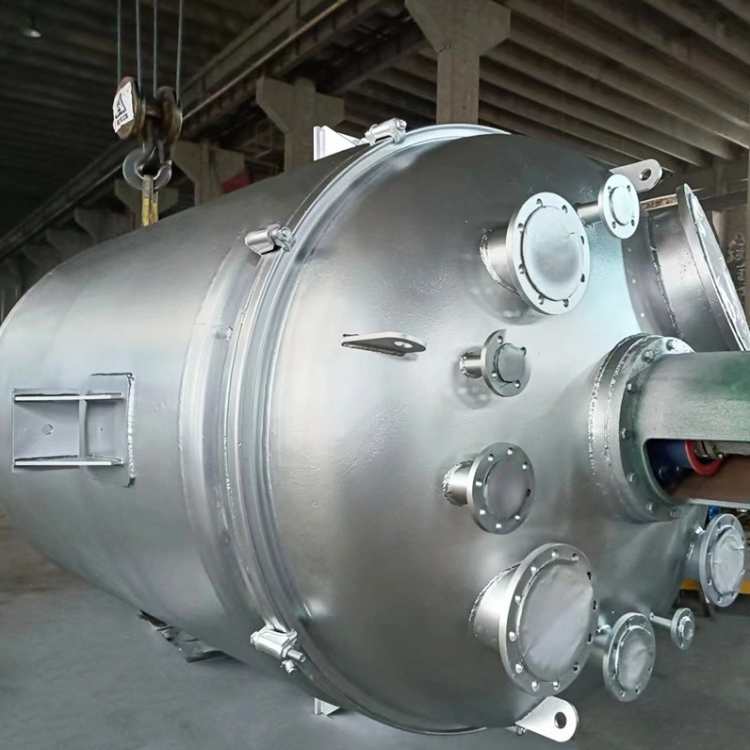
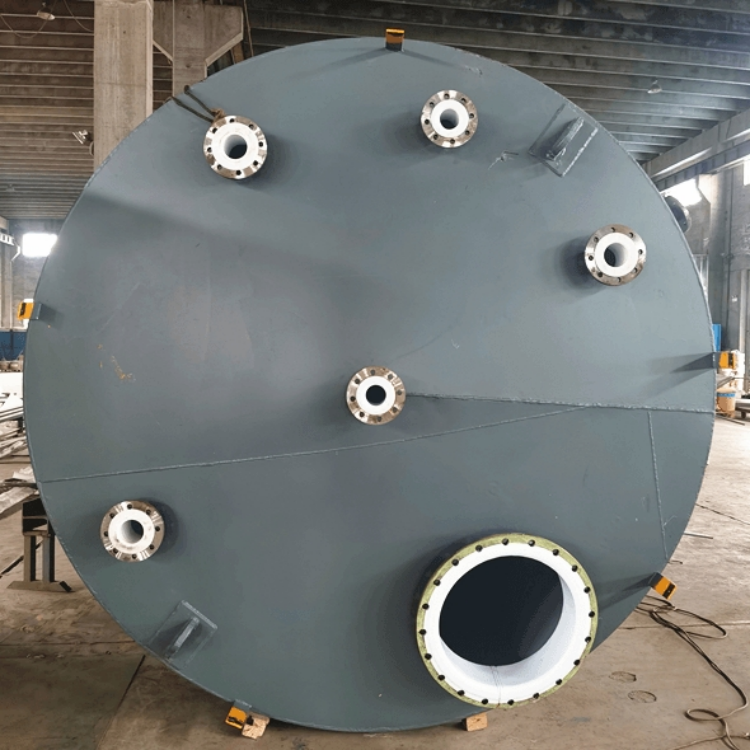
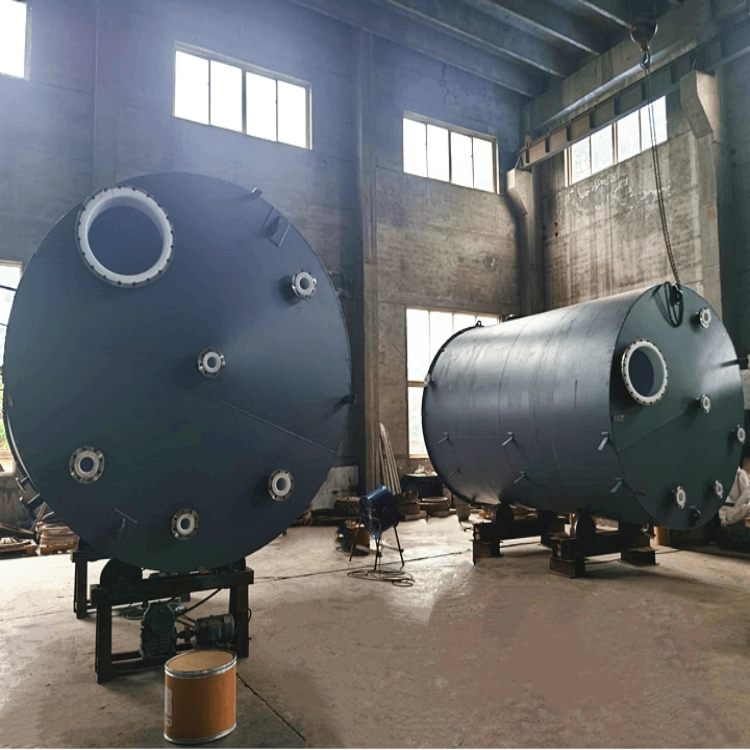
The lifespan of steel-lined fluorine storage tanks is generally long. Long-term use can lead to corrosion and leakage. If steel-lined fluorine reactors are not regularly cleaned and inspected, they can easily cause major safety accidents. The cleanliness of the storage tank directly affects product quality. The interconnected steel-lined reactors are clean and clean, reducing oil contamination. Additionally, once the metal materials of the steel-lined fluorine storage tanks are eroded or fractured, it can cause a large number of oil leakage conditions, leading to economic development, consumption, and destruction, and even pose a risk of fire accidents.
Therefore, the tank bottom must be self-inspected annually to determine if cleaning is necessary. The maintenance cycle for steel-lined fluorine storage tanks is divided into equipment overhaul and maintenance. Equipment overhaul typically occurs every 2-4 months, while maintenance is generally once a year. During equipment maintenance, clean or replace the level transmitter, repair or replace the import/export trade gate valves and drain valves, and clean the cooling circulating water fan coil. Repair the fire extinguisher of the Xinyan valve, and repair the anti-corrosion and insulation layers. Overhaul includes first repairing the prefabricated parts of the tank as part of new repair projects. If the tank continues to show unsatisfactory cracking and erosion, repair or replace parts of the tank.
In accordance with the external environment tempering regulations, after joint repair or replacement, conduct a leakage test for any other issues found during the external tank tempering.
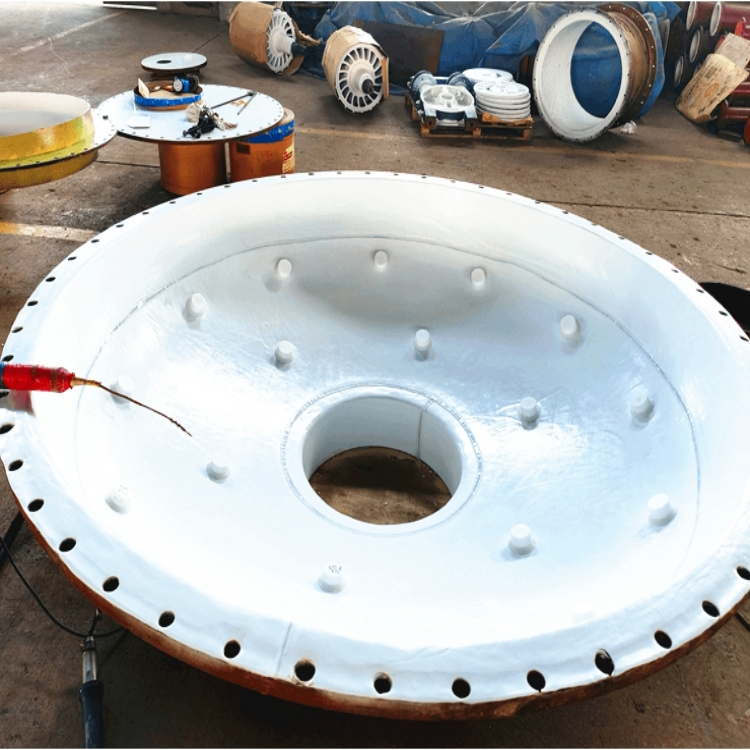
Steel-lined fluorine-lined storage tanks are lined with environmentally friendly, non-toxic, odorless, and corrosion-resistant plastics. Made using the rolling molding process, they are formed in one go, featuring excellent comprehensive properties, high compressive strength, no electric welding, no leakage, good impact resistance, good ductility, light weight, long service life, corrosion resistance, and resistance to solvents. Comply with quality standards, offering high quality at low prices, and a full range of specifications.
The heating temperature of the storage tank should be determined based on the organic chemical properties of the steel and its bending stiffness. The higher the carbon content of the steel and the more other aluminum alloy elements, the greater the bending stiffness during operation, and the higher the required heating temperature. Welding sequence. For materials and welding standards with the same welding characteristics, if the welding sequence differs, the tendency towards thermal cracking also varies. This is due to other welding stresses caused by different welding sequences. To significantly reduce welding stresses, an effective welding sequence needs to be established.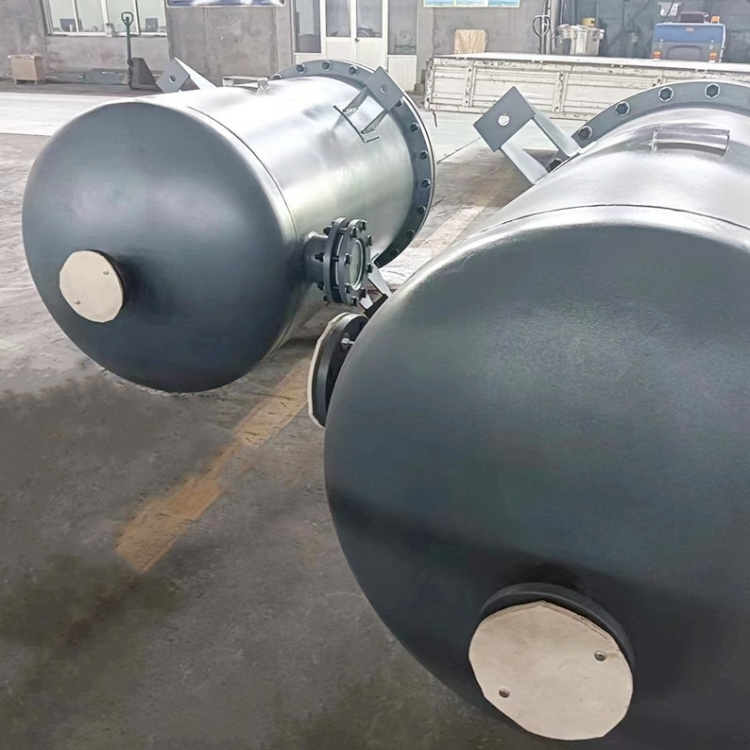
WeChat Official Account

Scan to follow Official Account