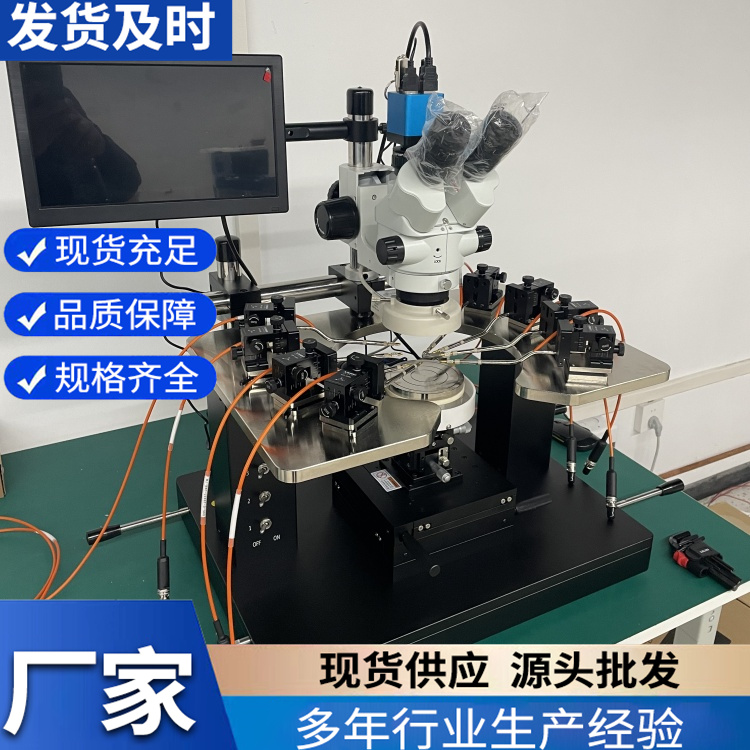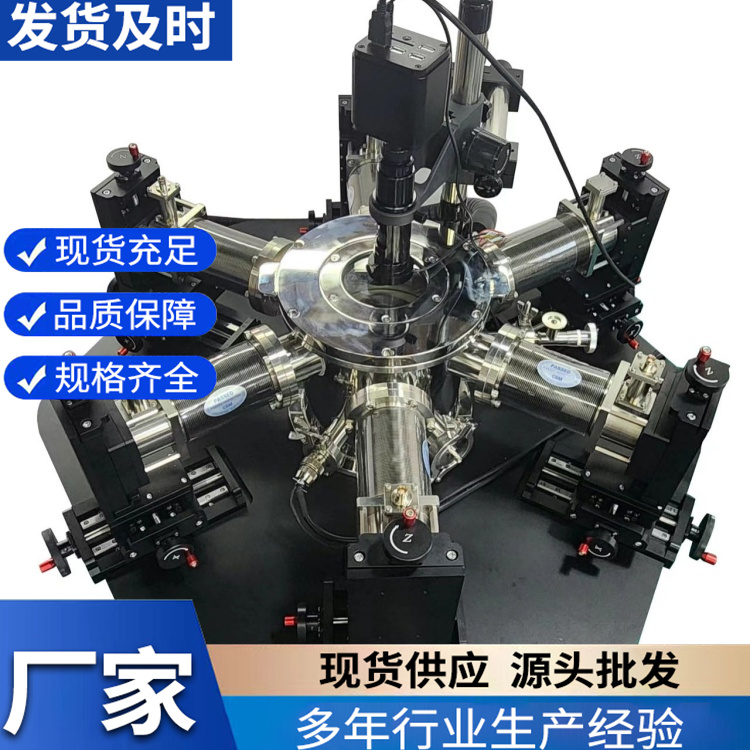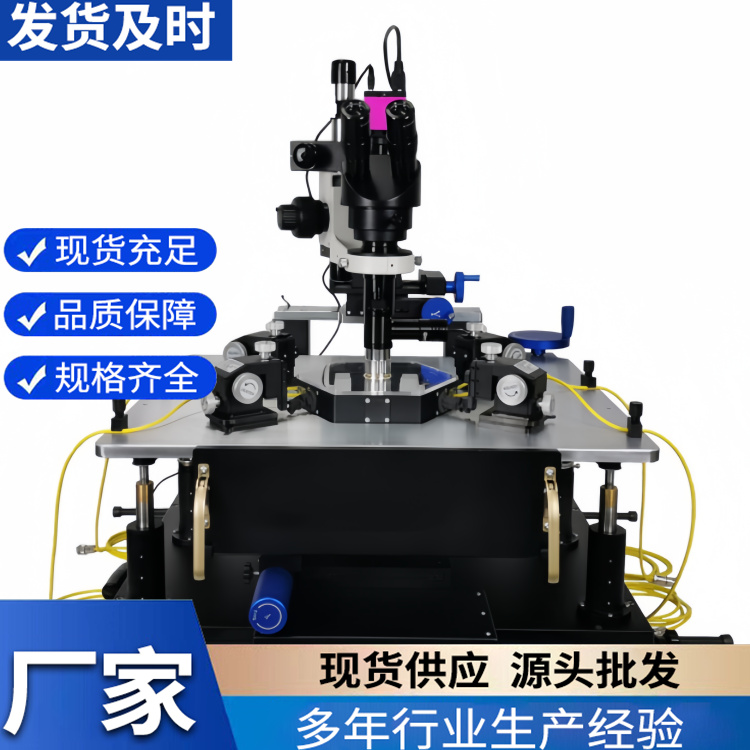














I. Basic Introduction
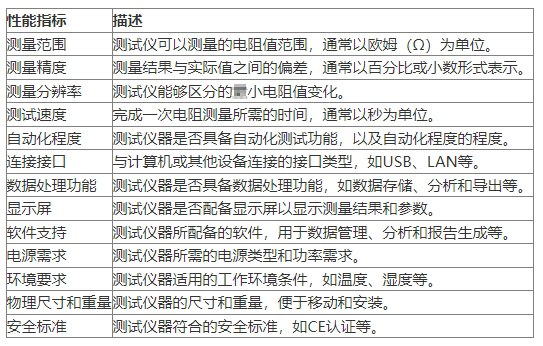
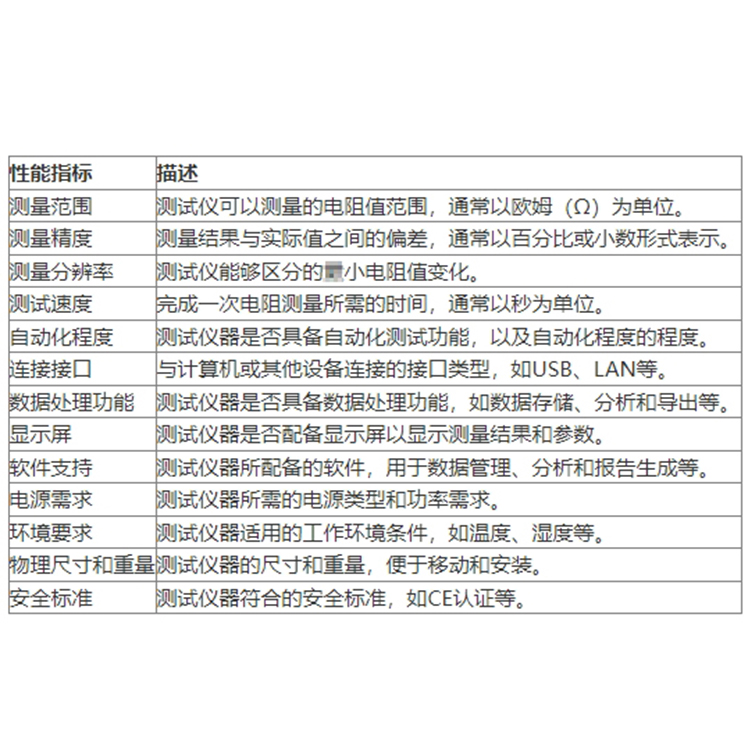
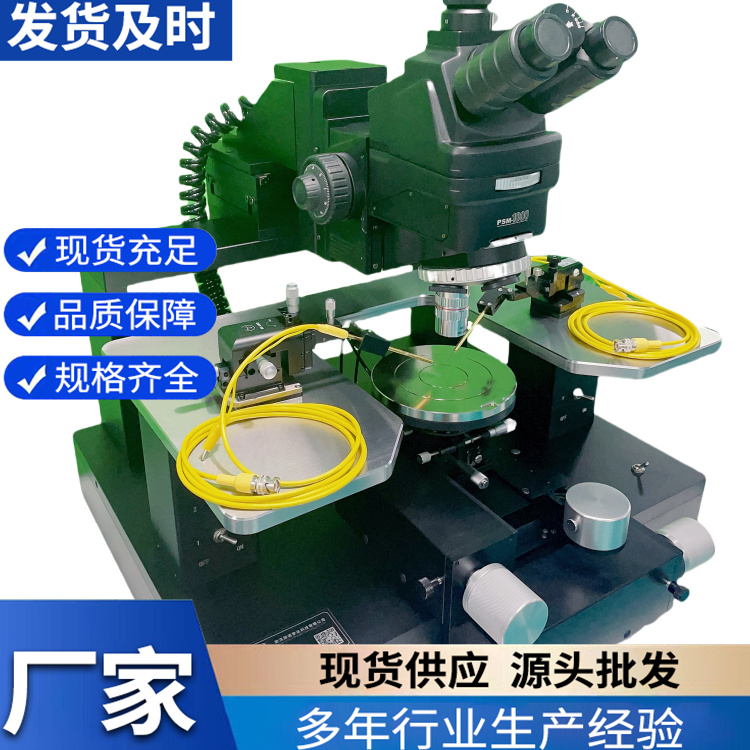
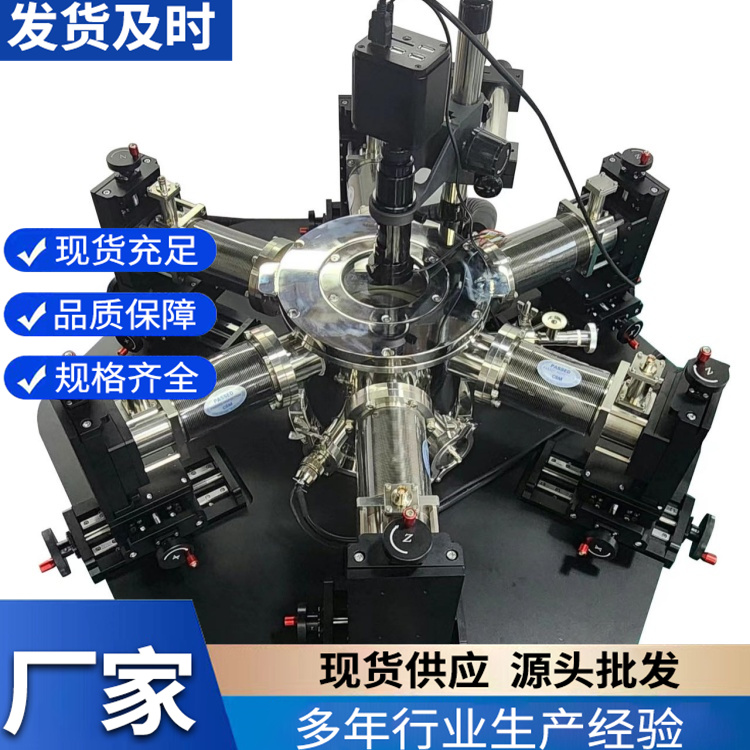
A Resistance Comprehensive Tester is a device used to measure the resistance values in circuits. It is commonly utilized during the production and maintenance of electronic components, circuit boards, and various electronic devices. This testing instrument typically features the following functions and characteristics:
Wide measurement range: The comprehensive resistance tester can measure resistance values from a few microohms to several gigaohms, covering most common resistance values found in electronic devices.
2. High Precision: Equipped with high-precision measurement capabilities, accurately measuring the resistance values within circuits, usually with an accuracy to several decimal places.
3. Versatility: In addition to measuring resistance values, the resistance tester can also have other functions such as capacitance, inductance measurement, and conduction tests, making it more practical during electronic equipment maintenance and troubleshooting.
4. Automation and Efficiency: Many resistance comprehensive testers are equipped with automated testing capabilities, enabling quick and efficient testing of resistances in circuits, along with the generation of test reports. This aids in enhancing production efficiency and product quality.
5. User-Friendly: Most all-in-one resistance testers are designed simply and are easy to operate, allowing even users without professional knowledge to quickly get the hang of them.
6. Connectivity and Data Management: Some all-in-one resistance testers are capable of connecting to computers or other devices, enabling data transmission and management for user convenience in data analysis and storage.