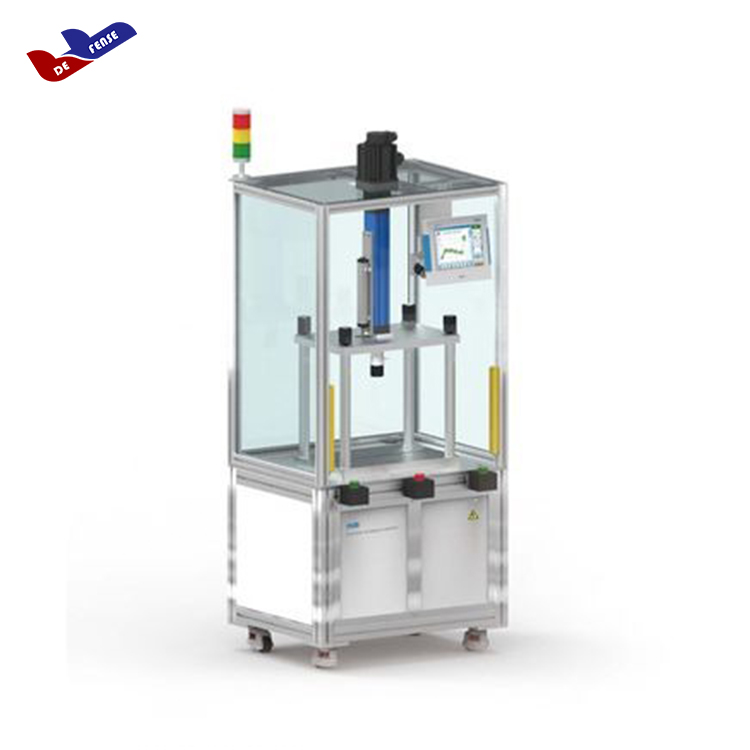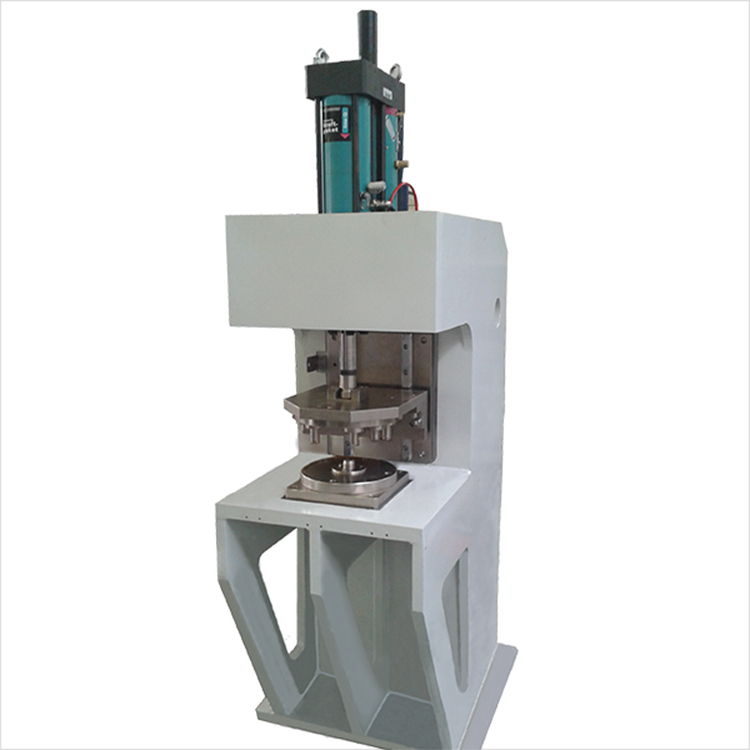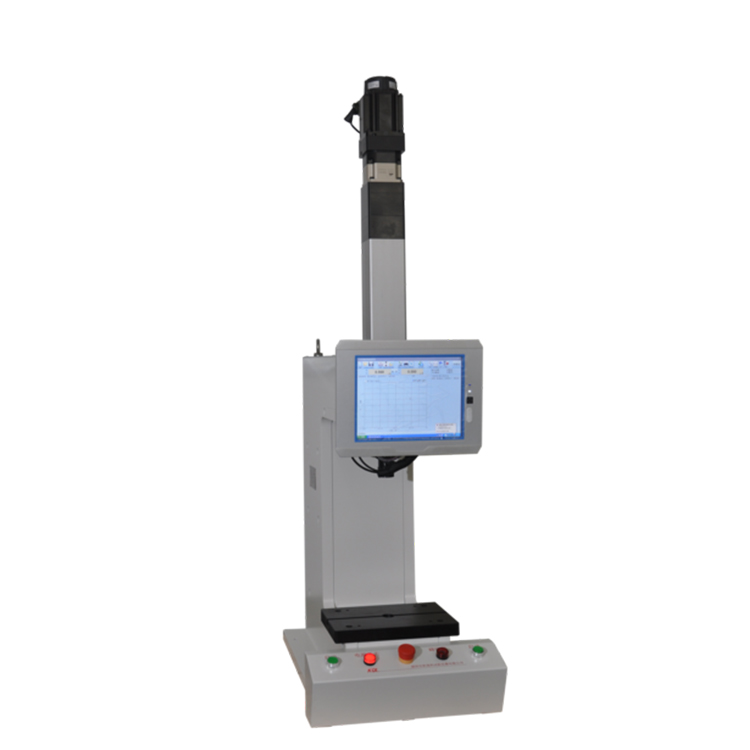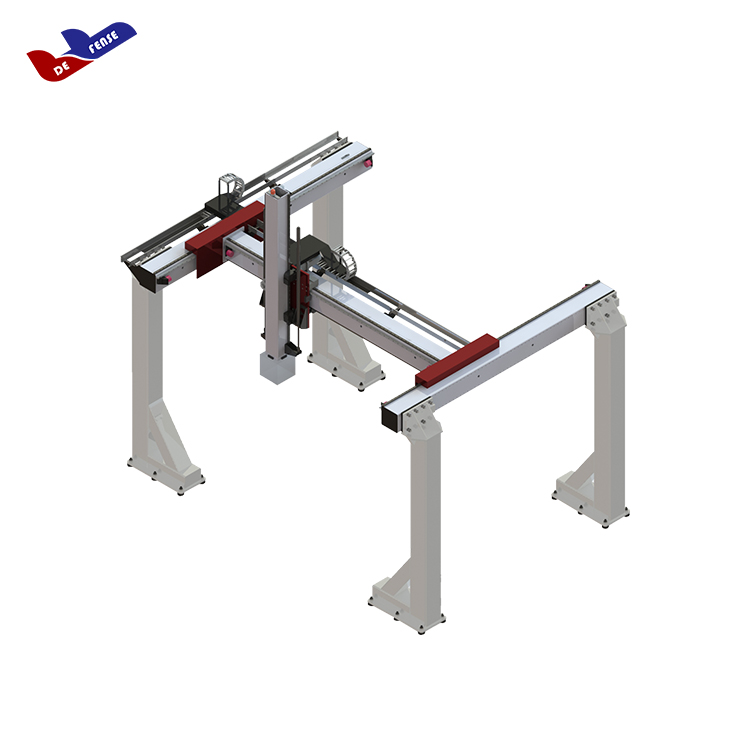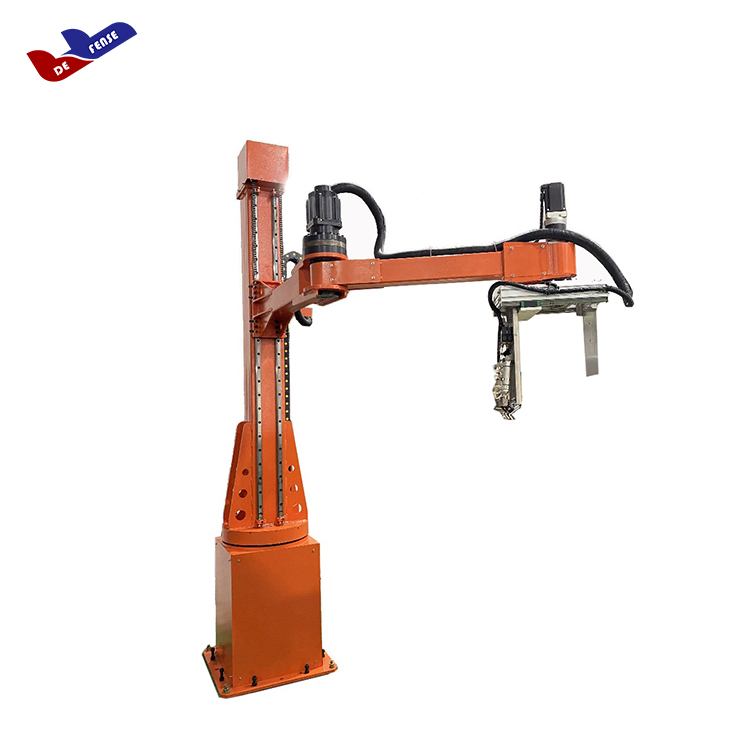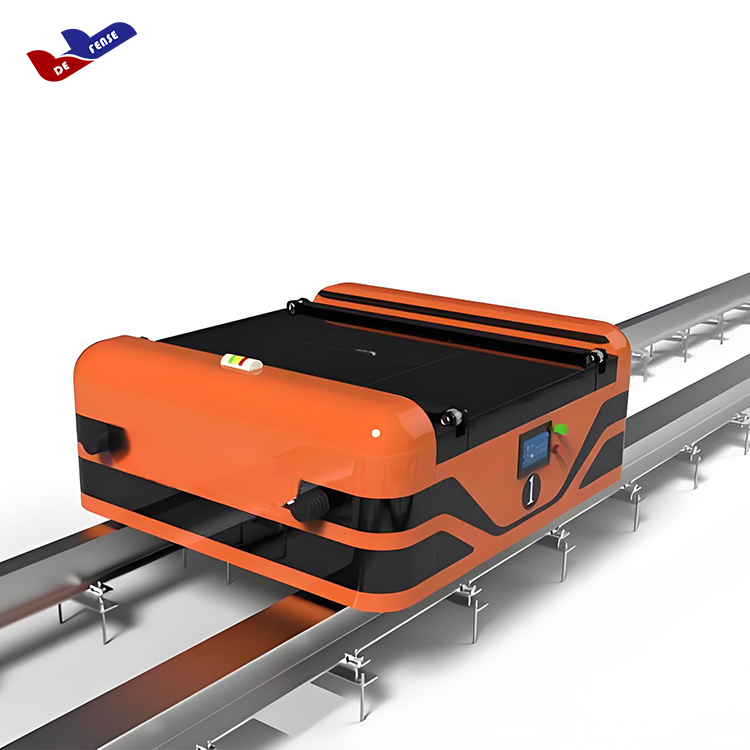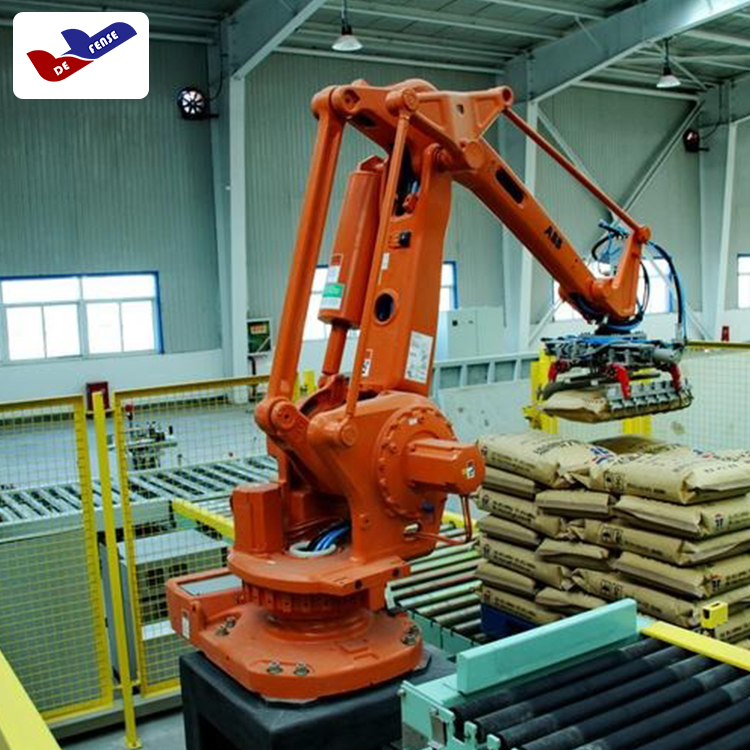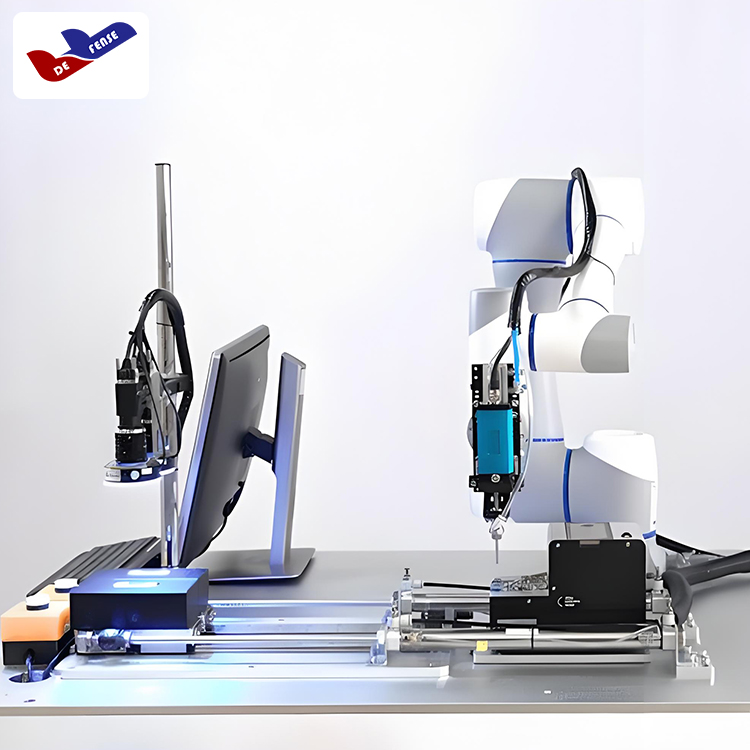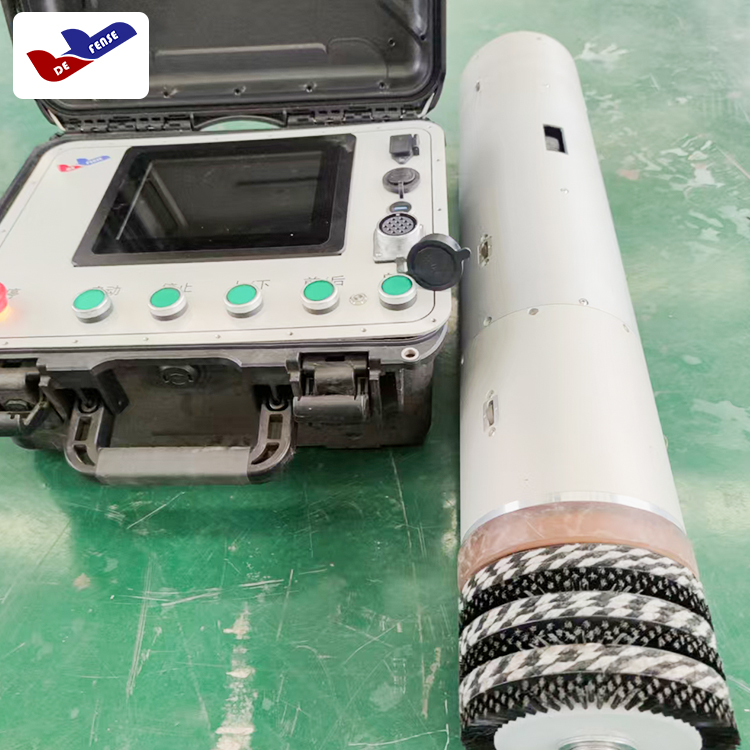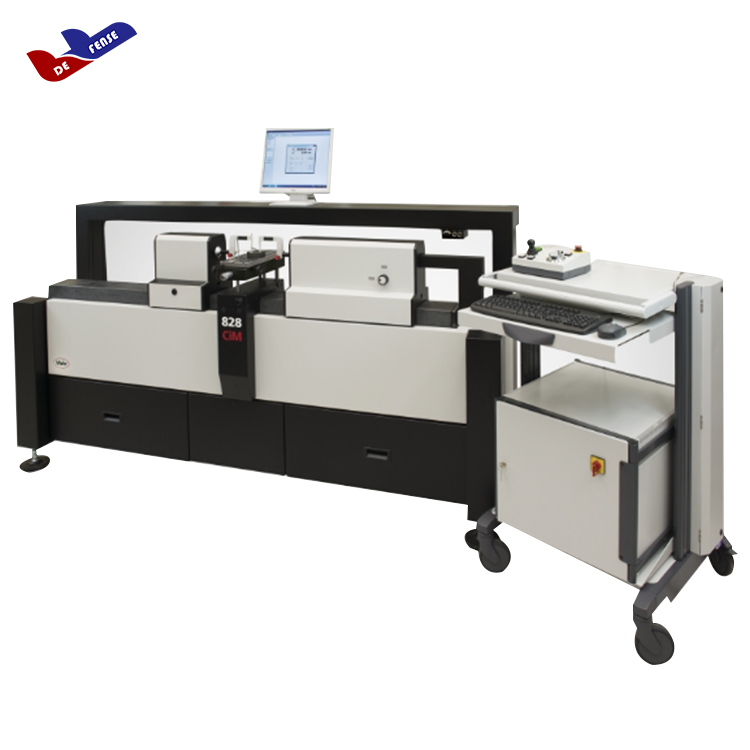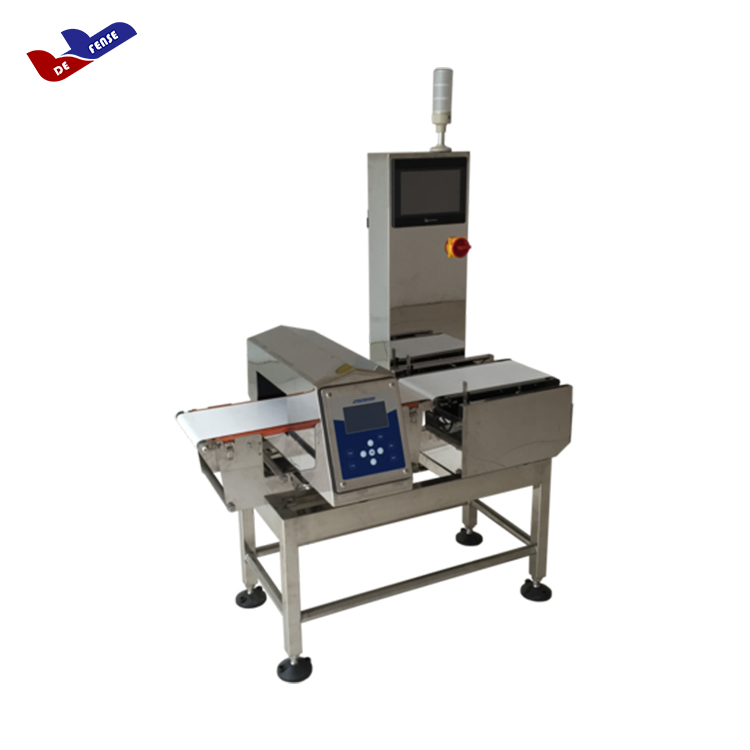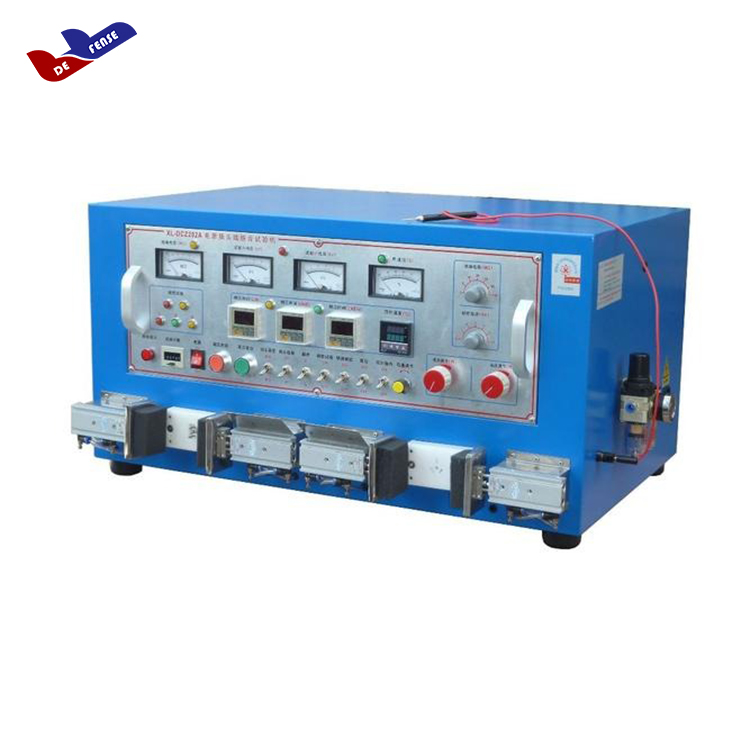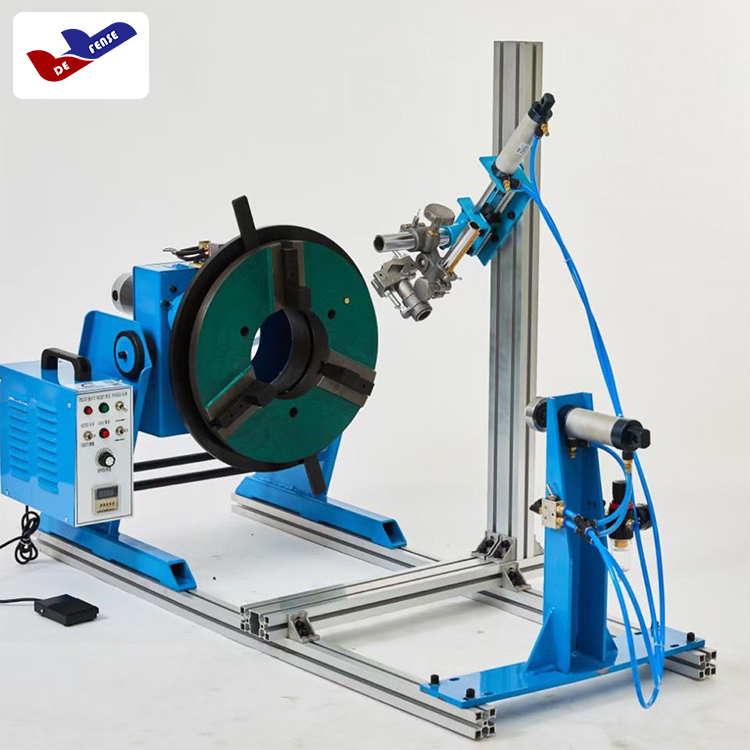


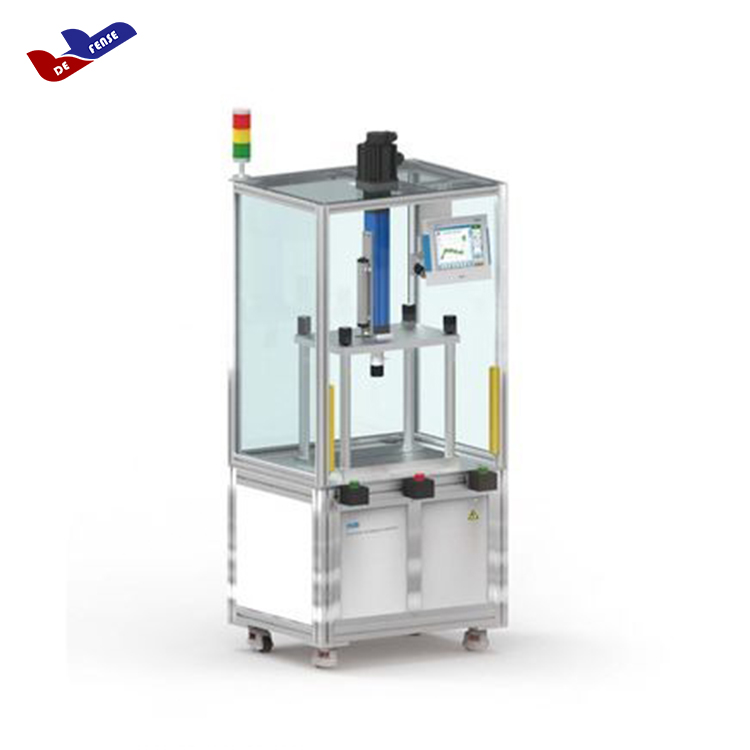

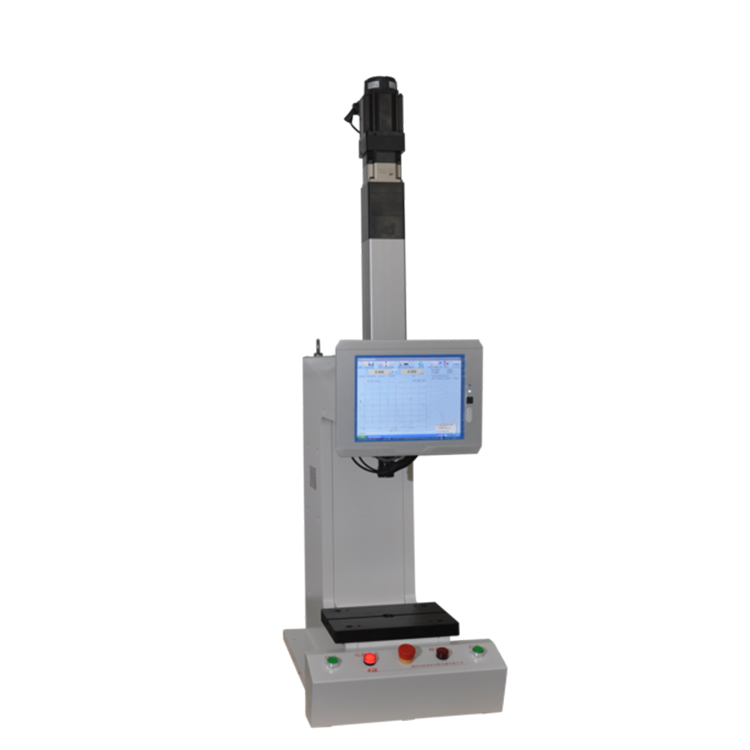








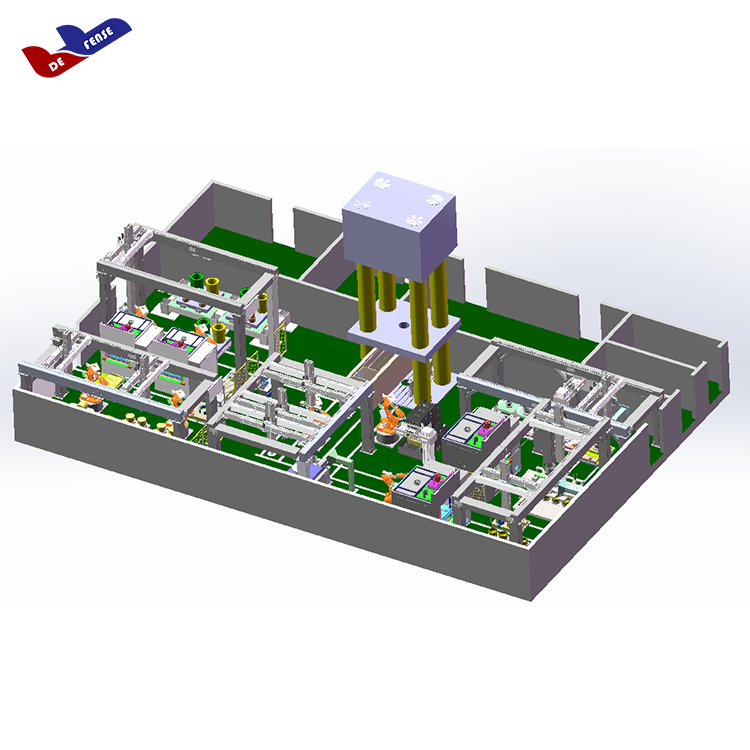
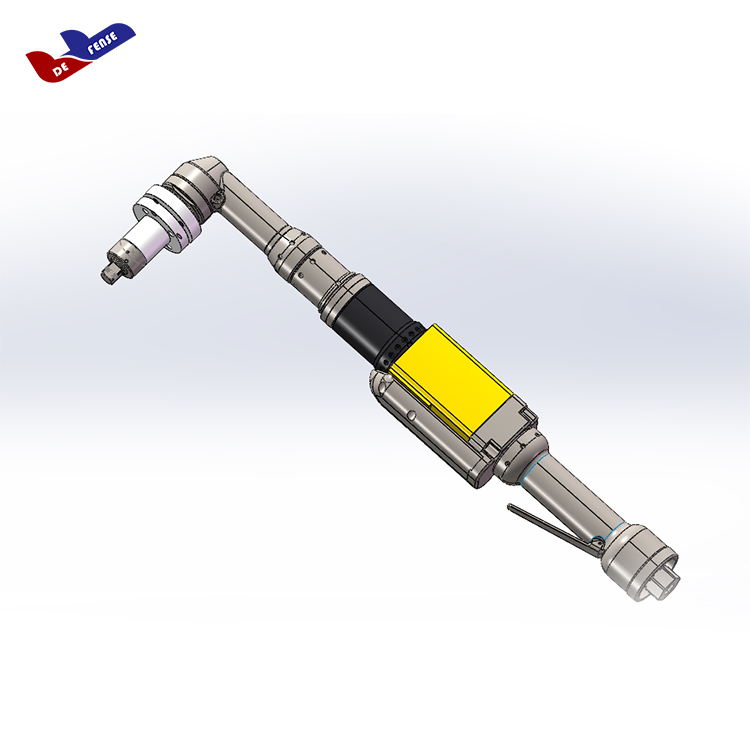
Press-fit machines, also known as press fitters or assembly machines, are automated devices used for precisely assembling various components or parts together. They are commonly employed on production lines requiring high precision, reliability, and efficiency, especially in industries such as electronics, automotive, machinery, and home appliances. Their basic function is to press components into or secure them at predetermined positions, often involving processes like joining, assembly, and sealing. Press-fit machines enable the efficient assembly of components, ensuring accuracy and consistency, particularly when high-precision control is needed.
Automotive Industry:
Automotive Parts Assembly: Including engine component assembly, transmission assembly, cylinder head and gasket installation, bearing and shaft fitting, etc.
Battery Module Assembly: Battery packs and module press fitting for electric vehicles.
2. Electronics Industry
Electronic Component Assembly: including the assembly of components such as integrated circuits (ICs), diodes, sensors, etc.
Connector Pressing: Includes pressing of various plugs, sockets, cable connectors, etc.
- Display Components: Assembly of LED display modules, fixing of LCD panels, etc.
3. Home Appliance Industry
Motor and electronic component assembly: Press fitting of motors, sensors, connectors, etc., for household appliances such as air conditioners, washing machines, refrigerators, etc.
4. Mechanical Manufacturing:
Bearing and gear press fitting: For example, the press fitting assembly of bearings, gears, and shaft sleeves in precision machinery.
Fastener Assembly: Installation of fasteners such as bolts, nuts, and pins.
Section 2: Key Features
Precise Targeting:
During assembly, use positioning devices to ensure correct alignment of components, minimizing assembly errors.
2. Apply Pressure:
- Machines apply sufficient force through pressure systems (hydraulic, pneumatic, mechanical, etc.) to precisely press, insert, or secure parts into designated positions.
3. High Precision Control:
- Precisely control force and displacement during the press fitting process to ensure assembly quality and prevent part damage or deformation. The specialized press fitting machine achieves precise monitoring of the component fitting process through a high-precision control system, ensuring stability and consistency throughout the assembly process.
III. Structure Composition
Press-fit main unit structure:
- Frame: Typically made of high-strength steel, ensuring stability and load-bearing capacity.
- Pressing Systems: Comprising hydraulic or pneumatic systems, servo motors, etc., responsible for applying pressure. Hydraulic pressing is typically used in applications requiring high pressure volumes, while pneumatic pressing is more commonly used for precise assembly.
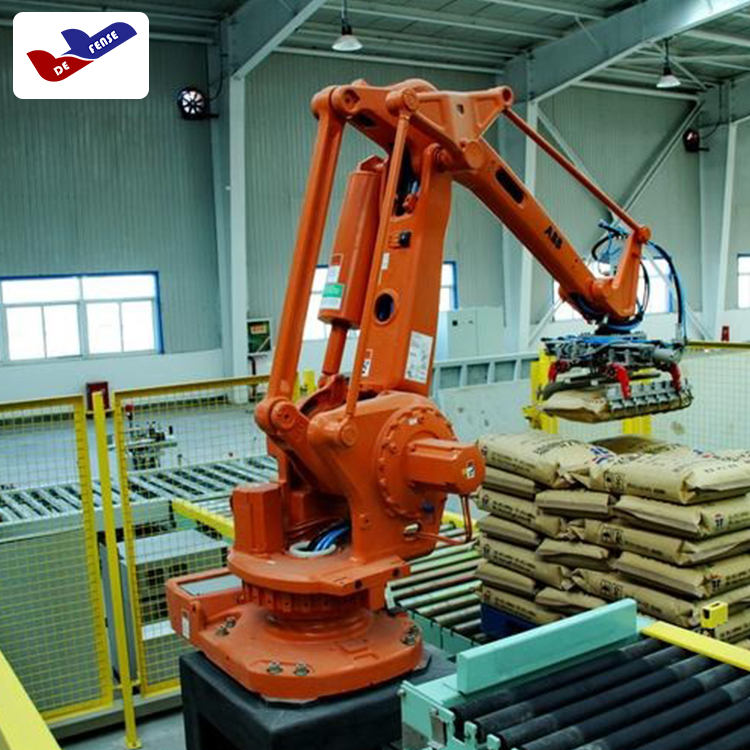
-Automatic feeding device: Such as vibration disks, push rods, robotic arms, etc., used to automatically deliver components to the press-fitting position, ensuring production efficiency.