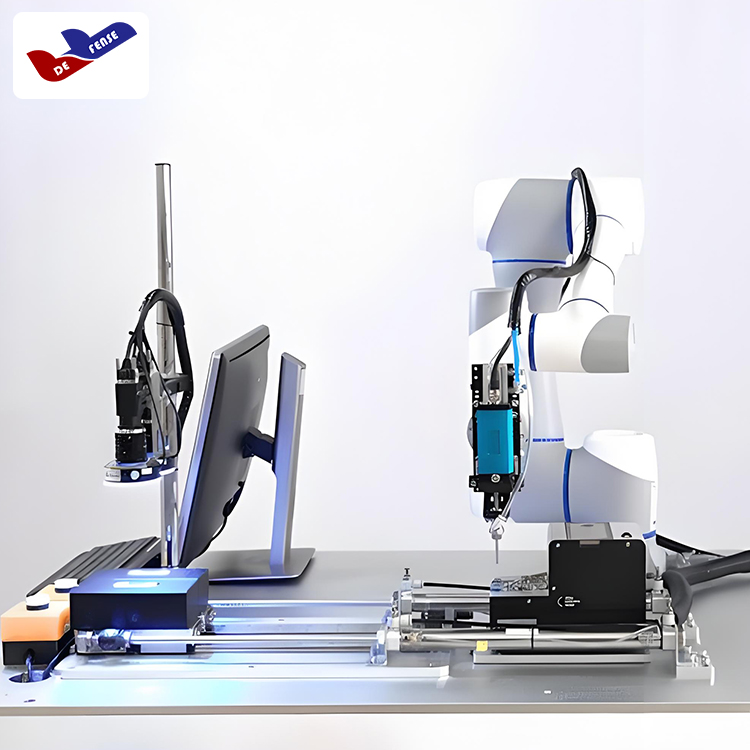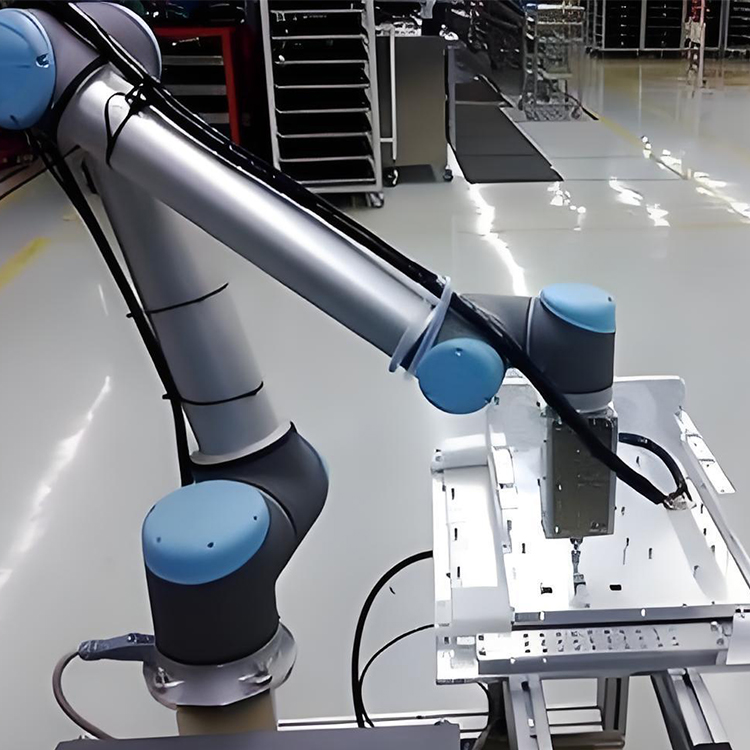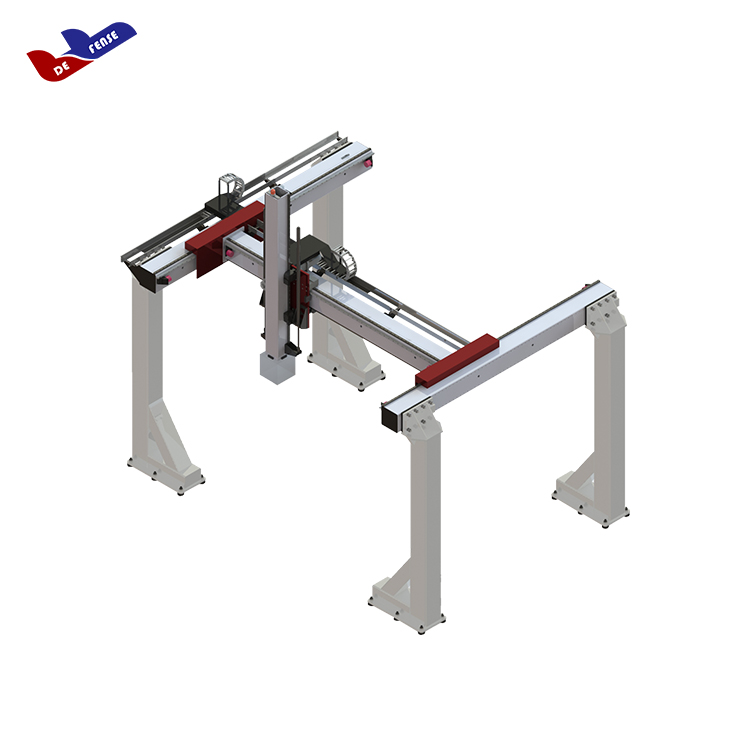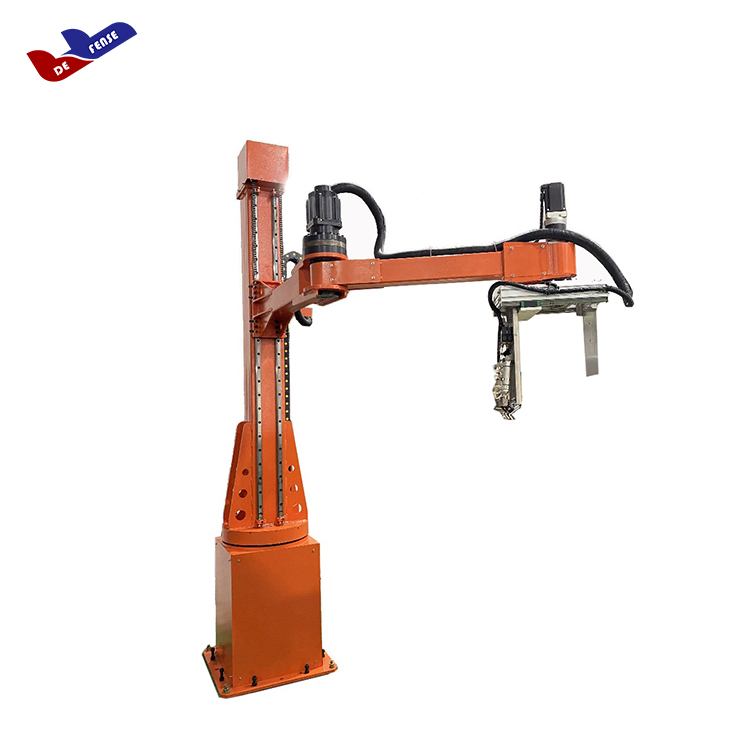

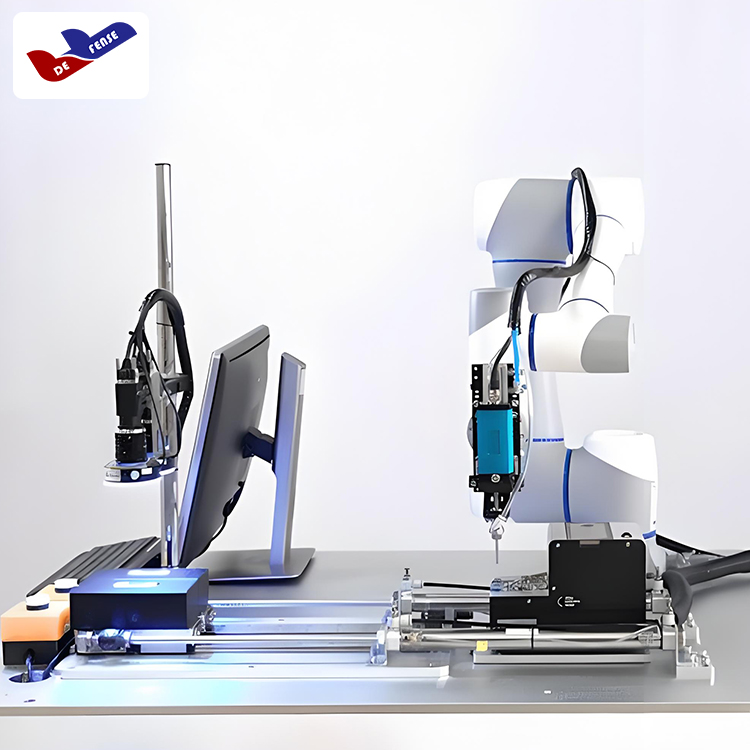


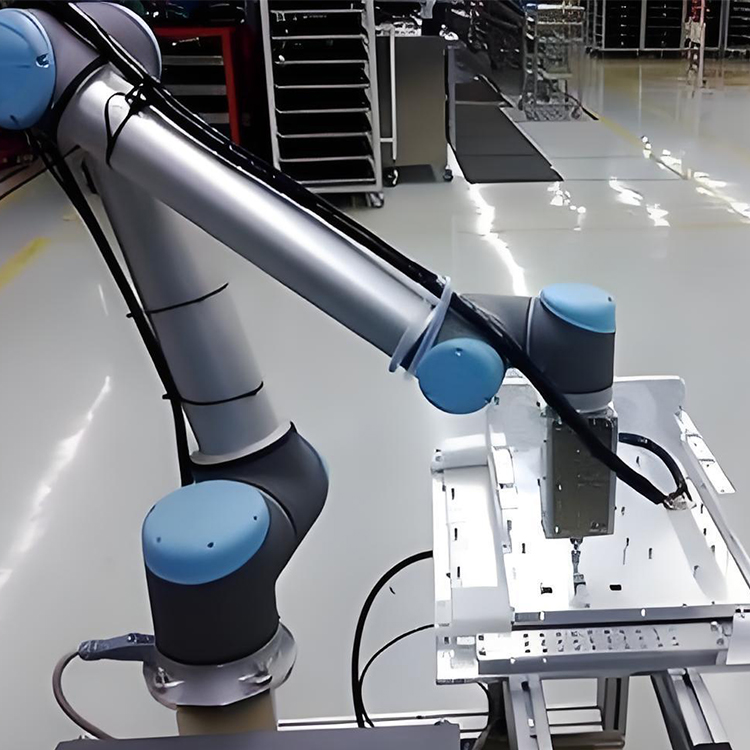


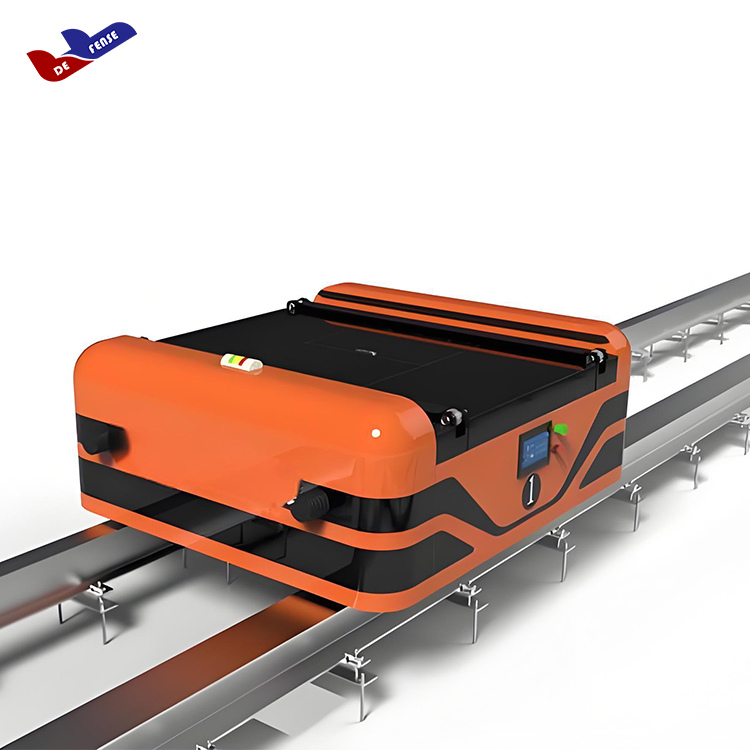
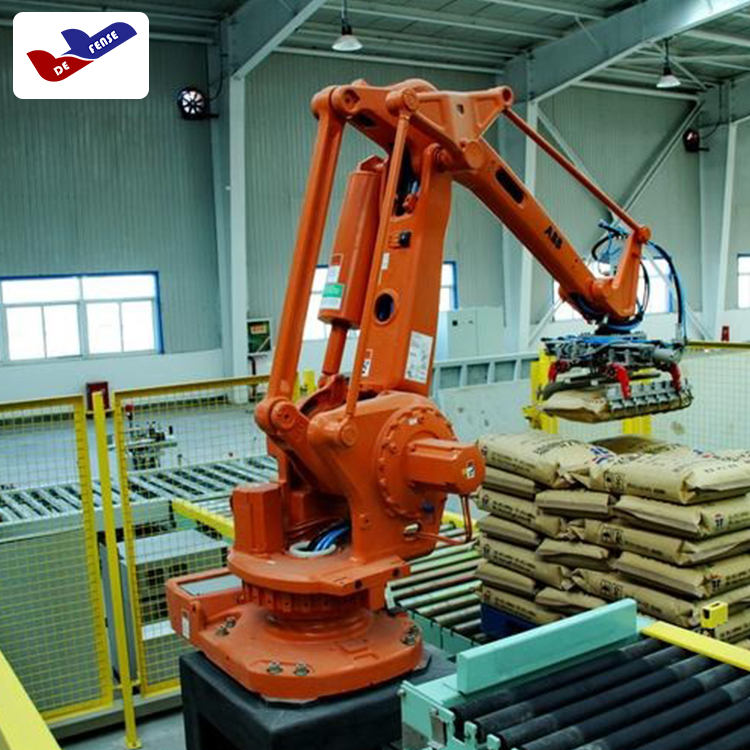





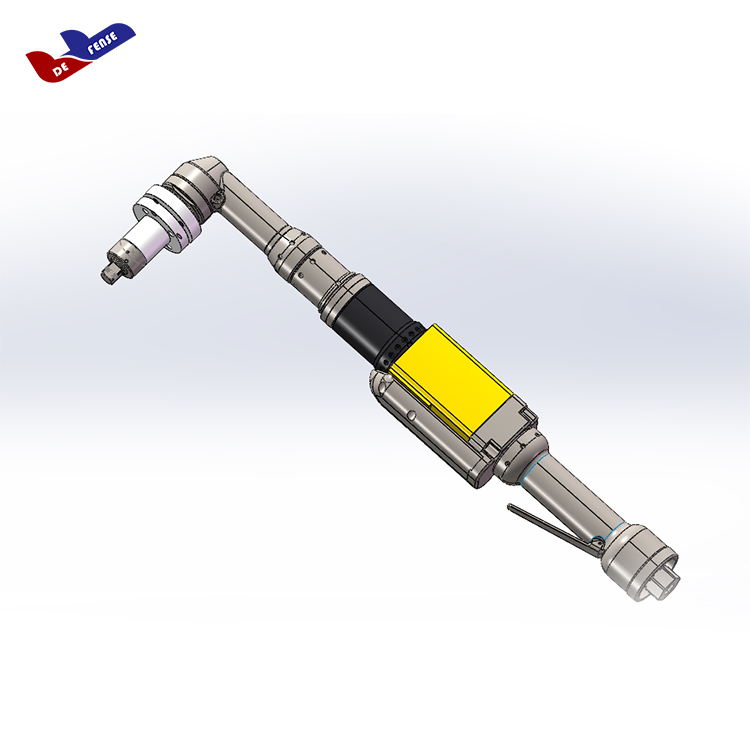
Screw tightening robots are specialized robotic systems designed for automating the process of screw tightening. They are widely used in the manufacturing industry, particularly on assembly lines, to quickly and accurately tighten various types and sizes of screws, ensuring production efficiency and product quality.
I. Application Scenarios
Screw tightening robots, also known as automatic screw locking machines or automatic screw-tightening robots, find extensive applications in the field of industrial automation. Below is a detailed description of their main application scenarios:
Consumer electronics assembly
Application Examples:
During the assembly of consumer electronics such as smartphones, tablets, and laptops, a large number of precision parts require screw tightening.
Advantages:
The screwdriver robot can quickly and accurately complete these tasks, particularly in high-precision screw fastening, greatly enhancing production efficiency and product quality.
2. Home Appliance Manufacturing
Application Examples:
On production lines for home appliances such as air conditioners, refrigerators, washing machines, and TVs, used to secure the outer shell, internal components, and circuit boards.
Advantages:
Reduce human error, enhance assembly speed, and ensure product safety and stability.
3. Machinery and Precision Instrument Assembly
Application Examples:
Screws are an indispensable part in the assembly process of various machinery, precision instruments, medical equipment, and other products.
Advantages:
The screwdriver robot ensures high-precision screw fastening, enhancing the overall performance and reliability of the product.
4. Automotive Manufacturing
Application Examples:
In the manufacturing process of automobiles and automotive parts, screw tightening robots are widely used for securing components such as engines, chassis, and bodies.
Advantages:
Automated screw tightening not only boosts production efficiency but also guarantees the quality of component fastening, thereby enhancing the overall performance and safety of vehicles.
Aerospace Industry
Application Examples:
During the assembly of certain structural components and system equipment in aircraft and spacecraft, precise and efficient screw-tightening operations are required.
Advantages:
The screwdriver robot features high precision, high speed, high-temperature resistance, and vibration resistance, meeting the strict requirements of the aerospace industry for product quality and reliability.
6. Furniture Manufacturing
Application Examples:
In the assembly process of flat-pack furniture, office furniture, and similar products, a screwdriver robot can be utilized to enhance assembly efficiency.
Advantages:
Reduce labor intensity, enhance production speed, and ensure the assembly quality of furniture.
7. Packaging Machinery & Printing Equipment
Application Examples:
In the construction of packaging machinery and printing equipment, many parts are connected by screws.
Advantages:
Using screwdriver robots can reduce human error and enhance assembly speed, thereby improving the overall performance of the equipment.
8. Toys and Model Assembly Sets
Application Examples:
In the fields of plastic toys, electronic toys, and model assembly kits, automatic screw locking technology may also be employed to enhance assembly efficiency.
Advantages:
Increase production efficiency, reduce production costs, and ensure the assembly quality of products.
II. Main Functions
1. Automatic screw tightening. They quickly identify screw positions and perform tightening operations through precise sensors and control systems, thereby achieving automation on the production line.
Efficiency:
Compared to manual operation, screw tightening robots significantly improve both speed and accuracy, greatly enhancing production efficiency.
Stability:
- During extended continuous operations, the screw tightening robot maintains consistent torque, ensuring each screw is securely fastened in the product, thus preventing quality issues caused by improper tightening.
2. Addressing the fastening points for various screws
Flexibility:
- The screwdriver robots are designed with flexibility in mind, allowing for versatile rotation within the workspace to handle multiple screw fixing points. This means they can accommodate various shapes and sizes of products, as well as screws fixed at different positions and angles.
Adaptability:
- No matter the size of the area or the depth required, the screwdriver robot can be adjusted to meet the needs, ensuring better task completion. This adaptability allows them to be widely used across various production lines.
3. Portable and lightweight
Lightweight design:
Screw tightening robots are typically made from lightweight materials, making them easy to install and move to different work positions without the need for additional heavy equipment or fixtures.
Convenience:
- During operation, the robot's position and angle can be quickly adjusted as needed to accommodate various production environments and task requirements.
4. Smart Control and Detection
Intelligent Control System:
- The screw tightening robot is equipped with an intelligent control system, which operates according to pre-set programs and continuously monitors the screw-tightening status and product quality in real-time.
Inspection Function:
- During the tightening process, the device's built-in sensors monitor the torque, angle changes, and proper alignment of the screws in real-time to determine if they are correctly installed and meet the preset process requirements. Should any defects be detected (such as stripped threads, loose locks, or over-tightening), the robot will immediately halt operation and trigger an alarm to ensure product quality.
5. Collaboration & Security
Collaborative
- As a representative of collaborative robots, screwdriver robots can work under the guidance of human workers, providing strong support for manual labor operations. They are capable of working alongside human workers on the same production line, enhancing overall production efficiency.
Safety:
- These robots are equipped with a more intelligent safety system that immediately halts operation upon detecting any abnormal situations (such as workers entering hazardous areas), ensuring staff safety.
Section 3: Structural Composition
Robot Base
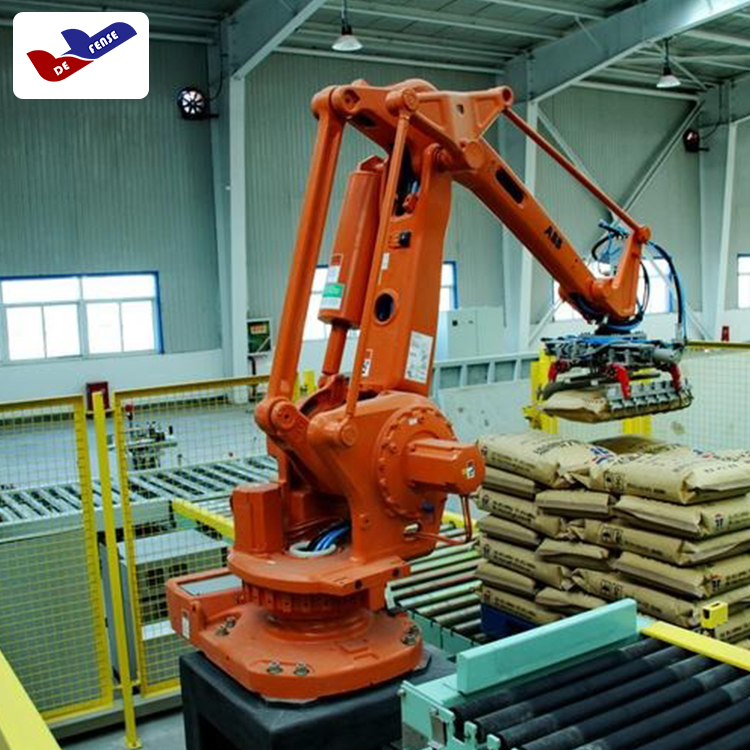
- Robot Arm: The main structure of the screw-tightening robot, typically composed of multiple joints and links, enabling flexible motion with multiple degrees of freedom. The end of the robot arm usually features specialized screw-tightening tools, such as an electric screwdriver or an air-powered screwdriver.
- Drive System: The system that powers the robotic arm, which can be electric, hydraulic, or pneumatic. The drive system is responsible for controlling the speed and position accuracy of the robotic arm.
2. Screw Supply System
Screw Storage Device: Used for holding screws awaiting tightening, which can be vibration trays, roller feeders, or straight-line feeders, etc. These devices ensure that screws can be smoothly picked up by robots when needed.
Screw Feeding Mechanism: Transports screws from the storage device to the tightening unit at the robot's end. This typically involves some intricate mechanical structures and transmission mechanisms.
3. Workpiece Locating System
- Workpiece Clamp: Used to secure the workpiece with screws to be tightened, ensuring the workpiece does not move or deform during the tightening process. The design of the clamp is typically adjusted according to the shape, size, and material of the workpiece.
Positioning Sensors: Used to detect the position and orientation of workpieces, ensuring robots can accurately tighten screws to the designated location. Common positioning sensors include laser rangefinders, vision sensors, etc.
4. Control System
- Master Controller: Responsible for receiving information from various sensors, processing data, making decisions, and then controlling the movement of the robotic arm and the operation of the screw-tightening device. The master controller typically boasts powerful computational and storage capabilities.
- Motion Controller: Used to control the movement trajectory and speed of robotic arms, ensuring that the robot can move along a predetermined path and at the specified speed. The motion controller typically works in close coordination with the main controller to achieve precise motion control.
Human-Machine Interface: Used for operators to interact with robots, such as setting parameters, monitoring status, etc. The human-machine interface typically features a user-friendly interface and easy-to-use functions.
5. Visual System (Optional)
- Camera: Used to capture images of the workpiece surface, identifying the position and features of screw holes. The camera is typically mounted at the end or near the mechanical arm to ensure clear image capture.
Image processing algorithms: Used to process images captured by cameras, identify the position and features of screw holes, and feed this information back to the control system. These algorithms can handle various complex image information, such as changes in lighting and shadow interference.
In summary, the structural composition of the screwing robot includes the robot body, screw supply system, workpiece positioning system, control system, and an optional vision system, among other components. These parts work together to achieve automated screw tightening, enhancing production efficiency and product quality.
The following will describe some performance specifications of the screw tightening robot: