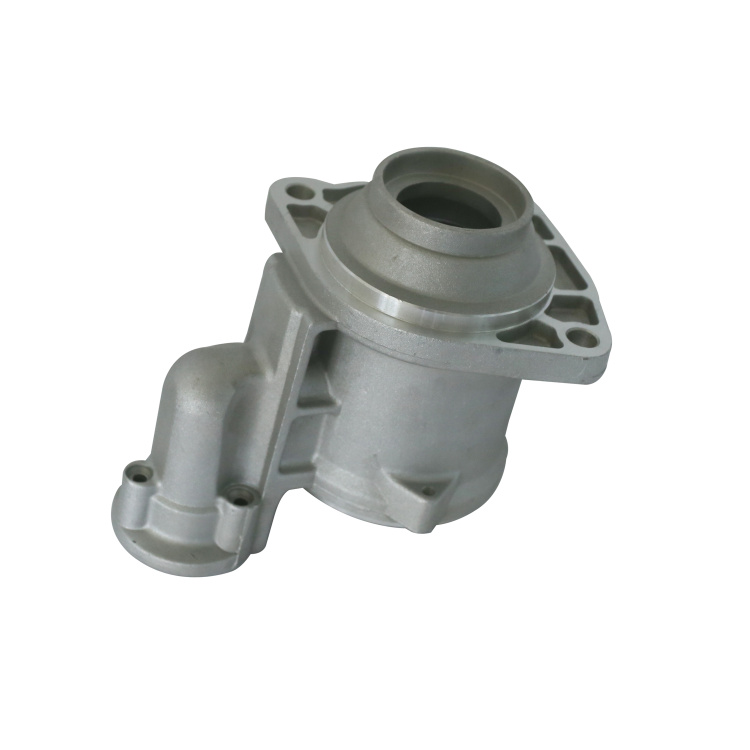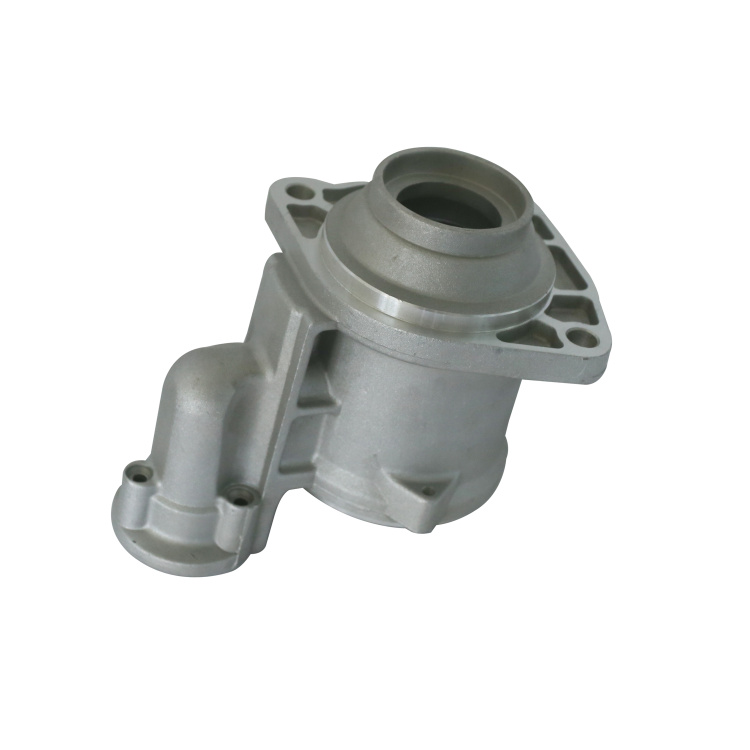

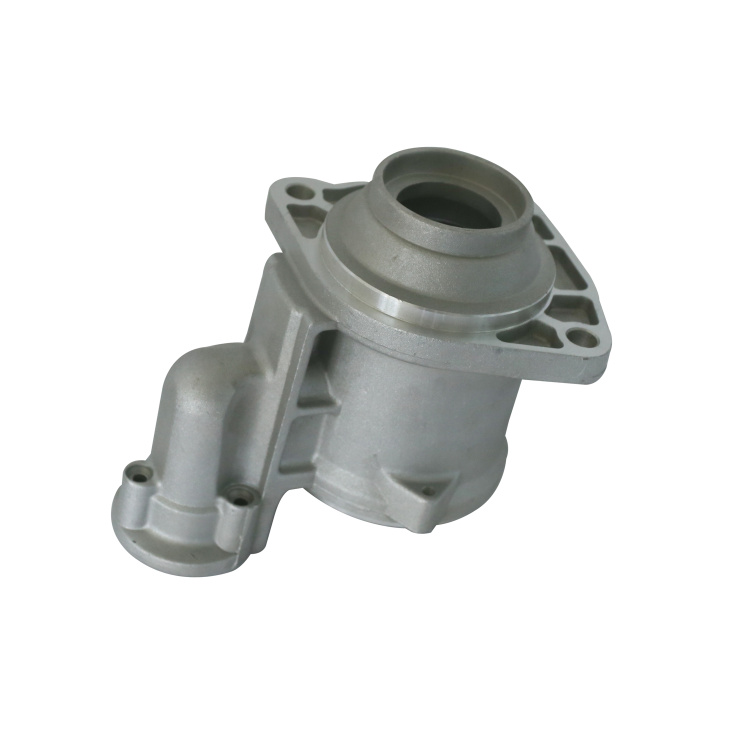


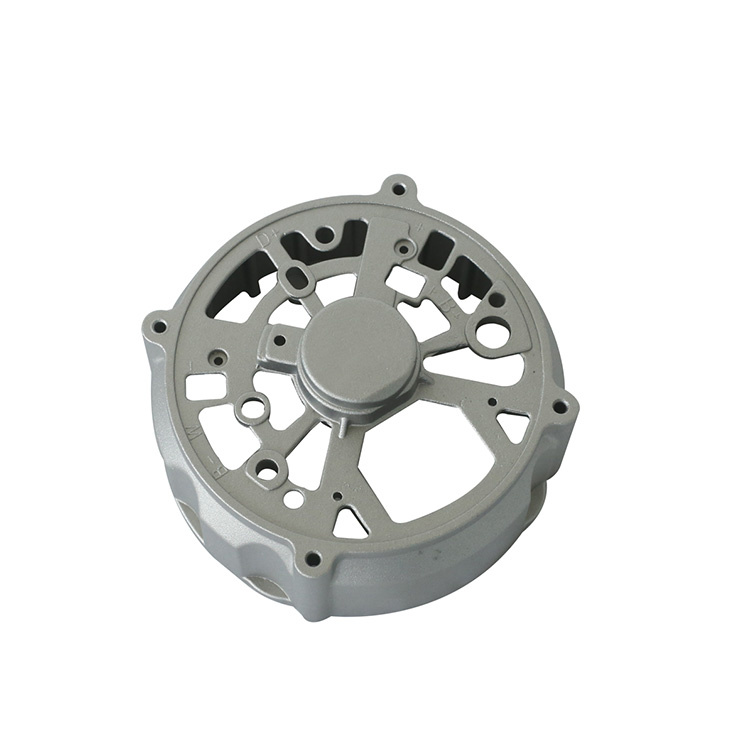
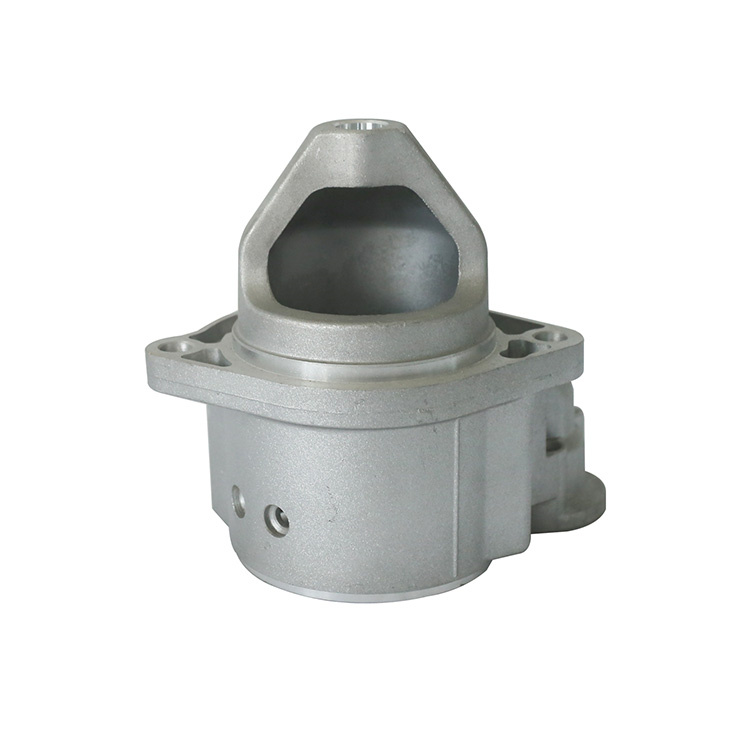
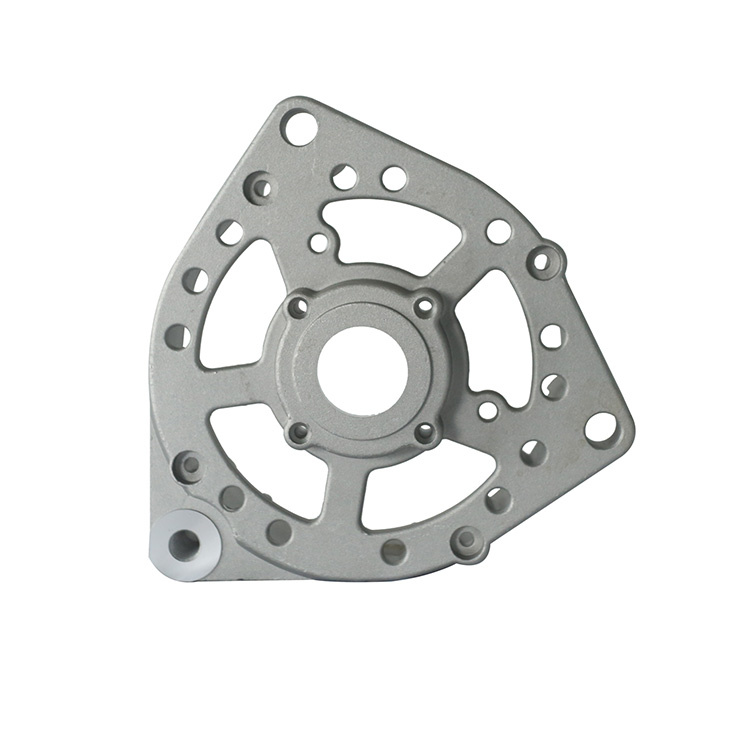
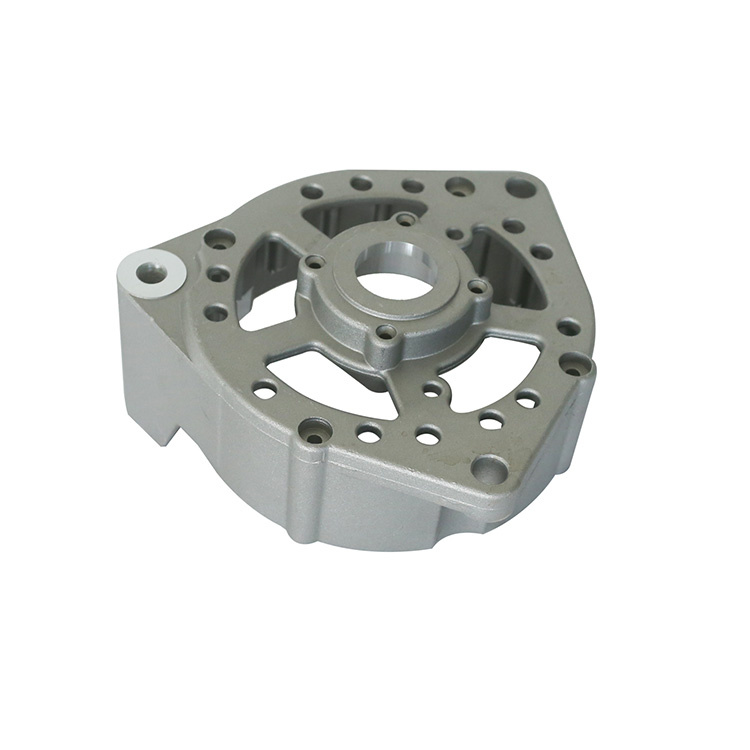
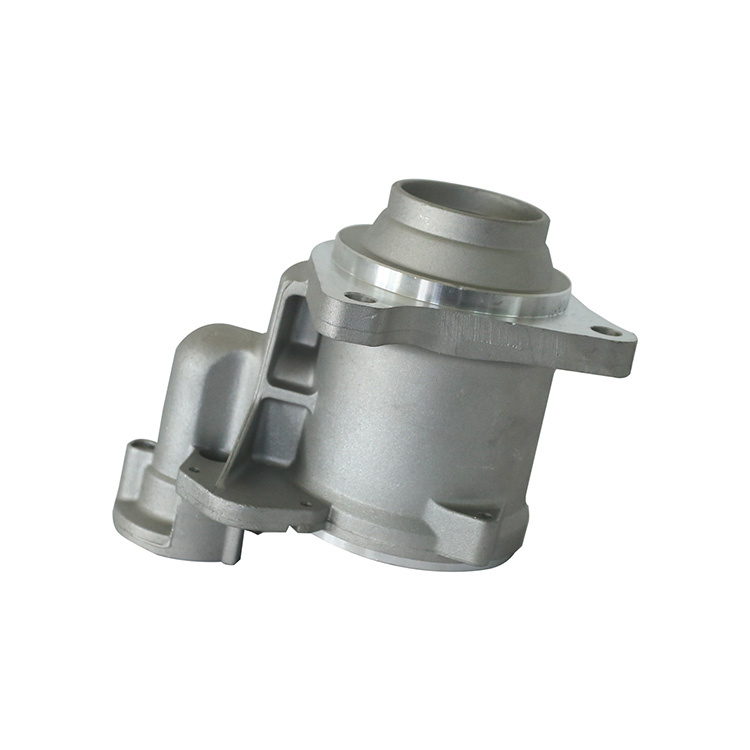





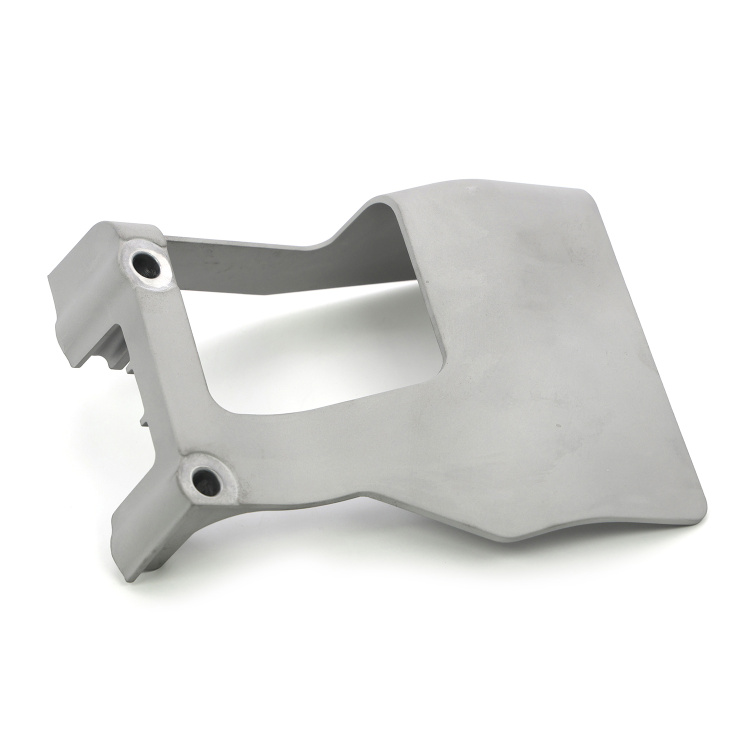
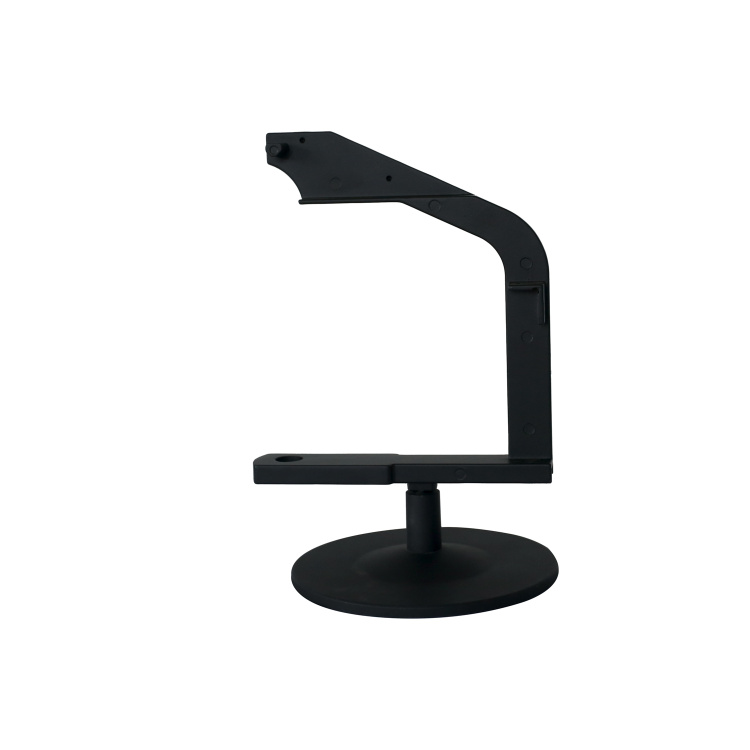

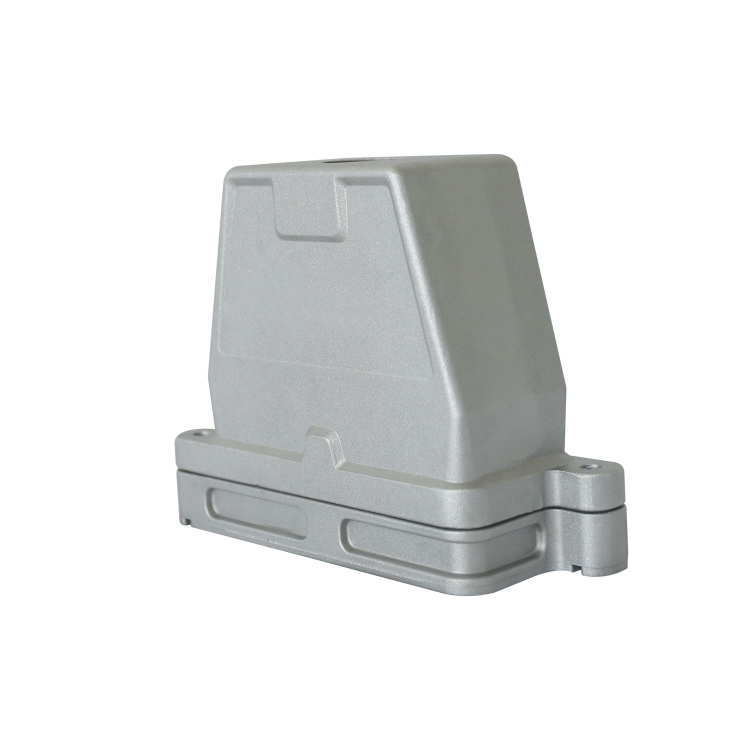

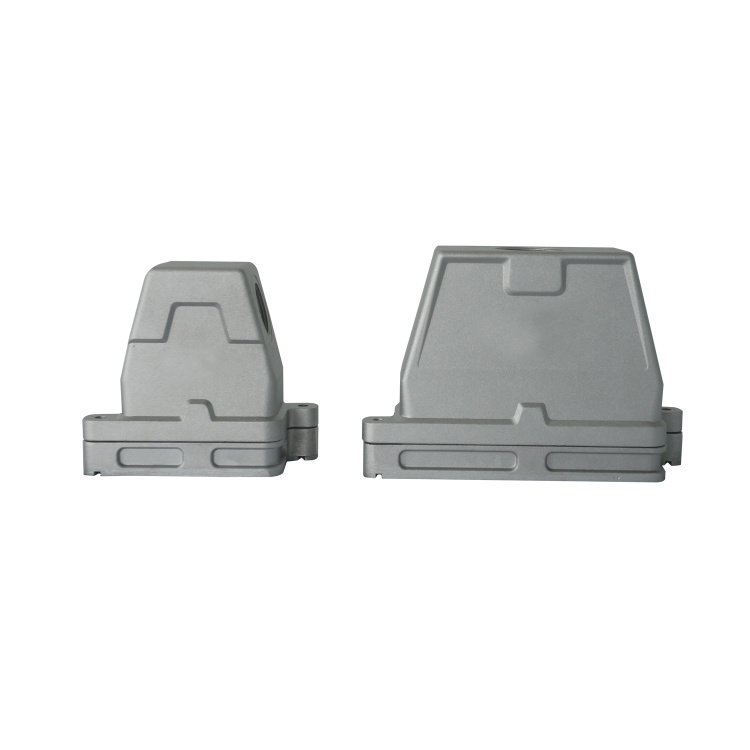
Motor housing encapsulation refers to the process of assembling electrical, electronic, and mechanical components inside the motor and then encapsulating them with a housing.
Its primary function is to protect the internal components of the motor from damage and interference caused by external factors such as dust, moisture, and electromagnetic interference, while also enhancing the motor's heat dissipation performance and protection level, ensuring the motor's safety and stability.
The design and manufacturing requirements for motor housing encapsulation take into account various factors, such as the rationality of the mechanical structure, the reliability of the encapsulation materials, the requirements for sealing and protection level, as well as electromagnetic compatibility.
Therefore, the research and development of motor housing encapsulation technology involves knowledge and techniques from multiple fields, and in-depth study and exploration are required in areas such as materials, processes, and assembly.