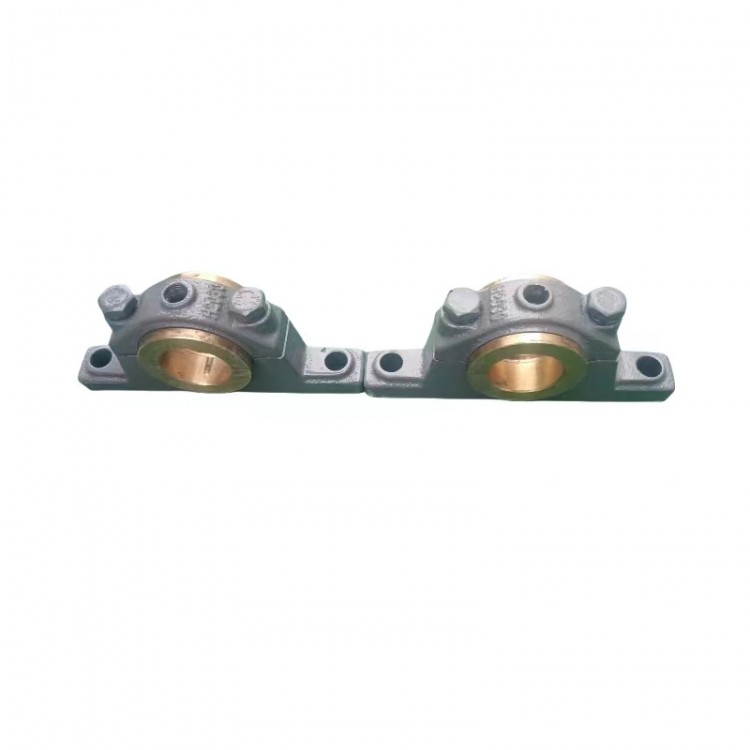
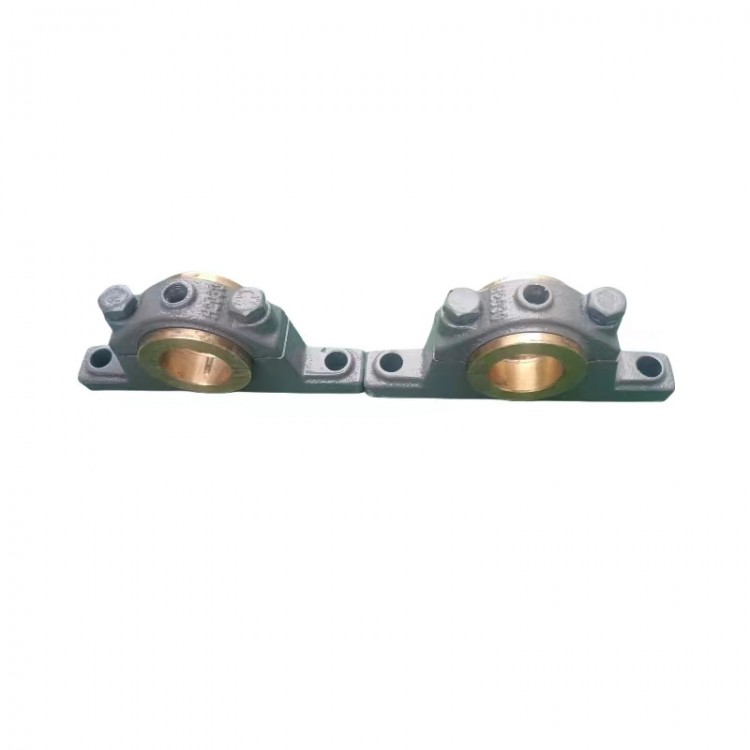
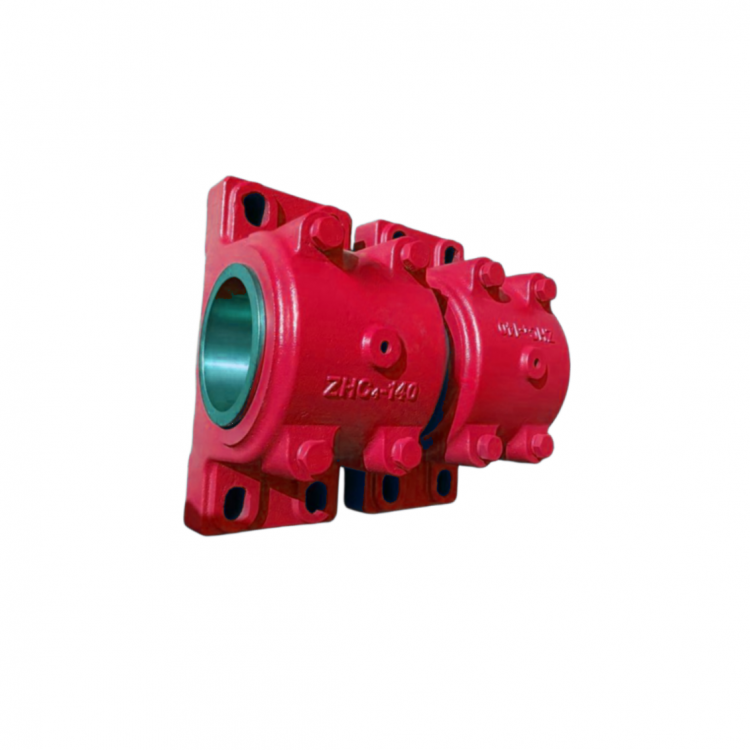
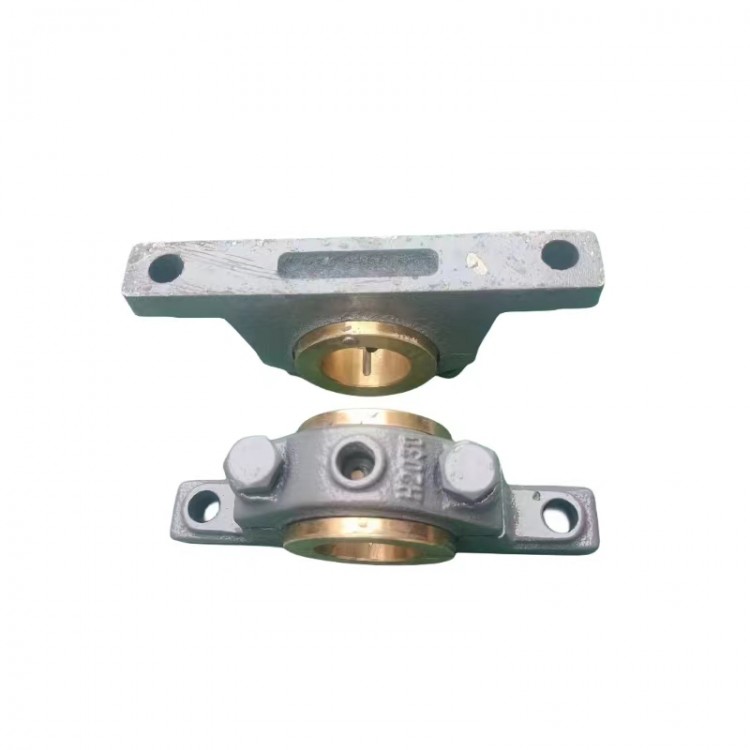
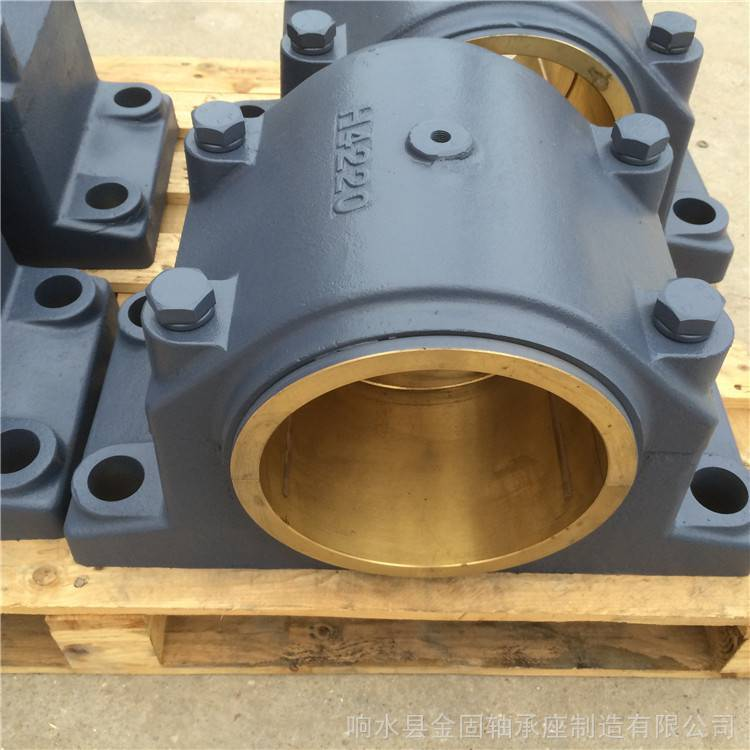
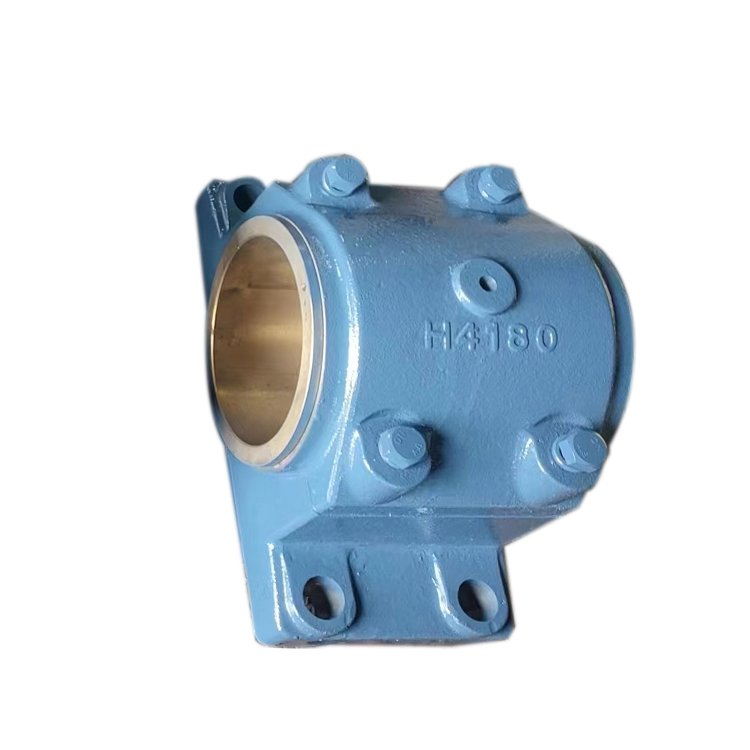
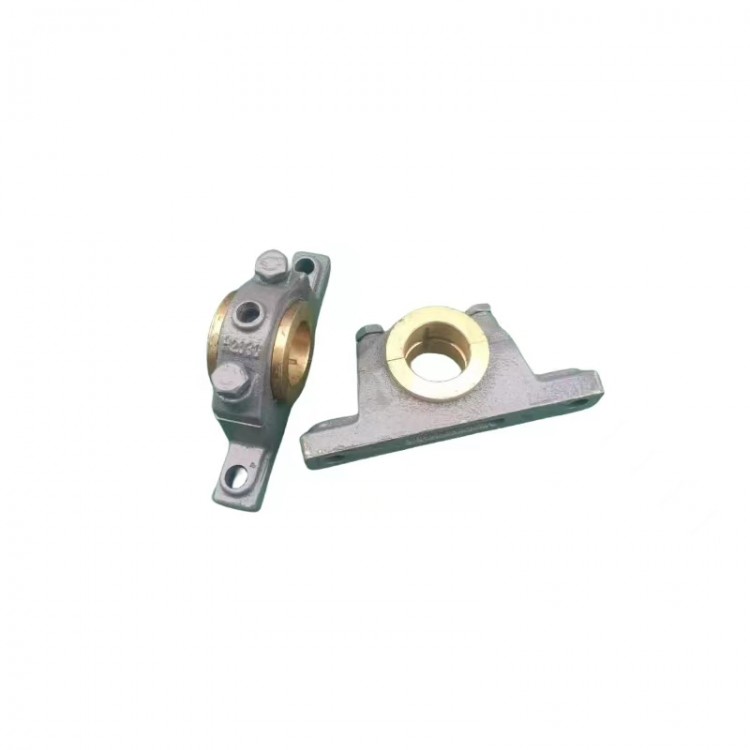
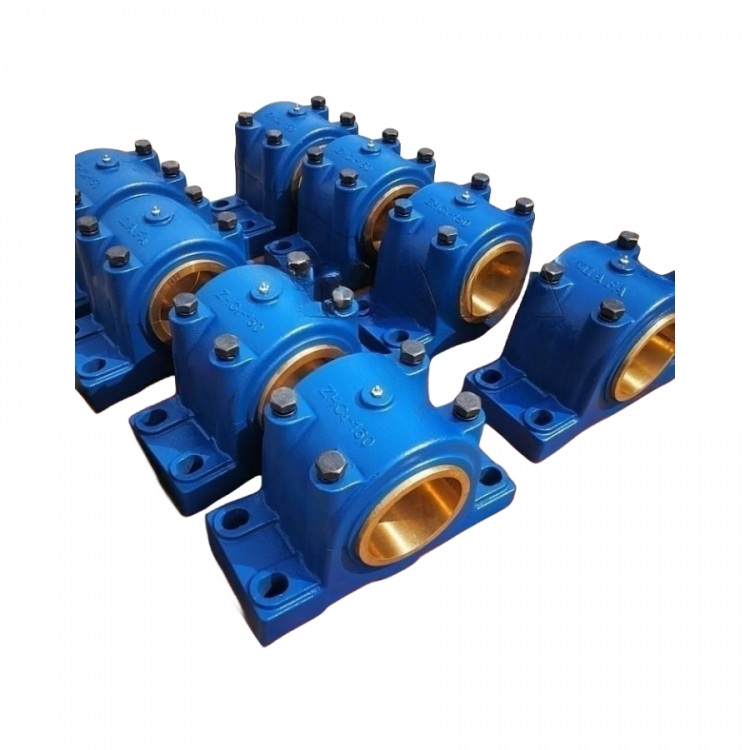
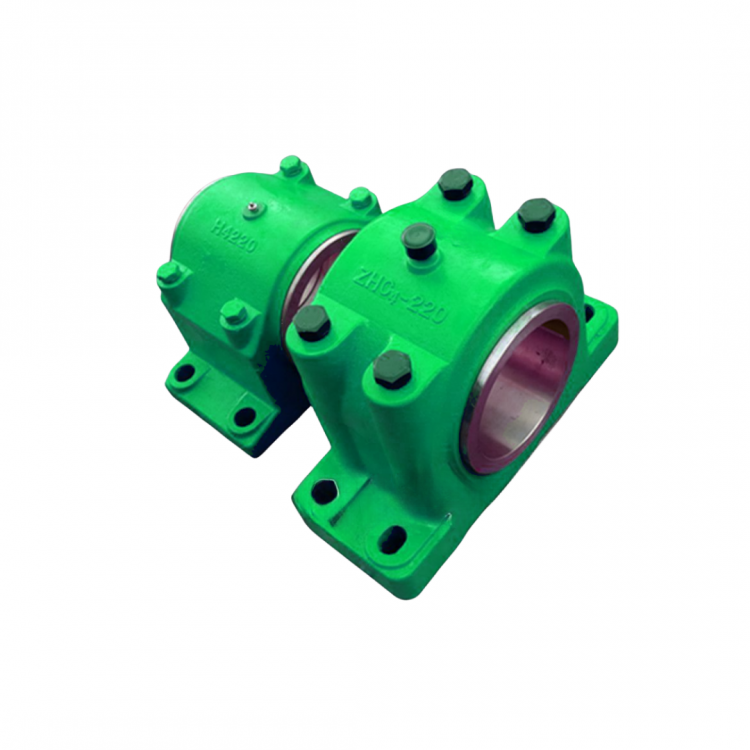
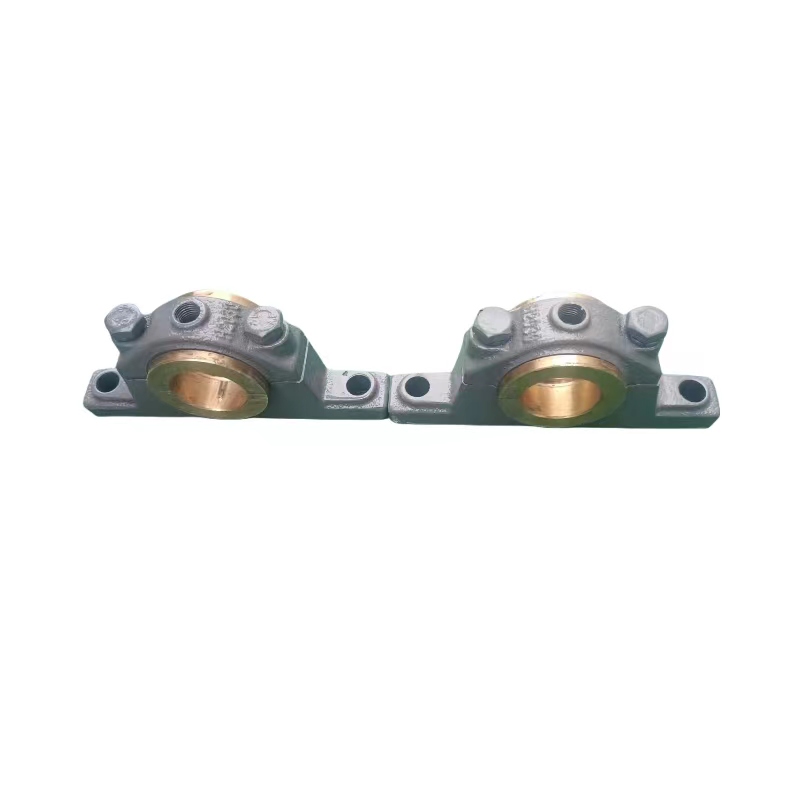
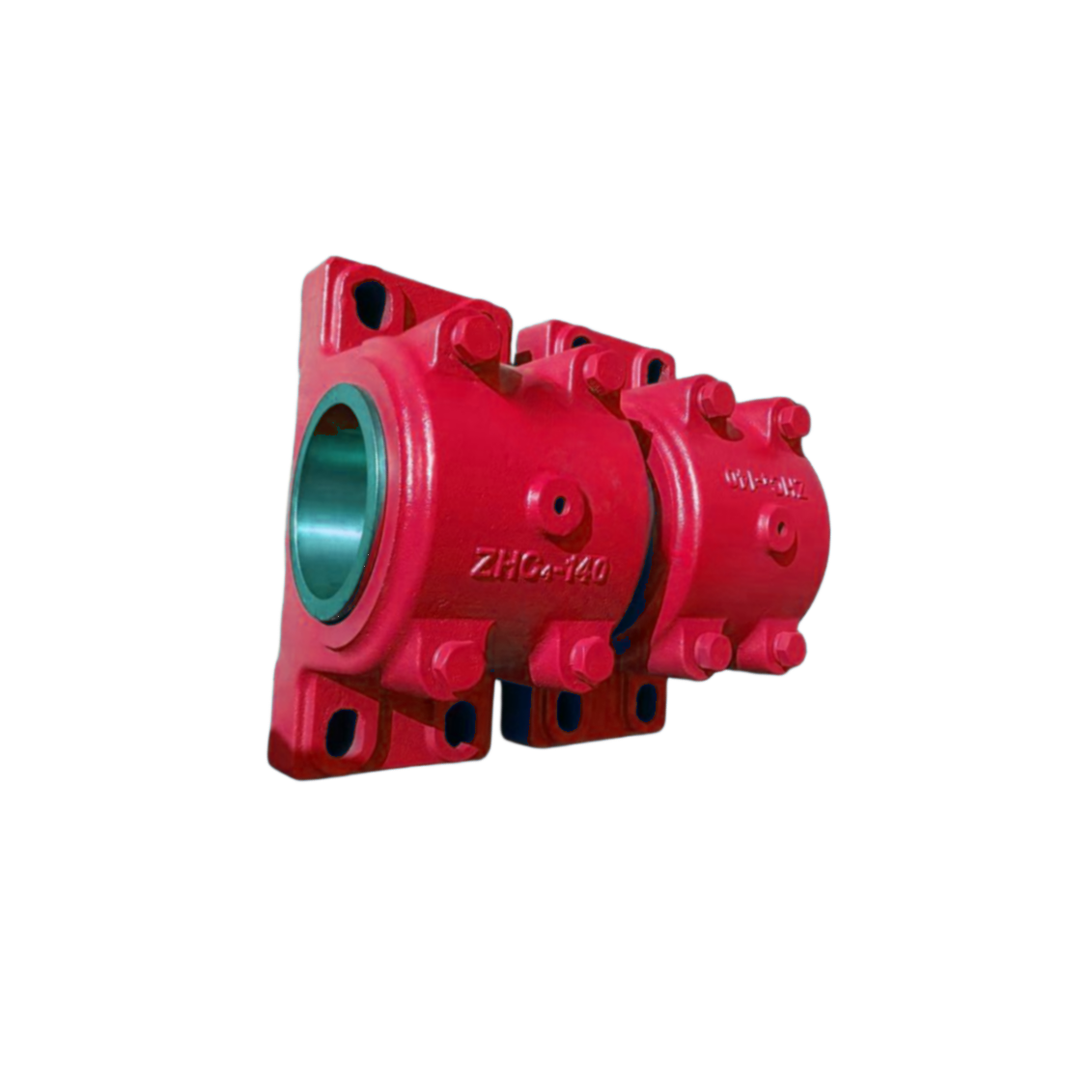
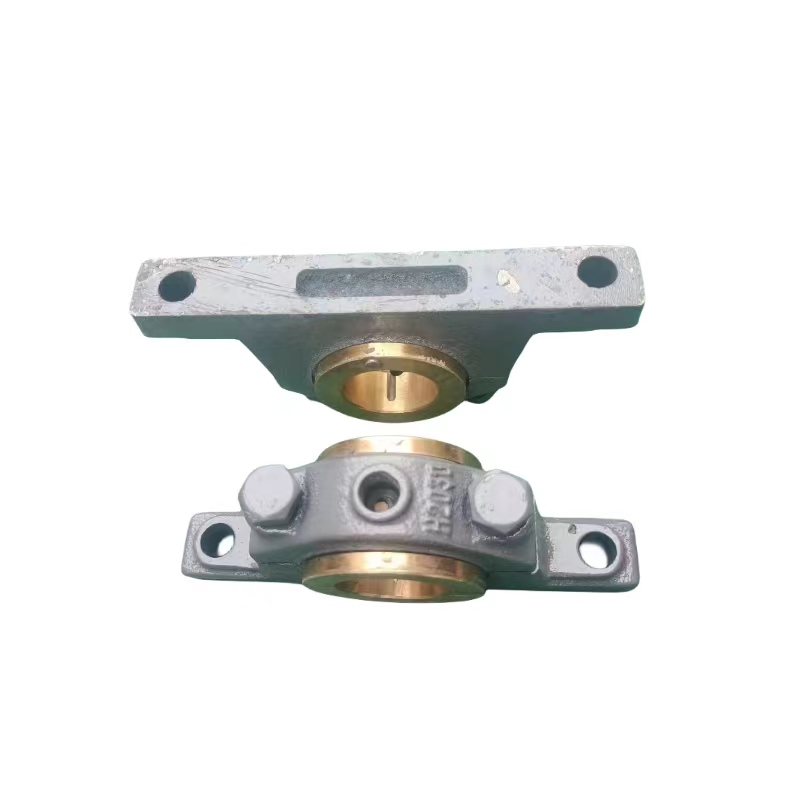
A bearing housing is a mechanical component used to support bearings, providing both fixation and positioning for the bearings.
The following is a detailed description of the bearing housing:
A wide variety of typesIncluding integral, split, and embedded types, to accommodate various installation requirements.
Material SelectionTypically manufactured from cast iron, cast steel, and stainless steel, offering high strength and durability.
Structural Features:
Provide the precise location of the bearing to ensure the shaft's rotational accuracy.
Has sufficient rigidity to withstand axial and radial loads.
The design incorporates lubrication channels, ensuring optimal lubrication for the bearings.
Installation MethodCan be secured to equipment with bolts, pins, etc.
Application RangeWidely used in various machinery and equipment, such as conveyors, fans, reducers, etc.
Advantages:
Enhance bearing lifespan.
Reduce shaft vibration and noise.
Ease maintenance and replacement of bearings.
Design Considerations:
Load conditions, including axial and radial loads.
RPM requirements.
Work environment, such as temperature and humidity.
Selection Key Points:
Confirm that the bearing housing dimensions and model match the bearing.
Consider whether the carrying capacity meets the equipment requirements.
Choose materials suitable for the work environment.
In summary, bearing bushes play a crucial role in mechanical transmission, and the correct selection and use of bearing bushes contribute to enhancing the performance and reliability of equipment.