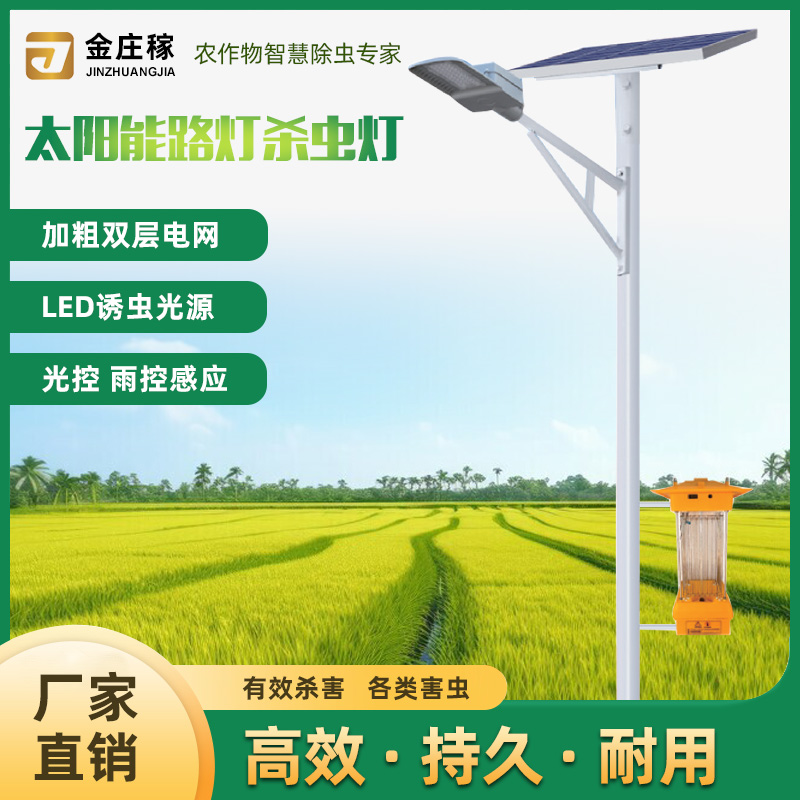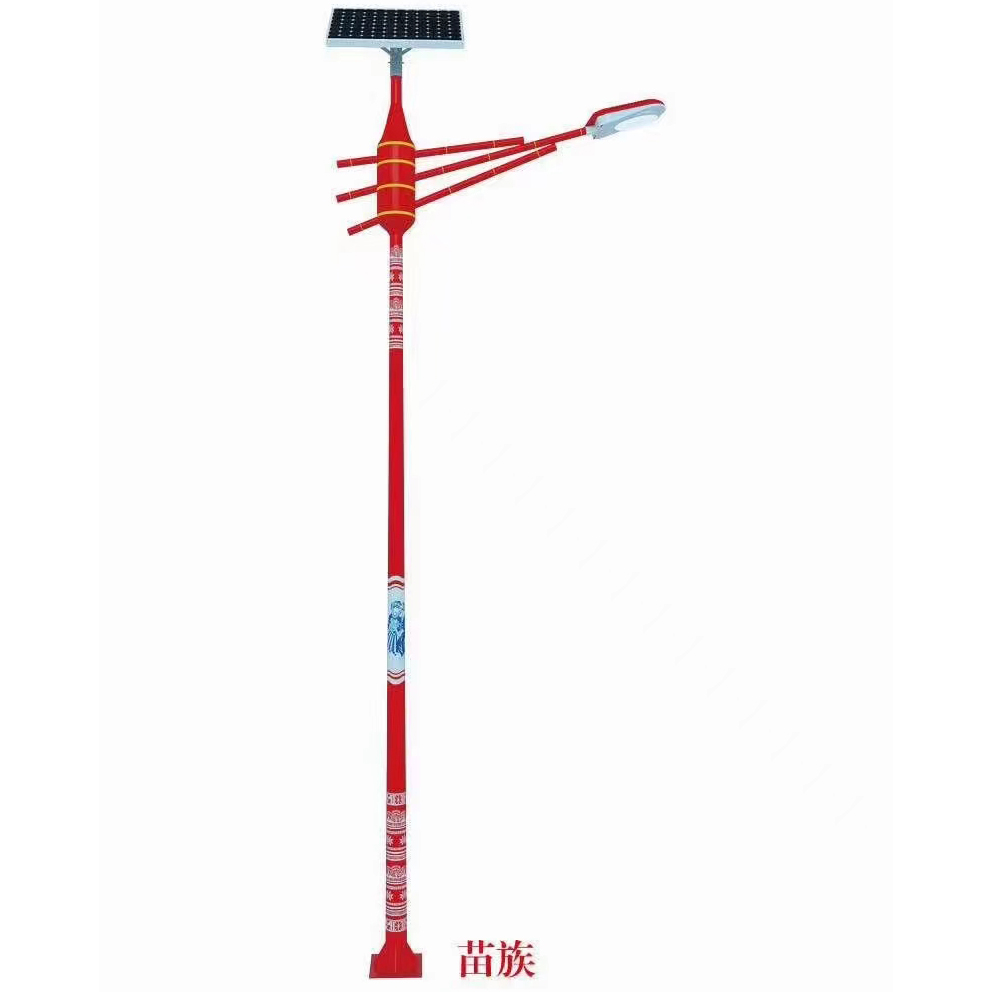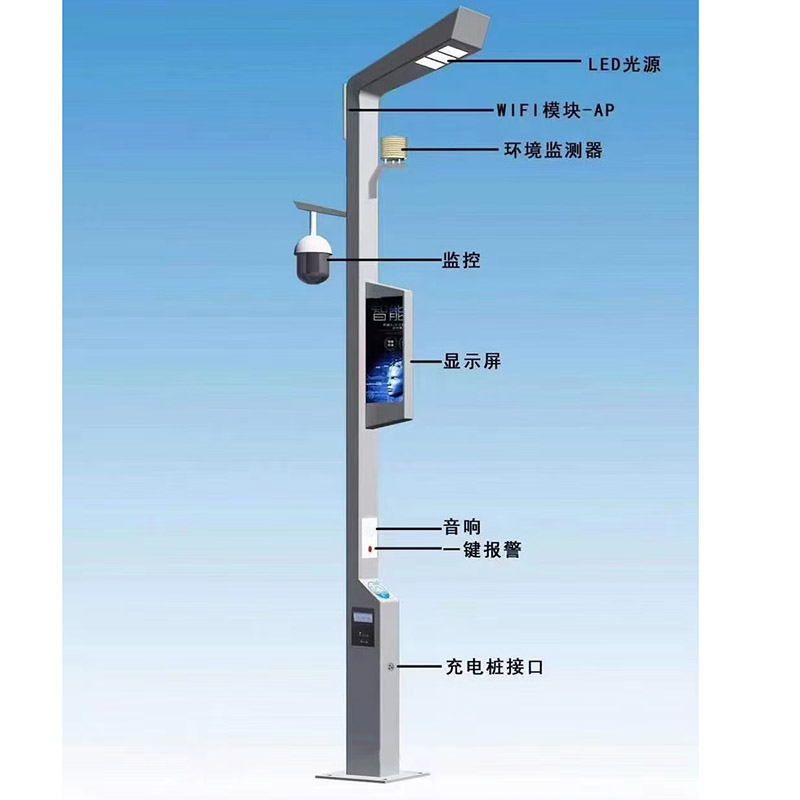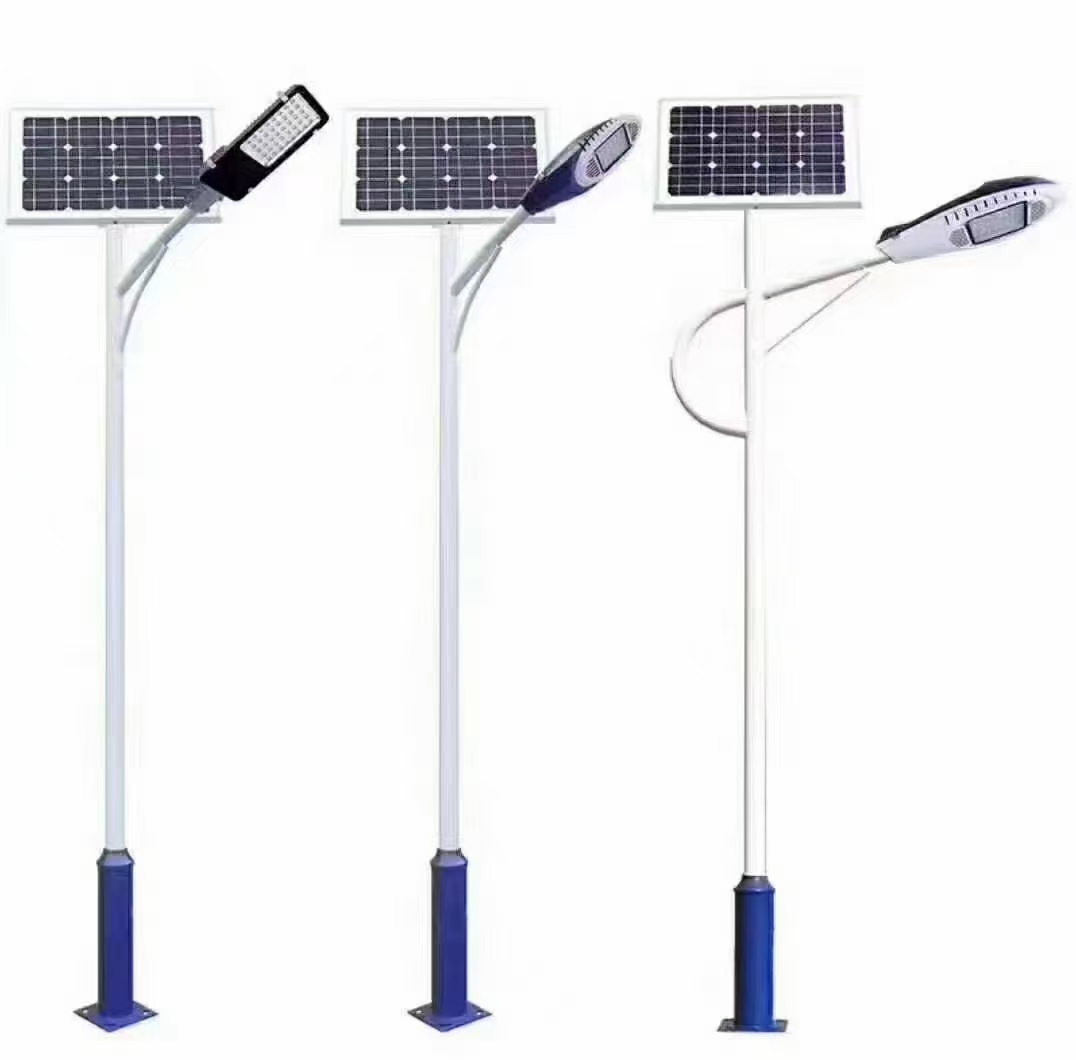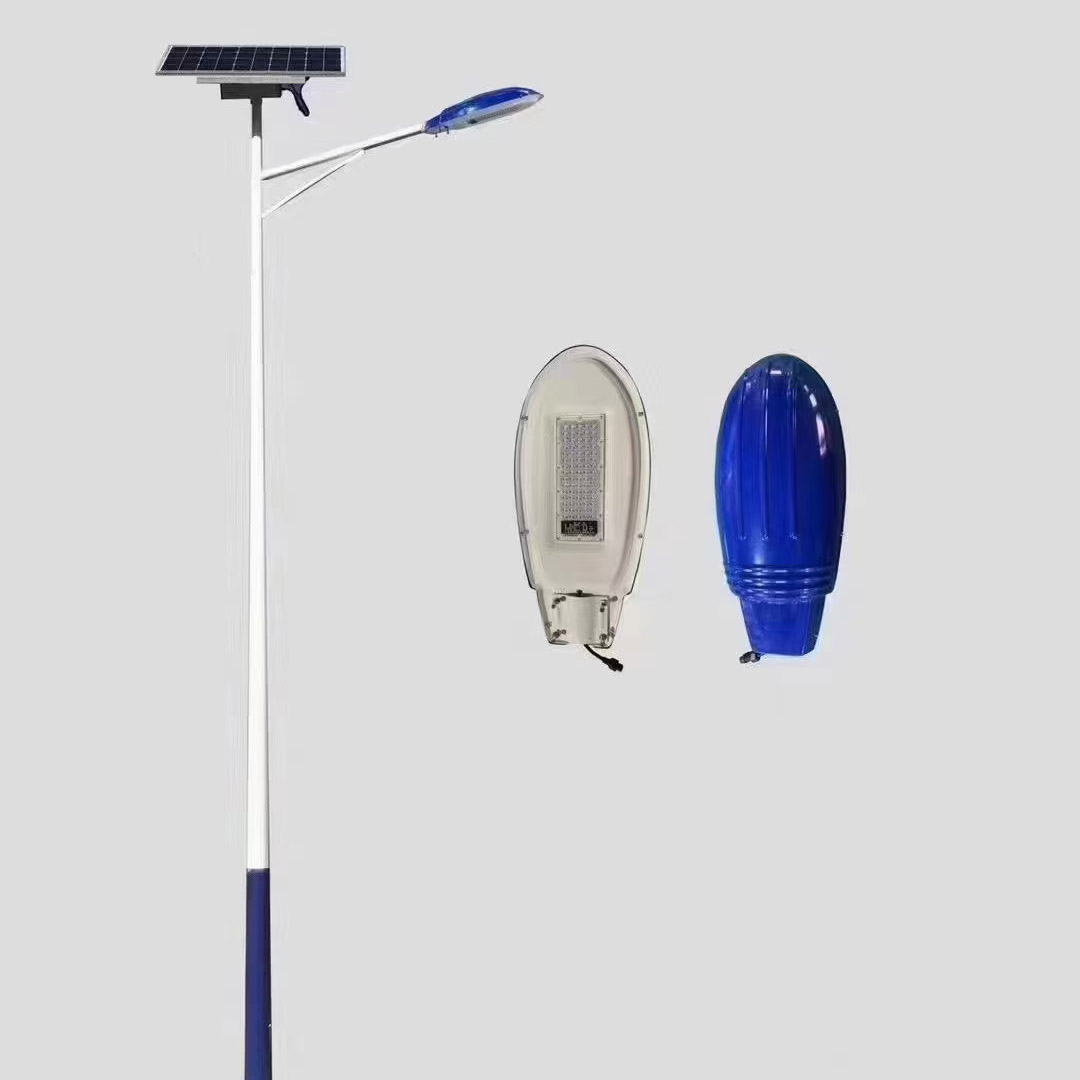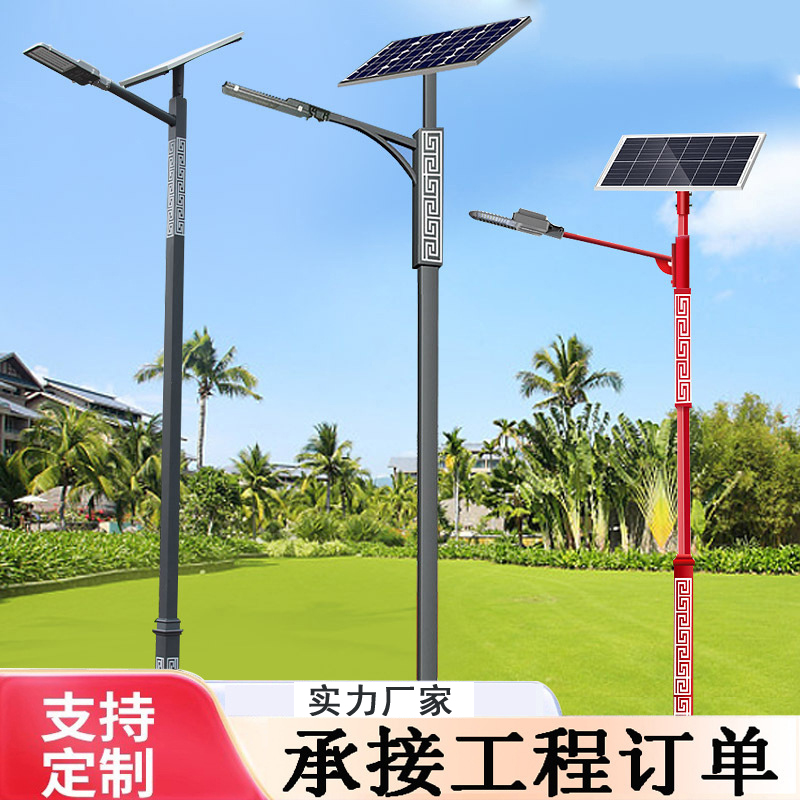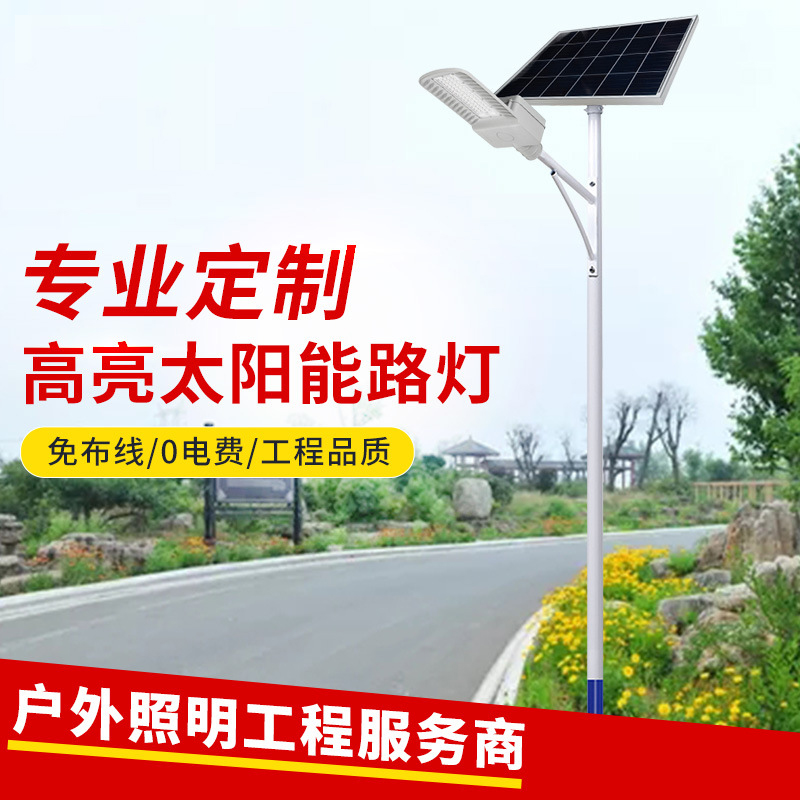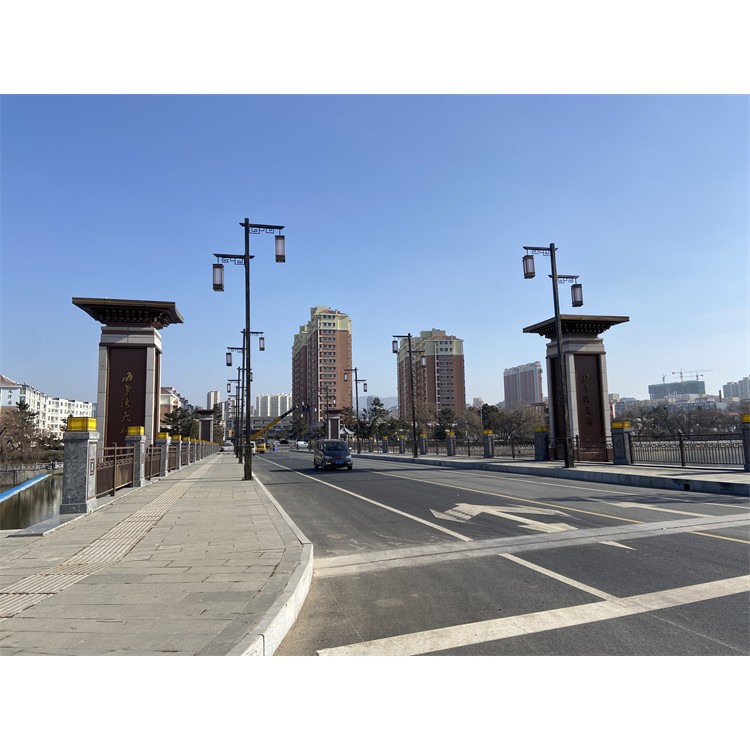

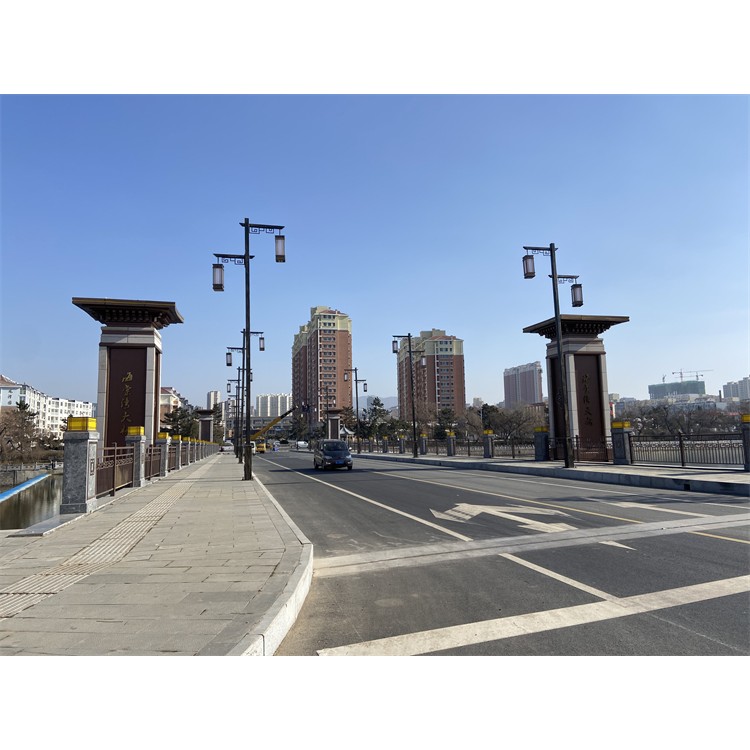
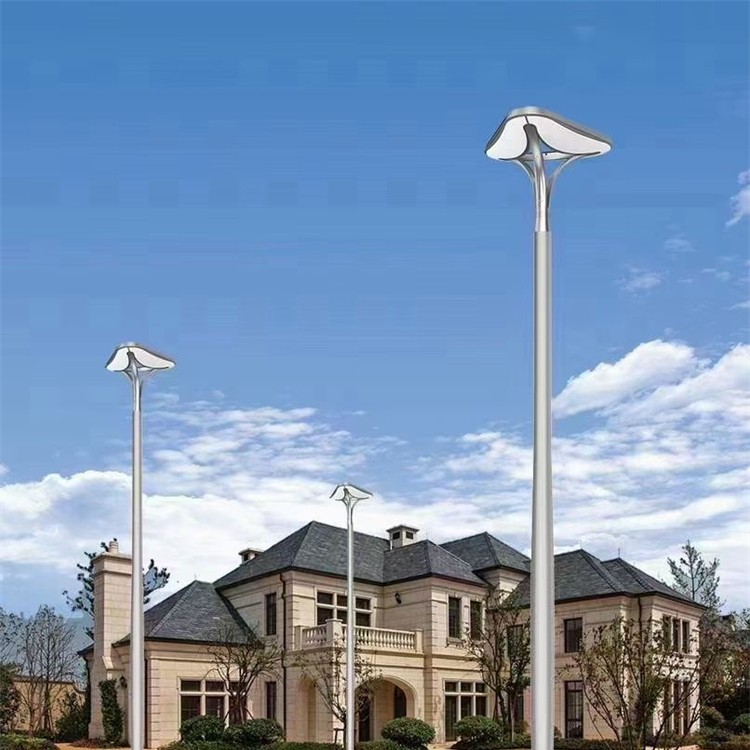
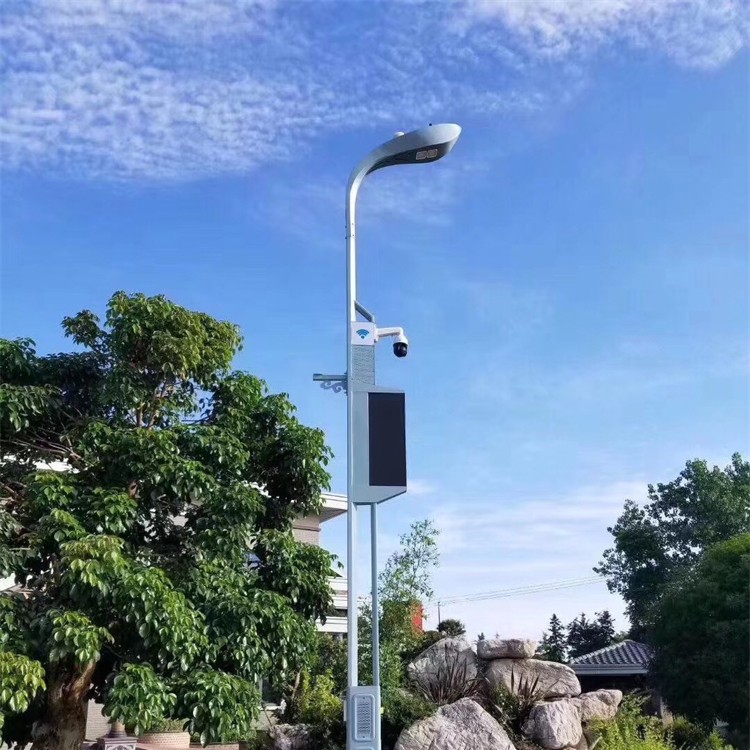


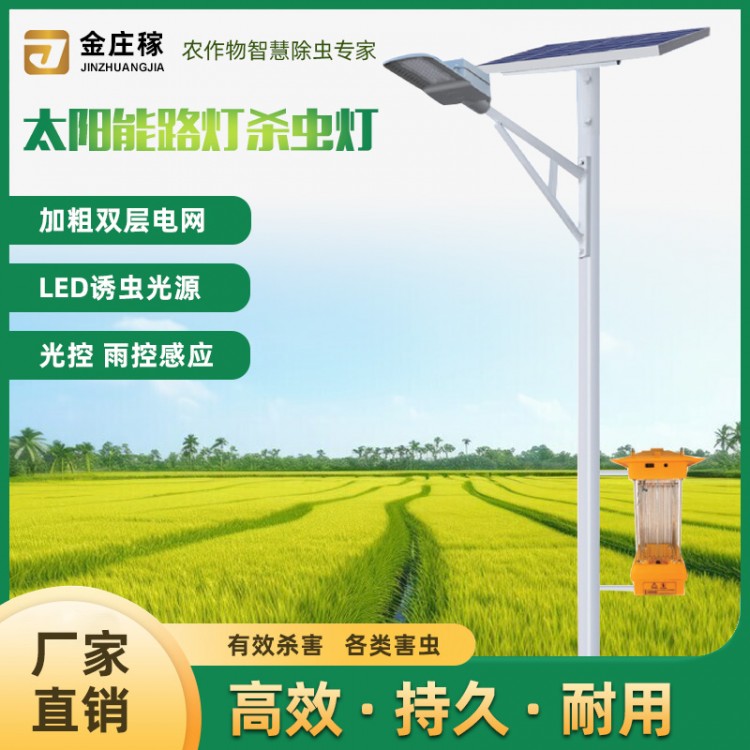

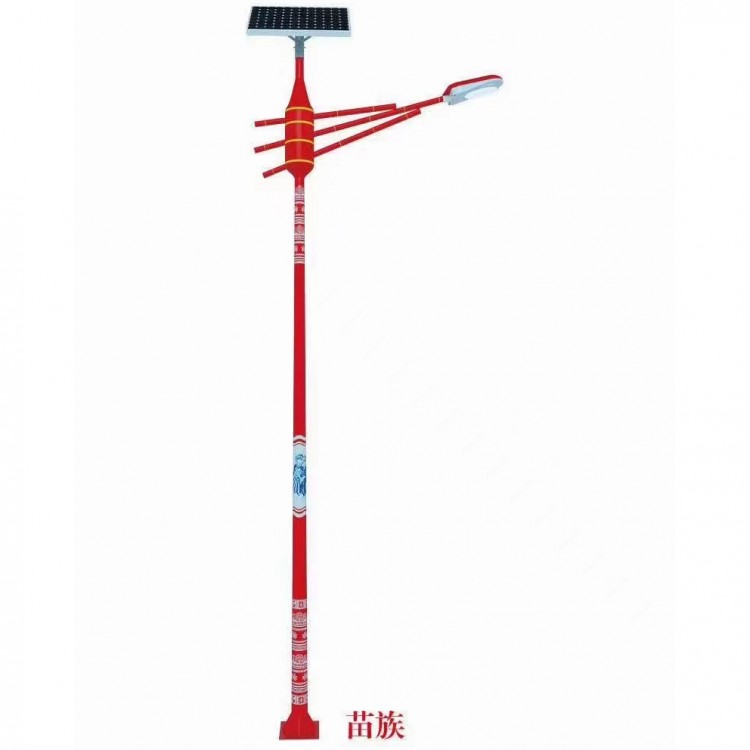
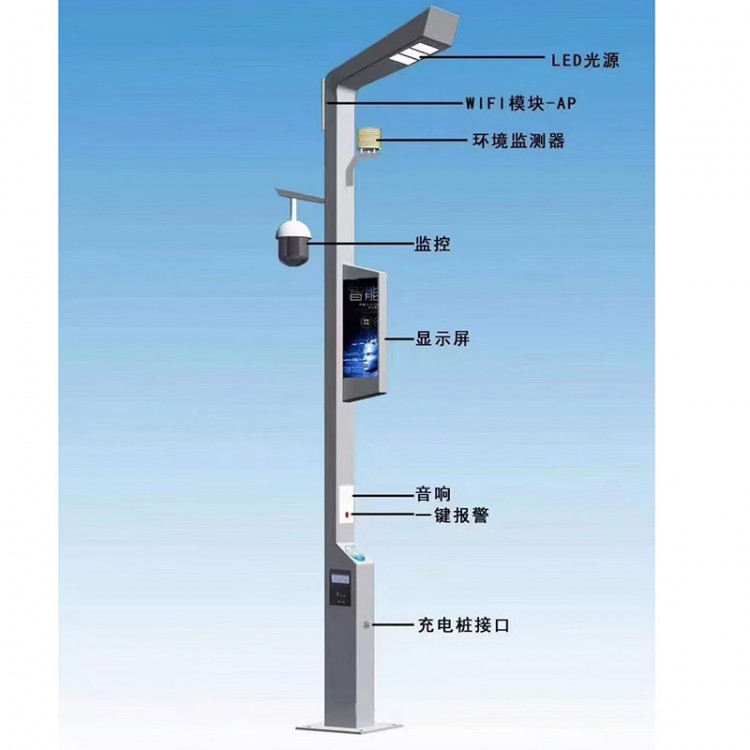
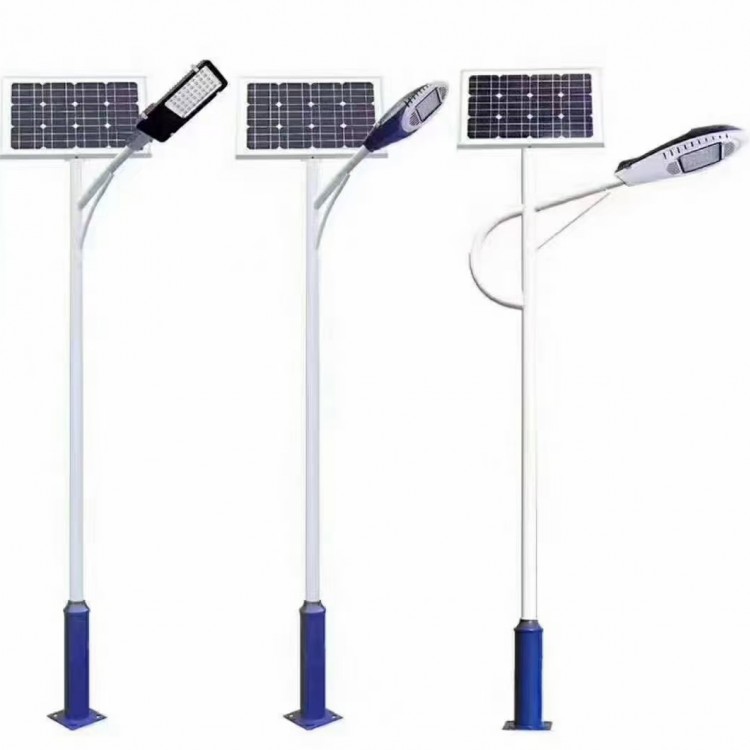





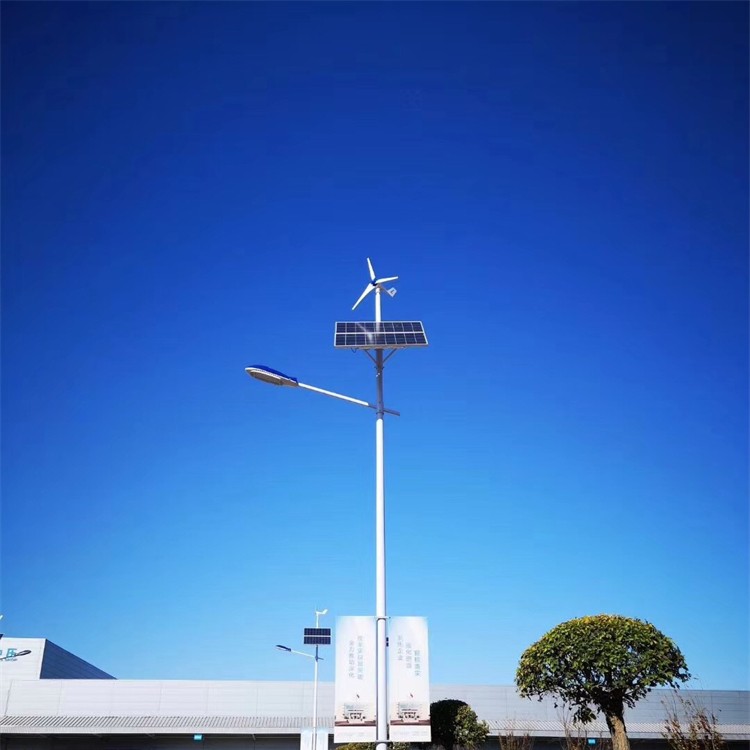
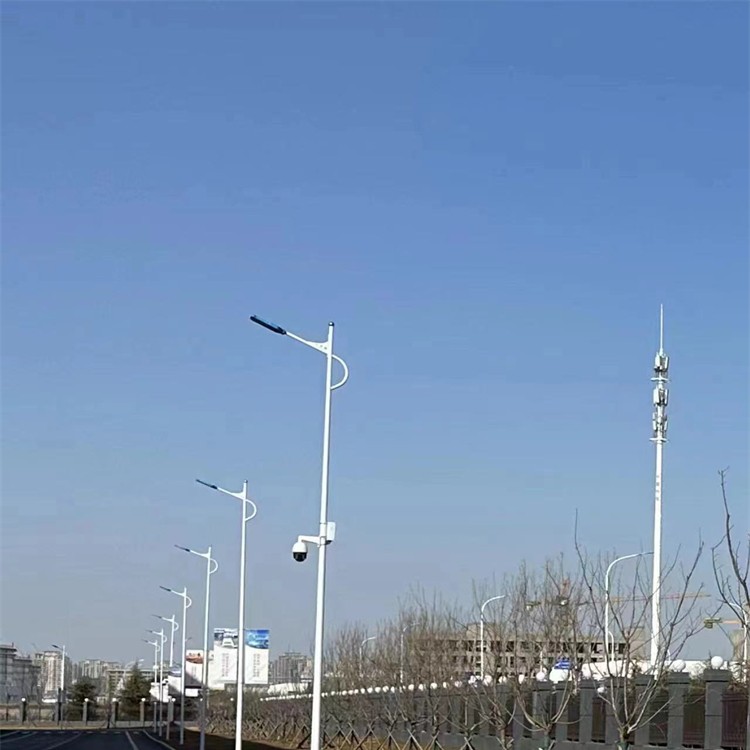
Solar street lights are lighting fixtures powered by solar energy. They typically consist of the following main components:
1. Solar Panels: These are panels used to capture solar energy. They convert solar energy into electrical power.
2. Battery Storage: These are devices used to store the electrical power generated by solar panels. They typically power streetlights during insufficient sunlight.
3. Controllers: These devices are typically used to regulate the charging and discharging of batteries, as well as to protect the batteries from damage.
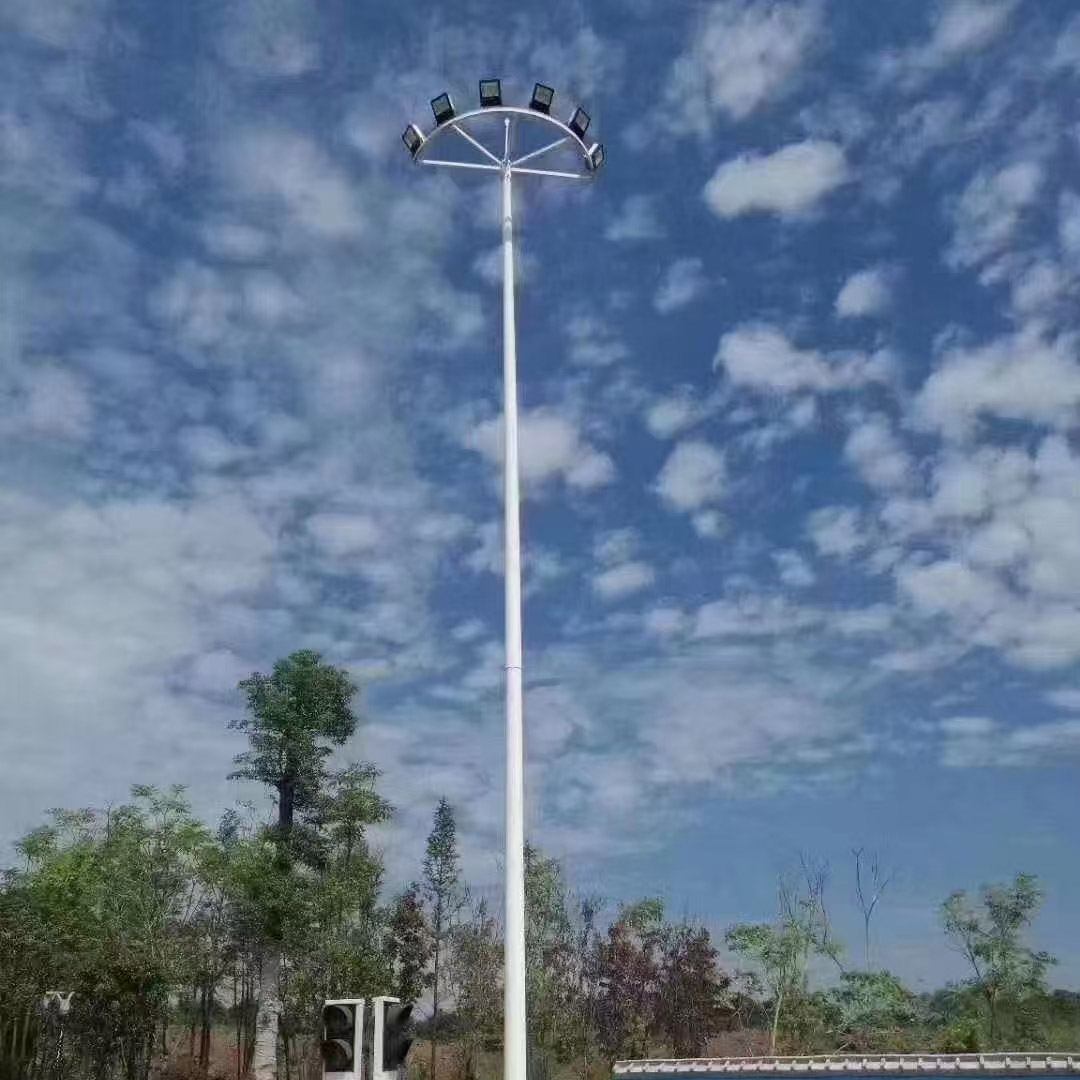
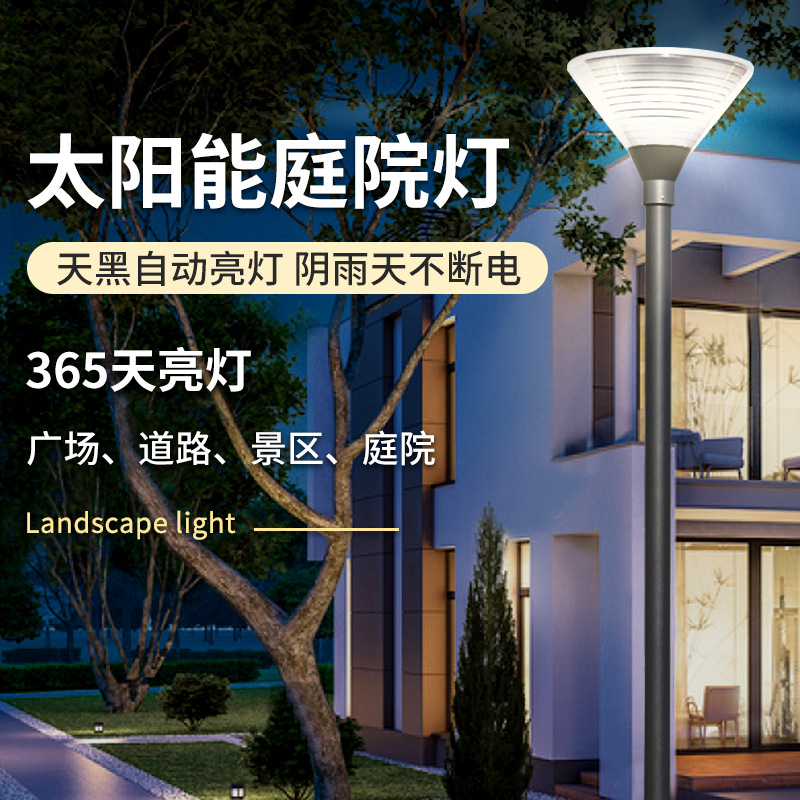
4. Pole and Head: The pole is typically used to support the entire system, while the head emits the light.
5. Wiring and Power Distribution Systems: These systems transmit the electricity generated by the solar panels to the light heads and distribute it to the lighting fixtures.
The advantages of using solar street lights include:
1. Eco-friendly: It utilizes rechargeable energy and does not emit pollutants.
2. Energy-saving: It does not require conventional electricity, thus it will not increase the consumption of conventional electricity.
3. Convenience: It's easy to install and maintain.
4. Long lifespan: The battery life typically ranges from 5 to 8 years, and the solar panel lifespan is over 10 years.
However, there are limitations and challenges with solar street lights, such as they may shut off during cloudy or nighttime if there's not enough power generated by the solar panels. Additionally, solar street lights are relatively expensive, which may be unaffordable for some users. But as technology continues to advance, these issues are being addressed step by step.